High-Efficiency PV Modules Configured for Aleppo's Solar & Thermal Profile
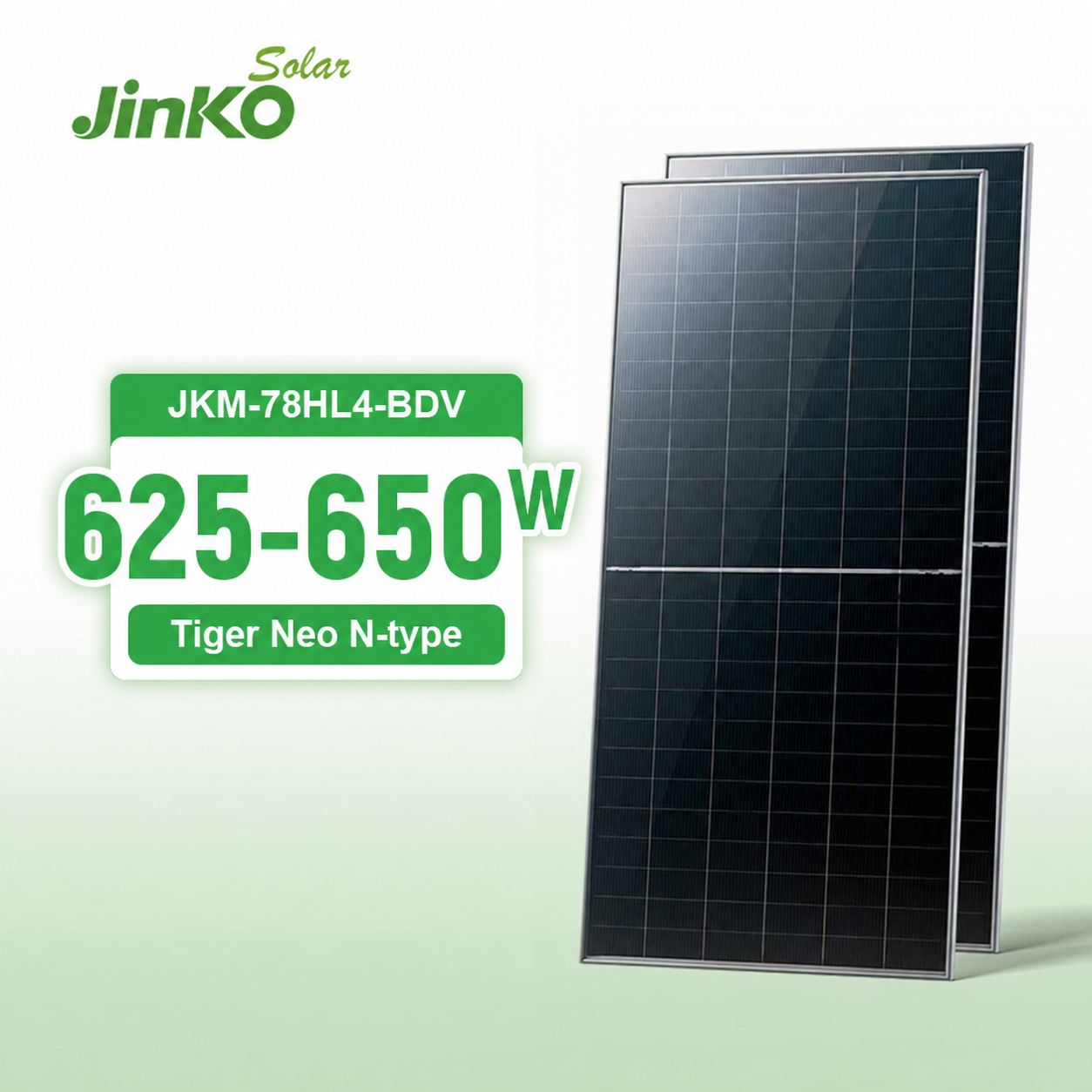
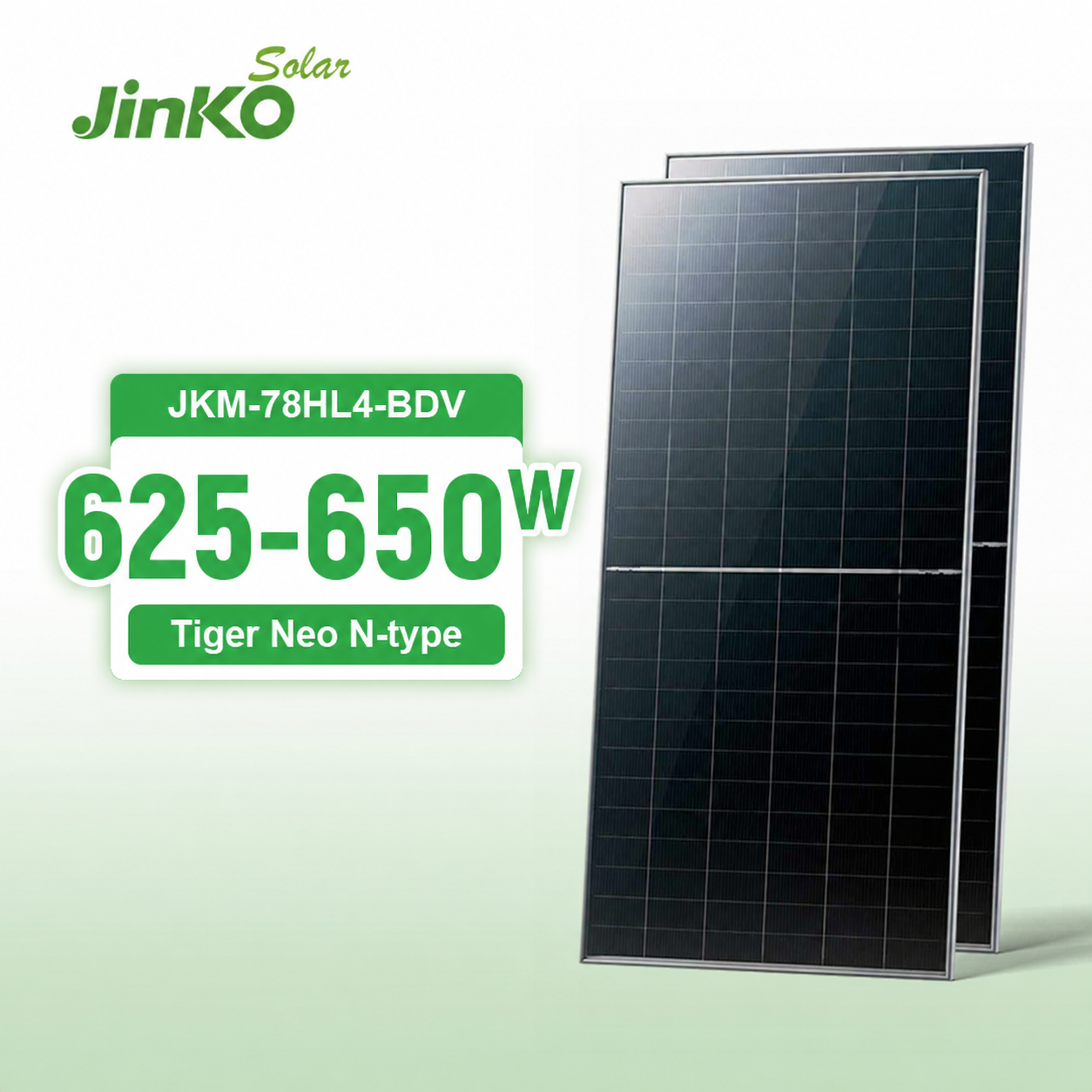
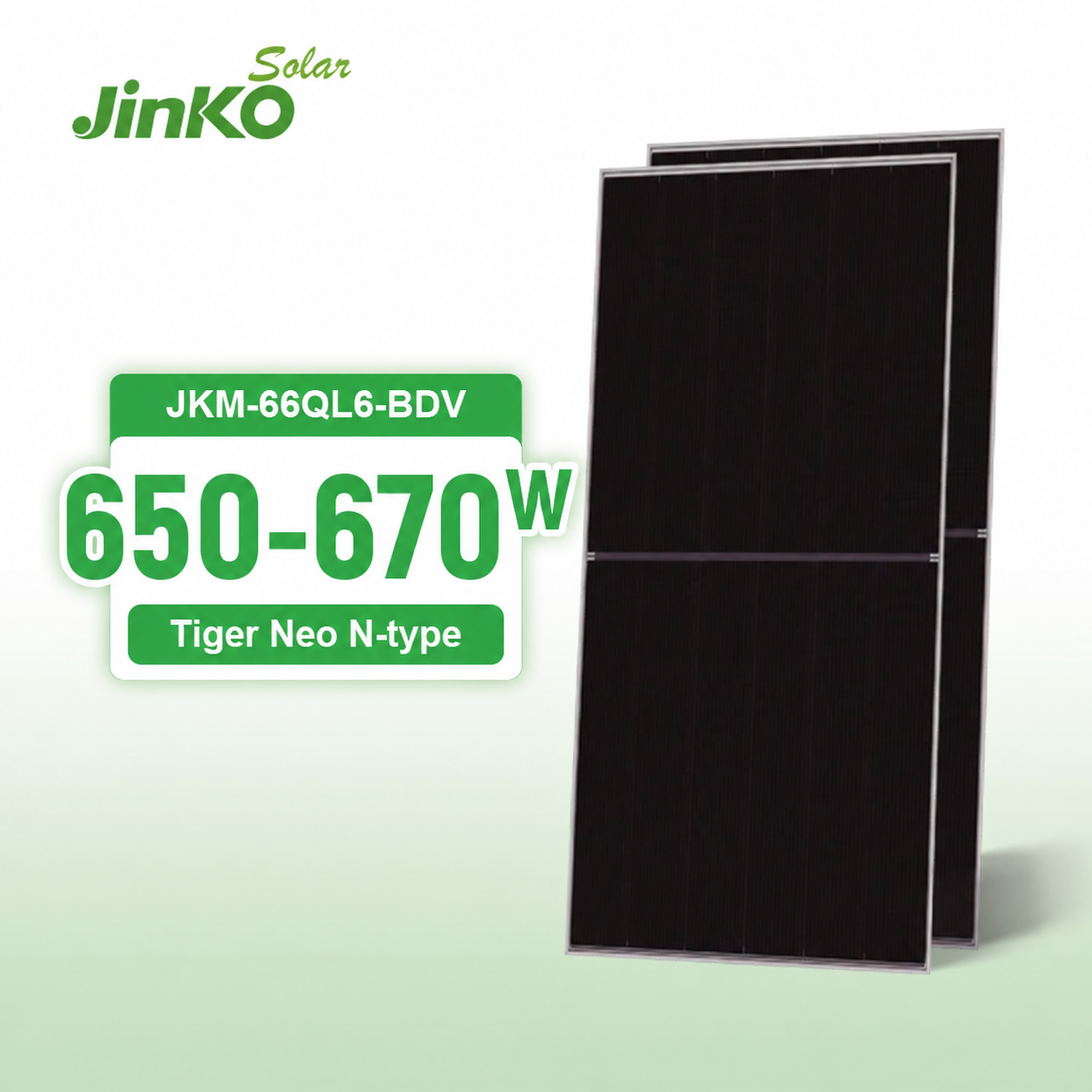
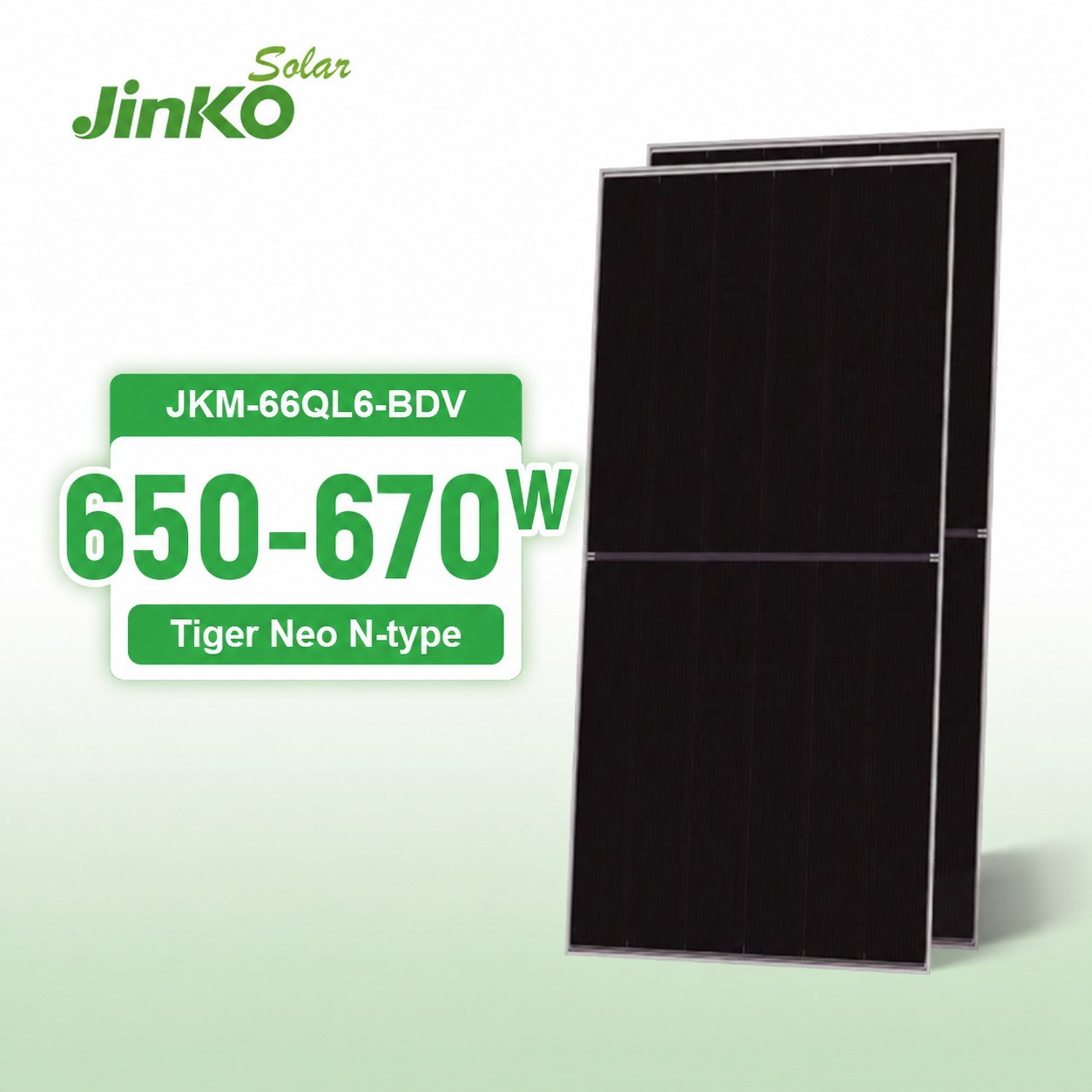
Engineered to withstand northern inland high-temperature derating, semi-arid sand accumulation, and intensive commercial cycling. All modules are factory matched with smart BMS hybrid storage architectures.
Addressing Aleppo's Grid Deficit with Hybrid Microgrid Topologies
Aleppo, historically recognized as the manufacturing locomotive and trade hub of the Levant, confronts an unprecedented energy landscape. Reconstruction of municipal grid feeders across the Sheikh Najjar Industrial Zone, Al-Layramoun, and agricultural outskirts remains constrained by infrastructural deficits. Commercial operations frequently experience municipal utility availability limited to 2 to 4 hours per day, forcing manufacturing facilities, agricultural operations, and residential developments to depend excessively on localized diesel gensets (locally termed ampere networks).
Operating pure diesel-driven micro-generation in northern Syria creates crippling financial overheads. High imported fuel prices, fuel quality variances causing premature injector failure, and logistical fuel-rationing supply chains elevate the Levelized Cost of Electricity (LCOE) of local diesel generation to approximately $0.65 – $0.90 per kilowatt-hour (kWh). Integrating an engineered hybrid power system—combining high-yield Photovoltaic (PV) generation, dynamic bidirectional hybrid inverters, and high-density Lithium Iron Phosphate (LiFePO4) energy storage—drops the effective LCOE to below $0.11/kWh over a 10-year operating horizon.
Engineered System Applications Across Northern Syria
Tailored electrical topologies addressing the precise operational bottlenecks of Aleppo's diversified economic sectors.
Sheikh Najjar Industrial City: Continuous Textile & Plastics Production
Textile spinning, weaving looms, and polymer extrusion machinery cannot tolerate grid fluctuations, voltage sags, or sudden blackouts that destroy raw materials. We supply parallel-coupled three-phase hybrid inverters (50kW to 500kW clusters) with sub-4 millisecond transfer switching, seamlessly harmonizing solar arrays with on-site diesel generators to maintain uninterrupted motor operations.
Rural Agricultural Irrigation & Deep-Well Extraction
In rural Aleppo plains, Kuweires, and Al-Safira, agriculturalists face steep irrigation barriers. Our solar pumping and energy storage combinations leverage high-voltage MPPT controllers directly matched to high-surge submersible pumps. Systems incorporate deep-cycle GEL or LiFePO4 battery banks to support automated diurnal and nocturnal drip irrigation cycles without grid access.
Pharmaceutical Facilities, Clinics & Central Cold Chain Storage
Medical infrastructure and temperature-controlled food logistics across western Aleppo rely on strict cold-chain compliance. Our hybrid configurations provide pure sine wave power (THD < 2%) with dual-bus battery redundancy, shielding sensitive diagnostic analyzers, refrigeration compressors, and HVAC systems from destructive harmonic distortion.
Commercial Centers, Multi-Family Compounds & Urban Microgrids
Commercial shopping districts, bakeries, and urban residential blocks in Al-Sulaymaniyah and Al-Jamiliyah eliminate reliance on chaotic street-cable subscription tariffs. Utilizing smart split-phase and three-phase hybrid inverters with time-of-use (TOU) programming, urban microgrids intelligently charge battery banks during off-peak periods or peak solar production hours.
Emerging Technology Trends in the Northern Syrian Renewable Sector
The renewable energy sector in Aleppo has progressed past its initial experimental phase. Importers, electrical contractors, and EPC engineers are no longer purchasing mismatched, commoditized components from secondary channels. The market is undergoing four structural transitions:
1. Abandonment of Manual Generator Switchgears for Dynamic Gen-Set Control: Previously, facilities ran manual transfer switches between solar off-grid inverters and diesel units, causing reverse power feeds that burned alternator windings. Modern deployments mandate hybrid inverters equipped with dry-contact frequency-shifting relays that can auto-throttle diesel output down to 30% baseline load while prioritizing solar harvesting.
2. Rapid Conversion from Flooded Lead-Acid to High-Safety LiFePO4: Given the elevated summer ambient temperatures in Aleppo, conventional flooded and standard AGM batteries experience accelerated electrolyte boil-off and plate sulfation within 12–18 months. B2B purchasers are standardizing on LFP (Lithium Iron Phosphate) prismatics integrated with smart BMS units capable of multi-channel communication (CAN/RS485) to prevent over-temperature cell degradation.
3. Standardizing on Dual-Glass N-Type TOPCon Panels: Sand particles carried by inland easterly desert winds create micro-abrasions and mechanical stress on single-glass EVA backsheets. Dual-glass modules (2.0mm + 2.0mm semi-tempered glass) resist sandstorm micro-scratches, offer Class A fire safety, and extract up to 20% supplementary bifacial energy gain from the limestone gravel and white-washed rooftops common throughout Aleppo.
| System Parameter | Traditional Local Generation (Diesel Only) | Legacy Solar + Acid Bank (2018-2021) | VOLT High-Yield TOPCon Hybrid Microgrid |
|---|---|---|---|
| LCOE (10-Yr Operational) | $0.65 – $0.90 / kWh | $0.38 – $0.48 / kWh | $0.09 – $0.13 / kWh |
| High Heat Degradation | Mechanical de-rating & overheating | P-Type Pmax: -0.38%/°C (Severe loss) | N-Type TOPCon: -0.29%/°C (Industry lowest) |
| Cycle Life Expectancy | Requires overhaul every 4,000 hrs | 400 – 800 cycles (Lead/AGM @ 50% DoD) | 6,000+ full cycles (LiFePO4 @ 90% DoD) |
| Transfer Switch Latency | 15 seconds – 3 minutes (Blackout lag) | 40ms – 120ms (IT equipment crashes) | < 4ms (True seamless UPS standard) |
| Genset Integration | N/A (Primary dirty source) | Manual changeover; prone to backfeed | Automated dry-contact smart dispatch |
Why Aleppo Distributorships & EPCs Partner with VOLT
Eliminating overseas procurement friction through rigorous quality assurance, certified compatibility, and specialized Dangerous Goods container logistics.
Zero-Error Communication Pre-Commissioning
The primary reason solar-storage systems fail in the field is BMS-to-inverter communication mismatch. At our Hangzhou integration facility, every battery series and inverter model undergoes physical CAN and RS485 protocol handshake verification before boxing, guaranteeing 100% plug-and-play field setup for your installation crews.
Class 9 Dangerous Goods Export Mastery
Lithium battery customs clearance requires exacting international compliance. We manage full UN38.3 test reports, Material Safety Data Sheets (MSDS), sea freight Dangerous Goods declarations, and customized heavy-ply export crating, ensuring smooth customs processing at transit ports like Mersin, Beirut, or Latakia.
Turnkey Mixed-Container Logistics
Avoid coordinating with five disparate factories. We consolidate Tier-1 Jinko solar panels, Deye single- and three-phase hybrid inverters, VOLT LFP battery cabinets, colloidal GEL units, combiner boxes, and DC cabling into consolidated 20GP or 40HQ containers, radically lowering landed freight costs per watt.
Direct Engineering CAD & Sizing Backing
Our bilingual electrical engineers assist your sales engineering division with string sizing calculations, array shading simulations, short-circuit protection ratings, and single-line schematics (SLDs) tailored to tender submittals across Syrian commercial rehabilitation projects.
Frequently Asked Questions by Syrian Solar Importers
Essential guidance addressing technical specifications, logistics, payment safety, and extreme climate durability.
How do VOLT hybrid power systems interface with existing diesel generators in Aleppo?
Our integrated hybrid systems (utilizing Deye three-phase architectures) feature dedicated auxiliary generator input ports with programmable dry-contact relays. When PV production diminishes and battery storage reaches a pre-set low Depth of Discharge (e.g., 20%), the inverter automatically sends a start signal to the diesel generator's Automatic Mains Failure (AMF) panel.
Once the generator runs, the inverter acts as an intelligent controller: it throttles solar PV and battery charging while utilizing the generator at its most efficient fuel curve (between 70% and 85% load), preventing 'wet stacking' engine damage. Crucially, the system features reverse-power protection to guarantee zero backfeed current ever reaches the generator's alternator.
How do your solar modules and batteries perform during Aleppo's extreme summer heatwaves?
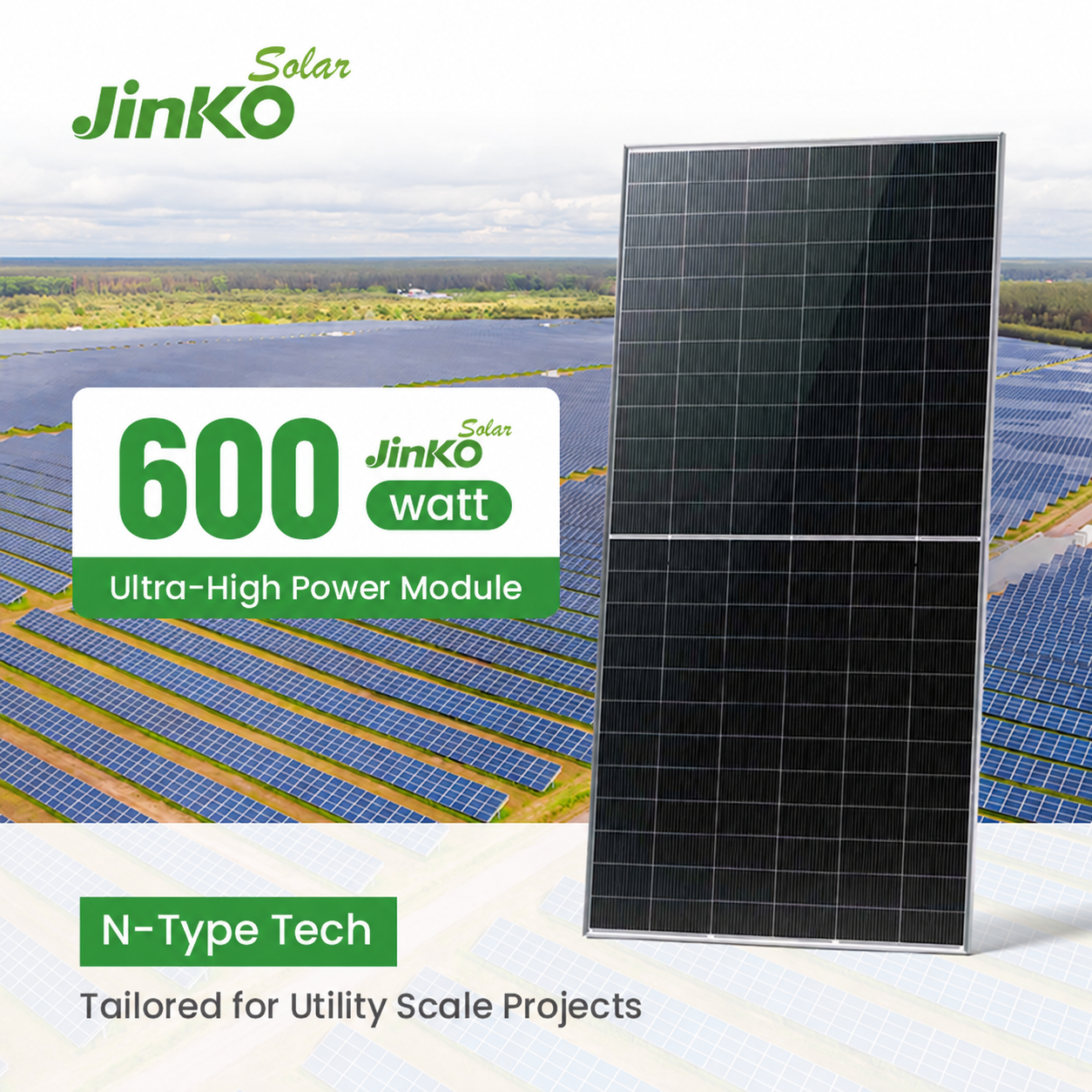
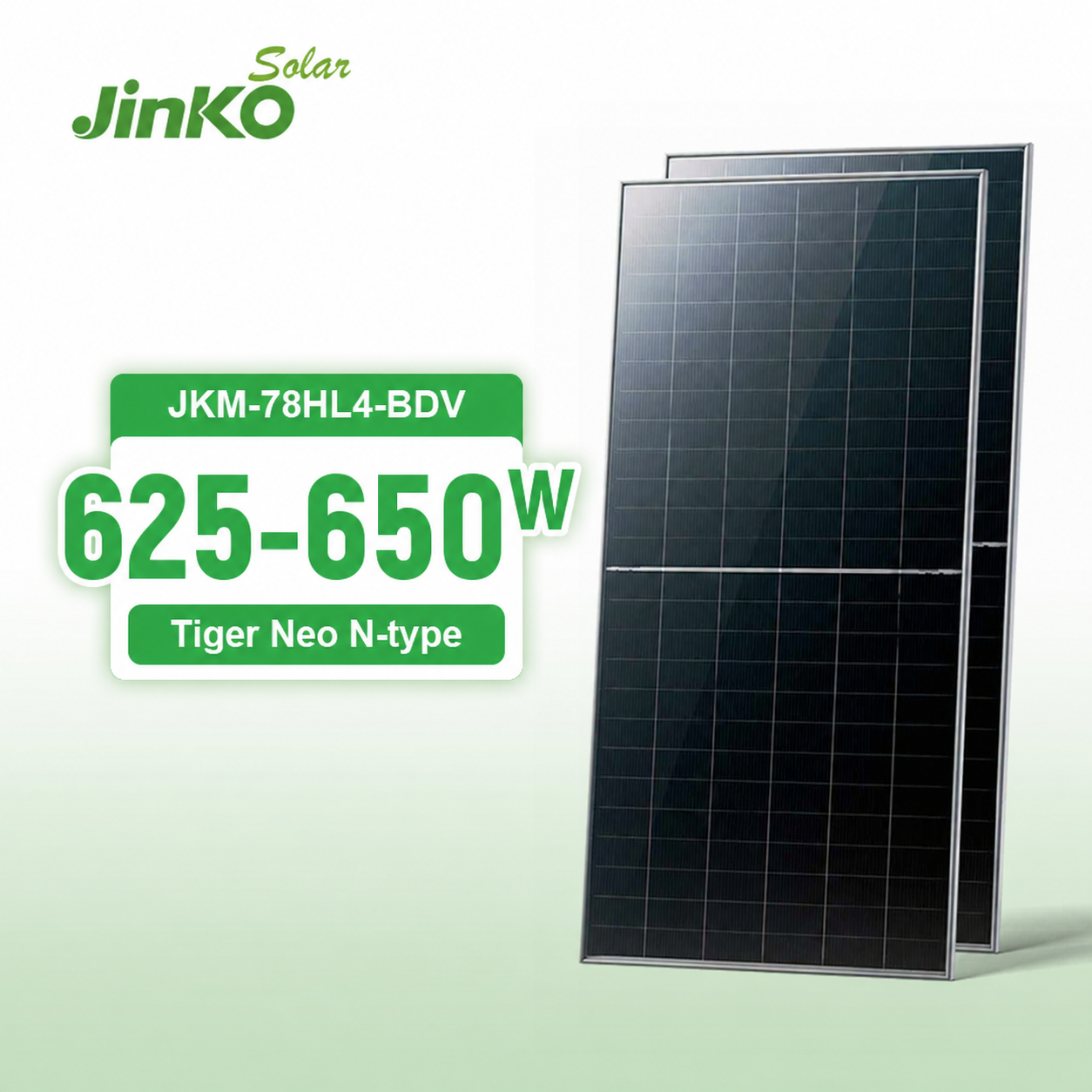
Ambient rooftop temperatures in Aleppo regularly exceed 42°C during summer, meaning cell operational temperatures can reach 65°C. Conventional solar panels lose immense wattage under these conditions. We supply Jinko N-Type TOPCon bifacial modules with an exceptional temperature coefficient of -0.29%/°C, outperforming legacy PERC modules (-0.38%/°C) by producing approximately 5% to 8% more usable energy daily under intense thermal stress.
For storage, our LiFePO4 batteries are equipped with thermal monitoring probes per cell group and custom programmable high-temperature charging cutoffs via the smart BMS. For non-air-conditioned industrial rooms, we also provide deep-cycle colloidal GEL batteries, which possess superior thermal mass and electrolyte stability in unconditioned spaces.
What logistics corridors and export documentations are utilized for shipping to Syria?
We routinely manage export shipments destined for northern Syria through multiple logistical avenues depending on client preference: maritime freight to Latakia (direct or transshipment), Beirut Port with overland bonded transit, or Mersin (Turkey) transit routes. We deliver complete export dossiers including commercial invoices, packing lists with detailed container weight distributions, Certificates of Origin (COO), and third-party pre-shipment inspection certificates (such as SGS or Bureau Veritas upon request).
For lithium energy storage shipments, our operations team issues the full dangerous goods compliance package: UN38.3 test summaries, Material Safety Data Sheets (MSDS), and sea-worthy certified dangerous goods packaging compliant with International Maritime Organization (IMO) Class 9 standards.
Can we consolidate panels, inverters, storage batteries, and mounting hardware in one container?
Yes, mixed-container consolidation is one of our primary core advantages for distributors and EPC contractors. Ordering individual components from disparate factories creates logistical nightmares, elevated freight overhead, and communication risks. We stage, inspect, and bundle Tier-1 Jinko PV panels, Deye inverters, and VOLT battery banks into unified 20-foot or 40-foot HQ containers at our Hangzhou warehouse facilities.
Our engineering team performs custom 3D container packing simulations to ensure heavy battery banks are positioned properly over container axles while protecting solar module pallets from crushing, optimizing your landed freight cost per kilowatt.
How are manufacturer warranties honored and managed for clients located in Syria?
Hangzhou VOLT New Energy maintains traceable serial number registries for every piece of equipment dispatched from China. In the unlikely event of component malfunction, our technical department conducts rapid remote diagnostics via inverter cloud monitoring data or error log files provided by your engineering team.
Warranty coverage follows direct Tier-1 factory terms (12 to 25 years for Jinko modules, 5 to 10 years for Deye inverters, and 5 to 10 years for LFP battery packs). For project orders and container-scale distributors, we provide on-site spare parts allocation—including replacement BMS motherboards, power stage boards, and LCD control interfaces—directly with the shipment to ensure zero operational downtime in Aleppo.
Scale Your Solar Operations in Aleppo with Confirmed Engineering Reliability
Send our senior engineering group your target project load profile, generator capacity, or regional distribution requirements. We will return an optimized single-line electrical architecture, container packing layout, and competitive FOB/CIF quotation within 24 hours.