Featured Commercial & Industrial Storage Modules for La Romana Projects
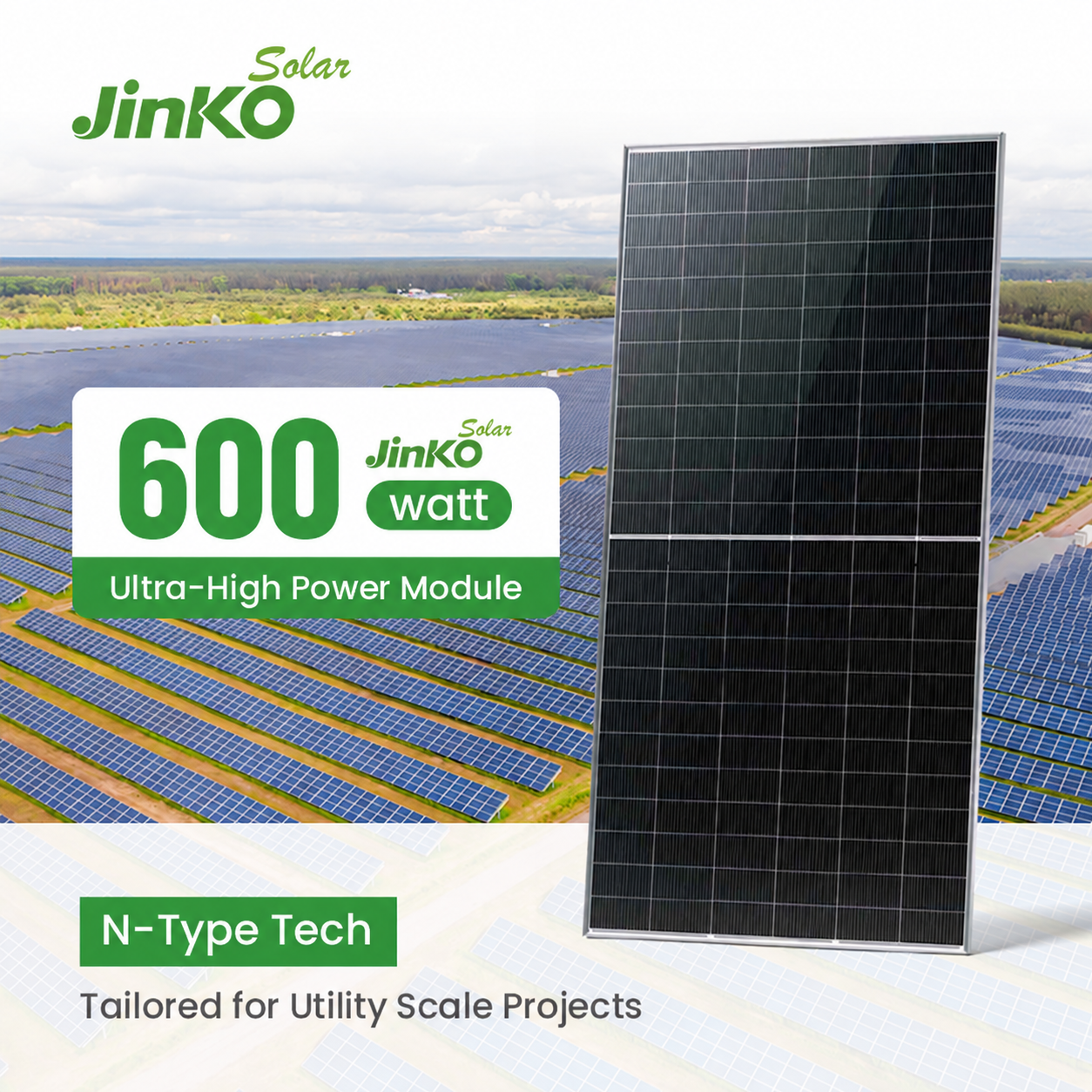
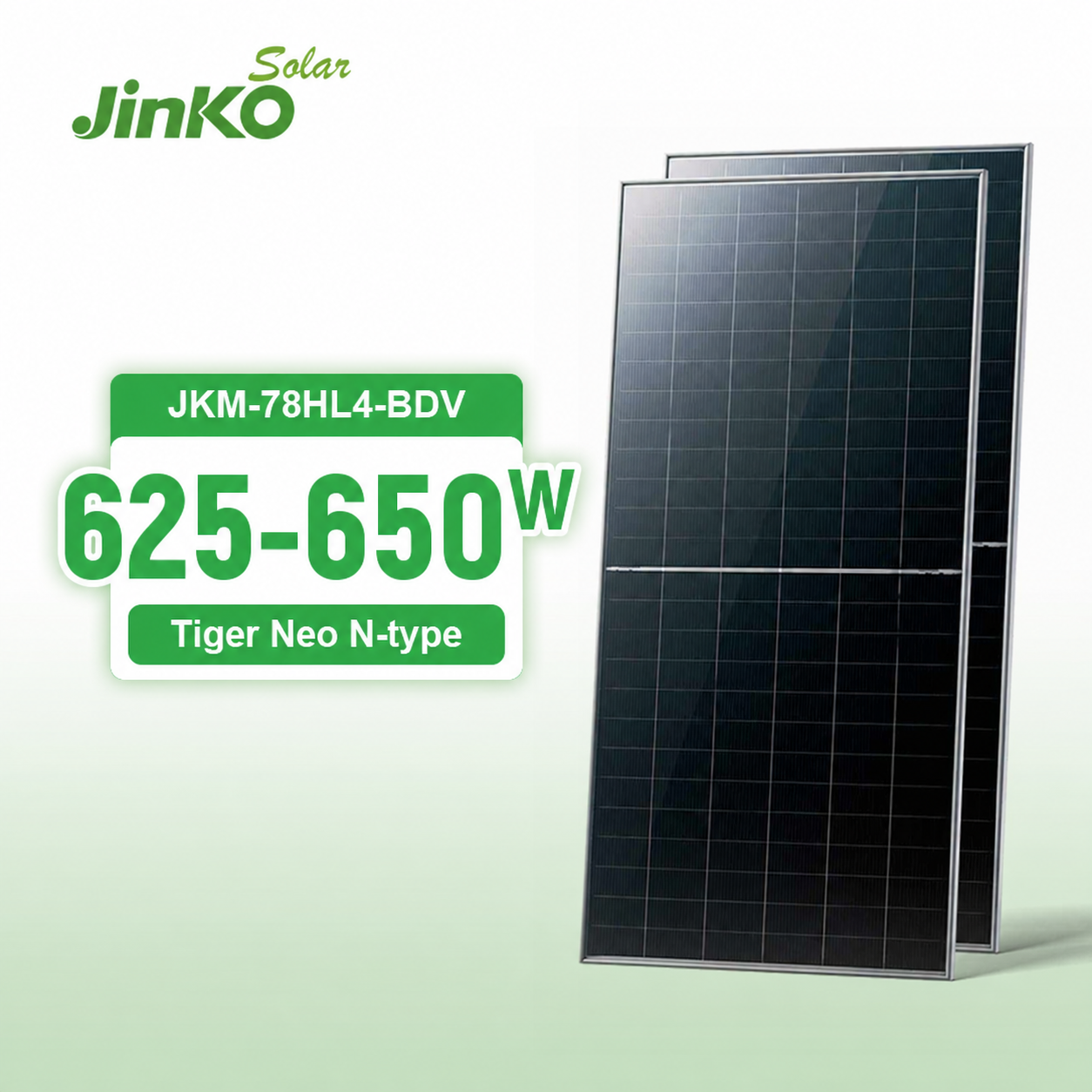
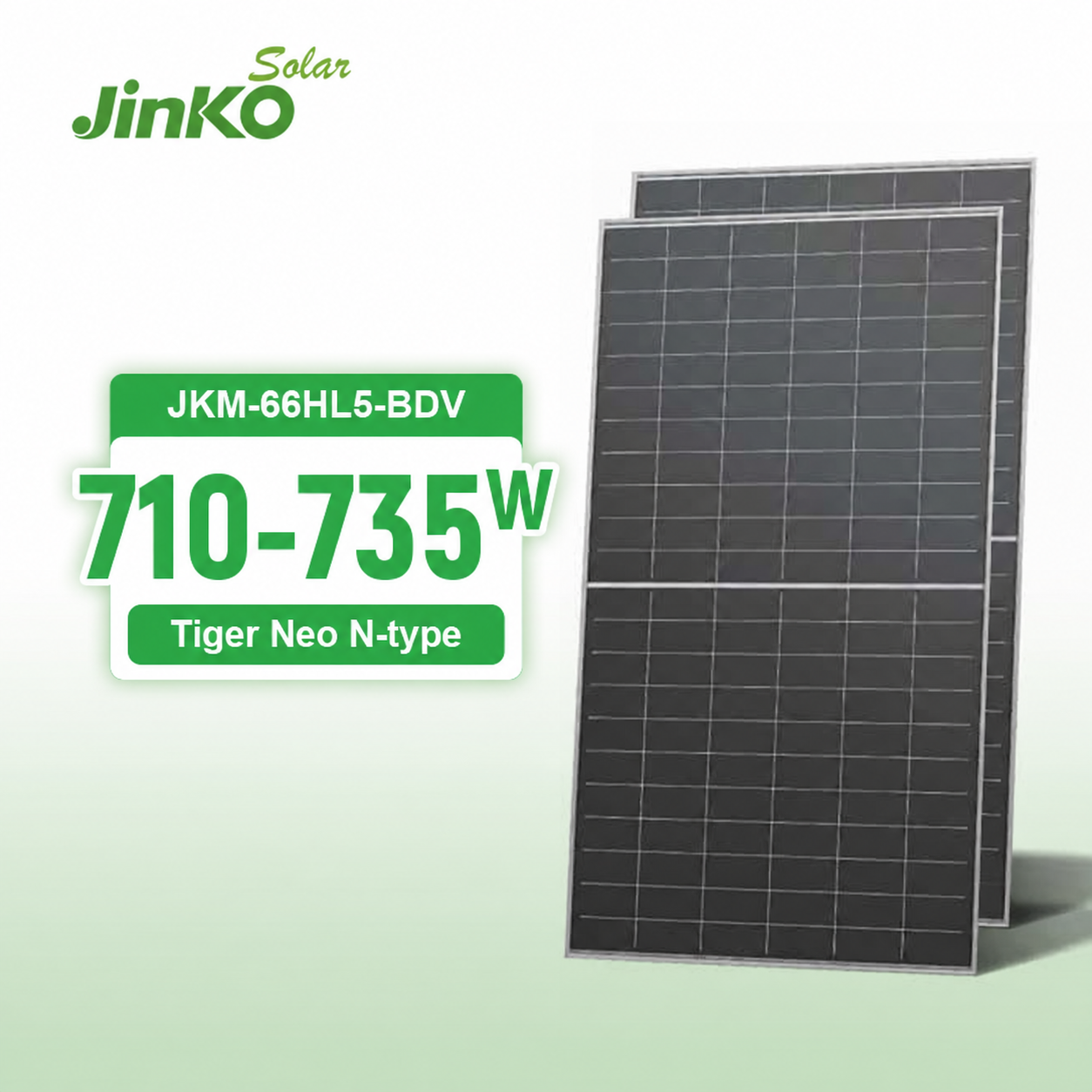
Pre-matched, high-yield photovoltaic generators and integrated C&I energy storage equipment calibrated for tropical ambient temperatures, severe maritime corrosion, and high round-trip discharge efficiency (RTE).
Industrial Battery Energy Storage (BESS) Dynamics in La Romana, Dominican Republic
As the industrial powerhouse of the Eastern Dominican Republic, La Romana presents an extraordinary confluence of heavy manufacturing in the Zona Franca Romana, agro-industrial continuous processing at Central Romana, and mission-critical luxury hospitality at Casa de Campo and Bayahíbe. For plant engineers, corporate developers, and electrical engineering, procurement, and construction (EPC) contractors in La Romana, our industrial battery storage solutions eliminate the vulnerabilities of grid fluctuations, slash punitive demand charges, and displace dirty, expensive diesel gen-sets.
1. Grid Stability Challenges on the SENI Interconnection in Eastern Hispaniola
The Dominican Republic's National Interconnected Electric System (SENI — Sistema Eléctrico Nacional Interconectado), operated by ETED (Empresa de Transmisión Eléctrica Dominicana), experiences recurrent voltage sags, frequency deviations, and unplanned interruptions across the Eastern transmission corridor. For industrial facilities operating automated production lines, heavy extrusion blowers, cold storage chillers, and precision medical manufacturing within La Romana, a momentary voltage drop below 0.88 p.u. triggers widespread variable-frequency drive (VFD) trip-outs, thermal batch spoilage, and costly hydraulic system downtime.
Hangzhou VOLT New Energy engineers containerized and modular battery storage systems (BESS) utilizing Tier-1 Lithium Iron Phosphate (LiFePO4) prismatic cells. Integrated with multi-string Power Conversion Systems (PCS) and advanced Battery Management Systems (BMS), our industrial installations deliver instantaneous sub-10 millisecond micro-grid transfer. By synthesizing virtual inertia and supplying dynamic reactive power support (VAR control), our BESS stabilizes local plant voltage at 480V/277V three-phase, isolating critical manufacturing processes from upstream transmission volatility without incurring generator fuel burn.
2. Peak Shaving, Capacity Tariff Optimization & LCOE Reductions
Industrial consumers connected via EDEEste (Empresa Distribuidora de Electricidad del Este) or private concession grids face severe peak demand penalties (kW billing) during late afternoon and evening periods (18:00 to 22:00) when regional residential and commercial cooling loads peak across the coastal province. Energy rates frequently surpass $0.22 to $0.28 USD per kilowatt-hour, augmented by hefty demand ratchets based on the plant's 15-minute maximum peak interval.
Our engineering methodology deploys Energy Management Systems (EMS) configured for deterministic peak shaving and solar energy time-shifting:
| Operational Strategy | Technical Mechanism (PCS & BMS) | La Romana Industrial Impact | Estimated ROI Payback |
|---|---|---|---|
| Demand Limit Clamping | EMS senses plant main breaker current via Rogowski coils; discharges BESS within 4ms whenever total demand approaches contracted threshold. | Prevents maximum demand penalties on medium-voltage tariffs; eliminates ratcheted utility demand tiers. | 2.2 – 3.1 Years |
| Solar Self-Consumption Arbitrage | Absorbs excess 650W–700W N-Type PV generation during midday peak irradiance (11:00–14:00) at 0.5C charge rate; releases during 18:00–22:00 window. | Circumvents net-metering export curtailment limits enforced by local distribution entities; maximizes internal kWh utilization. | 2.8 – 3.8 Years |
| Diesel Displacement (Gen-Set Peaking) | BESS black-start capability & synthetic droop control seamlessly parallels with Caterpillar/Cummins gen-sets, preventing low-load wet-stacking. | Saves 35%–60% in diesel fuel costs; extends internal combustion overhaul intervals from 5,000 to 12,000 operational hours. | 1.8 – 2.5 Years |
| Harmonic & Power Factor Mitigation | Active power filtering via inverter four-quadrant PWM switching (cos φ tunable from 0.8 leading to 0.8 lagging). | Eliminates low-power-factor utility surcharges; preserves lifespan of step-down delta-wye transformers. | Immediate Operational Yield |
3. High-Salinity Tropical Marine Engineering: The C5-M & Hurricane Envelope
Deploying high-voltage DC battery cabinets within 5 kilometers of the Caribbean Sea—characteristic of installations along the La Romana shoreline, Rio Chavón basin, and Isla Saona transport corridors—presents brutal environmental vectors. High ambient humidity (often exceeding 85% RH), atmospheric airborne sodium chloride (marine salt fog), and ambient operating temperatures persistently hovering between 30°C and 38°C create severe risks of thermal runaways, dendrite propagation, and busbar galvanic corrosion if standard indoor enclosures are used.
Hangzhou VOLT New Energy manufactures export-grade industrial battery cabinets and 20ft/40ft modular containers engineered specifically for coastal Caribbean parameters:
- C5-M Heavy Industrial Anti-Corrosion Coating: Multi-layer epoxy zinc-rich primer topped with polyurethane weatherable coating, certified to withstand 1,440 hours of salt spray testing under ISO 12944-6.
- Intelligent Liquid Cooling Thermal Management: Unlike conventional HVAC forced-air cooling that creates internal cabinet condensation and uneven cell temperature gradients (>5°C), our closed-loop ethylene glycol liquid cooling maintains uniform cell-to-cell thermal deviation within ±2.0°C. This suppresses lithium plating during fast 0.5C/1C charging under scorching Caribbean sunlight.
- Category 5 Hurricane Wind Load Design: Structural steel enclosures rated for wind speeds up to 260 km/h (160 mph), satisfying strict civil engineering standards for the Caribbean cyclonic belt.
- Multi-Tier Aerosol & Clean-Agent Fire Suppression: Integrated with NFPA 855 and UL 9540A compliant gas detection (CO, H2, smoke) coupled with automated Novec 1230 / FK-5-1-12 total flooding agents to isolate and extinguish any individual module thermal incident before cascade propagation.
BESS Deployment Profiles Across La Romana Sectors
Custom-tailored capacity configurations designed to resolve sector-specific operational bottlenecks throughout the Dominican Republic's southeastern territory.
Zona Franca Industrial Free Zone
La Romana's export processing zone hosts major textile apparel plants, electronic harness assemblers, precision tobacco rolling, and medical consumables manufacturing requiring 100% clean, non-fluctuating electric power.
- Capacity Topology: 500kW / 1.0MWh to 2.0MW / 4.1MWh Containerized Systems.
- Primary Function: Sub-cycle sag correction, emergency microgrid transition without production line stoppage, and evening peak tariff elimination.
- Communication: Native Modbus TCP/IP integration with Central SCADA and Allen-Bradley / Siemens PLC plant controllers.
Resort Microgrids & Luxury Hospitality
Casa de Campo, Altos de Chavón, and marina properties cannot tolerate disruptive generator acoustic noise, exhaust odors, or brownouts across luxury villas, golf operations, and desalination facilities.
- Capacity Topology: 100kW / 215kWh to 500kW / 1.0MWh Liquid-Cooled Outdoor BESS.
- Primary Function: Silent overnight energy supply, zero-emission green hospitality certification, high-power water reverse osmosis pump smoothing.
- Aesthetic & Sound: Whisper-quiet acoustic attenuation (<65 dBA at 1 meter), compact architectural footprint.
Agro-Industrial, Sugar Milling & Biomass
Central Romana's extensive agricultural milling, continuous sugarcane harvesting operations, and chemical refining facilities demand immense inductive surge handling during heavy mechanical startup.
- Capacity Topology: 1MW to 5MW High-Voltage (1000V–1500V DC) Grid-Forming BESS.
- Primary Function: Direct damping of massive motor startup in-rush currents (5x–7x FLA), biomass co-generation power smoothing, and islanded black-start support.
- Thermal Rigidity: Specialized dust filtering and air scrubbing preventing bagasse residue accumulation inside power electronics.
Regulatory Alignment: Law 57-07, CNE Resolutions & Net-Billing
The Dominican Republic's energy roadmap, spearheaded by the National Energy Commission (Comisión Nacional de Energía – CNE) and the Superintendency of Electricity (Superintendencia de Electricidad – SIE), is undergoing a profound regulatory transformation designed to accelerate grid-scale decarbonization and microgrid self-sufficiency:
Law 57-07 Fiscal Incentives
Full 100% exemption from import duties, tariffs, and ITBIS (value-added tax) on approved clean energy equipment, including certified lithium battery systems, high-efficiency solar inverters, and integrated energy storage kits shipped directly into Dominican ports.
Mandatory Storage for Utility Renewables
CNE technical guidelines increasingly mandate utility and large distributed generation facilities over 5MW to integrate at least 30% to 50% storage capacity for a minimum 2- to 4-hour duration to smooth solar PV intermittency on the SENI grid.
Transition from Net-Metering to Net-Billing
As distribution utilities clamp down on uncurtailed midday solar feed-in, onsite battery storage represents the sole mechanism to capture 100% of solar generation value without facing zero-export inverter tripping penalties.
Why Caribbean EPCs & Industrial Plants Partner with VOLT New Energy
From our Hangzhou advanced integration headquarters, we bridge the gap between Tier-1 Chinese high-tech manufacturing and turnkey project delivery in the Dominican Republic.

Verified Hardware Handshake
We eliminate on-site commissioning delays by pre-testing CAN/RS485 BMS communication protocols against Deye, Megarevo, and PCS inverters in our factory before export packing.

Grade-A LFP Cell Matching
100% automated internal resistance (IR), open-circuit voltage (OCV), and capacity binning ensuring cell delta-V under 5mV across battery series stacks for long cycle life.

Class 9 DG Logistics Compliance
Complete export document sets: UN38.3 test summaries, MSDS, transport safety certification, and IMO-compliant sea packaging for direct transit to Rio Haina or Caucedo.

Turnkey Engineering Support
From initial hourly load log analysis to single-line diagrams (SLD), protection coordination studies, and remote commissioning assistance delivered directly to local electrical contractors.
Procurement Inquiries from Dominican Buyers & Engineers
Direct technical and operational clarifications regarding freight, customs clearance, tropical resilience, and equipment interoperability in La Romana.
Lithium iron phosphate (LiFePO4) systems are classified as Class 9 Dangerous Goods (UN3480). We ship directly from Ningbo or Shanghai to the Dominican Republic's primary deepwater container ports: DP World Caucedo (San Andrés) or Rio Haina (Santo Domingo), which sit approximately 80 to 110 kilometers west of La Romana along the Autovía del Este. For qualified industrial projects operating under the Free Zone Law (Law 8-90) or clean energy projects under Law 57-07, our team prepares commercial invoices with matching HS codes (8507.60 for lithium accumulators, 8504.40 for inverters), UN38.3 compliance dossiers, and MSDS documentation to ensure duty-free customs release through DGA (Dirección General de Aduanas).
In tropical environments like La Romana where ambient temperatures frequently reach 35°C, Lithium Iron Phosphate (LiFePO4) features an intrinsically high thermal runaway threshold (270°C vs 150°C for ternary NMC). Compared to traditional deep-cycle GEL colloidal batteries that degrade prematurely when operated above 25°C and suffer high thermal capacity loss, LFP offers 6,000+ full 80% DoD cycles, higher round-trip energy efficiency (96% vs 78% for GEL), and a compact physical footprint that saves valuable plant square footage inside manufacturing zones.
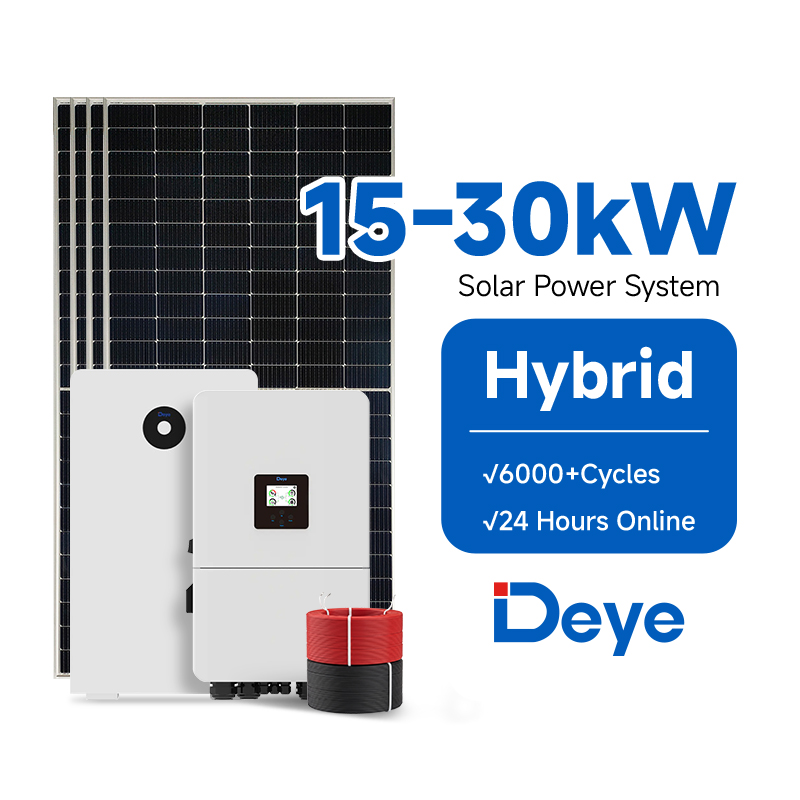
Our industrial hybrid power conversion systems (PCS) feature integrated dry-contact automatic generator start (AGS) and synthetic droop control. The PCS monitors battery state-of-charge (SoC). If an extended grid outage occurs during protracted tropical storm conditions and battery SoC drops below a programmed threshold (e.g., 20%), the PCS commands the diesel generator to crank, synchronizes frequency seamlessly, and modulates generator loading to its sweet-spot fuel efficiency range (70–80% load). For supervisory monitoring, our Energy Management System (EMS) communicates via standard industrial protocols including Modbus RTU/TCP, DNP3, and IEC 61850.
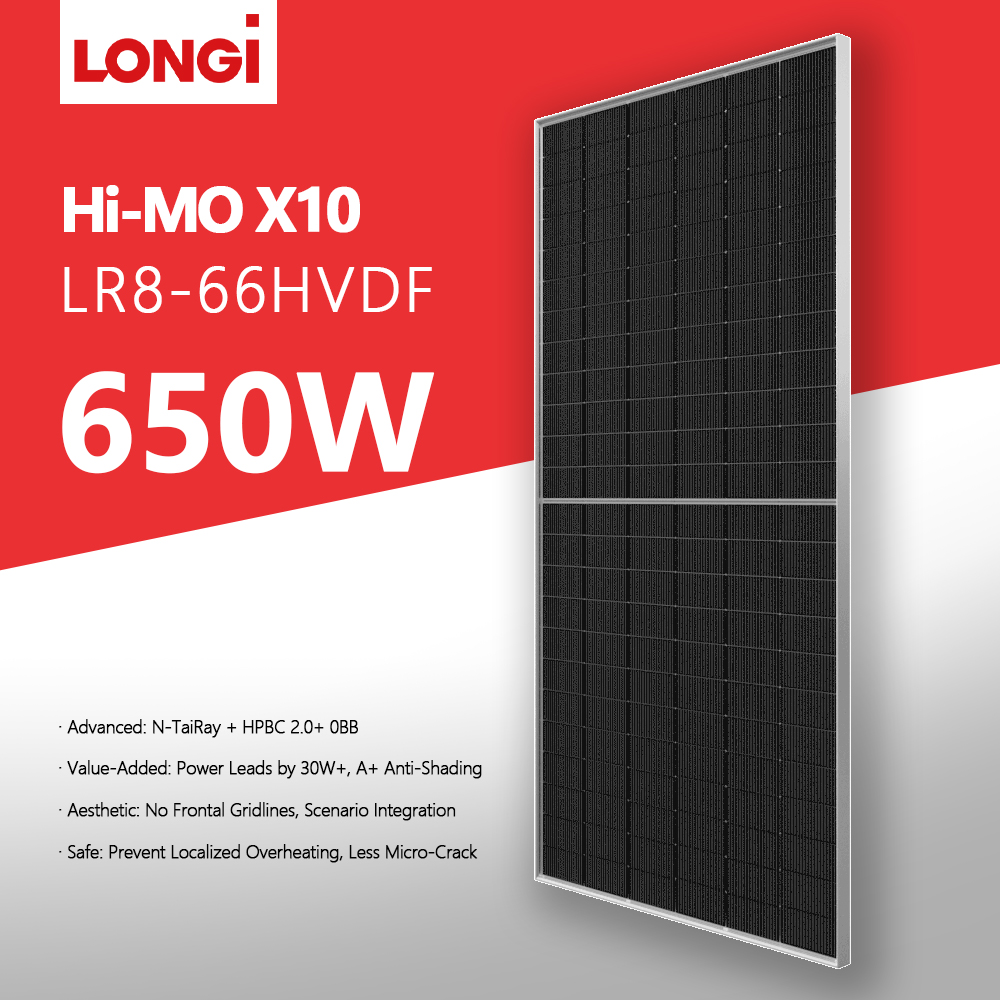
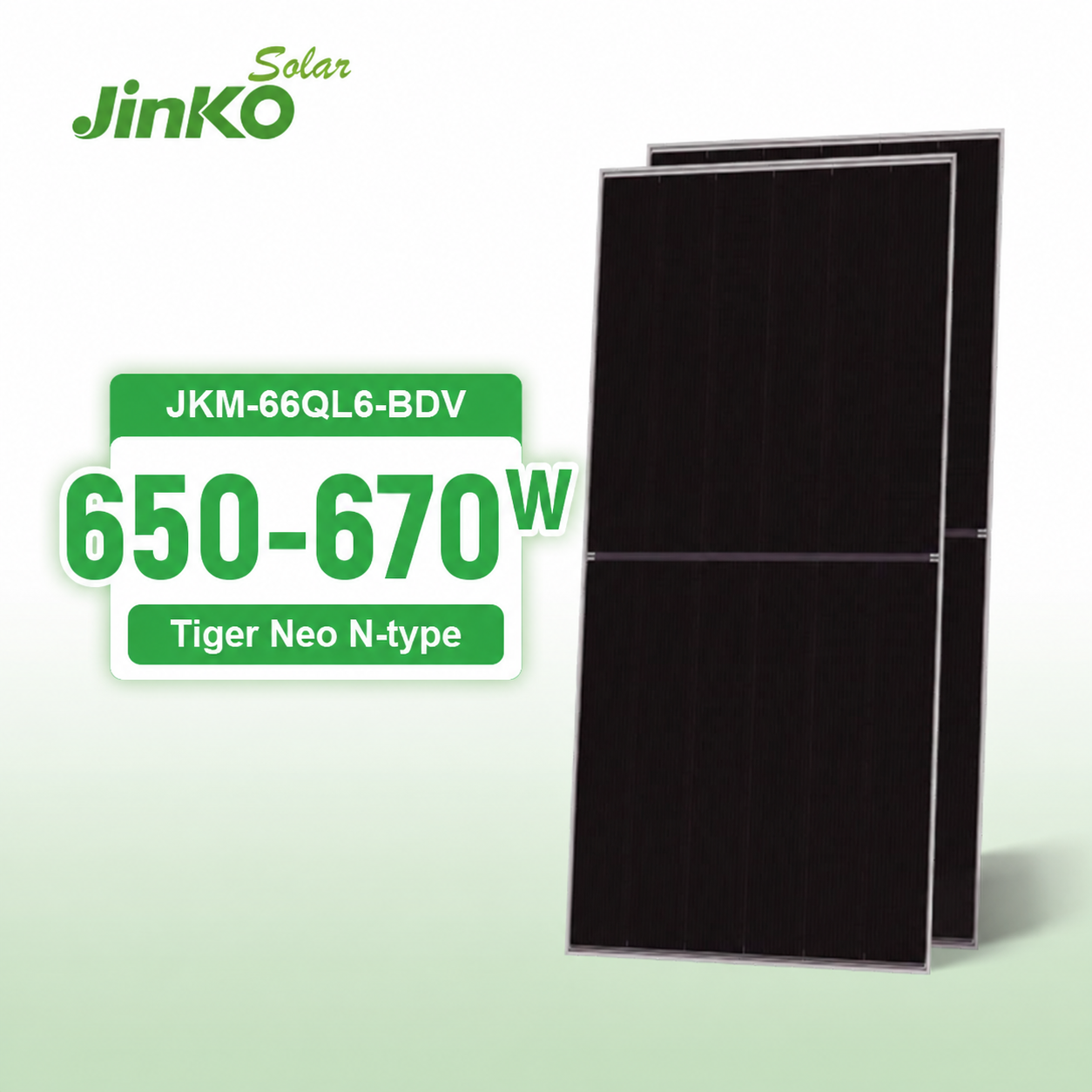
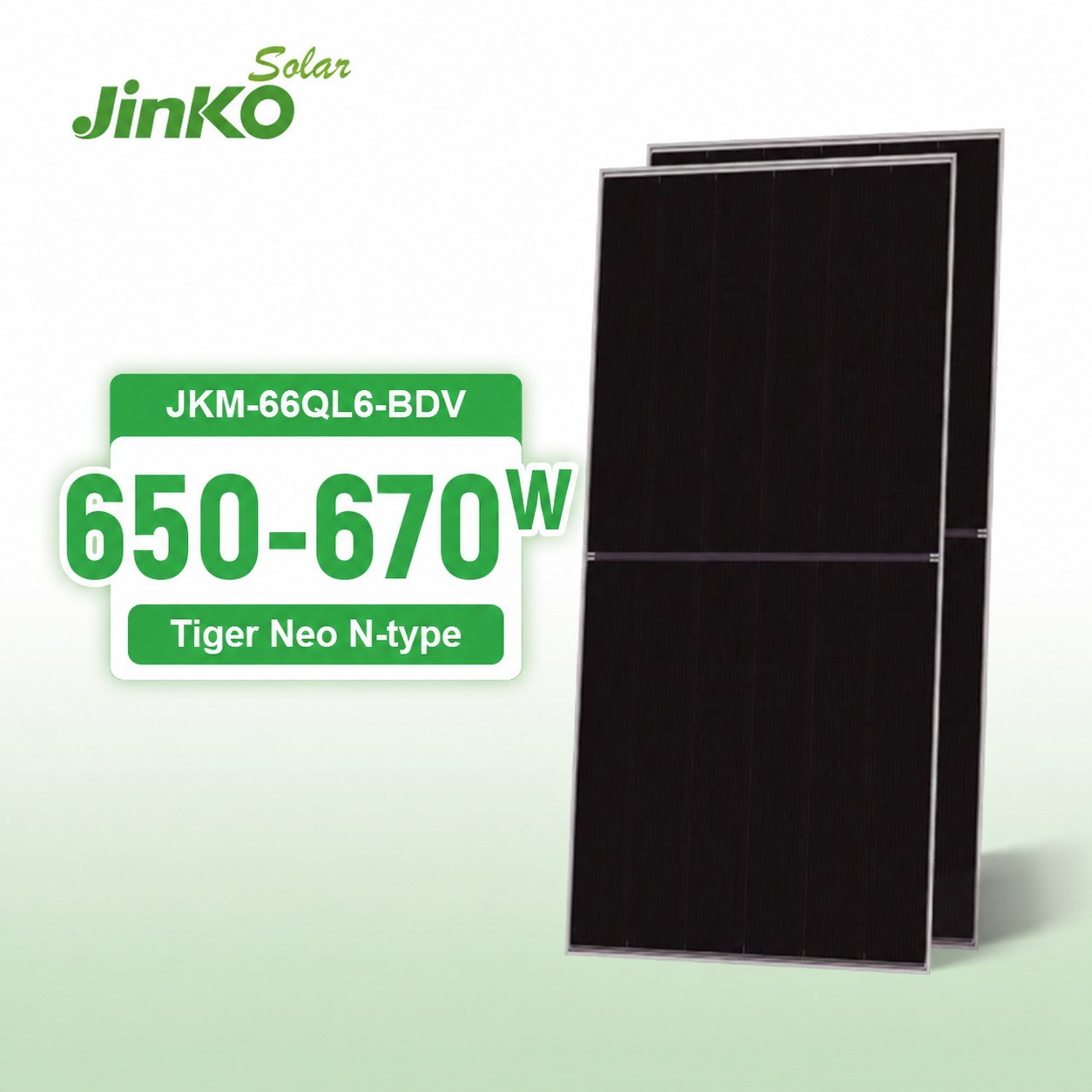
Yes. One of Hangzhou VOLT New Energy's greatest competitive advantages for international EPCs is mixed-load container consolidation. We can package matched tier-1 Jinko or LONGI 650W+ bifacial modules, aluminum mounting structures rated for 260 km/h wind resistance, hybrid inverters, DC combiners, and LFP battery cabinets inside standard or high-cube shipping containers. This eliminates the expense of dealing with multiple uncoordinated suppliers and ensures every component matches on the jobsite.
Our industrial LiFePO4 battery modules carry standard 10-year throughput warranties backed by original manufacturer cell grading data sheets. Inverters and PCS systems feature 5- to 10-year manufacturer warranties. Hangzhou VOLT provides full remote diagnostic and parameter verification during installation. Every serial number is cataloged alongside its factory-calibrated charge curves, cell internal resistance logs, and firmware builds to ensure immediate replacement part dispatch if needed.