Industrial-Grade PV Modules & Integrated BESS Systems
Precision-matched Photovoltaic generation and LiFePO4 / Deep-Cycle energy storage configurations designed for the severe thermal and off-grid operational realities of Sana'a, Aden, Hodeidah, and Hadramawt.
Industrial PV
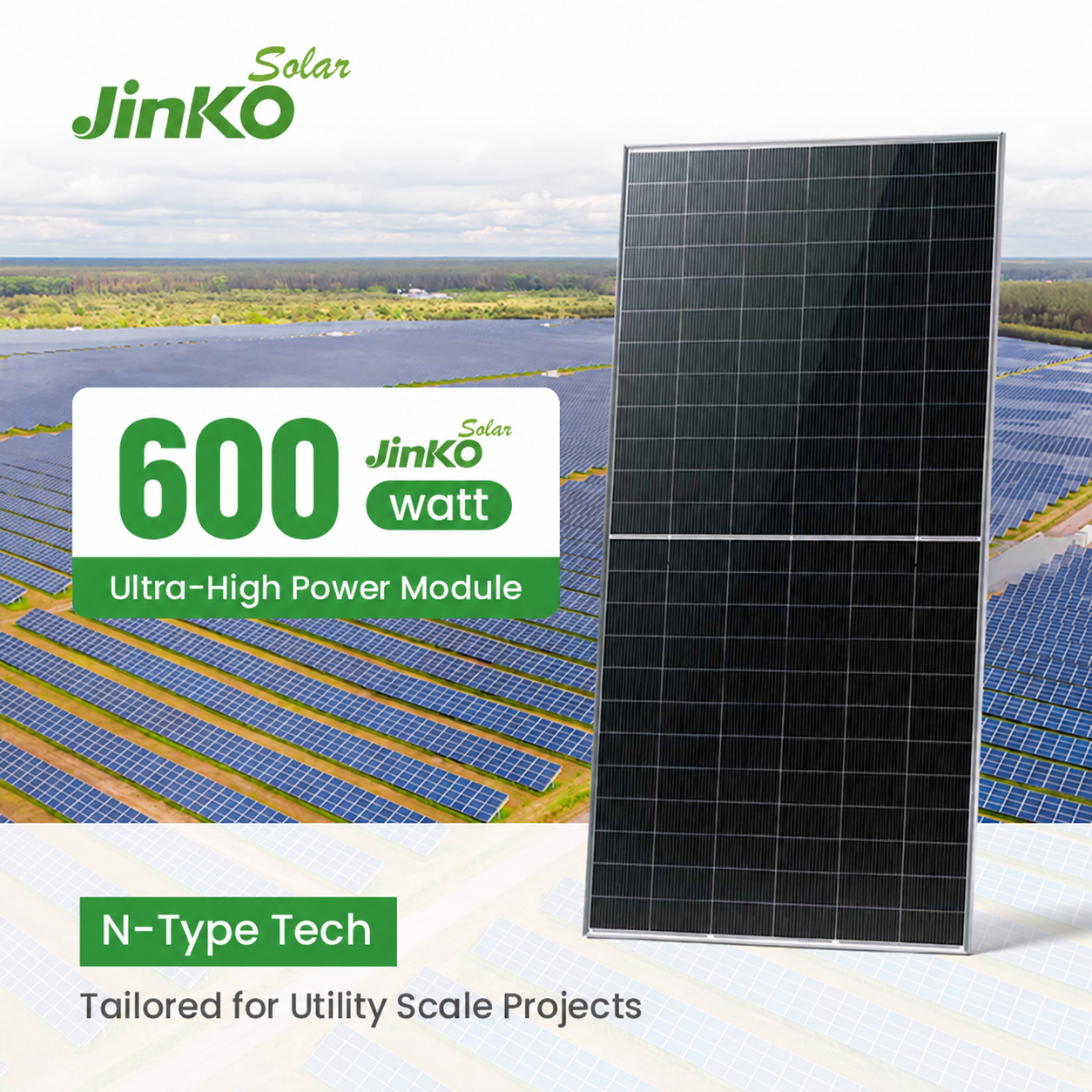
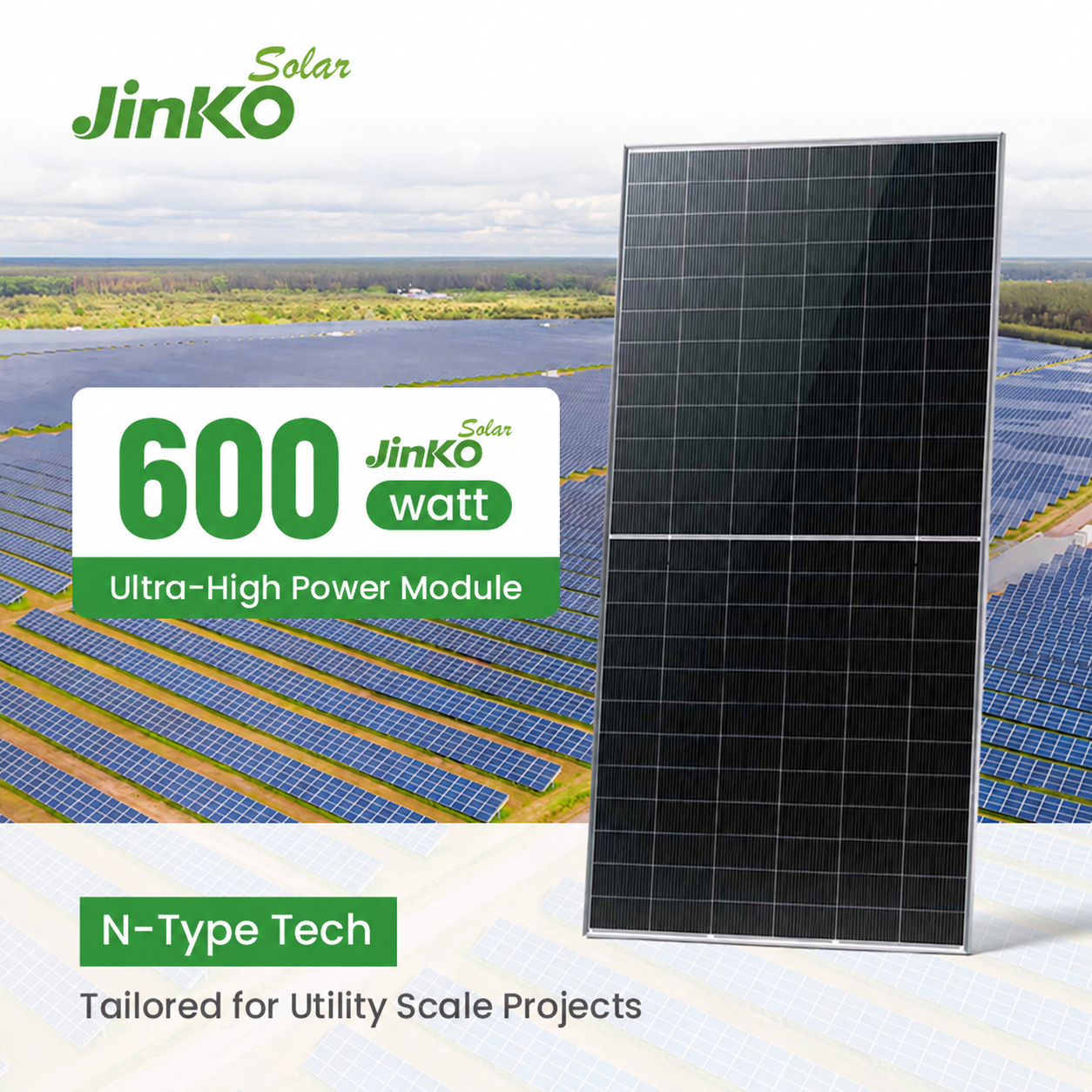
Jinko N Type Bifacial 600W 580W 590W Dual Glass PV Module
Ultra-high efficiency dual-glass architecture with superior bifacial gain, specifically engineered to withstand harsh desert albedo and hot Yemeni climates.
TOPCon Tech
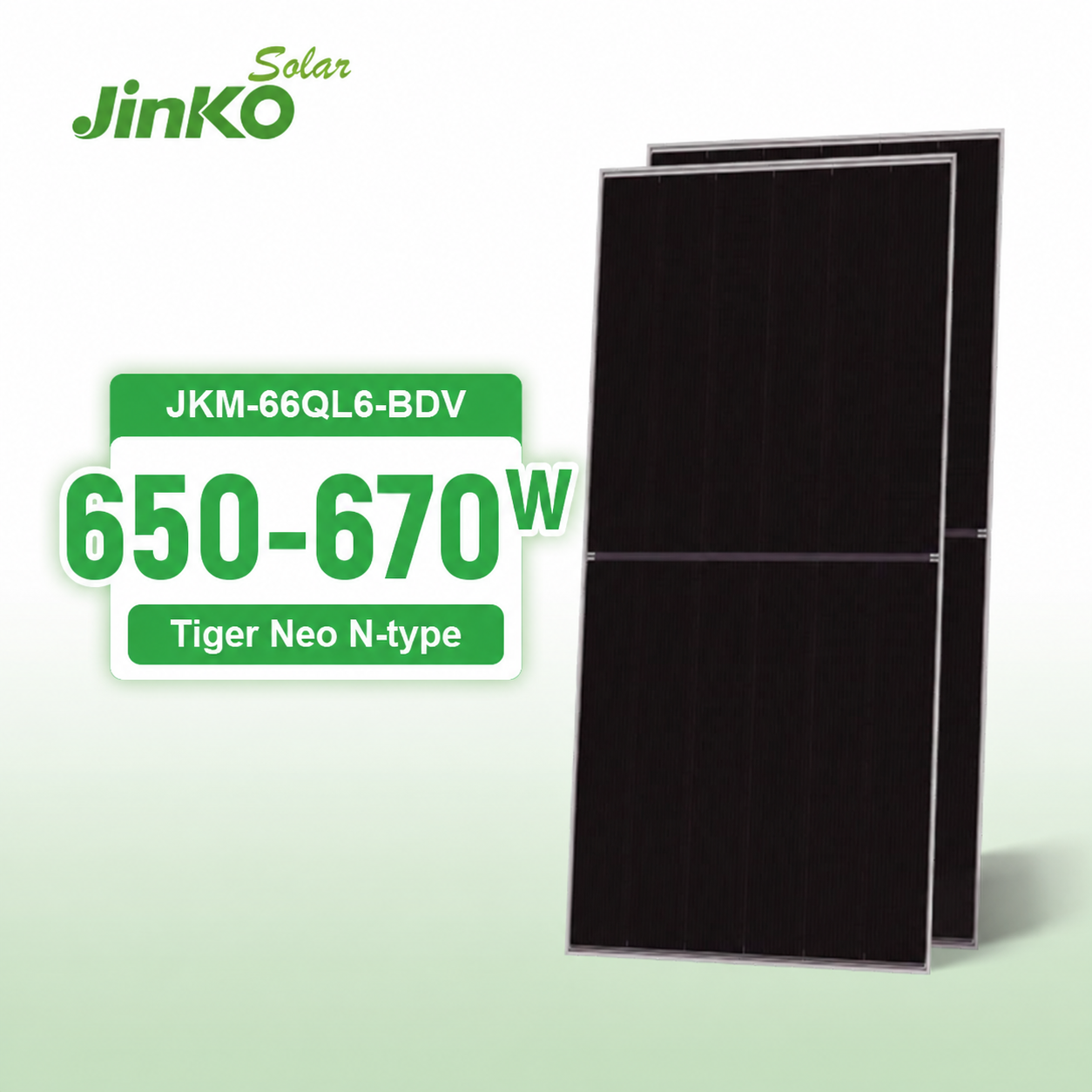
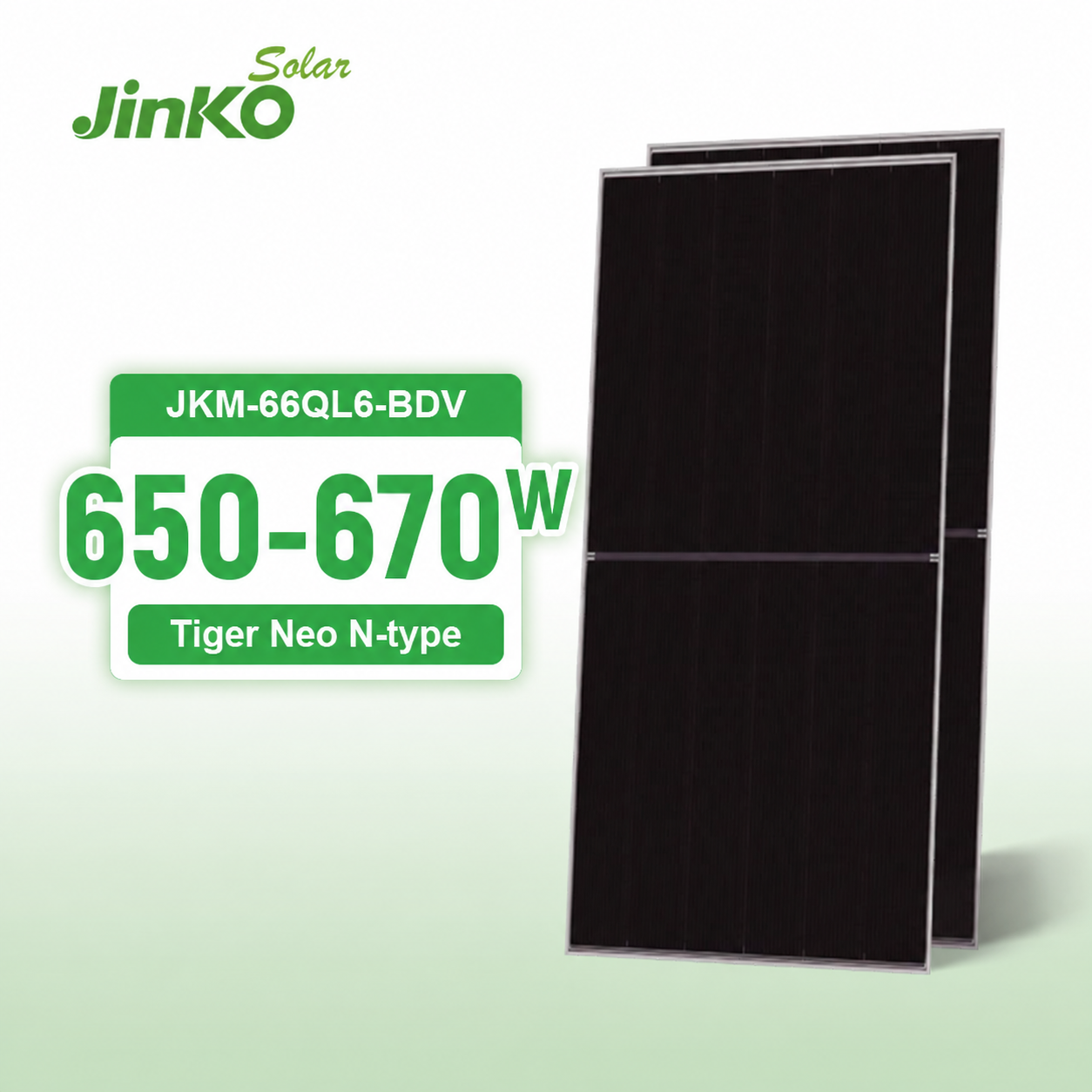
Jinko N Type Bifacial Solar Panel 650W 660W 670W TOPCon
Low temperature coefficient (-0.30%/°C) ensures high yield in extreme ambient heat. Ideal for commercial rooftop microgrids and diesel offset setups.
Full 40ft HQ container bulk supply for local Yemeni solar EPCs, wholesalers, and NGO tender projects with international warranties and full flash test reports.
C&I Microgrid
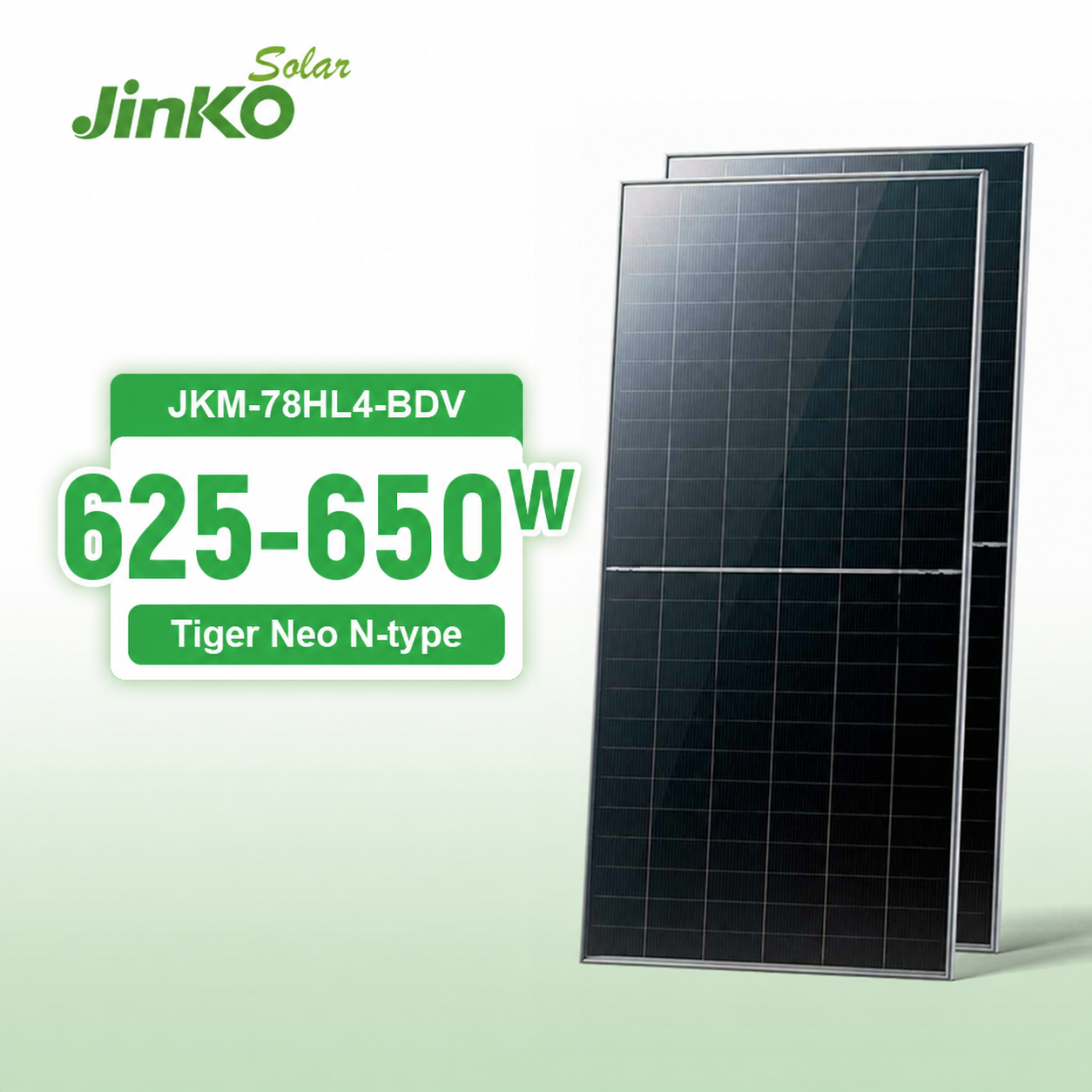
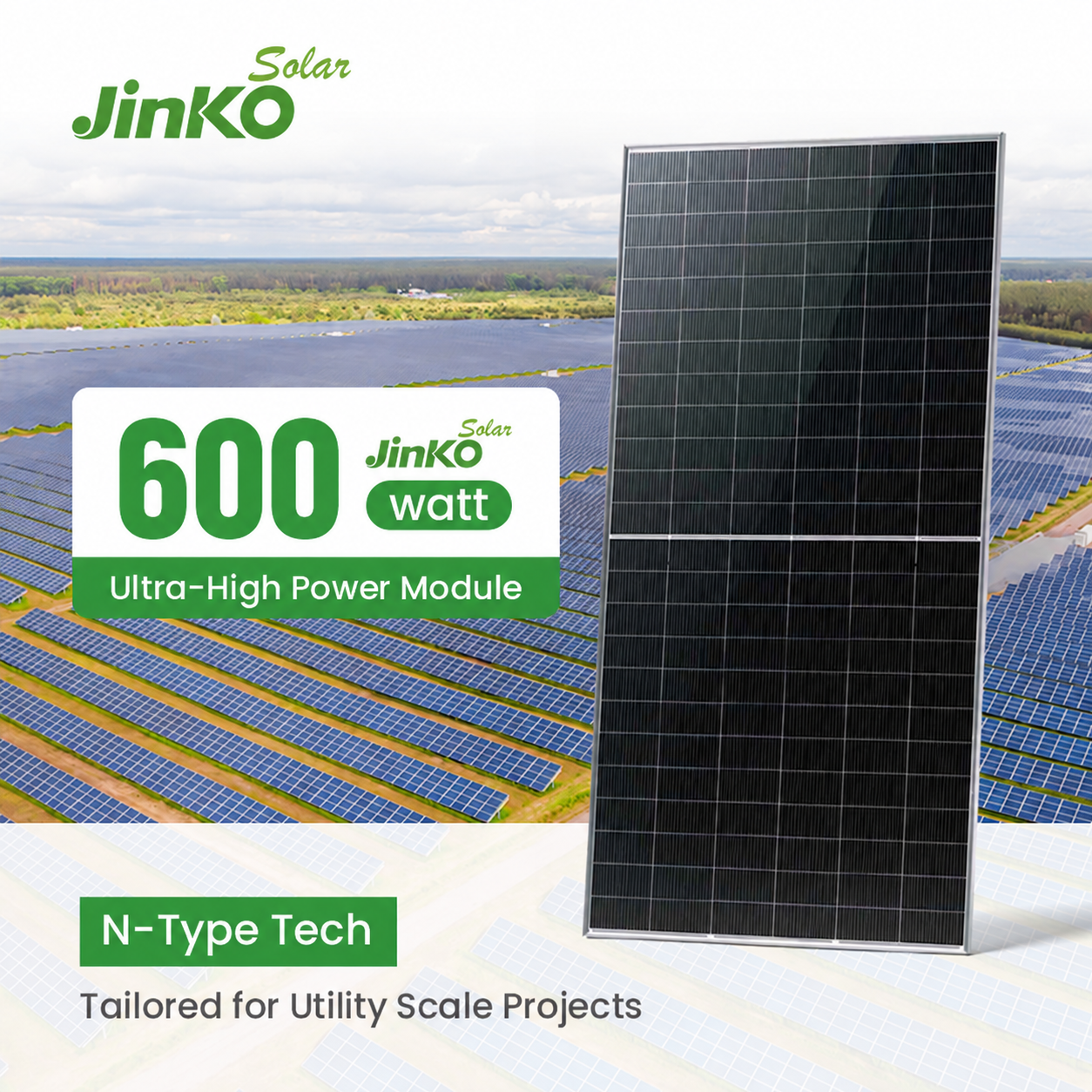
Jinko N Type Bifacial Photovoltaic Panels 600W 585W TOPCon
Designed for high-voltage DC bus stringing with Deye commercial hybrid inverters and containerized industrial battery racks up to 1000V DC.
Heavy Duty
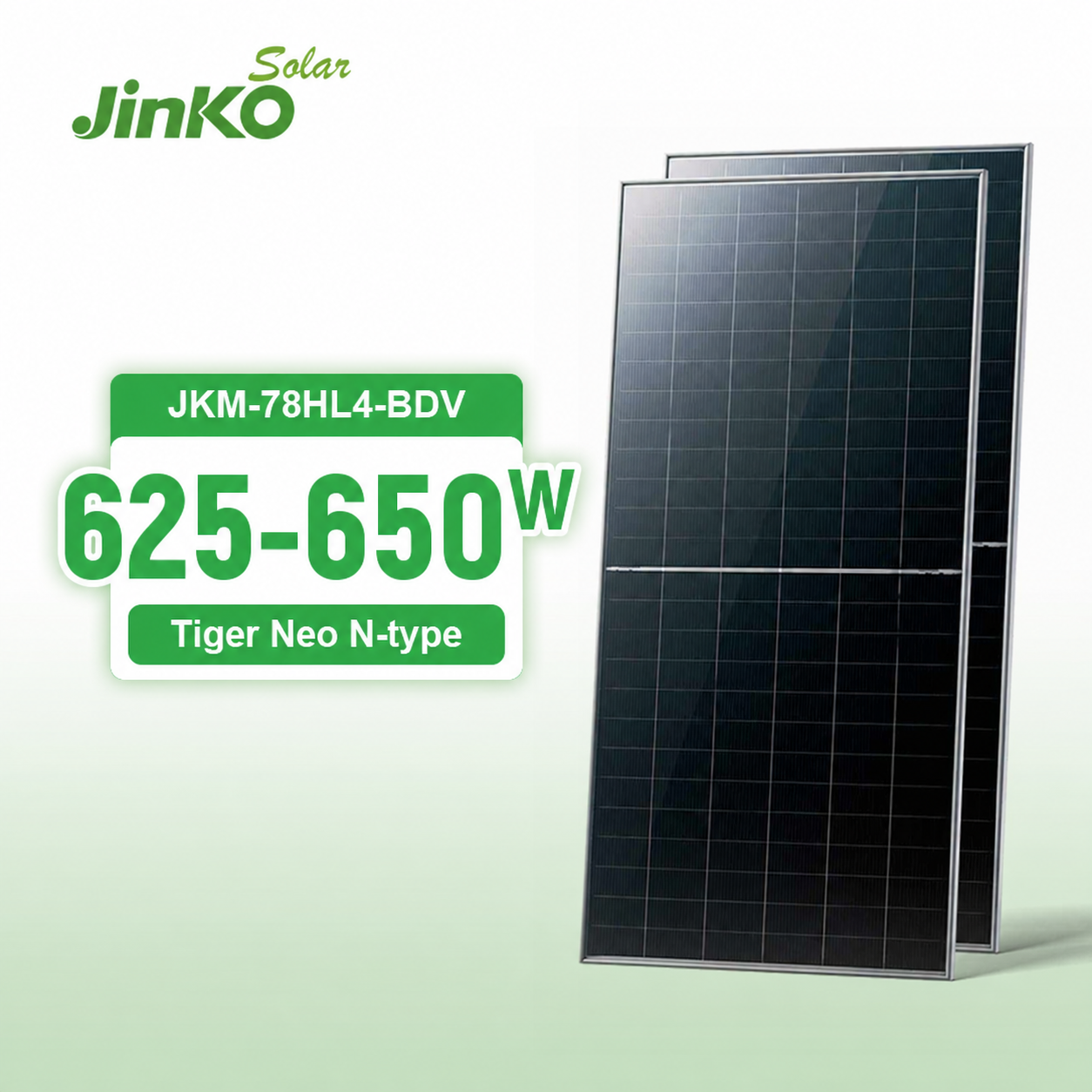
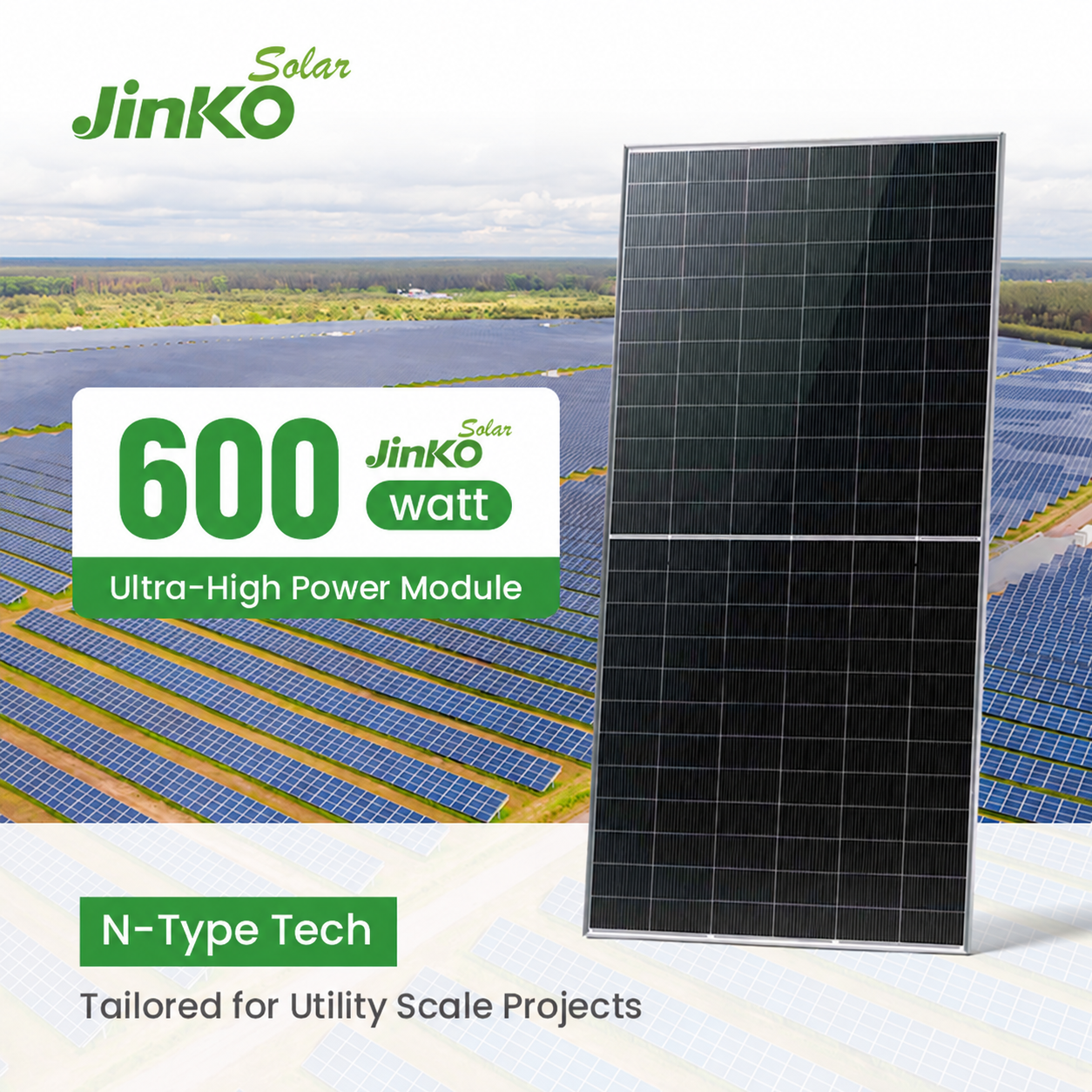
Jinko Solar Panels 580W 590W 600W Double Glass High Efficiency
Enhanced mechanical frame load (5400 Pa snow / 2400 Pa wind) resistant to heavy desert sandstorms and extreme coastal salinity near the Red Sea.
Top-tier commercial solar panel delivering maximum output under diffuse lighting conditions, certified for fire safety Class A on industrial steel structures.
The Yemen Energy Transition: Overcoming Grid Fragility with Industrial Battery Storage (BESS)
The industrial and commercial energy landscape in Yemen represents one of the most uniquely demanding microgrid environments in the global South. Following the extensive destruction and systemic operational collapse of the national centralized public electricity grid (PEC) over the past decade, Yemeni enterprises—including grain milling facilities, cold-storage warehouses, plastic extrusion plants, beverage bottling lines, and water treatment operations—have been compelled to operate as fully self-reliant energy islands.
Historically, this off-grid reliance was sustained solely by heavy-duty diesel generators. However, the catastrophic convergence of volatile international fuel shipping lanes, local supply bottlenecks, exorbitant diesel pricing (frequently exceeding $1.40–$2.00 per liter during severe shortages), and punishing generator maintenance cycles has created an existential crisis for manufacturing margins in industrial corridors such as Sana'a, Al-Hodeidah, Taiz, and Aden.
The strategic imperative for industrial battery storage manufacturers is no longer merely delivering standby backup; it is delivering high-rate, daily-cycling LiFePO4 (Lithium Iron Phosphate) containerized systems and high-voltage rack banks capable of executing seamless PV-Diesel-Storage hybridization. By deploying utility-scale energy storage, Yemeni industrial facilities reduce generator running hours by 65% to 85%, eliminate low-load generator carbon fouling, and guarantee uncompromised 24/7 production continuity.
Localized Engineering
Core Industrial Application Scenarios Across Yemen
How tailor-engineered LiFePO4 storage systems and hybrid inverters solve concrete operational challenges across critical Yemeni business sectors.
Continuous Industrial Manufacturing & Milling
In the industrial zones of Sana'a and Aden, factories manufacturing packaging, textiles, and processed food cannot tolerate voltage sags or 50Hz frequency drops. A high-voltage LiFePO4 container system paired with industrial Deye hybrid inverters delivers zero-millisecond online UPS transfer, shielding heavy motor drives and PLCs from generator synchronization drops.
Agricultural Deep-Well Pumping in Tihama & Hadramawt
Yemen's agricultural backbone depends on submersible pumps operating at depths between 200m and 600m. Solar pumping without storage frequently suffers cavitation during morning and late afternoon cloud cover. Integrating a 100kWh–500kWh LFP buffer allows continuous high-torque variable-frequency pumping throughout peak irrigation schedules without diesel support.
Healthcare & Pharmaceutical Cold Chain Depots
With coastal temperatures in Hodeidah and Aden regularly surpassing 42°C with 80% humidity, temperature-sensitive vaccines and refrigerated foods face high spoilage risks. Industrial BESS modules maintain constant precision chilling by absorbing afternoon excess solar production from Jinko bifacial panels and discharging reliably across high-tariff evening hours.
Private Commercial Microgrids & Market Distribution
Privatized local utility operators throughout Yemeni cities sell localized microgrid power to commercial souks and small workshops. Centralizing a 500kW / 1MWh centralized battery bank stabilizes fluctuating loads, enabling grid operators to sell cleaner, silent, and significantly cheaper electricity per kilowatt-hour than standalone diesel competitors.
Off-Grid Telecom Tower Infrastructure
Cellular base transceiver stations (BTS) scattered across Yemen's mountainous interior (e.g., Ibb, Dhamar, Hajjah) incur prohibitive diesel refueling logistics. Implementing high-cycle deep-discharge LFP battery racks ensures five to eight years of maintenance-free continuous telecom up-time with zero fuel theft liabilities.
Heavy Machinery & Quarry Diesel-Hybrid Offsetting
Aggregate crushing and stone extraction operations endure violent cyclic motor load spikes that force diesel generators to run oversized and inefficiently. BESS systems equipped with high C-rate discharge instantaneously absorb dynamic surges, shaving peak loads and stabilizing engine rpm.
The Yemeni solar storage market has undergone a dramatic technological maturation over the past five years. During the initial emergency phase (2015–2019), the market was inundated with low-tier automotive lead-acid batteries and generic AGM gel batteries. These legacy chemistries failed en masse within 6 to 14 months due to Yemen's intense ambient operating temperatures and deep, uncontrolled discharge cycles.
Evaluation Parameter
Traditional VRLA / GEL Battery
Industrial LiFePO4 (VOLT Solution)
Impact on Yemeni Operational ROI
Usable Depth of Discharge (DoD)
50% usable (voltage sag under load)
90% – 95% continuous usable capacity
Cuts battery footprint by 50%
Cycle Life @ 35°C Ambient
400 – 600 cycles (premature sulfation)
4,500 – 6,000+ deep cycles
8-10 Year operational lifespan
Thermal Runaway Temperature
Low threshold; susceptible to thermal dry-out
>270°C; exceptionally stable olivine crystal
Maximum safety in desert heat
BMS Smart Protocol Integration
None; unmonitored blind charging
Native CAN / RS485 closed-loop comms
Prevents inverter overcharge faults
Levelized Cost of Storage (LCOS)
~$0.28 – $0.42 per kWh cycled
~$0.06 – $0.09 per kWh cycled
75% reduction in lifecycle cost
Today, tier-1 EPC contractors and commercial procurement managers in Yemen demand active thermal management, smart BMS protocols compatible with Deye three-phase hybrid inverters, and heavy-duty dust ingress protection. The primary trend is the rapid consolidation toward High-Voltage (HV) LiFePO4 architecture (160V to 800V DC bus) for commercial systems, which minimizes I²R transmission copper losses and drastically boosts round-trip system efficiency (RTE) past 95%.
Factory Direct Engineering
Why International EPCs & Yemeni Importers Partner with VOLT New Energy
Hangzhou VOLT New Energy Technology Co., Ltd. eliminates international supply chain vulnerabilities through verified system compatibility, strict Chinese factory quality control, and export documentation mastery.
100% Pre-Shipment Protocol Verification
Every commercial battery rack and inverter pair undergoes rigorous pre-shipment burn-in testing at our factory. CAN and RS485 communication protocols, baud rates, and DIP switches are matched to Deye and other tier-1 inverters prior to packing, eliminating costly "BMS Communication Lost" field failures in Yemen.
Consolidated Containerized Cargo (DG + PV)
Navigating maritime logistics to Yemen requires specialized expertise. As certified Class 9 Dangerous Goods shippers, we consolidate Jinko N-type bifacial modules, Deye hybrid inverters, LFP battery cabinets, and DC switchgear into single, optimized 40ft HQ containers with full UN38.3, MSDS, and maritime packaging declarations.
Factory Direct Pricing & Flexible MOQ
Operating directly from Hangzhou, Zhejiang's clean-tech manufacturing hub, we bypass intermediary export traders. Whether supporting NGO tenders, municipal microgrid developments, or local solar distributor wholesale orders, we offer factory-direct transparent pricing and customized OEM/ODM branding.
Dedicated Field Engineering Support
Our experienced application engineers assist Yemeni EPC contractors from initial system sizing and PV-to-battery ratio calculations through to single-line diagrams (SLD) and remote commissioning. Technical documentation, parameter maps, and troubleshooting guides are provided in comprehensive English and Arabic formats.
Purchasing & Engineering Intelligence
Frequently Asked Questions by Yemeni B2B Buyers & EPCs
Everything you need to know regarding shipping logistics, port clearance, extreme climate resilience, and warranty support.
Which shipping routes and destination ports in Yemen are currently viable for Class 9 lithium batteries?
We regularly ship containerized lithium battery cargo and solar equipment to Port of Aden and Port of Al-Hodeidah, as well as transit routes via Djibouti (Free Zone transshipment) and Salalah/Mukalla. Because LiFePO4 cells are classified under international maritime law as UN3480 Class 9 Dangerous Goods, we supply the full statutory documentation package: UN38.3 test certifications, Material Safety Data Sheets (MSDS), sea transport appraisal certificates from recognized bodies (e.g., Shanghai Institute of Chemical Industry), and IMDG-compliant exterior container labeling to guarantee swift customs clearing without clearance delays.
How do VOLT LiFePO4 battery systems withstand summer ambient temperatures exceeding 45°C in coastal Yemen?
High ambient heat is the primary cause of battery failure in Yemen. Our industrial battery enclosures are engineered specifically for harsh tropical and desert conditions. For cabinet and rack solutions, we utilize automotive-grade A-tier LiFePO4 prismatic cells with high thermal tolerance, multi-point digital NTC temperature sensors on busbars and cell cores, and programmable BMS thermal throttling. For containerized solutions (20ft and 40ft BESS), we integrate precision industrial HVAC cooling systems or liquid-cooling thermal management that maintains internal battery operating core temperatures between 20°C and 28°C regardless of external 50°C ambient peaks.
Can VOLT lithium batteries communicate seamlessly with existing Deye hybrid inverters installed across Yemen?
Yes, seamlessly. Deye is one of the dominant inverter brands in Yemen for both residential and C&I installations. Our proprietary BMS firmware comes pre-programmed with verified Deye CAN and RS485 communication protocols (along with Victron, Growatt, Megarevo, and Sungrow). Before shipping, our engineers configure the exact RJ45 cable pinouts and verify closed-loop handshaking so that the Deye inverter instantly reads State of Charge (SoC), individual cell voltages, permissible charge/discharge current limits, and alarms upon physical startup.
What measures protect battery storage enclosures against sandstorms and Red Sea salt air corrosion?
Our outdoor industrial cabinets and containerized systems feature minimum IP55 or IP65 ingress protection ratings. Air intakes are equipped with labyrinthine dust baffles and washable stainless steel particulate filters that block fine desert silt. Furthermore, internal electronic boards (BMS PCBs, communication gateways, and monitoring hubs) receive a heavy three-layer conformal polyurethane anti-corrosion coating to resist coastal salt fog degradation common in Aden and Hodeidah.
Can a solar-plus-storage system completely replace an industrial diesel generator in Yemen?
From an economic standpoint, the most cost-effective architecture is an optimized hybrid configuration. The solar array (e.g., Jinko N-type 600W+ panels) and LiFePO4 battery bank handle 80% to 90% of daily baseline operations. The existing diesel generator is integrated into the hybrid inverter's auxiliary dry-contact port as a secondary emergency source. The inverter only automatically commands the generator to crank when the battery bank drops below a user-defined threshold (e.g., 15% SoC) during multi-day sandstorms or abnormal peak manufacturing surges, saving tens of thousands of dollars annually in fuel.
What is the minimum order quantity (MOQ) and lead time for factory-direct shipments to Yemen?
For standard modular low-voltage and high-voltage rack batteries (48V / 51.2V, 100Ah / 200Ah), our MOQ is flexible, starting from sample pallets up to full container loads (FCL). For customized C&I energy storage containers (250kW / 500kWh to 1MW / 2MWh), production lead time typically ranges between 25 and 35 days. Ocean transit from Ningbo or Shanghai port to Aden or Hodeidah typically averages 20 to 32 days depending on vessel scheduling and direct feeder services.
How does VOLT New Energy manage factory warranty claims for clients operating inside Yemen?
We offer an industry-standard 5 to 10-year prorated factory warranty on our industrial LiFePO4 battery systems. Every unit leaves our factory stamped with an immutable trace serial number linked to its initial end-of-line flash test report. If an electronic component (such as a BMS communication module or balancer) experiences an anomaly, we diagnose the failure remotely via telemetry logs and express ship replacement plug-and-play circuit boards and parts via DHL/FedEx directly to the buyer's clearing agent or forwarder, avoiding the costly repatriation of heavy equipment.
Can we consolidate solar panels, hybrid inverters, and battery racks in the same shipping container?
Yes. This is one of VOLT New Energy's core trade advantages. Sourcing complete systems from disparate vendors often leaves importers with mismatched hardware, extra port handling fees, and logistical synchronization headaches. We consolidate Jinko Tier-1 PV modules, Deye hybrid inverters, and our LiFePO4 storage battery banks inside our centralized warehouse facility, safely palletized and shock-braced under Class 9 maritime safety standards, giving Yemeni buyers a single cohesive bill of lading (B/L).
What are the exact advantages of Jinko N-Type TOPCon bifacial modules in desert terrain like Yemen?
Yemen possesses exceptional solar irradiance (over 2,200 kWh/m² annually) alongside high ground albedo from sandy and light-colored arid soils. Jinko N-Type TOPCon bifacial dual-glass modules capture reflected light from their rear surface, boosting total power generation by up to 15% to 25% without requiring additional ground space. Furthermore, their lower temperature coefficient (-0.30%/°C compared to -0.35% or worse on legacy P-type PERC) ensures they suffer far less efficiency drop during scorching mid-day hours.
Do your energy storage systems support cloud-based remote monitoring over 4G cellular networks in Yemen?
Yes. Our C&I energy storage systems are outfitted with multi-carrier 4G LTE IoT gateways and external high-gain antennas compatible with local Yemeni telecom operators (including Yemen Mobile, Sabafon, and YOU). Plant managers and maintenance engineers can monitor individual cell voltages, temperature gradients, SoC, power dispatch curves, and system alarms in real-time from any smartphone, tablet, or web browser.
Accelerate Your Industrial Solar & Storage Project in Yemen
Partner directly with Hangzhou VOLT New Energy Technology Co., Ltd. Whether you are engineering an off-grid factory retrofit, an agricultural solar pumping initiative, or expanding local wholesale distribution, our technical engineering team delivers verified, pre-tested, and fully certified energy storage solutions tailored to Yemeni operating realities.