Engineered Solar Deployment in Lelydorp, Suriname
As the primary commercial and agricultural artery of Suriname’s Wanica District, Lelydorp demands resilient photovoltaic components capable of withstanding equatorial heat, year-round ambient humidity exceeding 85%, and severe grid fluctuations along the Paramaribo-Zanderij corridor. VOLT New Energy supplies certified Tier-1 JA Solar and high-efficiency N-type photovoltaic modules engineered specifically to eliminate Potential Induced Degradation (PID) and thermal derating.
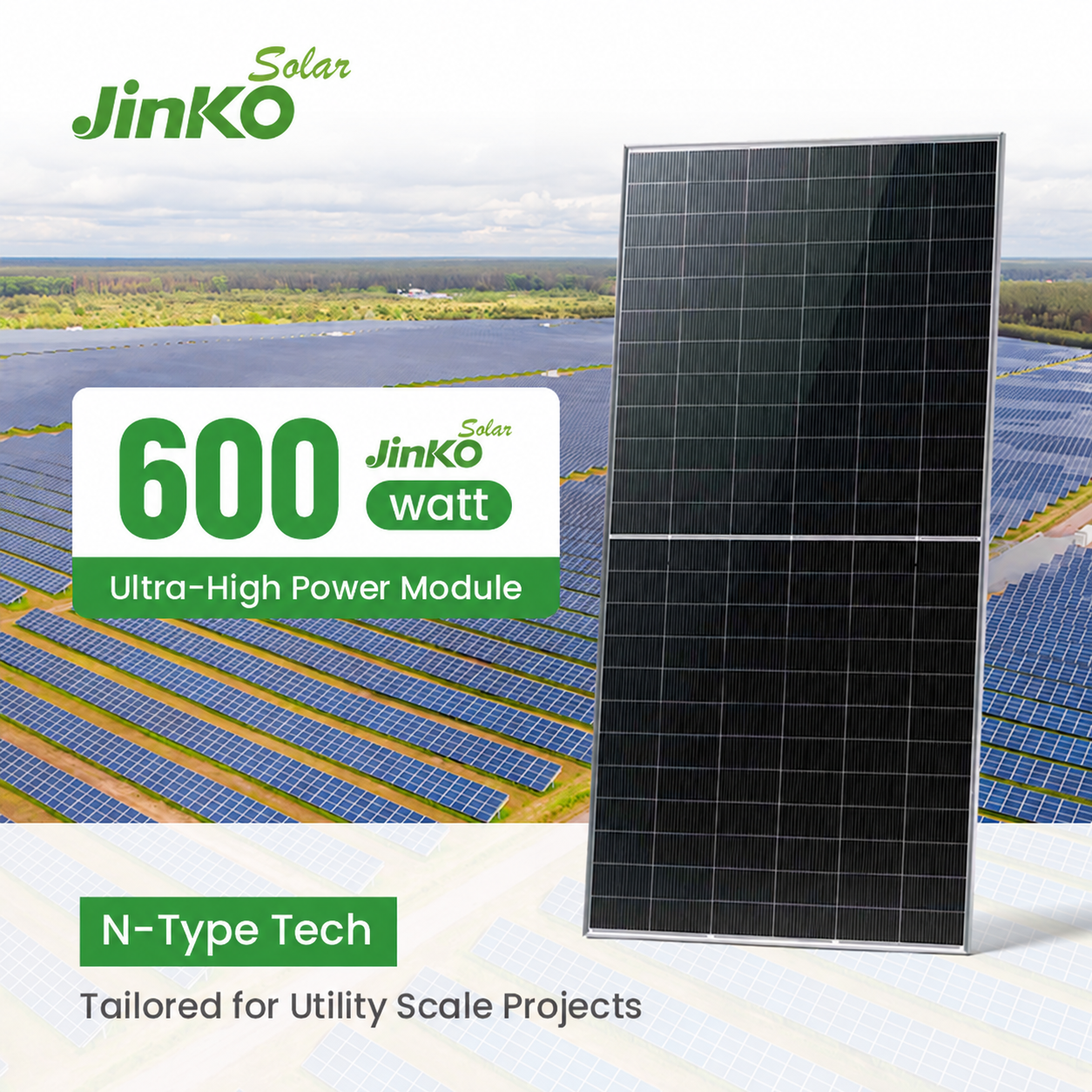
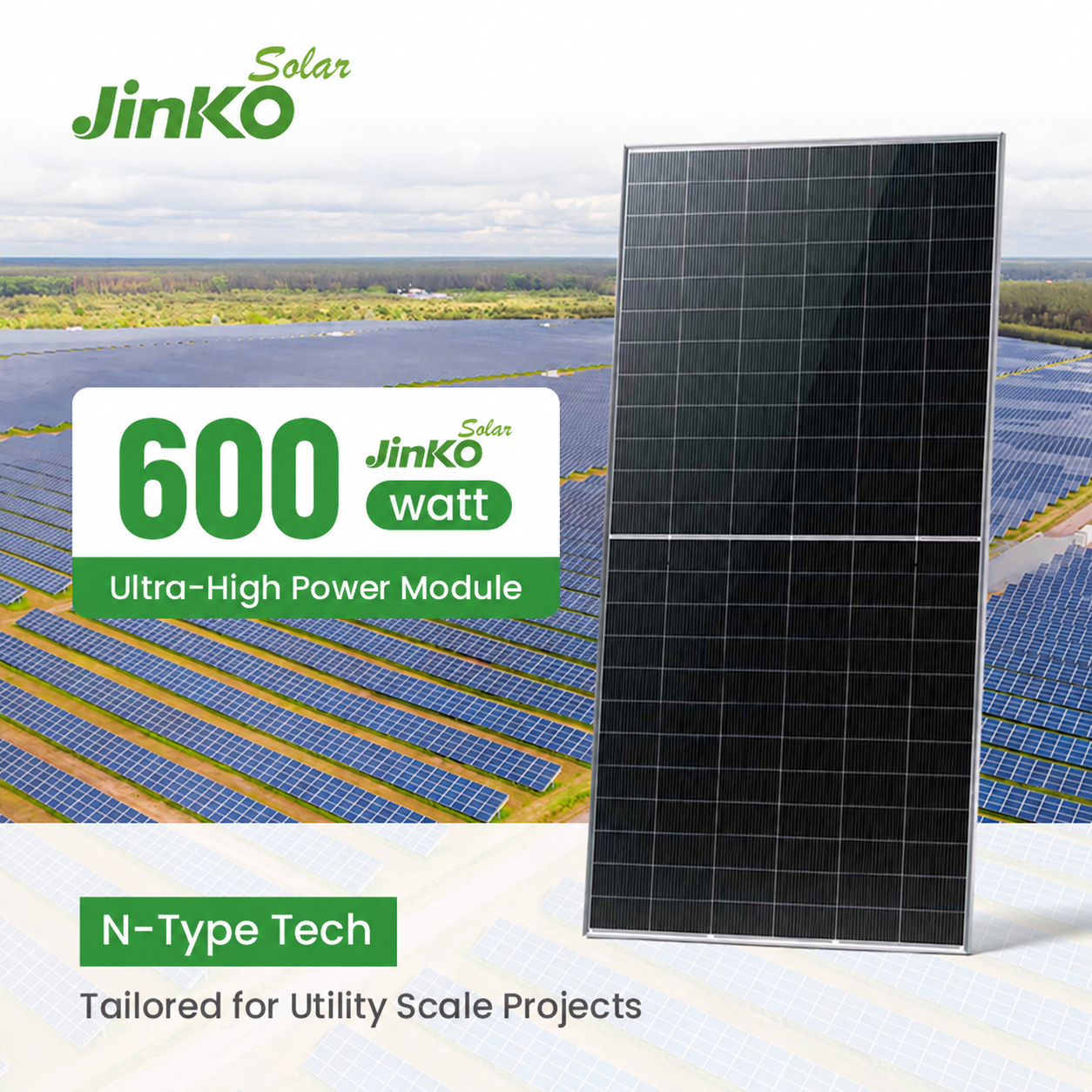
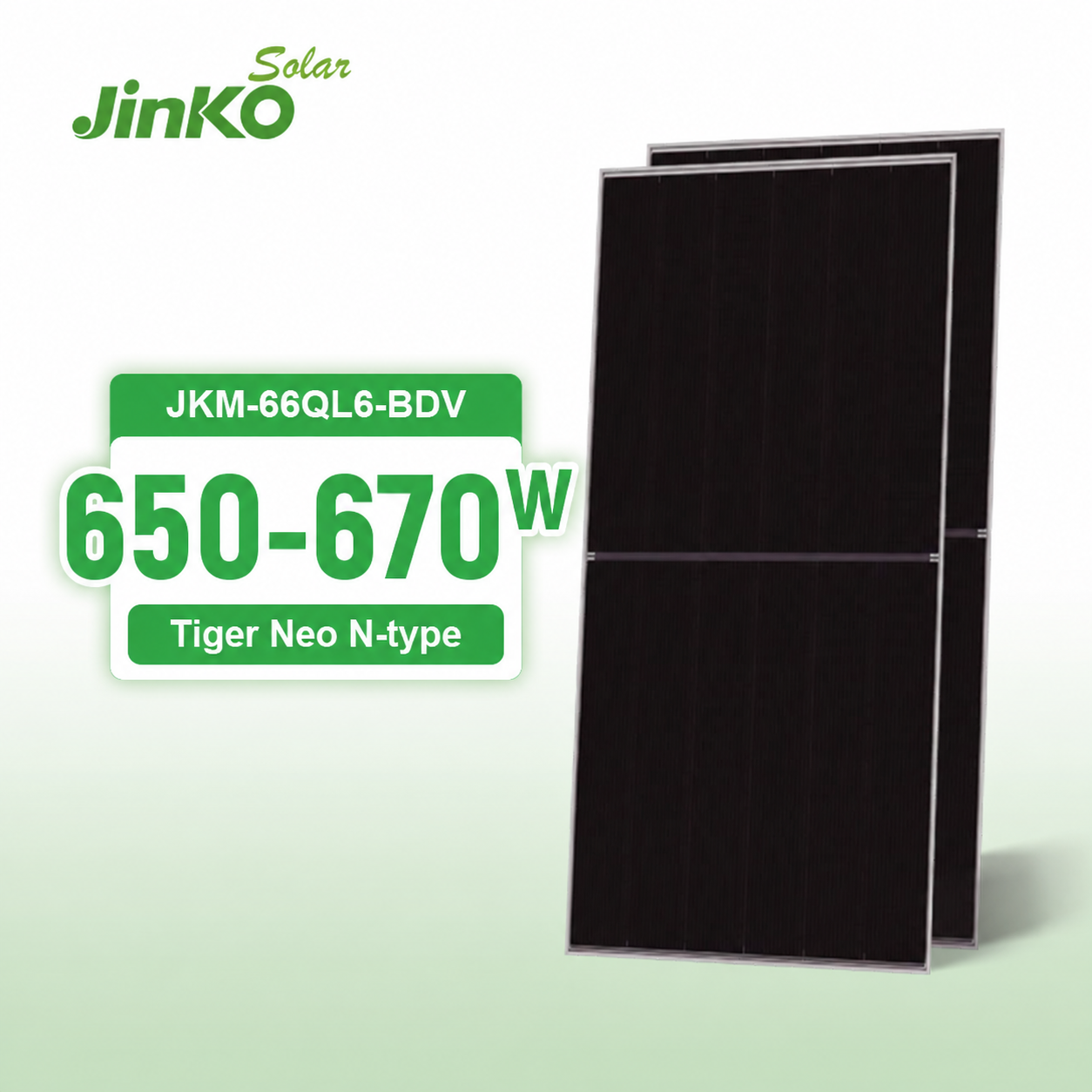
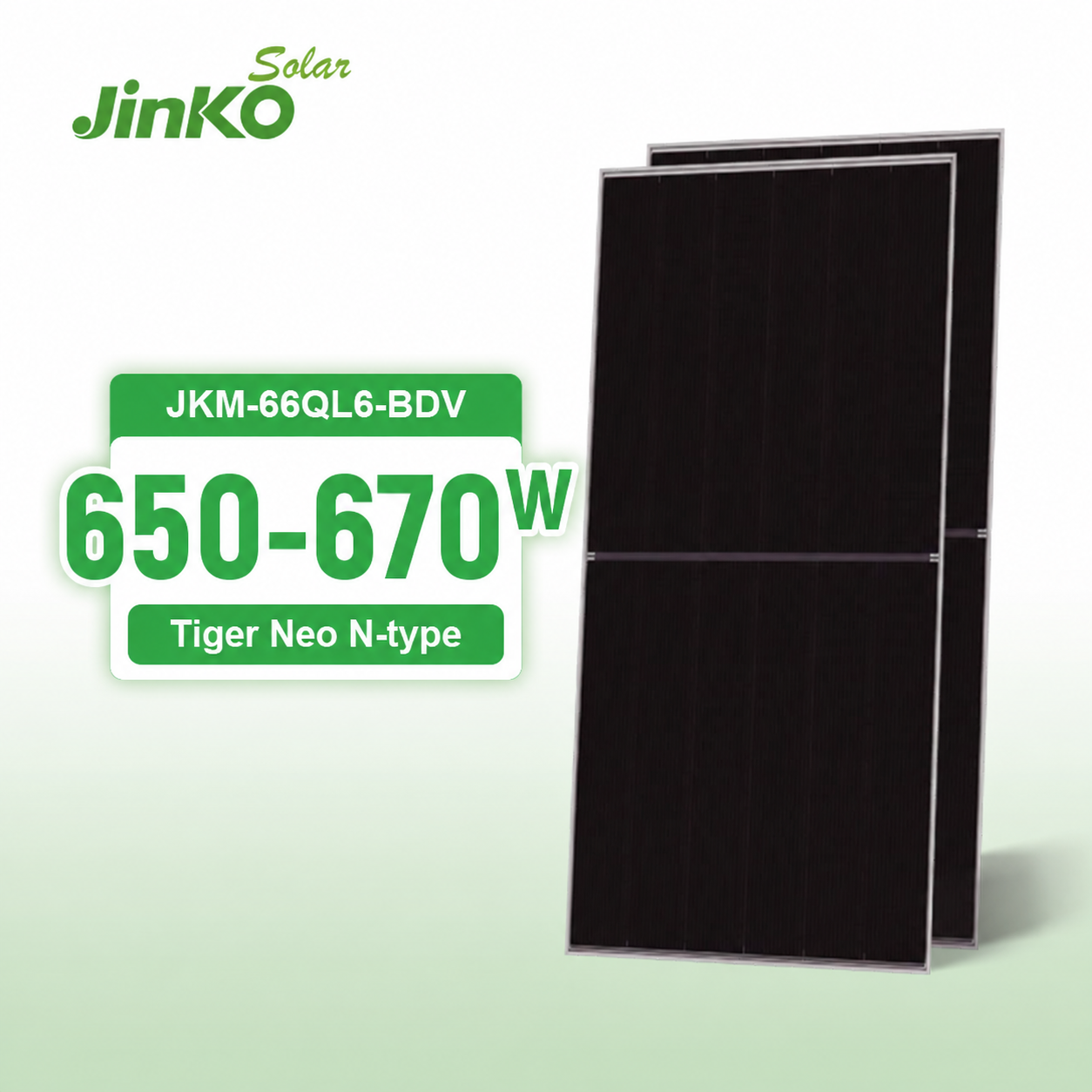


Engineering Solar for the Lelydorp & Wanica Ecosystem
Deploying photovoltaic arrays across Suriname’s coastal plains requires technical countermeasures against damp-heat stress, ammonia corrosion from agricultural processing, and severe grid unreliability.
Equatorial Heat & Temperature Coefficient Optimization
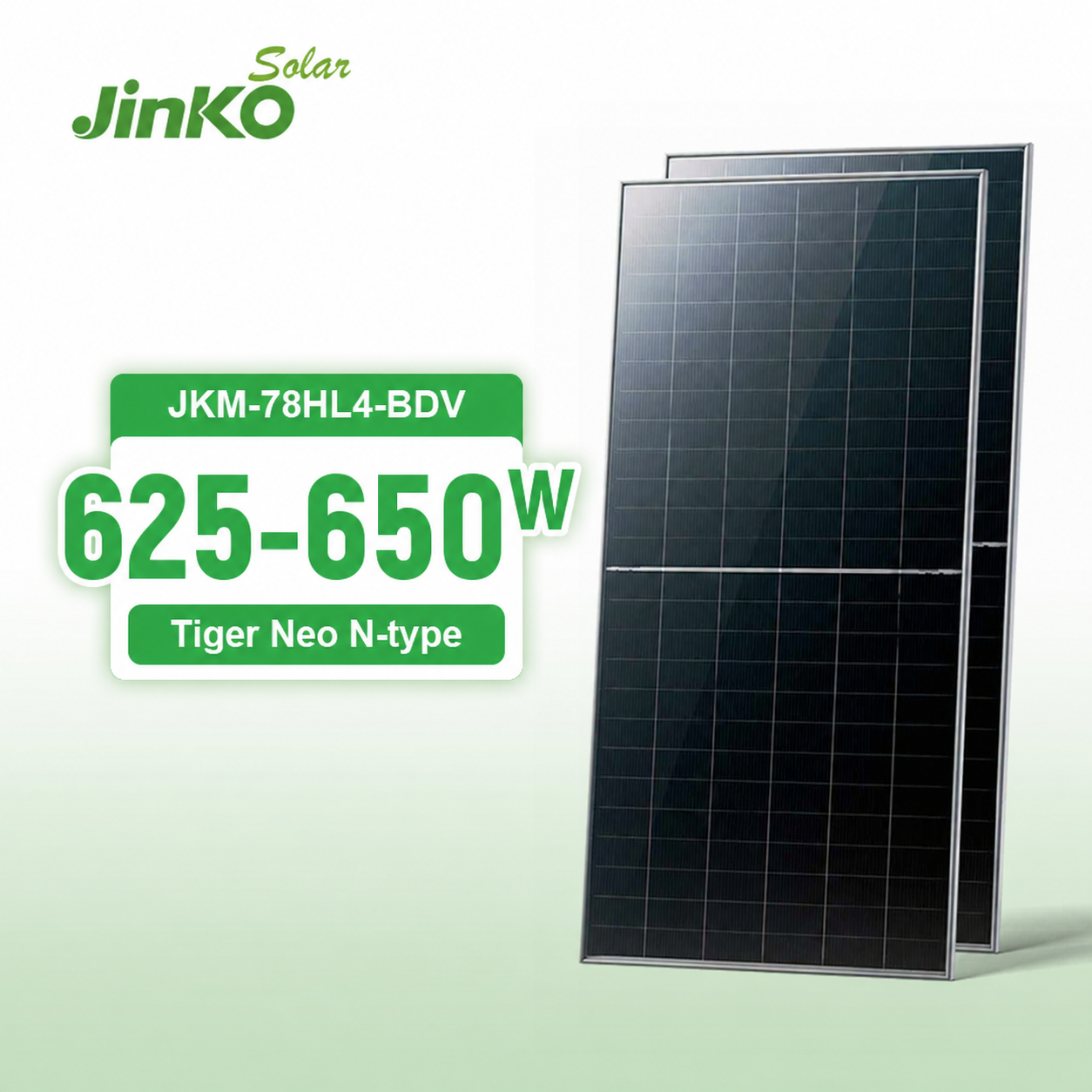
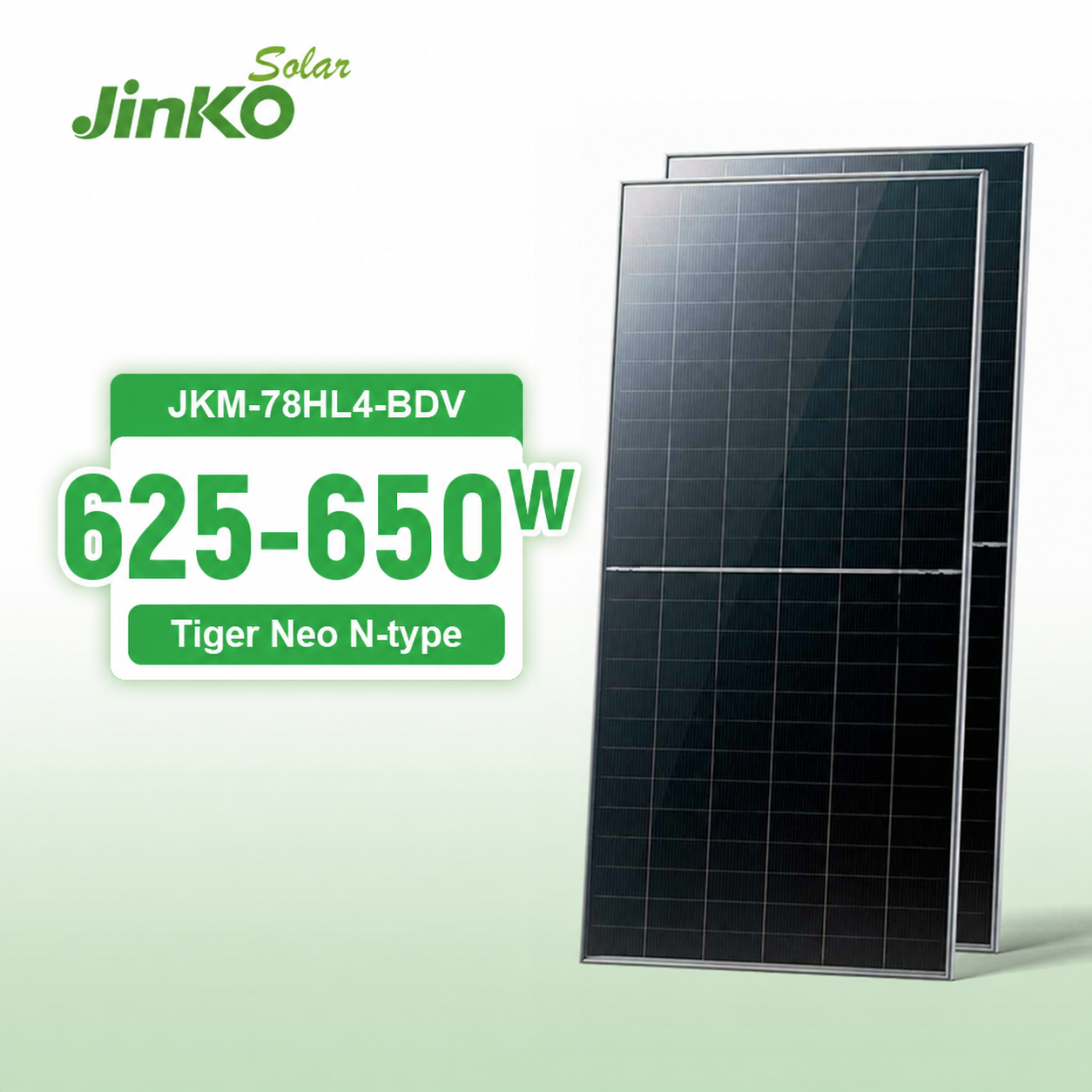
Lelydorp experiences sustained daytime temperatures exceeding 32°C with high surface irradiance. Standard p-type PERC panels suffer a power degradation coefficient of -0.37%/°C. The JA Solar and N-type TOPCon modules supplied by VOLT feature a premier coefficient of -0.30%/°C, retaining up to 5% more energy output during scorching mid-day hours across Wanica rooftop and ground mounts.
Anti-PID & Damp-Heat Dual-Glass Encapsulation
Annual rainfall in Suriname regularly reaches 2,200mm, exposing solar laminates to continuous high relative humidity. Our dual-glass monocrystalline panels utilize 2.0mm heat-strengthened front and rear glass with high-grade POE (Polyolefin Elastomer) encapsulation. This blocks moisture ingress completely, preventing cell corrosion and eliminating Potential Induced Degradation (PID) under high system voltages (1500V DC).
Ammonia & Coastal Salt-Mist Resistance
Lelydorp is Suriname’s heartland for poultry production, livestock farming, and intensive agribusiness. Airborne ammonia fumes from chicken coops and barns rapidly corrode standard aluminum frames and backsheets. Our modules pass stringent IEC 62716 ammonia corrosion testing and IEC 61701 severe salt-mist standards, ensuring 30-year structural integrity for agro-industrial projects.
Photovoltaic Technology Comparison for Wanica District Buyers
Side-by-side performance analysis between conventional modules and our Tier-1 N-Type TOPCon / Dual Glass solutions.
| Performance Parameter | Legacy P-Type PERC 550W | N-Type TOPCon Dual-Glass 600W-650W | Lelydorp Operational Impact |
|---|---|---|---|
| Cell Architecture | p-Type Monocrystalline | n-Type TOPCon (Tunnel Oxide) | Zero Boron-Oxygen LID; higher carrier lifetime |
| Temperature Coefficient (Pmax) | -0.35% to -0.38%/°C | -0.29% to -0.30%/°C | +4.2% Annual Yield in Tropical Heat |
| Bifaciality Factor | 70% ± 5% | 80% ± 5% | Generates higher energy from reflective light soils |
| Encapsulation Barrier | Tedlar Backsheet / EVA | Dual Glass (2.0mm+2.0mm) + POE | Impervious to 90%+ relative humidity; zero PID |
| First Year Degradation | < 2.0% | ≤ 1.0% | Significantly higher early ROI for commercial loans |
| 30-Year Power Output | 84.8% guaranteed | 87.4% guaranteed | Long-term stable kWh output for agribusiness |
Agro-Industrial Cold Storage & Poultry Microgrids
Along Indira Gandhiweg and the agricultural perimeter of Lelydorp, meat packaging facilities, hatcheries, and dairy farms operate high-horsepower chillers and ventilation fans 24/7. Relying solely on the EBS (N.V. Energiebedrijven Suriname) power grid creates vulnerability to brownouts and diesel generator fuel expenses.
By pairing high-efficiency JA Solar / Jinko bifacial modules with Deye commercial hybrid inverters (50kW-100kW) and industrial LFP energy storage racks, Wanica enterprises create resilient islanded microgrids. During grid failure, the system transitions in under 10 milliseconds, securing cold chains and saving thousands of dollars in spoiled goods.
- High Bifacial Yield: Up to 25% additional power harvested from ground reflection on sandy coastal soil.
- Seamless Hybrid Paralleling: Plug-and-play synchronization with existing on-site backup diesel generators.
- Corrosion-Proof Racking Integration: Standard mounting interfaces with anodized 35mm frames and MC4-EVO2 connectors.
Suriname Renewable Energy Expansion: Lelydorp at the Forefront
Understanding policy, utility realities, and infrastructure upgrades driving the transition to distributed solar power in Suriname.
Electricity Tariff Realignment
The Government of Suriname and EBS have progressively phased out electricity consumption subsidies. As commercial kilowatt-hour rates climb, payback periods for rooftop solar across Lelydorp have dropped from over 8 years to under 3.5 years. Commercial and residential owners are capitalizing on solar to stabilize long-term operational overhead.
Consolidated Ocean Freight Logistics
Purchasing individual solar components results in disjointed customs clearances and prohibitive shipping costs. VOLT New Energy streamlines freight directly into the Port of Paramaribo (Jules Sedney Haven), enabling direct flatbed trucking along Martin Luther Kingweg into Lelydorp. We consolidate panels, inverters, lithium batteries, and racking into single 20ft and 40ft HQ containers.
Decentralized Energy Security
While the Afobaka hydropower plant supplies baseload electricity, transmission constraints through the Wanica substation can trigger frequent voltage swings. Local contractors increasingly deploy hybrid solar with high-capacity LiFePO4 batteries, ensuring clean sine-wave electricity that protects sensitive diagnostic, computerized, and refrigeration gear.
Why Regional EPCs & Contractors Partner With Us
We eliminate supply chain risks through comprehensive testing, brand compatibility matching, and export-grade hazardous cargo handling.
Pre-Shipment Flash & EL Testing
Every module undergoes dual Electroluminescence (EL) testing before loading, guaranteeing zero micro-cracks, soldering defects, or internal hot spots upon arrival at your job site.
100% Guaranteed Protocol Sync
When purchasing panels with Deye inverters and VOLT LFP battery packs, our engineers configure and test CAN/RS485 baud rates and cable pinouts in Hangzhou before container packing.
DG Class 9 Compliant Freight
We provide authentic UN38.3, MSDS, and maritime dangerous goods certificates, ensuring zero customs bottlenecks or clearance delays at Paramaribo or transit Caribbean ports.
Full Engineering Sizing Support
Send our engineering desk your single-line diagram (SLD) or load profile (kWh/day). We deliver comprehensive string sizing, breaker ratings, and tilt-angle optimization models within 24 hours.
Procurement & Technical FAQ for Lelydorp Buyers
Direct technical answers addressing Suriname electrical standards, logistics, warranty compliance, and environmental suitability.
How do JA Solar panels handle Suriname's wet tropical climate?
Our dual-glass N-Type TOPCon panels feature 2.0mm high-transmittance tempered glass on both sides, vacuum-sealed with Polyolefin Elastomer (POE). Unlike standard polymer backsheets that degrade under relentless humidity, POE prevents vapor permeability, water-induced corrosion, and delamination across Lelydorp's humid wet seasons.
What is the optimal installation tilt angle in Lelydorp?
Lelydorp is located at approximately 5.7° North latitude. While a 6° tilt maximizes normal irradiance, we strongly advise installing modules at a minimum tilt of 10° to 12° oriented true South. This slight elevation harnesses Suriname's heavy tropical downpours to naturally wash away dust, bird droppings, and agricultural pollen (self-cleaning effect).
Can we mix solar panels and lithium batteries in a single container?
Yes. VOLT New Energy routinely consolidates mixed cargo shipments for regional EPC contractors. We place heavy LiFePO4 batteries and Deye hybrid inverters on reinforced lower skids with certified Class 9 Dangerous Goods packaging, and safely secure palletized dual-glass solar panels above, drastically cutting ocean freight costs per watt.
How does the local EBS grid code impact inverter and panel pairing?
Suriname's low-voltage domestic grid operates at 127V / 220V at 60Hz. We supply Deye hybrid inverters configured precisely to these electrical grid standards, featuring anti-islanding protection and programmable zero-export limits if your facility has not yet secured a bi-directional net-metering interconnection approval from EBS.
How are product warranties processed for buyers in Suriname?
All JA Solar and Jinko modules carry a 12-to-15 year product workmanship warranty and a 30-year linear performance warranty. VOLT New Energy logs every module flash test barcode in our central database. In the rare event of a field defect, warranty verification is expedited directly through our engineering desk without third-party delay.
What is the transit lead time from order confirmation to Lelydorp delivery?
Factory production and pre-shipment quality inspection typically require 10 to 15 days. Ocean freight from Ningbo or Shanghai port to the Port of Paramaribo generally averages 35 to 45 sailing days via major transatlantic and Caribbean feeder lines. Customs release and local transport to Lelydorp usually takes 3 to 5 business days.
Request Wholesale Container Pricing & Engineering Sizing
Whether you are designing an off-grid cold storage plant along Indira Gandhiweg or distributing Tier-1 solar packages across Wanica District, our technical team is ready to optimize your bill of materials with guaranteed brand compatibility and competitive pricing.