Engineered Solar Photovoltaic Modules for Extreme Altitudes
Lead carbon battery arrays require ultra-reliable charging sources capable of operating under high ultraviolet indices, wide diurnal temperature swings, and extreme atmospheric pressures. Discover our top-tier matched PV modules engineered for Bolivian industrial arrays.
Electrochemistry, High Altitudes & The Bolivian Energy Landscape
Bolivia presents one of the most uniquely demanding geographic and climatic profiles for electrochemical energy storage in South America. Stretching from the tropical lowlands of Santa Cruz and the Beni basin to the wind-swept, high-altitude Altiplano encompassing La Paz, Oruro, and Potosí at elevations ranging from 3,600 to beyond 4,500 meters above sea level, energy systems must endure environmental stresses that rapidly degrade standard battery chemistries. In these mountainous and mining regions, traditional Valve-Regulated Lead-Acid (VRLA) and standard deep-cycle GEL batteries suffer from accelerated negative-plate sulfation and thermal stress, while modern Lithium Iron Phosphate (LiFePO4) chemistries encounter severe operational roadblocks due to low-temperature charging inhibitions and complex electronic Battery Management System (BMS) failures caused by atmospheric dielectric breakdown.
This technical disparity has established Lead Carbon (Pb-C) battery technology as the premier industrial solution for Bolivian EPC contractors, municipal utilities, mining operations, and telecommunications towers. By infusing highly conductive activated carbon or graphene materials into the negative active material (NAM) of a lead-acid cell, lead carbon batteries function electrochemically as an integrated hybrid: part asymmetric supercapacitor and part secondary lead-acid cell. This internal capacitor action suppresses the growth of irreversible lead sulfate crystals during extended Partial State of Charge (PSoC) cycles, delivering an unprecedented operational lifespan, exceptionally fast recharge acceptance, and unmatched thermal resilience.
1. The Physics of High Altitude: Why Altiplano Mining & Off-Grid Arrays Need Lead Carbon
Deploying energy storage across Potosí, Oruro, and the surrounding Andean cordillera subjects equipment to low atmospheric air density, which dramatically decreases natural convective cooling. While lithium-ion battery enclosures require complex, power-hungry heating and HVAC subsystems to prevent dangerous lithium plating during freezing Altiplano nights (temperatures frequently plummeting below -10°C to -20°C), lead carbon chemistry operates down to -20°C without requiring auxiliary heating jackets or risk of thermal runaway. Furthermore, because lead carbon units do not rely on sensitive digital master-slave PCB boards for cellular balancing, they are immune to high-voltage arcing and component insulation failure that frequently damages complex lithium BMS hardware in low-pressure highland environments.
For industrial mining operations extracting tin, silver, zinc, and lithium in the Salar de Uyuni corridor, continuous heavy-duty cycling is mandatory. Lead carbon cells provide an asymmetric supercapacitor effect that handles intense dynamic load surges—such as inductive spikes from slurry pumps, winches, and rock crushers—without voltage sag or cell-level over-stress, offering up to 4,200 cycles at 70% Depth of Discharge (DoD) under tough real-world conditions.
2. Solving the PSoC Dilemma in Off-Grid Solar & Telecom Applications
In standard solar installations across Bolivia's Yungas and Altiplano, erratic cloud cover and seasonal rainfall create extended periods where batteries cannot reach 100% full saturation charging daily. Operating in Partial State of Charge (PSoC) quickly destroys standard lead batteries due to "sulfation"—the gradual transformation of amorphous lead sulfate into coarse, electrically inactive crystalline structures. In lead carbon batteries, the high specific surface area carbon matrix prevents crystal nucleation, keeping the active plate surfaces porous and chemically accessible. Even after weeks of incomplete solar recharge cycles, a simple absorption stage restores full capacity without permanent degradation.
| Electrochemical Parameter | VOLT Deep-Cycle Lead Carbon | Standard Deep-Cycle GEL | Lithium (LiFePO4 / LFP) |
|---|---|---|---|
| Cycle Life (70% DoD @ 25°C) | 3,800 – 4,200 Cycles | 1,200 – 1,500 Cycles | 4,500 – 6,000 Cycles |
| PSoC Tolerance (Partial State of Charge) | Exceptional (No Rapid Sulfation) | Poor (Rapid capacity loss) | High (Subject to cell drift) |
| Low-Temp Charge Envelope | Down to -20°C (Direct Charge) | Down to -5°C (Sluggish) | 0°C Lockout (Requires heating) |
| BMS Electronic Vulnerability | Zero (Passive Self-Regulating) | Zero (Passive) | High (Sensitive to altitude arcing) |
| Transport DG Classification | Non-Hazardous / Class 8 | Non-Hazardous | Class 9 UN3480 (Strict Port Controls) |
| Upfront CAPEX vs Lifetime OPEX | Optimal Balance for B2B | Low CAPEX / High OPEX | High Initial CAPEX |
3. Bolivian Market Trends: Transitioning from Traditional GEL to Advanced Carbon Arrays
Historically, the Bolivian rural electrification agency (such as programs overseen by the Ministerio de Hidrocarburos y Energías) and telecom providers like Entel Bolivia relied heavily on 2V and 12V GEL batteries. However, recurring premature bank failures within 24 to 36 months prompted system integrators to seek drop-in replacements that fit existing battery racks while dramatically reducing maintenance overhead. Lead carbon batteries utilize identical nominal charging voltages (bulk, absorption, and float) as deep-cycle GEL batteries, allowing direct integration with existing Deye, Victron, and Schneider inverters already installed throughout Bolivia without demanding costly inverter firmware overhaul or closed-loop digital protocols.
Engineered Deployments Across Bolivia's Industrial Geography
From freezing Andean mountain ridges to humid agricultural processing zones in Santa Cruz, our Lead Carbon energy storage configurations are purpose-built for Bolivian terrain.
Operating above 4,000 meters altitude where nighttime ambient temperatures drop to -15°C. Lead carbon banks provide high continuous discharge rates for camp lighting, extraction blowers, and communication hubs without thermal insulation degradation or electronic BMS lockouts.
Critical communication towers scattered across the Cordillera Real. High PSoC cycling resistance ensures that microwave transmission and 4G/LTE transceivers remain operational 24/7, even during seasonal Andean rains and extended winter overcast periods.
Agricultural processing facilities, soybean storage, and cattle ranches situated beyond the National Interconnected System (SIN). Lead carbon modular arrays pair with high-power bifacial solar modules to provide peak shaving and stable three-phase motor startup.
Hangzhou VOLT New Energy: Your Proven Supply Partner
We source, match, inspect, and export complete turnkey solar and storage solutions. Our integrated testing eliminates field incompatibility and ensures reliable delivery into Bolivia.

Every single batch of lead carbon cells and modules undergoes capacity discharge verification, internal impedance checks, and seal integrity testing before export packing.

Bolivia is landlocked; our freight specialists routinely route heavy-duty container shipments through the Chilean ports of Arica or Iquique with full transit documentation for seamless border clearance.

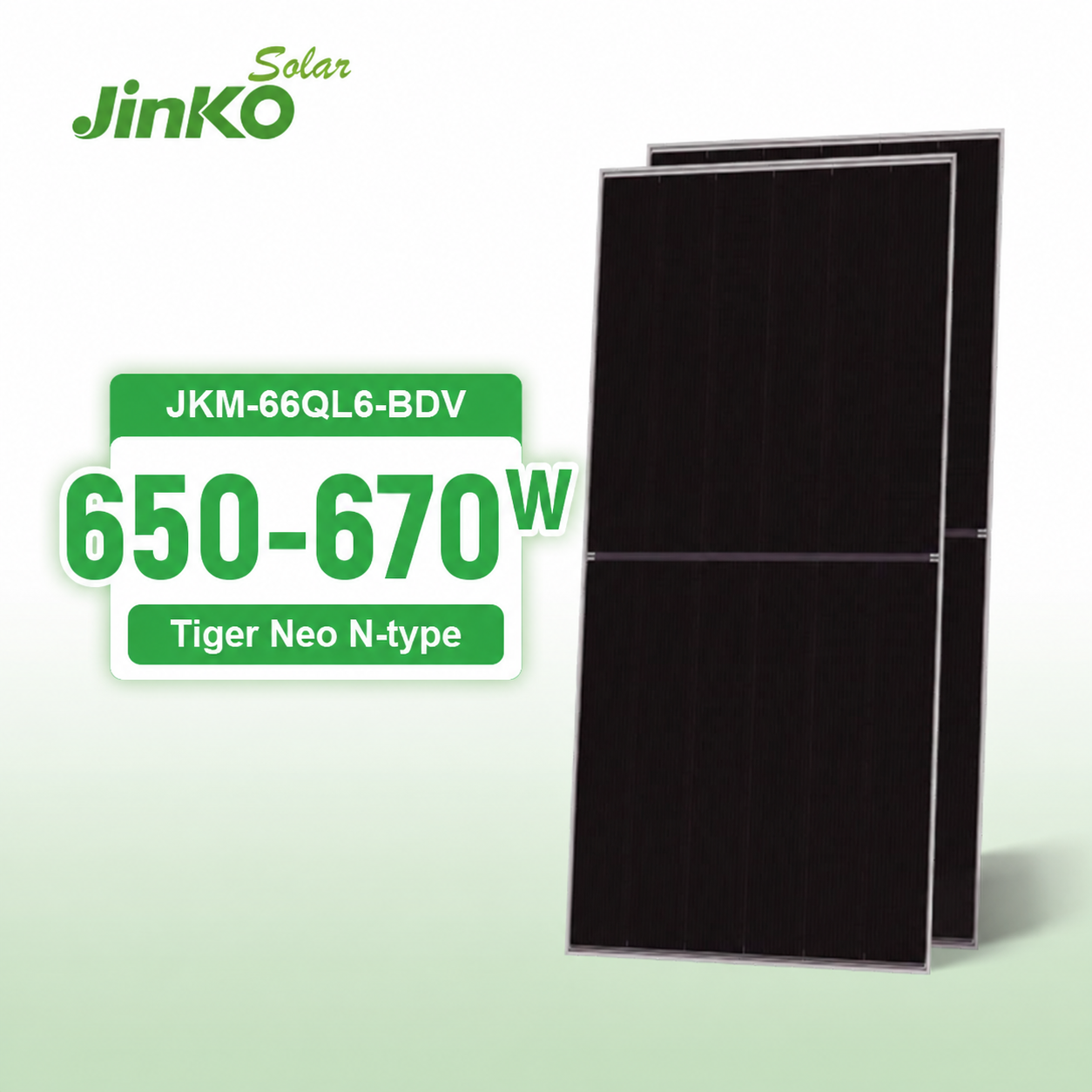
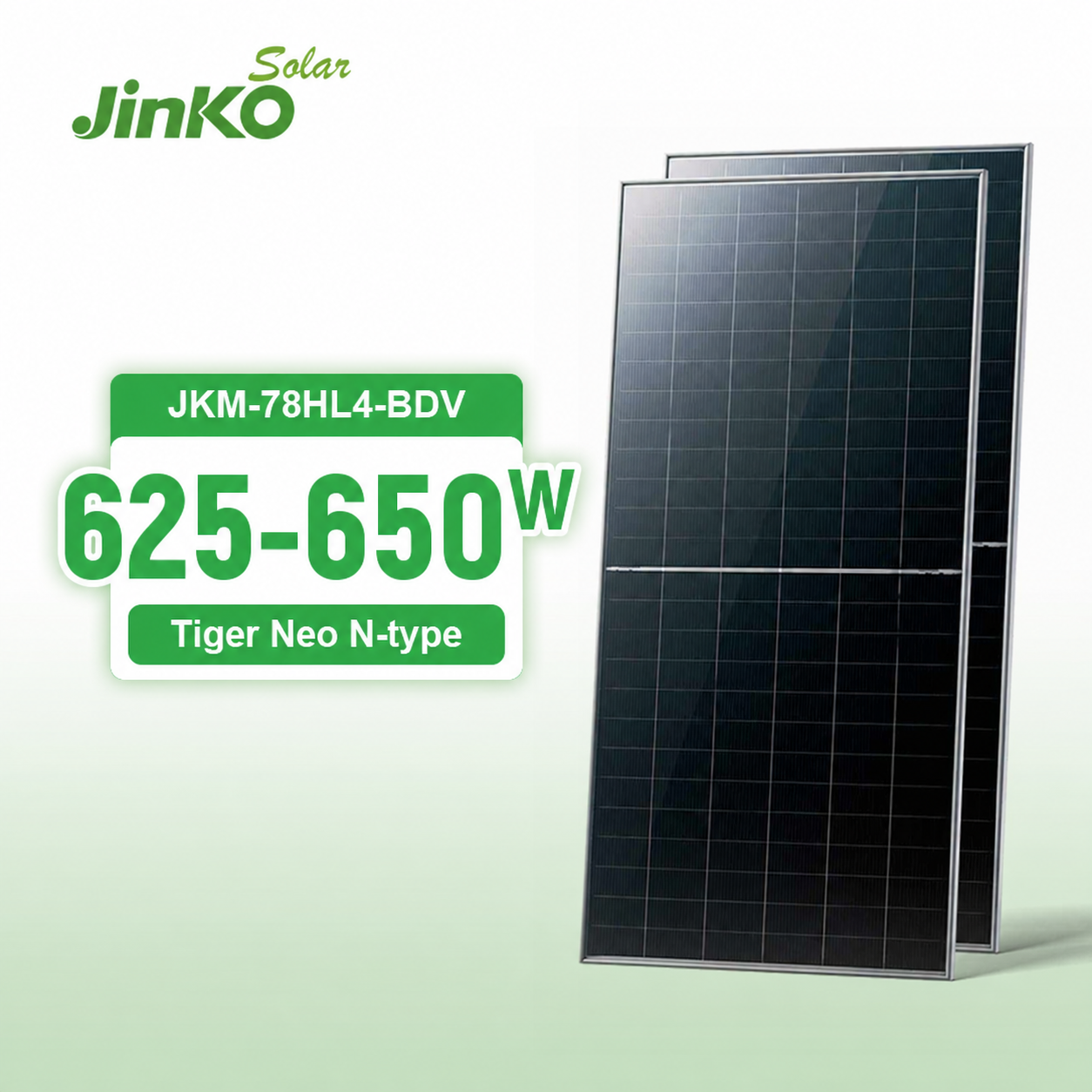
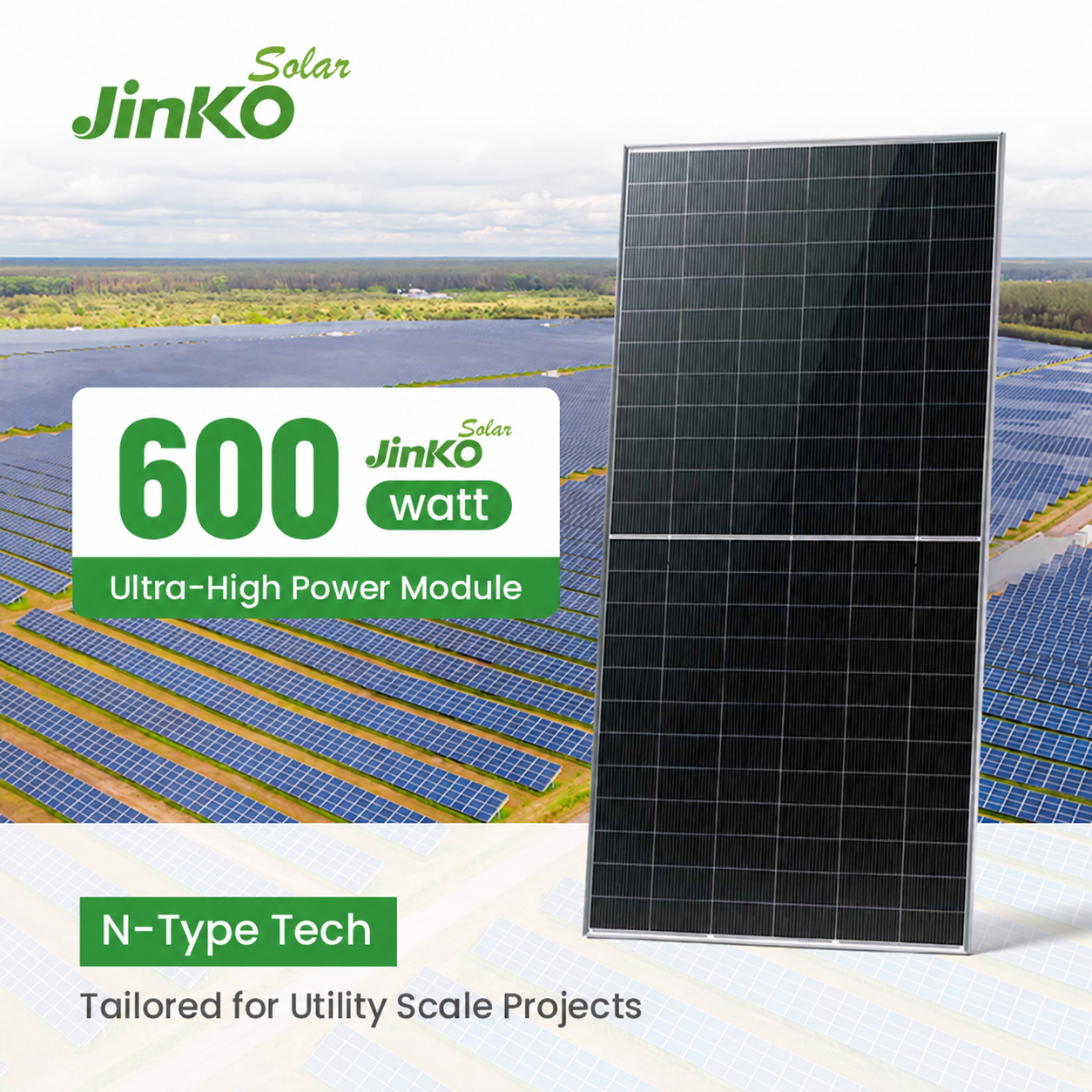
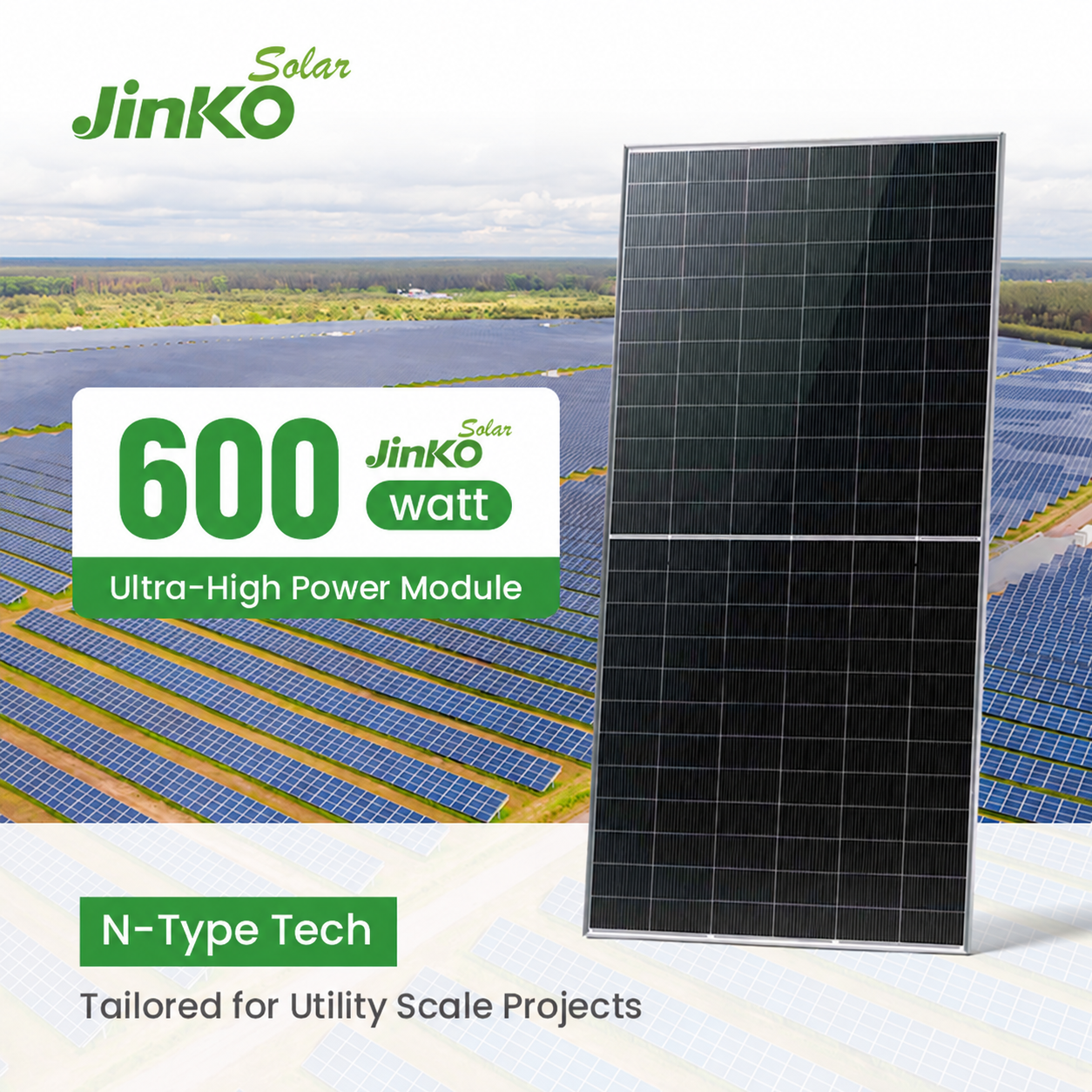
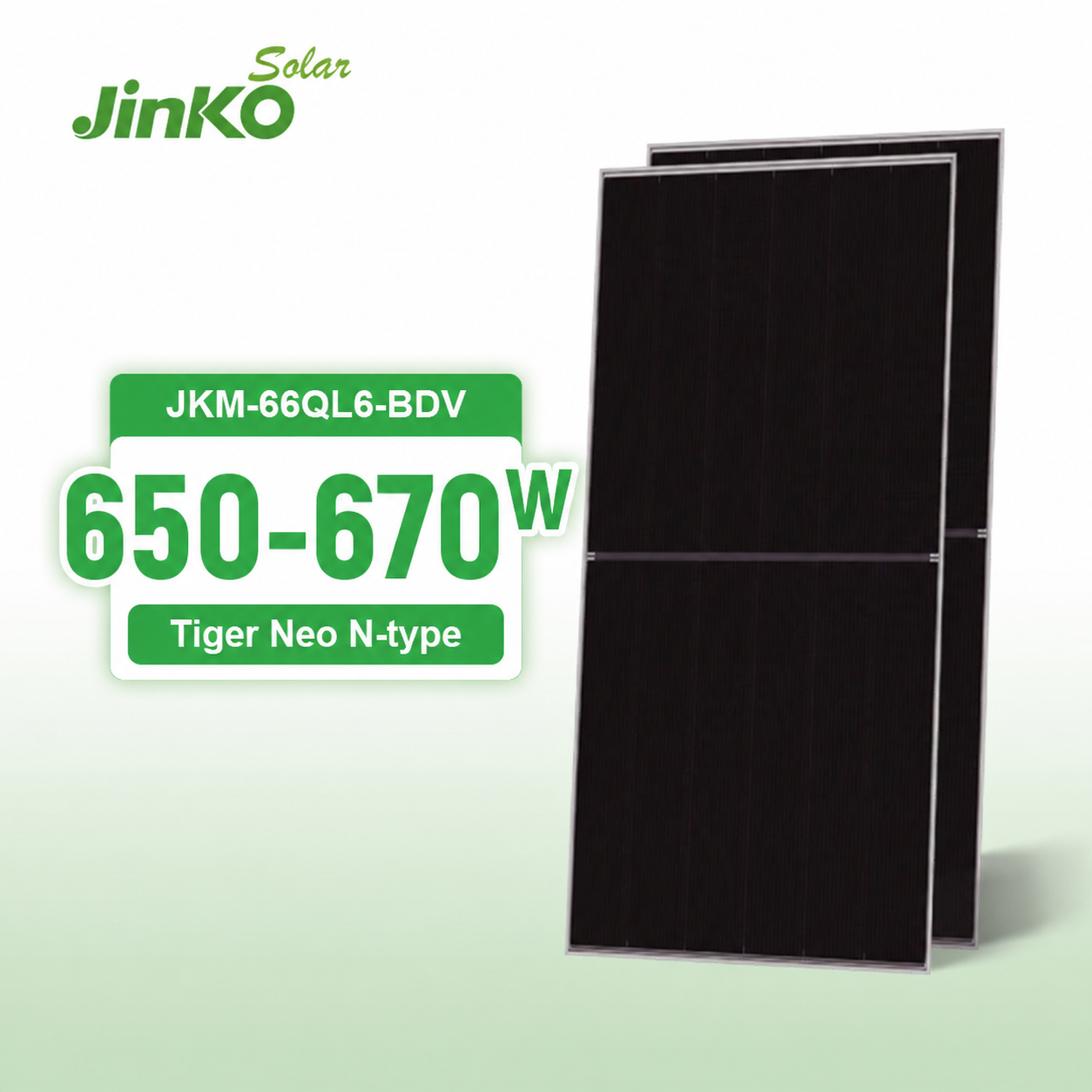
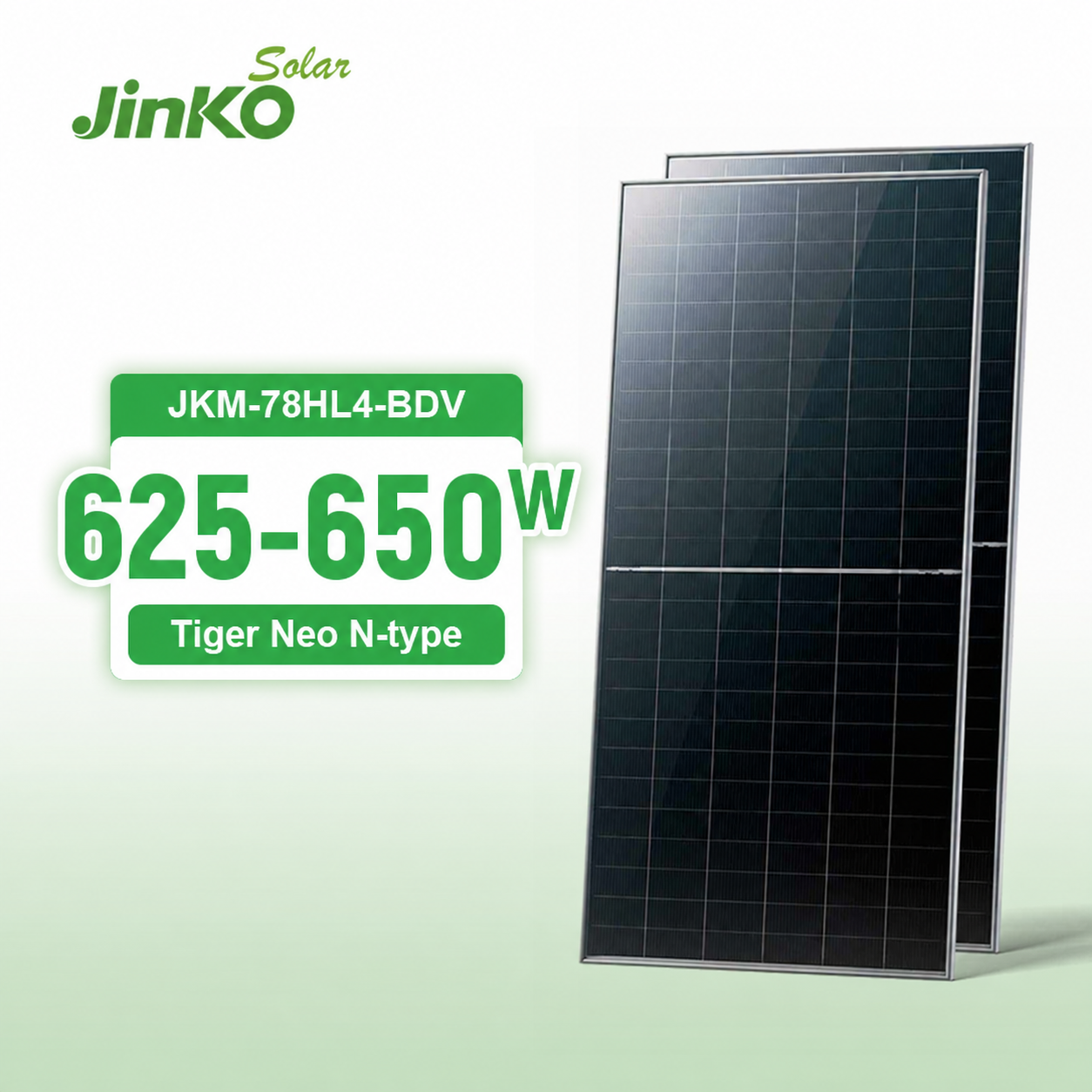
We supply perfectly matched systems: Tier-1 Jinko solar panels, industrial lead carbon battery blocks, Deye hybrid inverters, DC breakers, and wiring diagrams matched for Bolivian projects.
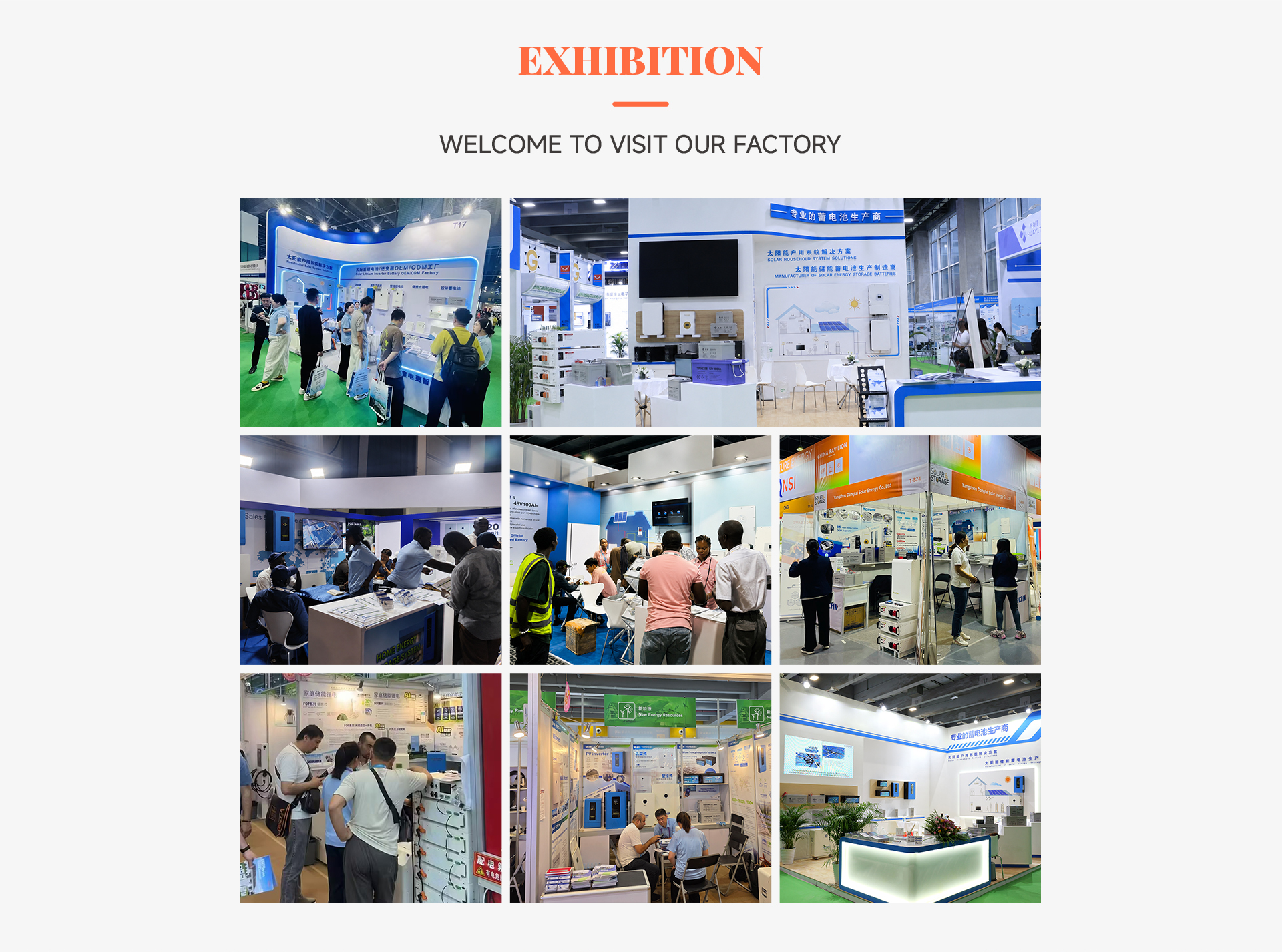
Our engineering department provides custom load calculations, high-altitude derating evaluations, and inverter charge parameter guidance in English and Spanish for local contractors.
Bolivian Procurement & Technical FAQ
Straightforward, actionable engineering and commercial answers to the questions Bolivian solar importers, EPCs, and procurement directors ask before issuing purchase orders.
How does maritime shipping and logistics work for heavy lead carbon battery orders into Bolivia?
Why is Lead Carbon considered superior to Lithium (LiFePO4) in the Bolivian Altiplano?
Can Lead Carbon batteries be charged directly using existing Deye or Victron solar inverters?
What is the cycle life expectancy of Lead Carbon batteries in deep-cycle solar applications?
Can we mix-load solar panels, lead carbon batteries, and inverters into one consolidation container?
Engineer Your Bolivian Energy Storage Project Today
Whether you are engineering an off-grid mine camp in Potosí, an isolated cellular repeat station in the Yungas, or an agricultural agro-industrial hybrid microgrid in Santa Cruz, connect directly with our engineering team for factory quotations, system sizing sheets, and CIF Arica logistics schedules.
Contact Us