High-Efficiency TOPCon PV Modules Matched for LFP Battery Systems
In Port-au-Prince's demanding high-temperature and off-grid operating conditions, photovoltaic yields must directly synchronize with Lithium Iron Phosphate charging regimes. Below are 8 Tier-1 bifacial and dual-glass solar engines ready for consolidated container shipment.

Jinko N Type Bifacial Photovoltaic Panels 600W 585W 595W TOPCon Solar Module for Commercial
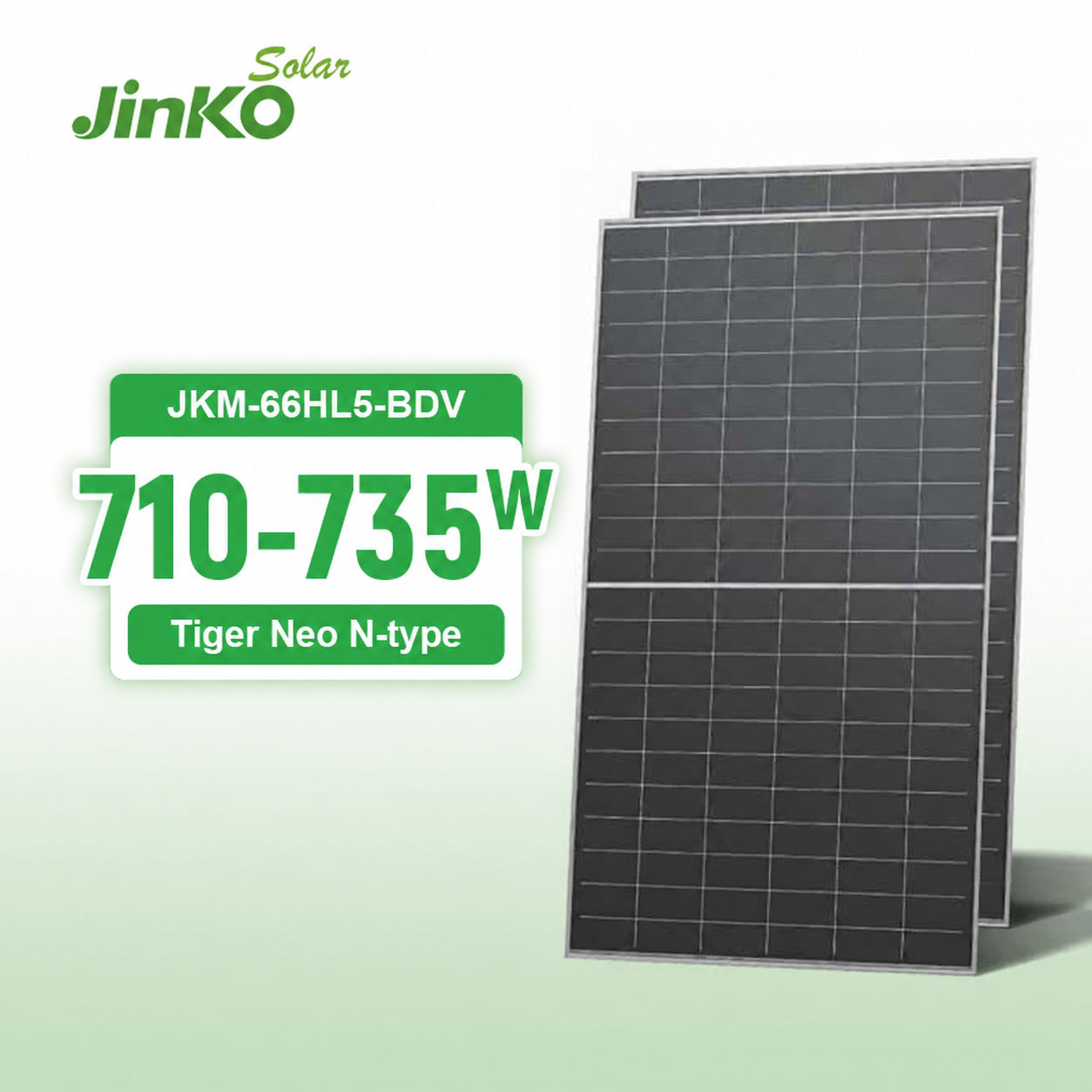
Jinko N Type Bifacial Pv Solar Panels 720W 710W 715W Dual Glass Industrial Photovoltaic Panneau Solaire

Jinko N Type Bifacial Solar Panels 585W 590W 575W TOPCon Monocrystalline High Efficiency PV Module for Home
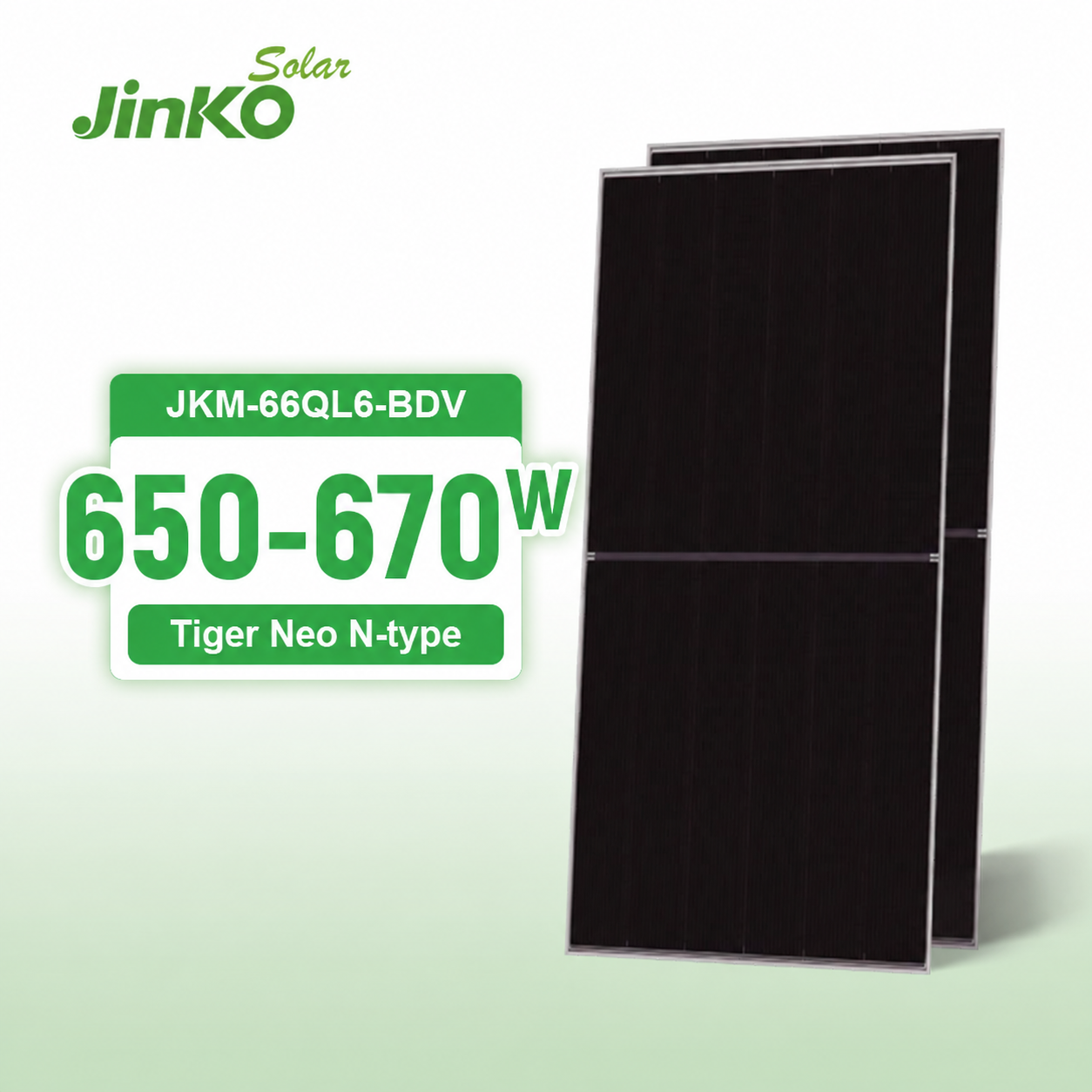
Jinko N Type Solar Panels Bifacial 650W 660W 670W TOPCon Double Glass High Efficiency Solar Module for House
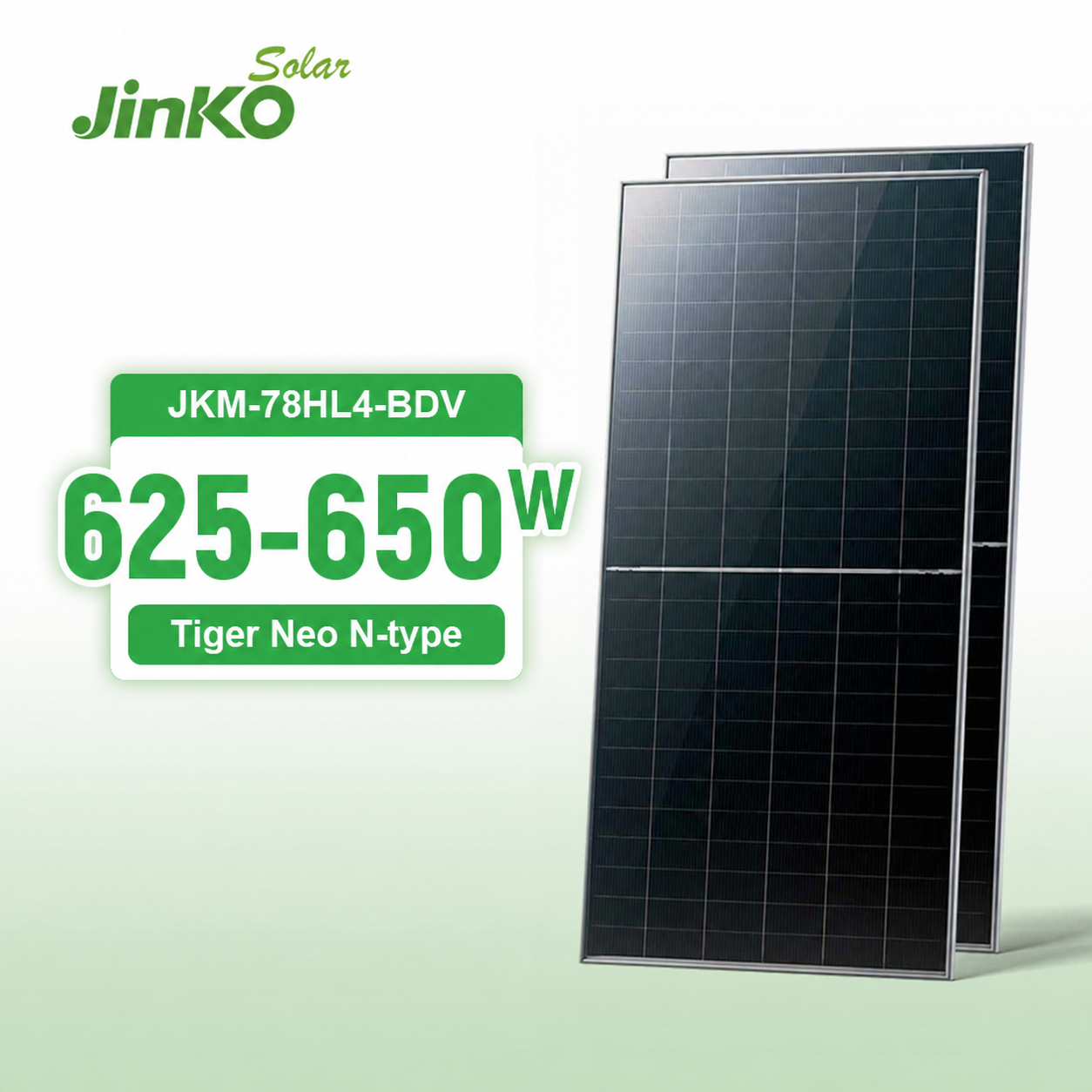
Jinko N Type Solar Panels 625W 640W 635W Monocrystalline Panneau Solaire Bifacial High Efficiency PV Module for Home Roof
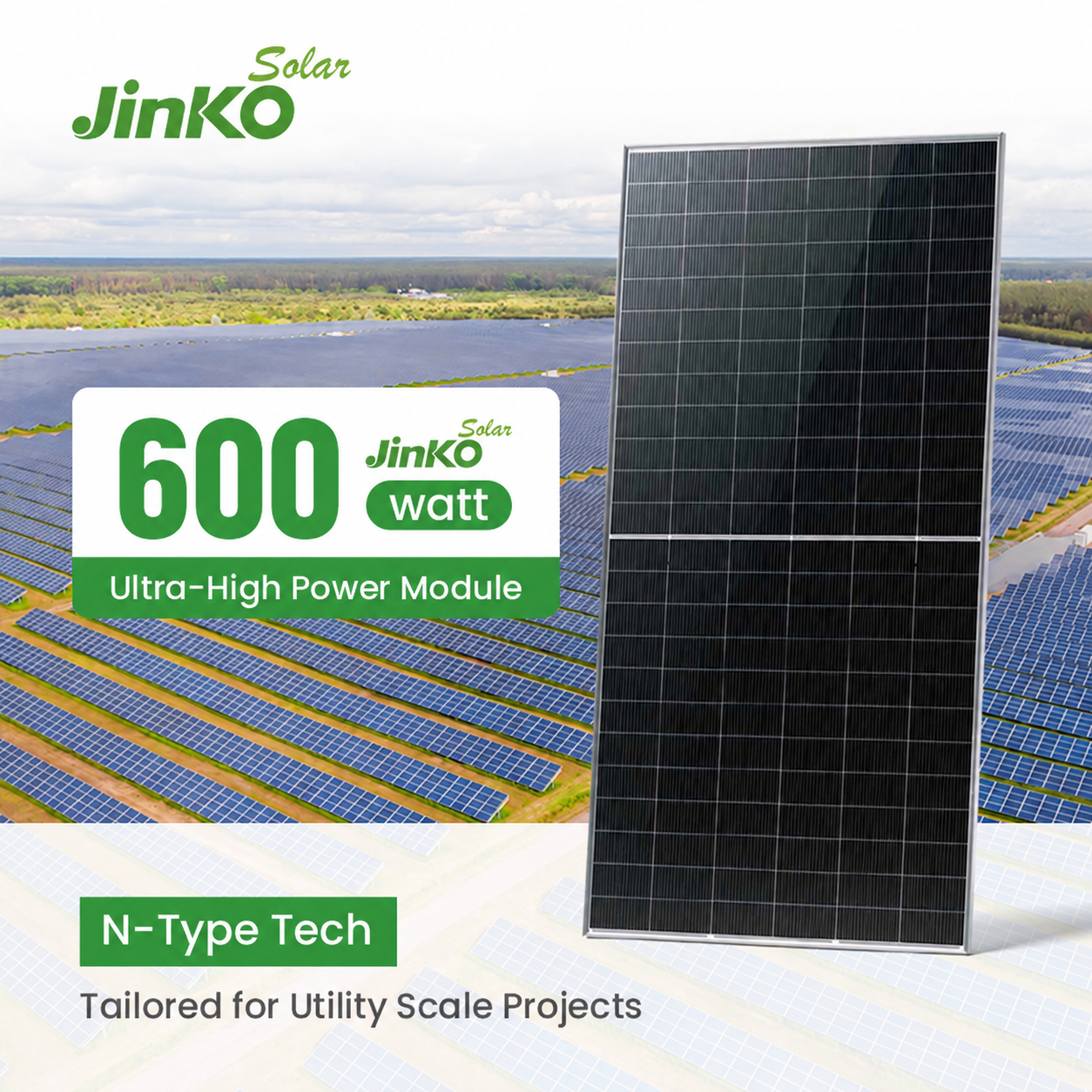
Jinko High Efficiency Bifacial 600W 585W 575W 595W Double Glass N Type Solar Panel in Stock
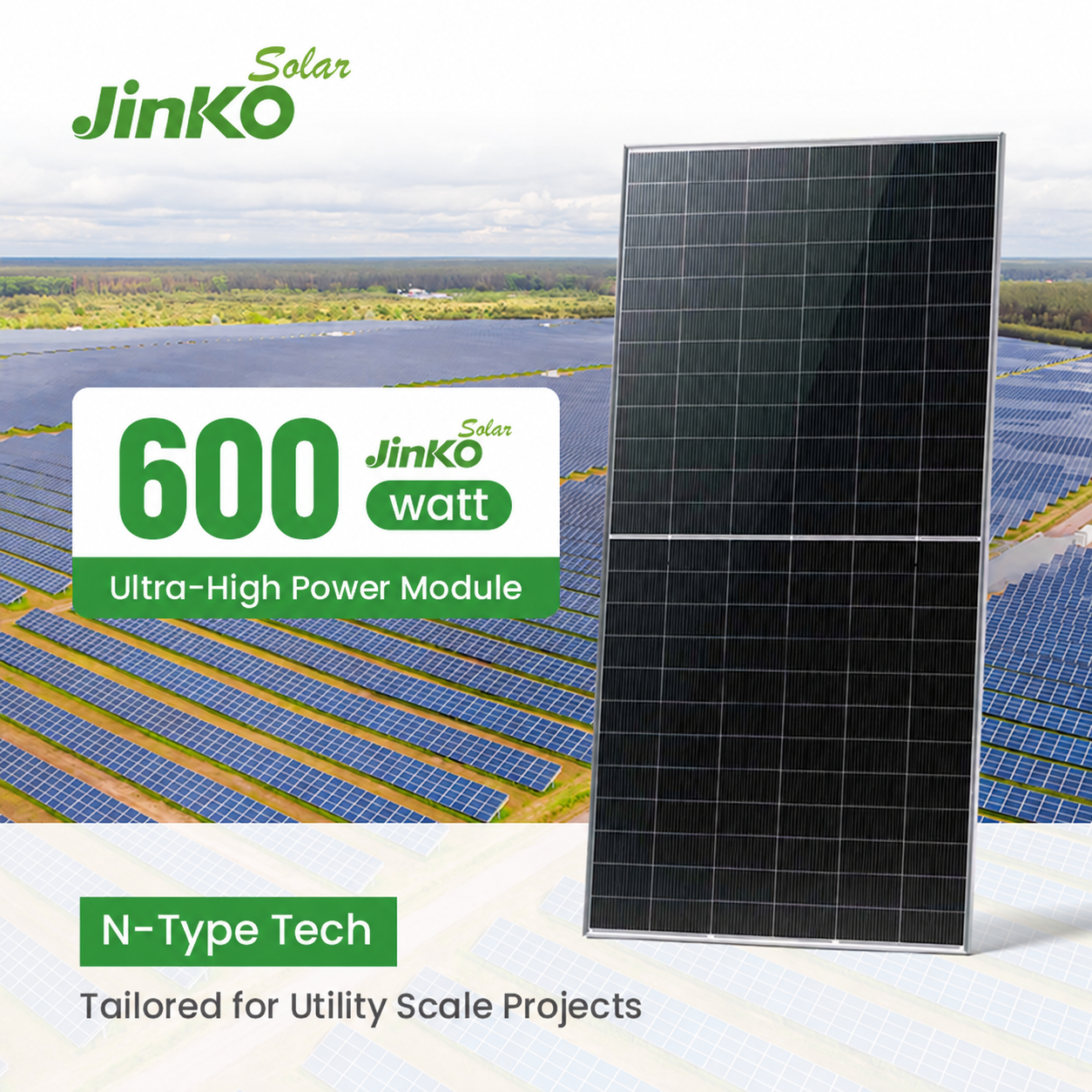
Jinko N Type Solar Modules 600W 580W 585W 590W Bifacial Monocrystalline High Efficiency PV Panel for Solar Farm
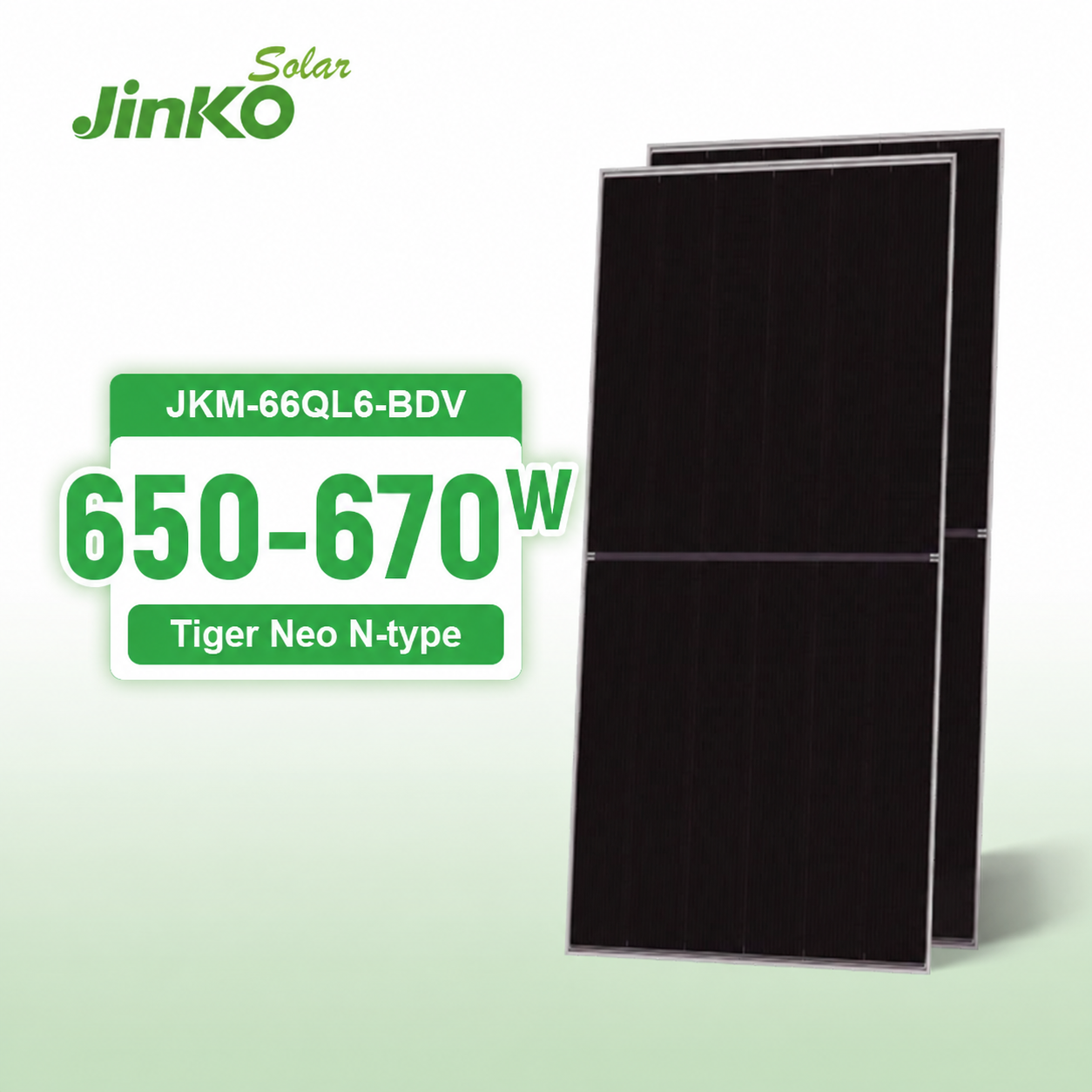
Jinko Monocrystalline Solar Panels 650W 660W 670W Bifacial High Efficiency Dual Glass Solar Module for Home Roof
Overcoming Grid Collapse: Engineering LFP Battery Solutions for Port-au-Prince
Port-au-Prince, the commercial and industrial epicenter of Haiti, faces one of the most volatile electricity profiles in the Western Hemisphere. The municipal utility grid, operated by Électricité d'Haïti (EDH), frequently supplies fewer than 4 to 6 hours of erratic grid power per day in metropolitan zones like Delmas, Pétion-Ville, Carrefour, and Tabarre. Historically, commercial facilities and residential compounds relied entirely on heavy diesel gensets. However, extreme disruptions along fuel transport corridors originating at the Varreux fuel terminal, paired with sky-rocketing diesel prices exceeding $8.00–$11.00 USD per gallon during supply crunches, have made diesel-dependent baseload generation financially unsustainable.
As a seasoned LFP Battery Manufacturer & Exporter supplying the Haitian market, Hangzhou VOLT New Energy Technology Co., Ltd. provides specialized, high-density Lithium Iron Phosphate (LiFePO4) storage systems configured specifically to counter these structural bottlenecks. Unlike conventional lead-acid or GEL batteries that degrade irreversibly within 8 to 14 months due to chronic Partial State of Charge (PSoC) and blistering Caribbean ambient heat (often exceeding 35°C to 38°C in enclosed mechanical rooms), our automotive-grade LiFePO4 cells deliver an unmatched operational life of over 6,000 cycles at 80% to 90% usable Depth of Discharge (DoD).
| Storage Metric & Feature | Hangzhou VOLT Industrial LFP (LiFePO4) | Conventional Deep-Cycle GEL | Traditional Flooded Lead-Acid |
|---|---|---|---|
| Cycle Life (80% Depth of Discharge) | 6,000 to 8,000 Cycles | 1,200 to 1,500 Cycles | 400 to 600 Cycles |
| Levelized Cost of Storage (LCOS) | ~$0.07 – $0.09 / kWh | ~$0.26 – $0.34 / kWh | ~$0.45+ / kWh |
| PSoC (Partial State of Charge) Resistance | Exceptional; No Sulfation Memory | Moderate; Gradual Capacity Drift | Extremely Vulnerable; Plate Sulfation |
| Thermal Stability @ 40°C High Temp | High (Decomposition @ >270°C) | Low (Thermal runaway risks) | Critical Outgassing & Acid Loss |
| BMS Communications & Smart Telemetry | Native CAN 2.0B / RS485 Dual Bus | None (Passive Voltage Sensing) | None (Requires Manual Hydrometer) |
By pairing high-power Jinko N-Type TOPCon bifacial modules with Deye hybrid inverters and our low-internal-resistance 51.2V rack-mount or high-voltage (HV) commercial LFP battery banks, enterprise and residential systems achieve levelized energy costs below $0.14/kWh—reducing operational energy expenses by 65% to 80% compared to diesel-only generation.
Localized Deployment Paradigms in Port-au-Prince
From financial centers in Pétion-Ville to sensitive cold chains in Tabarre, our energy storage configurations are built to withstand severe outages, tropical humidity, and grid fluctuations.
Commercial Banking & Telecom Hubs (Delmas / Pétion-Ville)
Commercial banks, microfinance agencies, and telecom data nodes require 99.999% uptime. Our rack-mount 48V/51.2V LFP systems integrate with Deye 8kW–12kW single/three-phase hybrid inverters with sub-5 millisecond transfer times. When EDH power collapses or voltage spikes drop, the system transfers loads invisibly without dropping servers, VSAT connections, or ATMs, while dramatically cutting generator fuel run-time.
Healthcare Clinics, Diagnostics & Vaccine Cold Chains
Operating rooms and diagnostic clinics throughout Tabarre and Carrefour cannot tolerate refrigeration failure or voltage sags. Utilizing VOLT high-density LFP banks, medical facilities maintain round-the-clock power for centrifuges, oxygen concentrators, and sub-zero pharmaceutical chillers. The intelligent BMS maintains cell balance even under relentless 24-hour deep-cycling regimes without toxic acid fuming or venting.
Industrial Facilities, Food Processing & Water Bottling
Water purification and food packaging plants along Route Nationale #1 require robust motor surge capacities. Our parallelized high-voltage LFP storage setups support high inductive motor start-up surges without tripping. Combined with rooftop Jinko 650W–720W bifacial modules, manufacturing operations slash expensive diesel consumption while guaranteeing uninterruptible production lines.
Emerging Energy Storage Trends in the Haitian Market
Rapid technological shifts and local logistics pressures are transforming energy infrastructure procurement across Haiti.
Total Lead-Acid Phase-Out
Distributors and EPCs across Port-au-Prince are systematically dropping flooded and GEL lead-acid batteries. The total cost of replacement after 12 months under high Caribbean ambient temperatures makes lead-acid economically unviable compared to 10-year design life LiFePO4 chemistry.
Generator Hybridization
Commercial installations no longer run diesel generators 24/7. Hybrid topologies utilize Deye inverter dry contacts to start generators automatically only when batteries reach 15% SoC, operating the engine at maximum thermal efficiency for 2 hours to fast-charge LFP banks, saving up to 75% fuel.
N-Type TOPCon Dominance
Because roof space in dense urban districts like Pétion-Ville and Port-au-Prince is limited, buyers are standardizing on Jinko N-Type TOPCon panels (over 22.5% efficiency). Their lower temperature coefficient (-0.30%/°C) delivers 5–7% higher annual energy yield under tropical sun.
Turnkey Consolidated Cargo
Importers are demanding unified container loads. Sourcing panels, inverters, LFP batteries, surge arrestors, and cables from a single integrator avoids protocol incompatibility and reduces terminal clearance delays at Port International de Port-au-Prince (APN).
Why International Buyers Partner with VOLT New Energy
Direct supply-chain security, pre-shipment protocol matching, and complete export compliance eliminate customs and field deployment risks.

Pre-Matched BMS & Inverter Protocols
Every single lithium battery rack and Deye hybrid inverter combination is factory bench-tested for CAN/RS485 handshake before packing. DIP switch addresses and pin-out configurations are documented so installers in Port-au-Prince experience instant plug-and-play communication without error codes.

Rigorous Pre-Shipment QC & Testing
We execute multi-stage quality control: 100% cell internal resistance (IR) screening, capacity consistency grading, and high-voltage insulation checks. Full video inspection logs and individualized serial records are provided before loading to guarantee pristine hardware arrival.

Class 9 DG Dangerous Goods Maritime Logistics
Lithium iron phosphate batteries require strict maritime compliance. VOLT prepares full UN38.3 test reports, certified MSDS, and UN-rated heavy-duty crating. We coordinate seamless ocean freight via Kingston, Jamaica or direct transit to Port-au-Prince / Terminal Lafito without customs rejection.
Frequently Asked Questions for Port-au-Prince Importers
Practical technical and logistics answers designed for Haitian distributors, solar contractors, and procurement directors.
How do VOLT LFP batteries handle Port-au-Prince's tropical humidity and heat?
How is Class 9 Dangerous Goods (DG) freight handled into Port International de Port-au-Prince (APN)?
Will the battery BMS communicate directly with our existing Deye inverters without software glitches?
Can we expand battery capacity in parallel as commercial power demand grows in Delmas or Pétion-Ville?
What is the payback period of a Solar + LFP Battery system versus running a diesel generator in Port-au-Prince?
Can you supply customized balance of system (BOS) components in the same container?
Design Your Custom Port-au-Prince Microgrid Today
Send our senior engineering team your peak kilowatt requirements, daily kWh load profile, or generator fuel consumption. We will generate an optimized, pre-matched bill of materials combining Tier-1 TOPCon solar panels, Deye inverters, and industrial LFP energy storage with sea freight quotation to Port-au-Prince.
Contact Us