High-Efficiency Modules & LiFePO4 Energy Ecosystems
Ahvaz experiences intense solar irradiation alongside elevated ambient heat. Standard mono modules and degraded chemistries fail under Khuzestan's 50°C+ summer conditions. We pair Tier-1 dual-glass N-Type TOPCon PV arrays with our heavy-duty Lithium Iron Phosphate (LiFePO4) battery packs for consistent off-grid and hybrid performance.
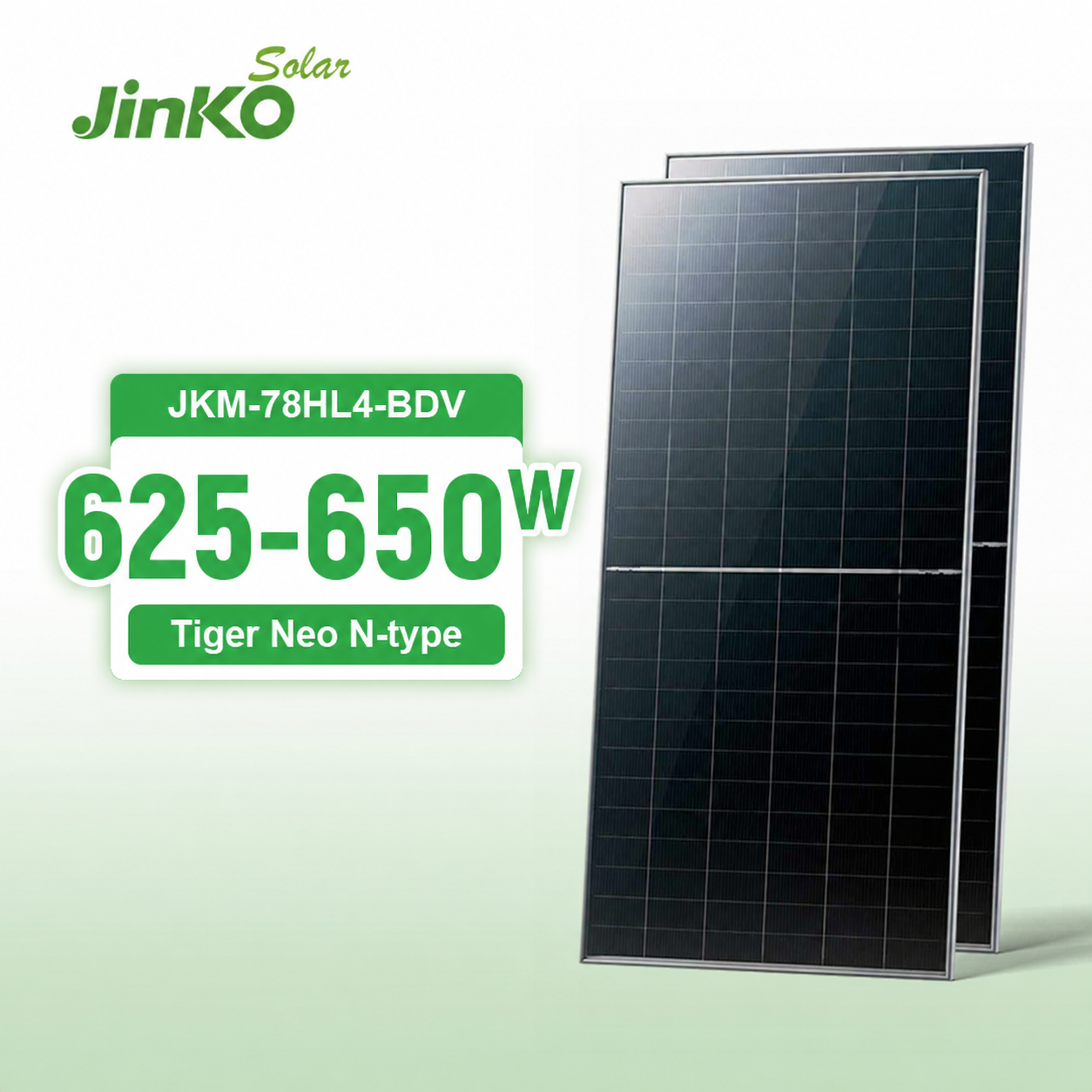
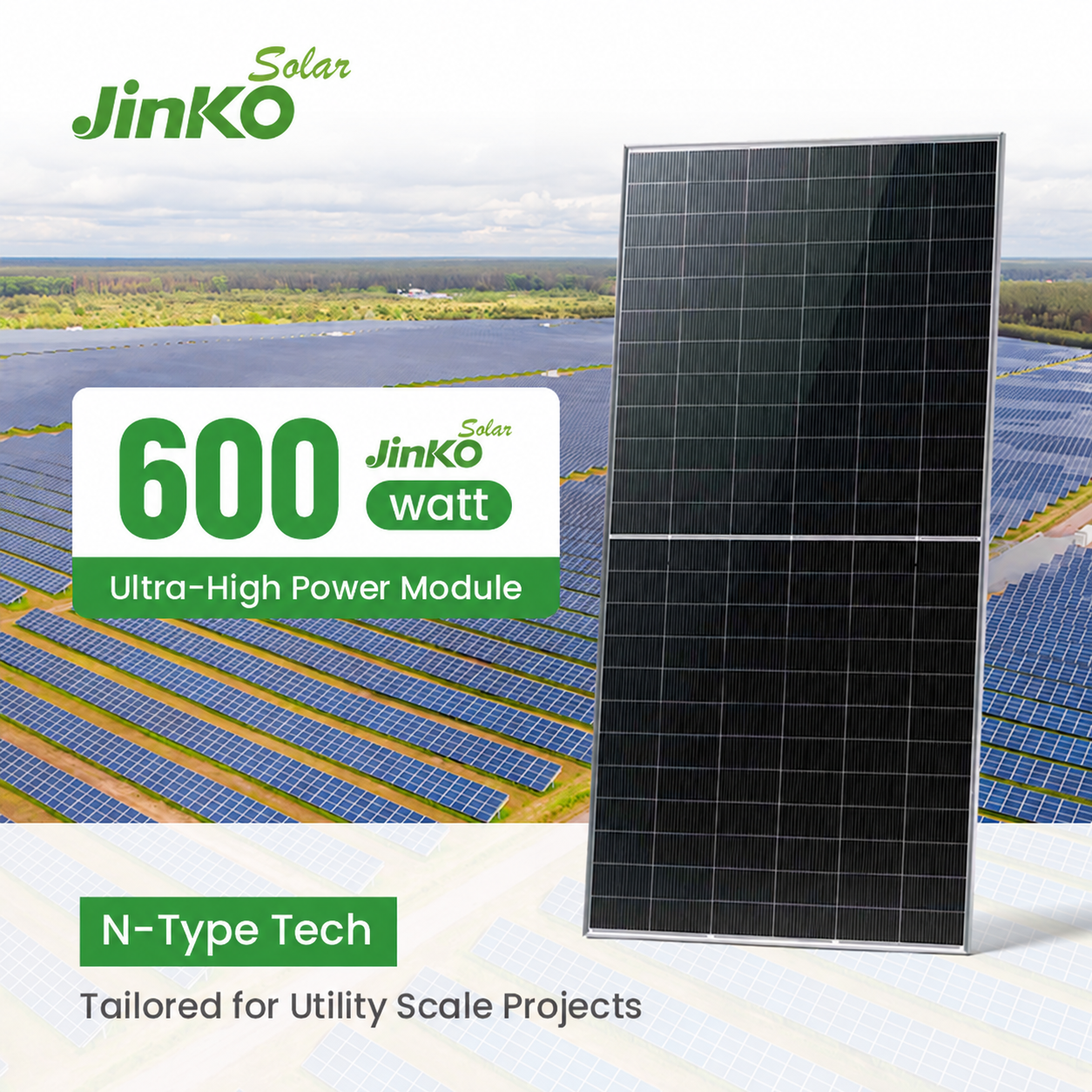
Jinko Bifacial Solar Panels 600W 585W 590W Monocrystalline Dual Glass Module for Home
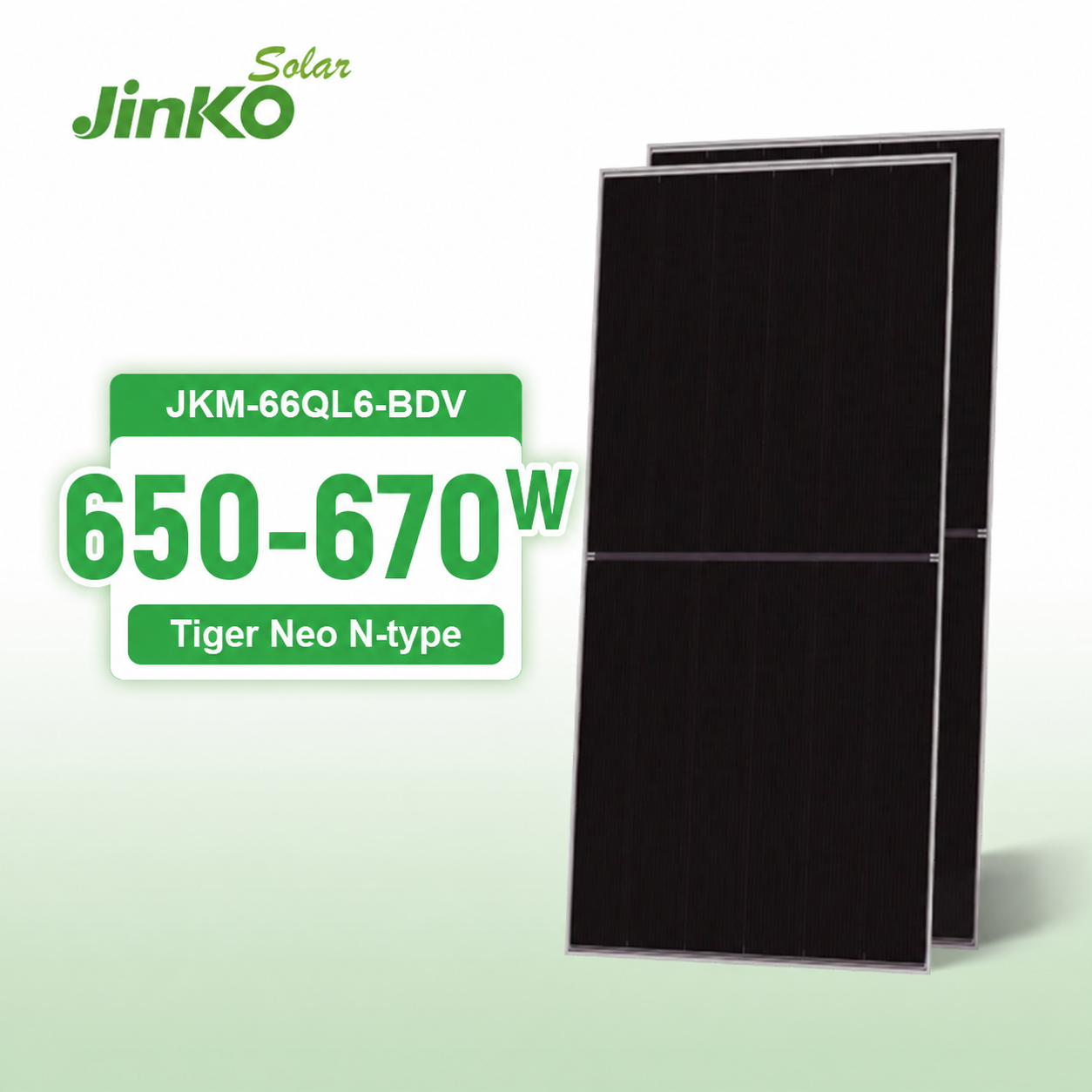
Jinko Wholesale Pv Modules 650W 660W 670W Bifacial Double Glass N Type Panel for Farm
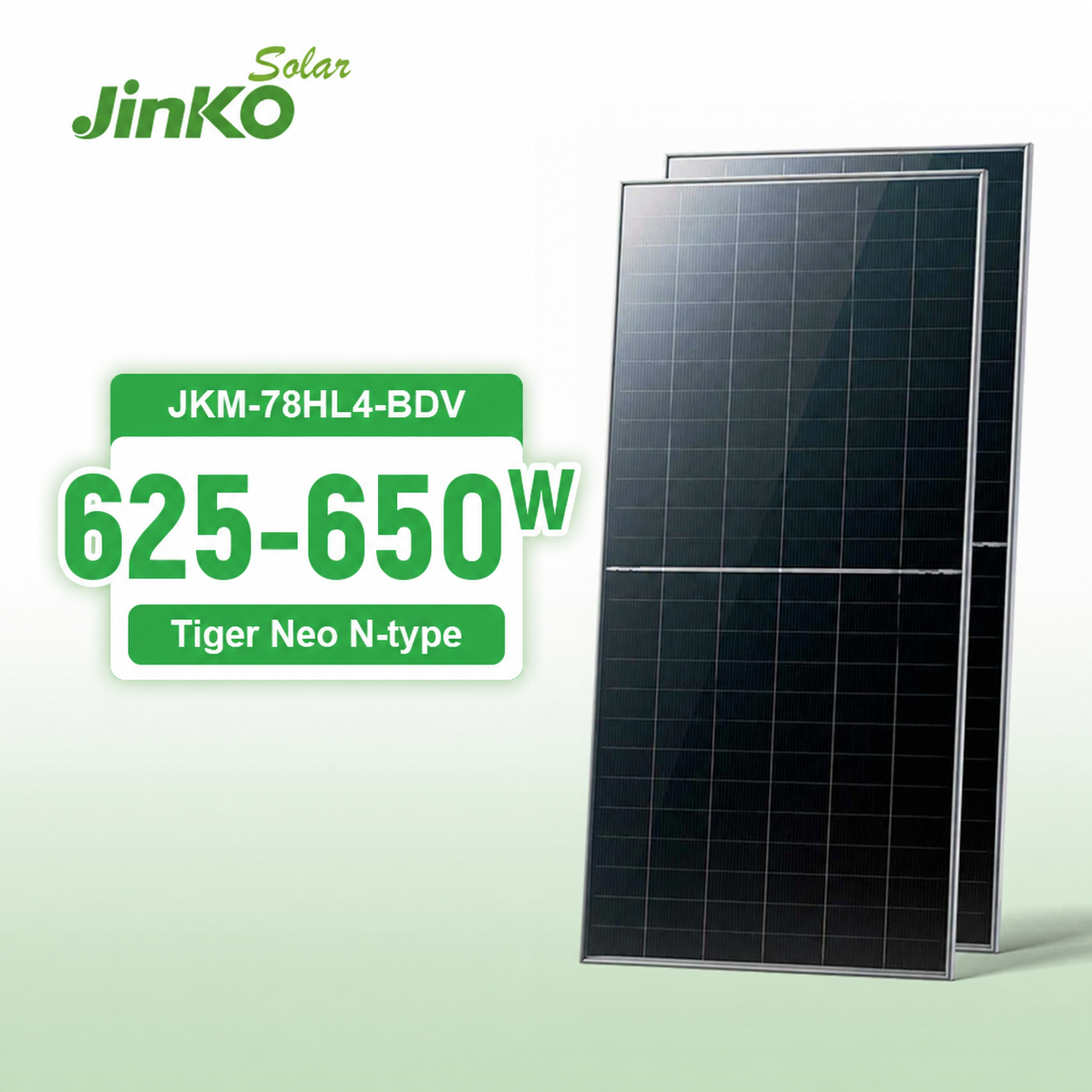
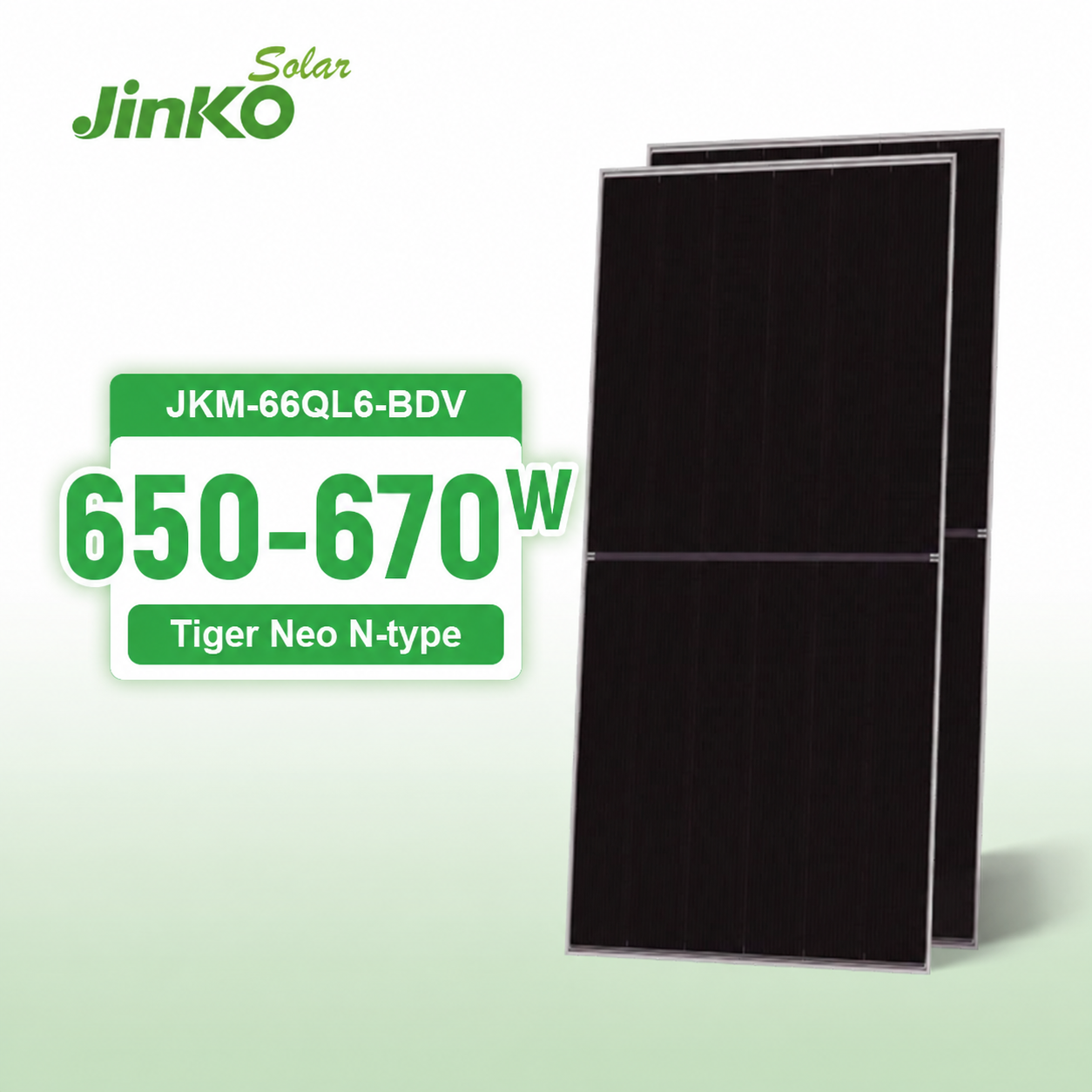
Jinko N Type Bifacial Panel 650W 660W 670W TOPCon High Efficiency Module for House
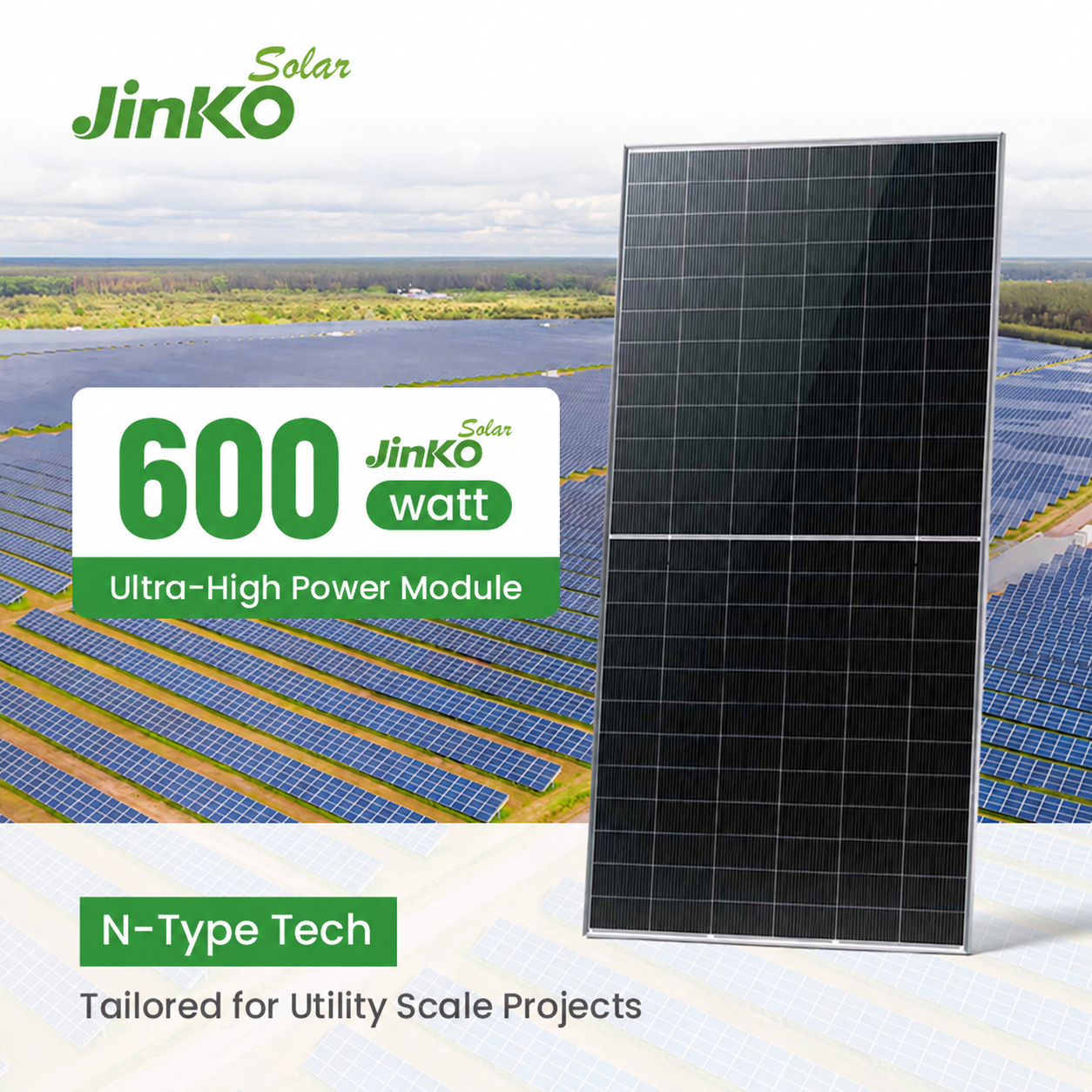
Jinko Pv Panels Wholesale 600W 580W 590W Bifacial Dual Glass Monocrystalline Module
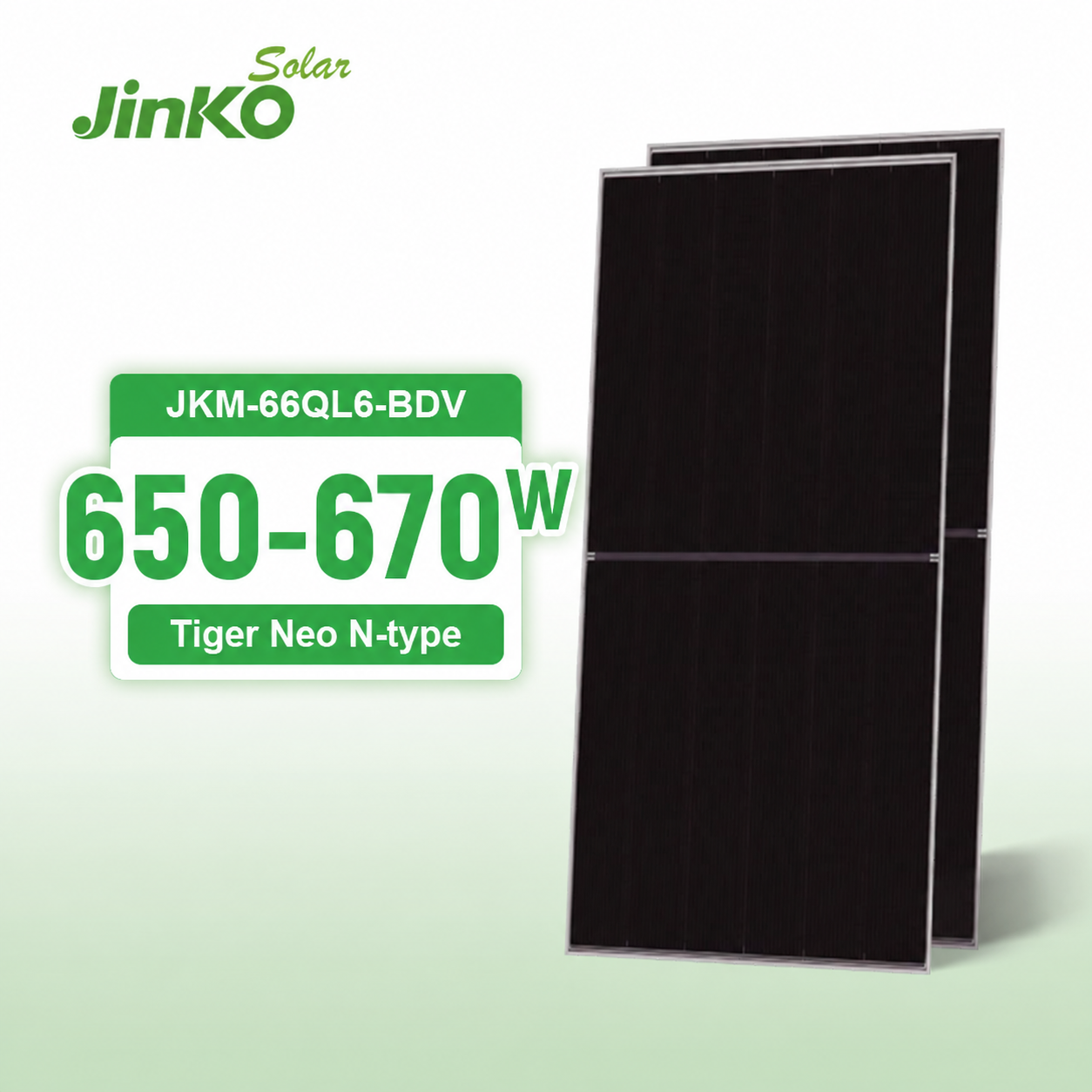
Jinko N Type Solar Panels Bifacial 650W 660W 670W TOPCon Module for House
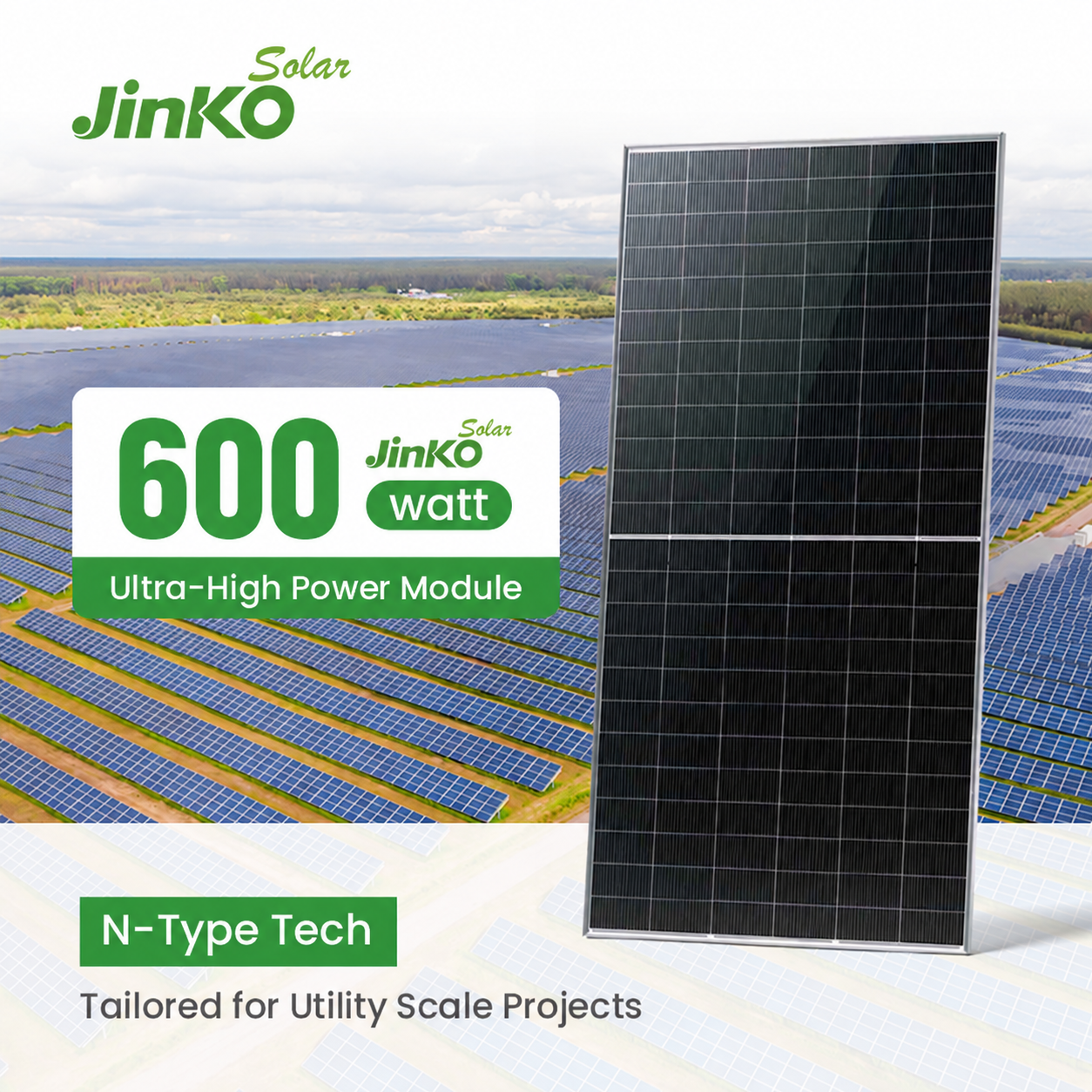
Jinko N Type Bifacial PV Panels 600W 585W 595W TOPCon Module for Commercial
LiFePO4 Chemistry & High-Temperature Reliability in Ahvaz
Ahvaz registers some of the highest recorded urban temperatures on earth, frequently topping 50°C (122°F) in July and August. In this rigorous operating environment, conventional lead-acid batteries and ternary NMC lithium chemistries experience accelerated capacity fade, electrolyte drying, and severe thermal runaway risks. As a specialized LiFePO4 battery pack exporter, Hangzhou VOLT New Energy deploys targeted engineering adjustments for Khuzestan's extreme operational profile.
Thermal Runaway Mitigation: LiFePO4 vs. Alternative Chemistries
The core structural advantage of Lithium Iron Phosphate (LiFePO4) lies in the covalent P-O bonding within the olivine crystalline lattice. Unlike layered Nickel Manganese Cobalt (NMC) or Cobalt Oxide (LCO) chemistries, which experience oxygen release and exothermic decomposition between 150°C and 210°C, LiFePO4 remains crystallographically stable up to 270°C–300°C. In Ahvaz, where rooftop and unconditioned battery enclosures often reach interior temperatures of 65°C to 70°C, this stability margin prevents spontaneous catastrophic failure.
Traditional deep-cycle GEL and AGM batteries degrade drastically under Khuzestan's heat profile. Based on the Arrhenius rate equation, the chemical reaction rate doubles for every 10°C rise in temperature. Consequently, a standard valve-regulated lead-acid (VRLA) battery with an expected service life of 5 years at 25°C suffers internal grid corrosion and electrolyte dry-out within 14 to 18 months at Ahvaz summer temperatures. By contrast, our grade-A prismatic LiFePO4 cells, equipped with specialized high-temperature ceramic separators and optimized fluorinated ether electrolytes, retain more than 80% of original capacity after 4,000 cycles under elevated thermal stress testing.
| Performance Parameter | Standard Deep-Cycle GEL | Generic Commercial NMC | VOLT Industrial Grade LiFePO4 Pack |
|---|---|---|---|
| Thermal Runaway Onset | ~110°C (Dryout / Venting) | 150°C – 210°C (Explosive Exotherm) | >270°C (Self-Extinguishing Decomposition) |
| Cycle Life @ 45°C (80% DoD) | 350 – 500 Cycles | 1,200 – 1,500 Cycles | 4,500+ Cycles (To 80% Retained Capacity) |
| Internal Thermal Resistance | High (Sulfation Heat Build-up) | Moderate (Risk of Dendrite Piercing) | Ultra-Low (≤0.5 mΩ laser-welded busbars) |
| Operating Ambient Window | -10°C to +40°C | -20°C to +45°C | -20°C to +60°C (Integrated Smart BMS derating) |
| Enclosure Protection Class | IP20 / Open Racks | IP21 (Indoor Only) | IP65 Dustproof & Sand-Proof Sealed Casing |
For industrial buyers and EPC contractors operating across Khuzestan, battery lifetime translates directly to Levelized Cost of Storage (LCOS). By exporting purpose-built LiFePO4 battery modules equipped with multi-sensor BMS architecture, VOLT New Energy reduces the operational LCOS in Ahvaz by 42% compared to imported gel-based banks over a 10-year operational horizon.
Active Multi-Point BMS Balancing
Our BMS hardware incorporates independent NTC thermistors across cell clusters and busbars, running bidirectional active balancing algorithms that prevent localized heat accumulation during rapid charging.
Hermetic IP65 Sand-Resistant Housings
Ahvaz suffers frequent dust storm episodes carrying high-density particulate matter (PM10). Our battery enclosures utilize IP65 silicone gaskets and pressure-compensating ePTFE breather vents to prevent particulate ingress.
CAN & RS485 Inverter Interoperability
Standardized communication protocols pre-calibrated for Deye hybrid inverters, Victron, and leading solar power conditioning systems, eliminating protocol handshake failures during commissioning.
High-Impact LiFePO4 Deployments Across Khuzestan
The urban and regional industrial infrastructure of Ahvaz presents distinct operational demands, shaped by chronic summer grid curtailments, expansive oilfield extraction sites, and extensive agricultural processing requirements.
Petrochemical & Refinery Auxiliary Power
Ahvaz represents a critical center for hydrocarbon extraction and processing. Refineries and upstream gas stations require uncompromised auxiliary DC backup systems for SCADA monitoring, fire control loops, and valve actuators. Our high-rate discharge LiFePO4 rack systems deliver millisecond transition times with zero maintenance cycles.
Industrial Safety Critical
Agro-Industrial Irrigation & Sugarcane Microgrids
The fertile lands along the Karun and Karkheh rivers support large-scale agro-industrial sugarcane and date palm cultivation. Remote water pumping facilities facing intermittent rural distribution lines rely on our coupled Jinko N-Type bifacial solar arrays and 100kWh–500kWh containerized LiFePO4 storage banks to maintain irrigation schedules.
Off-Grid Solar Pumping
Urban Residential Load Shedding Defense
During the scorching summer months, excessive air conditioning demand frequently overloads Ahvaz's urban grid, resulting in rotational blackouts lasting 4 to 8 hours daily. Our 5.12kWh to 15.36kWh wall-mounted residential LiFePO4 packs, integrated with Deye hybrid inverters, supply continuous refrigeration, HVAC control, and essential residential lighting.
Residential ResiliencyEmerging Market Trends in Ahvaz Solar & Storage Adoption
A convergence of energy price rationalization, severe grid stress, and national renewable directives is accelerating the procurement of high-performance energy storage technologies across southwestern Iran.
Replacement of Failing Lead-Acid Infrastructure
Local telecoms, enterprise facilities, and solar installers in Ahvaz are aggressively retrofitting degraded 12V gel and lead-carbon banks with 48V/51.2V prismatic LiFePO4 packs, motivated by a 5x longer lifecycle and zero distilled water replenishment requirements.
Petrochemical Flaring Offsets & Captive Generation
Industrial manufacturing parks around Ahvaz are incentivized to establish captive solar-plus-storage microgrids to hedge against mandatory grid load shedding during peak summer months, maintaining continuous production output.
Demand for Pre-Configured Turnkey Kits
Distributors and engineering contractors increasingly favor consolidated single-container shipments containing matched bifacial N-type modules, inverters, LiFePO4 battery cabinets, and pre-crimped cabling to simplify regional logistical challenges.
Strict Thermal Certification Standards
Procurement directors are rejecting uncertified lithium assemblies, demanding international UN38.3 test summaries, CE safety conformity, and IEC 62619 documentation to verify protection against thermal propagation under severe desert conditions.
Why International B2B Buyers Rely on Hangzhou VOLT New Energy
As an onsite-verified photovoltaic and lithium storage supply chain integrator, Hangzhou VOLT New Energy eliminates technical mismatches, logistical friction, and compliance barriers for our B2B partners.
100% Pre-Shipment Protocol Verification
We eliminate communication handshake failures. Every batch of LiFePO4 batteries is verified on physical test benches against target inverters (Deye, Growatt, Victron) with mapped CAN/RS485 baud rates and DIP configurations prior to export.
Class 9 Dangerous Goods Compliance
Lithium iron phosphate transport demands rigorous compliance. We furnish authentic UN38.3 test reports, full safety data sheets (MSDS), and UN-approved reinforced wooden export crates tailored for sea freight consolidation.
Comprehensive System Matching
Beyond isolated cells, we provide complete engineered energy systems. From Tier-1 Jinko bifacial solar modules to matched hybrid inverters, DC breakers, and heavy-duty cabling, our kits arrive ready for field installation.
Rapid Technical Support Service
Our dedicated engineering team operates across global trade hours, providing remote commissioning assistance, load profile calculations, and warranty coordination backed by rigorous manufacturer traceability.
Frequently Asked Questions for Ahvaz B2B Buyers
Direct technical answers addressing the real-world operational challenges of importing, installing, and maintaining LiFePO4 storage packs in the Khuzestan region.
How do VOLT LiFePO4 battery packs handle Ahvaz's peak summer temperatures exceeding 50°C?
Can your LiFePO4 battery packs communicate directly with Deye hybrid inverters commonly used in Iran?
Why should an industrial buyer in Ahvaz choose LiFePO4 over traditional deep-cycle GEL batteries?
What customs, shipping, and dangerous goods documents are provided for maritime transport?
Can VOLT New Energy consolidate solar panels, inverters, and battery packs in one container?
Deploy Resilient Solar Storage in the Ahvaz Market
Consult with our senior technical engineering team today. Provide your system load requirements, target operating environment, and project timeline, and receive a fully matched LiFePO4 energy storage solution with verified inverter protocol compatibility and export freight planning.