Hybrid Inverter & ESS
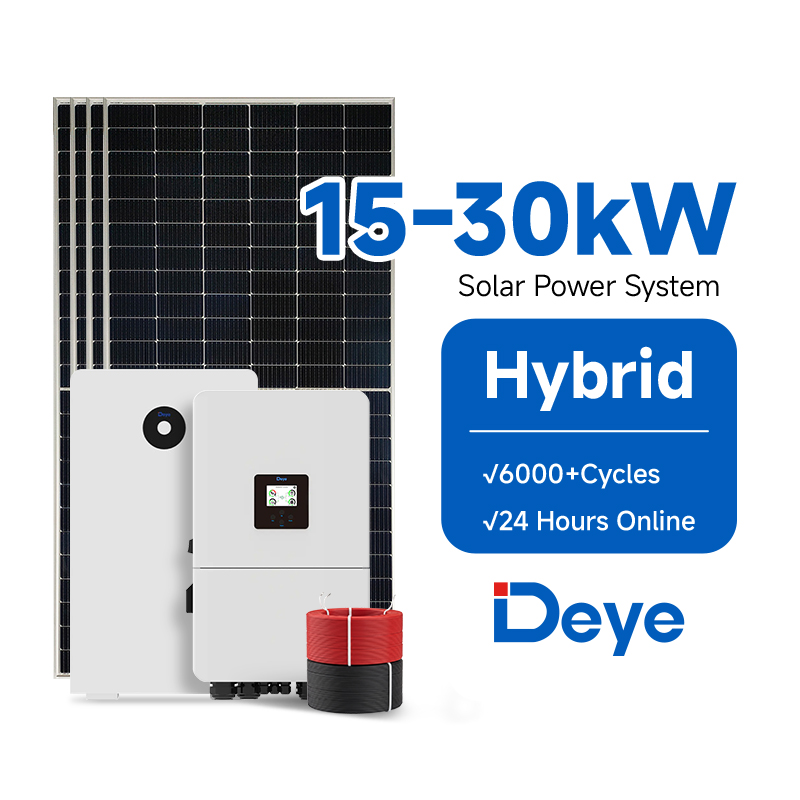
Tested for complete closed-loop protocol compatibility, extreme UV exposure, and coastal marine salinity. Sourced directly from premier manufacturing clusters in China to Puerto Coquimbo and Puerto Valparaíso.
The Coquimbo Region, anchored by the coastal conurbation of La Serena and Coquimbo, presents one of South America's most demanding microclimates for energy storage systems (ESS). While inland areas such as the Elqui Valley (Vicuña, Paihuano) experience some of the world's highest Direct Normal Irradiance (DNI) exceeding 2,600 kWh/m²/year, the coastal zone of La Serena is defined by the Camanchaca—a dense, humid marine stratocumulus fog rolling off the Pacific Humboldt Current. This creates a severe dual challenge for electrical equipment: ultra-high daytime solar generation coupled with pervasive saline atmospheric moisture classified under ISO 9223 as a C4 to C5 marine corrosion environment.
For commercial, agricultural, and residential engineering contractors operating along the Pan-American Highway (Ruta 5 Norte), conventional lead-acid (AGM/GEL) banks degrade rapidly under these conditions. Deep cycling under erratic solar irradiation causes accelerated grid corrosion, thermal runaway, and premature capacity loss within 18 to 24 months. Lithium Iron Phosphate (LiFePO4 / LFP) has emerged as the definitive electrochemical standard for Chile's National Electric System (SEN - Sistema Eléctrico Nacional) due to its olivine crystalline structure, thermal safety up to 270°C without exothermic breakdown, and minimal degradation across 6,000 to 8,000 charge cycles.
Engineering Takeaway: In coastal Coquimbo, atmospheric salt moisture will breach standard IP21 battery enclosures within 12 months. Export-grade LiFePO4 battery modules destined for La Serena require specialized cathodic protection, conformal-coated Battery Management System (BMS) PCBs, and sealed IP55/IP65 outer enclosures capable of handling daily dew-point condensation without dielectric breakdown.
Deploying energy storage in IV Región de Coquimbo requires strict alignment with localized load profiles, grid constraints under CNE (Comisión Nacional de Energía), and extreme ambient variables ranging from arid high-altitude mining sites to coastal fishing hubs.
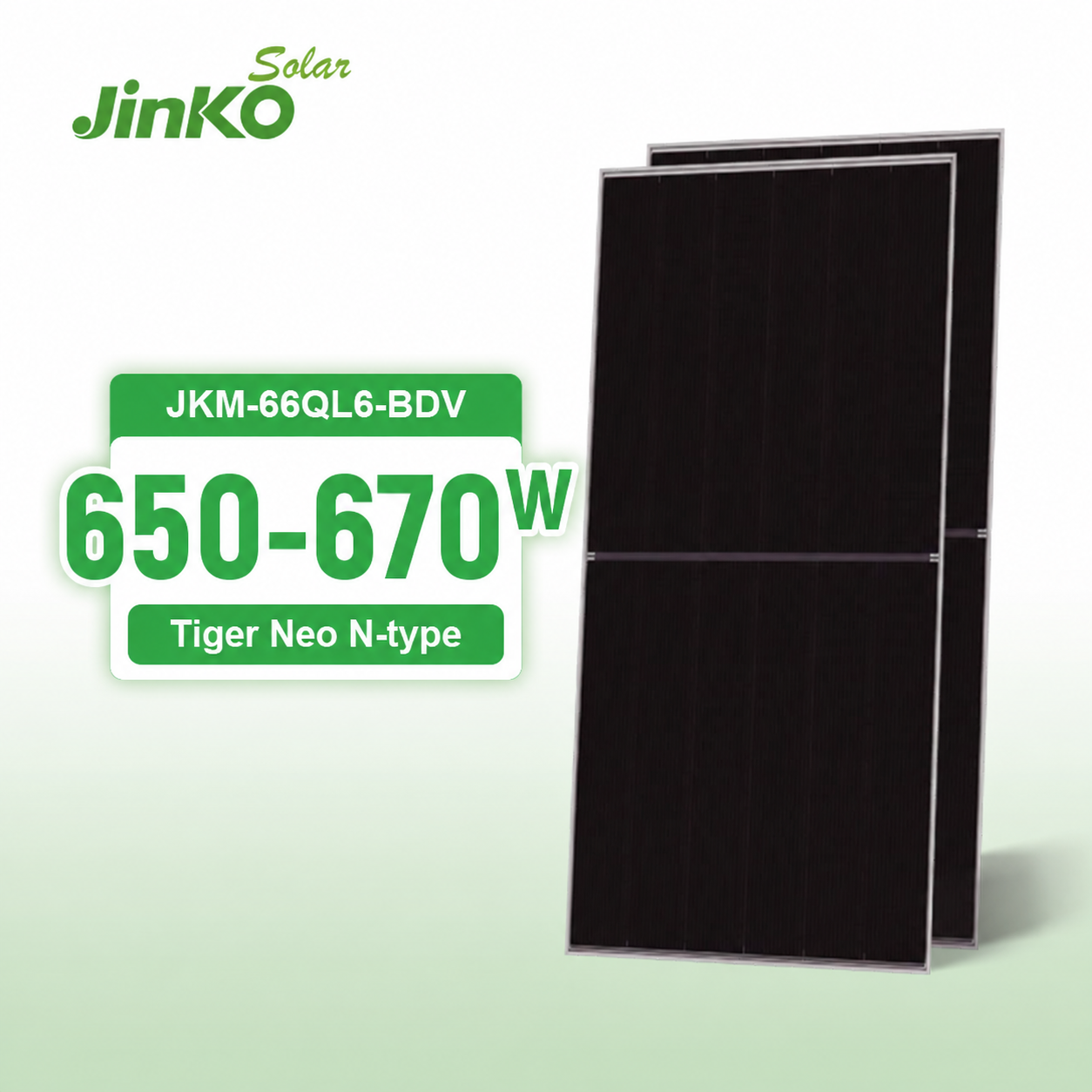
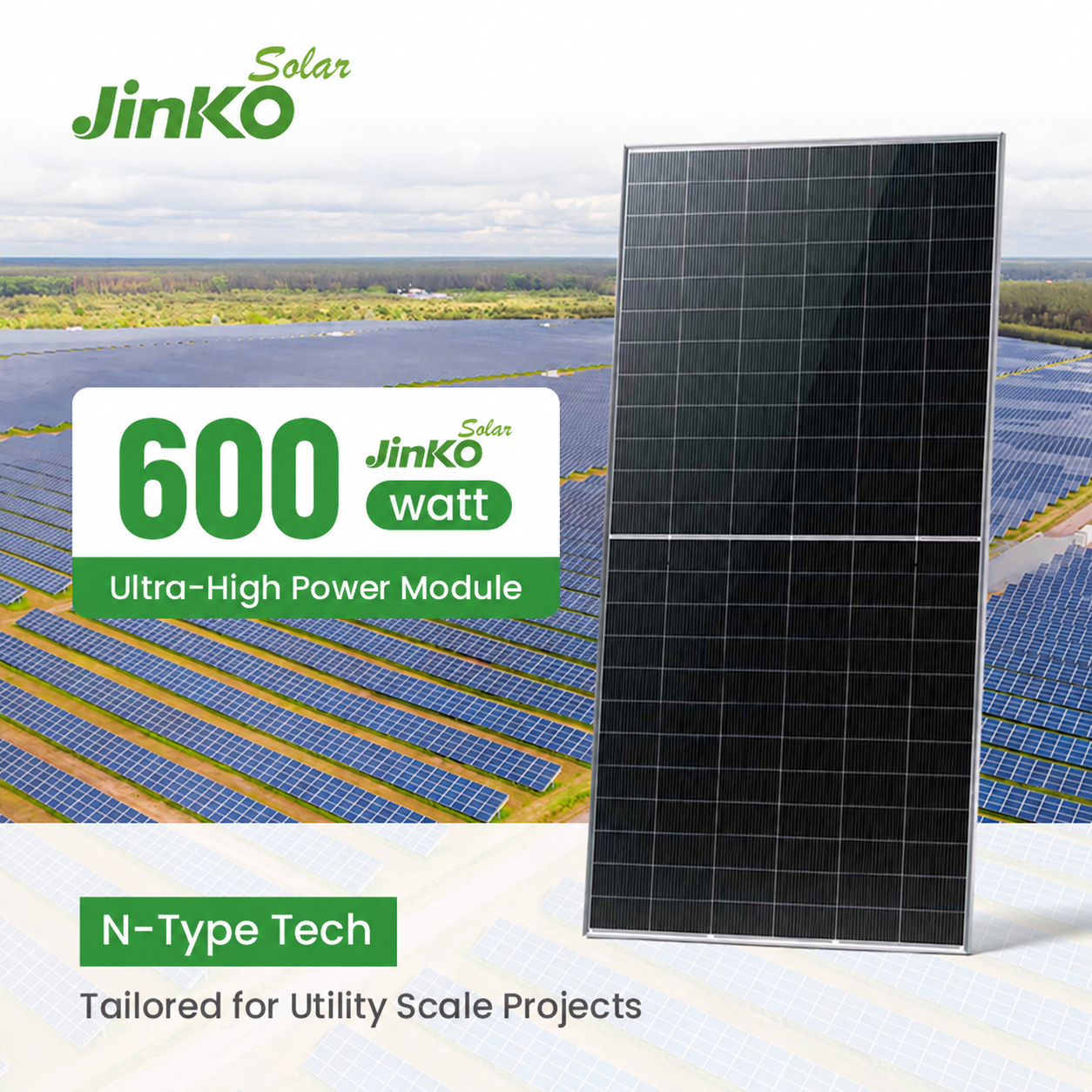
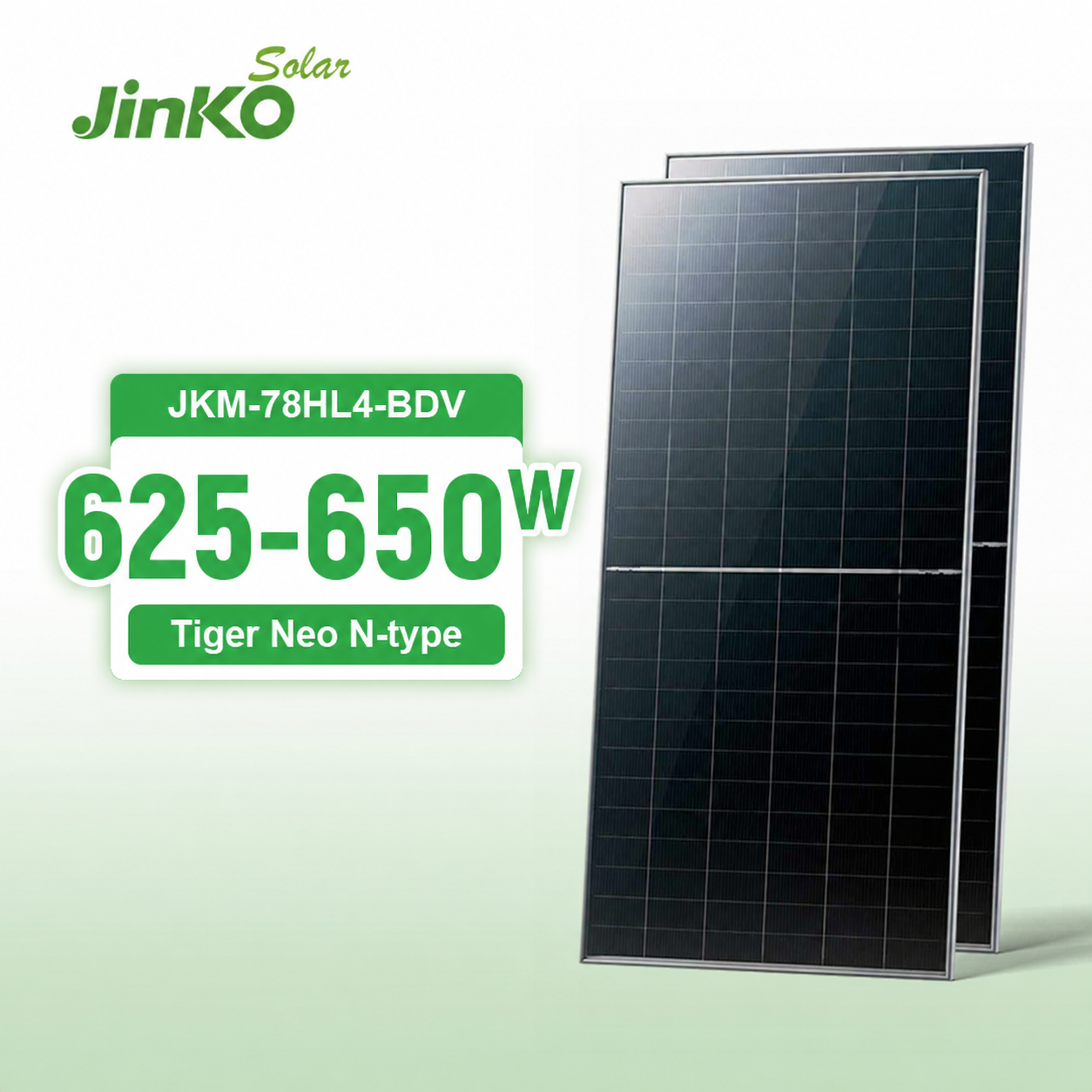
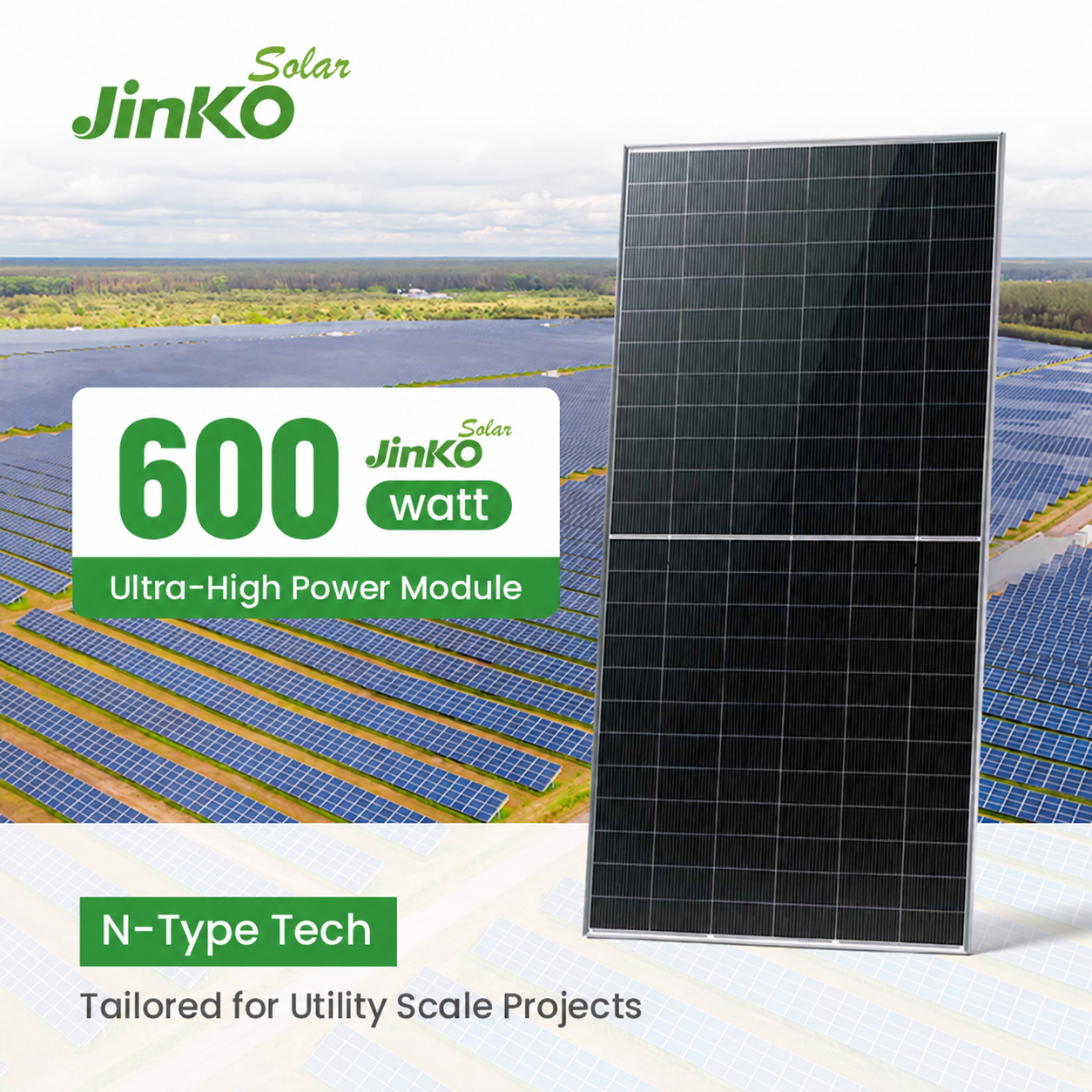
Table grape, avocado, and citrus plantations utilize heavy submersible pumps running 12-16 hours daily. Pairing high-output Jinko 650W TOPCon panels with 48V/51.2V rack-mounted LiFePO4 banks allows agricultural operators to shave peak-tariff grid hours (Horas Punta between 18:00 and 22:00 under Chilean tariff schedules), slashing monthly operational costs by up to 68%.
From tourist resorts on Avenida del Mar to residential condominiums in San Joaquín, coastal grid instability during winter storms demands instantaneous Uninterruptible Power Supply (UPS) switching. High-capacity Deye hybrid low-voltage ESS kits offer seamless <4ms failover, sustaining cold storage, security telemetry, and desalination pumps during utility dropouts.
Small-to-medium copper and gold exploitation sites (Pequeña Minería) in Andacollo and Illapel operate beyond the reach of the distribution grid. Our industrial LiFePO4 battery modules operate reliably across broad temperature variations (-10°C to +55°C), delivering cyclic buffering for remote SCADA relays, worker camps, and heavy air filtration.
For B2B EPC contractors and system integrators submitting bids under SEC (Superintendencia de Electricidad y Combustibles) guidelines, the Levelized Cost of Storage (LCOS) over a 10-year project horizon is the single most critical financial determinant. The table below illustrates the stark empirical advantages of Grade-A LiFePO4 prismatic cells versus traditional Deep-Cycle GEL alternatives commonly deployed throughout Northern Chile.
| Performance Characteristic | Export-Grade Prismatic LiFePO4 (VOLT New Energy) | Standard Deep-Cycle GEL / Colloidal | Field Impact in La Serena Region |
|---|---|---|---|
| Usable Depth of Discharge (DoD) | 90% - 95% without cell degradation | 50% maximum usable capacity | Halves the required physical footprint on rooftop and container sites. |
| Cycle Life (@ 25°C, 0.5C) | 6,000 – 8,000 cycles to 80% capacity | 1,200 – 1,800 cycles to 50% capacity | 15-year operational lifecycle eliminates costly multi-year battery swap-outs. |
| Round-Trip Energy Efficiency (RTE) | 95.5% – 98% | 78% – 82% | Prevents high clipping and heat dissipation under Elqui Valley solar peaks. |
| BMS Closed-Loop Communication | Integrated CANbus / RS485 to Deye, Growatt, Victron | None (Open-loop voltage estimation only) | Prevents over-charging and catastrophic cell unbalancing via precise telemetry. |
| Ambient Tolerance (Coastal Fog) | Nano-coated PCB, IP65 modular housing | Acid terminal corrosion under salt air | Full resistance to Pacific Humboldt marine vapor (Camanchaca). |
| Weight / Energy Density Ratio | 140 – 160 Wh/kg (Lightweight modular) | 35 – 45 Wh/kg (Extremely heavy) | Reduces transshipment freight rates from Puerto San Antonio to La Serena. |
Hangzhou VOLT New Energy Technology Co., Ltd. operates as a dedicated high-capacity supplier and system integration specialist. We bridge the gap between Tier-1 Chinese lithium cell gigafactories and international B2B distributors who cannot afford on-site system mismatches, port customs detentions, or communication errors between inverters and battery packs.
Every single lithium pack undergoes automated pre-shipment burn-in with genuine Deye hybrid inverters. Inverter firmware registers our BMS automatically on address DIP switches, eliminating "F58 BMS Communication Fault" errors during on-site commissioning in Chile.
Lithium iron phosphate packs are classified as Dangerous Goods (UN3480). We furnish valid UN38.3 test summaries, certified MSDS, and sea-freight packing declarations, seamlessly consolidating lithium batteries with Jinko solar modules and mounting structures into unified full-container loads (FCL).
We build our low-voltage and high-voltage battery modules strictly using brand-new, certified Tier-1 prismatic LiFePO4 cells with laser-welded busbars, individual cell voltage balancing, and dual temperature sensors per cell block. Zero recycled or degraded second-life cells.
We supply engineering schematics, single-line wiring diagrams (diagramas unifilares), factory test certificates, and IEC 62619 / CE compliance documentation required by Chilean certified electrical installers to process TE-4 declarations with the SEC efficiently.
Importing commercial solar and storage systems into Chile requires rigorous compliance with the regulatory framework governed by the Superintendencia de Electricidad y Combustibles (SEC) and the technical protocols mandated by Ley 21.118 (Generación Distribuida para Autoconsumo / Net Billing). All grid-tied hybrid inverters—such as the Deye Low Voltage series—must possess IEC 62109-1, IEC 62109-2, and DIN V VDE V 0126-1-1 certifications demonstrating anti-islanding protection and rapid grid disconnection parameters.
For the LiFePO4 battery storage subsystem, technical compliance pivots on standard IEC 62619 (Secondary cells and batteries containing alkaline or other non-acid electrolytes - Safety requirements for secondary lithium cells and batteries for use in industrial applications). Without factory-issued IEC 62619 reports verified by an internationally accredited test laboratory (such as TÜV Rheinland or SGS), certified electrical engineers (Instaladores Autorizados SEC Clase A o B) cannot finalize the mandatory Declaración TE-4, which legally validates the solar storage system for grid connection and net billing injection credits.
Logistically, imports destined for La Serena and Coquimbo typically discharge at Puerto Valparaíso or Puerto San Antonio before onward road transport via Ruta 5 Norte directly into distribution warehouses across the Coquimbo conurbation. Because LiFePO4 cells are classified under IMO Dangerous Goods Class 9 (UN 3480), our logistics division executes complete customs documentation—including UN-certified outer packaging with fiberboard/wooden crating, internal anti-short protection, and verified gross mass (VGM) declarations—preventing customs retention at Chilean ports of entry.
To assist regional project estimators and solar distributors in preparing quotes for installations throughout La Serena, Coquimbo, and the Elqui Valley, our technical department has standardized four field-tested ESS configurations. Each kit is sized to balance solar array generation, peak surge loads, and daily autonomy reserves.
| System Scale | Target Local Application | Inverter Specification | LiFePO4 Storage Bank | Solar PV Array |
|---|---|---|---|---|
| 5 kW / 10.24 kWh | Residential Coastal Villa / Retail Shop | Deye 5kW Low Voltage Single-Phase Hybrid | 2x 51.2V 100Ah Wall-Mount (10.24 kWh) | 8x Jinko 650W TOPCon (5.20 kWp) |
| 10 kW / 20.48 kWh | Small Boutique Hotel / Medical Clinic | Deye 10kW Low Voltage Three-Phase Hybrid | 4x 51.2V 100Ah Server-Rack (20.48 kWh) | 16x Jinko 650W TOPCon (10.40 kWp) |
| 30 kW / 61.44 kWh | Agricultural Irrigation Well (Elqui Valley) | Deye 30kW Low Voltage / Modular Parallel | 12x 51.2V 100Ah Cabinet System (61.44 kWh) | 48x Jinko 650W Bifacial (31.20 kWp) |
| 50 kW / 100+ kWh | Mining Camp / Seafood Processing Facility | Industrial Deye Multi-Cluster Parallel Setup | Customized HV or LV Prismatic Container Rack | 80+ Jinko 650W Double Glass (52+ kWp) |
Send our senior engineering team your site load profile, daily kilowatt-hour demand, or tender specifications. We provide complete matched BOM kits (Jinko Tier-1 panels, Deye inverters, and Grade-A LiFePO4 packs) with pre-shipment communication verification and full export documentation.