Trinidad and Tobago has historically relied on domestic natural gas to power its domestic electricity grid through the Trinidad and Tobago Electricity Commission (T&TEC). However, global economic shifts, state-level commitments to reduce domestic greenhouse emissions under the Paris Agreement, and industrial pushes to monetize natural gas via LNG and petrochemical exports have triggered an unprecedented modernization of regional energy policies. In Arima, this energy transition is manifesting across three distinct industry dynamics:
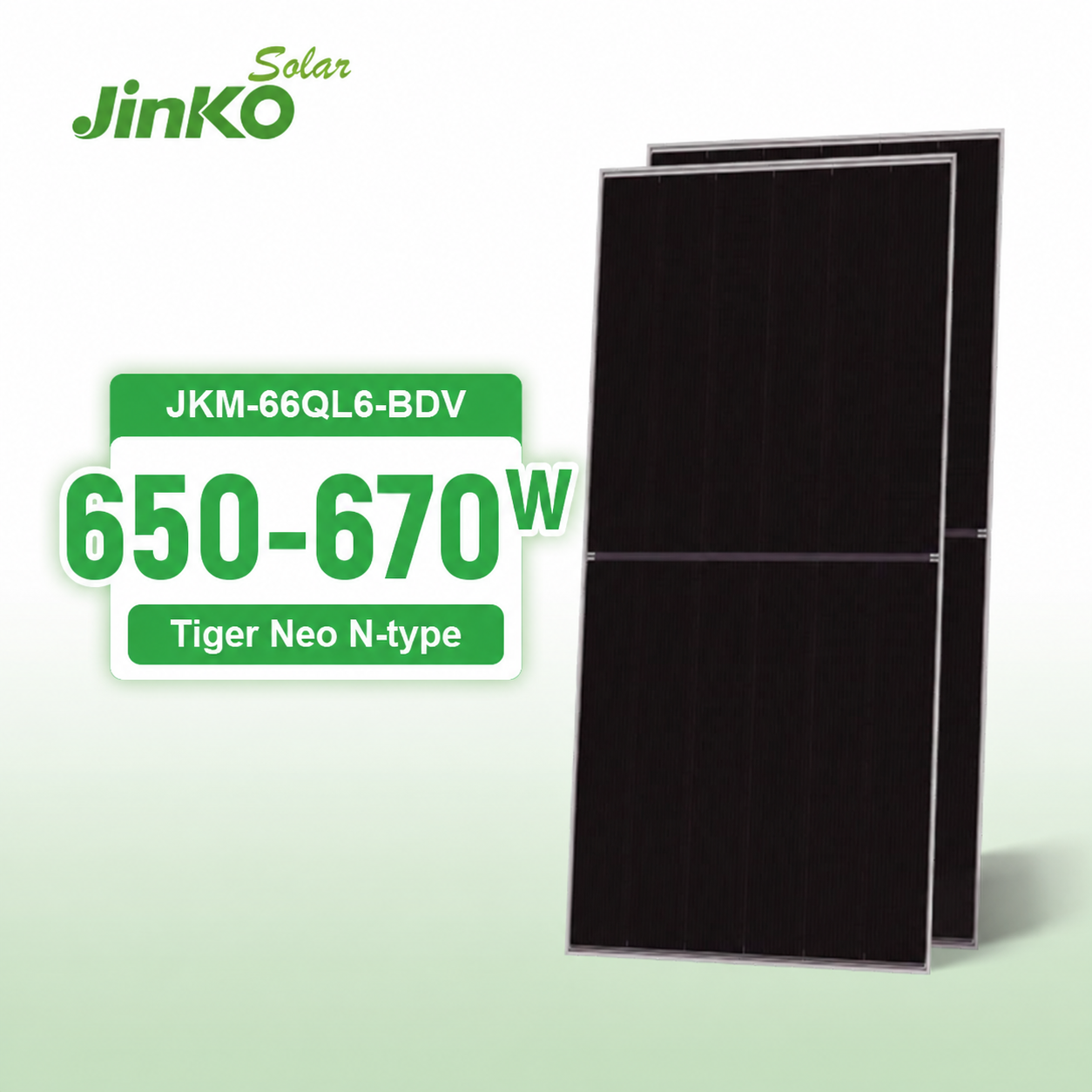
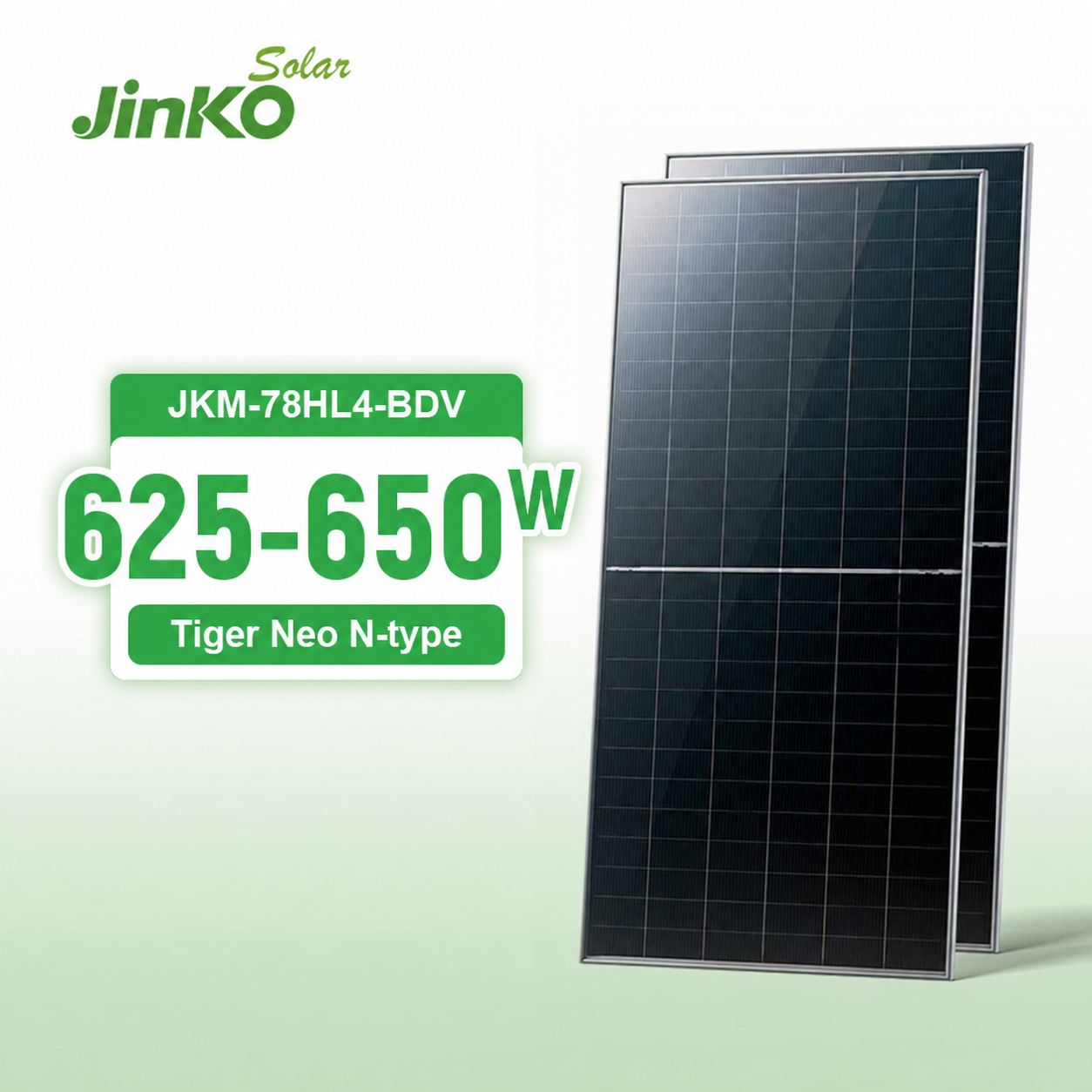
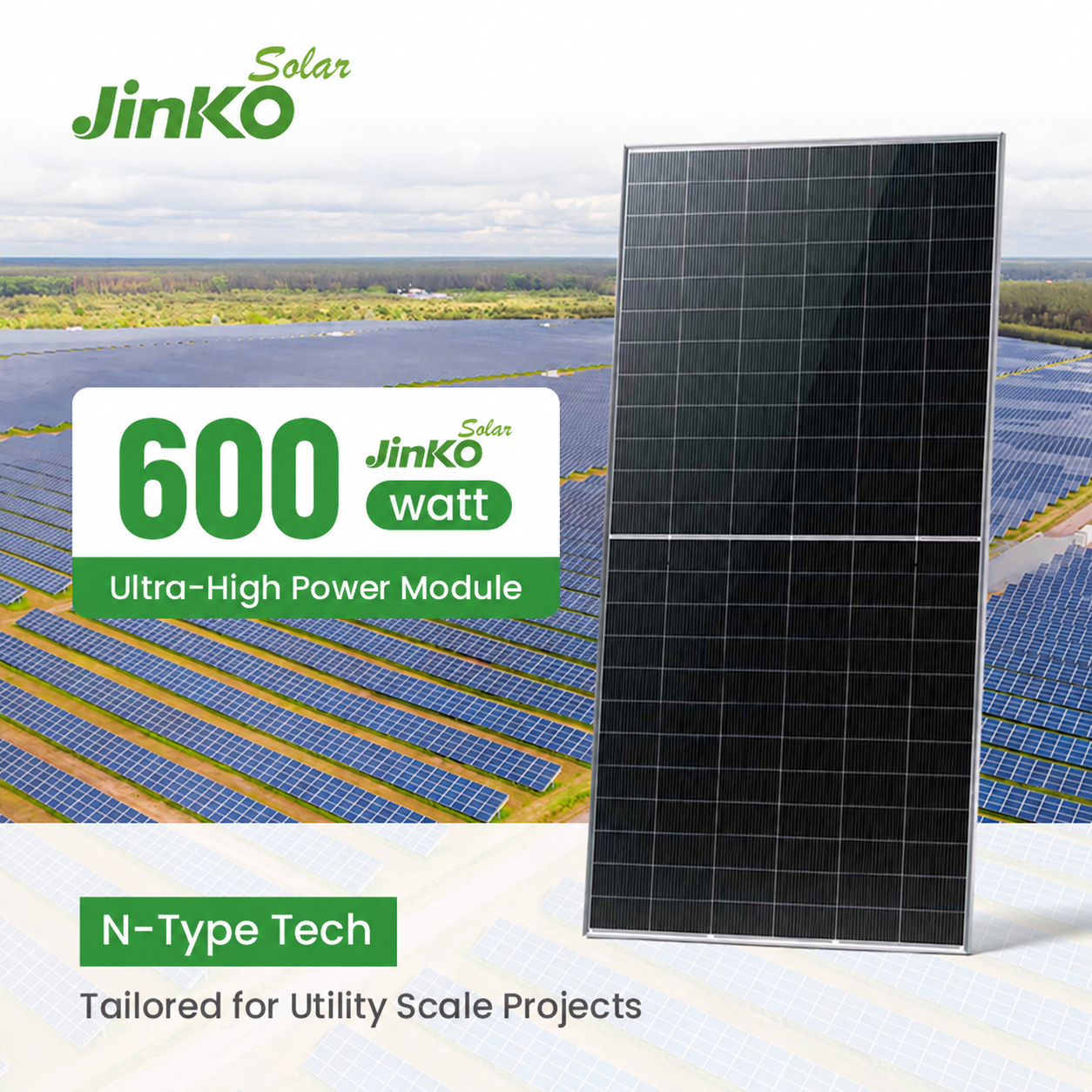
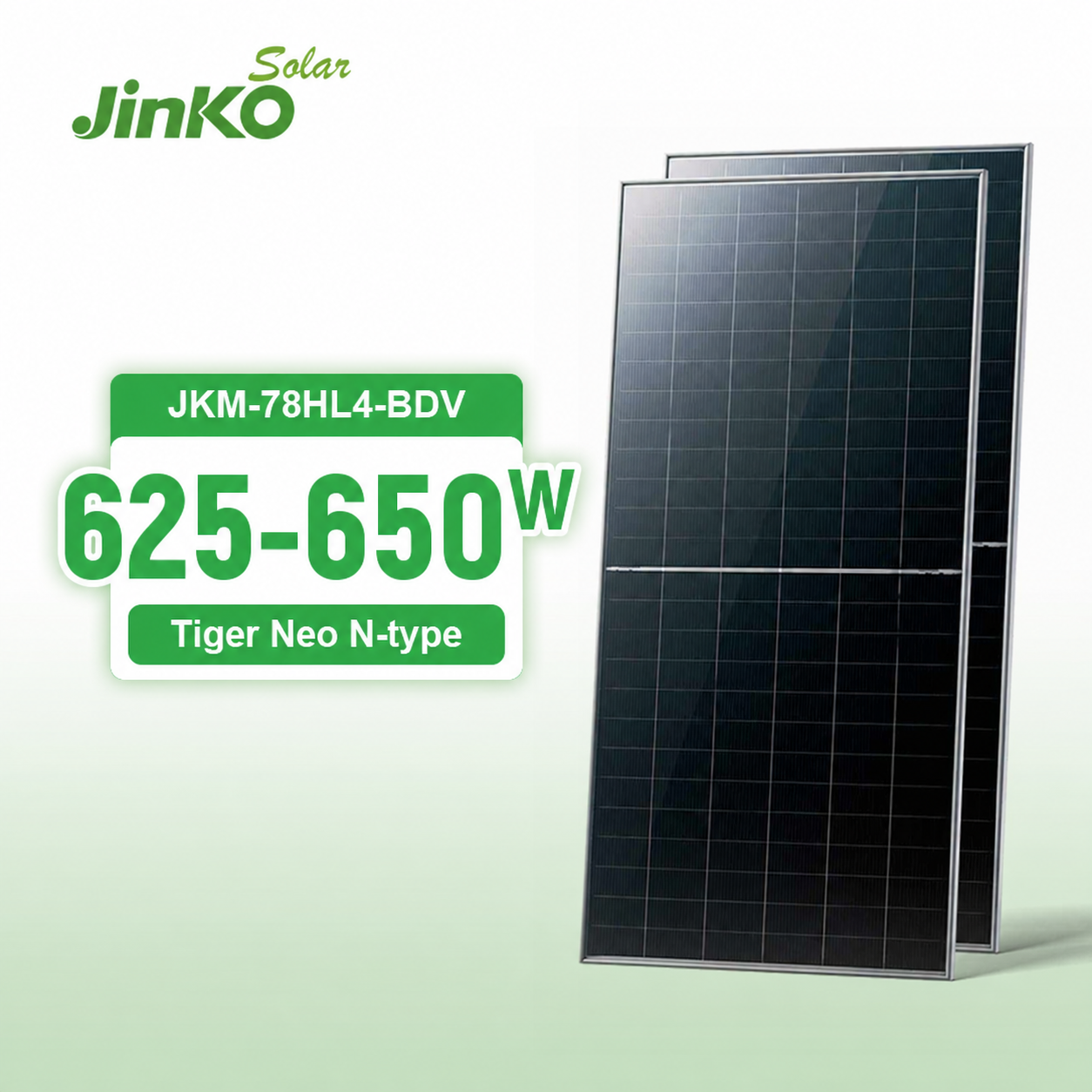
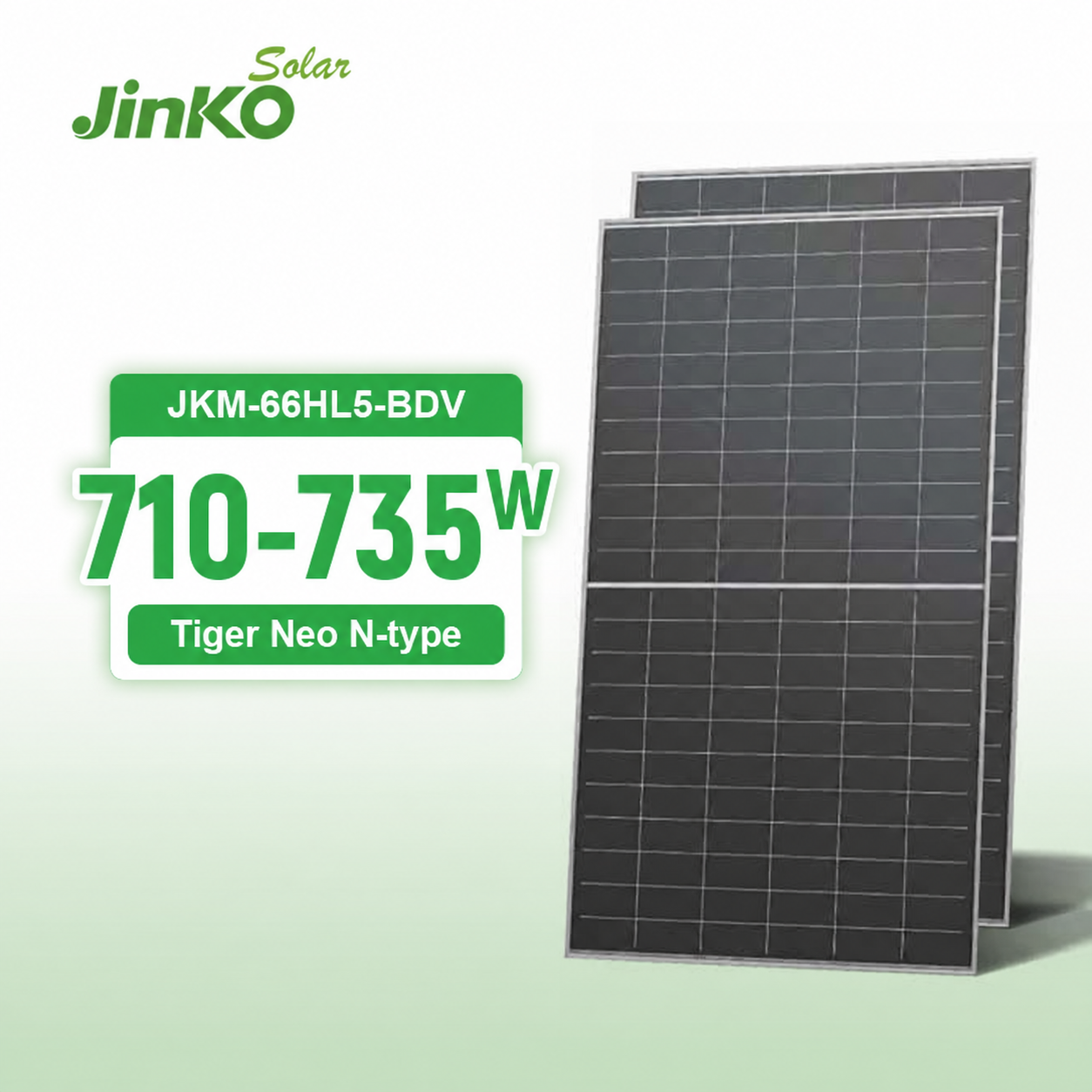
- Accelerated Adoption of Dual-Glass Photovoltaics: The intense tropical uv-index and year-round high humidity of the Caribbean induce rapid degradation in traditional EVA-backsheet solar panels. Forward-looking EPC contractors in Arima are standardizing on N-Type TOPCon bifacial modules featuring dual-pane tempered glass. These configurations resist humidity ingress, prevent potential-induced degradation (PID), and harness the albedo reflection from light-colored industrial rooftops.
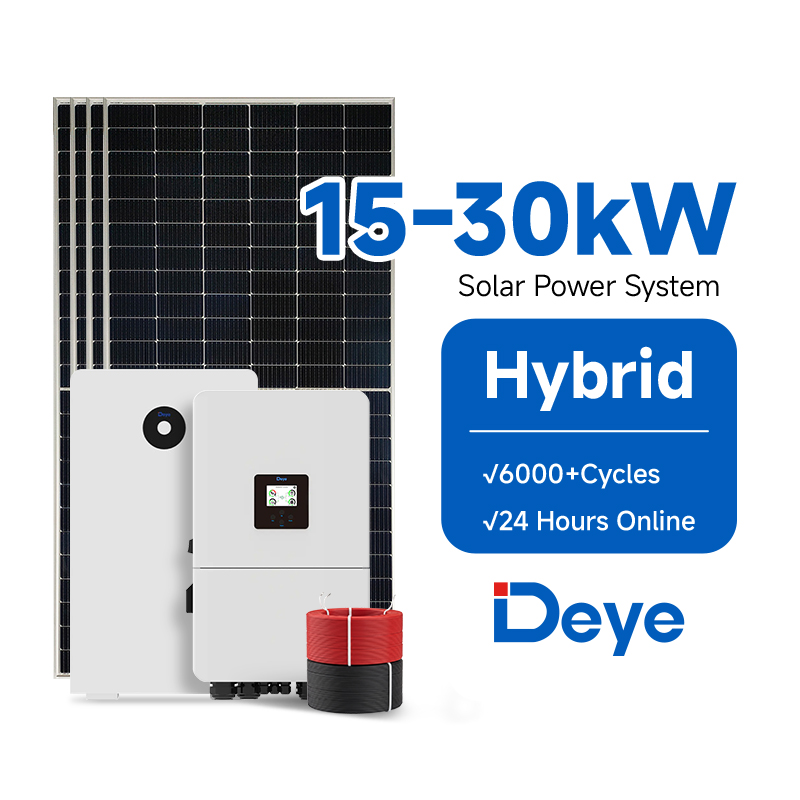
- Replacement of Lead-Acid by LiFePO4 Chemistry: Historical solar backup installations throughout the Borough relied heavily on flooded or sealed lead-acid (GEL/AGM) batteries. Due to high ambient room temperatures exceeding 32°C, traditional batteries regularly suffered plate sulfation and thermal runaway, reducing their working lifespan to less than 24 months. The transition to Lithium Iron Phosphate (LiFePO4) gives importers 6,000+ deep cycles, high thermal stability up to 60°C, and 90%+ usable depth of discharge (DoD), slashing levelized cost of storage (LCOS) by more than 65%.
- Decentralized Grid Resilience for Commercial Establishments: As power transmission lines extend eastward from central generating plants, transmission-level line losses and storm-related brownouts frequently impact retail corridors in Arima. Commercial enterprises are deploying solar hybrid systems capable of high PV-to-battery charging ratios, transitioning their facilities into autonomous micro-utilities capable of running uninterrupted without expensive, noisy diesel generators.
Hangzhou VOLT New Energy bridges this technological upgrade by acting as a factory-direct supply corridor, offering certified, containerized solar and storage modules configured strictly to international grid standards.