Commercial ESS
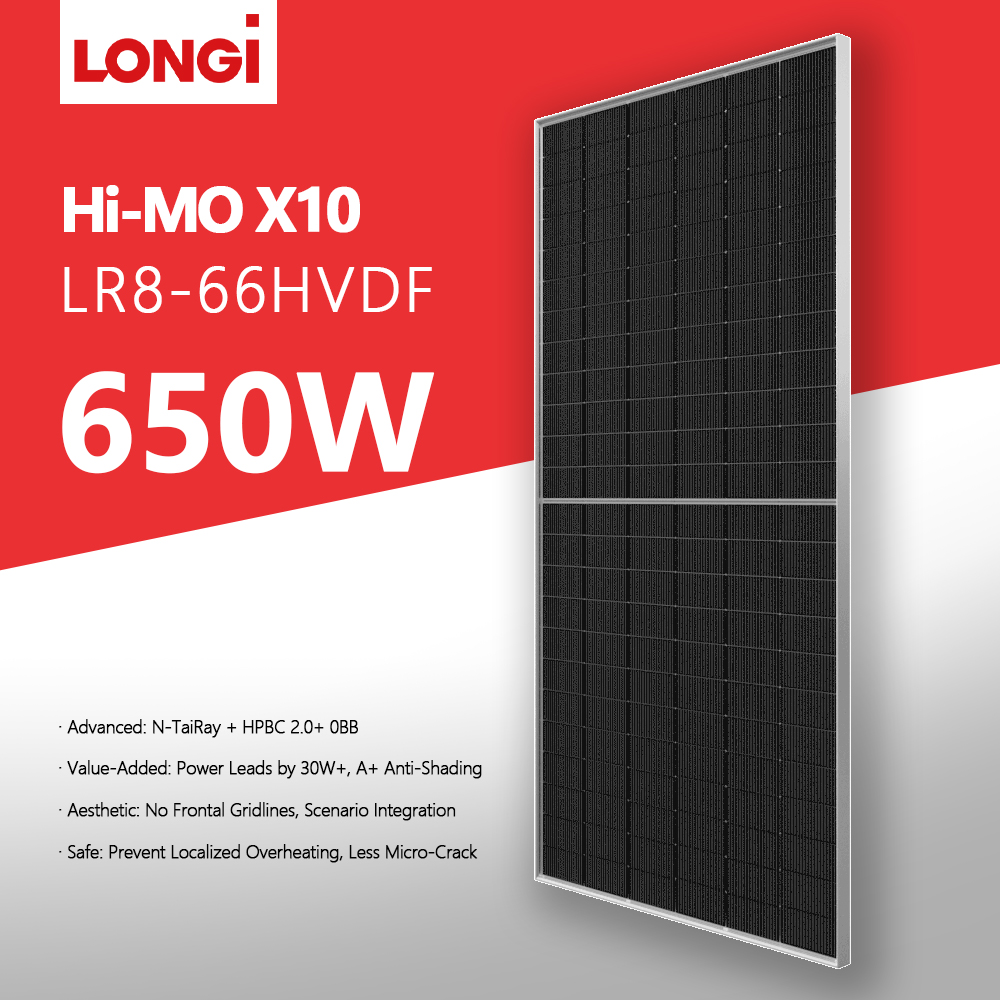
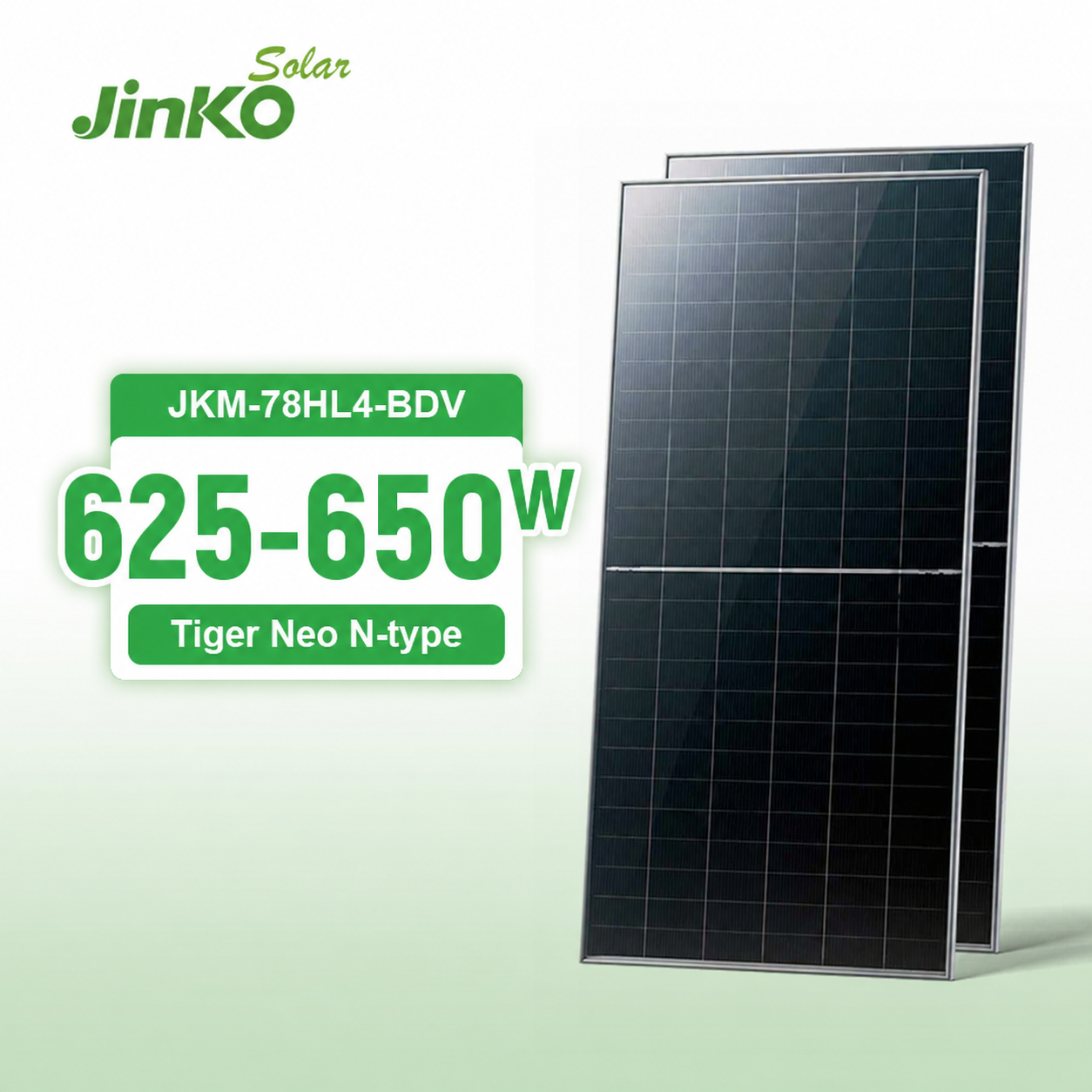
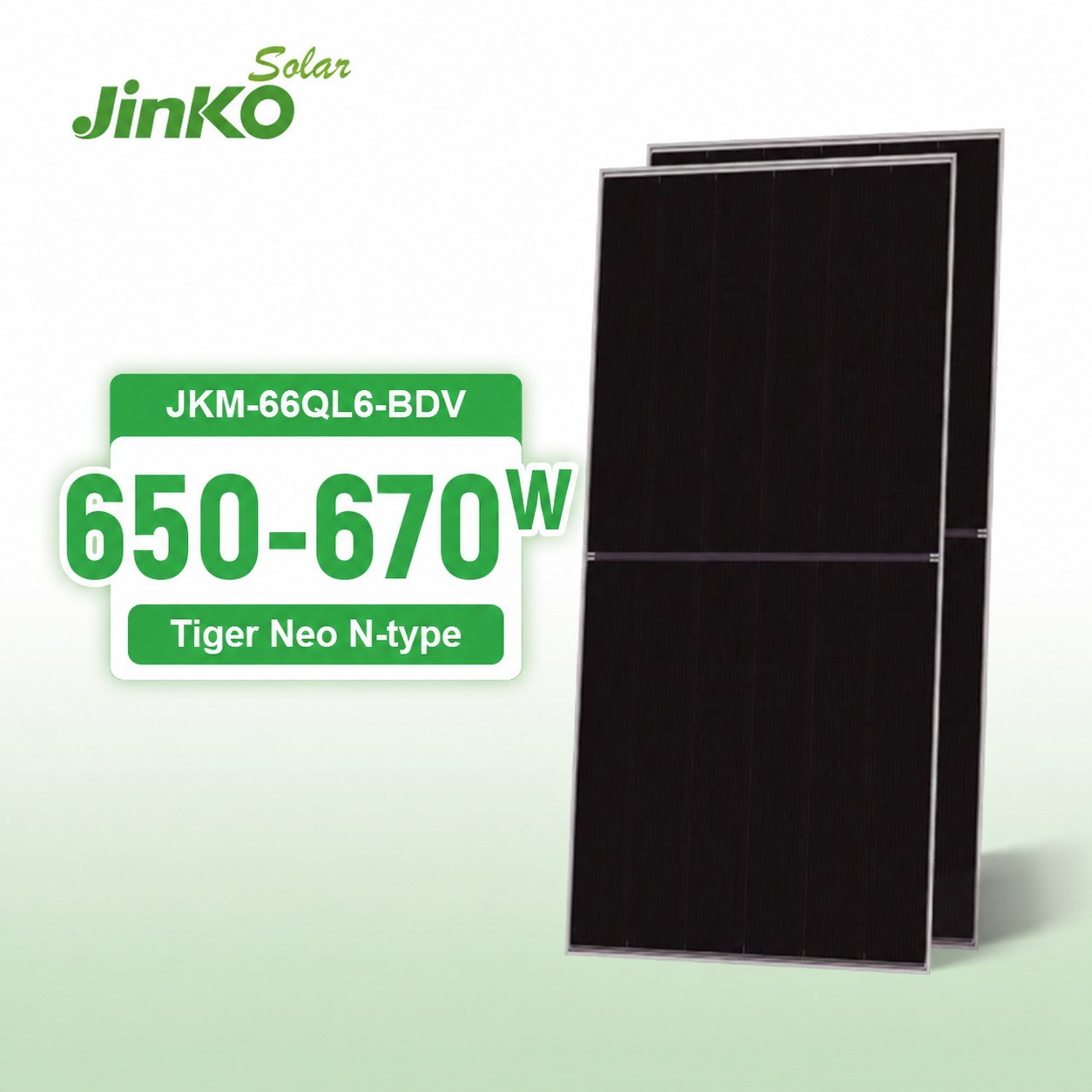
Commercial Grade LONGI 650W N-Type Module with Storage Bundle
- High-Density N-Type Cell Architecture
- Seamless Deye Hybrid Inverter Pairing
- Engineered for Boston Flat-Roof Balances
Complete generation and storage balance-of-system components, pre-commissioned with Deye hybrid inverters and multi-protocol CAN/RS485 BMS communication for frictionless New England field deployment.
The Greater Boston metropolitan area operates within one of the most electrically complex, highly congested, and heavily regulated regional transmission nodes in North America. Navigating ISO New England wholesale markets alongside stringent local utility tariffs requires tailored electrochemical energy storage solutions.
Commercial facilities in Boston, Cambridge, and the Route 128 tech corridor face steep demand surcharges exceeding $25-$38/kW during seasonal peak distribution windows. Our smart LiFePO4 battery systems integrate sub-second load tracking algorithms to discharge precisely when facility draw approaches contracted thresholds, shaving peak load and drastically lowering monthly utility overhead.
New England suffers from persistent winter natural gas pipeline bottlenecks, creating massive wholesale electricity price spikes across ISO-NE during sub-freezing cold snaps. LiFePO4 chemistry provides long-duration emergency backup power during coastal storm outages while capturing cheap off-peak electricity to insulate operations from volatile spot markets.
The City of Boston’s Building Emissions Reduction and Disclosure Ordinance (BERDO 2.0) levies strict financial penalties on buildings over 20,000 sq ft that fail to meet stringent greenhouse gas limits. Coupling localized high-efficiency rooftop PV with LiFePO4 storage enables asset managers to maximize on-site renewable consumption and transition heating and ventilation away from carbon-intensive fossil fuel reliance.
The City of Boston enforces some of the strictest battery fire safety and permitting codes in the United States. Deploying energy storage systems within densely populated urban cores demands rigorous cell-level safety, thermal runaway mitigation, and full third-party certifications.
BFD Fire Prevention regulations strictly dictate that all indoor or rooftop battery installations must possess UL 9540 certification backed by large-scale fire testing under UL 9540A. Our LiFePO4 systems utilize thermally stable lithium iron phosphate chemistry with non-propagating cell arrangements, eliminating thermal runaway risks up to 270°C and expediting local AHJ plan reviews.
Urban real estate in downtown Boston, the Seaport District, and Back Bay presents extreme spatial limitations. Our battery racks are engineered with internal gas detection, deflagration pressure-relief vents, and fire-resistant partition barriers. This modular compliance reduces standard 3-foot spatial separation requirements, fitting high energy densities into tight mechanical rooms or basements.
Each battery module features an industrial multi-tiered Battery Management System (BMS) with hardware-level overvoltage, undervoltage, overcurrent, and dual-point temperature protection. Built-in CAN and RS485 communication protocols establish continuous real-time telemetry handshakes with Deye hybrid inverters, immediately isolating faulty strings before any thermal stress occurs.
Understanding how battery chemistries hold up against coastal salt air, frequent freeze-thaw cycling, and rapid peak discharges is critical for commercial capital expenditure justification.
| Performance Parameter | Lithium Iron Phosphate (LiFePO4) | Ternary Lithium (NMC / NCA) | Deep-Cycle VRLA / GEL |
|---|---|---|---|
| Thermal Runaway Inception | ~270°C (Extremely Stable) | ~150°C - 210°C (High Risk) | Thermal Desiccation / Gas Evolution |
| Usable Depth of Discharge (DoD) | 90% - 95% | 80% - 90% | 50% Standard (Max 60%) |
| Cycle Life @ 80% DoD | 6,000 - 8,000 Cycles | 1,500 - 2,500 Cycles | 500 - 1,200 Cycles |
| Sub-Zero Operation (-15°C to 0°C) | PTC Internal Heating Film Available | Reduced capacity, fire risk upon recharge | Severe capacity drop (>50% lost) |
| Levelized Cost of Storage (LCOS) | Lowest ($0.06 - $0.09 / kWh cycled) | Moderate ($0.14 - $0.19 / kWh cycled) | High ($0.25 - $0.35 / kWh cycled) |
| Boston Fire Dept (BFD) Permitting | Streamlined via UL9540/UL9540A Data | Extensive spatial buffers required | Hydrogen venting clearance needed |
Massachusetts offers some of the most lucrative solar-plus-storage policy frameworks in the nation. System owners can stack multiple state incentives, wholesale grid services, and federal tax credits to achieve rapid payback periods of under 4 to 6 years.
The Solar Massachusetts Renewable Target (SMART) program provides a dedicated per-kWh tariff multiplier for solar arrays paired with energy storage systems. The storage add-on tariff formula rewards systems configured with high power-to-energy ratios (minimum 2-hour duration with 65% annual cycling efficiency), generating dependable 20-year quarterly revenues directly from local utilities.
Eversource and National Grid run the nation’s premier demand response program, ConnectedSolutions. Commercial battery systems receive performance incentives between $225 and $275/kW-summer for curtailing grid loads during 30-60 peak dispatch events per season. Our responsive LiFePO4 battery management firmware automates these event responses without disrupting everyday critical facility loads.
Massachusetts is the first state to implement Clean Peak Energy Certificates (CPECs). Battery systems earn clean peak credits by supplying renewable energy into the grid during the highest-emission hours of the day (morning winter ramping and evening summer peaks). This provides an additional market-based revenue stream on top of baseline net metering and federal Section 48 ITC credits.
Hangzhou VOLT New Energy Technology Co., Ltd. serves EPC contractors, solar project developers, and electrical equipment distributors across North America with factory-direct pricing, pre-tested balance-of-system bundles, and end-to-end freight compliance.
The number one cause of on-site battery commissioning failure is BMS-inverter software incompatibility. Prior to palletizing, every batch of our LiFePO4 batteries is bench-tested against the target Deye hybrid inverter models using CAN 2.0B / RS485 protocols. Pin-out configurations and firmware parameters are validated to ensure genuine plug-and-play installation.
Lithium battery exports require specialized documentation and strict packaging protocols. We supply comprehensive UN38.3 vibration and crush reports, detailed Safety Data Sheets (SDS), and custom UN-certified timber crates with explosion relief gaps. Shipments are coordinated directly to the Port of Boston’s Conley Marine Terminal or via bonded intermodal freight to Worcester and Framingham yards.
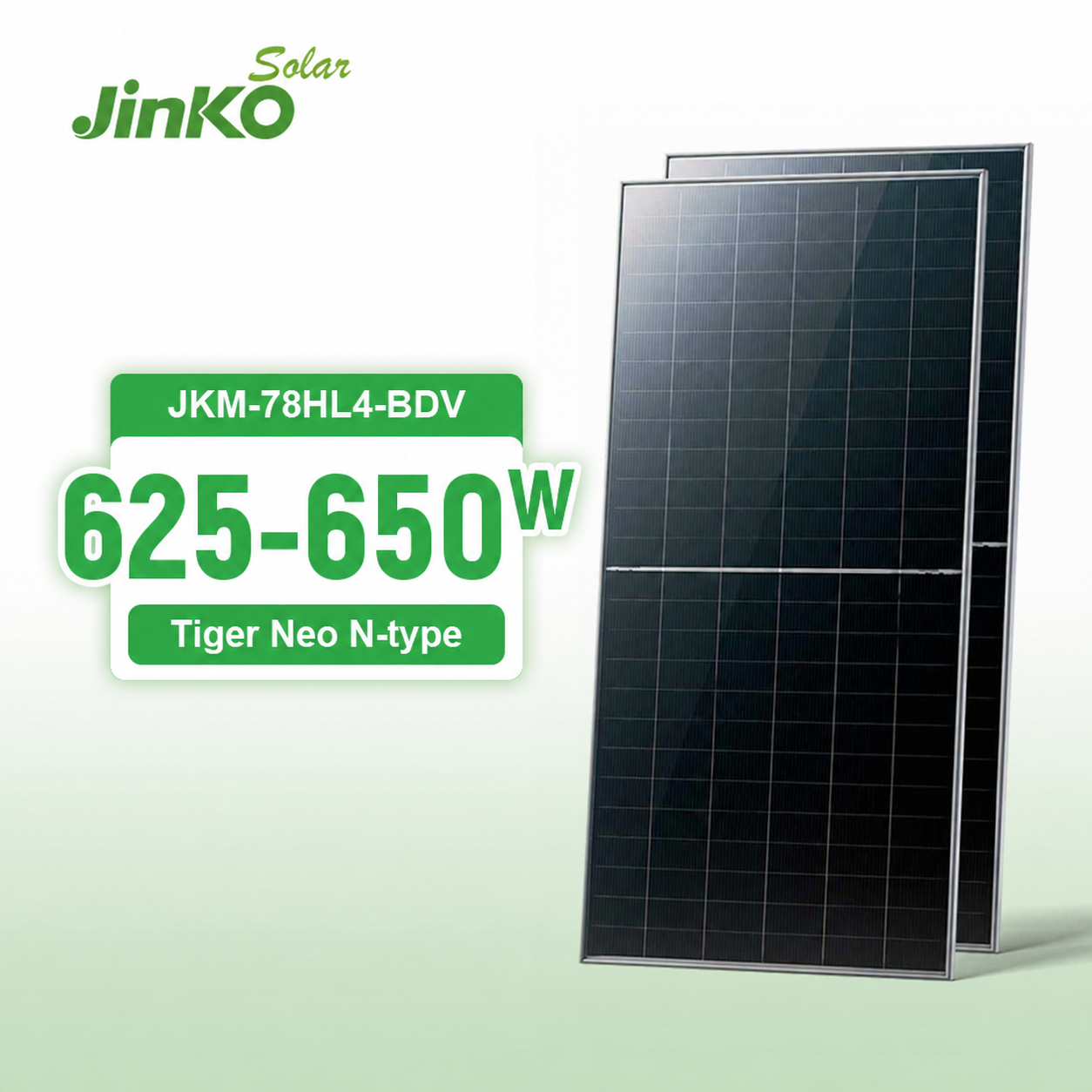
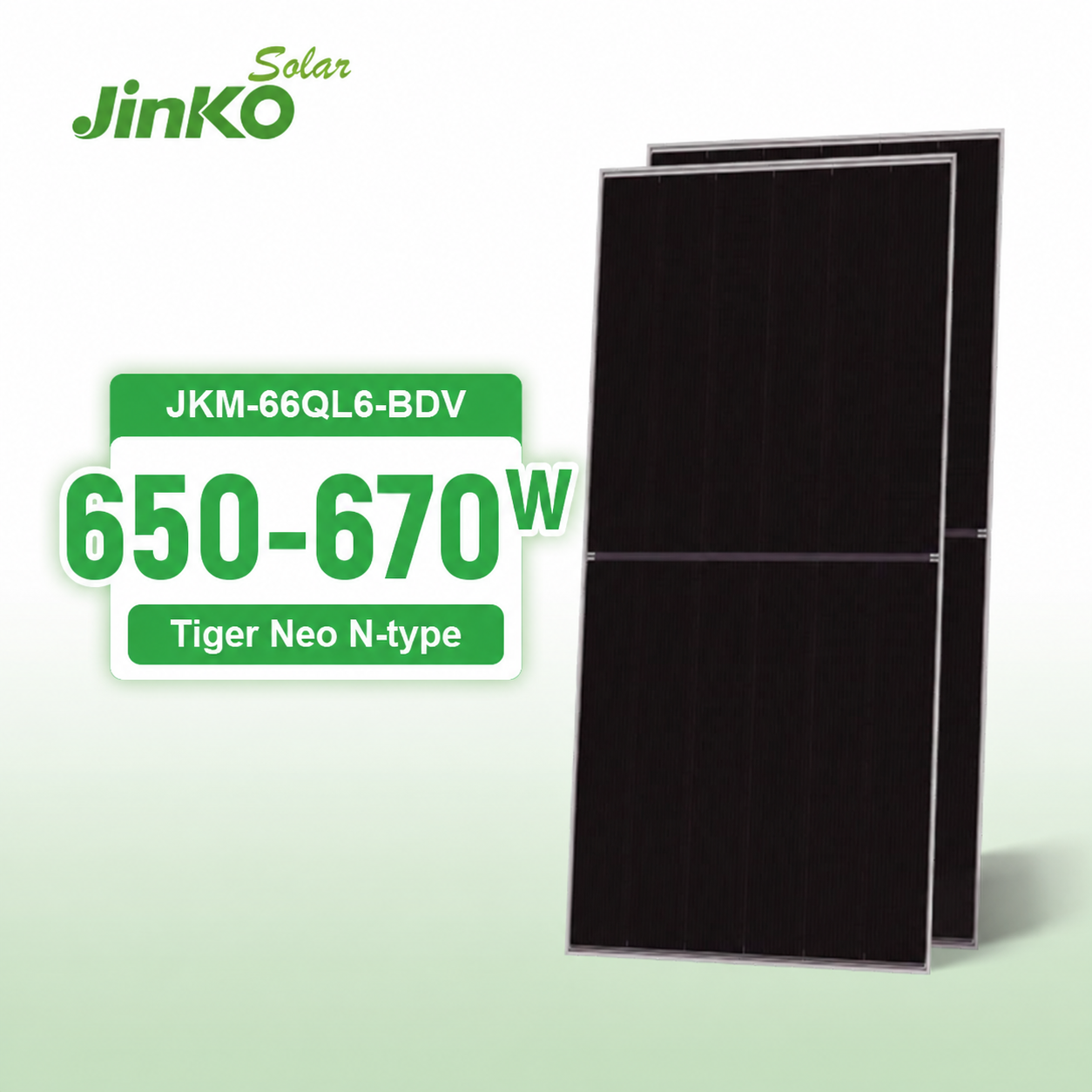
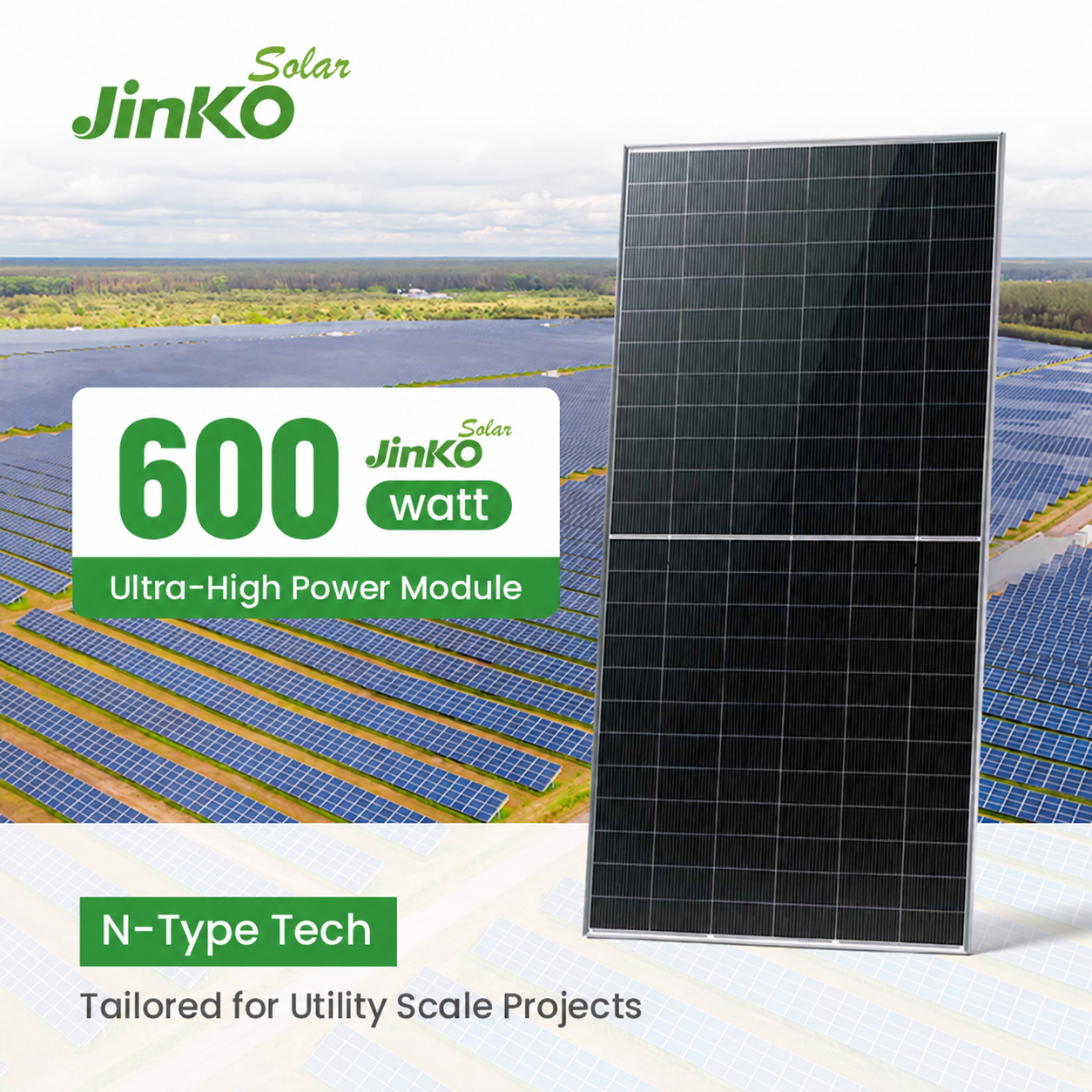
Avoid dealing with multiple fragmented vendors. We consolidate high-wattage Tier-1 bifacial PV modules (Jinko, LONGI), Deye hybrid single/three-phase inverters, and high-density LiFePO4 battery racks into standardized, mixed 40ft HQ ocean containers. This consolidated logistics framework cuts ocean freight costs by up to 28% and guarantees unified balance-of-system compatibility.
Essential technical, compliance, and logistical clarifications for engineering firms and solar developers sourcing lithium storage hardware from China into the Massachusetts electrical market.
Lithium iron phosphate cells cannot be safely charged below 0°C (32°F) without risking irreversible lithium plating and dendrite formation. To solve this, our export units for New England can be equipped with integrated PTC internal heating films and cold-weather insulation layers. The BMS automatically diverts solar PV current to warm the cell matrix to 5°C before opening the charge gate, ensuring dependable winter cycling down to -25°C ambient temperatures.
We supply a complete engineering compliance packet for local Authority Having Jurisdiction (AHJ) permitting. This includes factory UL 1973 cell and module test certificates, UL 9540 system integration compliance certificates, UL 9540A large-scale fire test reports, UN38.3 transportation safety certifications, complete schematics, and bilingual emergency shutdown procedures conforming to NFPA 855 guidelines.
Yes. Our smart battery BMS firmware has native communication protocols for low-voltage (48V / 51.2V) and high-voltage (HV) Deye hybrid inverters, as well as Victron, Sol-Ark, Schneider, and Growatt architectures. We test and flash the appropriate CANbus/RS485 baud rates, pin-outs, and DIP switches prior to shipping so communication handshakes are confirmed right out of the box.
LiFePO4 batteries are categorized as Class 9 Dangerous Goods (UN3480). We prepare full Dangerous Goods Declarations (DGD), SDS, and UN-specification packaging. Ocean freight sails directly to Boston’s Conley Container Terminal or via NY/NJ ports with bonded drayage straight to your warehouse across Middlesex, Essex, or Norfolk county. We can also handle DDP terms with customs and duty pre-cleared.
Yes, container consolidation is one of our core specialties. We pack Tier-1 Jinko or LONGI modules alongside Deye hybrid inverters and customized LiFePO4 battery cabinets inside a single 40ft High Cube container. We design custom internal bracing and pallet configurations to ensure DG Class 9 cargo and sensitive PV glass modules travel securely across the Atlantic without transit damage.
Our Grade-A prismatic LiFePO4 cells deliver 6,000 to 8,000 cycles at 80% Depth of Discharge (DoD) under nominal temperatures. When deployed for daily peak shaving and solar self-consumption in Massachusetts, this equates to a operational lifespan of 15+ years. Standard hardware warranties range from 5 to 10 years backed by factory replacement parts and dedicated remote engineering diagnostics.