High-Efficiency TOPCon & Bifacial Modules for Brazilian Climates
Engineered for high temperature tolerance, salt-mist coastal endurance along Guanabara Bay, and optimized Levelized Cost of Energy (LCOE) for residential and commercial solar installations across the State of Rio de Janeiro.
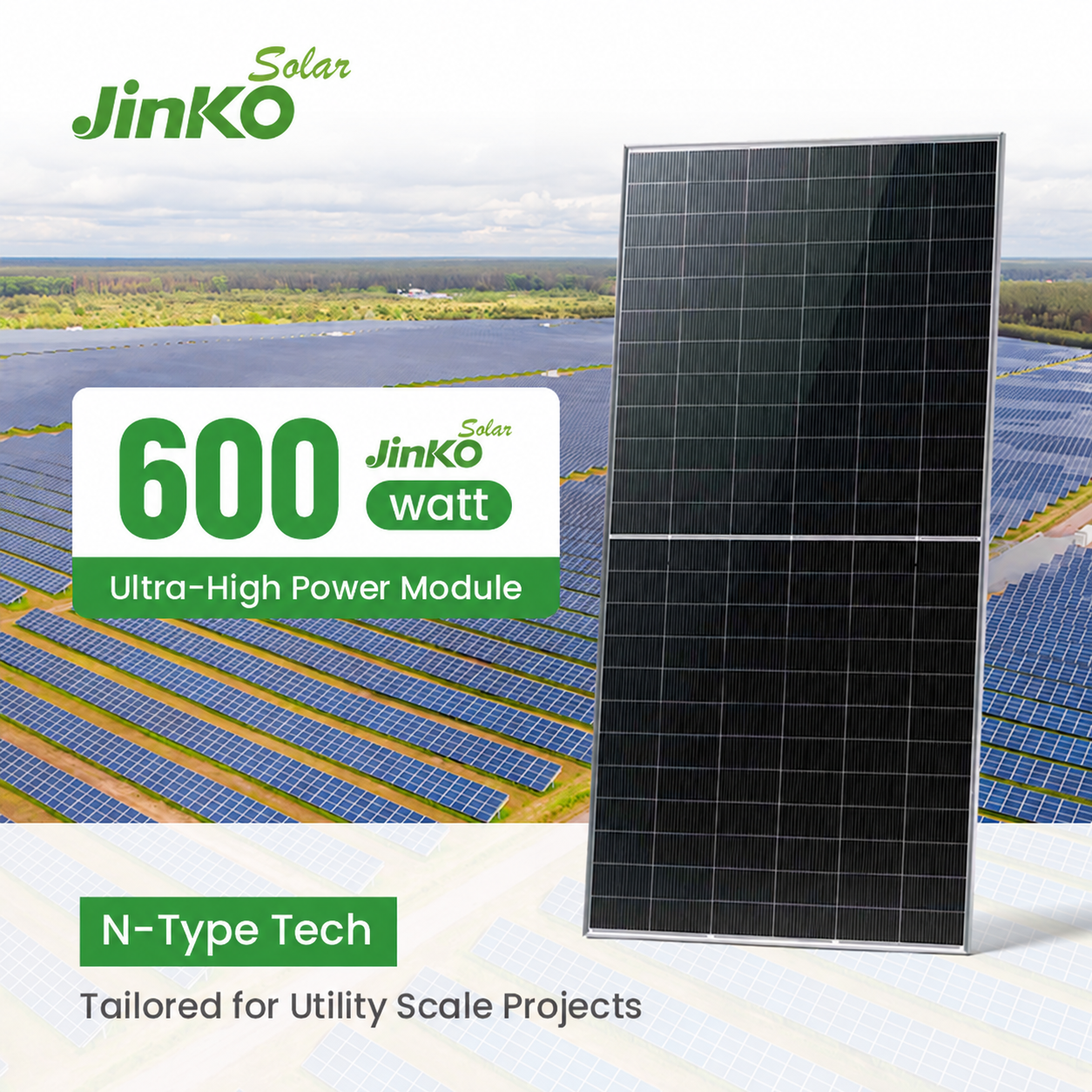
Jinko Bifacial Solar Panels 600W 585W 590W Monocrystalline Dual Glass Module
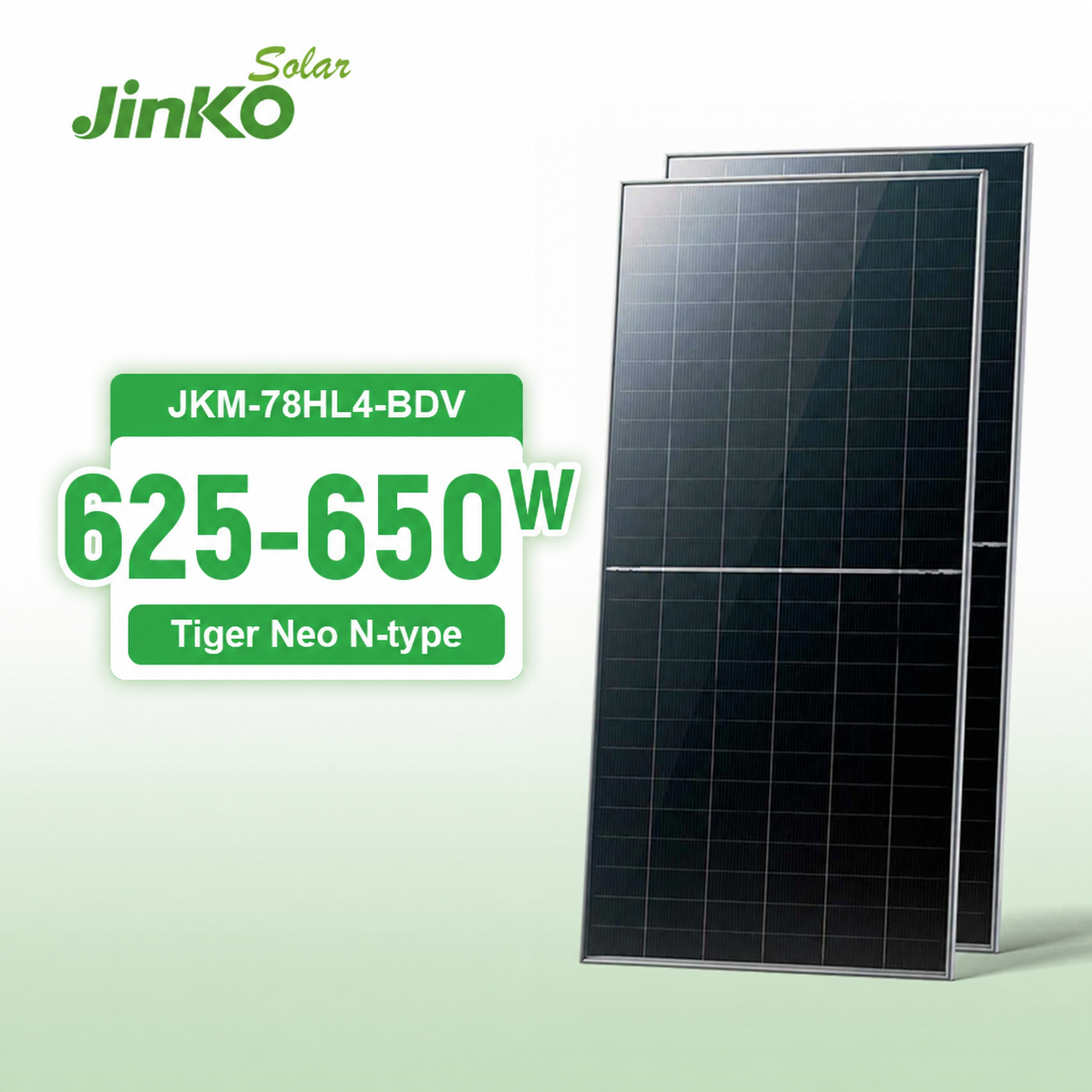
Jinko Monocrystalline PV Panels 650W 625W 640W Dual Glass Solar Module
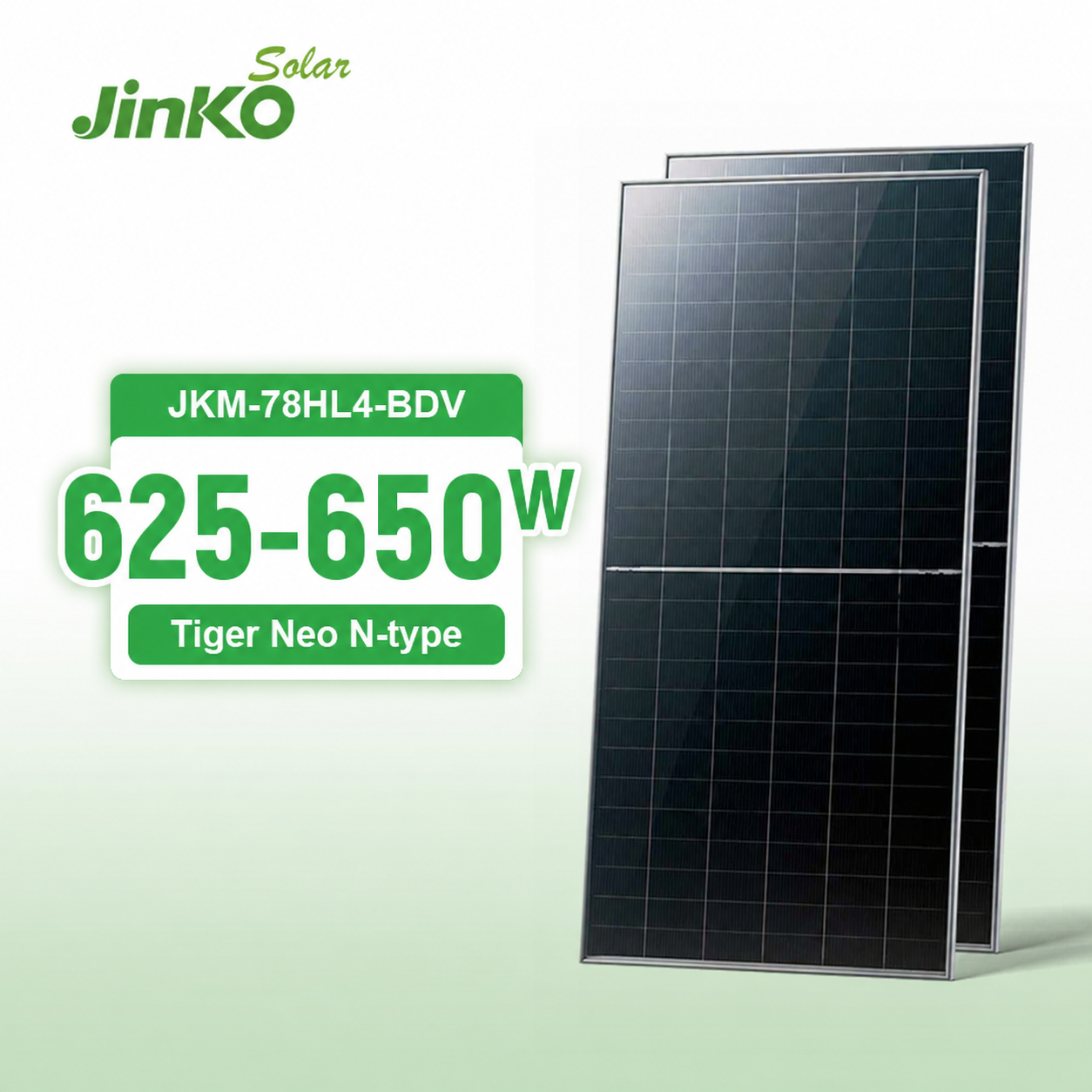
Jinko Bulk 630W 625W 640W TOPCon Bifacial Monocrystalline PV Panel
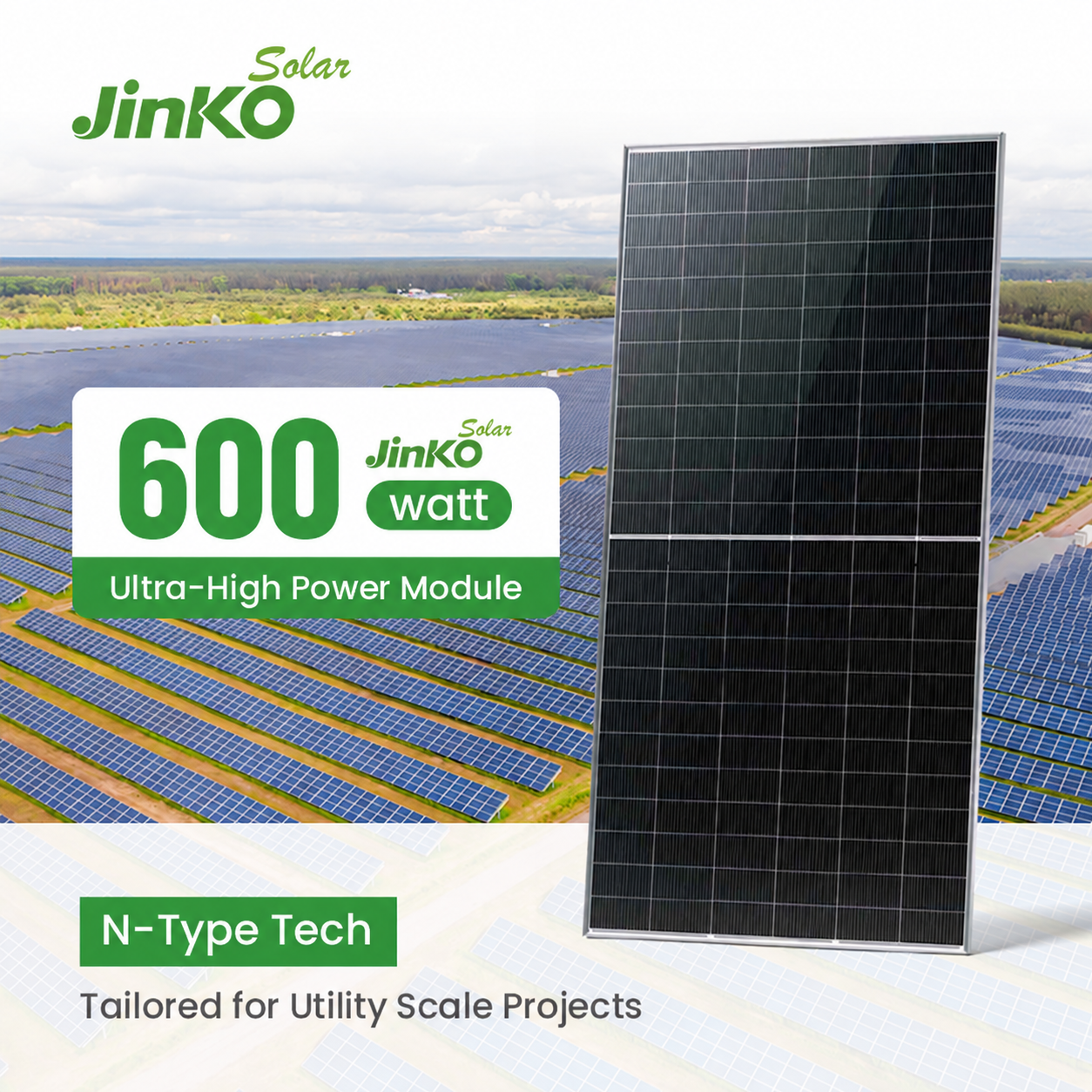
Jinko N-Type Bifacial Photovoltaic Panels 600W 585W 595W TOPCon Module
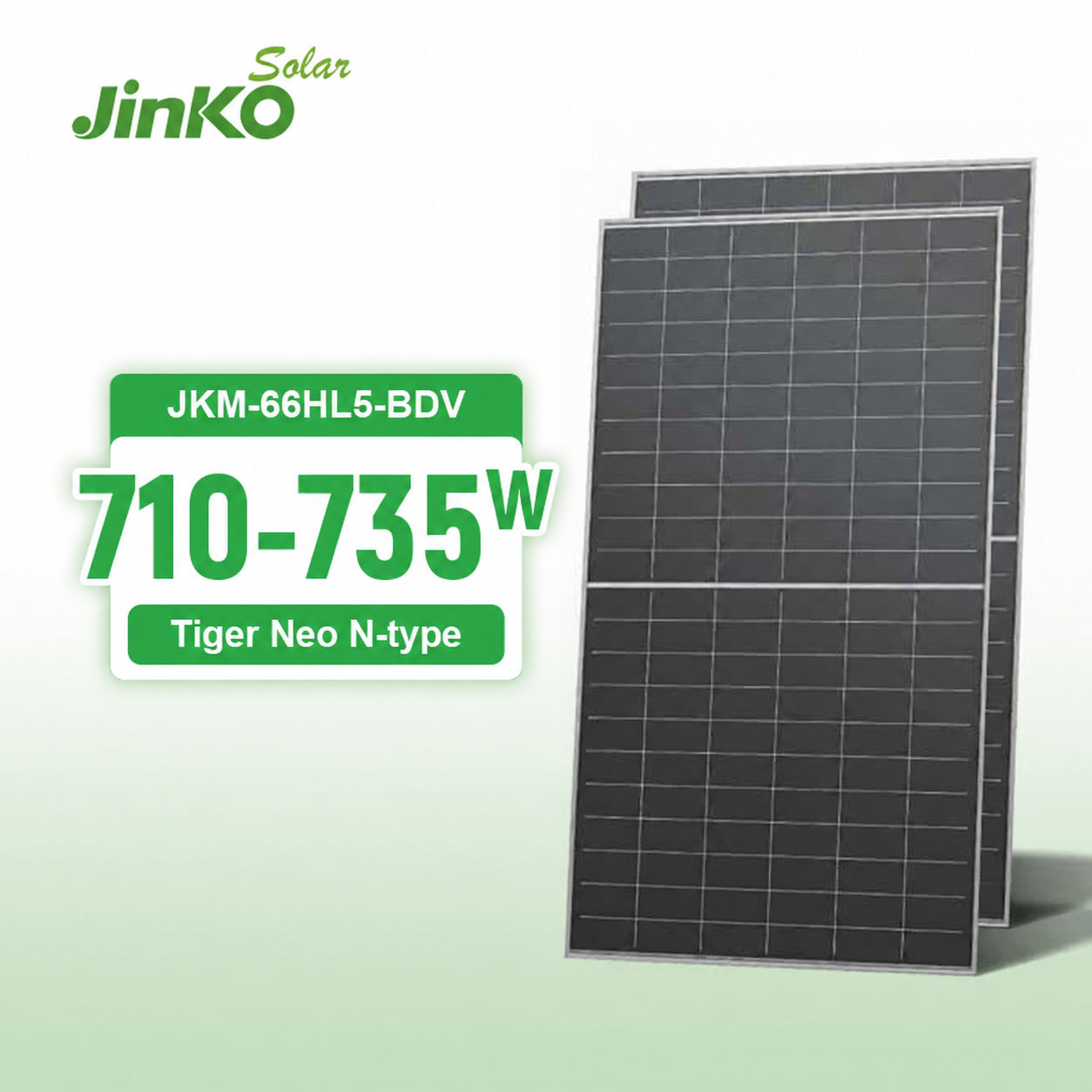
Jinko N-Type Bifacial PV Panels 720W 710W 715W Dual Glass Industrial Photovoltaic
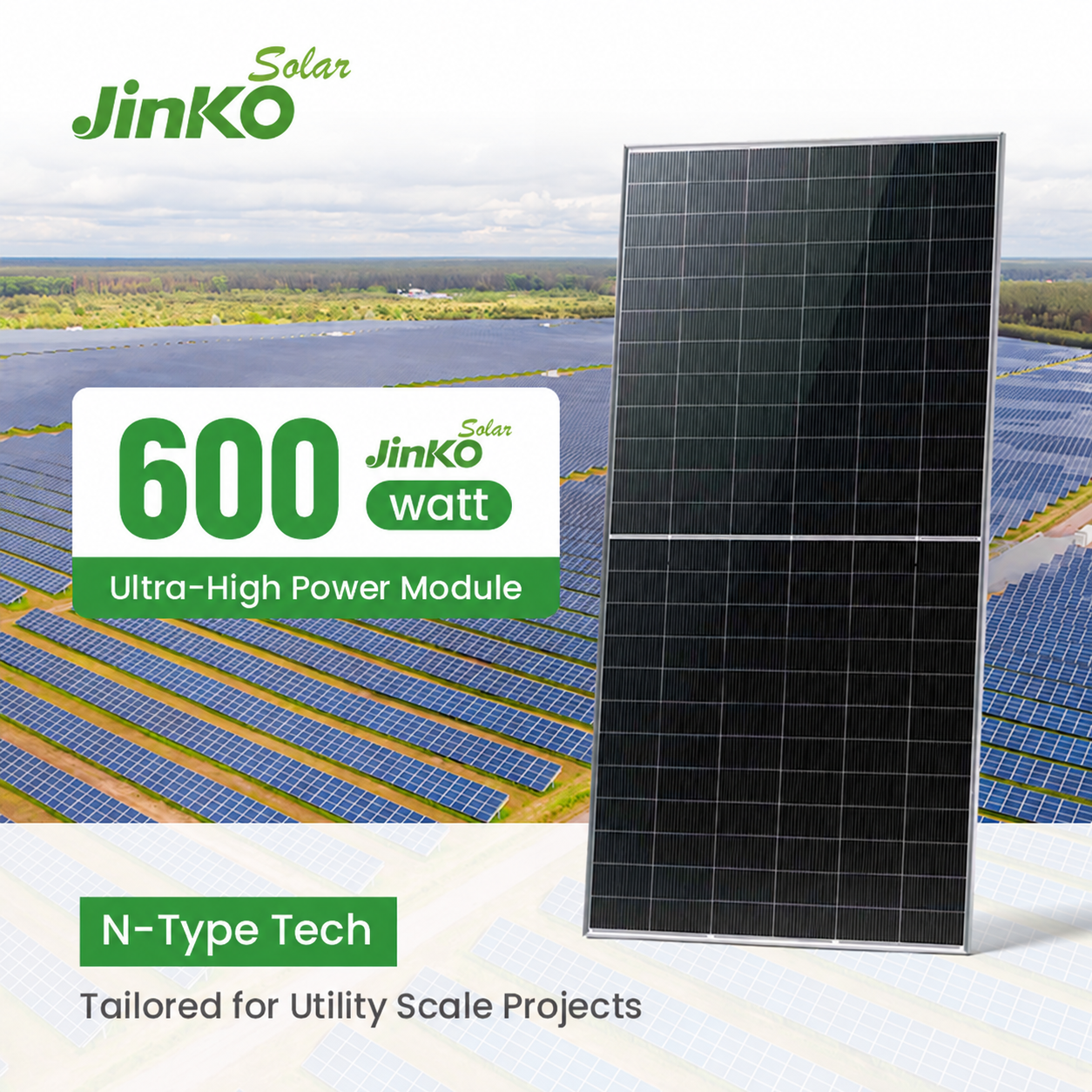
Jinko Solar Panels 580W 590W 600W N-Type Double Glass High Efficiency Panel
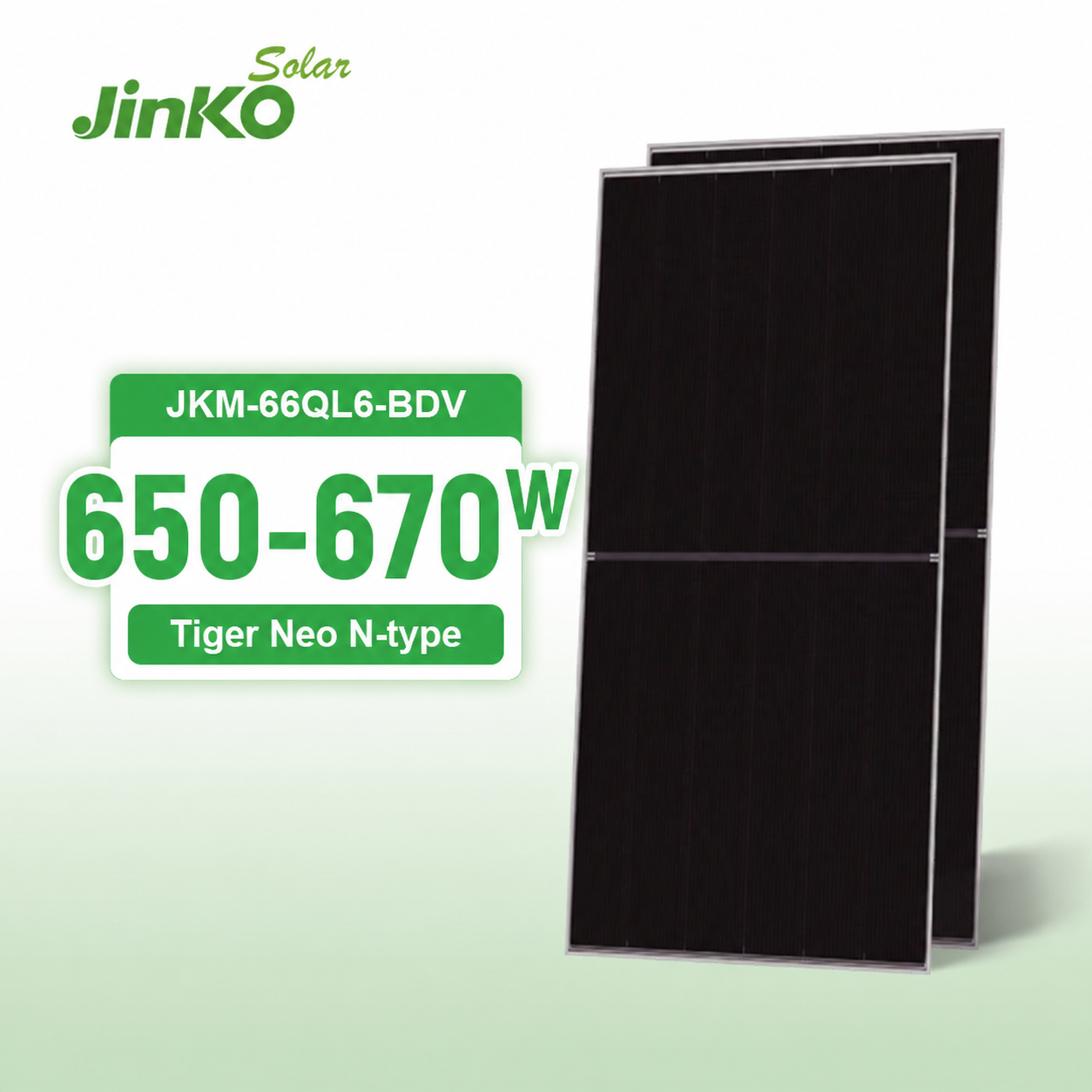
Jinko N-Type Bifacial PV Modules 650W 660W 670W Double Glass Panel
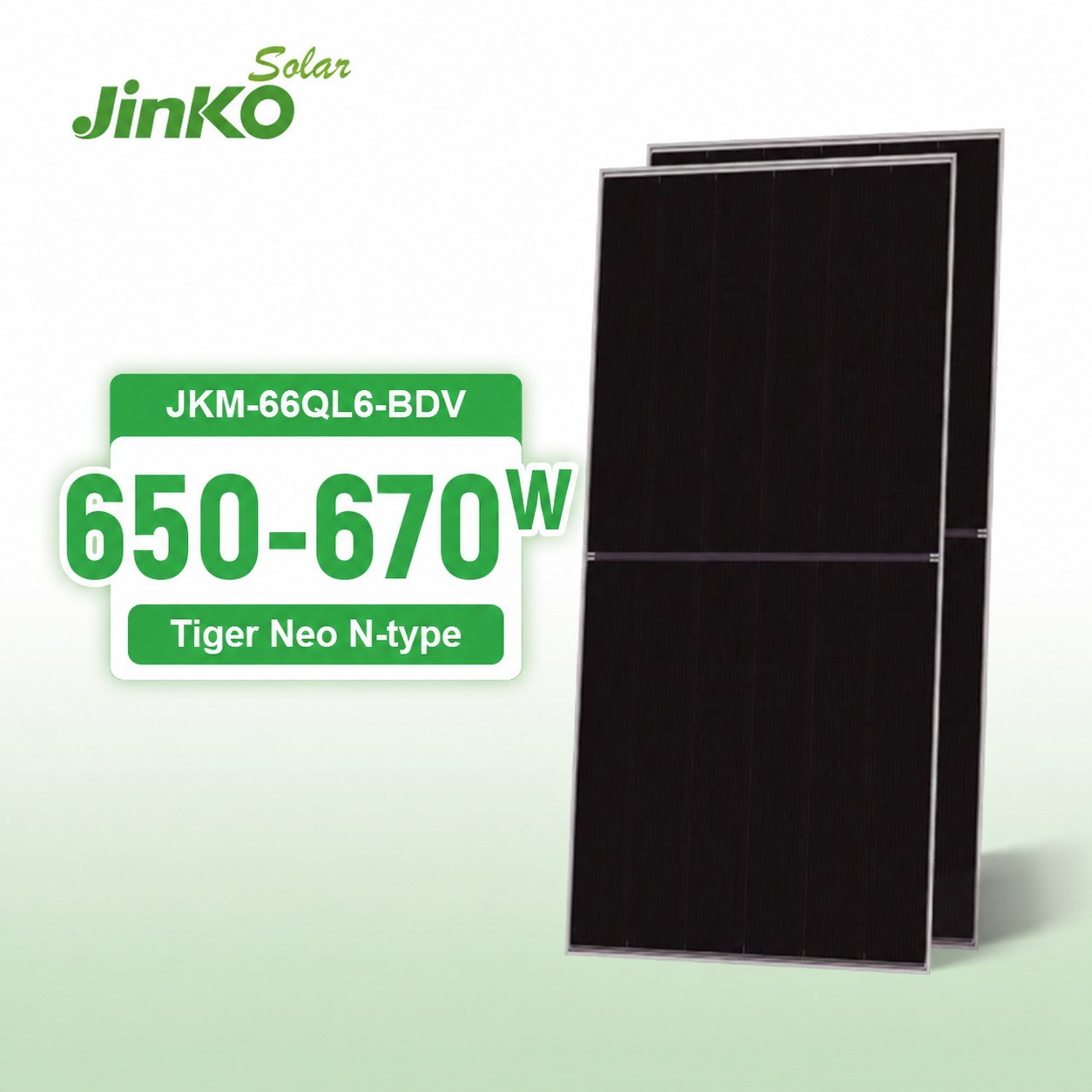
Jinko Panneau Solaire 660W 650W 660W 670W N-Type Bifacial Dual Glass
Engineering LiFePO4 Energy Storage for Rio de Janeiro’s Operating Environment
A comprehensive examination of thermodynamic stability, tariff optimization under Brazilian regulatory shifts, and coastal deployment strategies.
As a specialized Lithium Iron Phosphate (LiFePO4) Battery Manufacturer and Supplier serving Rio de Janeiro, Hangzhou VOLT New Energy Technology Co., Ltd. analyzes energy deployment through an uncompromising technical lens. Operating solar-plus-storage in tropical maritime regions presents severe electro-chemical stressors: prolonged operating temperatures exceeding 35°C, relative atmospheric humidity constantly surging past 80%, and airborne sodium chloride concentrations that accelerate galvanic corrosion on standard electrical terminations. Standard ternary lithium chemistries (such as NMC or NCA) exhibit elevated thermal runaway risks under prolonged heat exposure due to their lower exothermic onset points (~150°C to 210°C). In sharp contrast, our prismatic Lithium Iron Phosphate cells incorporate exceptionally strong covalent phosphorus-oxygen (P-O) bonds, raising the thermal runaway threshold above 270°C and avoiding oxygen release during catastrophic cell abuse.
Moreover, Brazil's regulatory landscape has fundamentally shifted following the enactment of Marco Legal da Micro e Minigeração Distribuída (Lei 14.300/2022). The gradual transition into remunerating distribution grid usage components (Fio B) has eroded the financial yield of traditional pure grid-tied net-metering schemes across Rio de Janeiro, Niterói, and Petrópolis. Solar asset owners are experiencing lower compensation for feeding excess power back into the utility lines during midday peaks. VOLT New Energy's high-capacity LFP storage solutions allow system integrators, EPCs, and C&I consumers to retain 100% of their generated kilowatt-hours behind the meter. By storing high-yield midday solar generation and dispatching energy during the lucrative tariff peak periods (Horário de Ponta)—when electricity rates in the concession zones of Light and Enel are significantly multiplied—our client portfolios in Southeast Brazil achieve unprecedented return on investment (ROI) and payback schedules under 4.5 years.
Lei 14.300 Tariff Arbitrage
Mitigate increasing Fio B grid charges by driving self-consumption from 35% up to 92%. Our battery management systems dynamically prioritize local load servicing before evaluating grid export.
Tropical Thermal Resilience
Our prismatic cell form-factors are selected with ultra-low internal resistance (Ri < 0.5mΩ), reducing internal joule heating during continuous 0.5C to 1C charging under Rio de Janeiro's intense summer heatwaves.
Marine Salt-Spray Protection
All battery enclosures and connection busses undergo conformal anti-corrosion coating compliant with ISO 12944 C4/C5 marine atmospheric classifications, safeguarding internal BMS boards from coastal saline air.
High-Impact Deployment Scenarios Across Rio de Janeiro
From coastal residential communities to high-demand industrial centers, our storage systems provide uncompromising operational continuity.
Barra & Zona Sul Condominiums
Luxury residential enclaves and condominiums along Barra da Tijuca, Leblon, and Ipanema integrate our 51.2V rack-mount and wall-mount LFP packs with hybrid inverters. This setup guarantees instantaneous <10ms UPS switchover during municipal grid flickers while shaving peak tariffs for high-capacity air conditioning and residential EV charging stations.
Duque de Caxias Logistics & Warehousing
The industrial and freight corridor around Duque de Caxias relies on massive rooftop photovoltaic installations coupled with centralized containerized BESS. Warehouses mitigate catastrophic demand overrun penalties (demanda contratada ultrapassada) charged by distribution utilities by injecting instant stored battery reserves during machinery surges.
Região dos Lagos Hospitality & Eco-Resorts
Hospitality providers throughout Búzios, Cabo Frio, and Arraial do Cabo frequently face severe grid instability during tourist high seasons. Our turn-key solar and LFP battery systems silence noisy, polluting diesel generator sets, running continuous refrigeration, water desalination pumps, and hospitality HVAC loads without interruptions.
Serrana Mountain Telecom & Agribusiness
Critical telecommunication relay towers and organic agro-processing facilities in Nova Friburgo, Petrópolis, and Teresópolis depend on our deep-cycle LFP arrays. Equipped with comprehensive CAN/RS485 remote monitoring, off-grid operators manage microgrids smoothly even during torrential rainy season storms and isolated grid outages.
Energy Transition & BESS Market Dynamics in Rio de Janeiro
Analyzing the technological vectors and market forces driving double-digit energy storage adoption across Brazil's second largest metropolitan economy.
Bimodal Tariff Structure Shift
Brazilian regulatory entities (ANEEL) continue expanding multi-rate pricing tariffs (Tarifa Branca). This tariff structure imposes steep per-kWh fees between 18:00 and 21:00. Lithium energy storage allows automated, clock-triggered dispatch algorithms to feed building loads during these expensive time slots, achieving up to 68% direct operational savings on monthly electric invoices.
Port of Rio Direct Consolidated Freight
Navigating Brazil's import clearance protocols requires seamless documentation. VOLT New Energy organizes consolidated containerized shipments directly landing at Porto do Rio de Janeiro or Porto de Sepetiba (Itaguaí). We bundle Class 9 Dangerous Goods packing with complete UN38.3 test summaries, maritime bill of ladings, and Inmetro compliance assistance.
Migration from Lead-Acid to LFP
Telecommunications operators and Brazilian solar integrators are aggressively decommissioning legacy lead-acid and colloidal gel banks. Lithium Iron Phosphate provides 4x the usable energy density, 5x the lifespan at 80% Depth of Discharge, and avoids hazardous hydrogen gas emissions, reducing total cost of ownership (TCO) by over 55% over a 10-year operating horizon.
Why Rio de Janeiro EPCs & Distributors Source from VOLT New Energy
Eliminating installation bottlenecks, communication fault codes, and customs delays through comprehensive pre-shipment engineering and strict supply chain execution.

Verified Protocol Compatibility
Every LFP battery system paired with hybrid inverters (including Deye, Growatt, and Solis) undergoes physical communication bench-testing (CAN 2.0B & RS485 protocols) before export. We guarantee 100% plug-and-play handshaking without BMS fault trips upon commissioning in Brazil.

Stringent Multi-Stage QC
Our Hangzhou engineering team enforces rigorous cell grading (Grade A matching within ±0.005V and internal resistance variances <0.05mΩ), insulation resistance validation, thermal camera inspection under high-rate load cycling, and comprehensive visual audit reports supplied prior to container stuffing.

Full-Set Dangerous Goods Logistics
We provide full Class 9 UN-certified wooden crating and packing, comprehensive UN38.3 testing reports, MSDS certifications, and sea transportation safety evaluations. We facilitate mixed-container loadings combining Tier-1 Jinko solar panels, inverters, and LFP storage into single consignments.

Engineering & System Sizing Support
We provide detailed single-line diagrams (SLD), DC overcurrent protection sizing, busbar dimensioning, and parameter configuration files tailored to local grid codes. Portuguese and English technical support is available to assist your Brazilian engineering crew during installation phases.
Essential Questions Answered for Brazilian Solar Importers & Integrators
Actionable intelligence regarding maritime logistics, customs clearance, inverter coordination, and performance guarantees in Rio de Janeiro.
How does VOLT New Energy ensure seamless BMS communication with Deye and other hybrid inverters installed in Rio de Janeiro?
What customs, shipping documents, and battery certifications are provided for clearing goods through Brazilian ports?
Why is LiFePO4 chemistry significantly superior to Gel or AGM batteries in Rio’s coastal climate?
Can Brazilian buyers consolidate solar modules, inverters, and LFP batteries into a single mixed container?
How does the system handle rapid grid fluctuations, voltage dips, and blackouts from local utilities (Light / Enel)?
Accelerate Your Solar-Plus-Storage Projects in Rio de Janeiro
Request factory-direct wholesale pricing, custom system engineering single-line diagrams, or consolidated mixed container schedules. Speak directly with our international renewable engineering desk.