Bifacial Dual-Glass
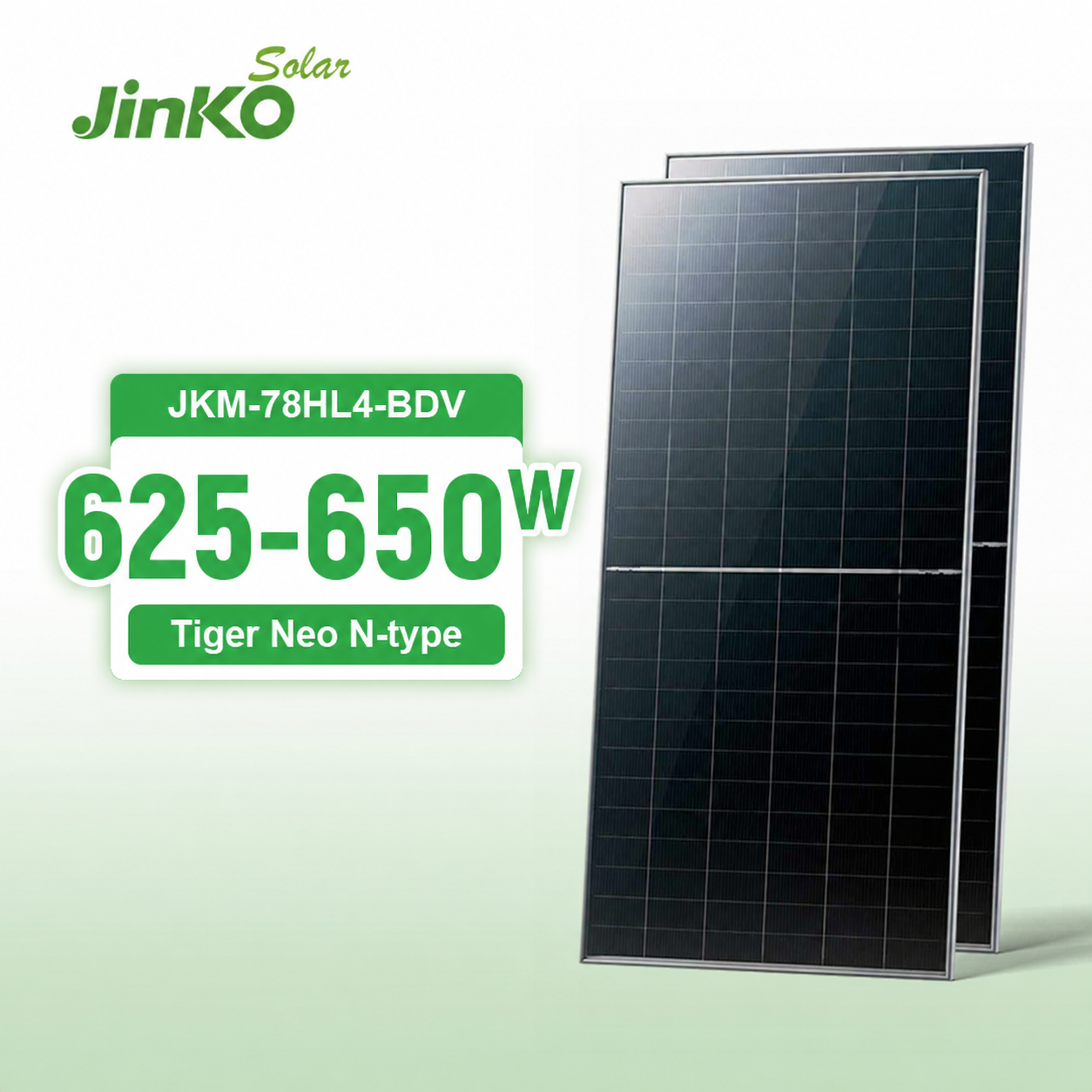
Jinko Bifacial Pv Panels 630W 640W 635W Dual Glass Monocrystalline Solar Module
630W - 640W
Dual Glass
Anti-PID
Engineered for extreme ambient heat, heavy particulate abrasion, and high coastal humidity across the Arabian Gulf.
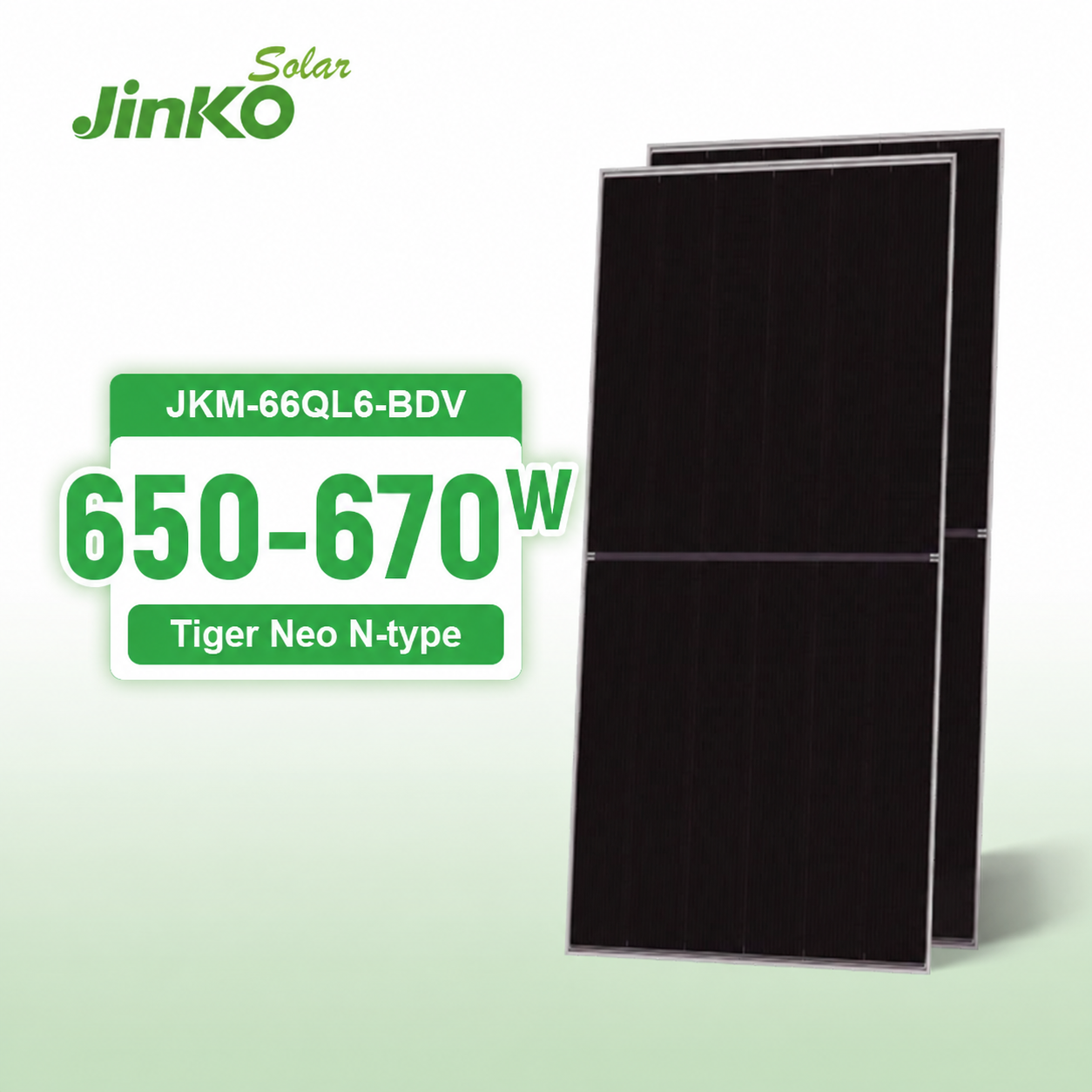
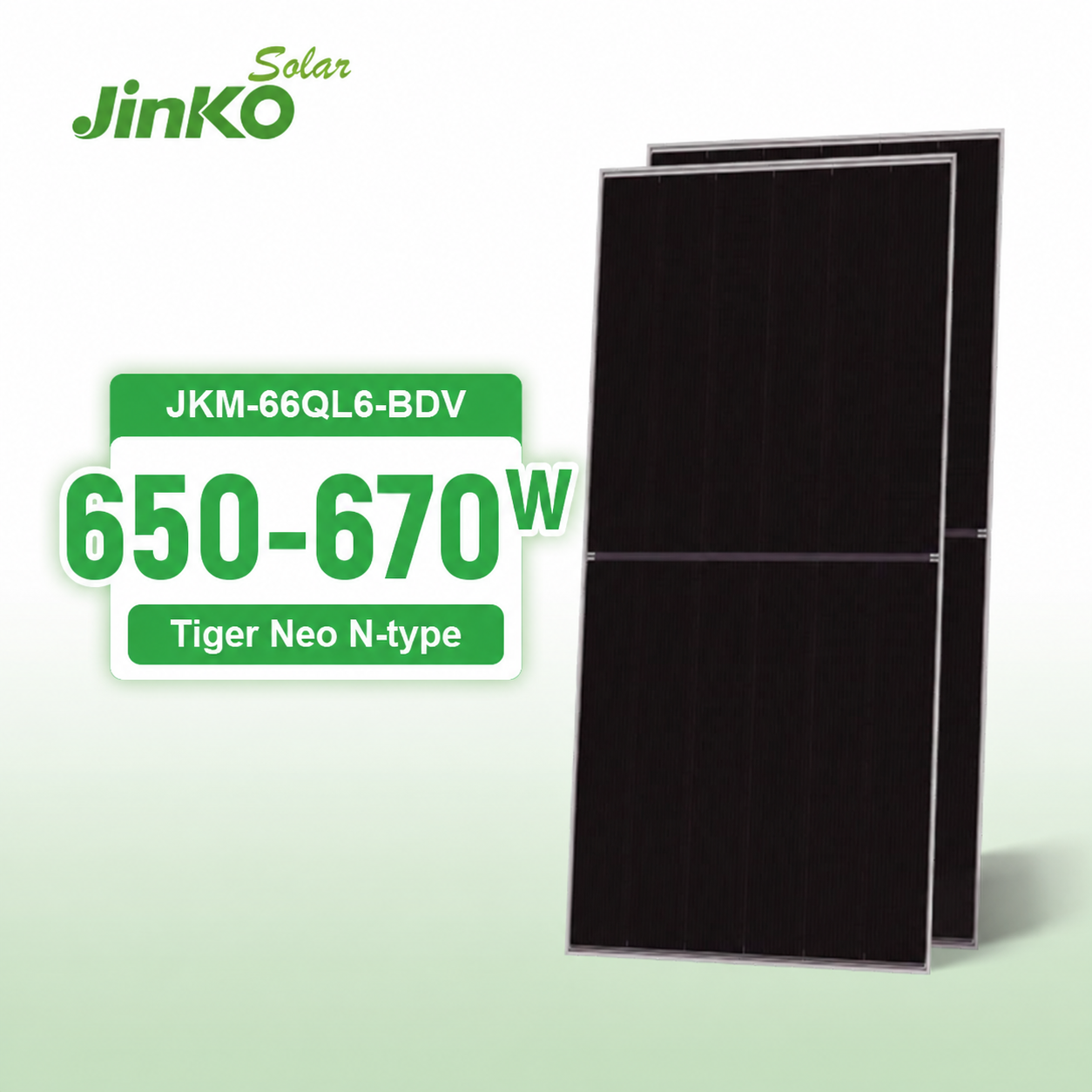
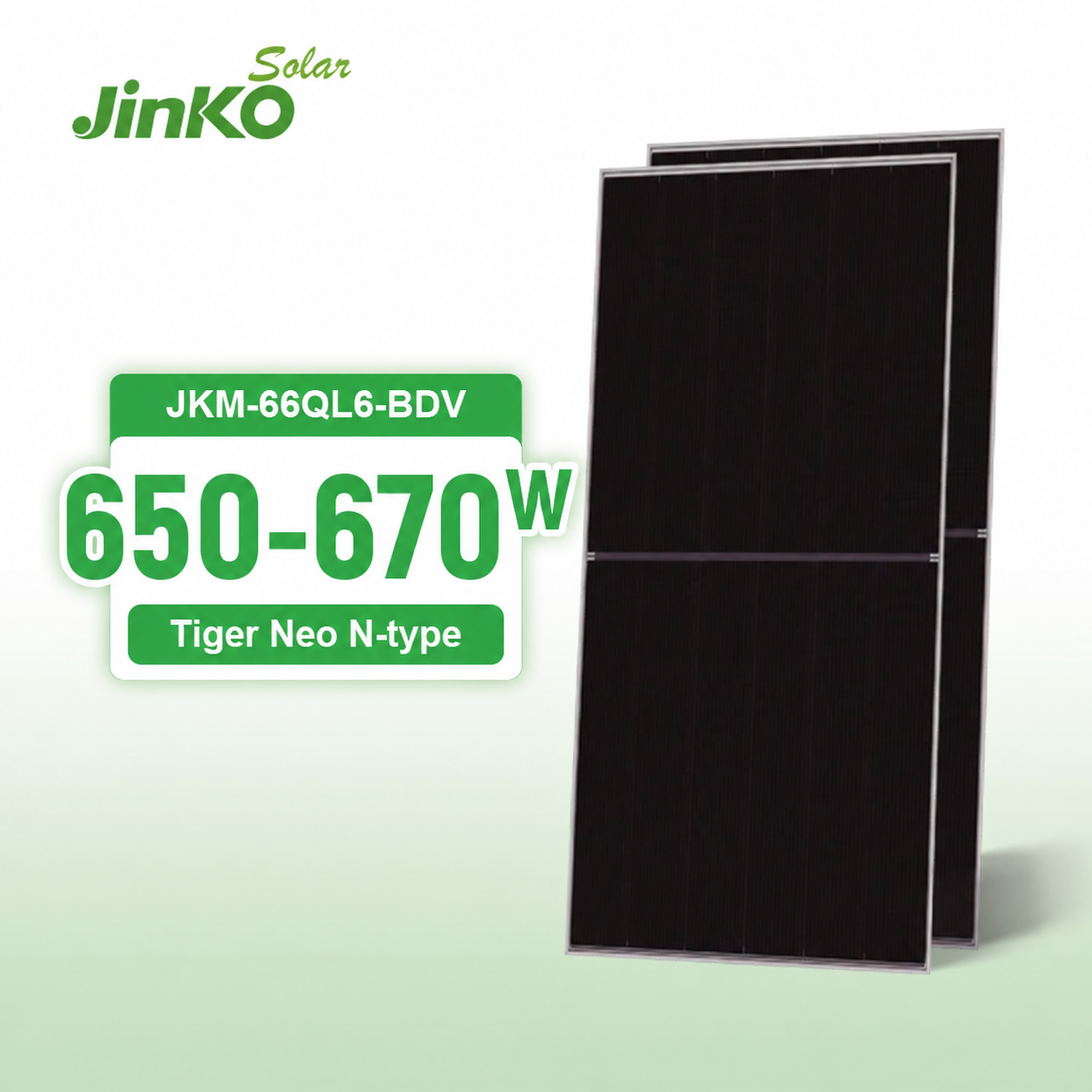
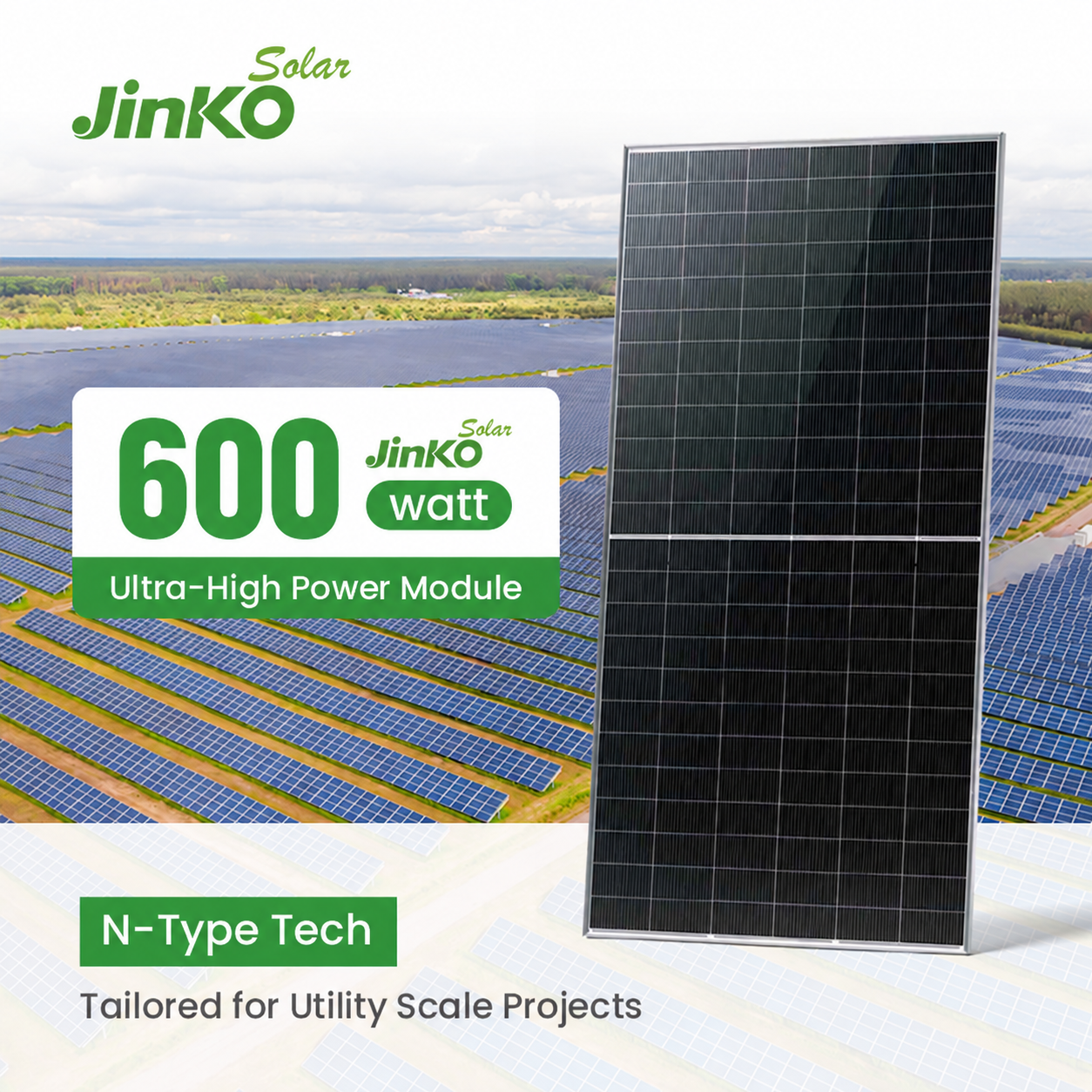
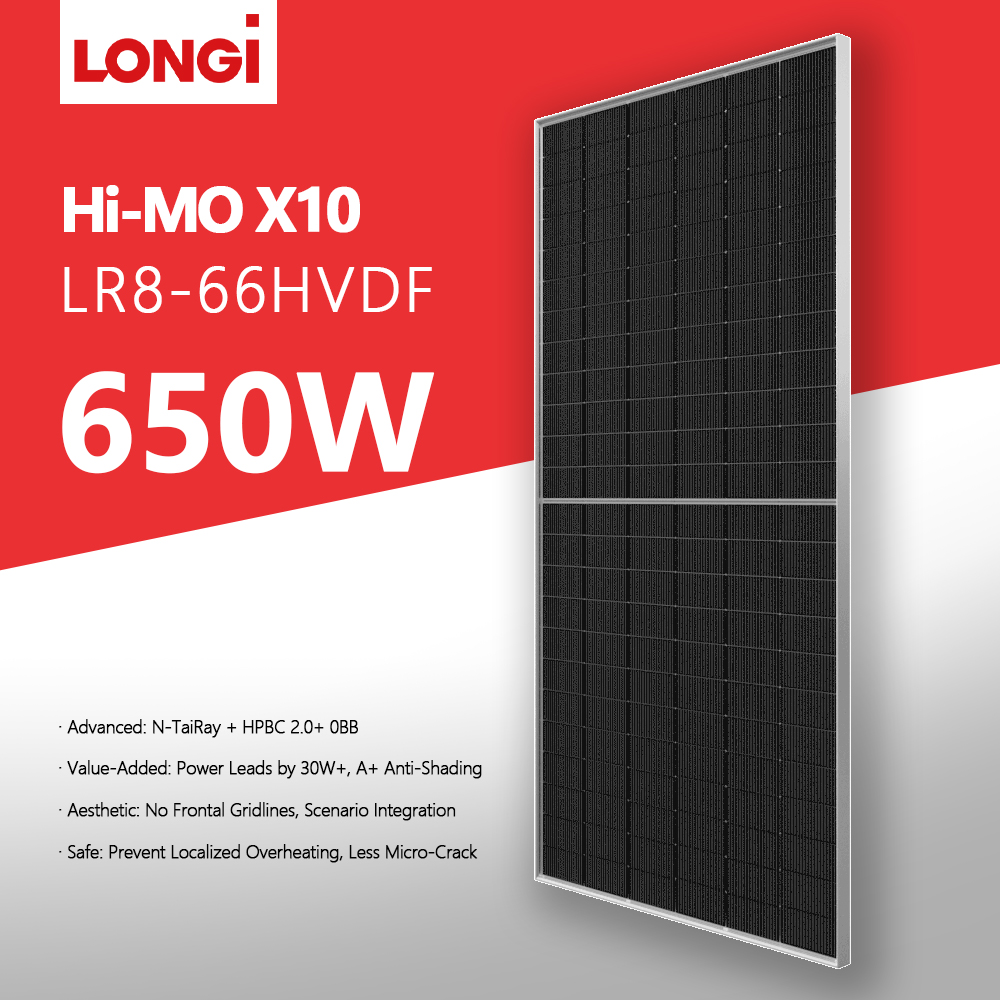
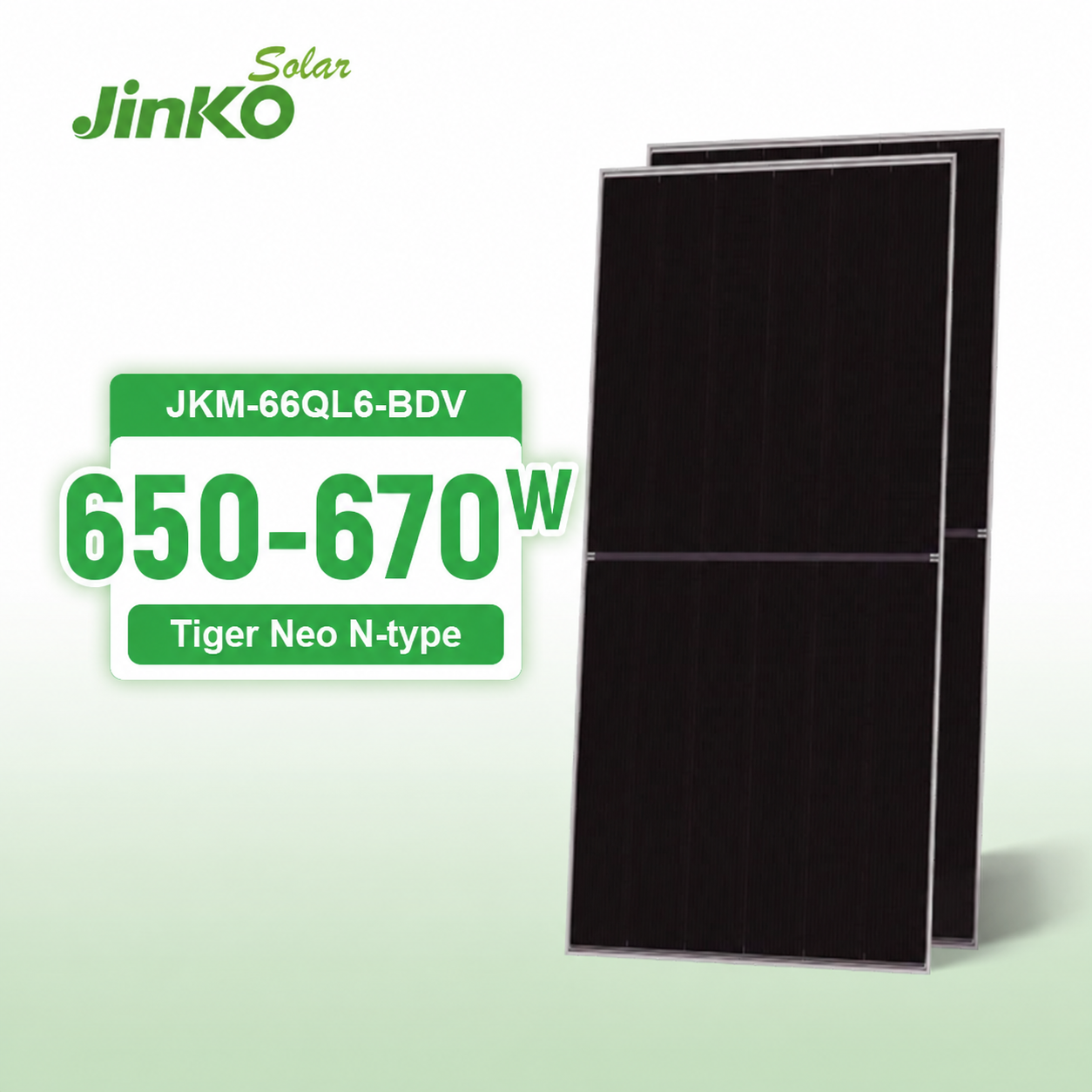
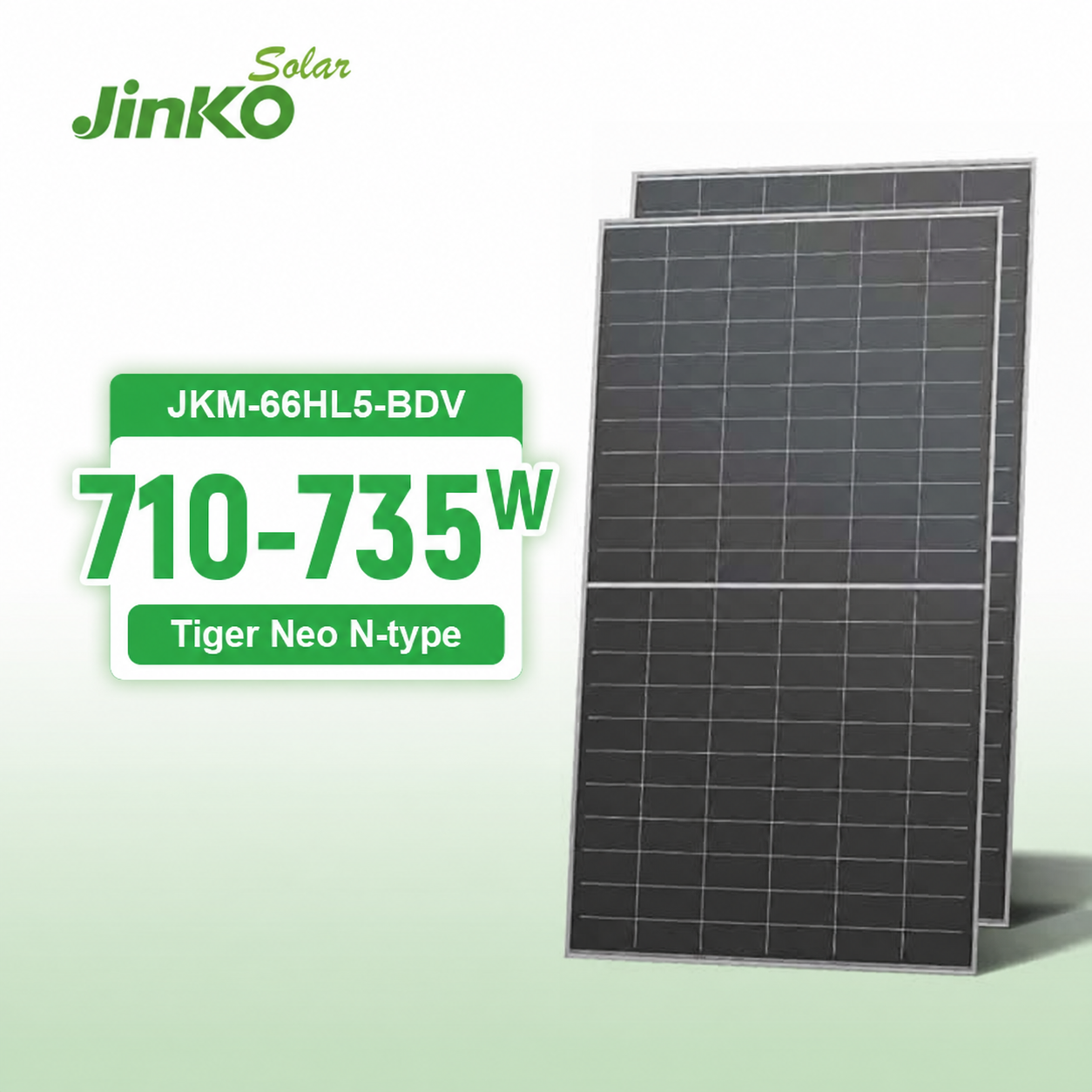
Deploying photovoltaic systems across the Kingdom of Bahrain requires careful engineering adaptation to the unique operating conditions of the Arabian Peninsula. In the Capital Governorate of Manama, summer ambient temperatures frequently surpass 45°C, pushing rooftop solar cell junction temperatures past 75°C. Conventional P-type PERC panels suffer substantial energy clipping in these environments due to an aggressive temperature coefficient of power (Pmax) averaging -0.35%/°C to -0.38%/°C. The Tier-1 Longi and N-Type TOPCon modules supplied by VOLT New Energy integrate advanced tunneling oxide passivated contacts, driving the Pmax temperature coefficient down to -0.29%/°C. This lower thermal penalty preserves critical kilowatt-hour yield during peak midday grid demand cycles when cooling loads drive commercial tariff rates to their highest tiers.
Furthermore, coastal sites throughout Bahrain Bay, Sitra, and Mina Salman expose installations to aggressive atmospheric salinity, fine airborne calcareous sands, and sustained humidity. Our supplied dual-glass modules eliminate traditional polymer backsheet vulnerabilities. By encapsulating high-purity crystalline silicon wafers within 2.0mm heat-strengthened, semi-tempered anti-reflective glass, our modules achieve complete impermeability against moisture ingress and prevent potential induced degradation (PID). The robust glass-glass architecture also guards against microscopic wafer microcracking triggered by wind-induced mechanical oscillation during seasonal Shamal dust storms.
From high-density logistics centers to offshore commercial developments, our modules deliver unmatched levelized cost of energy (LCOE).
Retail complexes in Seef and Diplomatic Area feature expansive flat concrete or metal deck rooftops. Pairing Longi 650W commercial modules with Deye three-phase commercial inverters optimizes roof power density, lowering mounting hardware costs and balance-of-system (BOS) capital expenditures per installed watt.
Industrial parks in Hidd and Sitra are deploying dual-glass bifacial arrays on elevated parking canopies. Elevated mounting increases rear-side bifacial irradiance capture from reflective paved or light-concrete surfaces, yielding a 10% to 22% additional energy gain while providing shade protection for vehicle fleets.
Off-grid fabrication yards, coastal marine installations, and remote microgrids integrate Tier-1 solar arrays with our matched LiFePO4 (LFP) high-capacity battery systems. Pre-tested CAN/RS485 communication protocols guarantee plug-and-play operational integrity with zero BMS protocol synchronization errors on day one.
When selecting photovoltaic modules for deployment under Bahrain Electricity & Water Authority (EWA) interconnection standards, EPC contractors must verify resistance against thermal loss and mechanical sand abrasion. Below is a comparative engineering breakdown between entry-tier panels and our commercial-grade N-type solar solutions:
| Evaluation Metric | Standard P-Type PERC Panel | Industrial N-Type TOPCon (Gulf-Spec) | Operational Impact in Manama |
|---|---|---|---|
| Cell Architecture | P-Type Monocrystalline | N-Type TOPCon / Hi-MO Dual-Glass | Eliminates Boron-Oxygen defects, zero initial LID |
| Pmax Temp. Coefficient | -0.35% / °C to -0.38% / °C | -0.29% / °C to -0.30% / °C | Delivers +3.8% to +5.2% higher yield above 45°C ambient |
| Bifaciality Factor | 70% ± 5% | 80% ± 5% | Captures higher reflected albedo from gravel and concrete |
| Encapsulation Standard | Single Glass + Plastic Backsheet | 2.0mm + 2.0mm Semi-Tempered Dual Glass | Total protection against salt-spray corrosion & sand friction |
| Power Degradation Year 1 | < 2.0% | < 1.0% | Sustained high capital return in early project operational life |
| Annual Linear Degradation | -0.55% / Year (30 Yrs: ~84.8%) | -0.40% / Year (30 Yrs: 87.4%) | Substantially higher cumulative megawatt-hour lifetime generation |
Under Bahrain's National Renewable Energy Action Plan (NREAP), the Kingdom aims to generate 10% of its total domestic power from renewable sources by 2035, scaling up to net-zero carbon targets by 2060. The regulatory framework managed by the Sustainable Energy Authority (SEA) and the Bahrain Electricity & Water Authority (EWA) has accelerated the roll-out of commercial net metering policies. Commercial facility managers, logistics hub operators, and industrial enterprises across Hidd Industrial City and Salman Industrial City now actively offset escalating grid tariffs by feeding midday solar energy surplus directly into the 11kV and 33kV urban networks.
This rapid shift has transitioned local procurement habits from low-cost, unverified hardware toward high-output, certified Tier-1 equipment. Project developers and EPC firms across Manama prioritize manufacturers that provide comprehensive documentation packs upfront, including IEC 61215 design qualification, IEC 61701 salt mist corrosion severity 6 certification, and IEC 60068-2-68 sand abrasion certifications. VOLT New Energy bridges this procurement channel, maintaining direct supply partnerships with industry leaders such as Longi and Jinko, and ensuring every container shipped to the port of Khalifa Bin Salman Port (KBSP) meets exact customs and grid-interconnection specifications.
We eliminate component mismatch, customs clearance bottlenecks, and technical support delays across your international supply chain.
Importers often lose operational margin resolving communication faults between hybrid inverters and battery systems. We test battery-to-inverter CAN/RS485 protocol compatibility, MPPT input voltage windows, and charge-discharge curves prior to container dispatch from our Hangzhou facility.
Every export consignment undergoes detailed electroluminescence (EL) test verification, open-circuit voltage screening, and optical visual inspection. High-resolution photographic and video documentation reports are provided to our buyers before loading to ensure transparency and accountability.
We specialize in consolidated container freight, bundling high-wattage Longi and Jinko panels alongside Deye hybrid inverters and LFP battery cabinets in a single shipment. All dangerous goods handling, UN38.3 compliance, and MSDS documentation are prepared for smooth KBSP customs clearance.
Key technical, regulatory, and logistics questions answered by our photovoltaic systems engineering team.
Submit your system capacity, target application, and project timeline. Our engineering team provides string design, balance-of-system calculations, and competitive CIF Manama quotation within 24 hours.