High-Yield Photovoltaic Modules Ready for Export
Certified bifacial and ultra-high-efficiency mono modules calibrated for commercial rooftops, microgrids, and decentralized solar infrastructure in Tegucigalpa.
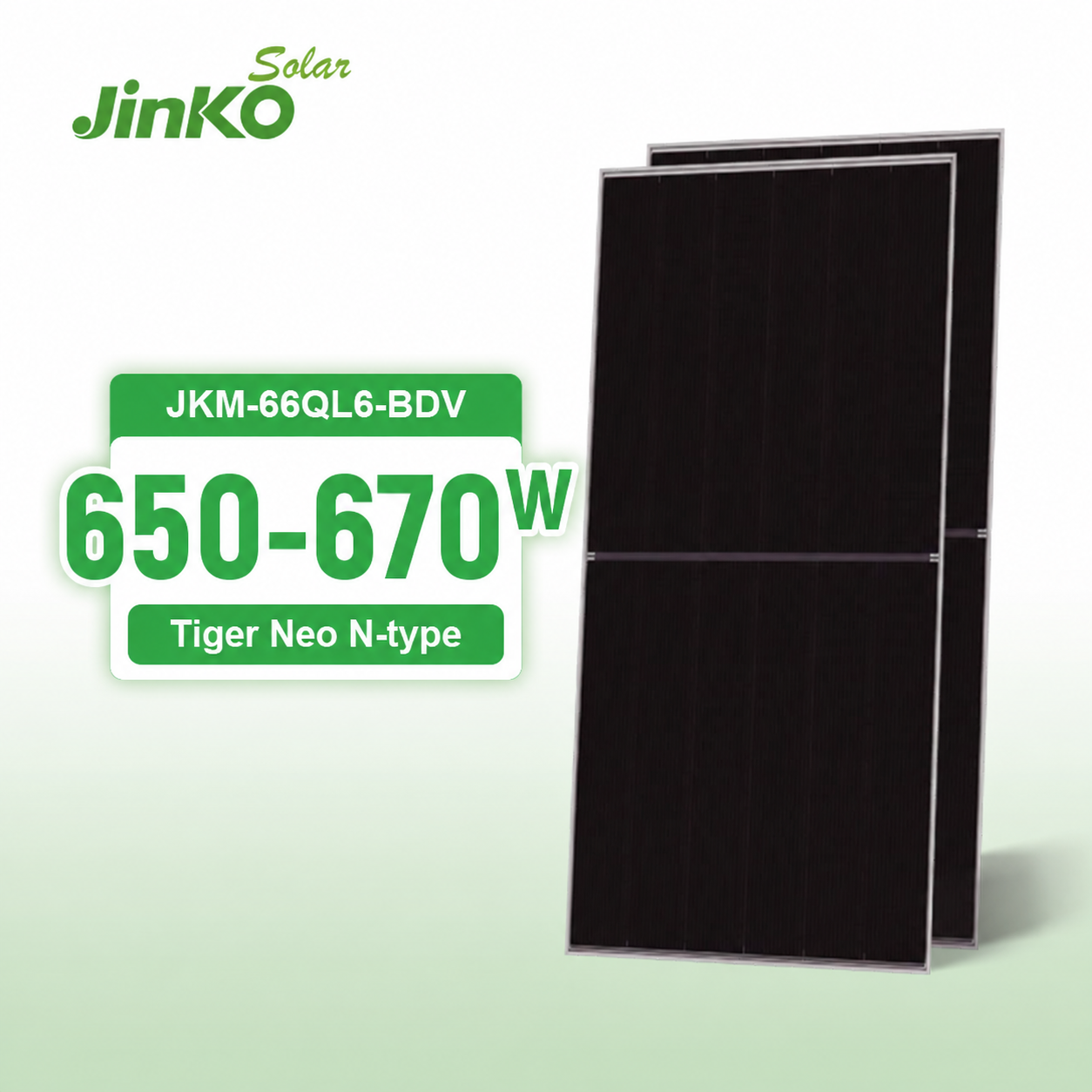 TOPCon Bifacial
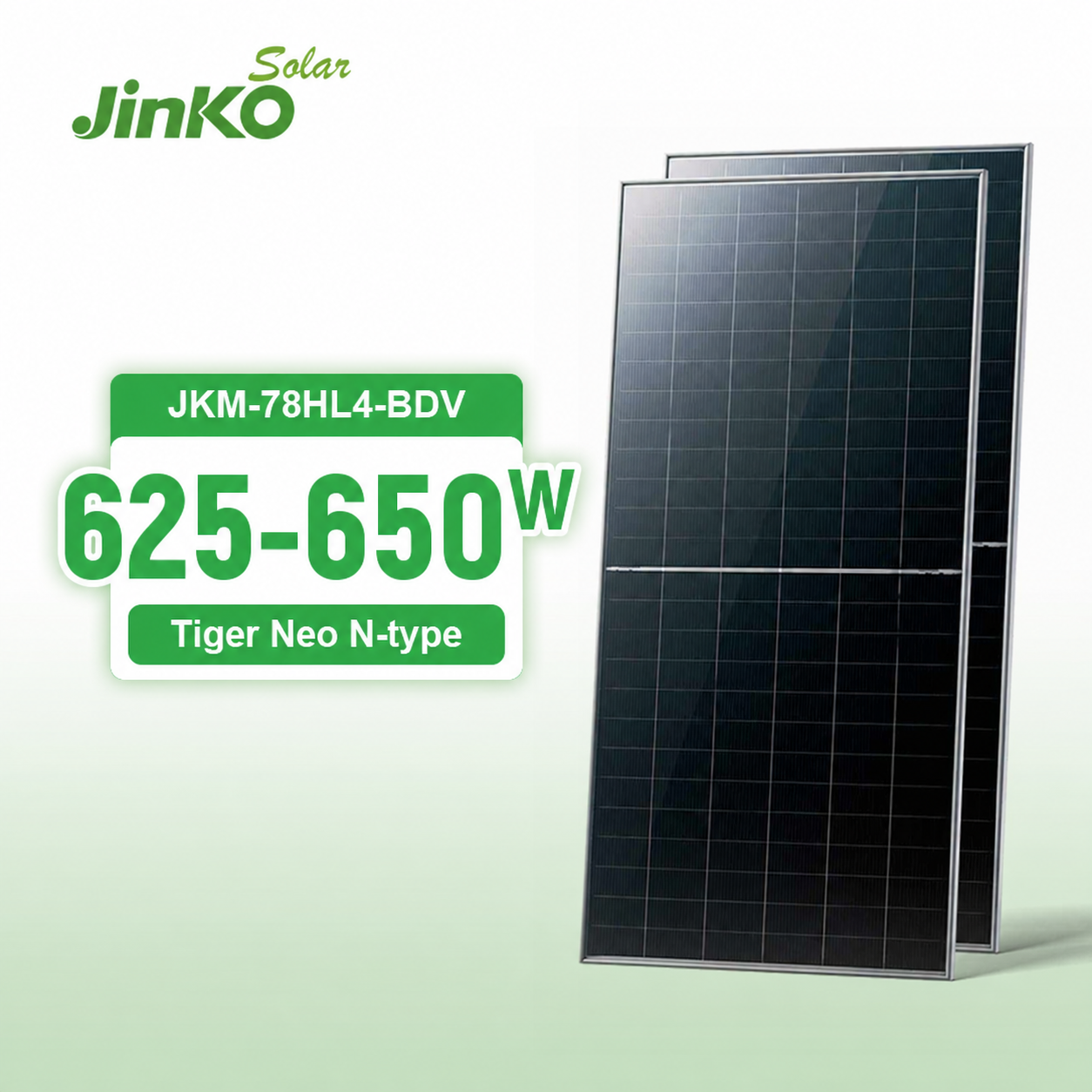 Commercial PV
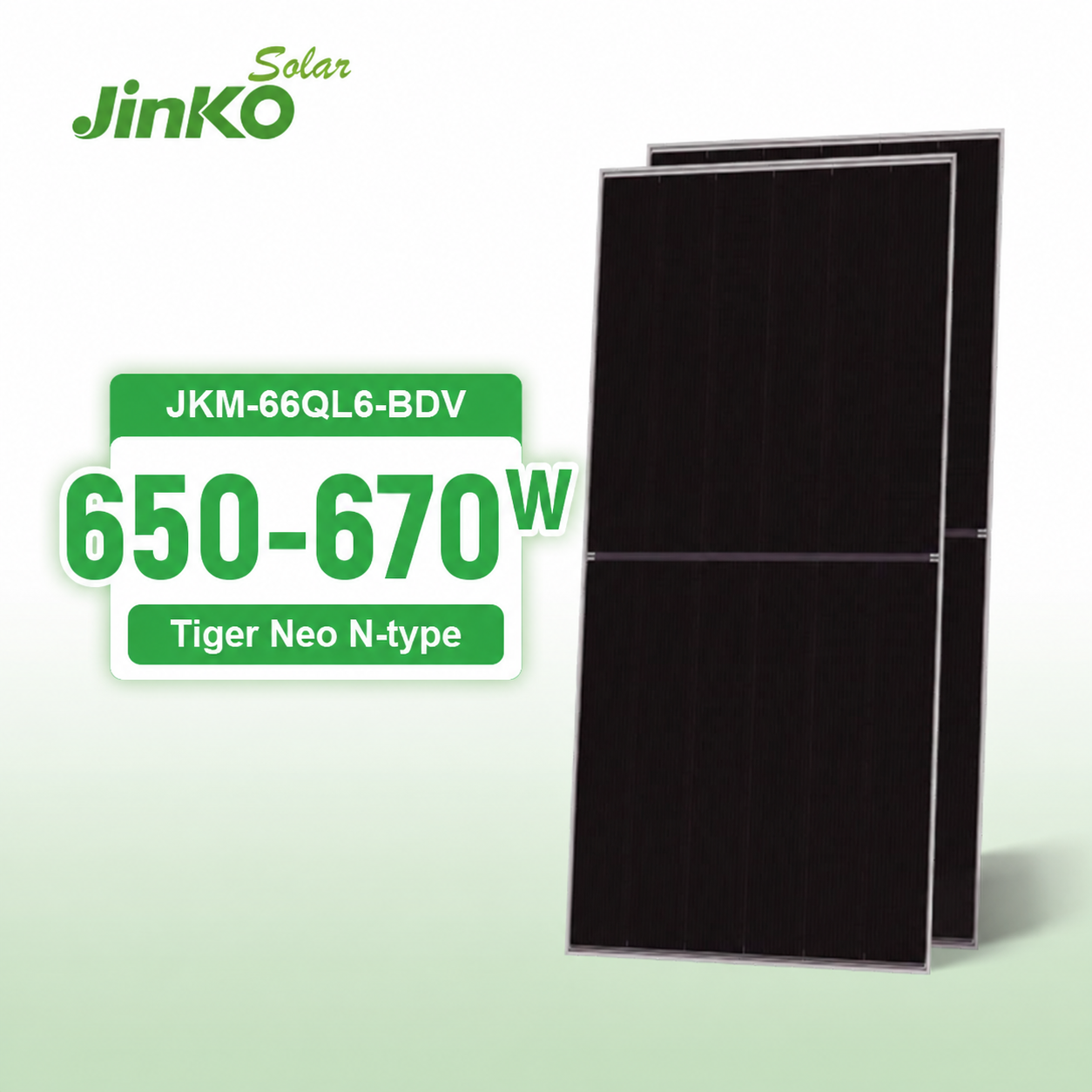 Dual Glass Mono
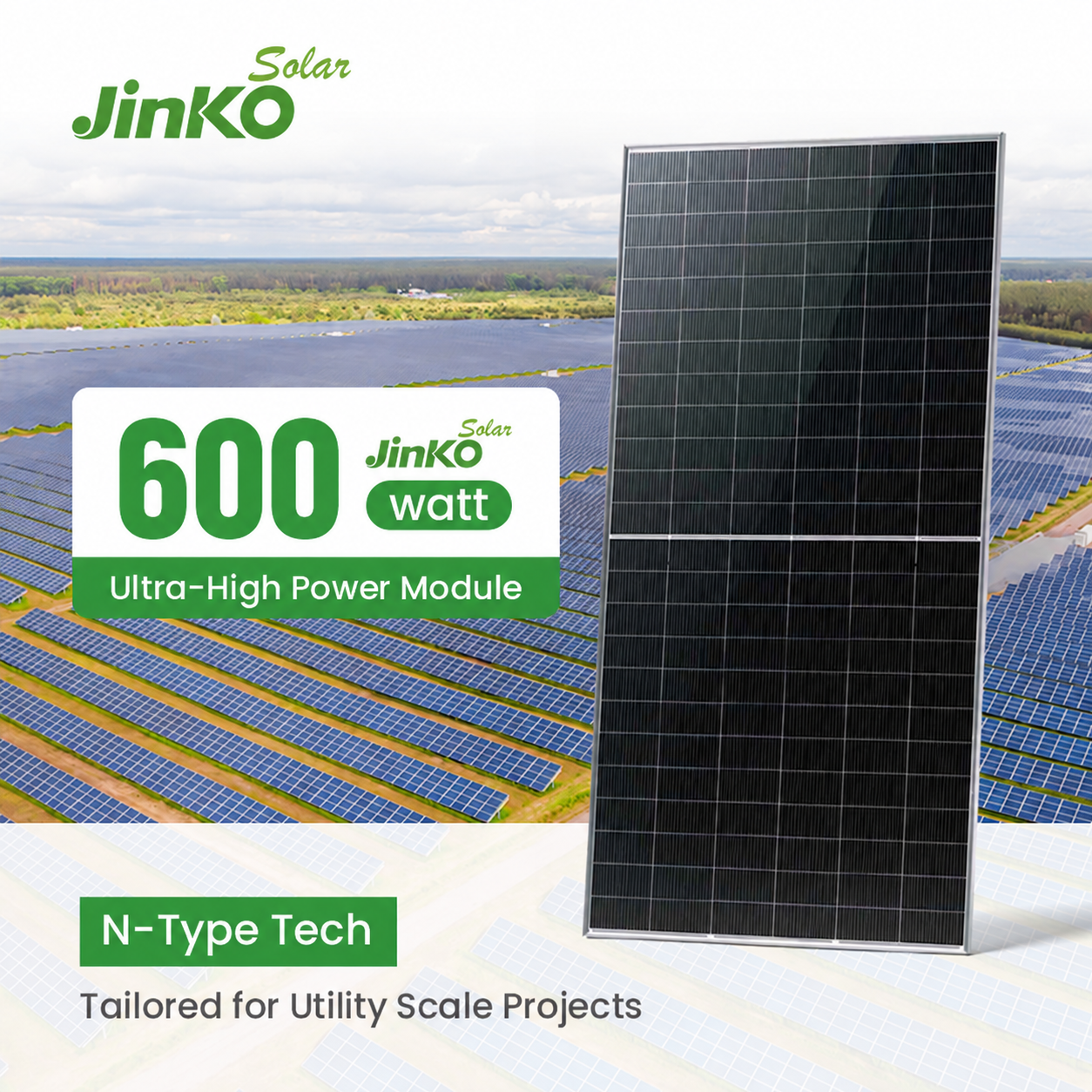 High Density
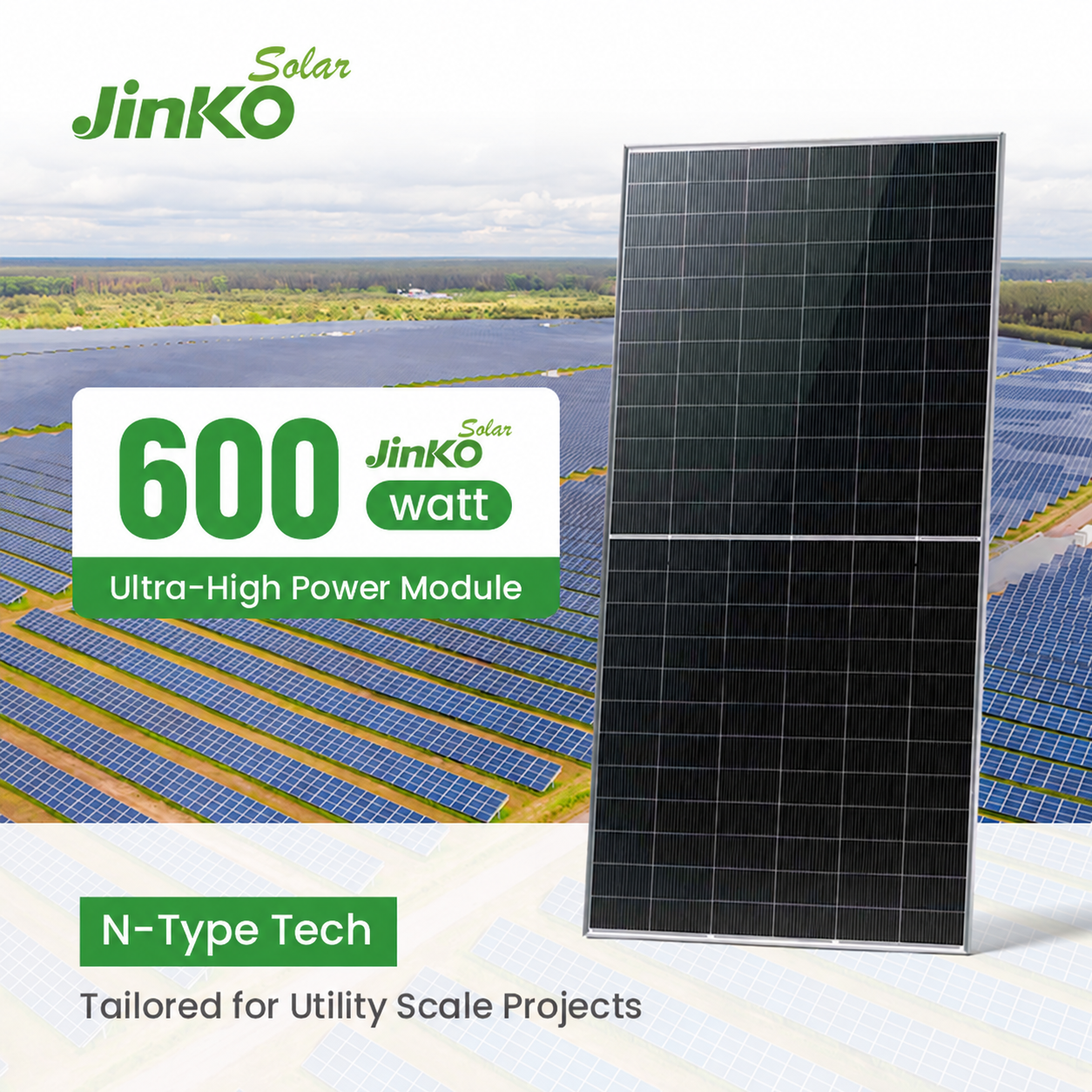 Residential & C&I
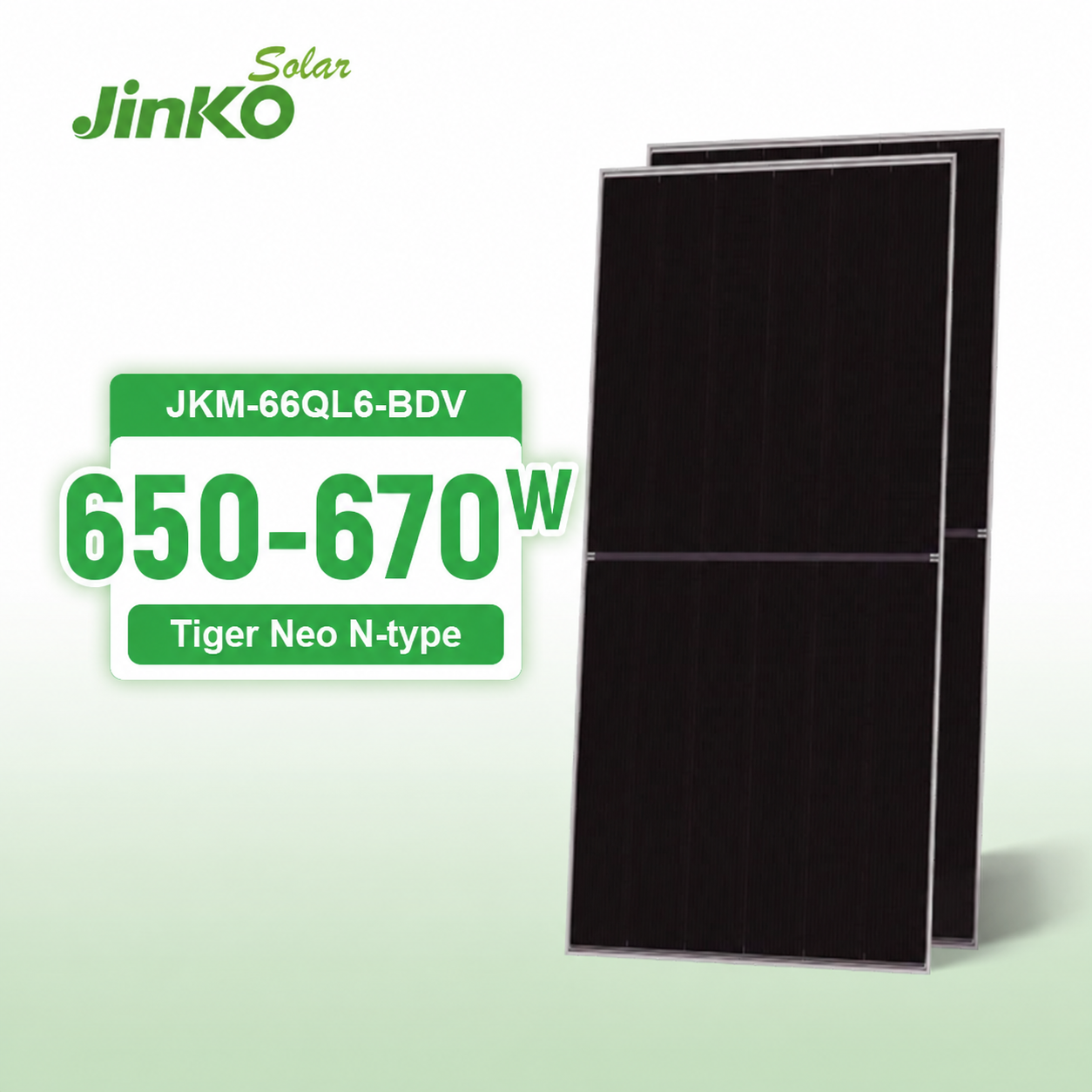
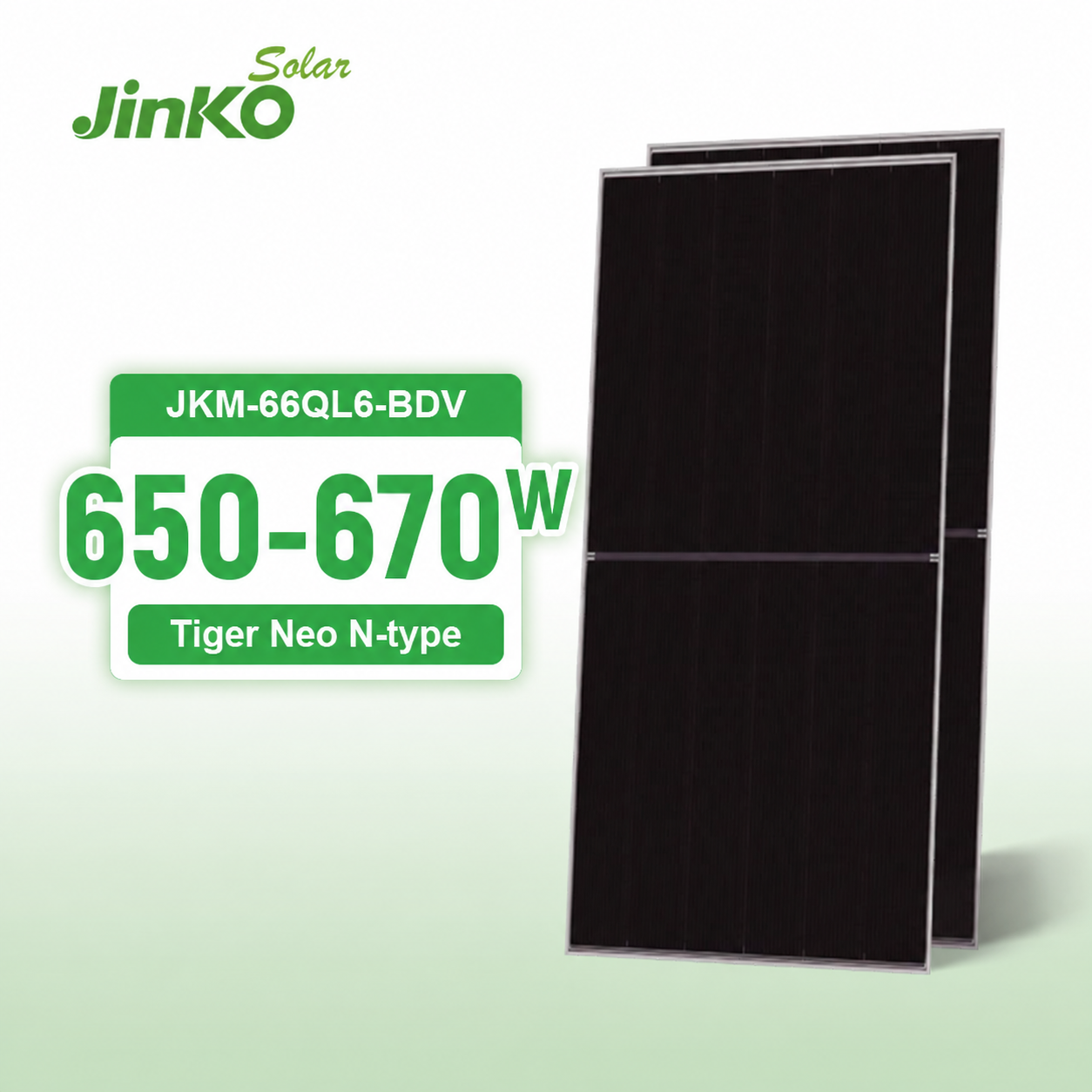 Rooftop Heavy-Duty
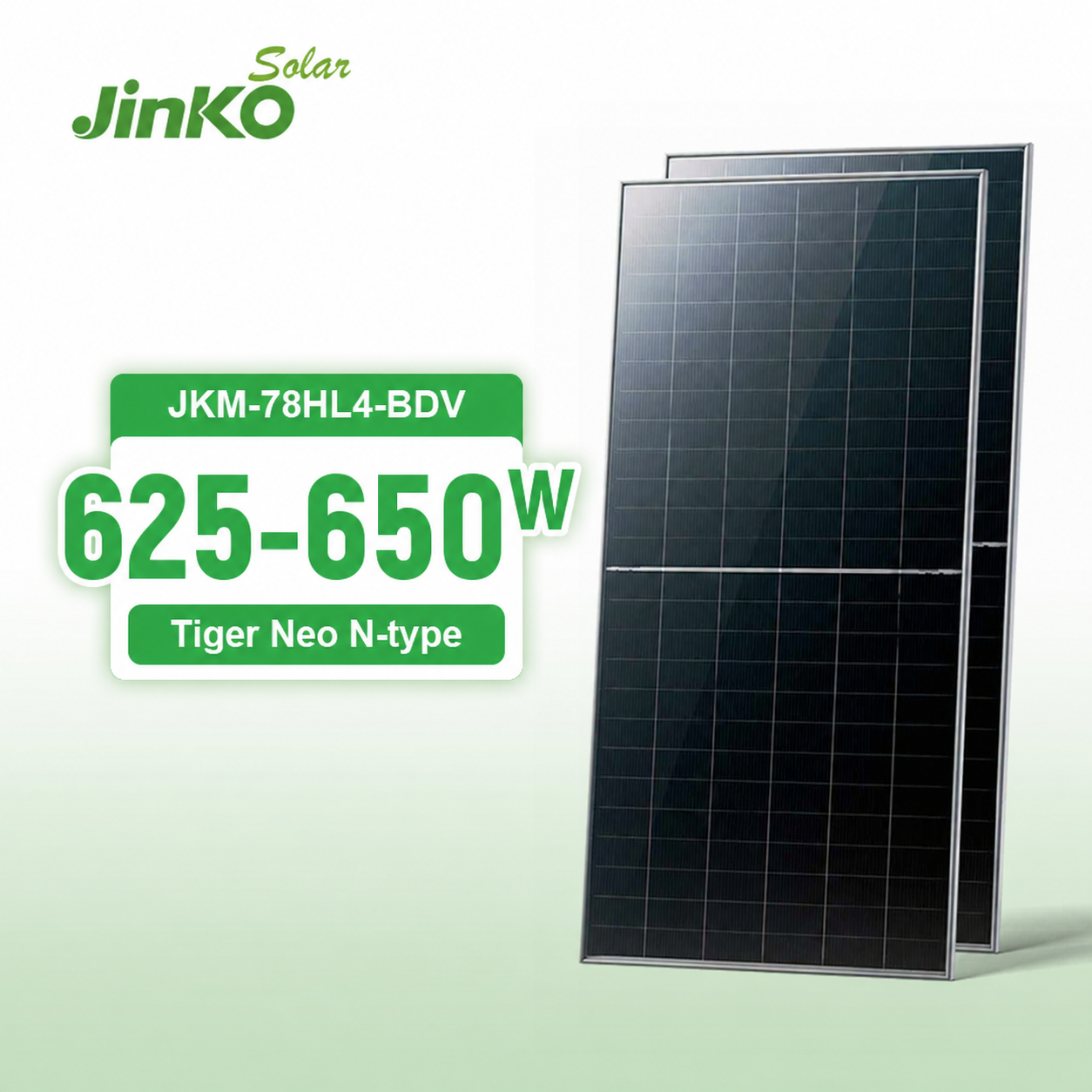
 Utility & Wholesale
Engineering Whitepaper: Photovoltaic Generation & Grid Dynamics in Tegucigalpa
As the political capital and commercial center of Honduras, Tegucigalpa (Department of Francisco Morazán) occupies a distinct intermontane plateau at an elevation ranging from 950 to 1,300 meters above sea level. This unique topography creates an operational environment for photovoltaic (PV) generation that differs markedly from coastal Central American areas such as San Pedro Sula or Choluteca. For commercial EPCs, municipal developers, and engineering firms, selecting Tier-1 solar panels—such as Longi Hi-MO and Jinko Tiger Neo architectures—requires evaluating high-altitude solar irradiance, ambient thermal fluctuation, and municipal distribution constraints governed by the Empresa Nacional de Energía Eléctrica (ENEE).
Tegucigalpa records a high Global Horizontal Irradiance (GHI) averaging between 5.1 and 5.7 kWh/m²/day, accompanied by pronounced levels of Direct Normal Irradiance (DNI) during the dry season (verano, spanning November through April). However, the capital city's complex terrain results in localized cloud cover, mountain shading, and distinct thermal inversions during transitional months. Monocrystalline N-Type TOPCon and high-power bifacial solar modules perform exceptionally well under these conditions because of their low temperature coefficients (typically -0.29% to -0.30%/°C) and superior low-light (diffuse irradiance) response.
ENEE Grid Volatility, Transmission Bottlenecks & The Economic Case for Solar
The electrical infrastructure in the central region of Honduras experiences frequent transmission congestion and seasonal load shedding. High commercial electricity tariffs, combined with periodic voltage sags and blackouts, impose operational hurdles on manufacturing facilities, retail logistics centers in the Amarateca valley, and corporate facilities across Tegucigalpa. By implementing commercial self-consumption arrays with Tier-1 bifacial panels coupled to hybrid energy storage, commercial operators decouple their operational expenses from volatile utility indexing.
Furthermore, under the Honduran regulatory framework overseen by the Comisión Reguladora de la Energía Eléctrica (CREE) and the net-metering provisions (Medición Neta), commercial and industrial (C&I) clients can offset premium peak consumption. Sizing solar arrays using 600W to 670W high-power density modules maximizes energy generation per square meter of constrained urban rooftop space across commercial hubs such as Comayagüela, El Carrizal, and Boulevard Morazán.
Silicon Architecture: N-Type TOPCon vs. Legacy P-Type PERC in Tegucigalpa
When engineering utility and commercial solar installations in central Honduras, module selection directly dictates the balance-of-system (BOS) cost, string design, and 30-year financial yields. Below is a comparative performance analysis illustrating why N-Type TOPCon bifacial technology is replacing legacy P-Type PERC across Tegucigalpa's industrial corridors.
| Performance Parameter | Legacy P-Type Mono PERC | N-Type TOPCon Bifacial (Longi/Jinko Grade) | Engineering Benefit in Central Honduras |
|---|---|---|---|
| Temperature Coefficient (Pmax) | -0.35% / °C | -0.29% to -0.30% / °C | Saves 1.8% to 2.4% annual yield loss during peak dry-season roof heat (>65°C cell temp). |
| Bifaciality Factor | 70% ± 5% | 80% to 85% ± 5% | Captures 10% to 22% additional energy gain from light concrete roofs, white membranes, and gravel albedo. |
| First-Year Power Degradation | ≤ 2.0% (Subject to LID) | ≤ 1.0% (Zero Boron-Oxygen LID) | Guarantees higher cumulative generation right from Month 1 commissioning. |
| Annual Degradation (Yr 2-30) | -0.55% / year | -0.40% / year | Retains ≥ 87.4% nominal power output after 30 years compared to ~84.8% on legacy PERC. |
| Weak Light Performance | Standard | Enhanced spectral response in blue/UV bands | Extends operational generation hours during morning mountain mists and overcast rainy seasons. |
The elimination of Boron-Oxygen (B-O) complexes in phosphorus-doped N-Type silicon substrates mitigates Light-Induced Degradation (LID) and Light-and-Elevated Temperature-Induced Degradation (LeTID). In urban Tegucigalpa installations, where dust accumulation (dust/particulate soiling from unpaved peripheral roads) and sporadic cloud cover are common, N-Type TOPCon panels deliver consistently higher energy yields per installed kilowatt-peak (kWh/kWp).
Localized Solar Application Scenarios in Francisco Morazán
Tailored photovoltaic engineering deployments addressing specific structural, geographical, and power requirements across Tegucigalpa and surrounding municipalities.
1. Commercial Rooftop & Industrial Parks (Amarateca & Carrizal)
Logistics hubs, light assembly plants, and cold-storage distribution warehouses along the CA-5 corridor face heavy demand charges and machinery downtime during grid interruptions. Deploying 650W+ dual-glass bifacial modules on trapezoidal metal sandwich roofs delivers maximum wattage per structural purlin. Using bifacial gains over high-albedo white roof membranes increases total energy yield by up to 18%, supplying daytime HVAC, chilling loads, and industrial motors.
2. Highland Agro-Industrial & Coffee Mills (El Paraíso / Lepaterique)
The highland regions surrounding Tegucigalpa feature major agricultural operations, including coffee wet mills (beneficios de café), poultry farms, and horticulture packaging units. These facilities often operate at the fringes of rural 34.5 kV distribution lines, experiencing phase imbalances and severe voltage drops. Solar modules paired with Deye hybrid three-phase inverters provide continuous microgrid power, slashing diesel generator fuel burn during peak harvesting seasons.
3. Institutional, Healthcare & Banking Microgrids
Hospitals, university campuses, and financial headquarters within Tegucigalpa’s metropolitan core require uninterrupted 24/7 uptime for data servers, diagnostic equipment, and administrative functions. Grid-tied arrays paired with modular LiFePO4 energy storage banks eliminate the sub-second transition gap before standby diesel generators fire up, lowering corporate carbon footprints while insulating mission-critical systems from urban grid fluctuations.
Macro Trends: The Clean Energy Transition in Honduras
The Honduran energy matrix has undergone structural realignment under the Ley General de la Industria Eléctrica. With national energy policy prioritizing renewable generation and decentralized resilience, the role of distributed solar PV is rapidly expanding beyond isolated rural electrification into mainstream urban C&I operations.
1. Tariff Mitigation & Industrial Competitiveness
Industrial electricity rates in Honduras frequently hover between $0.18 and $0.24 per kWh depending on fuel-adjustment clauses and seasonal surcharges. This cost structure places Honduran manufacturers at a disadvantage compared to regional peers in Guatemala or Costa Rica unless they adopt on-site solar generation. Installing Tier-1 600W-670W solar arrays reduces blended power costs to an equivalent levelized cost of $0.04 to $0.06 per kWh over the array's warrantied lifetime.
2. Regulatory Framework: CREE Interconnection & Net Metering
The regulatory roadmap established by the CREE allows commercial and residential users to install distributed solar generators under the net-metering framework up to defined capacity caps. Bi-directional smart meters track excess daytime generation exported back to the ENEE distribution network. High-power bifacial solar modules ensure maximum kWh generation during midday peak hours, building up export credits that offset night-time grid consumption.
3. B2B Hybrid Storage Integration (PV + BESS)
Due to intermittent localized feeder tripping in Tegucigalpa, pure grid-tied systems that shut down during grid outages (anti-islanding) leave businesses vulnerable. The prevailing market trend is moving decisively toward AC-coupled and DC-coupled hybrid systems. By combining Tier-1 panels with hybrid inverters and low-voltage or high-voltage LiFePO4 batteries, commercial facilities maintain uninterrupted operation of critical loads during local utility cutoffs.
Enterprise Advantages: Your Direct Supply Chain Partner to Honduras
Direct Tier-1 Factory Supply
Verified supply chains for authentic Longi and Jinko Tier-1 panels with complete factory test reports, flash test data, and unbroken warranty traceability.
Pre-Shipment EL & QC Testing
Every batch undergoes Electroluminescence (EL) crack detection and flash calibration to eliminate microcracks before container loading for sea freight.
Optimized Logistics to Puerto Cortés
Seamless ocean freight routes to Honduras' premier deep-water port (Puerto Cortés) with comprehensive maritime insurance, DG clearance, and customs paperwork.
Matched Solar + Storage Kits
Full integration support: panels perfectly sized to match Deye hybrid inverters and LFP battery banks, complete with single-line wiring diagrams.
Tegucigalpa Procurement & Technical FAQ
Practical answers to common commercial, logistical, and technical questions asked by EPC contractors and solar distributors in Honduras.
What are the import duties and tax incentives for solar panels in Honduras?
Under the Honduran Renewable Energy Law (Ley de Promoción a la Generación de Energía Eléctrica con Recursos Renovables - Decreto 138-2013), certified photovoltaic equipment is exempt from import tariffs (Arancel del Sistema Arancelario Centroamericano - SAC) and the 15% Sales Tax (ISV). To apply for these benefits, EPCs and importers must register through the Secretaría de Energía (SEN) and present proper customs declarations (DUCA) with original certificates of origin and product datasheets.
How are shipping containers transported from Puerto Cortés to Tegucigalpa?
Ocean shipments arrive at Puerto Cortés on the northern Caribbean coast. After customs clearance, 40-foot High Cube (40HQ) containers are transported via the modern four-lane CA-5 logistical corridor directly to Tegucigalpa, covering ~300 km in 4 to 6 hours of transit time. Our export packaging features reinforced corner protectors, heavy-duty wooden pallets, and desiccants to ensure structural integrity across highland road gradients.
Why are bifacial dual-glass modules preferred over monofacial panels in Francisco Morazán?
Bifacial dual-glass modules offer two distinct advantages in Tegucigalpa: first, the 2.0mm+2.0mm heat-strengthened glass structure provides higher mechanical resistance against intense highland wind loads and tropical storm downpours; second, the rear cell layer generates an extra 10% to 25% power yield from ground reflection (albedo), maximizing energy generation on tight urban rooftop surfaces.
Can I combine solar panels, Deye inverters, and LFP batteries in a single container?
Yes. We offer mixed consolidation services directly from our export warehouses. You can combine Tier-1 solar modules, Deye hybrid or off-grid inverters, and LiFePO4 battery storage banks in one container. We arrange all Class 9 Dangerous Goods (DG) documentation, UN38.3 test reports, and MSDS paperwork to streamline single-bill-of-lading customs clearance in Honduras.
How do high ambient rooftop temperatures in Tegucigalpa impact overall panel yield?
On dark asphalt or galvanized metal roofs in Tegucigalpa, daytime surface temperatures can surpass 65°C. Conventional modules with high temperature coefficients (-0.38%/°C) experience severe output loss. Our N-Type TOPCon panels feature an ultra-low temperature coefficient of -0.30%/°C, resulting in up to 3% more energy generated during peak sunshine hours than standard panels.
How are product warranties handled internationally if a component fails?
All panels are backed by the manufacturer's original 12-to-15 year product warranty and 30-year linear performance warranty. Each module is cataloged by barcode and serial number prior to export. In the unlikely event of power degradation beyond warrantied tolerances, we manage the warranty claim process with factory engineers to supply replacements promptly.
Plan Your Next Commercial Solar Project in Tegucigalpa
Whether you need full container loads (FCL) of 650W+ bifacial modules for an industrial plant in Amarateca or an integrated hybrid solar-plus-storage system for corporate facilities, our engineering and export team is ready to assist with sizing, logistics, and pricing.