Engineered Solar & Low-Voltage ESS Components
Precision-manufactured and factory-tested photovoltaic modules, hybrid split-phase inverters, and lithium iron phosphate (LFP) low-voltage battery banks configured for the Southern California electrical grid.
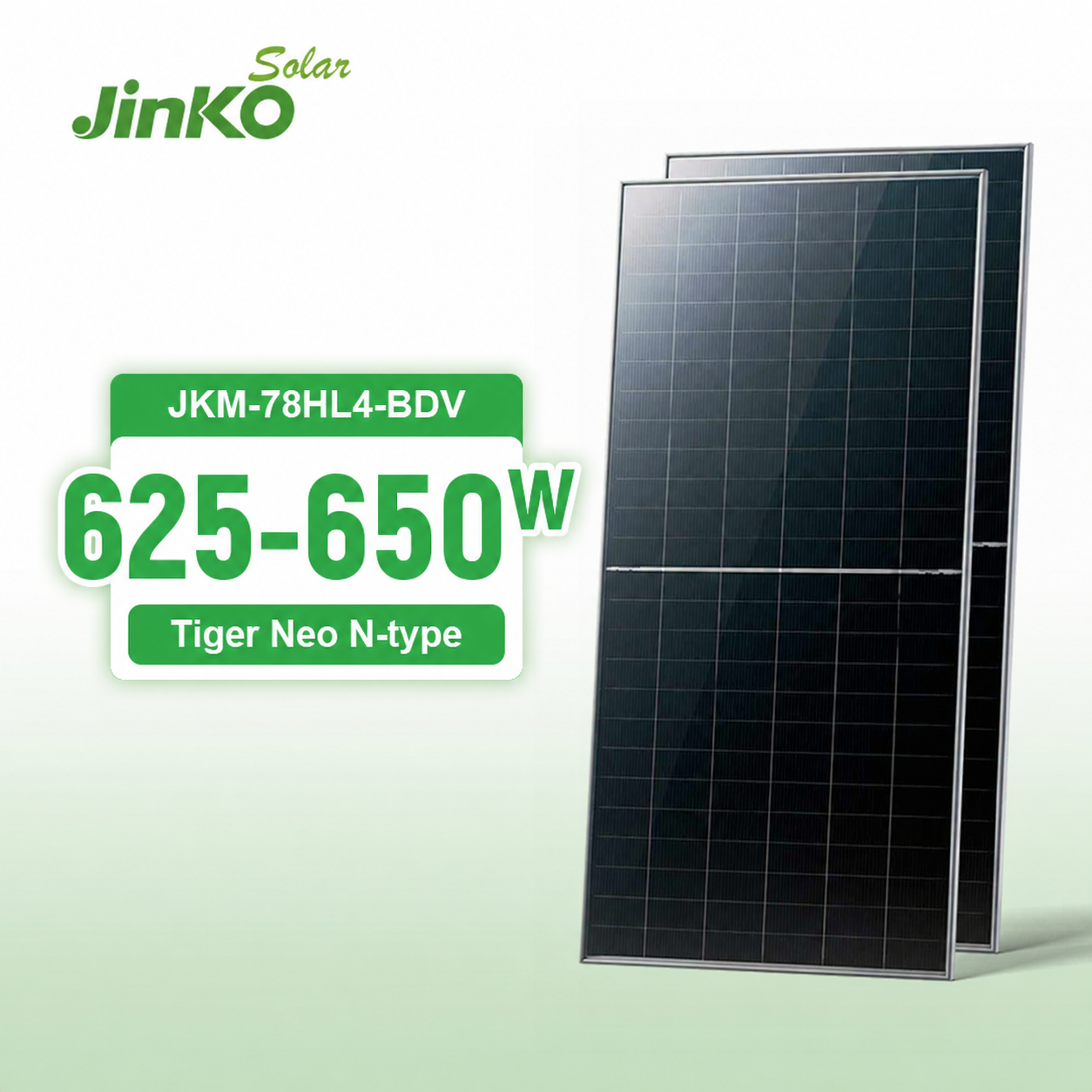
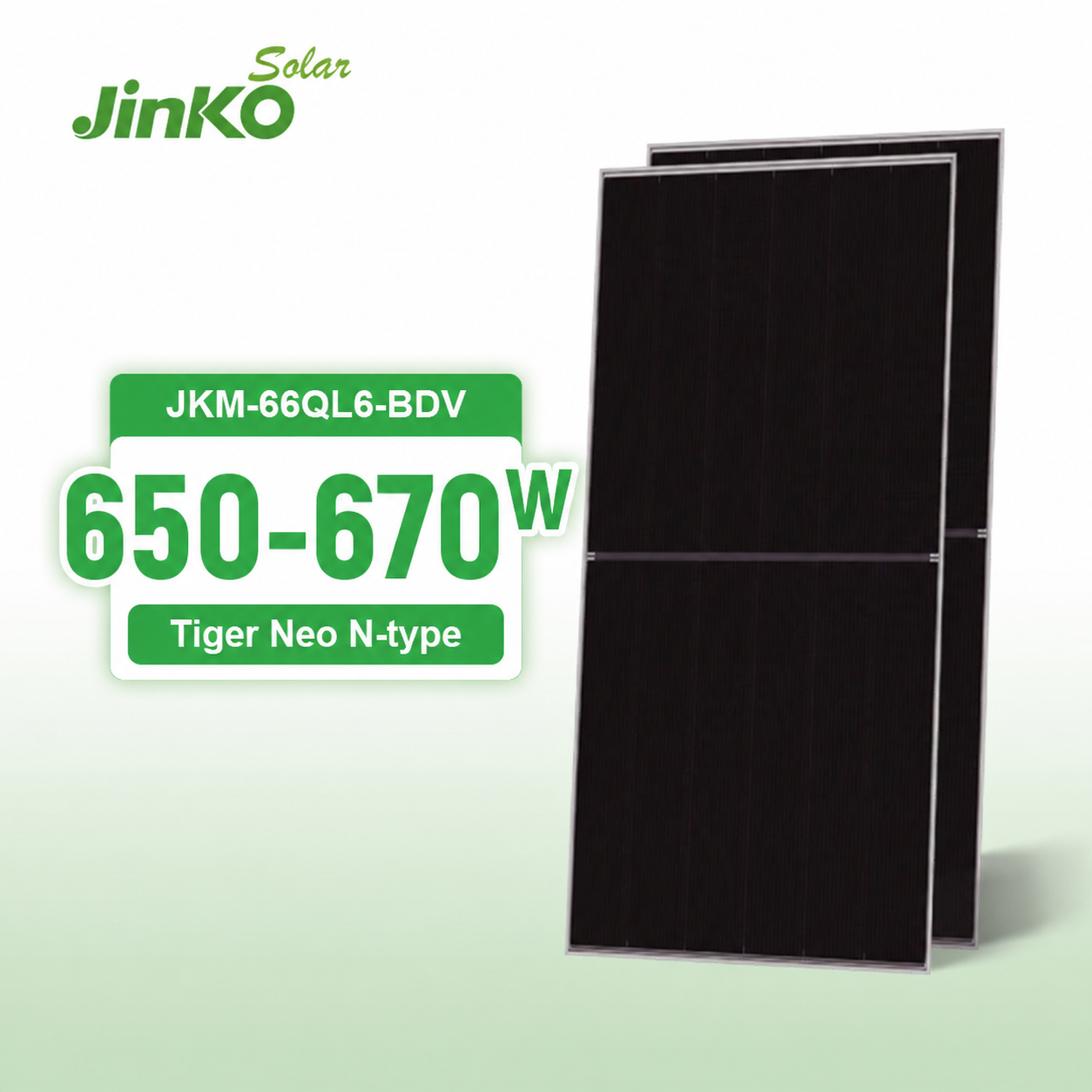
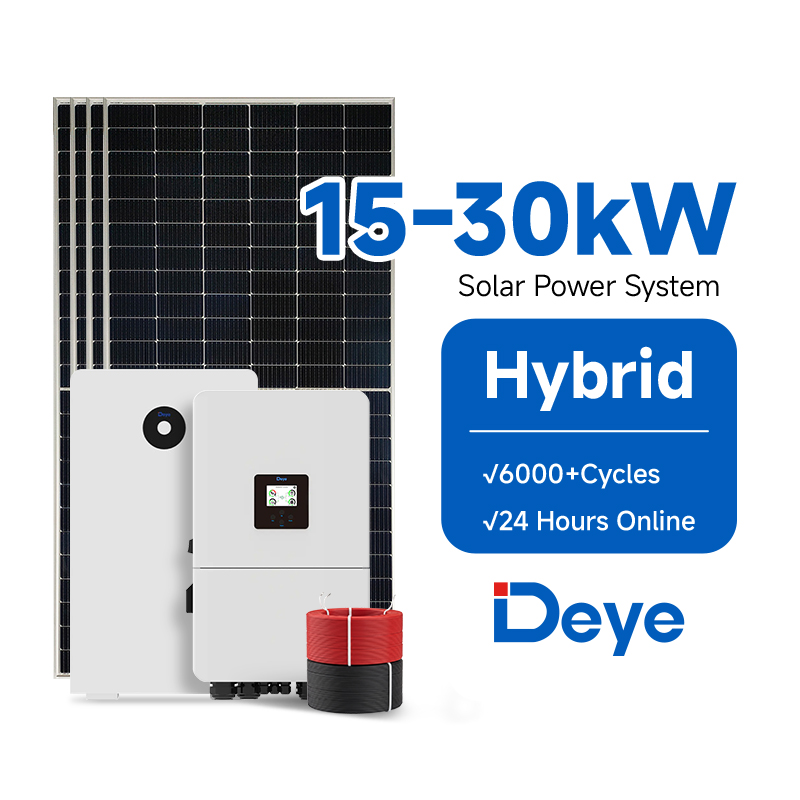
Why Low Voltage (48V/51.2V) ESS Dominates Santa Ana's Solar Retrofit Landscape
The energy transition across Southern California is undergoing a seismic architectural shift. With the California Public Utilities Commission (CPUC) mandating the Net Billing Tariff (NBT), widely referred to as NEM 3.0, the economic viability of traditional grid-export photovoltaic (PV) arrays without local storage has collapsed. Export compensation rates have dropped by over 75%, transforming energy storage from a luxury resiliency add-on into the central driver of solar return on investment (ROI).
Within the city limits of Santa Ana, California—characterized by a dynamic mixture of mid-century single-family properties, expanding Accessory Dwelling Units (ADUs), light industrial fabrication hubs, and dense commercial corridors along Grand Avenue and Harbor Boulevard—Low Voltage (48V / 51.2V nominal) DC Energy Storage Systems (ESS) represent the optimal cross-section of electrical safety, modular scalability, and compliance efficiency.
Operating under the 60V DC threshold defined by the National Electrical Code (NEC Article 706) as extra-low voltage (SELV), our 48V LFP battery architectures eliminate dangerous series-string DC arc-fault hazards common in 400V+ high-voltage residential systems. Installers and EPC contractors across Orange County achieve simplified permitting through the City of Santa Ana Planning and Building Agency, dramatically lower balance-of-system (BOS) cabling costs, and plug-and-play field expansion via parallel busbar connectivity.
| Engineering Attribute | VOLT 48V/51.2V LFP System | Conventional 400V HV System |
|---|---|---|
| Electrical Safety Classification | SELV <60V DC (Touch-safe) | Hazardous High Voltage (>350V DC) |
| Battery Inverter Pairing | Native Deye LV CAN/RS485 handshake | Proprietary closed-ecosystem protocol |
| Expansion Granularity | Parallel 5.12kWh modules (up to 32 units) | Fixed-stack series requiring batch cell replacement |
| Thermal Runaway Threshold | LiFePO4 Chemistry (>270°C stability) | NMC or compressed LFP high-stress strings |
| Arc Fault (AFCI) Sensitivity | Negligible low-voltage DC arc generation | High susceptibility to high-voltage DC arcing |
| Title 24 & CA Fire Code Path | Fast-track UL 9540 / 9540A unit spacing | Rigid localized sprinkler requirements |
Engineered Use-Cases Across Santa Ana & Orange County
From high-density residential retrofits grappling with Southern California Edison (SCE) TOU schedules to industrial workshops seeking peak demand shaving, our low-voltage systems solve regional electrification challenges.
Residential ADUs & NEM 3.0 TOU Arbitrage
Santa Ana's aggressive urban infill policy has led to record numbers of Accessory Dwelling Units (ADUs). Under SCE's TOU-D-PRIME rate schedule, power drawn between 4:00 PM and 9:00 PM reaches peak tariff rates. Our 5.12kWh to 20.48kWh wall-mounted low-voltage LFP storage packages store daytime rooftop PV yields, discharging during high-cost windows to eliminate grid reliance with 96% round-trip efficiency.
Light Industrial & Auto-Fabrication Clusters
Along the industrial corridors of Dyer Road, Warner Avenue, and Grand Avenue, commercial automotive, precision machining, and plastics enterprises encounter severe monthly peak-demand surcharges under SCE TOU-GS schedules. Modular Deye 10kW to 30kW low-voltage hybrid inverter systems paired with floor-standing 48V battery racks inject rapid power bursts to clip instantaneous industrial motor start spikes.
Wildfire PSPS Grid Islanding & Critical Backup
Santa Ana Canyon wind conditions frequently trigger Public Safety Power Shutoffs (PSPS) by regional utilities. Our low-voltage battery banks integrate seamlessly with automatic transfer switches (ATS), transitioning from grid-tied operation to pure off-grid microgrid mode in under 4 milliseconds. This guarantees uninterruptible operation for residential medical equipment, refrigeration, and commercial IT infrastructure.
Navigating California Building Standards in Santa Ana
Deploying energy storage systems in Southern California mandates stringent compliance with state building codes, local fire marshals, and utility interconnection standards.
Title 24 Part 6 Mandates
California's Energy Code now prescribes solar PV paired with battery storage readiness on all newly constructed single-family homes, multi-family developments, and selected commercial occupancies. Our 48V battery configurations meet CEC Joint Appendix JA12 compliance criteria for energy storage system controls, demand response readiness, and smart-grid interface protocols.
UL 9540 & UL 9540A Thermal Safety
The City of Santa Ana Building Division enforces California Residential Code (CRC R328) and California Fire Code (CFC Chapter 12). Energy storage equipment must carry verified UL 9540 system safety certification, backed by UL 9540A large-scale fire propagation test reports, ensuring that unit separation clearances, garage placements, and wall-mount protocols clear inspection on the first visit.
Rule 21 & SGIP Incentive Capture
Interconnecting an ESS system to the Southern California Edison grid requires full compliance with CA Rule 21 smart inverter algorithms, including active power-frequency response and voltage ride-through. Our hardware seamlessly supports California's Self-Generation Incentive Program (SGIP) and the 30% Federal Investment Tax Credit (ITC) under the Inflation Reduction Act (IRA).
Why Engineering & EPC Firms Trust VOLT New Energy
International procurement failure is often caused by protocol mismatches, customs documentation bottlenecks, and post-delivery silence. VOLT New Energy eliminates these friction points at the factory gate.

Pre-Shipment Inverter Handshake
Every 48V LFP pack is matched and tested against Deye low-voltage hybrid inverters using our automated end-of-line rig. BMS CAN/RS485 baud rates, pinout mapping, and address DIP settings are 100% verified prior to packing.

Cell Matching & Aging QA
We build our low-voltage modules exclusively with automotive-grade Grade-A prismatic LiFePO4 cells. Modules undergo automated capacity sorting, internal resistance delta grading (≤0.2mΩ), and full high-stress charge/discharge cycling.

Port of Long Beach Streamlined Cargo
Direct ocean logistics from Ningbo/Shanghai to the Port of Long Beach / Los Angeles, situated less than 30 miles from Santa Ana. Turnkey Class 9 DG documentation, UN38.3 test summaries, and certified dangerous goods packaging.

Complete Engineering Single-Line Diagrams
Our application engineering team provides Santa Ana solar contractors with comprehensive single-line diagrams (SLDs), wiring schematics, conduit fill calculations, and parameter configuration charts in native English for AHJ plan submission.
Frequently Asked Questions: Santa Ana ESS Procurement
Clear, technically accurate answers to the common regulatory, logistical, and architectural questions raised by Southern California solar installers.
How do low-voltage 48V/51.2V ESS units communicate with Deye hybrid inverters?
What are the fire clearance and AHJ permitting requirements in the City of Santa Ana?
Why is a 48V low-voltage battery architecture more cost-effective under NEM 3.0?
How are lithium battery shipments cleared through the Port of Long Beach?
Can low-voltage ESS batteries be paralleled for small commercial or three-phase setups?
What warranty and post-sale technical support is provided to local installers?
Ready to Scale Your Solar + Storage Project Pipeline?
Submit your electrical load profile, required backup reserve hours, and interconnection scope. Our technical team delivers a validated system bill-of-materials, Deye inverter communication schematics, and container or mixed-pallet pricing within 24 hours.
-
B2B Engineering Desk [email protected]
-
Corporate Headquarters Hangzhou VOLT New Energy Technology Co., Ltd., Zhejiang, China
-
Global Response SLA Engineering responses within 24 hours (GMT+8 / PST coordination)
-
Target Dispatch Port Direct ocean freight to Port of Long Beach / Los Angeles (30 miles to Santa Ana)