High-Efficiency Microgrid Generation & Storage Assets
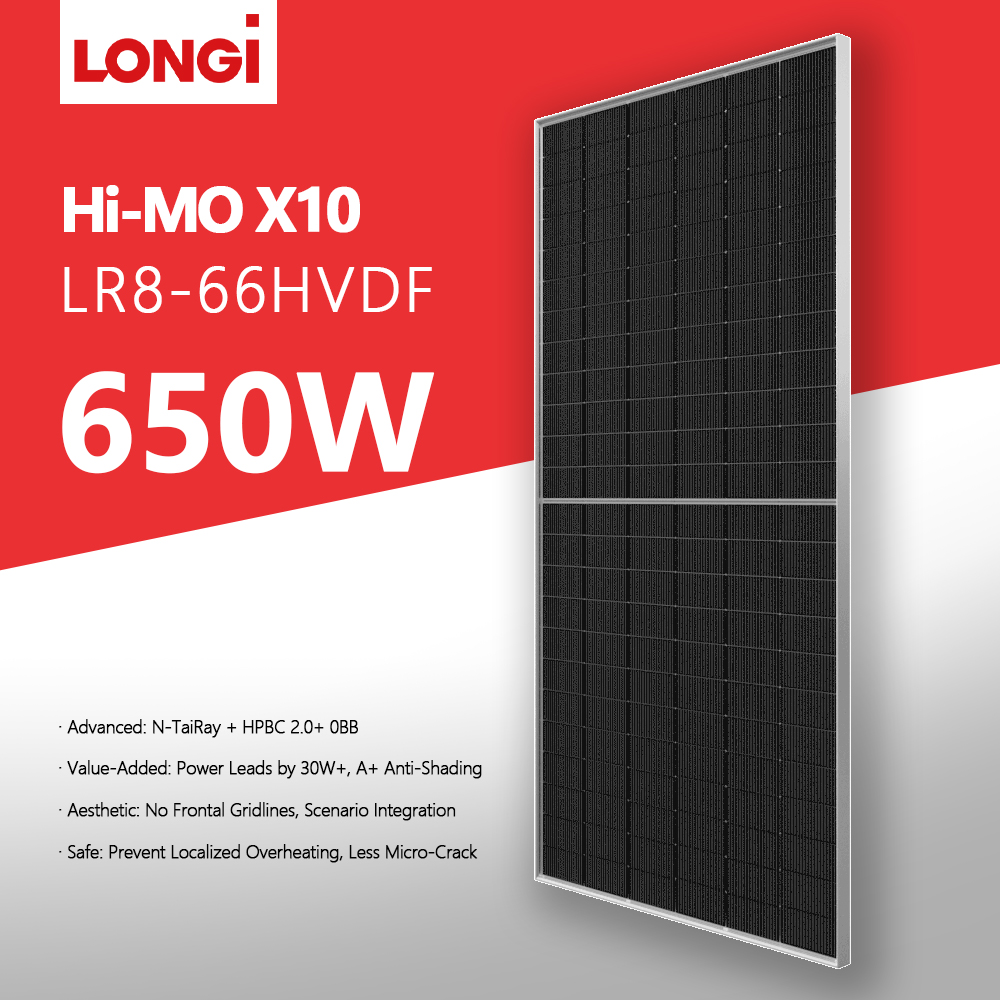
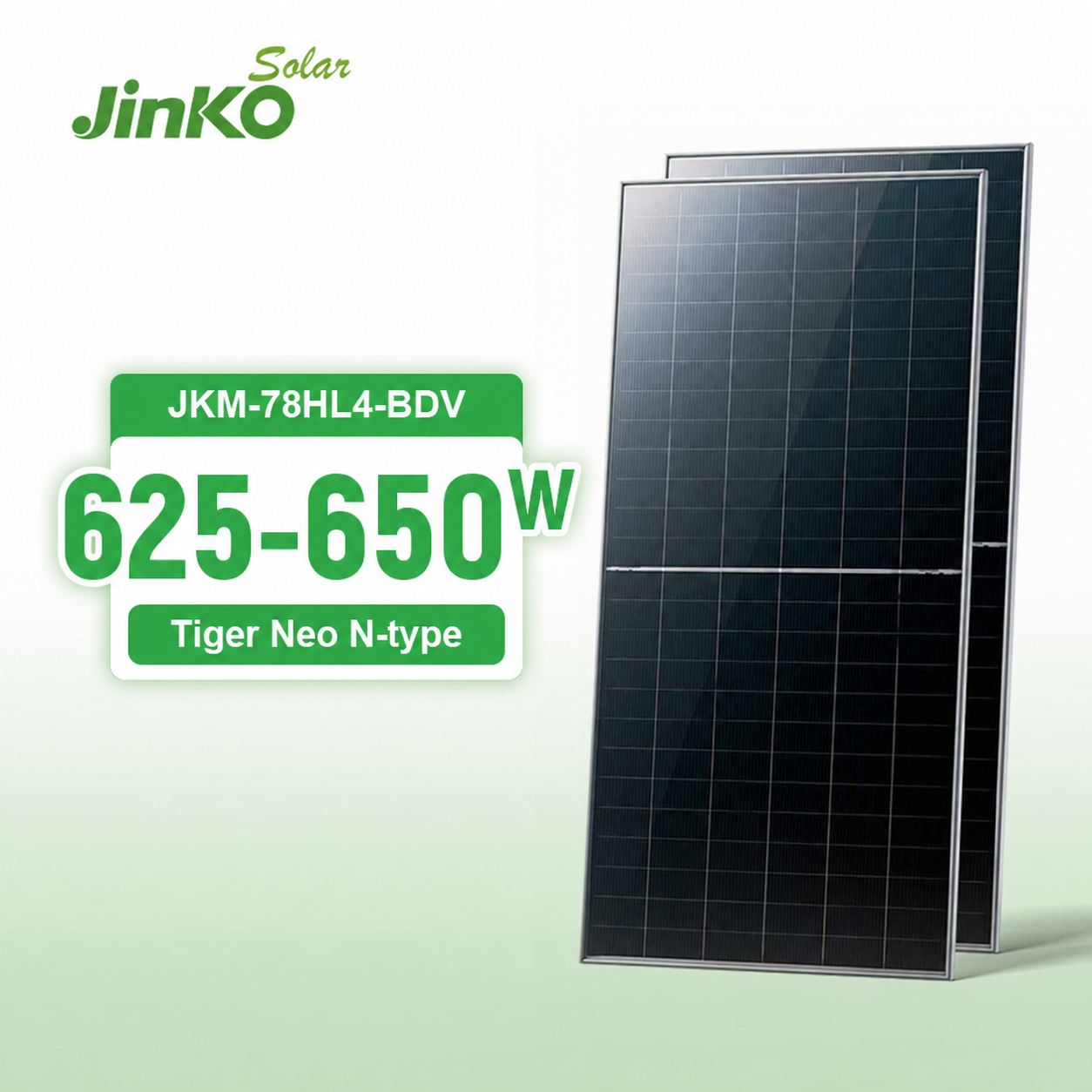
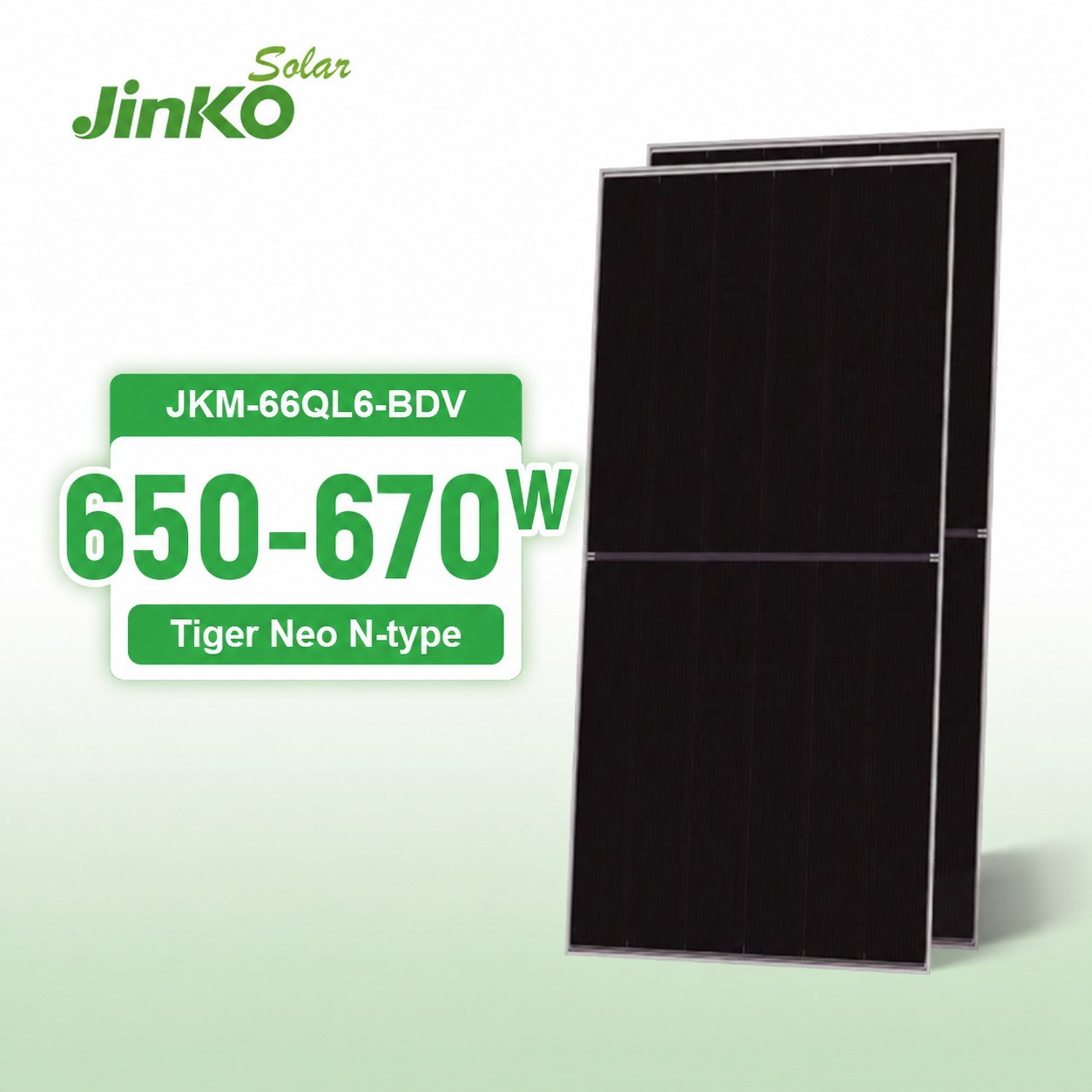
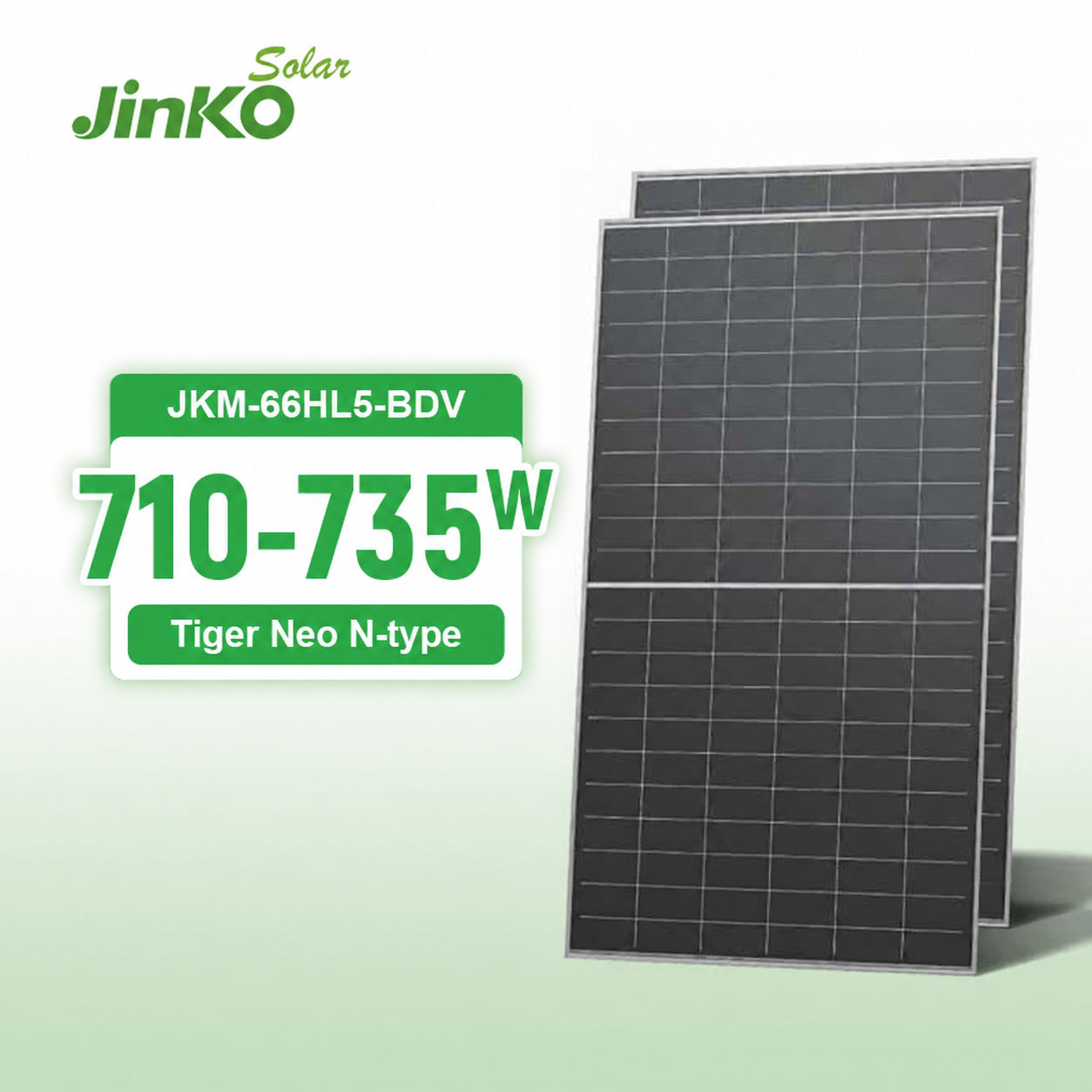
Pre-tested solar modules and matched lithium-iron-phosphate architectures formulated for Brazilian climatic zones and Marco Legal da GD (Law 14.300) regulatory optimization.
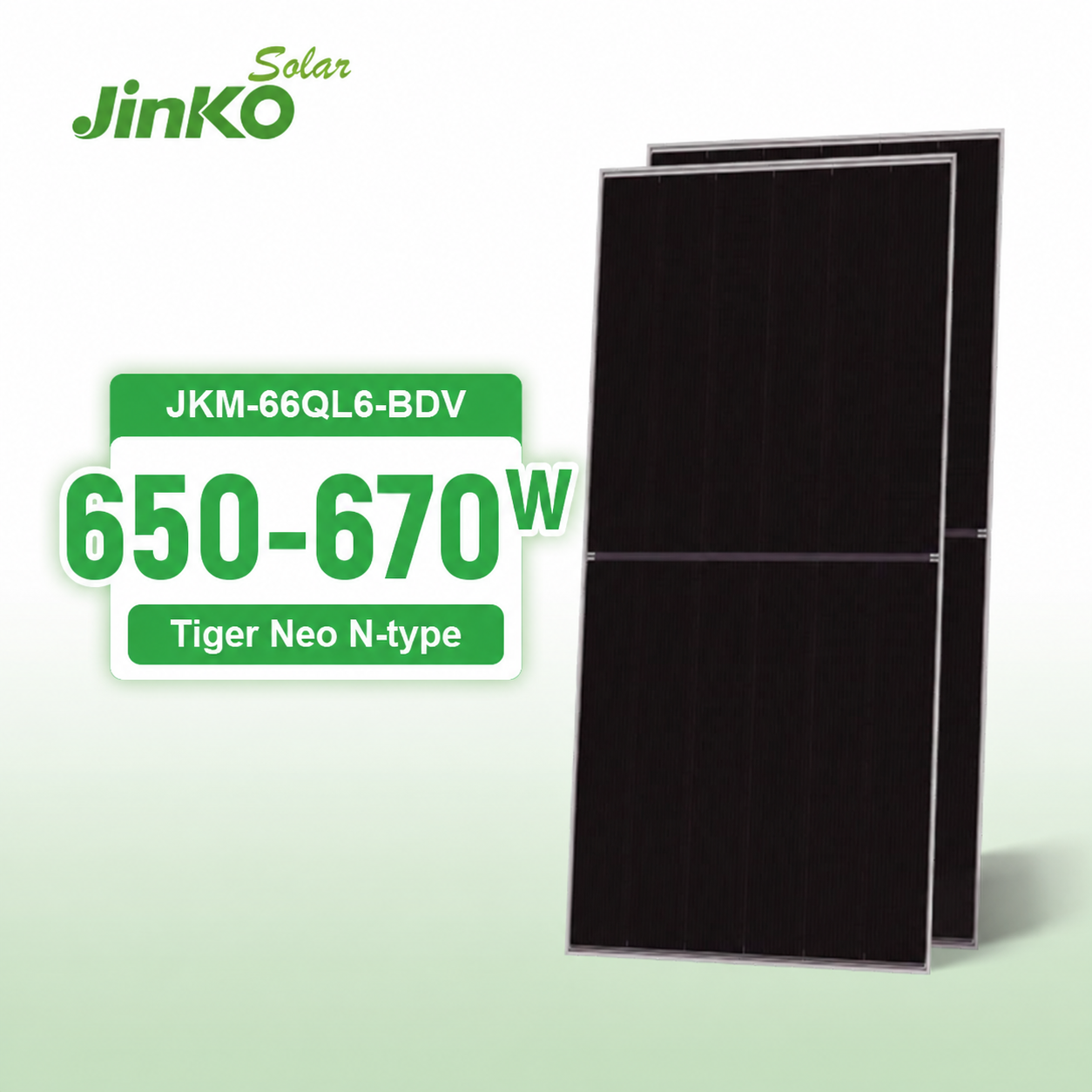
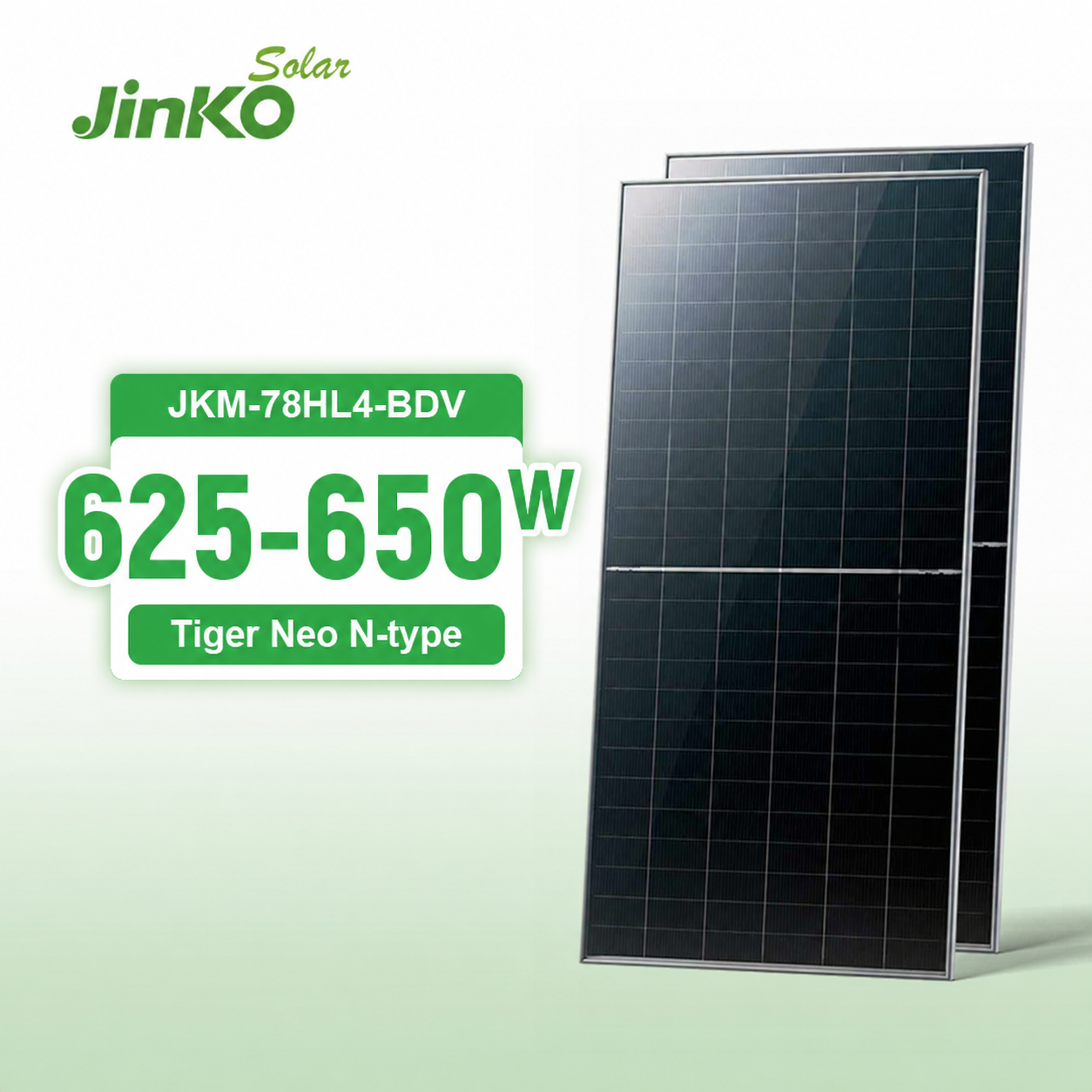
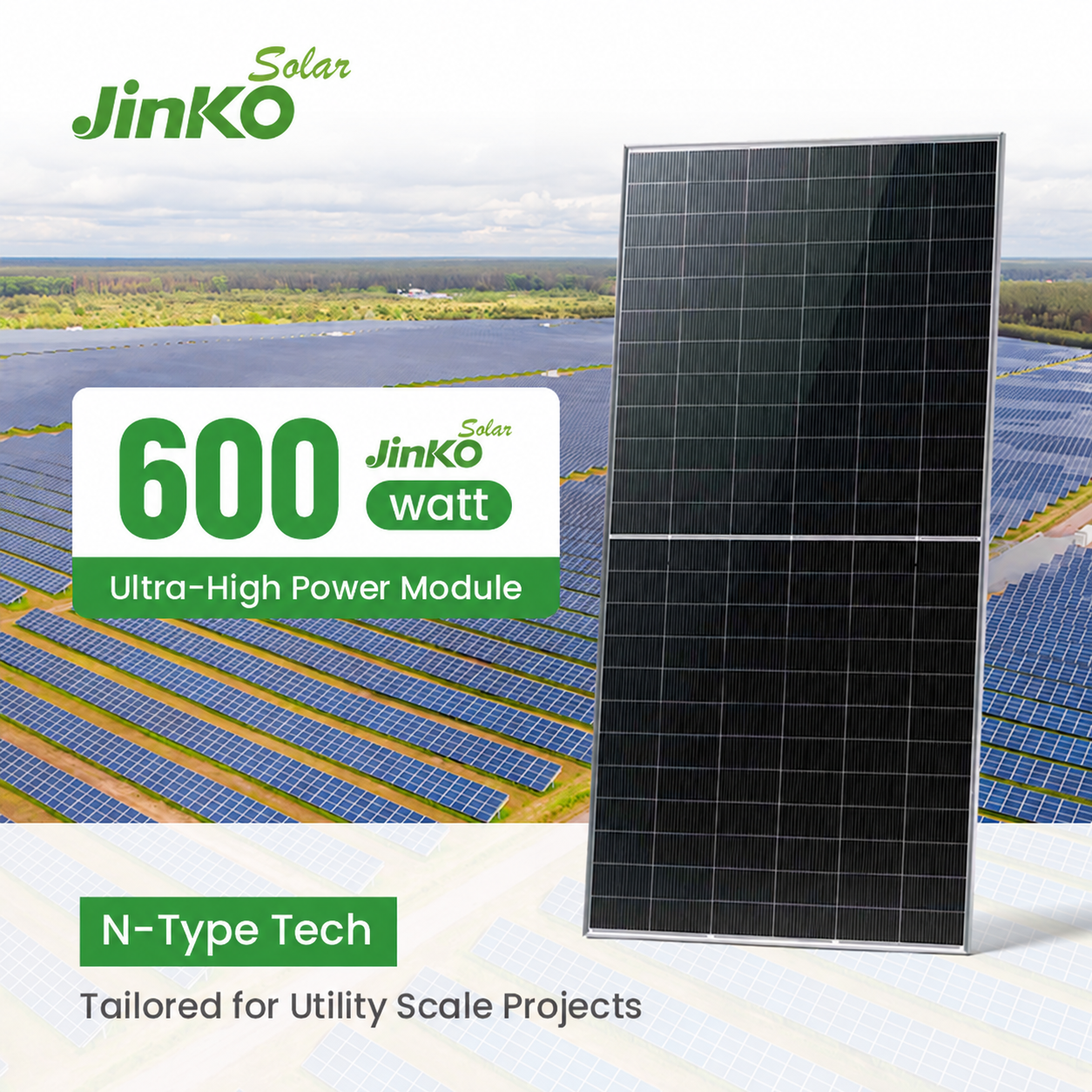
Overcoming Grid Congestion & Demand Tariffs in São Paulo
Strategic deployment of Battery Energy Storage Systems (BESS) within the concession zones of Enel Distribuição São Paulo, CPFL Energia, and Elektro.
The State of São Paulo represents over 30% of Brazil’s national GDP, functioning as the industrial, agro-processing, and financial locomotive of South America. However, industrial manufacturing districts in São Bernardo do Campo, Santo André, Campinas, Sorocaba, and the Paraíba Valley continually contend with critical electrical infrastructure bottlenecks. Transmission constraints, severe seasonal storms leading to grid outages, and soaring peak-demand tariffs under the Tarifa Horossazonal Azul e Verde impose punitive operational expenditures on energy-intensive facilities.
Following the enactment of Marco Legal da Geração Distribuída (Federal Law No. 14.300/2022), the economic mechanics of commercial distributed generation evolved dramatically. Wire usage compensation fees (Fio B components of the TUSD—Tarifa de Uso do Sistema de Distribuição) have fundamentally changed how solar energy is credited to the grid. In this post-14.300 landscape, simply injecting excess solar back into the utility network provides diminishing economic returns. True financial optimization and operational resilience require the deployment of behind-the-meter (BTM) microgrids and battery storage systems that prioritize self-consumption, arbitrary energy shifting, peak clipping, and instant emergency islanding.
The Economic Imperative: Tarifa de Ponta vs. Fora de Ponta
During the critical three-hour peak period (Ponta), utility electrical rates in the Enel SP and CPFL Paulista territories can escalate up to 400% compared to off-peak hours (Fora de Ponta). Deploying a factory-matched Hangzhou VOLT New Energy LiFePO4 microgrid allows enterprises to charge high-density storage during peak PV irradiation or low-cost off-peak grid hours, then discharge during the peak window, eliminating peak penalties and significantly lowering contracted demand charges (Demanda Contratada).
| Microgrid Dimension | Legacy Grid Injection Only (Pre-14.300) | Standard Diesel Genset Backup | Hangzhou VOLT BESS + Hybrid Microgrid |
|---|---|---|---|
| Post-14.300 Fio B Economics | Exposed to progressive Fio B TUSD charges (up to 90% by 2028). | No PV integration; purely operational expense without offset. | Zero Fio B loss: 100% of generated solar energy stored & self-consumed locally. |
| Outage Transfer Time | System shuts down instantly (anti-islanding safety mandate). | 15 to 45 seconds delay; drops delicate robotic assembly lines. | < 10ms seamless UPS transfer: Continuous operational uptime. |
| Tariff Arbitrage Capability | Zero capability. Cannot shift injection time blocks. | Fuel cost (R$ 6.50+/liter) exceeds tariff savings potential. | Automated peak shaving: Discharges stored kWh during high-rate windows. |
| Emissions & ESG Standards | Neutral carbon impact. | High carbon, particulate, and localized noise pollution. | 100% Clean Tier-1 LiFePO4: Zero local emissions, ESG-compliant audit trail. |
Localized Microgrid Topologies Across São Paulo Sectors
Customized system sizing, power conversion parameters, and enclosure ruggedization suited to regional industrial profiles.
Engineered Microgrid Interoperability
Microgrid energy storage requires strict hardware-to-software synchronicity. At Hangzhou VOLT New Energy, we eliminate communication failure risks between the BMS (Battery Management System) and EMS/Inverter controllers before the container ever arrives at the Port of Santos.
Native Deye Protocol CAN/RS485 Handshake
Our Tier-1 LiFePO4 packs are flashed with proprietary firmware compatible out-of-the-box with low-voltage (48V/51.2V) and high-voltage (160V-800V+) Deye commercial inverters. Zero manual register mapping required on site.
Multi-Tier BMS & Thermal Runaway Protection
Automated aerosol/gas fire suppression, isolated cell-level temperature sensors, and rapid contactor decoupling certified to IEC 62619, UL 1973, and UN38.3 maritime dangerous goods transport safety standards.
Multi-Source Microgrid Black-Start Capability
True microgrids must be capable of rebuilding the AC bus voltage autonomously during complete utility grid collapses without drawing external grid excitation, smoothly commanding auxiliary diesel gensets when necessary.
Why Brazilian EPCs & Industrial Integrators Partner With Us
Hangzhou VOLT New Energy Technology Co., Ltd. provides precision-tested storage equipment, Tier-1 PV modules, and unmatched export compliance.
Compliance With Brazilian Electrical Regulations
Stringent conformity aligned with ANEEL Normative Resolutions and INMETRO Certification Directives.
Interconnecting a commercial microgrid or energy storage installation with the distribution networks of Enel SP, CPFL Paulista, CPFL Piratininga, or Elektro requires absolute conformity with Brazilian technical standards. Inverters and storage power conversion systems (PCS) must comply with ABNT NBR 16149 (Photovoltaic systems - Characteristics of the utility interface), ABNT NBR 16150 (Conformity testing procedures), and ABNT NBR IEC 62116 for anti-islanding test methodology.
For battery storage systems integrated within residential and commercial facilities up to specified capacities, components must comply with INMETRO Ordinance No. 140/2022 and Ordinance No. 515/2023 governing electrical safety, energy efficiency, and registration mark authorization. When developing utility-scale or large C&I behind-the-meter systems, equipment must be validated against international benchmarks including IEC 62619 for secondary lithium cells, IEC 62040 for static uninterruptible power systems, and UL 9540A thermal runaway propagation analysis for indoor containerized enclosures.
Frequently Asked Questions: Microgrid Sourcing in São Paulo
Essential regulatory, technical, and logistics answers for Brazilian EPC contractors and direct corporate purchasers.
How does Law 14.300 (Marco Legal da GD) affect the ROI of microgrid energy storage in São Paulo?
Under Federal Law 14.300/2022, grid injection of solar energy is subjected to the gradual phase-in of the TUSD Fio B tariff component, escalating from 15% in 2023 to 90% by 2028 and 100% by 2029 for new installations. This diminishes the economic viability of traditional net metering.
A BESS installation changes the economic model entirely by retaining generated solar electrons behind the meter. Instead of exporting power at discounted credits, the microgrid stores excess PV generation during the day and self-consumes it during expensive peak hours (Horário de Ponta), completely bypassing Fio B penalties while delivering massive tariff arbitrage savings.
Can Deye hybrid inverters operate completely off-grid during Enel SP blackouts?
Yes. Deye low-voltage and high-voltage hybrid inverters incorporate a dedicated microgrid switching architecture capable of transitioning from grid-parallel mode to autonomous off-grid islanding within < 10 milliseconds. This ensures that sensitive industrial machinery, automation PLCs, server rooms, and refrigeration compressors experience zero voltage disruption.
Furthermore, Deye inverters include integrated auxiliary generator input ports (Gen Port) with automatic dry contact starter signals, enabling seamless hybrid multi-source coordination with on-site diesel generators when battery reserves fall below predetermined thresholds.
What documentation is required to clear Lithium Iron Phosphate (LiFePO4) BESS at the Port of Santos?
Lithium-ion batteries are classified under international maritime law as Class 9 Miscellaneous Dangerous Goods (UN 3480). Hangzhou VOLT New Energy provides a fully vetted Brazilian customs document package, which includes:
1. UN 38.3 Test Report and Transport Summary.
2. Detailed 16-section Material Safety Data Sheet (MSDS) in both English and Portuguese.
3. Certification for Safe Transport of Chemical Goods by Sea.
4. Detailed Commercial Invoice and Packing List specifying exact Watt-hour (Wh) capacity, cell serial structures, and NCM (Nomenclatura Comum do Mercosul) tariff classification codes (specifically NCM 8507.60.00). This eliminates port customs holds and clearance bottlenecks via Brazilian Siscomex.
Should a commercial facility select Low Voltage (48V) or High Voltage (HV) BESS architectures?
For installations below 30kWh to 50kWh (such as small retail clinics, gas stations, or small workshops), a 48V/51.2V low-voltage battery architecture is economical, straightforward, and allows parallel module expansion. However, for industrial facilities, logistic complexes, and manufacturing plants with capacities from 50kWh to several megawatt-hours, a High-Voltage (HV) architecture (200V to 800V+ DC) is strictly recommended.
High voltage dramatically reduces DC amperage, minimizing cable cross-section requirements, copper costs, thermal dissipation losses, and maximizing round-trip efficiency (RTE) to over 95% when coupled with 3-phase commercial inverters.
How does high ambient temperature and humidity in São Paulo affect battery cycle life?
While LiFePO4 chemistry is inherently thermally stable with an exothermic runaway threshold over 270°C (far superior to standard NMC chemistries), prolonged continuous operation above 35°C accelerates internal parasitic electrolyte side-reactions, reducing design lifespan.
For outdoor installations in hot interior regions such as Ribeirão Preto, São José do Rio Preto, or coastal Santos, we engineer outdoor BESS enclosures with integrated industrial HVAC air conditioning or closed-loop liquid thermal management. This maintains optimal internal cell temperatures between 20°C and 25°C, ensuring the full 6,000+ cycle life warranty at 90% Depth of Discharge (DoD).
Can complete solar-plus-storage systems be consolidated into one shipping container?
Yes. This is one of Hangzhou VOLT New Energy’s core strategic advantages. International buyers frequently struggle with coordinating mismatched factory schedules across panels, inverters, and battery cells. We consolidate matched Jinko bifacial solar modules, Deye hybrid inverters, rack-mount or containerized LiFePO4 batteries, matching DC cabling, and protection combiner boxes into unified 20GP or 40HQ containers, complete with single-origin bills of lading (B/L) and unified customs paperwork.