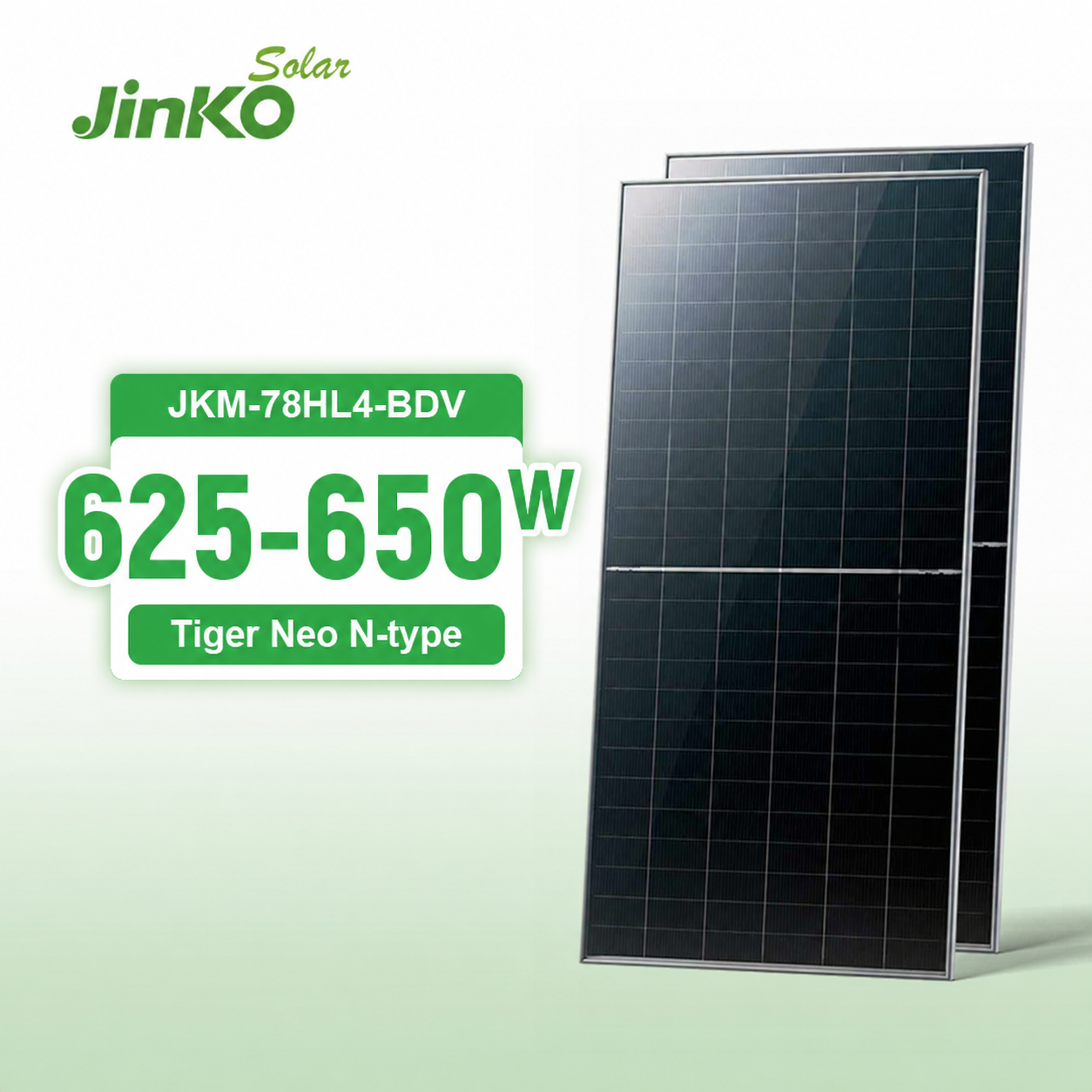
Jinko Bifacial PV Panels 630W–640W Dual Glass Module
Monocrystalline N-type cell architecture with high albedo absorption. Dual-glass encapsulation shields against coastal salt fog and persistent ambient humidity.
Pre-validated electrical interfaces uniting low-degradation LiFePO4 chemistry, fast-acting hybrid inverters, and high-diffuse-light N-Type solar generators built for heavy duty cycles.
Monocrystalline N-type cell architecture with high albedo absorption. Dual-glass encapsulation shields against coastal salt fog and persistent ambient humidity.
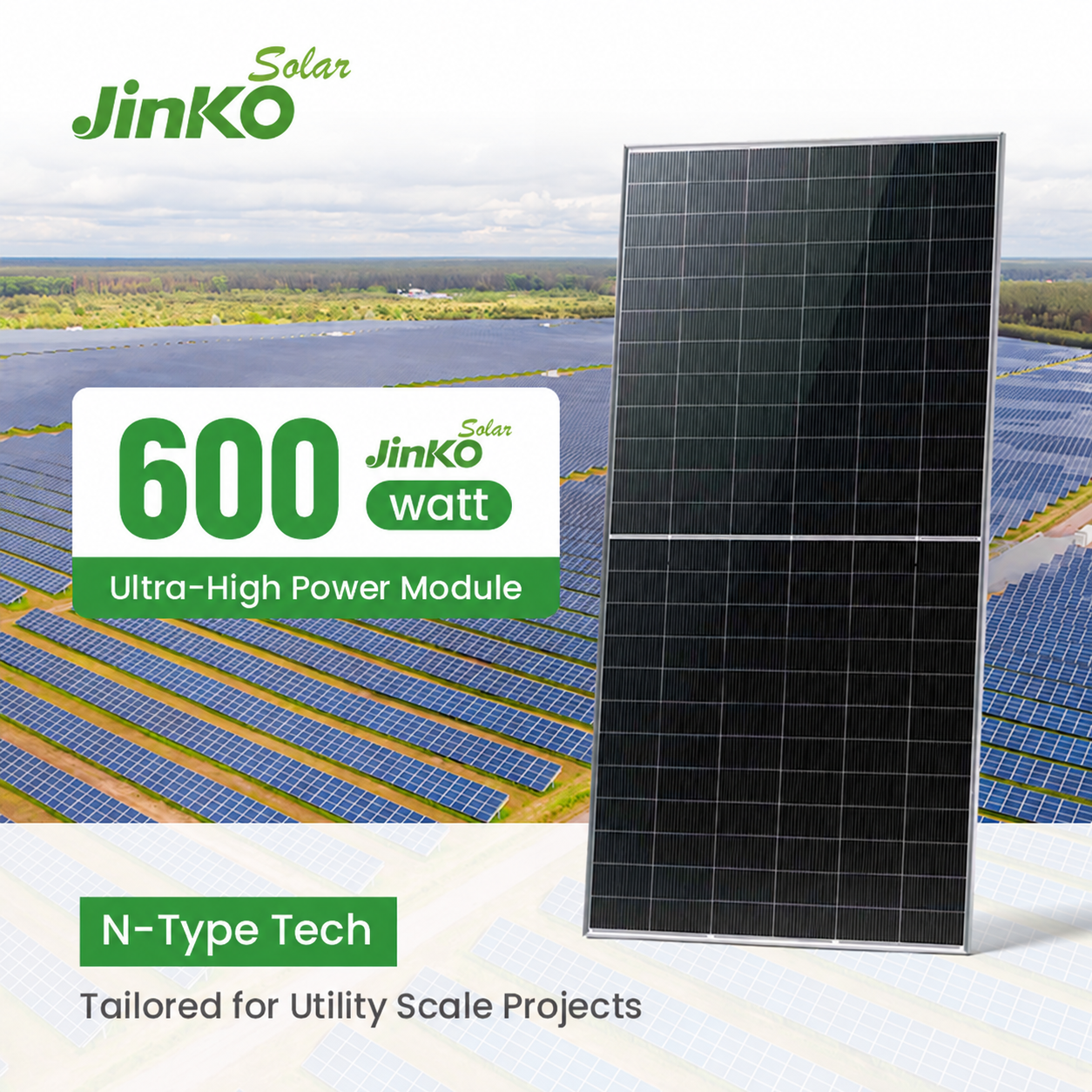
High power density engineered for commercial microgrids with optimized thermal coefficients (-0.30%/°C) minimizing yield losses during peak operating hours.
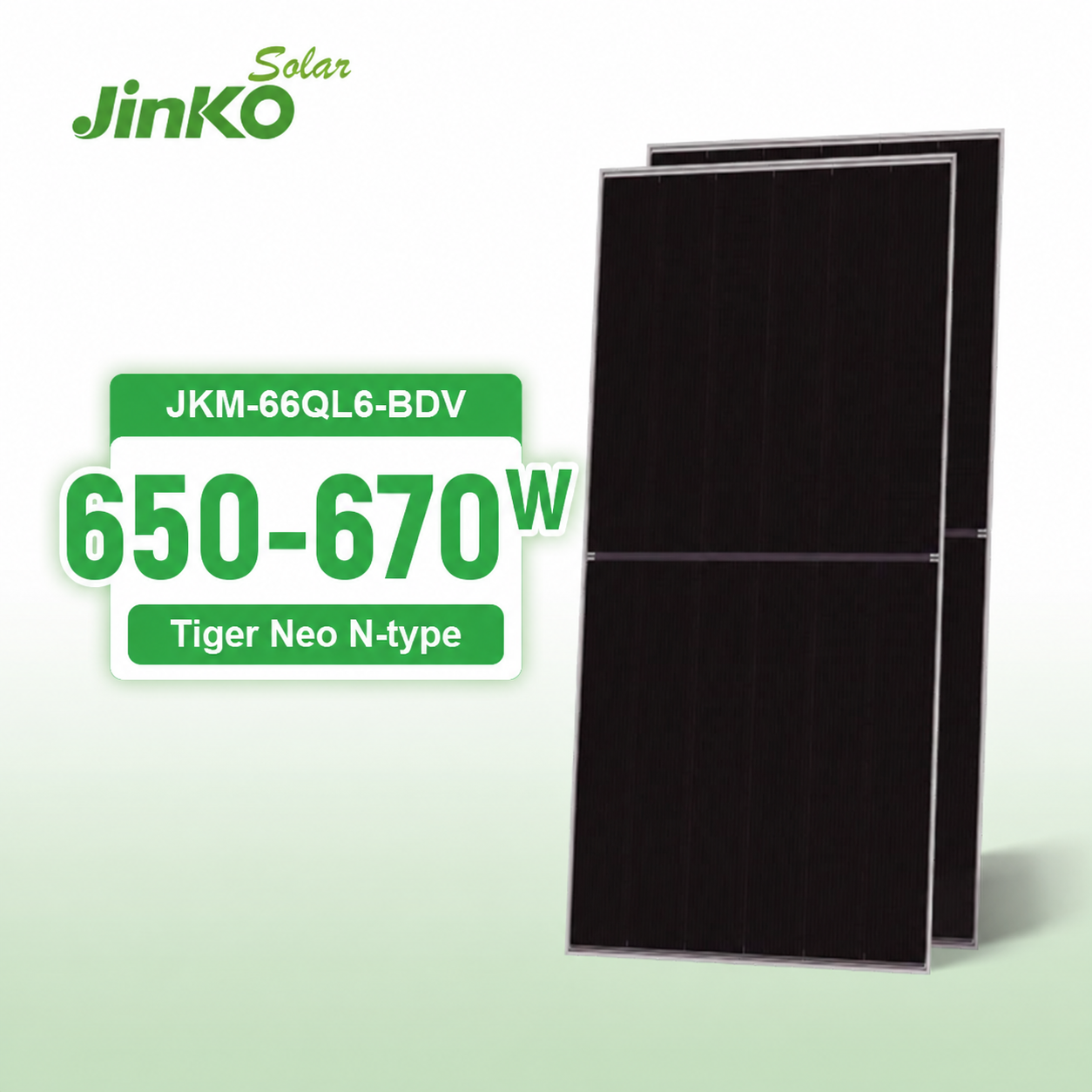
Bifaciality up to 80% ensures remarkable secondary rear-side energy capture from gravel, membrane, or snow surfaces in Puget Sound commercial installs.
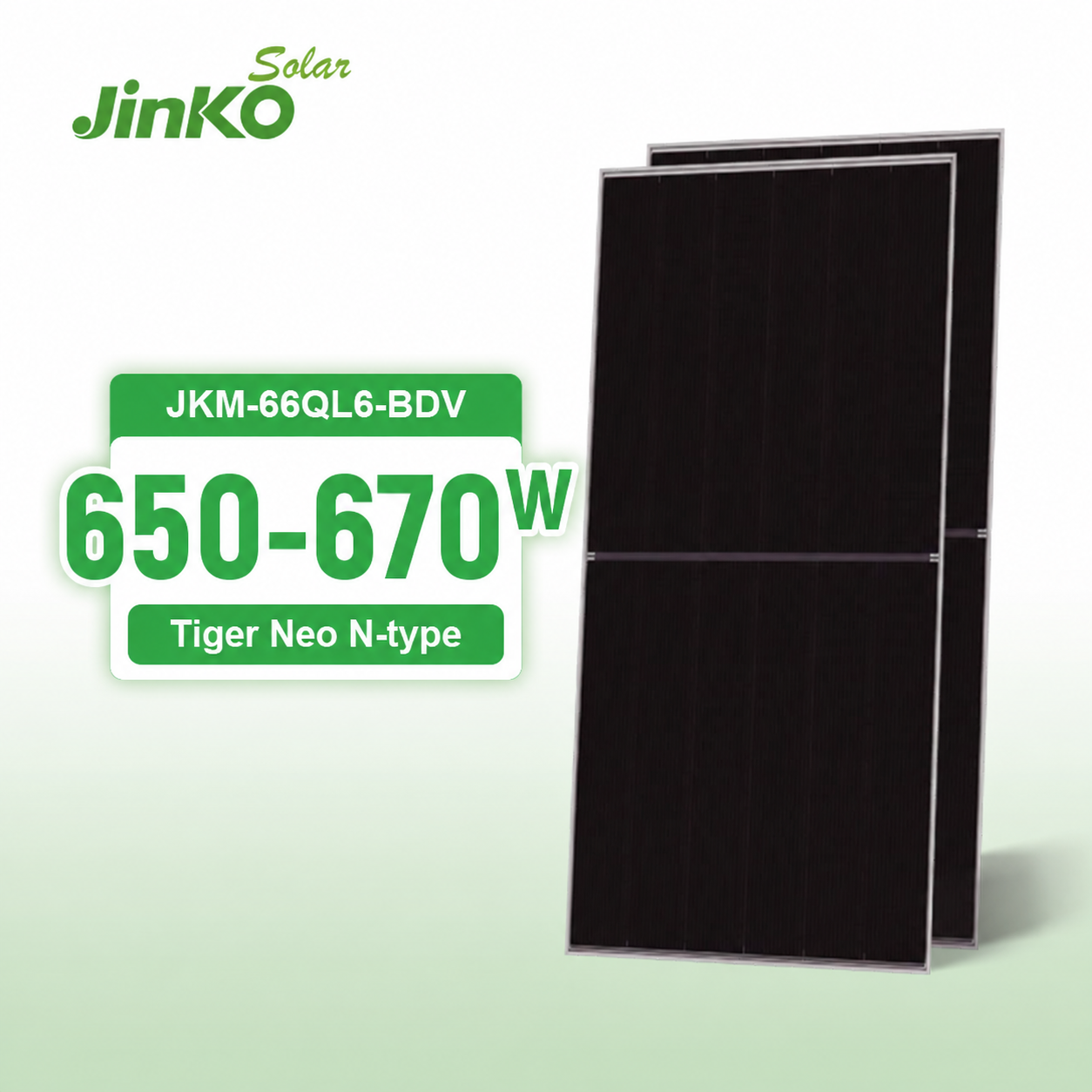
Robust 5400 Pa mechanical load rating designed to withstand Northwest windward atmospheric river storms and heavy winter wet-snow accumulation.
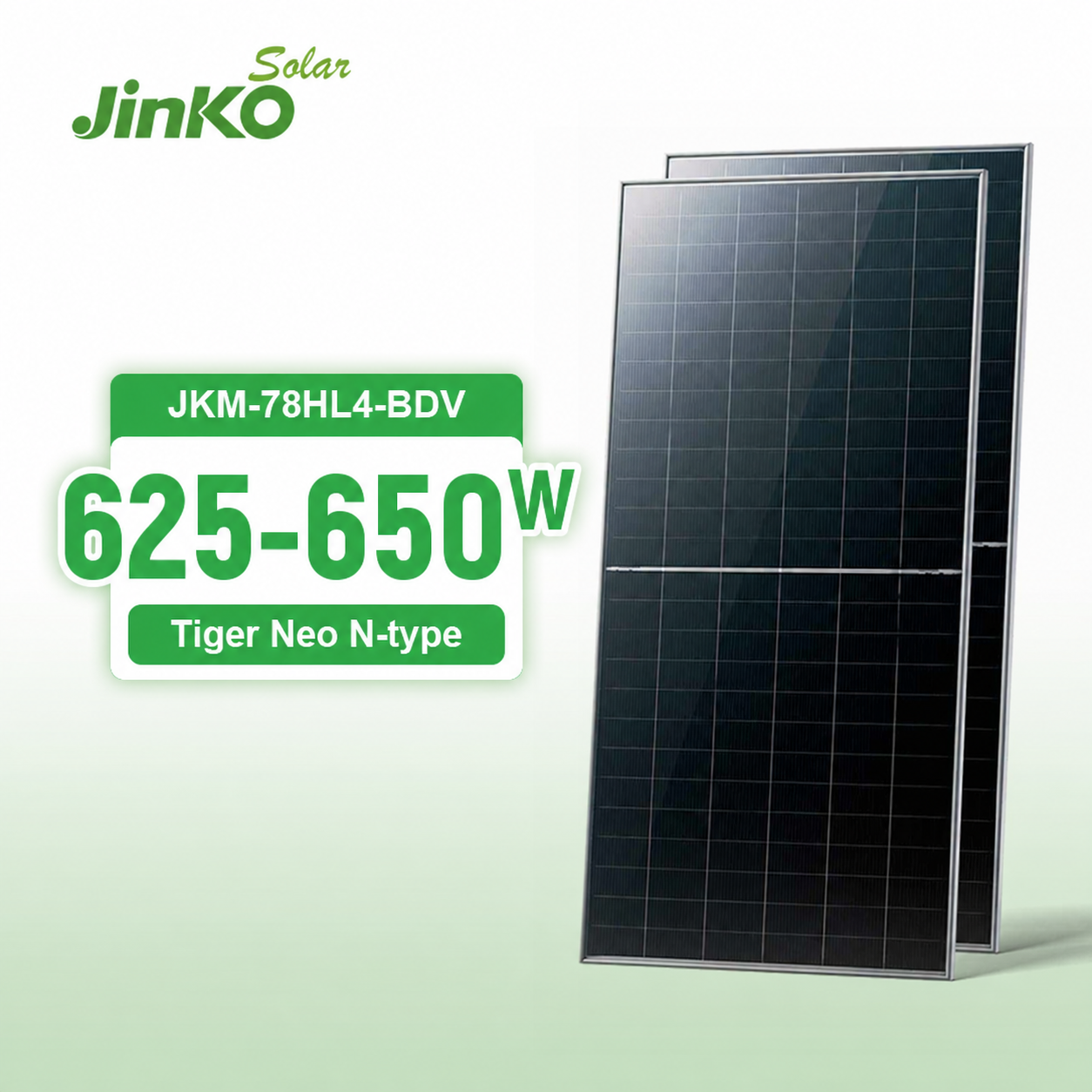
Zero Light Induced Degradation (LID) design with POE encapsulation protecting cells against moisture ingress in cold maritime regional microgrids.
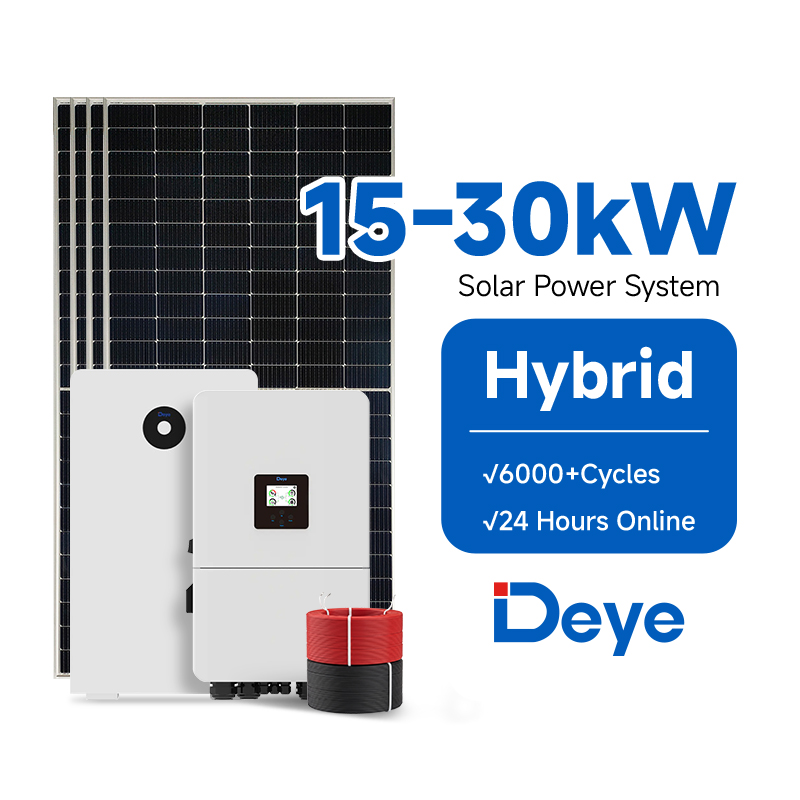
Low-voltage 48V/51.2V architecture featuring CAN/RS485 dual bus, multi-inverter parallel stacking, integrated generator contact, and sub-4ms auto-islanding.
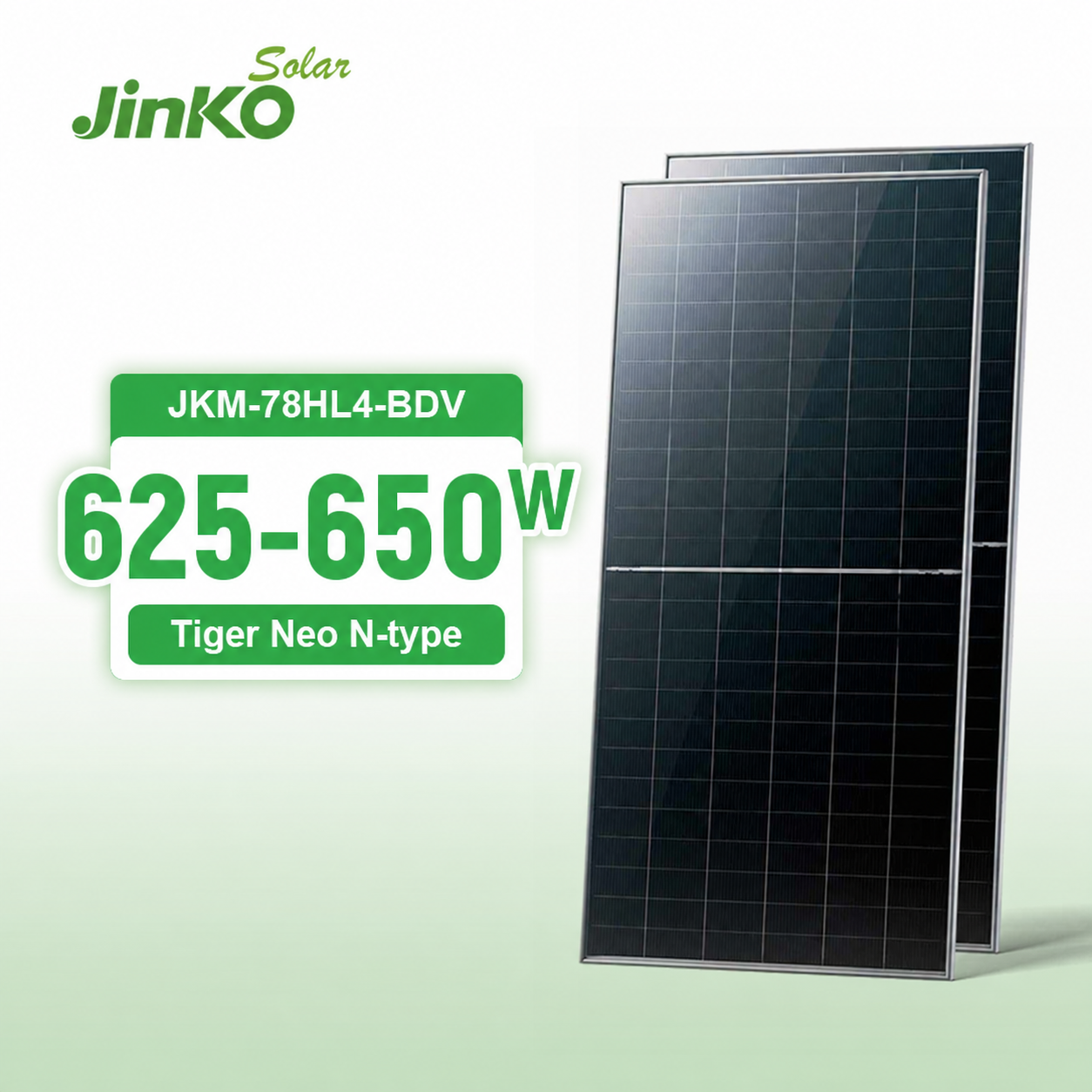
Anti-PID performance certified, tailored for high-system-voltage 1500V balance of plant configurations lowering BOS balance costs across installations.
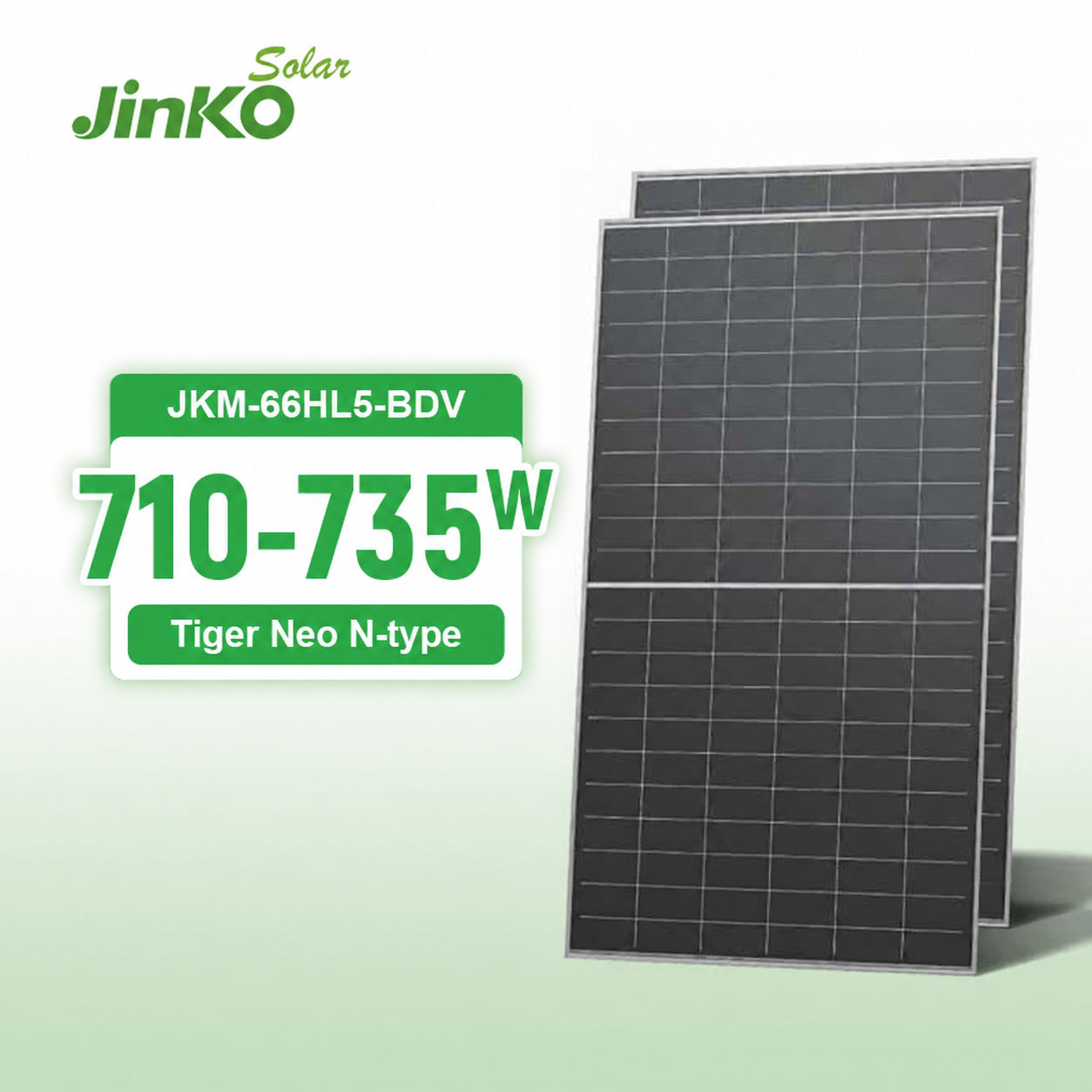
Ultra-high wattage TOPCon output optimizing square footage on limited footprints such as distribution warehouse rooftops and port microgrid substations.
The Seattle metropolitan area, historically anchored by abundant, low-cost hydropower from the Columbia River basin via Seattle City Light (SCL) and Puget Sound Energy (PSE), is undergoing a profound structural evolution. Rapid electrification of commercial transportation, corporate data centers, clean manufacturing facilities, and residential heat pump retrofits under the Washington State Clean Energy Transformation Act (CETA) is pushing regional sub-transmission infrastructure toward capacity constraints.
For municipal planners, commercial EPC contractors, and mission-critical facilities in King, Pierce, and Snohomish counties, energy storage is no longer merely an emergency fallback mechanism; it is the fundamental bridge enabling operational resilience against cascadia seismic risks, atmospheric rivers, and time-of-use demand charges. Our manufacturing facility and system engineering division deliver direct-to-site microgrid platforms that satisfy both strict safety governance and harsh climatic conditions.
| Technical Dimension | Standard Commercial Grid Tie | Factory-Matched Microgrid Storage (VOLT + Deye + Jinko) |
|---|---|---|
| Blackout Continuity | Grid shutdown disconnects generation (Anti-Islanding). | Automatic Islanding (<4ms UPS transition), continuing operation without load disruption. |
| Winter Low-Irradiance Yield | P-Type PERC modules drop below inverter startup thresholds. | N-Type TOPCon cells provide up to 80% bifaciality and lower photon excitation activation. |
| Battery Thermal Chemistry | High risk of thermal runaway (NMC) requires complex fire suppression. | Prismatic LiFePO4 (LFP) with high thermal stability and integrated UL9540A test documentation. |
| Generator Integration | Requires manual or separate automatic transfer switch (ATS). | Built-in generator auxiliary ports with auto dry-contact cranking and peak-shaving synchronization. |
Because Seattle experiences extended periods of diffuse sunlight from late October through April, standard solar installations underperform. By matching high-gain bifacial N-type modules with wide-MPPT-voltage hybrid inverters and low internal resistance lithium iron phosphate (LiFePO4) storage cells, our localized system architecture maximizes watt-hour harvesting per square foot even in cloudy maritime environments.
Engineered to meet specific municipal, industrial, and climate demands across Western Washington.
Seafood processors and cold supply chain hubs near the Port of Seattle and Tacoma require unfailing 480V three-phase uptime. Our scalable multi-inverter microgrid packages keep compressors and freezing vaults running during severe winter outages without dropping voltage phases.
Commercial real estate owners facing PSE and SCL industrial ratchets utilize our scheduled BMS discharge algorithms. The battery discharges during utility peak surcharge windows, dramatically flattening demand curves and reducing monthly grid fees.
Properties on Bainbridge, Whidbey, and the San Juan Islands encounter vulnerable subsea utility feeders. Our hybrid ESS enables self-sustaining islanded microgrids that seamlessly blend solar generation, battery banks, and existing diesel generators.
Key drivers influencing capital investments in battery storage across King County and the Pacific Northwest.
Washington's aggressive mandate to eliminate coal by 2025 and transition to 100% carbon-neutral electricity by 2030 requires substantial distributed energy resource (DER) expansion. With regional hydro reservoirs strained by shifting seasonal snowpacks, distributed commercial microgrids provide decentralized stabilization to mitigate seasonal energy deficits.
The Seattle Department of Construction and Inspections (SDCI) and local Fire Marshals enforce rigorous safety standards for indoor and outdoor commercial energy storage systems. Compliance with UL 9540 system safety certification and UL 9540A thermal runaway fire propagation testing is mandatory. As a direct manufacturer, our energy storage solutions provide pre-documented cell testing and system-level containment designed to streamline permitting approval.
From severe summer heat domes driving record air conditioning peaks to winter windstorms causing downed lines across tree-dense suburban corridors, single-hour battery solutions are no longer sufficient. Local demand is shifting toward high-capacity 4-hour to 8-hour duration LFP systems paired with high-efficiency TOPCon solar modules for multi-day continuity.
Direct factory manufacturing, end-to-end quality assurance, and matched system engineering designed to remove operational headaches.

We eliminate "BMS Communication Lost" faults on-site. Battery BMS firmware, inverter CAN protocols, and charging algorithms are synchronized, flashed, and tested together before departure.

Every batch undergoes internal resistance grading, cell balancing, and high-voltage insulation validation. Factory inspection videos and individual quality dossiers are shared prior to container loading.

Full Dangerous Goods (Class 9) documentation compliance, including UN38.3 test reports, certified MSDS sheets, and robust seaworthy crating designed to arrive seamlessly through West Coast ports.

From single-line diagrams (SLD) and cable gauge sizing to hybrid system commissioning and remote BMS troubleshooting, our technical engineers support your field electricians directly.
Key answers addressing grid interconnection, coastal weather durability, and procurement logistics.
Our hybrid inverters feature programmable grid parameter profiles that meet IEEE 1547-2018 and UL 1741-SB standards. They support anti-islanding protection, frequency-watt droop, and automated zero-export controls required for expedited interconnect approval within Puget Sound Energy and SCL service territories.
While Seattle rarely sees prolonged sub-zero temperatures, outdoor battery installations can experience low winter temperatures. Our energy storage cabinets can be ordered with automated internal thermal heating films that pre-warm cells prior to charging, preventing lithium plating and ensuring safe high-efficiency operation.
Western Washington is characterized by high annual cloud cover and diffuse light conditions. Jinko's N-type TOPCon cells feature an advanced passivated contact structure that triggers photovoltaic generation at lower irradiance thresholds and offers up to 80% bifaciality for ground, ballast, and commercial white TPO roof installations.
Yes. Deye low-voltage hybrid inverters come equipped with dedicated aux/generator input terminals and programmable dry contacts. When battery voltage reaches a specified low threshold during sustained grid loss, the inverter can automatically crank the generator, sync frequency, power critical loads, and recharge the battery bank simultaneously.
We specialize in consolidated mixed-container shipments where panels, inverters, racking, and battery banks are packed together in balanced ratios to minimize domestic handling costs. Ocean transit from Ningbo/Shanghai ports directly to the Port of Seattle or Tacoma typically takes 16 to 22 sailing days.
All products carry direct manufacturer warranties (10-12 years for solar modules, 5-10 years for inverters and LFP batteries). We log every component by serial number prior to packaging. In the event of a field anomaly, our engineering team handles direct factory liaison, remote diagnostics, and warranty component replacement expedited by air.
Send our applications engineering team your electrical single-line diagram (SLD), peak kilowatt targets, or daily load profiles. We return matched BOMs, protocol matrices, and containerized pricing within 24 business hours.