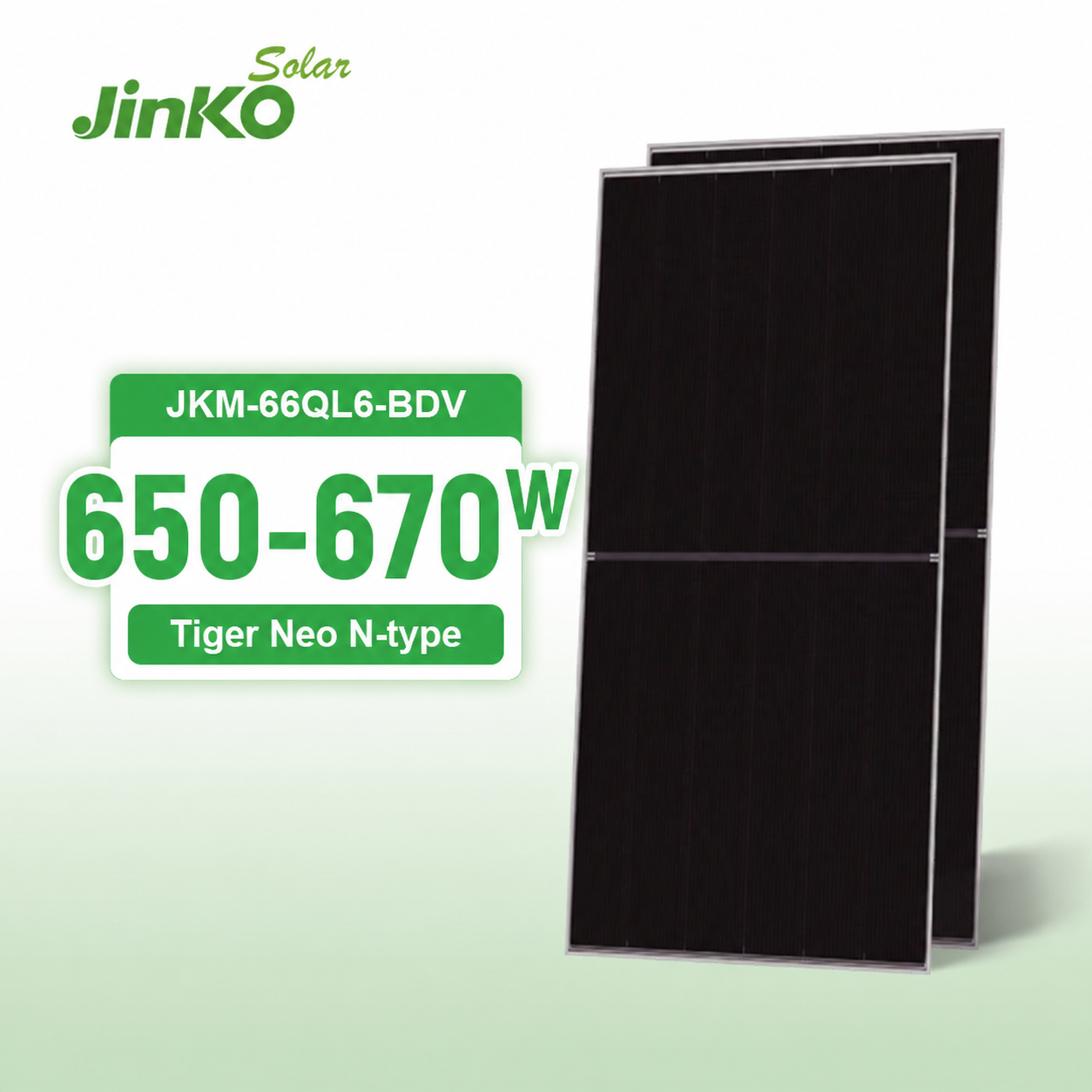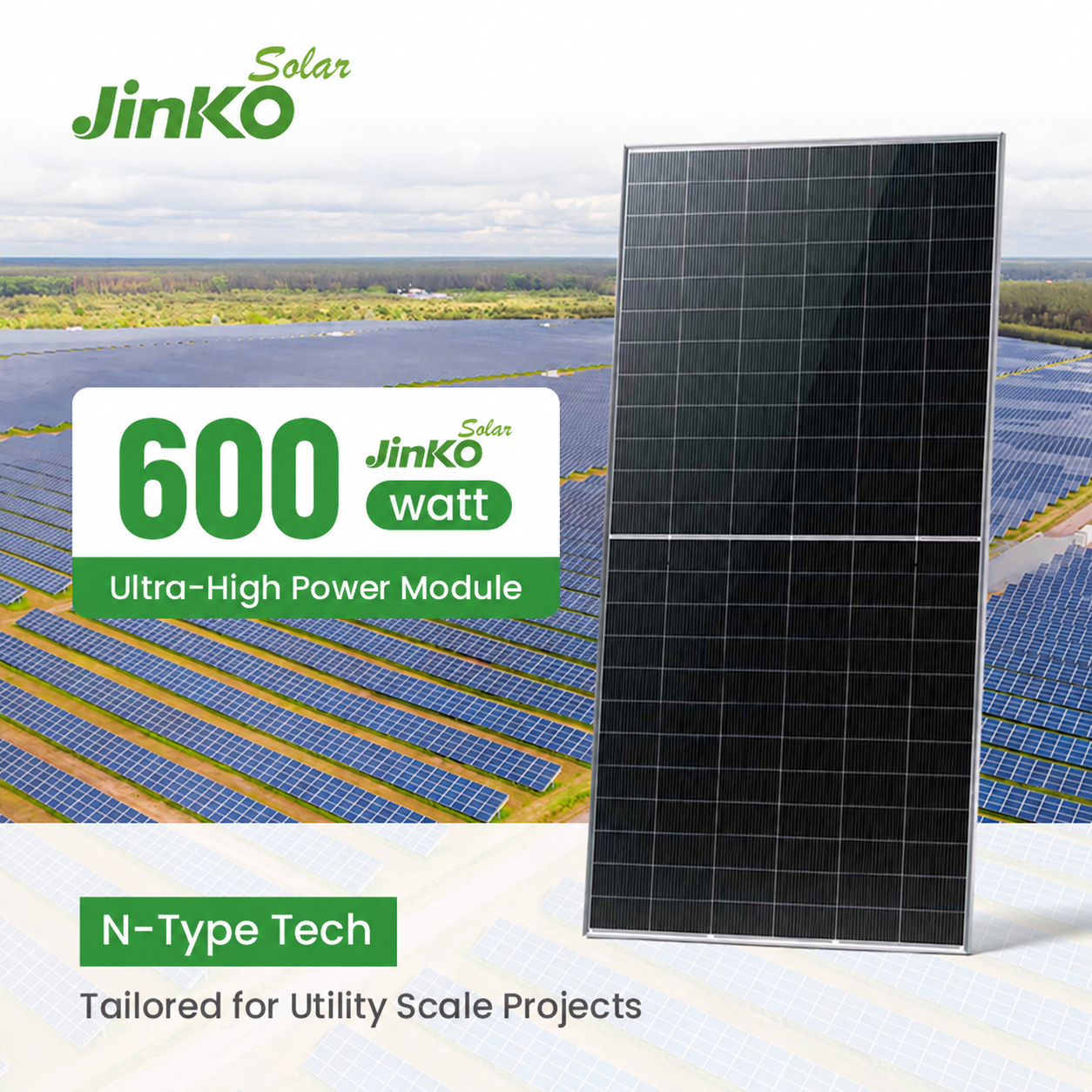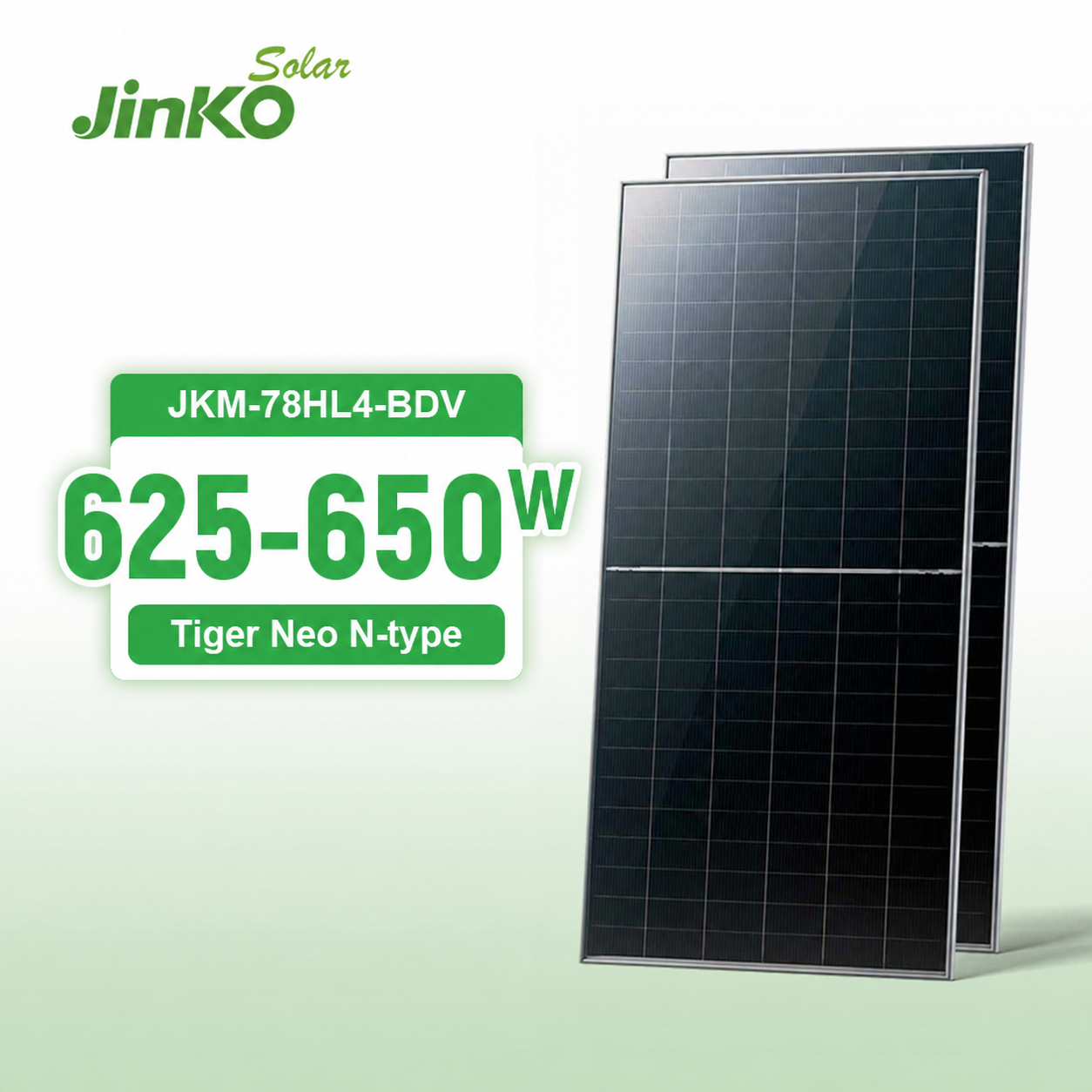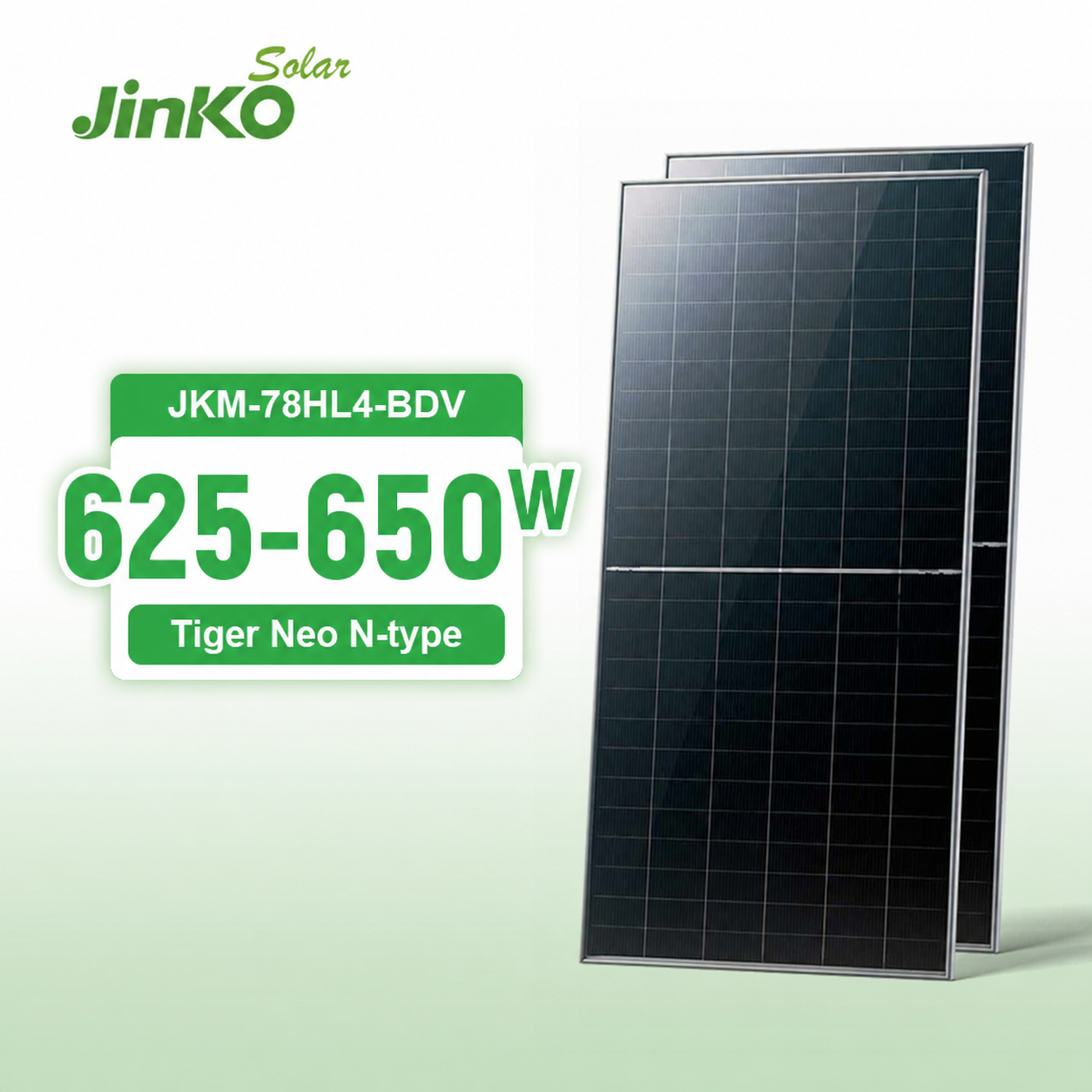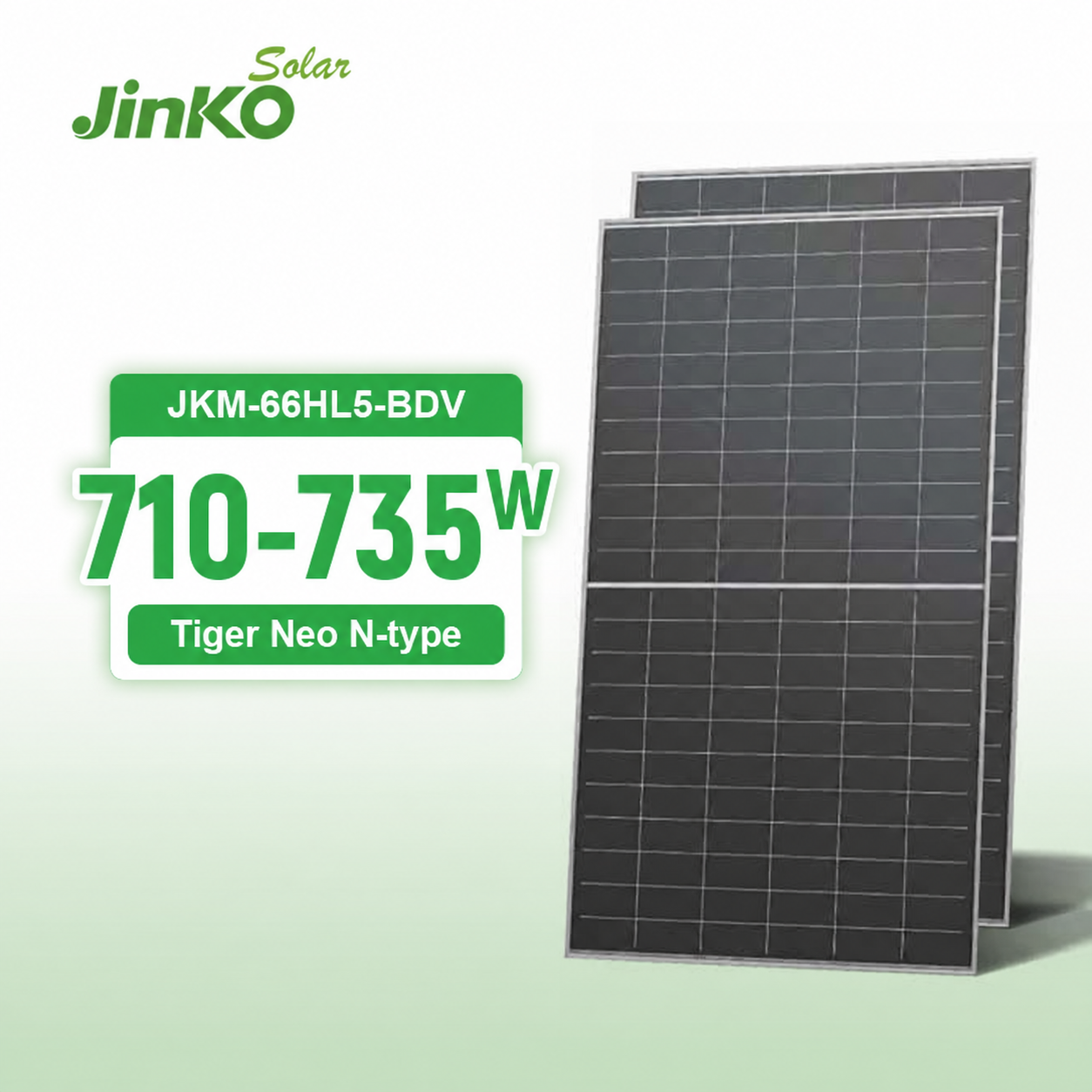
Mono PERC Panel Manufacturers & Exporter in Monterrey

Tier-1 High-Efficiency Photovoltaic Modules, N-Type TOPCon & Mono PERC Engineering Solutions Engineered for Nuevo León’s Industrial & Solar Corridors

22.8%+
Peak Module Efficiency
100+
Global Export Hubs
5,400 Pa
Mechanical Wind Load
30 Yrs
Linear Power Warranty
Direct Factory Export

High-Yield Industrial & Commercial PV Modules

Engineered for high-irradiance thermal resistance, low degradation, and compatibility with heavy industrial electrical infrastructures in northern Mexico.
Technical Whitepaper

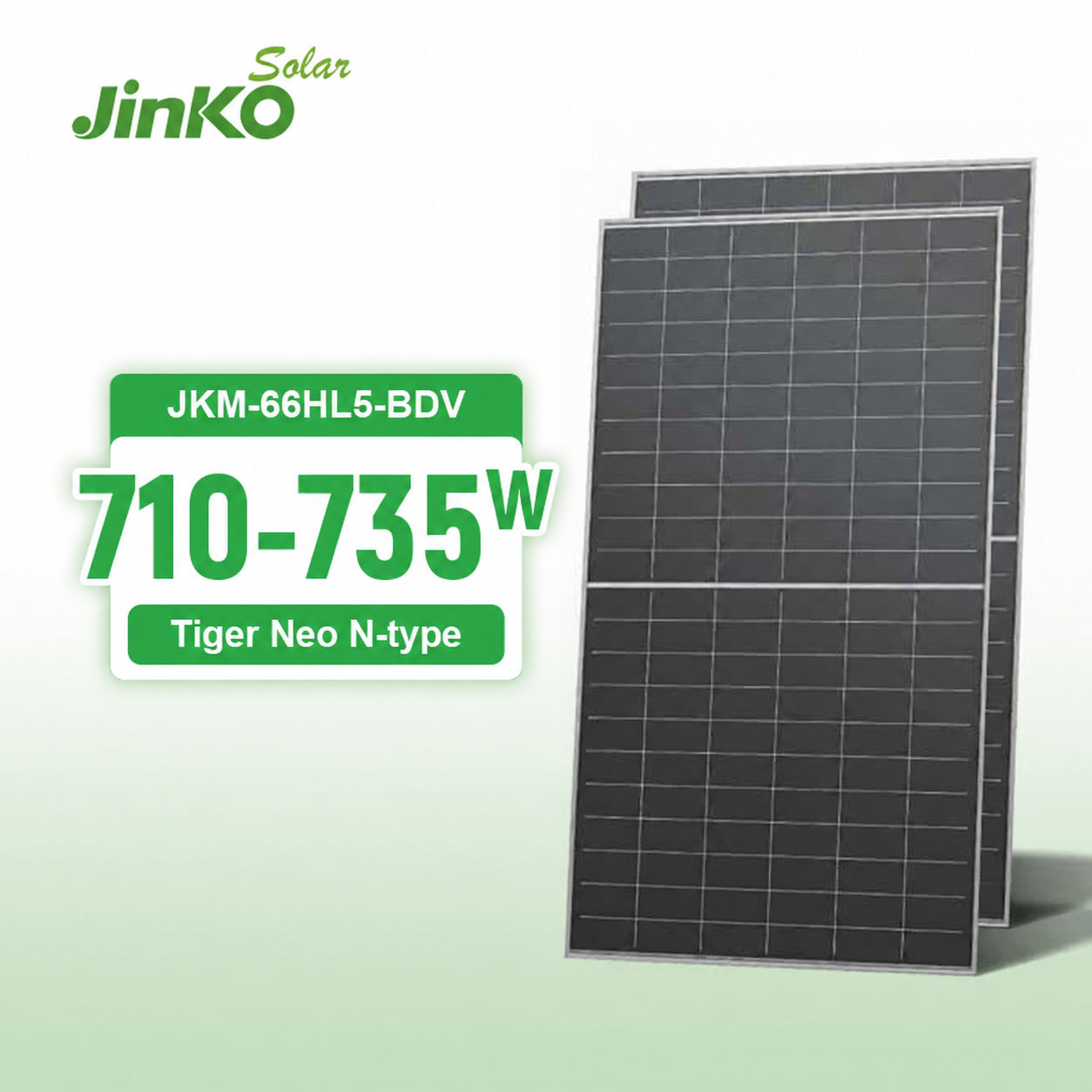
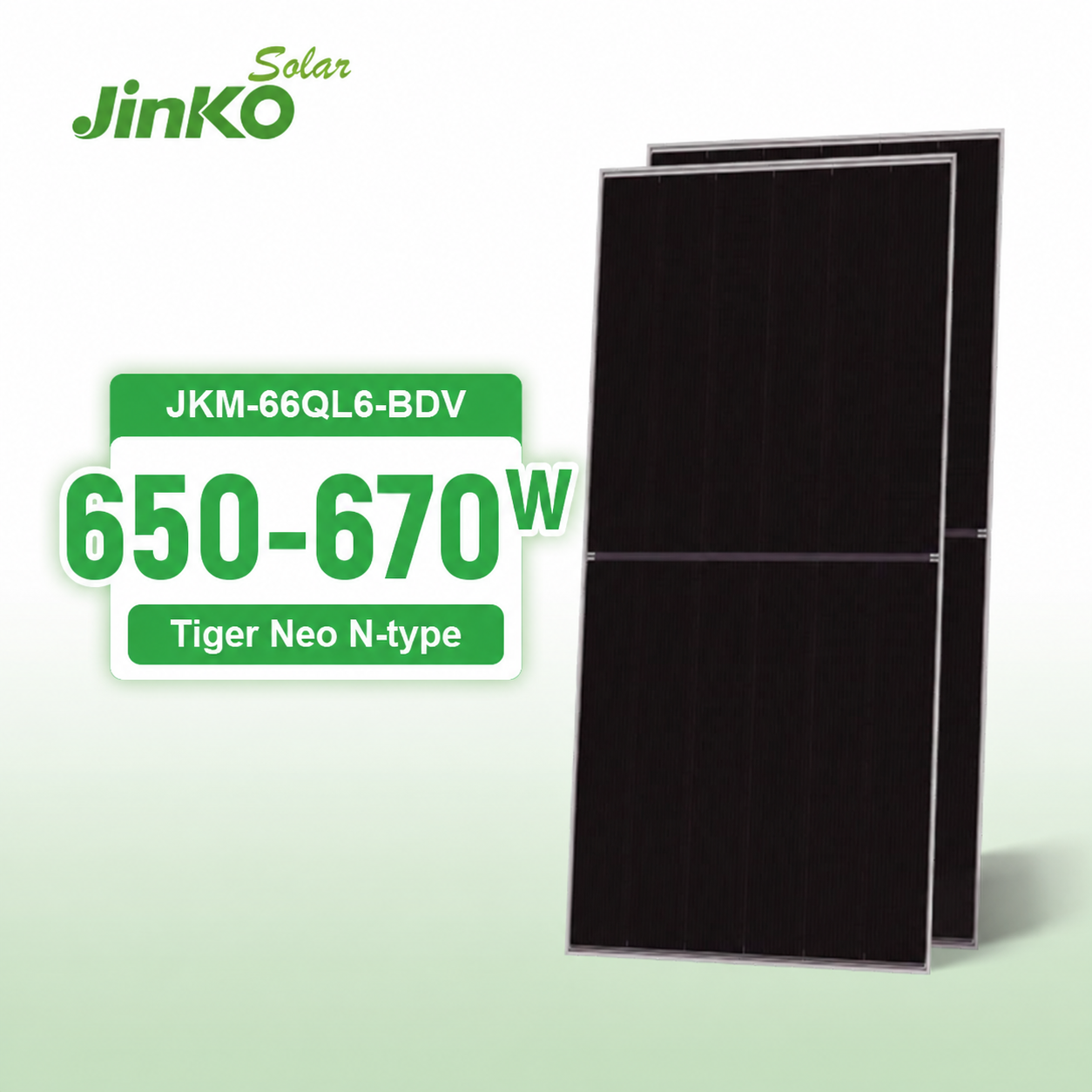
Mono PERC vs. N-Type TOPCon: Engineering Analysis for High-Temperature Latitudes

In regions such as Monterrey and the wider state of Nuevo León, solar photovoltaic installations operate within an intense microclimatic envelope characterized by high ambient summer temperatures exceeding 42°C, solar irradiance peaks exceeding 6.2 kWh/m²/day, and intermittent dust storms from desert plains. In these operational conditions, conventional polycrystalline or un-passivated crystalline cells exhibit severe efficiency drop-offs due to elevated thermal coefficients.

Our engineered monocrystalline Passivated Emitter and Rear Cell (Mono PERC) and advanced N-Type TOPCon (Tunnel Oxide Passivated Contact) panels systematically mitigate performance degradation. By implementing a dielectric passivation layer on the rear cell surface combined with micro-gap multi-busbar (MBB) interconnects, our modules reflect unabsorbed long-wave light back through the silicon wafer, ensuring superior electron-hole generation while simultaneously minimizing internal series resistance (Rs).

Thermal Coefficient & Bifacial Yield Metrics in Monterrey

Standard P-type modules carry a temperature coefficient of Pmax hovering around -0.37%/°C. In contrast, our premium N-Type TOPCon double-glass modules depress this figure to -0.30%/°C. When ambient operating temperatures surge during mid-day in Apodaca or Santa Catarina industrial zones, our panels deliver between 4.5% to 8.2% higher actual kilowatt-hour outputs per rated peak kilowatt capacity installed.

Furthermore, bifacial architecture leverages the high reflectivity (albedo) of typical northern Mexico industrial membrane roofs, light-colored concrete pads, and calcareous soils. The rear side of the dual-glass structure yields up to an extra 25% incremental generation without expanding the rooftop physical footprint.

Operational Deployment

Tailored Application Scenarios Across Monterrey’s Industrial Corridor

Providing custom PV arrays matched to local structural grids, electrical interconnections, and environmental profiles.

Industrial Parks (Parques Industriales)

Monterrey is Mexico's premier manufacturing powerhouse, housing massive logistics and production facilities in Apodaca, Pesquería, and Ciénega de Flores. Our 650W–730W high-output panels integrate directly onto standing-seam industrial metal roofs via non-penetrating clamping systems, offsetting peak GDMTO and DIST medium-voltage commercial electrical utility tariffs.

Nearshoring Facilities & Tier-1 Suppliers

With international automotive, advanced electronics, and logistics plants expanding across Nuevo León, global firms demand immediate compliance with ISO 50001 energy metrics and net-zero export targets. We supply containerized, matched batches of Tier-1 solar panels paired with Deye commercial hybrid inverters and LFP battery systems to guarantee continuous uninterruptible solar operation.

Agricultural & Off-Grid Pumping Systems

Outside the Monterrey metropolitan ring—spanning Linares, Montemorelos, and northern rural zones—agricultural pumping and citrus packing plants suffer from volatile transmission grids. Our dual-glass bifacial modules survive chemical fertilization aerosols, extreme dust exposure, and high humidity, powering heavy three-phase inductive water pumps seamlessly.

Market Dynamics 2025–2030

Regulatory Adaptation, Distributed Generation & CFE Grid Interconnection

The energy transition landscape in Mexico is guided by specific regulatory thresholds overseen by the Comisión Reguladora de Energía (CRE) and executed through the Comisión Federal de Electricidad (CFE). Procurement managers and EPCs in Monterrey face evolving standards:
  • 0.5 MW Distributed Generation (Generación Distribuida) Cap: High-density wattages (650W to 730W) allow commercial installers to maximize total power output right up to the 499 kWp limit within constrained roof square meter allocations.
  • NOM-001-SEDE Electrical Safety Compliance: All modules furnished carry UL 1703 and IEC 61730 certifications, adhering directly to Mexican regulatory standards for grounding, conduit insulation, and fire safety ratings.
  • Nearshoring Grid Congestion Mitigation: Because Monterrey’s regional transmission nodes experience peak-load saturation, on-site solar generation coupled with lithium storage provides instant peak shaving and avoided blackout penalties.
Consult Technical Specs for Monterrey Projects
Warehouse inspection and solar equipment logistics for Monterrey export
Enterprise Core Competence

Why International EPCs & Monterrey Importers Trust Our Supply Chain

Combining primary Tier-1 photovoltaic manufacturing distribution with engineering-backed system integration.

Solar panel and inverter compatibility testing workshop

Verified Electrical Compatibility

Every batch of monocrystalline panels is cross-referenced with your specific inverter MPPT trackers (such as Deye hybrid systems) to eliminate clipping losses, high-voltage open-circuit trips, and communication faults.

Comprehensive quality control inspection of PV modules before export

Stringent Pre-Shipment QC

We execute multi-stage Electroluminescence (EL) crack detection, flash testing for actual watt-peak rating verification, and structural visual grading before releasing containers to ensure zero micro-fractures during maritime transit.
Containerized mixed loading and sea freight to Manzanillo or Altamira

Direct Export Logistics to Mexico

Experienced in shipping directly to Mexican ports including Altamira (Tamaulipas) and Manzanillo (Colima), facilitating streamlined land transit directly into Monterrey customs terminals with full pedimento clearance support.
Complete engineering documentation and after-sales support team

Complete Turnkey Engineering Kits

Beyond modules, we supply matched solar kits: panels, hybrid inverters, LFP lithium storage racks, solar wiring, protection boxes, and detailed single-line diagrams (SLD) ready for municipal and CFE submission.

Procurement Knowledge Base

Frequently Asked Questions by Monterrey Solar Importers & Contractors

Essential guidance covering customs duties, logistics routes, NOM certifications, and mechanical installation standards.

What are the lead times and shipping routes for full container load (FCL) shipments to Monterrey?
Shipments departing Ningbo or Shanghai typically take 22 to 28 days of maritime transit to Mexico's Pacific gateway (Port of Manzanillo) or Gulf gateway (Port of Altamira). From Altamira, inland freight to Monterrey takes only 6 to 8 hours via commercial truck carrier. We manage export documentation, packing lists, bill of lading (BL), and Certificates of Origin to expedite customs dispatch (despacho aduanero).
Do these solar panels comply with Mexican NOM standards and CFE interconnection guidelines?
Yes. Our panels carry international test certifications under IEC 61215 (Design Qualification and Type Approval) and IEC 61730 (Photovoltaic Module Safety Qualification), which are officially recognized by Mexico’s CRE and CFE for Generación Distribuida interconnections. These certificates directly satisfy requirements specified in NOM-001-SEDE-2012 for photovoltaic power systems.
Why is Bifacial N-Type TOPCon preferred over standard Mono PERC for Monterrey industrial parks?
While Mono PERC remains a dependable and cost-effective option, N-Type TOPCon delivers two critical advantages in Monterrey’s climate: a superior temperature coefficient (-0.30%/°C vs. -0.37%/°C) and immunity to Light-Induced Degradation (LID). During blistering summer peaks, TOPCon modules generate substantially more power. Furthermore, dual-glass bifacial panels capture back-reflected irradiation from white TPO or elastomeric roof membranes common in modern industrial parks.
Can panels withstand the severe weather and hail storms common in Nuevo León?
Yes. Our modules feature 2.0mm or 3.2mm tempered, high-transmission front glass designed and certified to withstand severe mechanical impact, including hail test criteria (25 mm diameter ice pellets traveling at 23 m/s) in compliance with IEC standards. Additionally, the anodized aluminum frames are rated for mechanical wind loads up to 2,400 Pa and snow/heavy loads up to 5,400 Pa.
Can we order mixed containers containing panels, hybrid inverters, and lithium energy storage?
Yes, this is our core operational specialty. Importers in Nuevo León often wish to optimize ocean shipping freight rates by combining pallets of Jinko panels, Deye commercial hybrid inverters, and our LFP (LiFePO4) battery packs within a single 40ft HQ container. We manage Class 9 Dangerous Goods (DG) declarations and provide pre-tested plug-and-play communication configurations prior to departure.
How are warranty claims handled across the border in Mexico?
We provide a 12-to-15 year product craftmanship warranty along with a 30-year linear power performance warranty guaranteeing not less than 87.4% output at year 30 for TOPCon modules. Every module serial number is cataloged in your pre-shipment quality report. In the rare event of module performance failure, claims are verified through our international after-sales protocol with rapid replacement credit or equipment dispatched on subsequent shipments.

Accelerate Your Solar Projects in Monterrey

Connect directly with our engineering and export team. Get container-level wholesale pricing, customized string sizing calculations, and certified customs documentation tailored for your project in Mexico.

Send an Inquiry