N-Type TOPCon Dual Glass
Pre-tested for temperature coefficients, PID/LID resistance, and mechanical load tolerance in arid, high-dust environments across Tehran Province and central Iran.
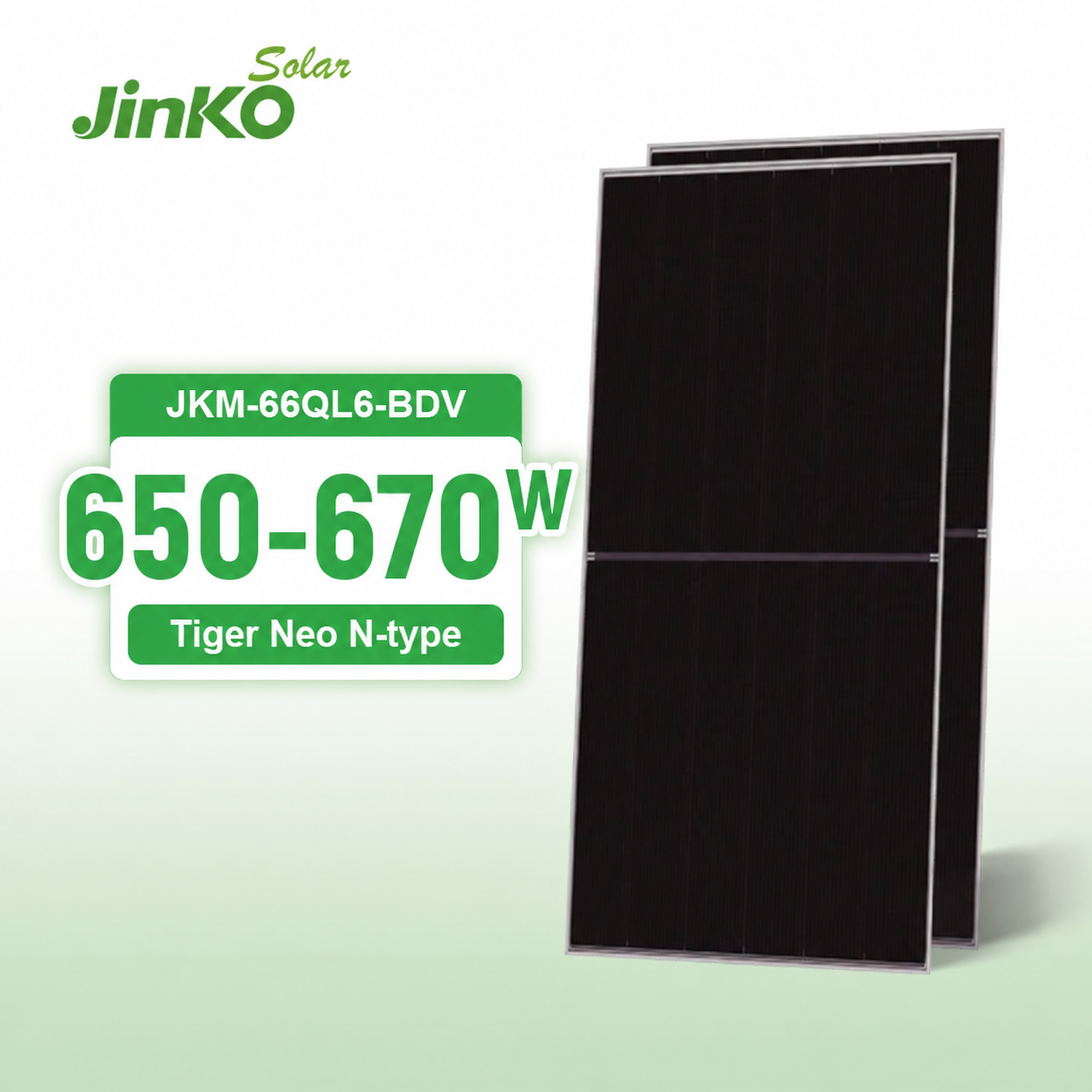
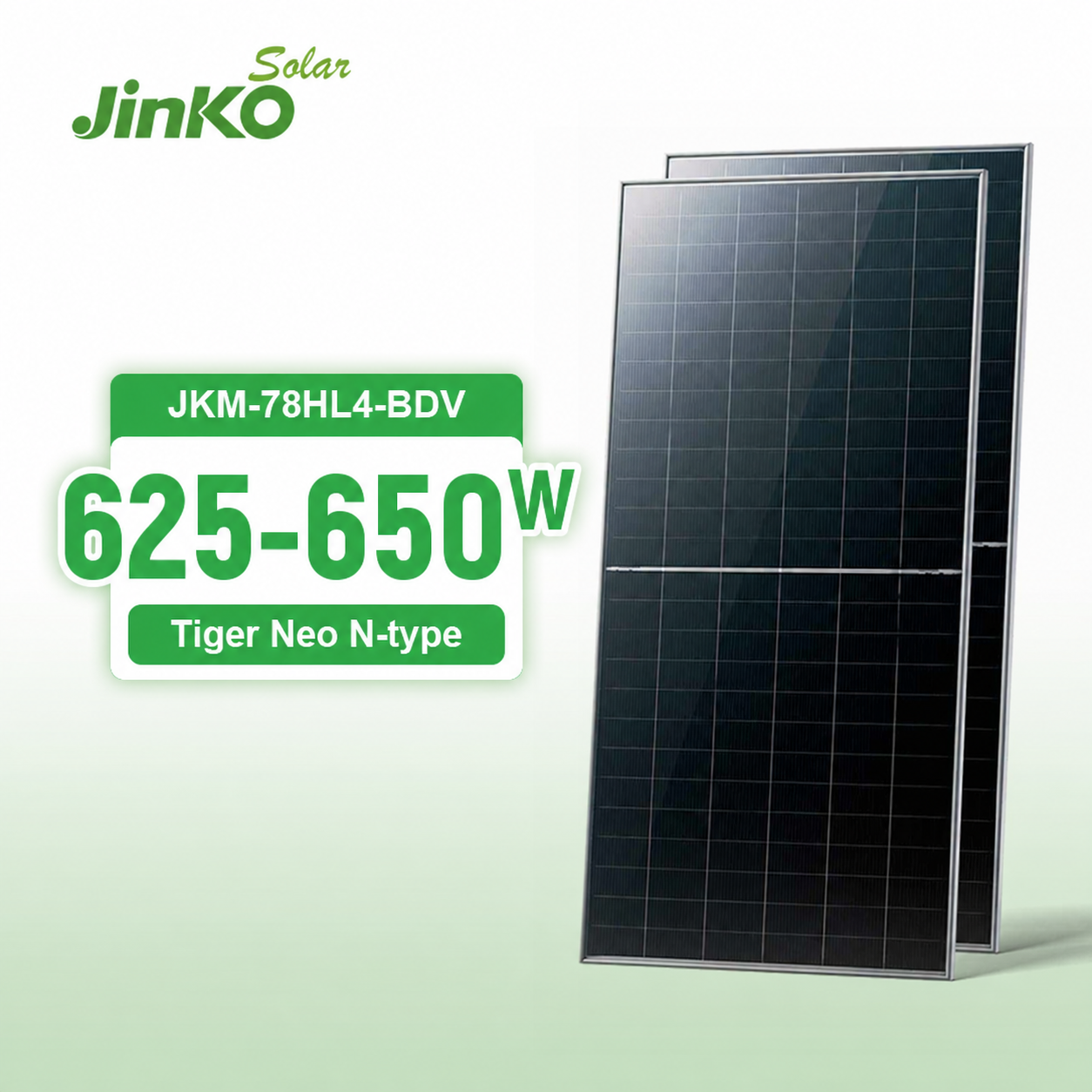
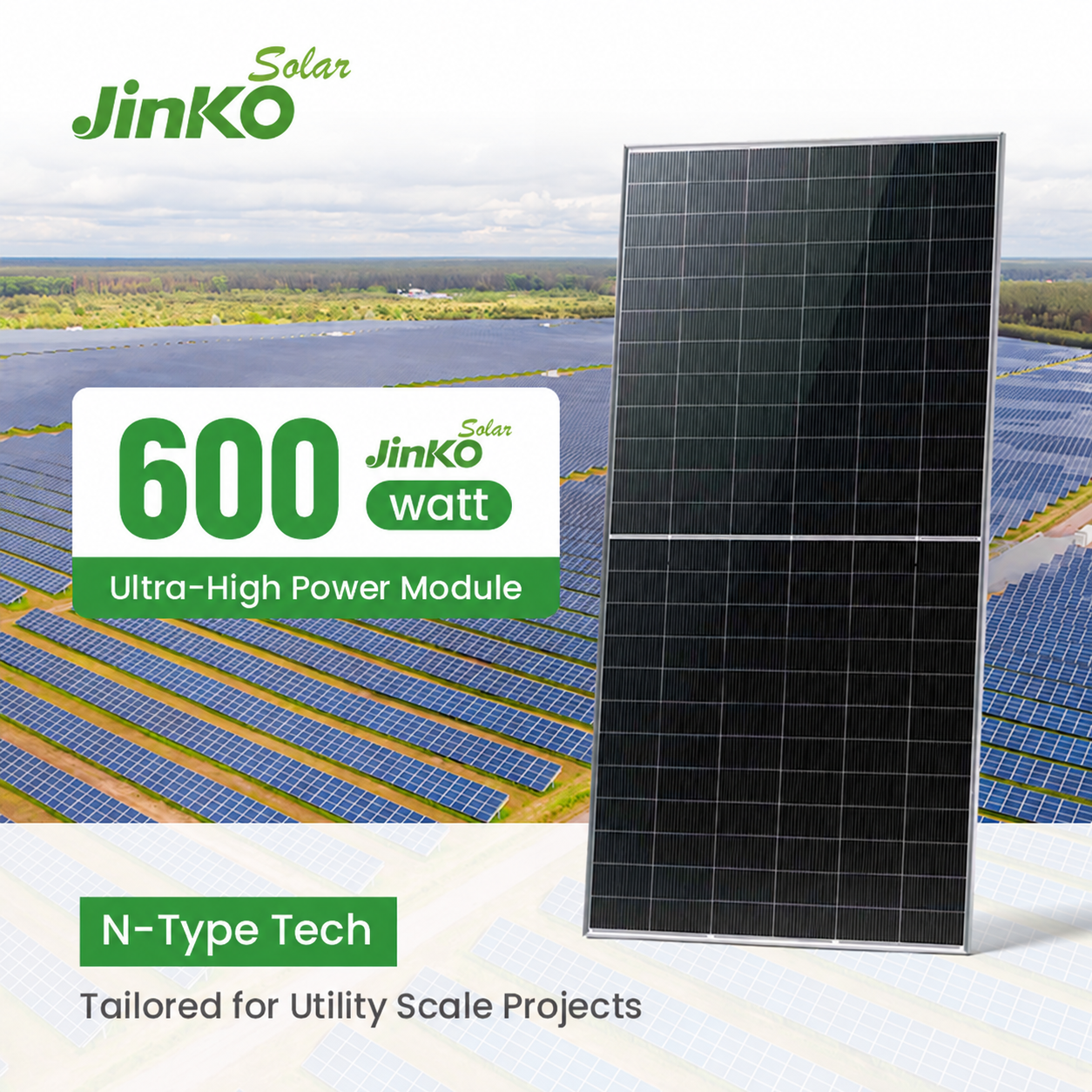
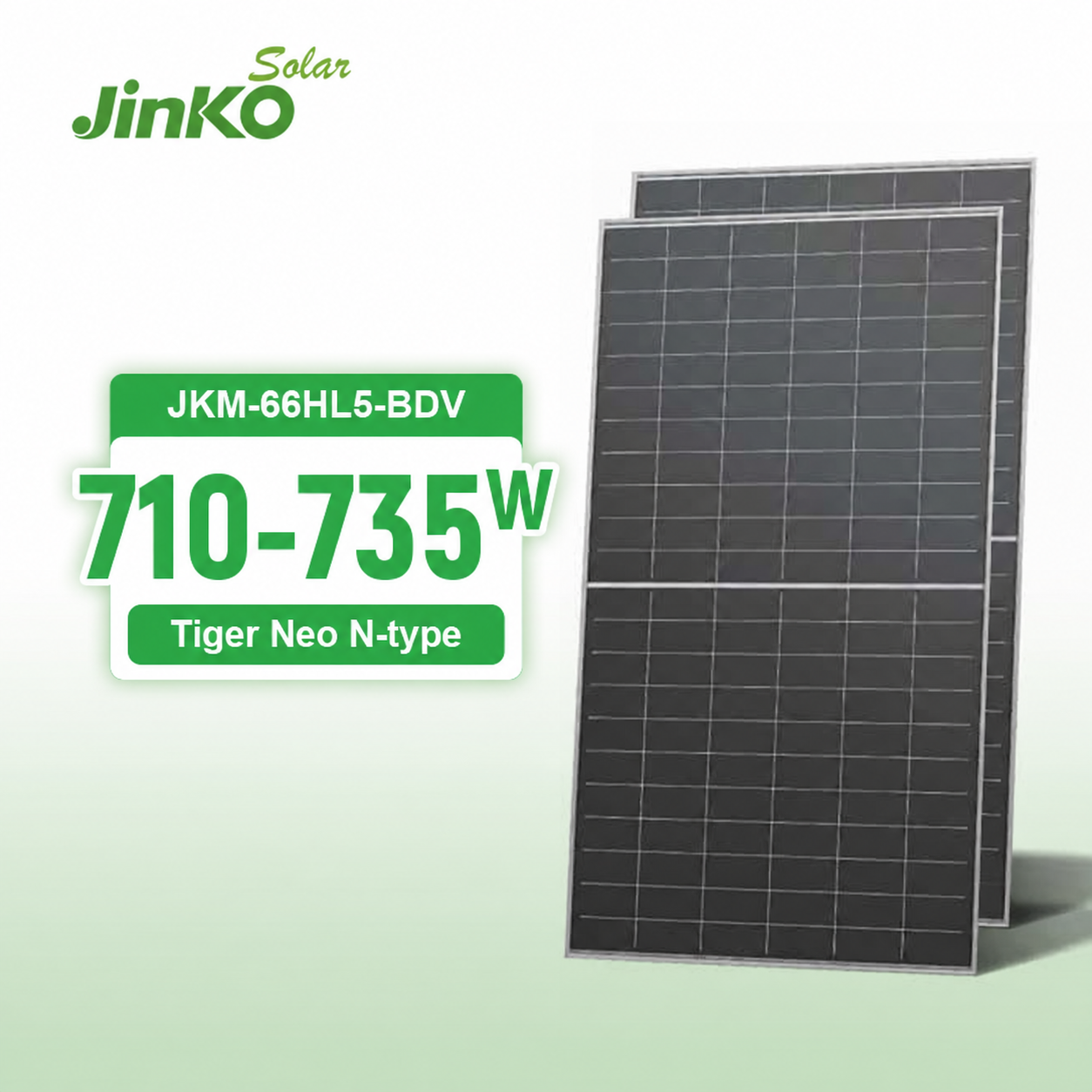
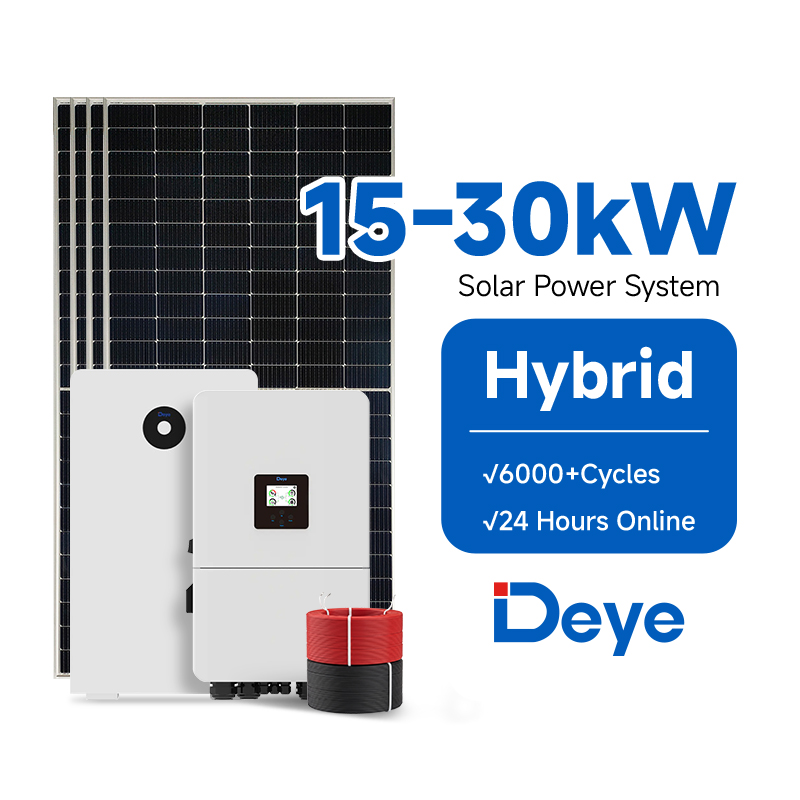
Tehran and its surrounding industrial periphery—spanning Ray, Shahriar, Varamin, and extending west toward Karaj and Qazvin—are positioned along the northern edge of the Iranian Central Plateau at elevations ranging from 1,000 to 1,800 meters above sea level. This unique geography provides an exceptional Global Horizontal Irradiation (GHI) of 1,800 to 2,200 kWh/m² per annum. However, extracting reliable energy from this solar resource presents severe environmental hurdles: summer ambient temperatures consistently surpassing 42°C, surface module temperatures exceeding 68°C, dry airborne silica dust, and elevated ultraviolet (UV) radiation associated with high-altitude solar geometry.
For procurement officers, engineering procurement construction (EPC) contractors, and private factory directors in Tehran, choosing the right photovoltaic architecture is not simply about peak nominal watt rating under Standard Test Conditions (STC: 25°C, 1000 W/m², AM 1.5). Real-world performance under Nominal Module Operating Temperature (NMOT) determines project viability. Legacy P-Type PERC cells suffer from severe temperature coefficients (-0.35% to -0.38%/°C), causing substantial power output loss during critical mid-day industrial peaks. In contrast, modern N-Type Tunnel Oxide Passivated Contact (TOPCon) monocrystalline modules reduce thermal power degradation to -0.29% to -0.30%/°C, guaranteeing a decisive 4% to 7% net energy yield advantage during Iran's grueling summer heat waves.
N-Type TOPCon technology limits Pmax temperature degradation to -0.29%/°C. When ambient temperatures in southern Tehran reach 44°C, operating efficiency remains stable where standard modules collapse.
Tehran’s wind-blown particulates cause micro-scratching on polymer backsheets. Dual 2.0mm tempered glass provides superior chemical inertness, zero moisture ingress, and high abrasion resistance.
Because N-type phosphorus-doped silicon wafers eliminate boron-oxygen complexes, our monocrystalline panels avoid Light-Induced Degradation (LID) and minimize high-heat light-elevated degradation.
Furthermore, soiling from fine particulate matter (PM10 and PM2.5) originating from the Dasht-e Kavir desert basin requires proactive hardware resilience. Our dual-glass monocrystalline product lines feature specialized hydrophobic and anti-electrostatic surface treatments. These coatings lower particle adhesion during seasonal dust storms, enabling higher self-cleaning efficiency during occasional precipitation and reducing manual cleaning frequency by up to 35%.
As the primary economic and manufacturing engine of Iran, Tehran faces widening electrical supply-demand gaps during peak seasons. Renewable distributed generation is no longer simply an environmental initiative—it is an operational survival strategy for commerce and manufacturing.
In manufacturing hubs like Shamsabad Industrial City, Parand, and Abbasabad, scheduled summer grid blackouts threaten production. Pairing 600W–650W TOPCon panels with low-voltage Deye hybrid inverters ensures continuous operation for CNC machinery, plastic extrusion, and cold storage.
Urban rooftops across central Tehran and the Karaj industrial corridor operate under strict space limitations. High power-density 700W+ bifacial modules maximize generation per square meter, substantially lowering balance-of-system (BOS) mounting costs.
In agricultural plains near Varamin and Pakdasht, farmers face acute water stress. Off-grid monocrystalline arrays power heavy variable-frequency submersible pumps directly during peak sunlight hours without requiring diesel generator fuel.
Grid-tied IPP developers constructing 10MW to 50MW installations under SATBA 20-year guaranteed tariffs utilize 1500V system architectures with bifacial dual-glass modules, benefiting from up to 25% ground albedo rear-side power boost on gravel.
Iran's renewable energy sector is experiencing a structural pivot orchestrated by the Renewable Energy and Energy Efficiency Organization of Iran (SATBA) and the Ministry of Energy. Driven by natural gas imbalances and grid distribution strain, legislative policy has shifted from optional incentives to enforceable green energy quotas.
Under Article 16 of the Law on Knowledge-Based Production Leap, major industrial enterprises with grid contracts exceeding 1 MW are legally required to fulfill at least 1% of their annual electrical consumption through self-generated renewable power in the first year, escalating sequentially to 5% within five years. Industrial facilities failing to meet this threshold are penalized with higher grid tariffs pegged to peak green market exchange prices. For export-oriented steel, cement, and chemical manufacturers located around Tehran, sourcing Tier-1 monocrystalline panels directly from Chinese manufacturers provides the fastest path to compliance and energy independence.
| Feature Parameter | Legacy P-Type PERC | Jinko N-Type TOPCon Dual-Glass | Operational Impact in Tehran |
|---|---|---|---|
| Cell Architecture | p-type Boron doped | n-type Phosphorus doped | Immune to Boron-Oxygen light degradation |
| Pmax Temp. Coefficient | -0.35% / °C | -0.29% / °C | +4.5% Yield at 45°C Ambient |
| Bifaciality Factor | 70% ± 5% | 80% ± 5% | +10% Higher Albedo Capture |
| First-Year Degradation | < 2.0% | < 1.0% | Saves capital over 20-yr SATBA PPA |
| Annual Linear Degradation | 0.55% / year | 0.40% / year | 87.4% Power retention at Year 30 |
| Encapsulation Integrity | Polymer Backsheet | Double 2.0mm Semi-Tempered Glass | Impervious to desert silica abrasion |
Hangzhou VOLT New Energy Technology Co., Ltd. serves as an established supply-chain bridge between China's tier-1 photovoltaic manufacturing clusters and B2B energy developers in Iran. Sourcing equipment internationally presents technical, regulatory, and logistics complexities. Our comprehensive integration eliminates risks at every stage.
Every batch undergoes dual-stage Electroluminescence (EL) testing to detect micro-cracks before packing. Flash test data records verifying current-voltage (I-V) curves are cataloged for warranty audits.
Consolidated container shipping from Ningbo/Shanghai ports directly to Bandar Abbas. Fully compliant export documentation, Certificate of Origin, and UN38.3 transport handling.
We configure and verify CANbus/RS485 communication protocols between LFP battery banks and Deye hybrid inverters prior to departure, guaranteeing immediate handshake on startup.
Whether you require standard 40-foot high-cube containers loaded with Jinko 600W/650W/700W N-type solar modules or a matched industrial microgrid kit incorporating our proprietary Antofo LFP storage modules and Deye multi-string hybrid inverters, our engineers ensure every component operates reliably under local electrical grid conditions.
Consult with our photovoltaic application engineers for container pricing, custom string sizing, pre-shipment testing reports, and logistics scheduling to Bandar Abbas.