Factory-Direct Monocrystalline PV & Storage Catalog
Precision-matched monocrystalline dual-glass modules and hybrid energy storage units pre-screened for Ohio commercial, industrial, and utility project viability.
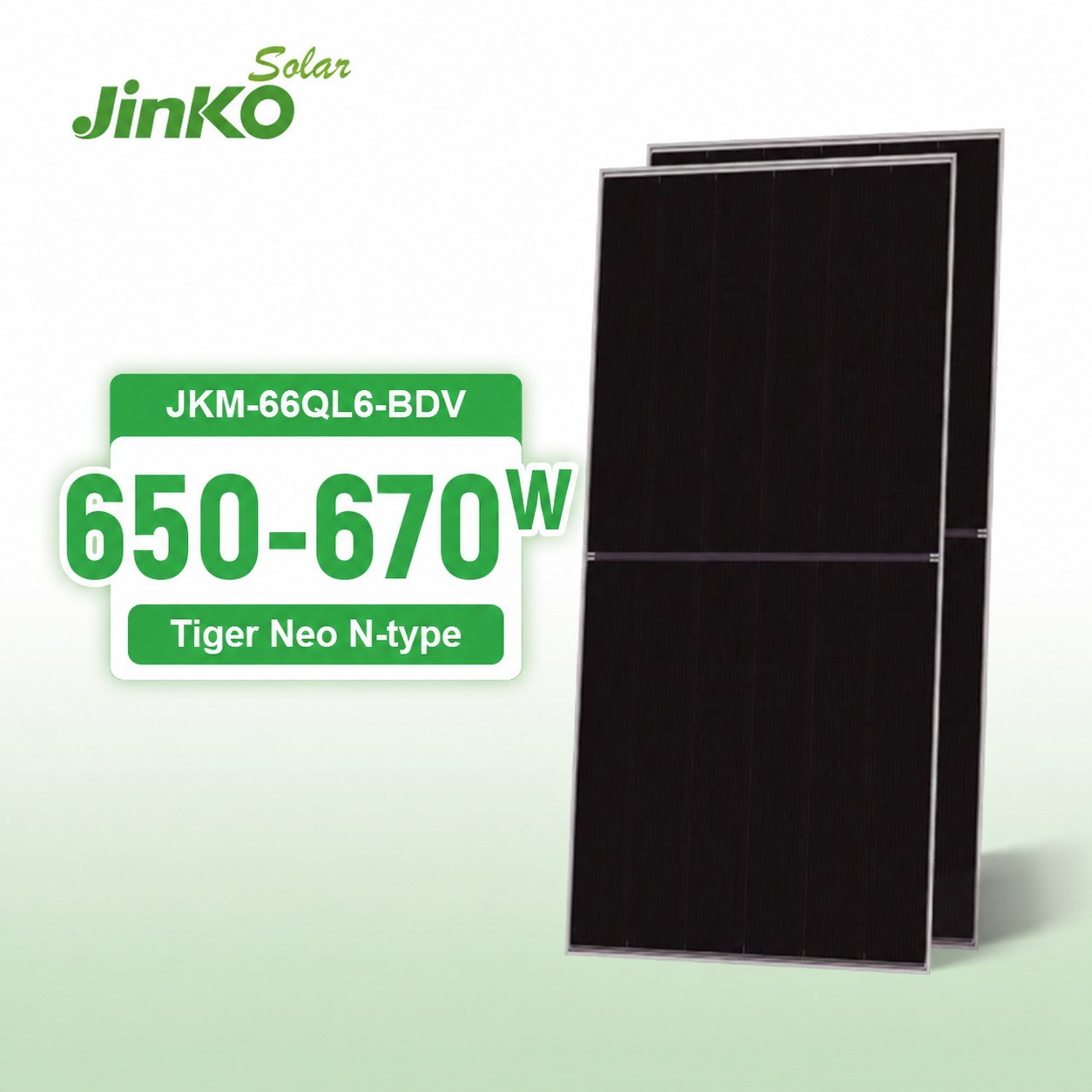
Jinko Panneau Solaire 660w 650W 660W 670W N Type Bifacial Dual Glass Photovoltaic Panel for Industrial
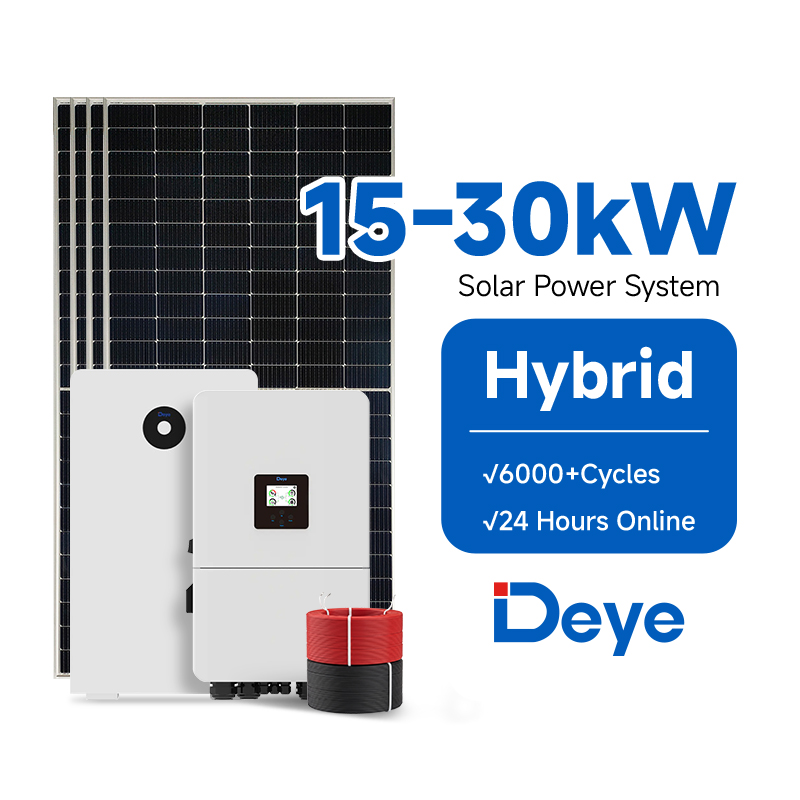
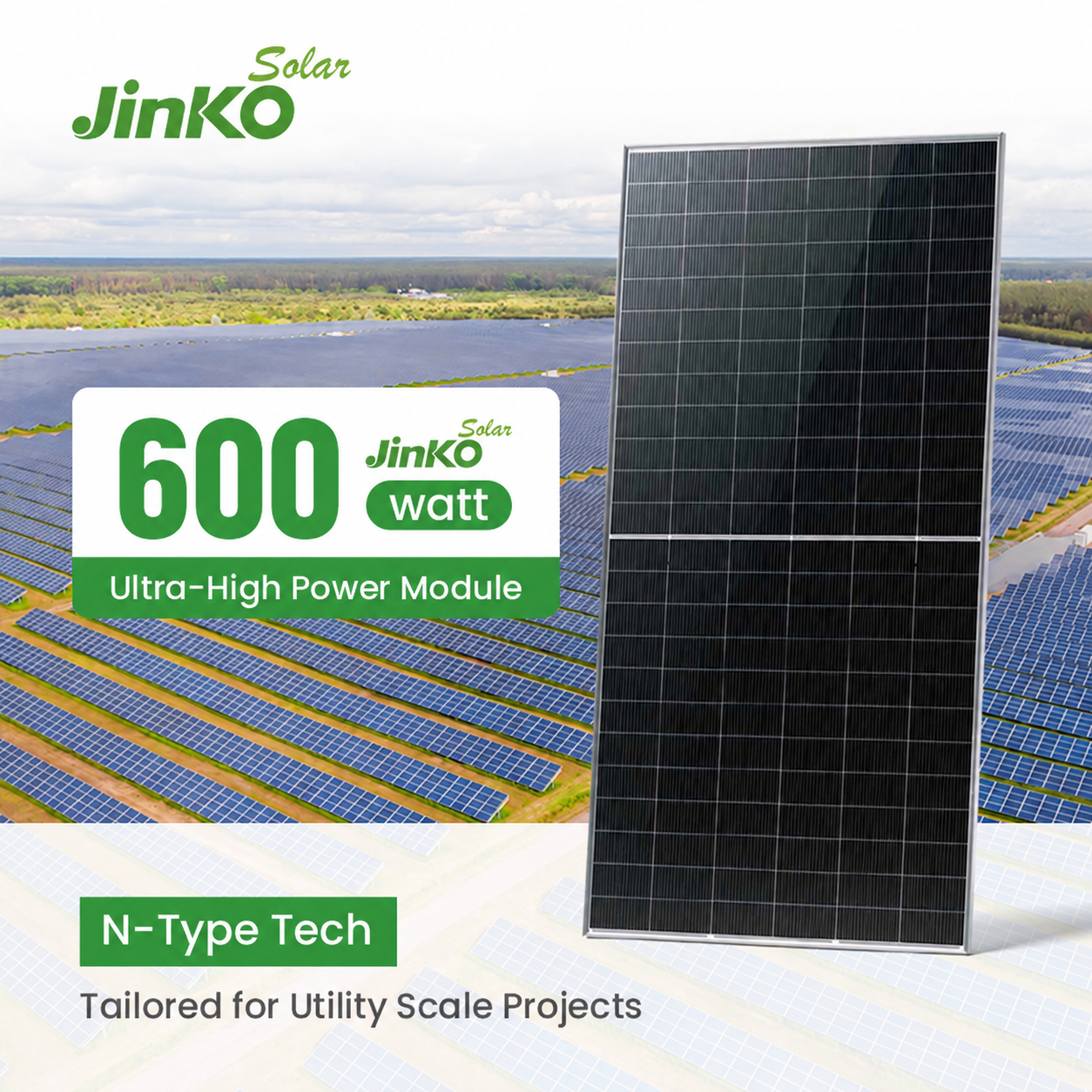
Jinko High Efficiency Bifacial 600W 585W 575W 595W Double Glass N Type Solar Panel in Stock
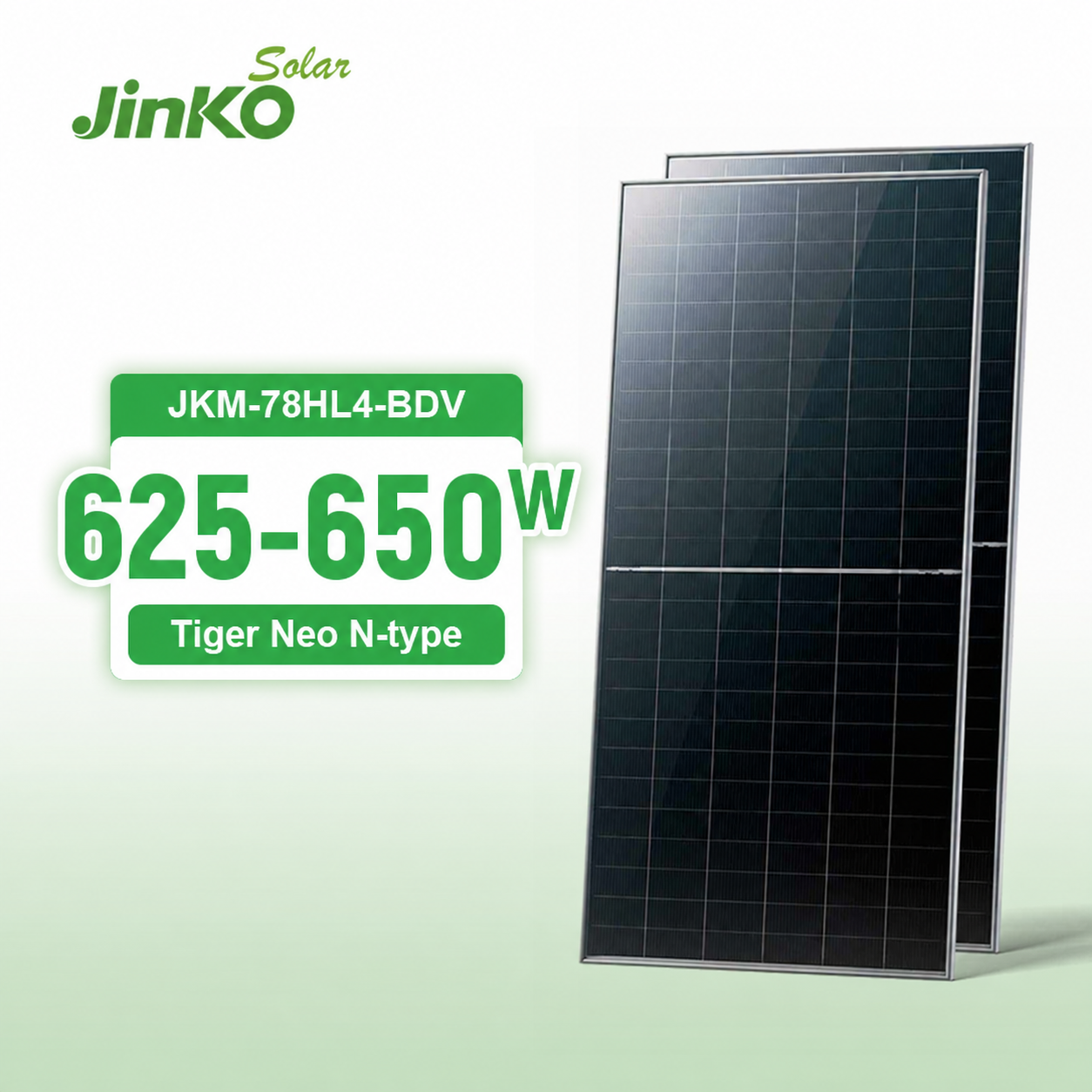
Jinko N Type Bifacial Solar Modules 650W 630W 640W Dual Glass Photovoltaic Panel for Industrial
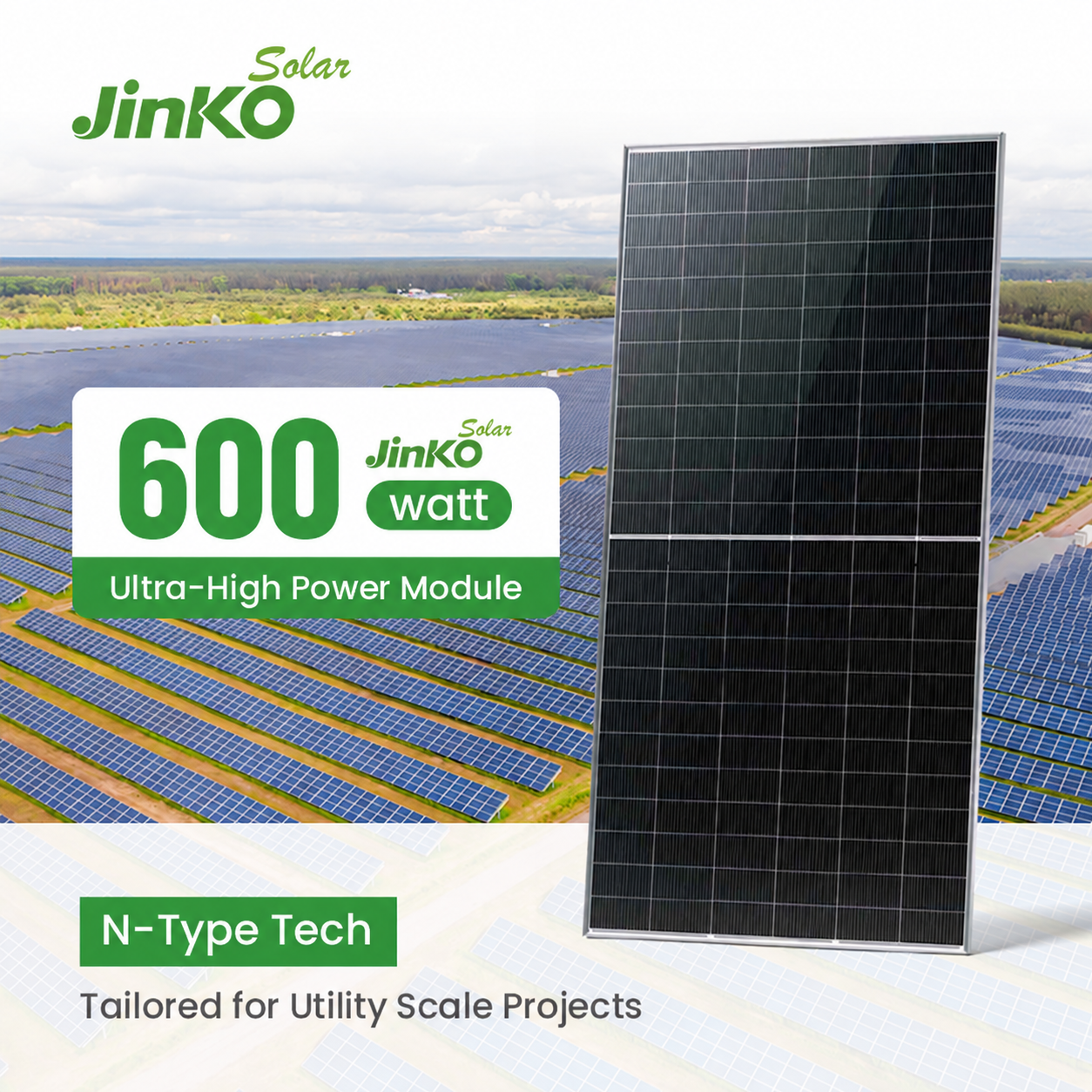
Jinko N Type Bifacial Photovoltaic Panels 600W 585W 595W TOPCon Solar Module for Commercial
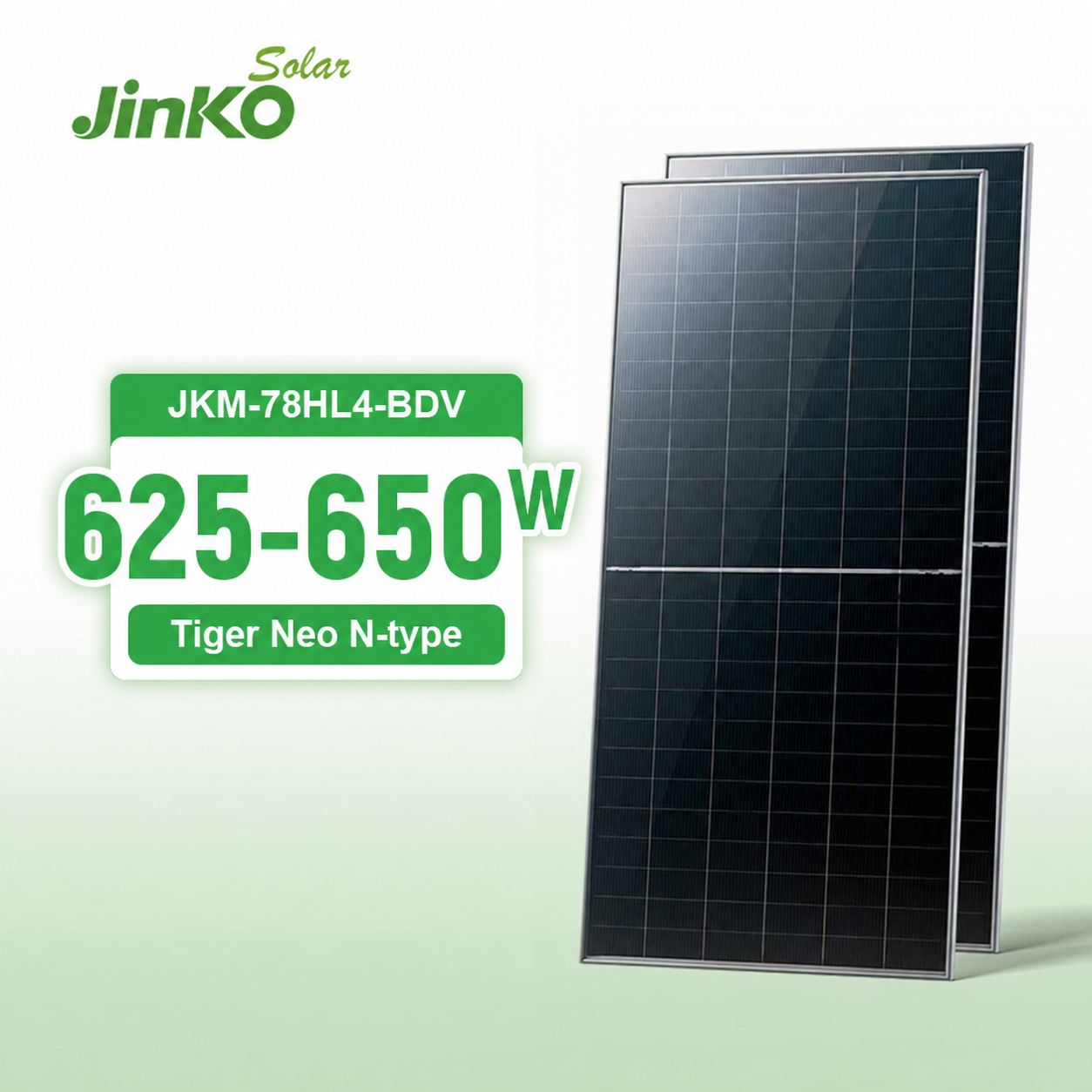
Jinko N Type Bifacial Pv Modules 630W 625W 635W Double Glass High Efficiency Solar Panel Stock
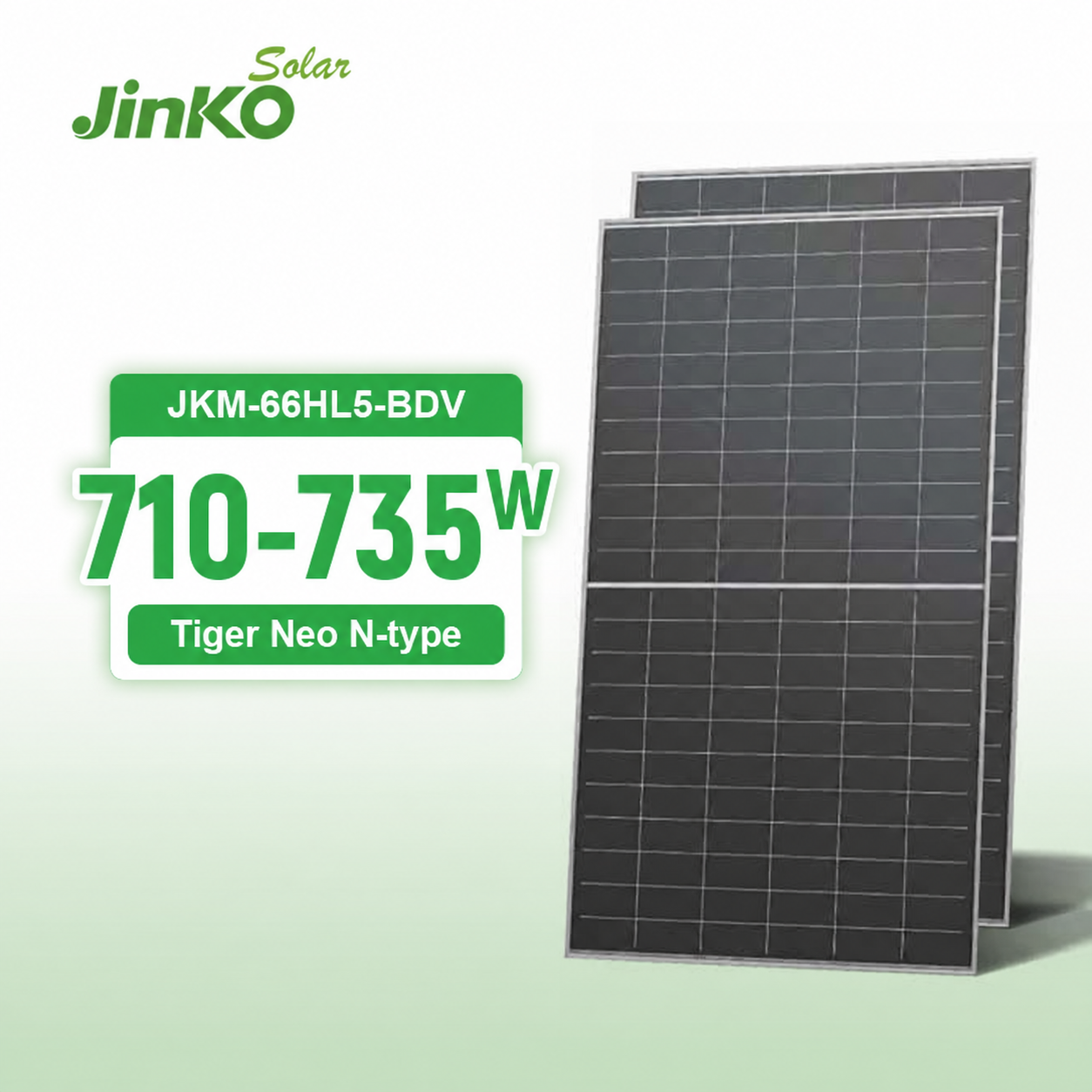
Jinko Wholesale Price 700 W 720W 730W 725W Bifacial TOPCon Double Glass High Efficiency Solar Module for House
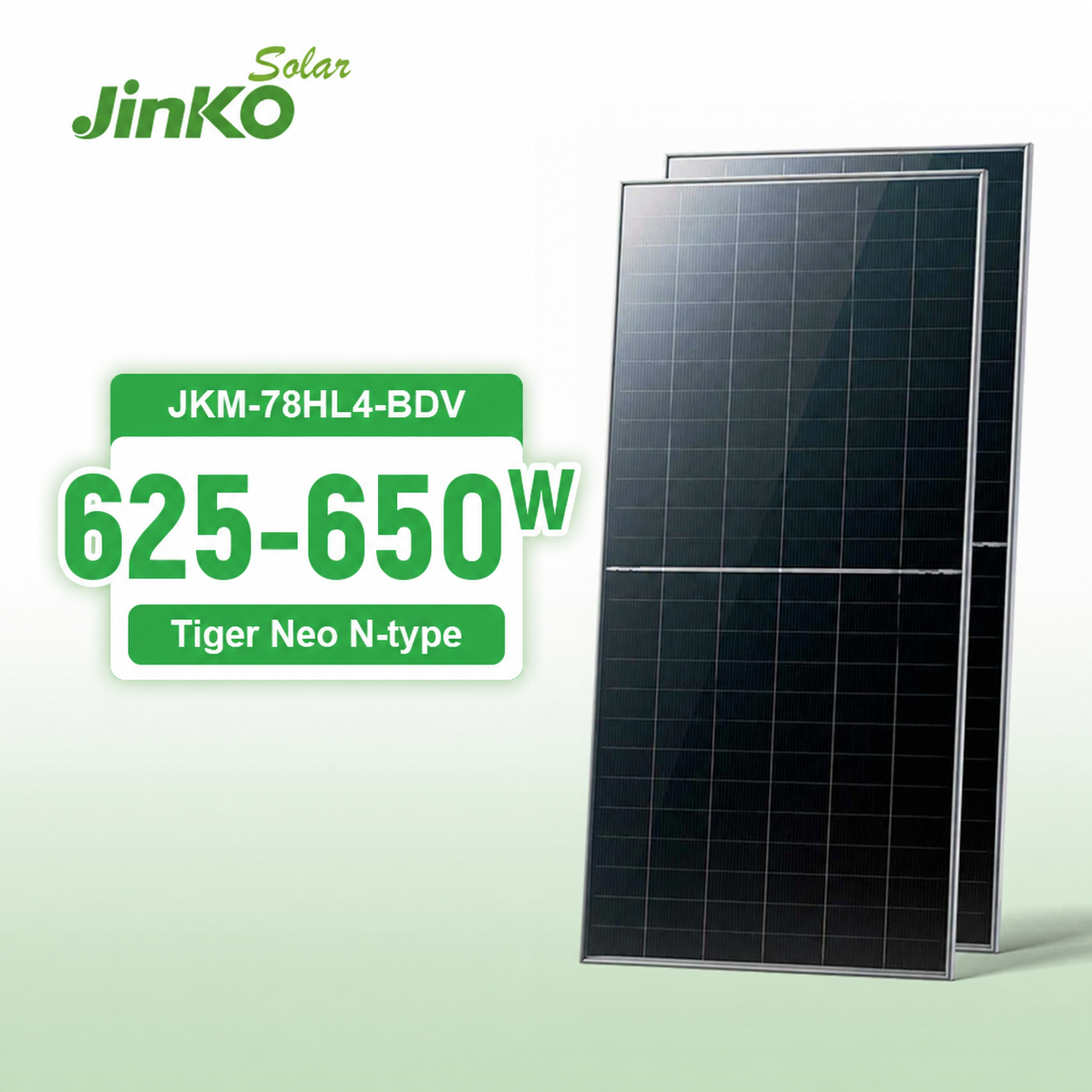
Jinko Monocrystalline Pv Panels 650W 625W 640W High Efficiency Bifacial Dual Glass Solar Module for Home Roof
Engineering Monocrystalline Cell Architectures for the Columbus Climate Zone
As the commercial and industrial capital of the Midwest, the Greater Columbus metropolitan area presents a distinct set of photothermal and atmospheric conditions that mandate specialized photovoltaic engineering. Operating within ASHRAE Climate Zone 5A, solar systems in Franklin County and neighboring Delaware, Licking, and Fairfield counties experience pronounced seasonal thermal swings: ambient summer temperatures frequently surpass 90°F (32°C) with elevated humidity, while winter minimums routinely dive beneath 0°F (-18°C), accompanied by severe freeze-thaw cycles and ground snow cover lasting weeks.
Standard p-type PERC monocrystalline modules face severe performance penalties under these parameters. PERC cells suffer from Boron-Oxygen defect complexes inducing Light Induced Degradation (LID) and elevated Light and Elevated Temperature Induced Degradation (LeTID), diminishing nameplate output by up to 2.5% in the initial operational months. Hangzhou VOLT New Energy supplies state-of-the-art N-Type Tunnel Oxide Passivated Contact (TOPCon) monocrystalline modules designed to neutralize these systemic loss factors. Fabricated on ultra-pure phosphorus-doped n-type silicon wafers, our TOPCon architecture eliminates Boron-Oxygen recombination centers, achieving virtually zero Light-Induced Degradation (LID < 0.5% in Year 1).
Optimized Pmax Temperature Coefficient (-0.30%/°C)
Summer midday rooftop surface temperatures in Columbus industrial zones (such as Rickenbacker or Westbelt) reach 65°C. With a thermal coefficient of -0.30%/°C, our N-type TOPCon modules suffer 28% less thermal power derating than legacy p-type mono panels (-0.38%/°C), producing substantially higher peak MWh during Columbus summer demand hours.
Dual-Glass Hermetic Integrity & Snow Load Durability
Equipped with dual 2.0mm semi-tempered glass and an anodized aluminum alloy frame, our panels deliver certified mechanical snow-load resistance of up to 5400 Pa (equivalent to over 112 lbs/sq.ft). The glass-glass construction prevents moisture ingress and acetic acid formation, completely eradicating Potential Induced Degradation (PID) during humid Ohio spring thaws.
Up to 80% Bifaciality & Winter Albedo Harvesting
Columbus experiences an average of 170 overcast days annually, with significant diffuse radiation. Our bifacial dual-glass modules capture up to 80% backside irradiance reflected from white reflective TPO commercial roof membranes or natural snow cover, unlocking an additional 12% to 25% energy harvest throughout Central Ohio's winter months.
Technical Benchmark Matrix: Factory Monocrystalline Modules for Ohio Commercial Applications
| Performance Characteristic | Legacy Mono P-PERC (Market Standard) | VOLT N-Type TOPCon Mono (Factory Direct) | Field Advantage in Central Ohio Grid (PJM) |
|---|---|---|---|
| Wafer Dopant & Type | p-Type Boron-Doped | n-Type Phosphorus-Doped | Eliminates Boron-Oxygen defect pairs; eliminates initial degradation |
| First Year Degradation | 2.0% – 2.5% | ≤ 1.0% | Delivers higher baseline billing offsets for AEP Ohio commercial accounts |
| Annual Linear Degradation | 0.55% / year | 0.40% / year (30-Year Life) | Over +14.8% cumulative kWh generated at Year 25/30 |
| Temperature Coefficient of Pmax | -0.35% to -0.39%/°C | -0.30%/°C | Superior yield during 85°F–95°F Columbus summer peak rate periods |
| Bifaciality Factor | 65% – 70% | 80% ± 5% | Maximum gain over white TPO warehouse roofs and snowy ground mounts |
| Low-Irradiance Response (<200 W/m²) | Moderate spectral drop-off | High Quantum Efficiency (Blue/Red) | Activates earlier in the morning and sustains output during overcast weather |
Strategic Photovoltaic Applications Across Columbus & Central Ohio
Tailoring monocrystalline module deployments to the commercial topology, grid constraints, and environmental profiles of the Columbus regional market.
Rickenbacker & Westbelt Distribution Centers
New Albany & Silicon Heartland Hyperscale Facilities
Central Ohio Agricultural & Municipal Land Holdings
Columbus Solar Trends: PJM Grid Integration & Economic Drivers
The energy ecosystem in Columbus and the state of Ohio is transitioning rapidly due to structural changes in wholesale power pricing and utility tariff evolution. Central Ohio is governed by the PJM Interconnection regional transmission organization (RTO) and serviced primarily by American Electric Power (AEP Ohio). As capacity auction clearing prices across the PJM footprint continue to trend upward due to thermal generation retirements and intense data center load growth, commercial and municipal power purchasers are actively locking in levelized costs of electricity (LCOE) through direct solar asset ownership.
Furthermore, under the Inflation Reduction Act (IRA), commercial enterprises and non-profit entities (via direct pay mechanisms) in Columbus can capitalize on the 30% baseline Investment Tax Credit (ITC), with potential 10% domestic content and 10% energy community bonus adders where applicable. In parallel, the City of Columbus’s Climate Action Plan—which targets 100% community-wide renewable electricity commitments—has spurred private developers and EPC contractors to accelerate procurement timelines. Direct factory supply relationships with manufacturers like Hangzhou VOLT New Energy bypass costly multi-tiered domestic distribution markups, giving Columbus contractors the bill-of-materials (BOM) cost efficiency necessary to submit winning bids on large-scale solar-plus-storage tenders.
Why International EPCs & Columbus Contractors Partner With Us
Hangzhou VOLT New Energy Technology Co., Ltd. combines advanced manufacturing partnerships with end-to-end global trade and technical integration services.
Strict EL & Flash Test QC
Every single monocrystalline module undergoes triple Electroluminescence (EL) testing to detect hidden microcracks, gate busbar breaks, or hot-spot defects before boxing. Comprehensive IV-curve flash test reports are mapped directly to module serial numbers.
Full System Compatibility
As a verified provider of Deye hybrid inverters, LFP energy storage batteries, and Tier-1 solar modules, we pre-test CAN and RS485 communication protocols, voltage windows, and MPPT string sizing before shipping, eliminating field commissioning errors.
Export-Ready DG Logistics
We handle heavy ocean freight, Class 9 Dangerous Goods packing for LFP batteries, UN38.3 test protocols, and comprehensive customs documentation, enabling smooth container clearing through major inland US ports and Midwest intermodal terminals.
Bespoke Engineering Sizing
Our dedicated bilingual photovoltaic engineers offer turnkey system sizing, string layout simulation, snow-load structural consultation, and one-line electrical schematics tailored to Ohio interconnection specifications within 24 business hours.
 Automated Module & Cell QC
 Export Packaging Inspection
 Intermodal Container Freight
 Dedicated Engineering Support
Frequently Asked Questions: Sourcing Monocrystalline PV for Columbus, OH
In-depth responses covering certifications, grid codes, seasonal performance, and logistics for Midwest solar project developers.
How do N-type monocrystalline dual-glass modules handle severe Columbus winter snow loads?
What certifications are provided to guarantee approval by AEP Ohio and local electrical inspectors?
What is the expected bifacial energy boost on commercial flat roofs in Ohio?
What are the lead times and shipping routes for factory-direct container shipments to Columbus?
Can VOLT New Energy supply consolidated containers of panels, hybrid inverters, and battery storage?
Accelerate Your Columbus Solar Project With Factory Direct Pricing
Whether you are engineering a multi-megawatt commercial distribution center rooftop in Rickenbacker, an agrivoltaic ground-mount in Madison County, or a resilient C&I microgrid in New Albany, Hangzhou VOLT New Energy delivers certified monocrystalline modules and matched storage solutions at unmatched factory value.