Industrial TOPCon PV Modules & MPPT Controller Integration
Direct factory wholesale containers matched with ultra-wide MPPT tracking algorithms. Every pallet delivers certified open-circuit cold voltage (Voc) stability against Cochabamba's freezing Andean nights and peak noon clear-sky peaks.
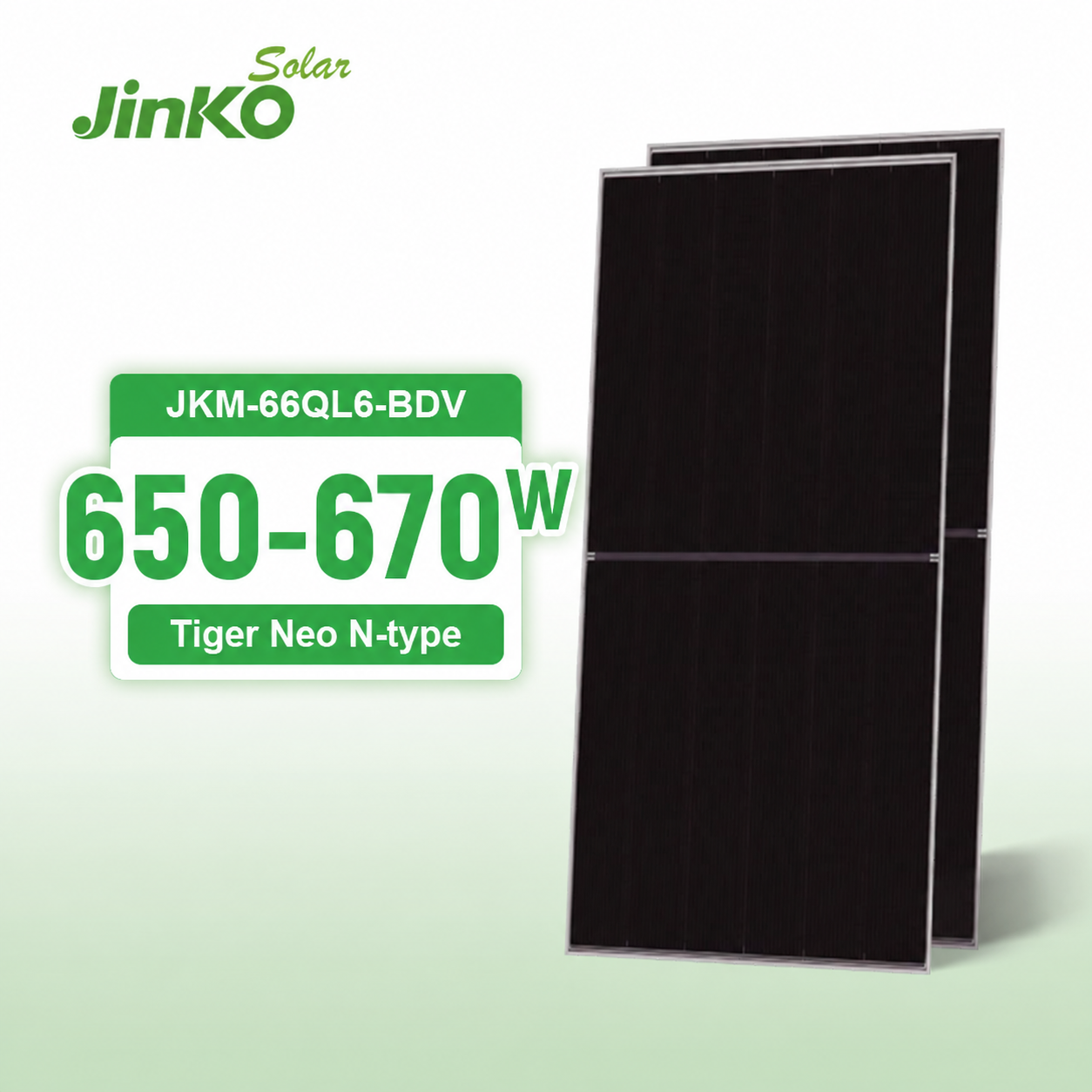
Jinko N-Type Bifacial 650W–670W Solar Module for High Altitude
- Efficiency: Up to 22.26%
- Dual-Glass Bifaciality: 80%±5%
- MPPT String: 1500V DC rated
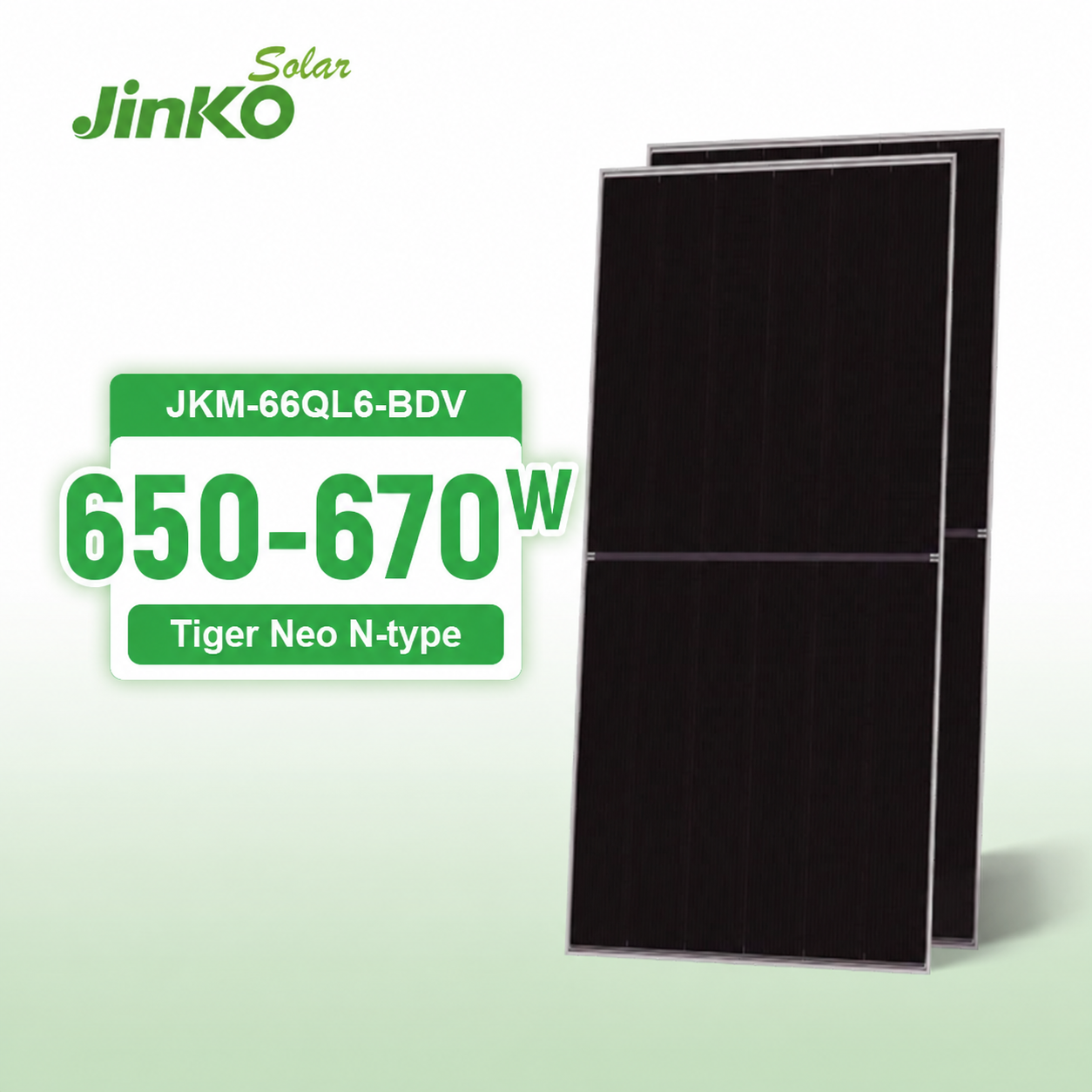
Jinko TOPCon 650W–670W Bifacial Photovoltaic Module for Commercial
- Low Temperature Coeff: -0.29%/°C
- High Resistance to PID & LeTID
- Heavy Snow/Wind Mechanical Load
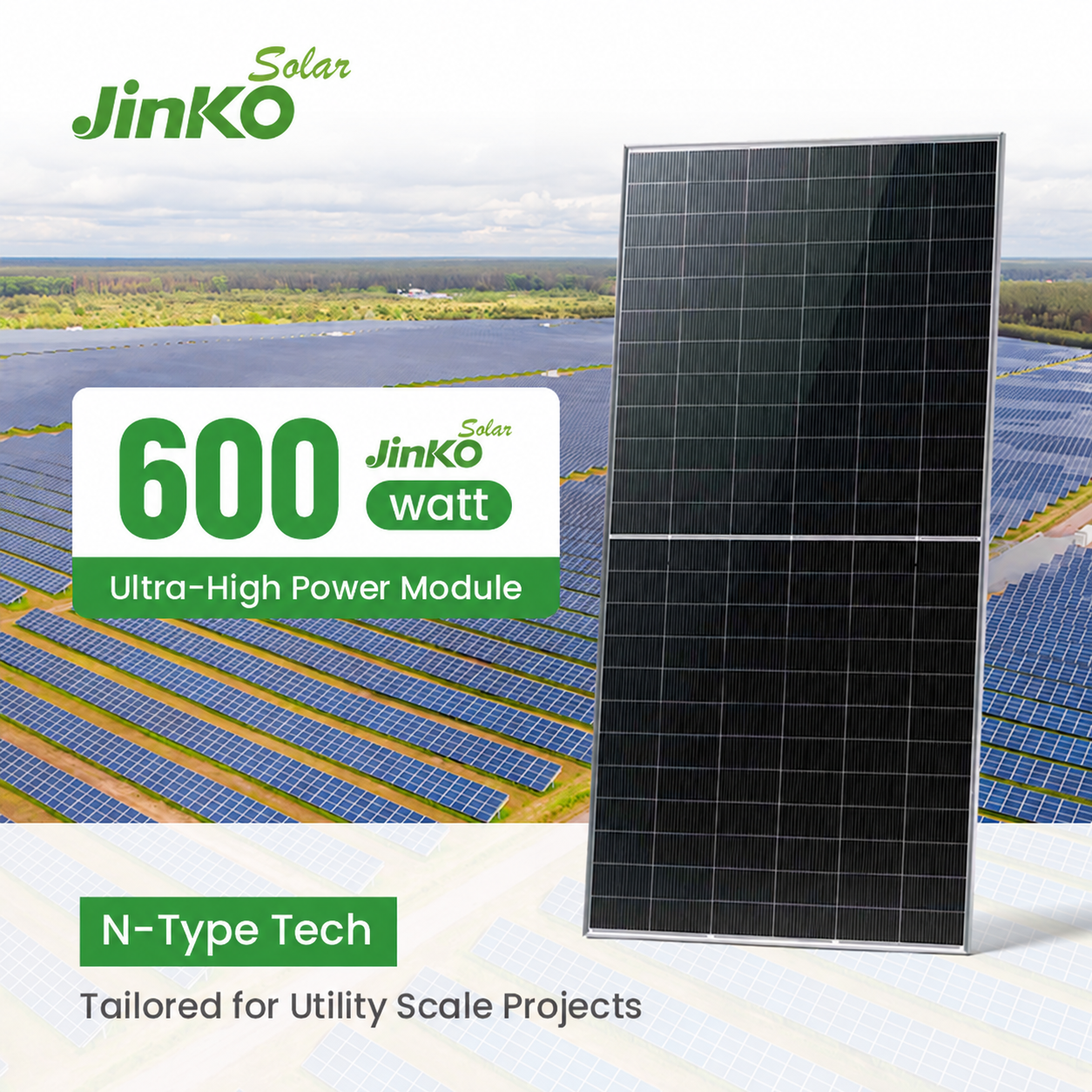
Jinko Monocrystalline Dual-Glass 585W–600W Module for Home Roofs
- Optimized for 48V LFP Systems
- Anti-reflective 2.0mm toughened glass
- Fast 99.8% MPPT Dynamic Sync
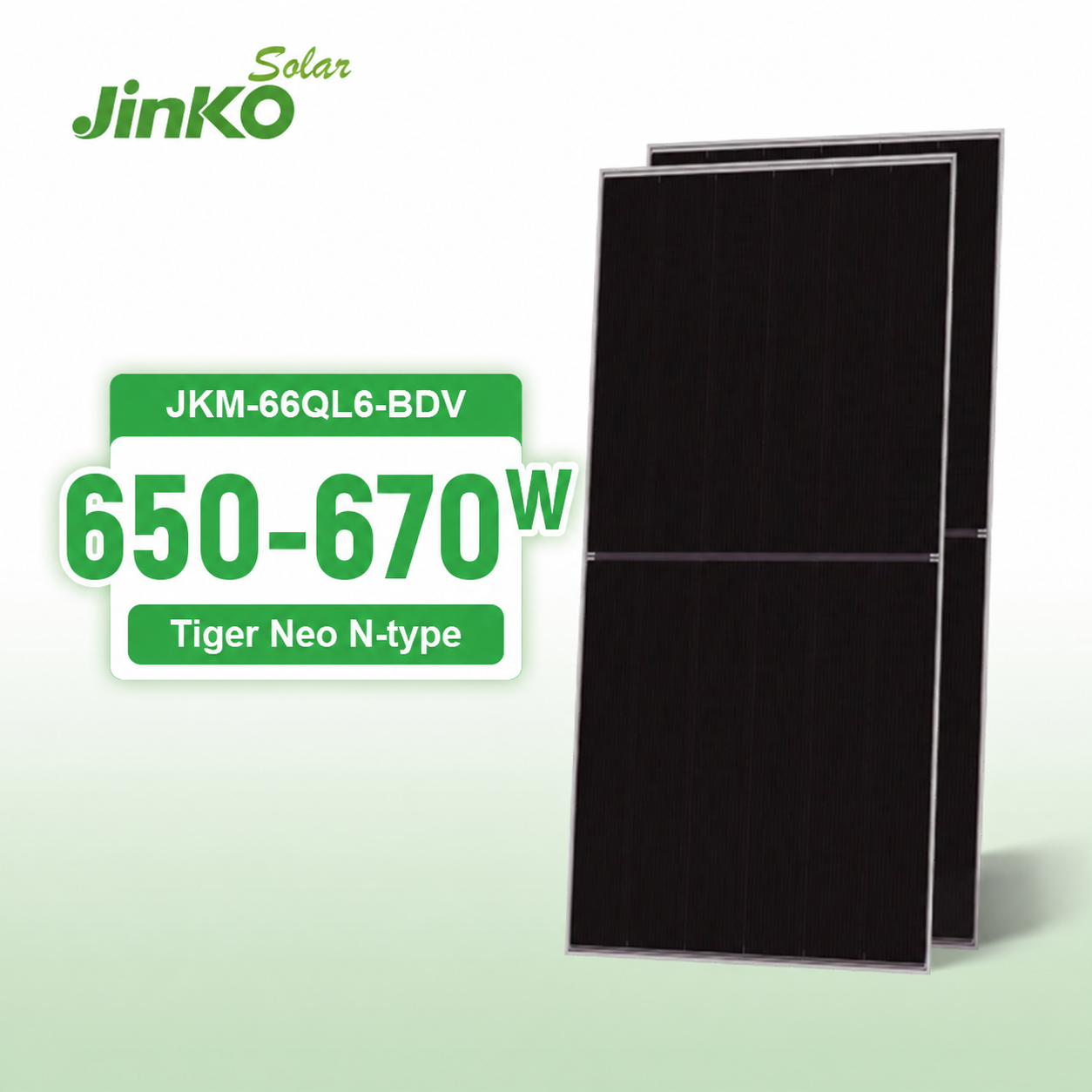
Jinko Double-Glass N-Type 650W–670W Solar Panels for Farm Pumping
- Ammonia & Sand Dust Resistance
- Direct VFD Solar Pump Compatibility
- Albedo Gain: Up to 25% extra yield
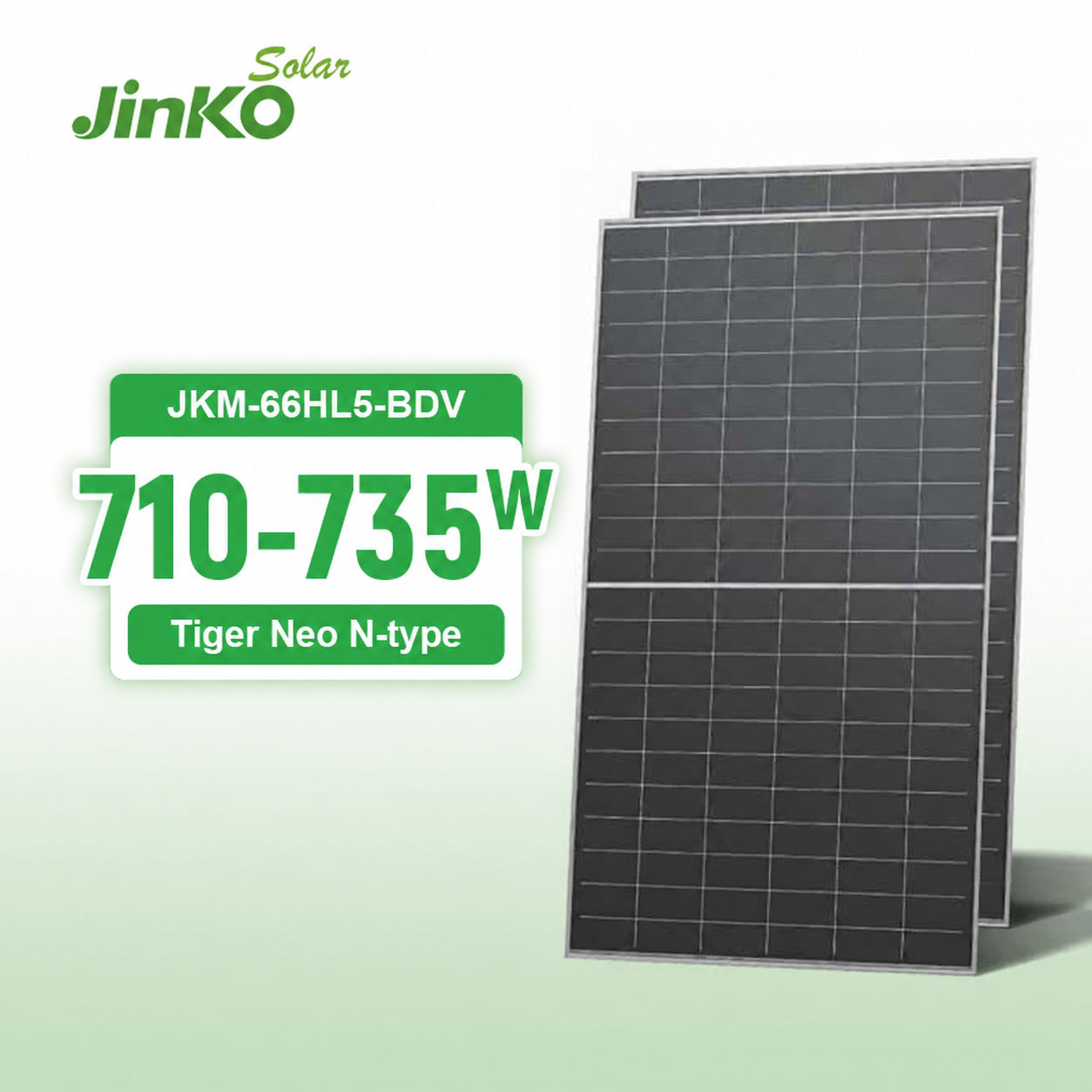
Jinko Industrial 710W–720W Dual-Glass Photovoltaic Module
- Utility-Scale Ground-Mount Sizing
- Compatible with 100A–200A MPPTs
- 30-Year Linear Power Warranty
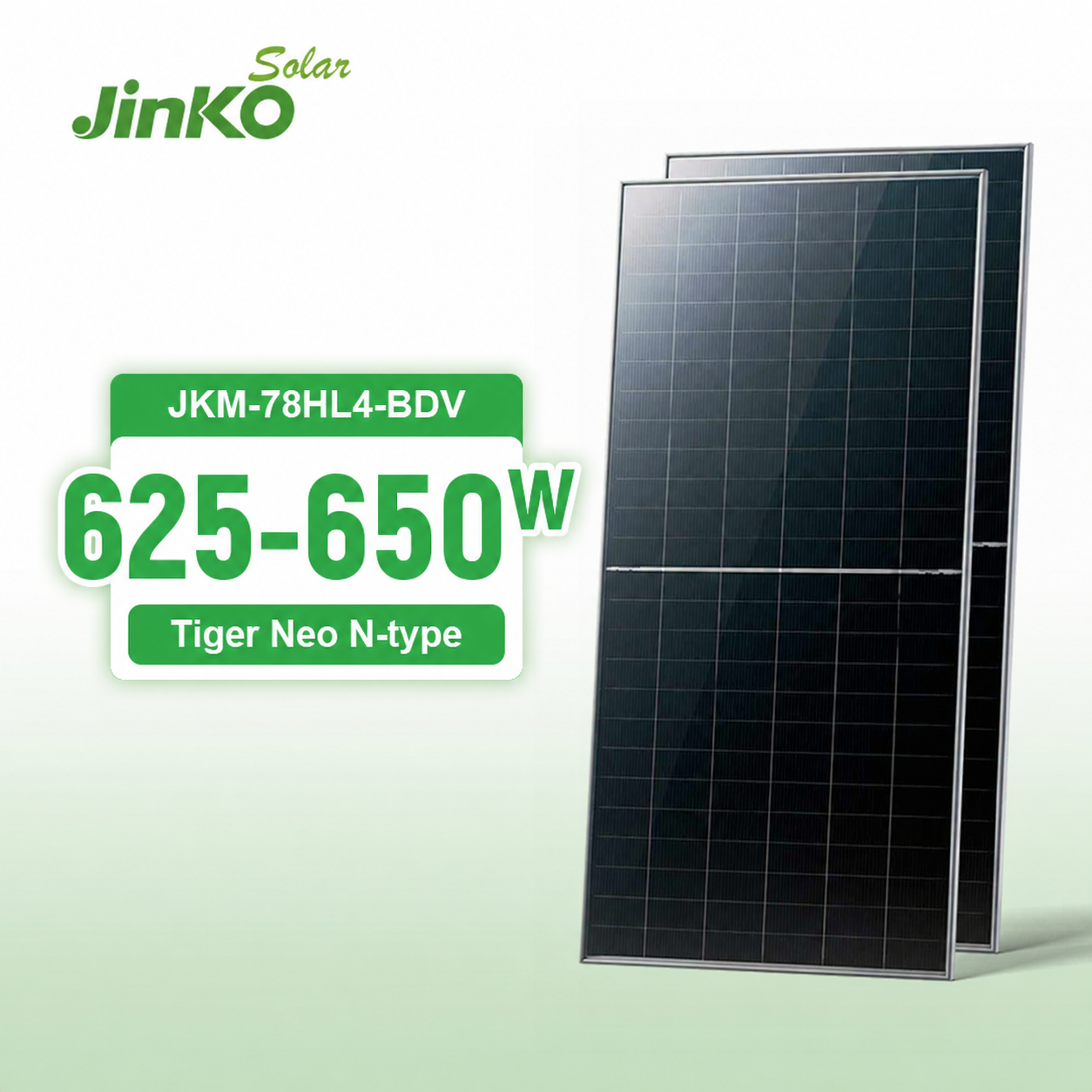
Jinko Monocrystalline 630W–640W Dual-Glass Rooftop Module
- Optimized for Microgrid Storage
- Fire Class A Certification
- Zero Hot-Spot Guarantee
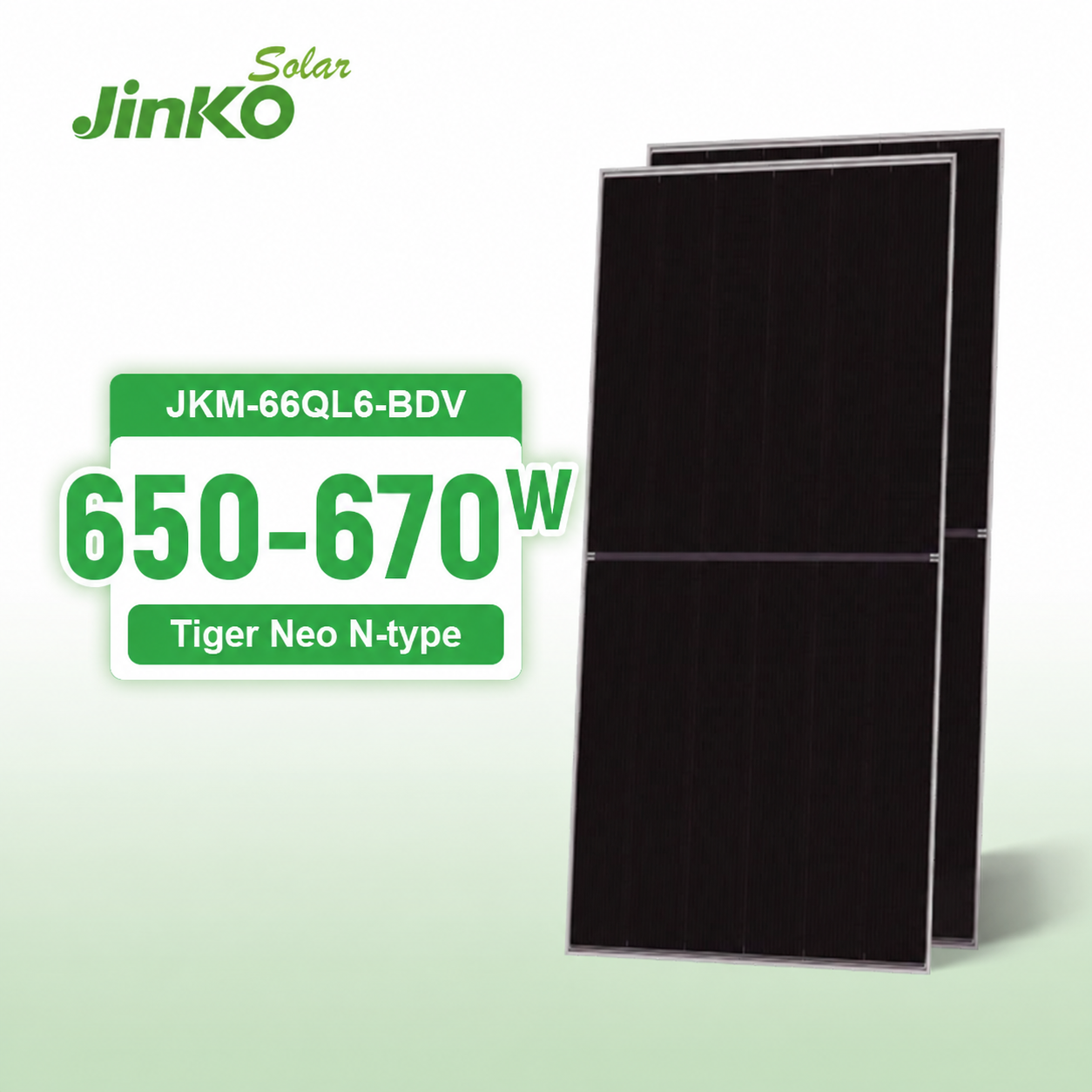
Jinko Monocrystalline 650W–670W Bifacial Dual-Glass Panel
- Advanced SMBB Multi-Busbar Tech
- Low Micro-Crack Risk Design
- Extended UV-Degradation Immunity
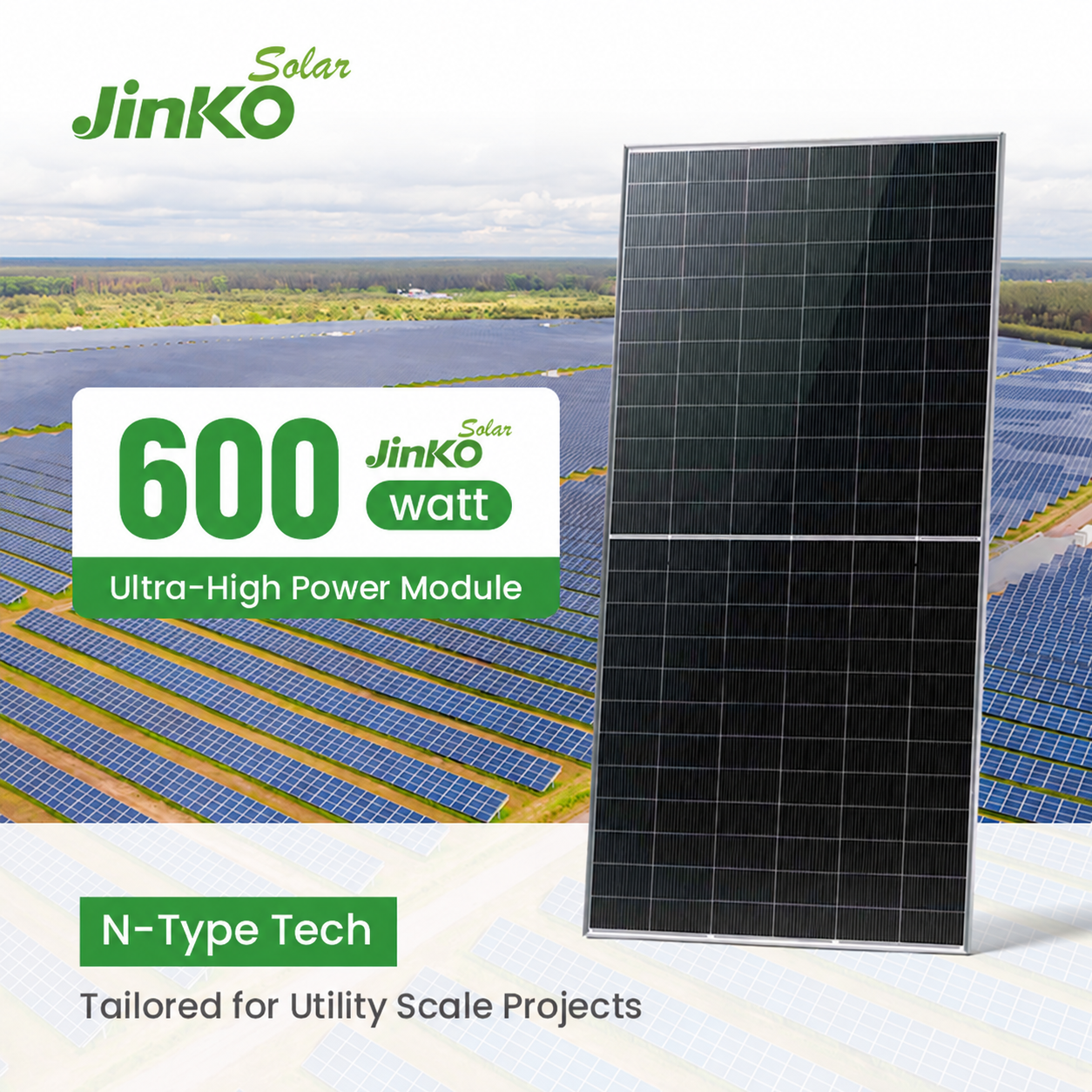
Jinko N-Type Double-Glass 580W–600W Commercial Solar Module
- Compact Footprint Commercial PV
- Compatible with Hybrid Inverters
- Certified IEC 61215 / IEC 61730
High-Altitude MPPT Tracking Dynamics at 2,558m ASL
Operating solar conversion electronics in the Cochabamba Valley demands specialized topology considerations. Standard sea-level charge controllers fail prematurely due to thermal convection loss, air density reduction, and heightened dielectric arc flash hazards.
Atmospheric Derating & Convection
At Cochabamba's altitude (2,558 meters; atmospheric pressure ~74 kPa), air density drops by nearly 24% compared to sea level. Heat sink thermal resistance ($\theta_{sa}$) increases significantly, requiring our MPPT charge controllers to integrate heavy-duty extruded aluminum profiles, dual-ball-bearing cooling fans, and forced intelligent derating thresholds above 40°C ambient temperatures.
Cold-Morning Voc Overvoltage Margin
During winter Andean nights in Cochabamba and surrounding valleys (Sacaba, Punata), ambient temperatures plummet to near 0°C or sub-zero. When morning sunlight hits the panels at over 1,150 W/m² irradiance, open-circuit voltage spikes sharply ($V_{oc(cold)} = V_{oc(STC)} \times [1 + \beta_{Voc} \times \Delta T]$). Hangzhou VOLT MPPTs feature 150V to 500V ultra-wide DC input windows to prevent catastrophic MOSFET puncture.
Paschen’s Law & Dielectric Clearance
Paschen's Law demonstrates that the breakdown voltage of air decreases as atmospheric pressure drops. Conventional PCB trace spacing on standard Chinese budget controllers results in electric arcing at 48V/96V battery rails. Our industrial-grade MPPT assemblies feature conformal silicone coating, isolated gate drive topologies, and 15mm clearance barriers exceeding IEC 62109-1 high-altitude safety guidelines.
| Operating Parameter | Standard Rating (Sea Level / 101 kPa) | Cochabamba Valley (2,558m / 74 kPa) | VOLT High-Altitude Solution Architecture |
|---|---|---|---|
| Thermal Dissipation Efficiency | 100% Nominal Heat Rejection | -18% to -22% Air Convection Loss | Oversized Heatsink + Pulse-Width Modulated Forced Air Cooling |
| Breakdown Voltage Clearance | 1.0x Standard Spacing Factor | 1.18x Creepage Distance Required | Conformal Dip-Coating + Heavy Insulation Barrier Isolators |
| Peak Clear-Sky Irradiance | 1,000 W/m² (STC Standard) | 1,150 – 1,280 W/m² (High UV Spike) | Ultra-Fast Dynamic Tracking (<0.5s) with Current Limiting Clipping |
| Operating Temperature Range | -20°C to +50°C Full Power | 0°C Night to +35°C Day Extreme Swing | Industrial MOSFETs rated to 175°C junction temperature (Tj) |
Field-Proven Use Cases Across the Cochabamba Department
From intensive agricultural drip-irrigation in the fertile Valle Alto to tropical telecom backhaul nodes in the Chapare basin, our MPPT charge controllers and integrated solar solutions deliver dependable energy sovereignty across Bolivia.
Agricultural solar pumping systems across Punata, Cliza, and Tarata. Direct MPPT-to-VFD controller integration drives deep-well helical and submersible pumps without requiring utility grid connection or expensive diesel generators.
High humidity (95% RH) and persistent cloud transients in Villa Tunari and Shinahota. Heavy polyurethane conformal coating safeguards internal chokes and switching circuitry against corrosion and tropical moisture ingress.
Remote microwave repeater towers located on Mount Tunari ridges (above 3,500m ASL). Dual-redundant 48V MPPT controllers coupled with 51.2V LiFePO4 battery banks ensure 99.999% uptime for national mobile and broadband carriers.
Poultry farms, dairy refrigeration, and fruit packing plants in Sacaba and Quillacollo facing ELFEC grid unreliability. Hybrid MPPT inverters cut peak demand charges and deliver seamless sub-10ms UPS cutover protection.
Market Transformation in Bolivia's Renewable Energy Sector
Bolivia’s distributed generation framework (Decreto Supremo Nº 4477) coupled with ongoing macroeconomic pressure on imported fossil fuel subsidies creates unprecedented momentum for B2B solar distributors and EPC contractors.
Fuel Subsidy Restructuring
With national foreign exchange limitations constraining subsidized diesel and gasoline imports, operating diesel gensets for agricultural water pumping in Cochabamba has become cost-prohibitive. Solar-powered MPPT conversion pays back within 14–18 months, driving mass conversion among smallholder agricultural cooperatives and agribusiness syndicates.
Pacific Freight Consolidation
Shipments destined for Cochabamba transit from Ningbo/Shanghai directly to the Chilean Pacific ports of Arica or Iquique, clearing Chilean transit corridors to the Tambo Quemado or Pisiga border customs depots. Hangzhou VOLT New Energy streamlines container mixed loading—combining solar modules, MPPT controllers, and LFP storage into single Class 9 DG shipments.
Transition to Smart LFP Storage
While deep-cycle GEL batteries continue to serve entry-level budgets, the Bolivian market is rapidly embracing 48V/51.2V LiFePO4 chemistry. Our MPPT units integrate direct CAN-bus handshakes with Deye, Antofo, and proprietary LFP BMS architectures, delivering 6,000+ lifecycle cycles compared to only 1,200 cycles from traditional lead-acid units under harsh thermal environments.
Hangzhou VOLT New Energy Technology Co., Ltd.
Headquartered in the high-tech manufacturing cluster of Hangzhou, Zhejiang, VOLT New Energy acts as your comprehensive tier-1 solar partner. We integrate R&D, pre-export system compatibility testing, and direct port container logistics for international importers.
- Pre-Shipment MPPT-to-BMS Firmware Matching: Zero field communication errors. We pre-flash and bench-test the CAN/RS485 handshake protocols before packaging.
- Full Maritime Export Compliance: UN38.3 test certifications, MSDS documentation, and custom heavy-duty plywood crating suited for trans-Andean trucking.
- System Integration Engineering: Custom string sizing tables, AutoCAD wiring schematics, and bilingual English-Spanish technical documentation.




Frequently Asked Questions for Cochabamba Buyers
Clear, definitive technical answers addressing customs regulations, logistics pathways, altitude compensation factors, and battery chemistry compatibility.
What is the logistical transit route and shipping timeline to Cochabamba?
How do I size open-circuit voltage (Voc) to protect the MPPT at 2,558m?
Can your MPPT charge controllers communicate with both GEL and LiFePO4 batteries?
How does altitude derating affect controller selection above 2,500m ASL?
What customs documentation is provided for Bolivian import clearance?
Can we consolidate small orders of inverters, panels, and MPPTs in one container?
Equip Your Projects with High-Altitude Engineered Solar Infrastructure
Contact our bilingual technical sales team today. Provide your system load requirements, target operating altitude, and storage preference—we will return a fully matched configuration, string diagram, and DDP/CIF quotation within 24 hours.