Engineered N-Type Bifacial TOPCon Solutions for Palestine
Exclusively supplying utility-grade, dual-glass N-Type monocrystalline modules engineered with SMBB (Super Multi-Busbar) architecture and high micro-crack resistance to withstand the challenging climatic and logistical conditions of the Levant.
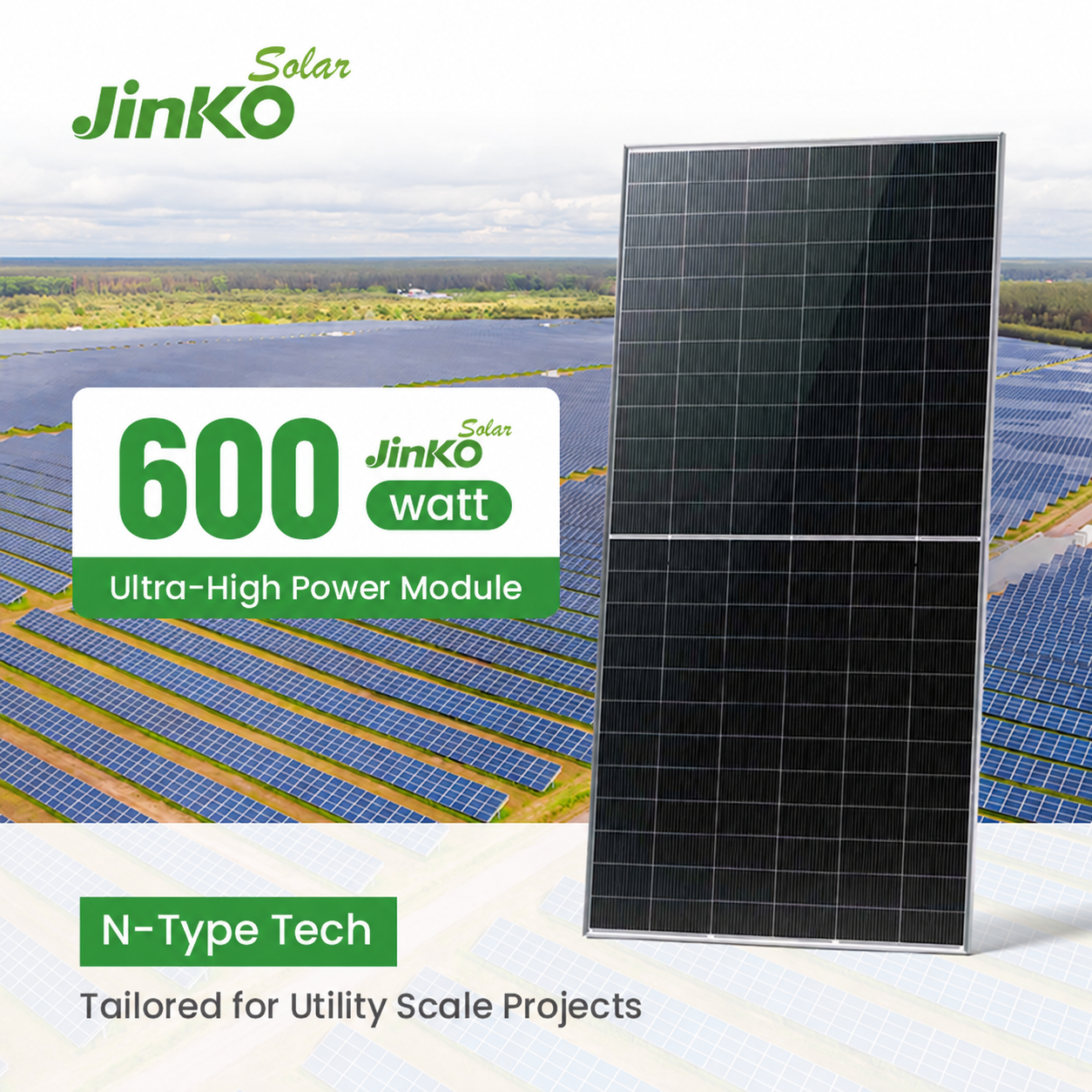
Jinko N Type Solar Modules 600W 580W 585W 590W Bifacial Monocrystalline High Efficiency PV Panel for Solar Farm

Jinko N Type Bifacial Photovoltaic Panels 600W 585W 595W TOPCon Solar Module for Commercial
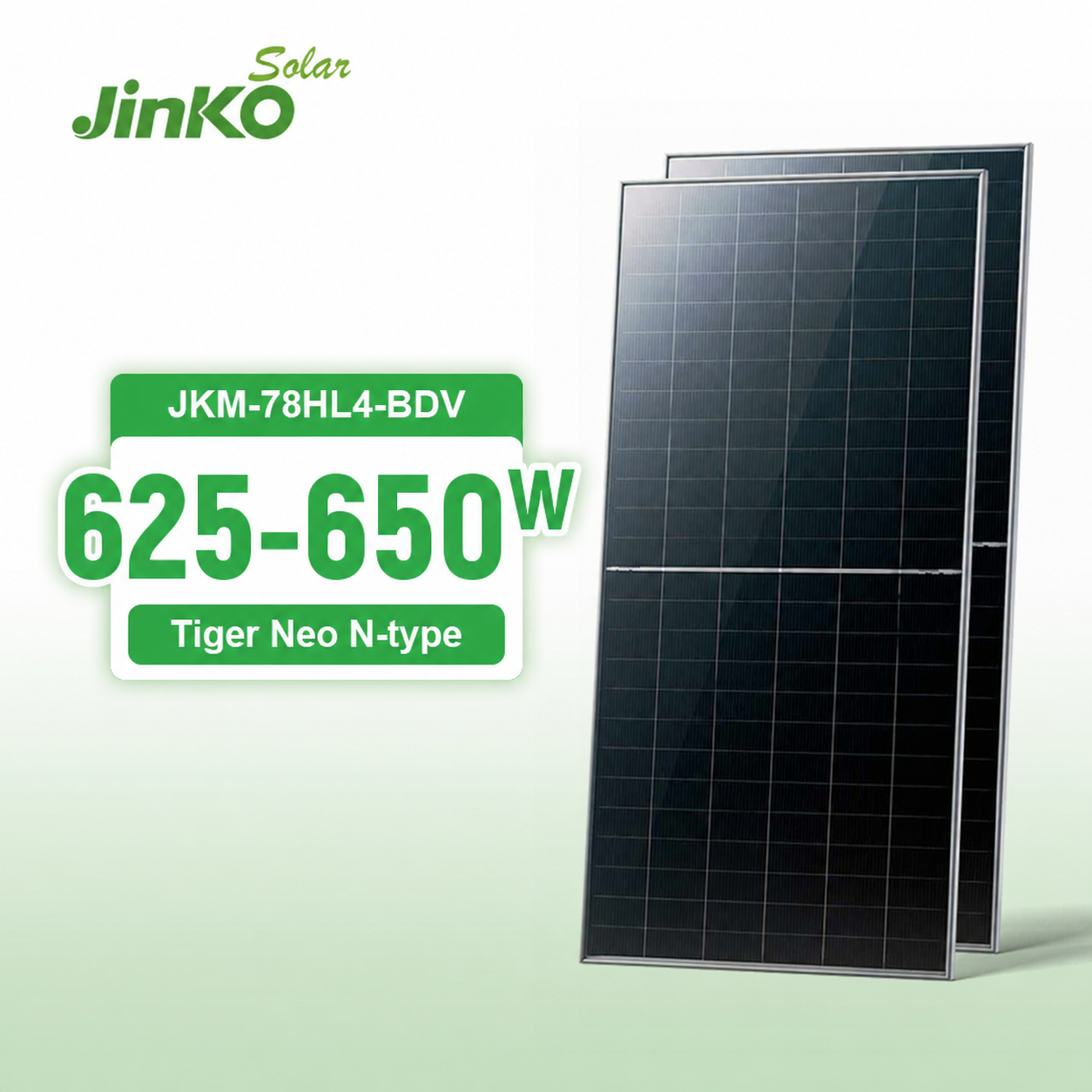
Jinko N Type Bifacial Pv Panels 650W 630W 645W Double Glass High Efficiency Solar Module for House Roof

Jinko N Type Bifacial Solar Panels 585W 590W 575WTOPCon Monocrystalline High Efficiency PV Module for Home
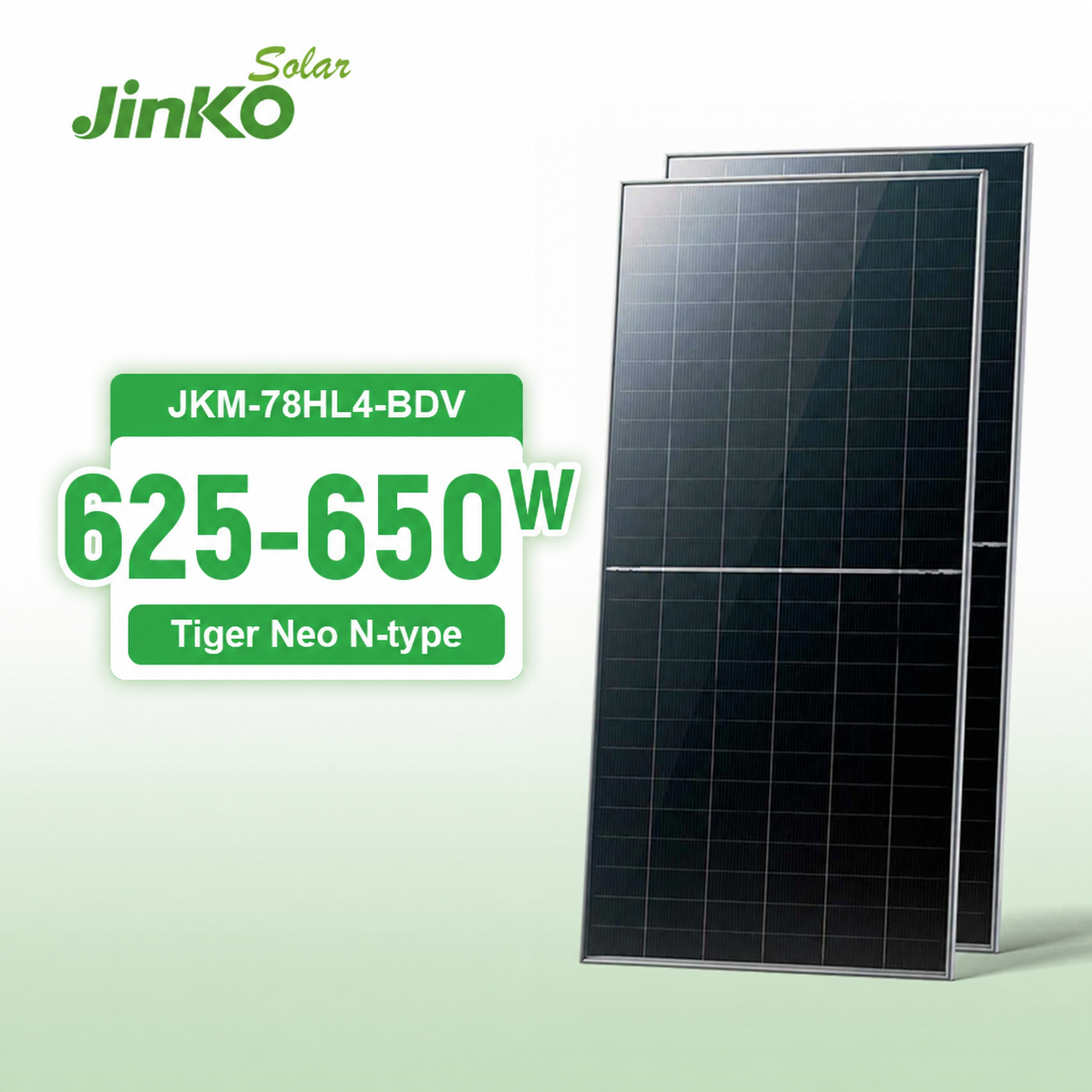
Jinko Monocrystalline Pv Panels 650W 625W 640W High Efficiency Bifacial Dual Glass Solar Module for Home Roof
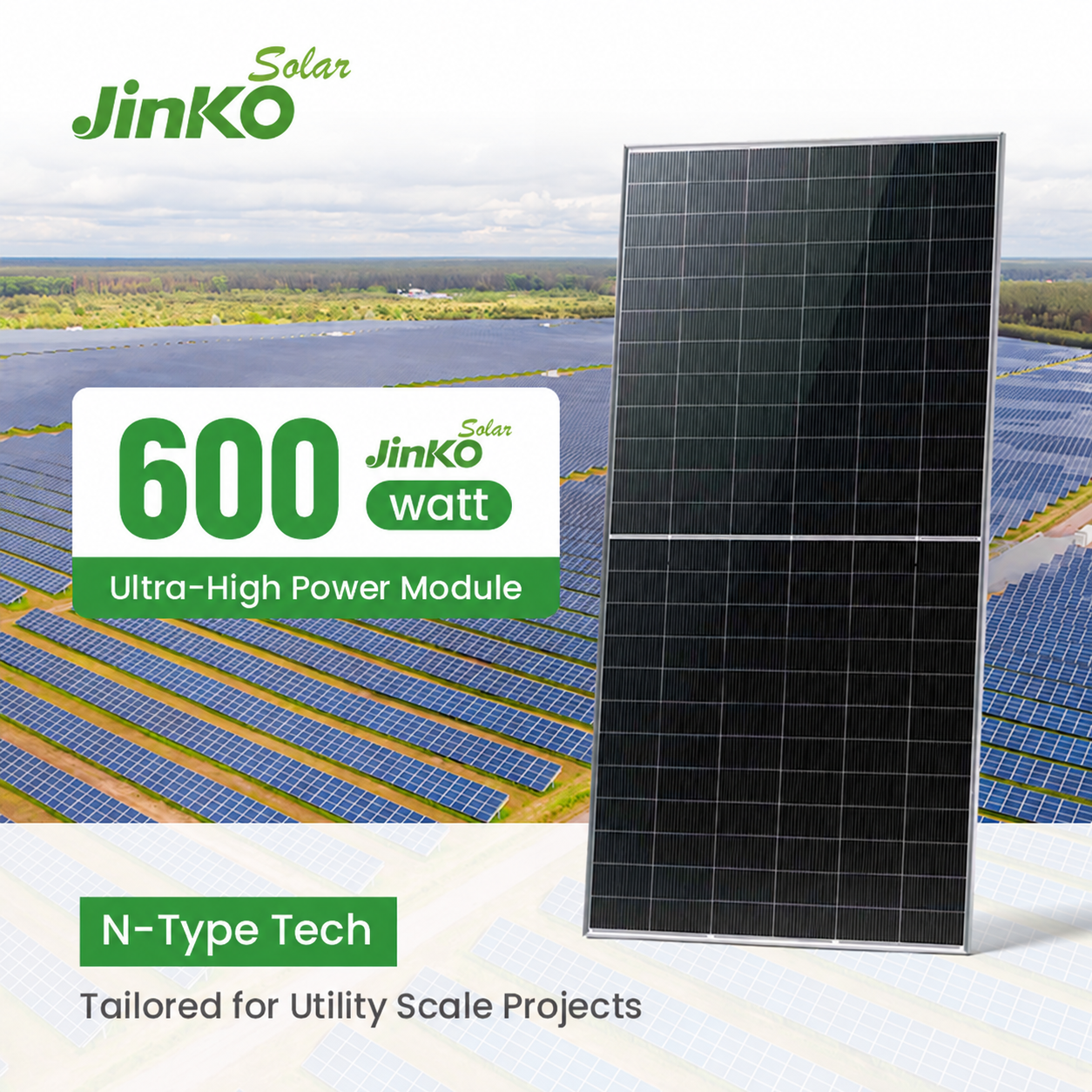
Jinko Solar Panels 580W 590W 600W 600 W N Type Double Glass High Efficiency Solar Panel for Commercial
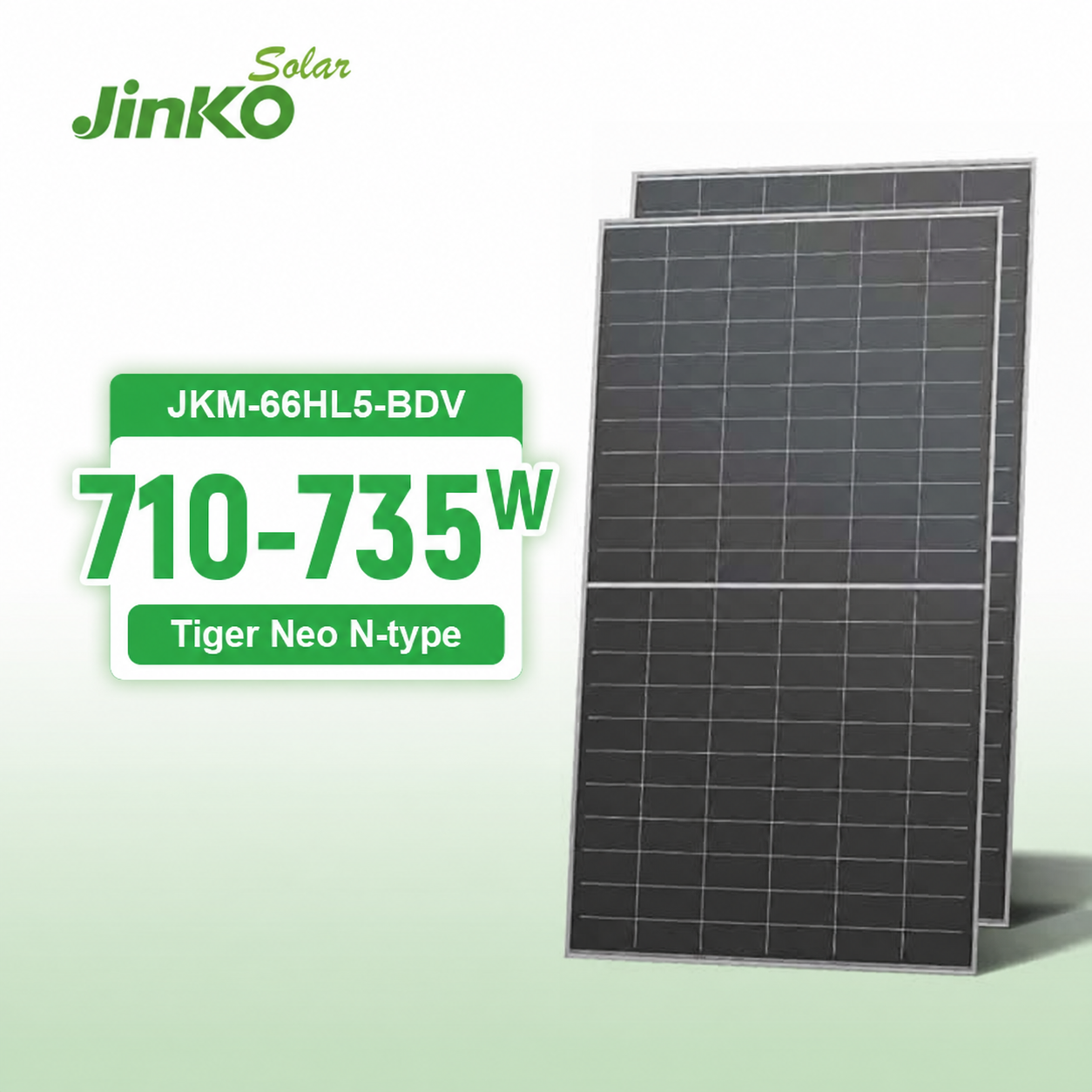
Jinko N Type Solar Panels 700W 710W 730W 725W Wholesale Price TOPCon Bifacial Photovoltaic Module for Commercial
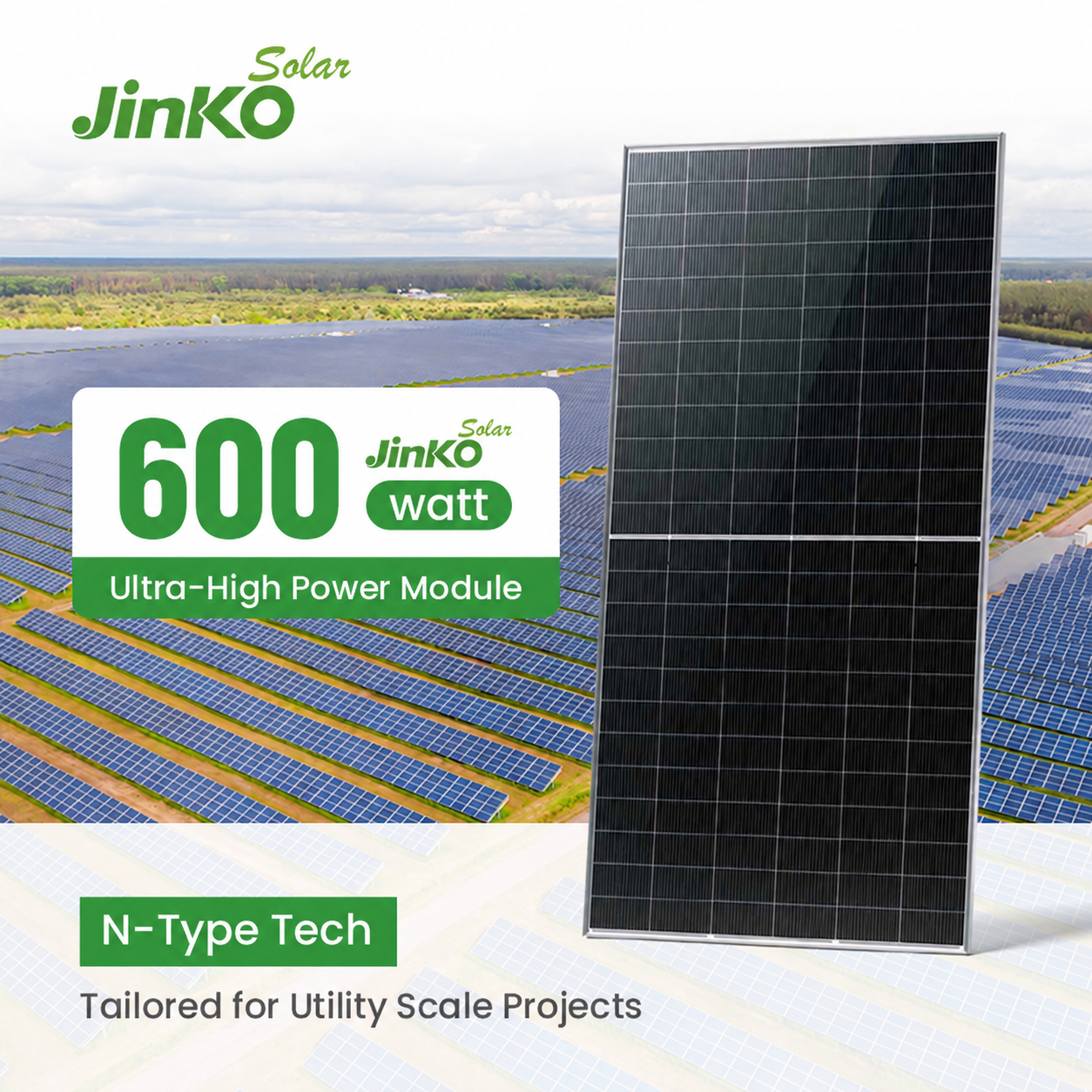
Jinko High Efficiency Bifacial 600W 585W 575W 595W Double Glass N Type Solar Panel in Stock
Thermodynamic Justification for N-Type TOPCon Adoption in the Palestinian Grid
Addressing the dual challenges of extreme seasonal temperature variance, restricted land zoning (Area C constraints), and acute grid fragility through next-generation silicon metallurgy.
Metallurgical Superiority and Zero LID/LeTID: Standard P-type monocrystalline silicon ingots are doped with Boron. Under continuous exposure to intense solar photons, Boron associates with residual Oxygen impurities within the silicon matrix to formulate Boron-Oxygen (B-O) defect centers. These act as charge recombination hotspots, causing an irreversible 1.5% to 2.5% Light-Induced Degradation (LID) within the first 48 hours of commissioning. In contrast, N-type wafer architecture utilizes Phosphorus as the dopant. Because Phosphorus does not generate dopant-oxygen complexes, N-type cells completely eliminate Boron-Oxygen LID, guaranteeing near-zero initial degradation (<1.0% in Year 1). For Palestinian commercial EPCs in Ramallah, Nablus, and Hebron, where capital expenditure payback periods are calculated against retail grid rates often exceeding $0.18–$0.22/kWh, this 1.5% to 2% initial energy retention directly improves project Internal Rate of Return (IRR) by 140 to 190 basis points over the lifecycle of the system.
Superior High-Temperature Performance in the Jordan Valley & Jericho: Ambient summer operating conditions in the Jericho depression and the Lower Jordan Valley frequently exceed 43°C to 46°C, driving solar panel nominal module operating temperature (NMOT) beyond 65°C to 70°C. Standard P-type PERC panels possess a power temperature coefficient (Pmax) of -0.35%/°C to -0.37%/°C. Consequently, when module junction temperatures hit 65°C (40°C above standard testing conditions of 25°C), a P-type PERC panel suffers an immediate 14.8% thermal power output deficit. Our Jinko N-Type TOPCon panels feature an advanced passivated contact with a temperature coefficient of -0.29%/°C to -0.30%/°C. Under identical operating dynamics, this represents a net 2.8% to 3.2% higher actual power generation yield during peak solar hours, precisely when electricity demand for air-conditioning and agricultural refrigeration spikes across Palestinian municipalities.
| Performance Parameter | Legacy P-Type PERC 550W | Jinko N-Type TOPCon 585W–600W | Levant Field Operational Benefit |
|---|---|---|---|
| Wafer Dopant & LID Risk | Boron Doped (1.5%–2.5% 1st Yr LID) | Phosphorus Doped (Zero B-O LID, <1.0% Yr 1) | Guaranteed upfront yield; zero sudden initial commissioning drop. |
| Temperature Coefficient (Pmax) | -0.35% / °C to -0.38% / °C | -0.29% / °C to -0.30% / °C | +2.8% to +3.5% energy generation yield during Jericho summer peaks. |
| Bifaciality Factor | 65% to 70% | 80% ± 5% | Substantial backside yield enhancement off limestone and sand albedos. |
| 30-Year Linear Degradation | 0.55% annual degradation | 0.40% annual degradation | Maintains >87.4% rated capacity at Year 30 vs. 83.1% for PERC. |
| Weak Light Response (Low Irradiance) | Standard Shunt Resistance | Higher Voc & Ultra-Low Recombination | Earlier morning generation, extended evening production on dusty days. |
Albedo Reflection Dynamics
The West Bank's arid terrain is saturated with white Jerusalem limestone, pale caliche soil, and reflective sand. N-Type TOPCon’s 80% bifaciality captures substantial ground-reflected diffuse light, adding 8% to 22% ancillary generation without additional land acquisition.
Dual-Glass Hermetic Barrier
Equipped with dual 2.0mm heat-strengthened glass on front and rear surfaces, eliminating rear polymer backsheet chalking, micro-crack degradation from Sirocco sandstorms, and water vapor ingress, while conforming to Class A fire safety ratings.
High Density SMBB Interconnects
Super Multi-Busbar (SMBB) architecture shortens current conduction paths between busbars by over 45%, minimizing localized micro-crack hotspot hazards created during arduous freight routing across complex regional border checkposts.
Localized PV Application Scenarios in the West Bank & Gaza Strip
Custom engineering integrations resolving regional grid outages, industrial diesel substitution, and critical water extraction challenges.
 Hebron & Nablus
Industrial Stone & Marble Factories
Hebron hosts hundreds of stone cutting and marble quarries that operate high-amperage hydraulic saws. Frequent voltage drops and punitive grid tariffs demand peak shaving and continuous backup.
- Jinko 600W/650W Double Glass paired with Deye 50kW hybrid inverters.
- Zero-export control capability preventing reverse feeding into IEC lines.
- Reduces diesel generator run-time by 65% to 80% during grid downtime.
 Jericho & Tubas
Date Palm & Agribusiness Microgrids
Arid date farming along the Jordan Valley relies entirely on deep bore water pumps. Grid connection is frequently unobtainable in Area C, creating complete reliance on high-efficiency off-grid generation.
- Jinko 585W/600W Bifacial modules mounted over pale sandy terrain.
- -0.29%/°C coefficient maintains high Vmpp during 45°C summer heat.
- Direct VFD solar pump drives eliminating expensive diesel fuel runs.
 Ramallah, Jenin & Gaza
Hospitals, Clinics & Telecom Towers
Essential infrastructure requires 100% mission-critical power continuity. Interrupted grid power endangers cold-chain vaccine storage, surgical centers, and rural telecommunications transmitters.
- Matched Jinko N-Type panels and VOLT 51.2V LFP battery storage banks.
- Sub-4ms UPS transfer switching prevents medical diagnostic reboot.
- LiFePO4 safety chemistry with UN38.3 transport safety clearance.
Palestinian Energy Transition Dynamics & PENRA Regulations
Strategic structural tailwinds driving rapid institutional shift toward decentralized rooftop solar and energy storage systems.
Regulatory Framework Under PENRA and PERC: The Palestinian Energy and Natural Resources Authority (PENRA) alongside the Palestinian Electricity Regulatory Council (PERC) have established aggressive clean energy adoption directives aiming for a minimum of 20% domestic renewable generation. To mitigate reliance on cross-border high-voltage lines, Palestinian electricity distribution companies—such as Jerusalem District Electricity Company (JDECO), Northern Electricity Distribution Company (NEDCO), Southern Electricity Company (SELCO), and Tubas Electricity Distribution Company (TEDCO)—have expanded net-metering schemes and bilateral Power Purchase Agreement (PPA) policies. However, distribution transformers across major Palestinian load centers regularly encounter severe thermal loading and reverse-power constraints, driving utilities to enforce strict grid interconnection codes, anti-islanding compliance (IEC 62116), and power export limitation controls.
Area C Development Constraints and the Densification Imperative: Under current geopolitical classifications, over 60% of the West Bank is demarcated as Area C, where administrative permits for ground-mounted utility-scale solar farms are notoriously restricted. Consequently, the commercial solar sector is structurally forced into spatial densification—extracting maximum kilowatt-hours per available square meter of rooftop or commercial canopy. This spatial bottleneck makes conventional 450W–500W PERC modules economically obsolete. Jinko's N-Type TOPCon panels provide up to 22.8% module efficiency, yielding 226 Watts per square meter compared to only 205 W/m² for legacy PERC. For industrial facilities in Ramallah or Bethlehem with a static 2,000 m² warehouse roof, deploying N-Type TOPCon yields an additional 42 kWp of rated capacity on the exact same structural footprint.
Economics of Diesel Replacement vs. High Retail Tariffs: Retail electricity rates for commercial and residential consumers in the Palestinian territories remain among the highest in the Middle East, fluctuating between 0.65 to 0.85 ILS per kWh ($0.18 to $0.23/USD per kWh). When grid blackouts occur, secondary power generated by stationary diesel generators escalates marginal energy costs to over $0.40–$0.55 per kWh due to high fuel taxation and transit overheads. By deploying high-yield N-Type bifacial solar arrays tied directly to lithium iron phosphate (LiFePO4) storage banks, Palestinian commercial enterprises achieve levelized cost of electricity (LCOE) figures below $0.055/kWh over a 25-year operational envelope, yielding total system capital amortizations in under 3.5 to 4.5 years.
Logistical Route Clearance: Haifa/Ashdod Ports & Jordan King Hussein (Allenby) Corridor
Exporting high-tech photovoltaic modules and lithium storage systems into the West Bank and Gaza requires flawless international compliance documentation. Freight into Palestinian distributors traditionally routes through either the Israeli deep-water container ports (Port of Haifa or Port of Ashdod) or across the King Hussein Bridge (Allenby Border Crossing) from Jordan.
Shipments managed by VOLT New Energy include complete bilingual commercial packing lists, Certificate of Origin (COO), original factory flash test data per individual module serial number, and certified laboratory test reports (IEC 61215, IEC 61730, and CE-LVD). For bundled lithium battery shipments, our dedicated dangerous goods team prepares full UN38.3 test summaries, Class 9 packaging certificates, and Material Safety Data Sheets (MSDS), successfully navigating dual-use security inspections and standard customs clearance procedures without costly port demurrage.
Why International EPCs & Palestinian Importers Partner with VOLT
Leveraging deep Zhejiang manufacturing access, pre-dispatch engineering validation, and turnkey solar + storage system bundling.
Tier-1 Direct Allocation
We source authentic Grade-A Jinko Solar N-Type panels straight from manufacturing hubs, providing complete barcode traceability and official manufacturer 12 to 25-year product and 30-year linear performance warranties.
Hardware & BMS Protocol Matching
Avoid field communication errors. Our electrical lab tests every inverter and battery batch—matching CAN/RS485 baud rates, pin-outs, and DIP switches between Deye hybrid units and VOLT LFP batteries before shipping.
Consolidated Mixed Loads
Palestinian contractors benefit from mixed-container shipping. We combine solar modules, hybrid inverters, lithium batteries, aluminum mounting rails, and DC isolators inside a single 40ft HQ container, minimizing per-unit freight costs.
Bespoke Engineering Support
From single-line diagrams (SLD) and string sizing calculations to PVsyst generation yield simulations and export limit configurations, our engineering desk works alongside your Palestinian technical teams at zero consulting cost.
Frequently Asked Questions by Palestinian Solar Importers & EPCs
Critical answers addressing import logistics, clearance criteria, climate performance, and system engineering.
Why are Palestinian contractors moving rapidly from P-type PERC to N-type TOPCon panels?
How do you handle shipping logistics and documentation for clearance into the West Bank?
Are dual-glass N-Type solar panels resistant to dust accumulation and seasonal sandstorms?
Can VOLT consolidate inverters, batteries, and Jinko panels into one container?
What is the expected bifacial gain when installing these panels in Palestinian terrains?
How do you enforce warranty claims if a panel suffers transport damage or failure?
Procure Tier-1 N-Type Solar Solutions for Palestine
Consult with our engineering and export team today. Receive tailored string configurations, factory flash test guarantees, freight consolidation quotes, and complete port clearance documentation for your upcoming residential, commercial, or utility solar projects.