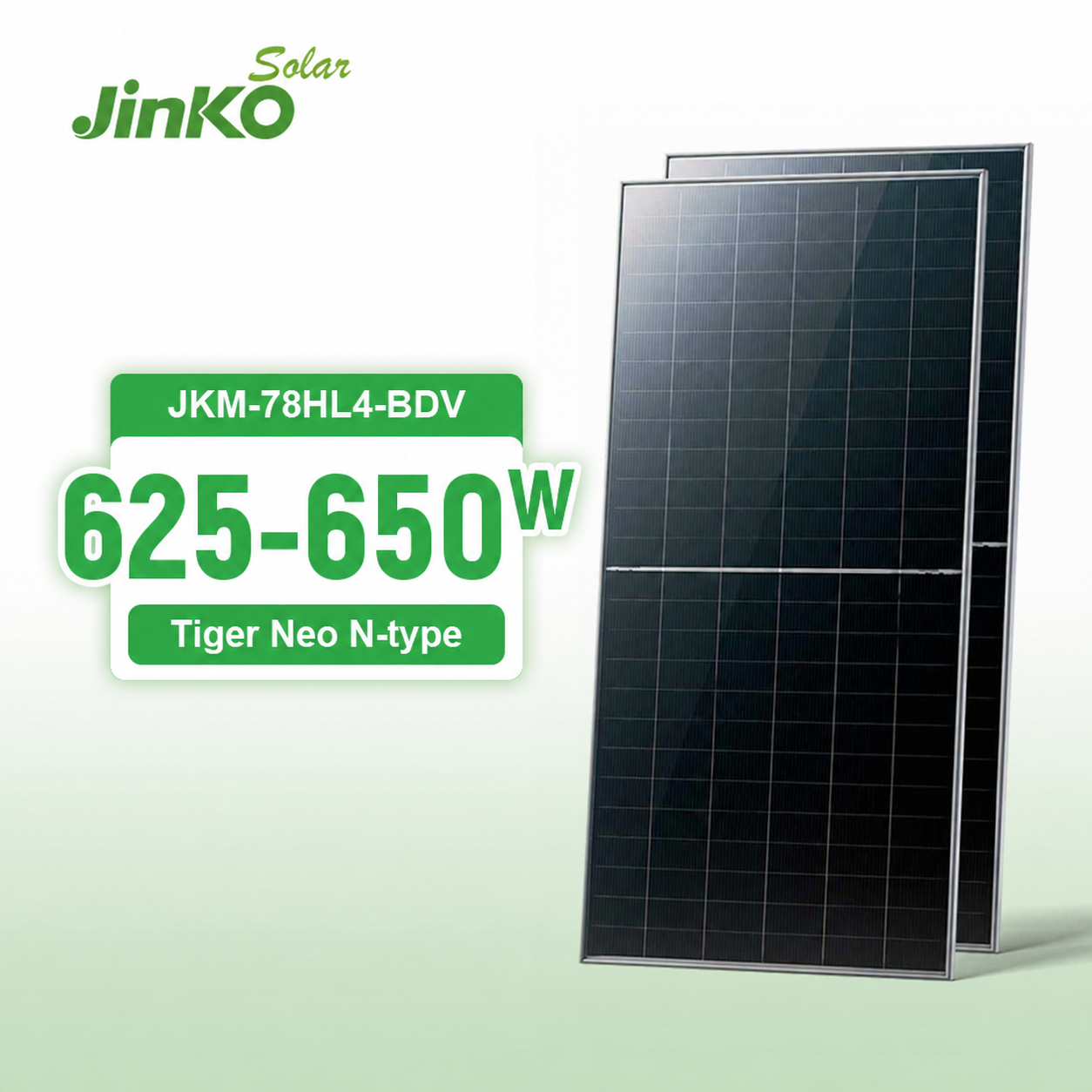
High-Efficiency PV & Storage Pairing
Tier-1 Generation Modules Matched with 100Ah LiFePO4 Systems
Pre-engineered photovoltaic packages optimized for high-temperature degradation limits in Dammam, Jubail, and Ras Tanura solar microgrids.
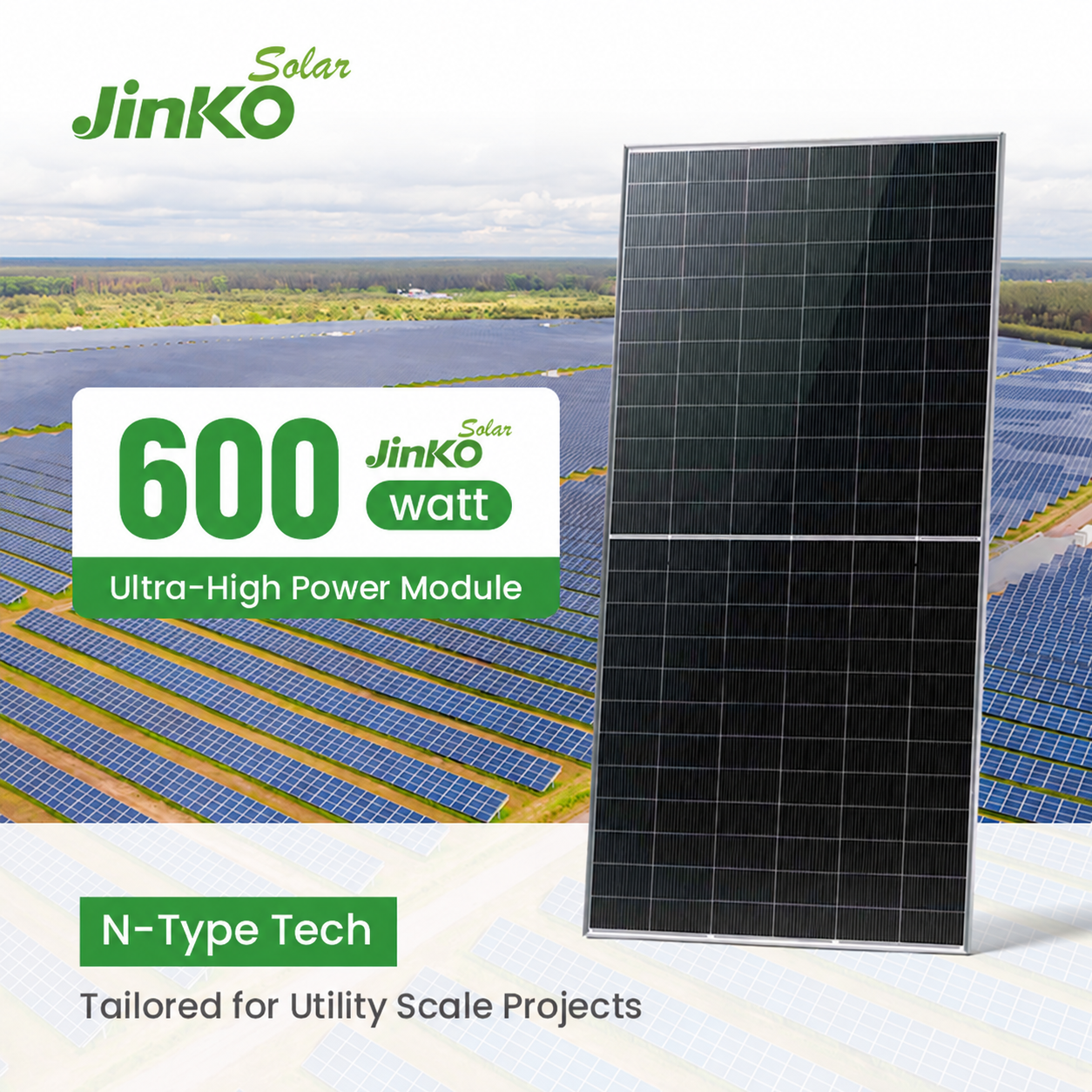
Technical Engineering Standard
Industrial 100Ah LiFePO4 Energy Architecture: Chemistry & BMS Topologies
As the primary energy transition hub in the Kingdom of Saudi Arabia, Dammam and the wider Eastern Province face severe operational conditions characterized by extreme ambient temperatures reaching above 50°C during peak summer months, fine aerosolized airborne silica dust, and elevated marine salinity along the Arabian Gulf coastline. Deploying standard lead-acid or substandard consumer lithium batteries in these environments leads to premature thermal degradation, high failure rates of internal balance circuitry, and accelerated capacity fade. Hangzhou VOLT New Energy engineers OEM and ODM 100Ah Lithium Iron Phosphate (LiFePO4 / LFP) modules specifically designed to thrive in the harsh climatic conditions of the Arabian Peninsula.
The foundational chemistry utilizes Tier-1 automotive-grade 3.2V 100Ah Prismatic LiFePO4 cells configured in 4S (12.8V nominal), 8S (25.6V nominal), and 15S/16S (48V / 51.2V nominal) formats. Unlike cylindrical 18650 or 21700 cell arrays that demand thousands of delicate micro-spot welds and introduce complex internal thermal resistances, our prismatic heavy-duty aluminum-cased cell architectures guarantee lowest internal ESR (Internal Resistance ≤ 0.5 mΩ). This minimizes internal Joule heating ($P = I^2R$) during high C-rate discharge and charge cycles, a critical safety factor when ambient shade temperatures exceed 45°C in Dammam industrial yards.
| Nominal Model Spec | Cell Configuration | Energy Capacity | Continuous C-Rate | BMS Protocol Architecture | Cooling / Structural Enclosure | Saudi Application Fit |
|---|---|---|---|---|---|---|
| 12.8V 100Ah LFP | 4S1P Prismatic Grade A | 1.28 kWh | 1.0C (100A Cont. / 200A Peak) | Hardware BMS / Smart Bluetooth App | IP65 Sealed ABS / Drop-in VRLA Form | Oilfield RTU, Telecom Cabinets, Marine |
| 25.6V 100Ah LFP | 8S1P Prismatic Grade A | 2.56 kWh | 0.8C (80A Cont. / 150A Peak) | UART / RS485 Isolated Transceiver | Steel Case IP54 / Integrated Handle | Solar Water Pumping, Street Lighting |
| 51.2V 100Ah Server Rack | 16S1P Prismatic Grade A | 5.12 kWh | 1.0C (100A Charge / 100A Discharge) | CAN 2.0B / Dual RS485 / Modbus RTU | 3U/4U 19" Galvanized Steel with Thermal Pad | Deye Hybrid, SPARK C&I Microgrids |
| 51.2V 100Ah Wall-Mount | 16S1P Prismatic Grade A | 5.12 kWh | 0.7C Charge / 1.0C Discharge | Auto-addressing CAN/RS485 Multiplex | Powder-Coated Steel, Anti-Corrosion C4 | Residential Villas, Commercial Inverters |
Every VOLT New Energy 100Ah battery system is equipped with an integrated proprietary Smart Battery Management System (BMS) with high-voltage solid-state MOSFETs or dual contactor relays. The BMS continually samples individual cell voltages with ±2mV accuracy, monitors multiple external NTC thermal sensors embedded directly between adjacent prismatic cells, and triggers automated active thermal balancing. This prevents individual cell overcharge, deep under-voltage depletion, and dangerous localized thermal accumulation, ensuring uninterrupted operation for Dammam project developers and international EPCs.
Eastern Province Engineering Deployment
Localized High-Impact Application Scenarios Across Dammam & KSA
Engineered to resolve specific industrial challenges across the Gulf's most demanding petrochemical, offshore, logistics, and infrastructural environments.
Aramco Oil & Gas Wellhead Remote RTU / SCADA Power
Scattered remote wellheads, cathodic protection posts, and gas monitoring flowmeters between Dhahran, Ghawar, and Abqaiq require uncompromised, maintenance-free DC autonomy. In ambient desert heat exceeding 52°C, conventional lead-calcium and gel batteries dry out within 12 to 18 months due to electrolyte evaporation and thermal runaway. Our customized 12.8V 100Ah and 25.6V 100Ah LiFePO4 packs feature hermetically sealed pressure relief vents, fire-retardant ceramic insulation barriers, and high-temperature electrolyte formulations designed for continuous operation without supplementary HVAC cooling.
Industrial Commercial Rooftop & Peak Shaving in SPARK & Jubail
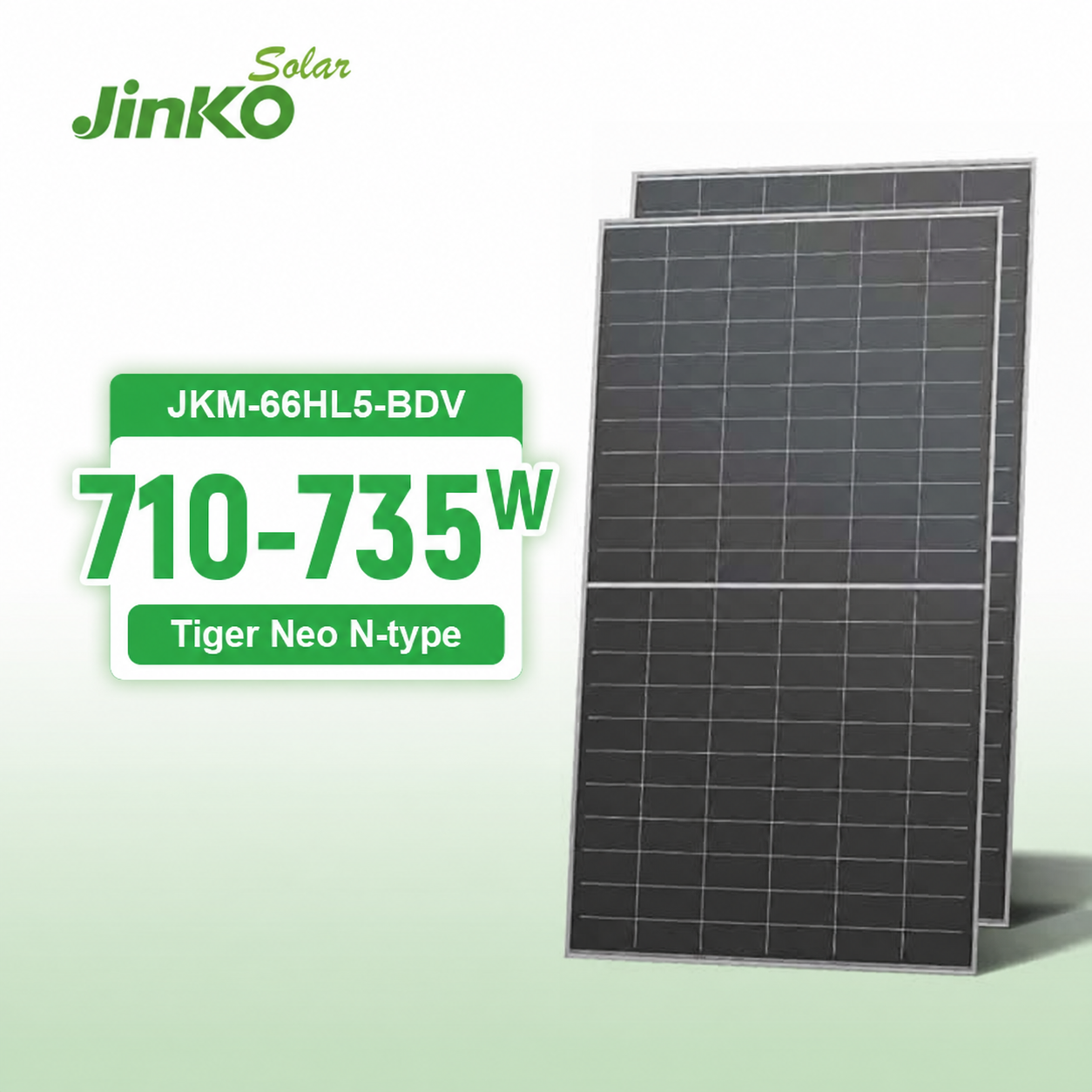
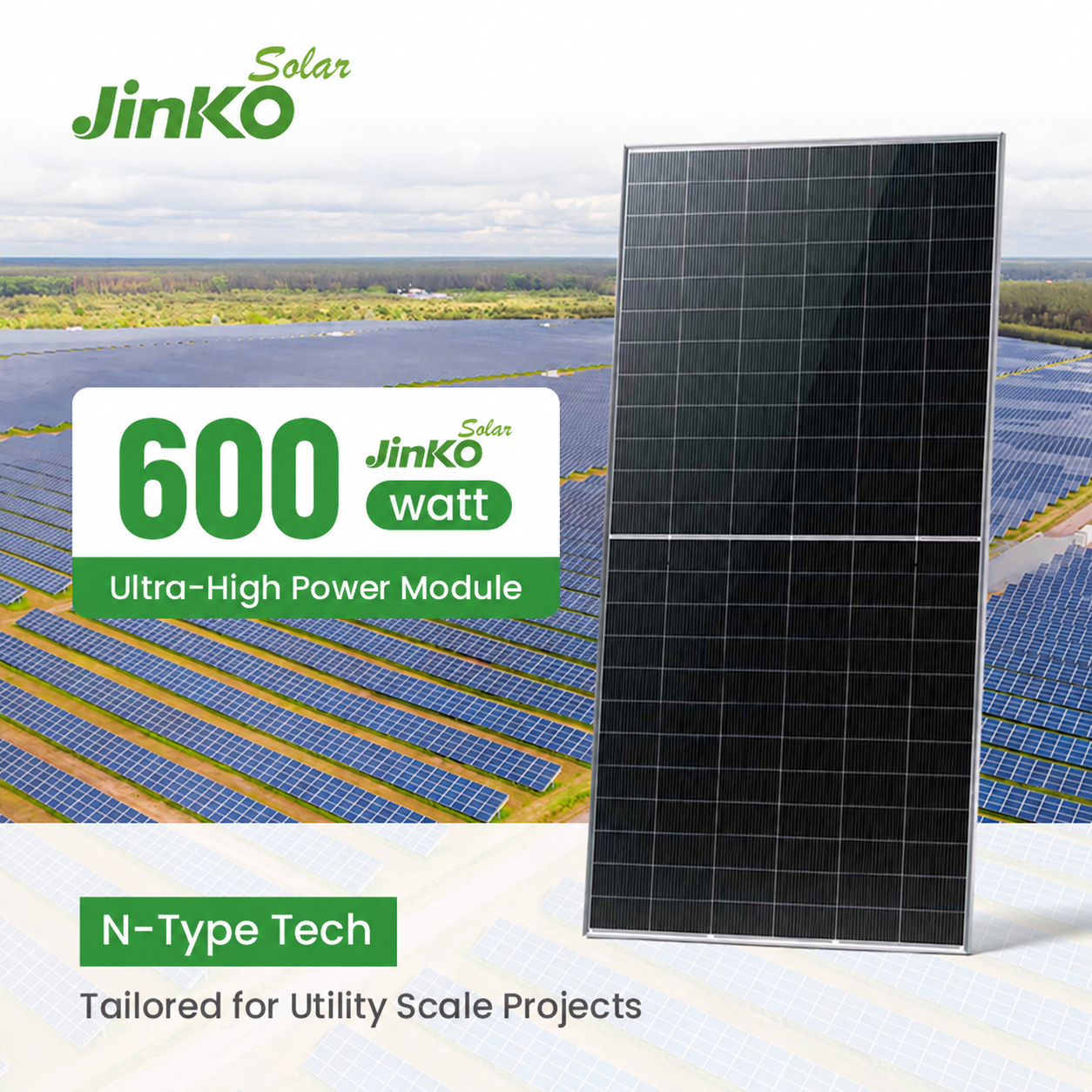
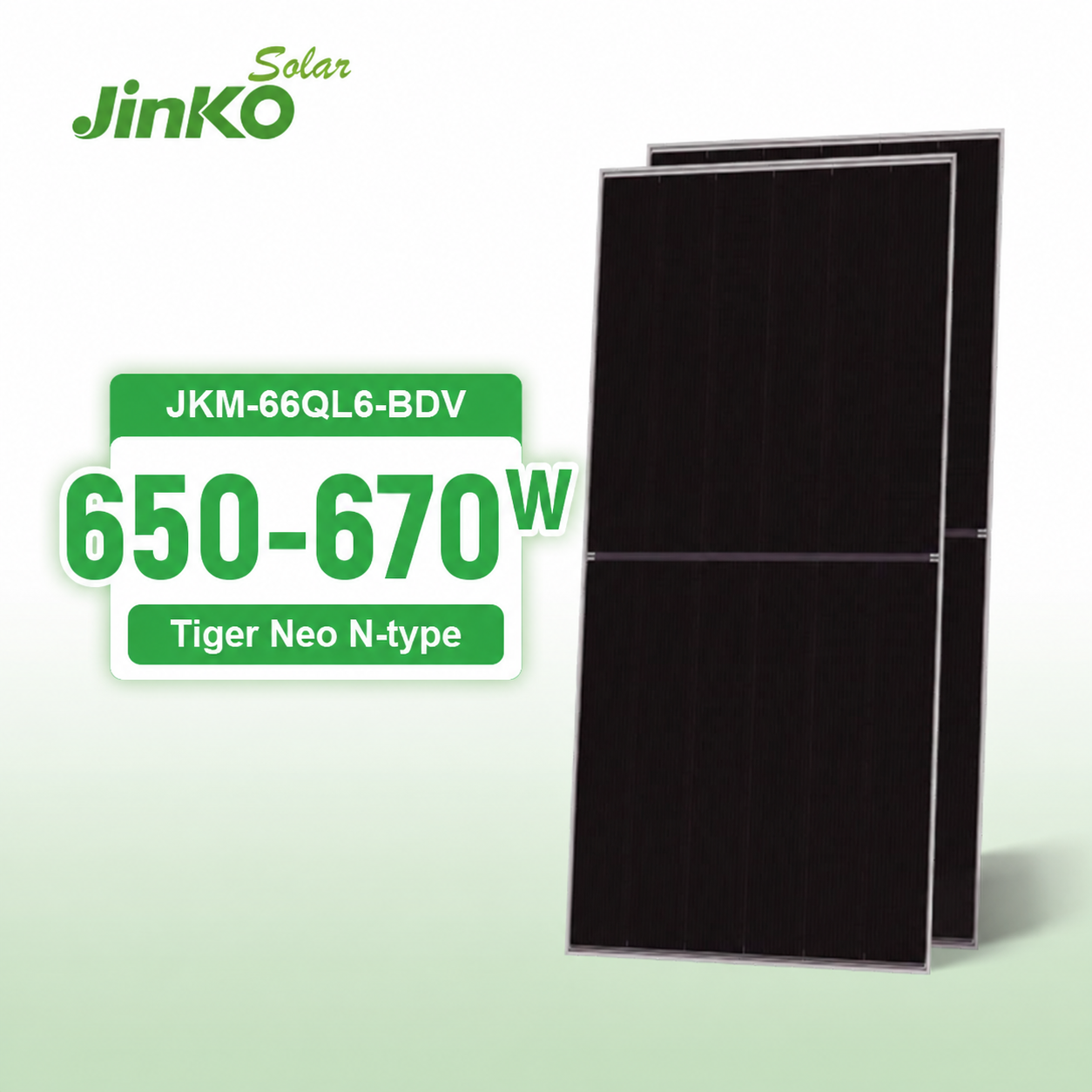
Within King Salman Energy Park (SPARK) and Jubail Industrial City, industrial electricity consumers operate under tiered commercial tariffs with steep maximum demand charges during peak air-conditioning hours. Scalable rack-mounted 51.2V 100Ah battery clusters (expandable up to 15 modules in parallel via auto-indexing DIP switches, delivering 76.8 kWh per cabinet) connect directly with multi-string Deye hybrid inverters. This enables intelligent scheduled peak shaving, shifting grid dependency to off-peak night cycles or self-generated Jinko TOPCon bifacial rooftop solar generation.
Coastal Marine Logistics & King Abdulaziz Port Yard Automation
Dammam's coastal proximity subjects equipment to extreme relative humidity (surpassing 90% in August) combined with airborne saline mist. Our ODM/OEM battery casings for port crane backup systems, security sensor nodes, and electrified tug charging stations utilize marine-grade C4/C5 polyurethane electrostatic powder coating and nickel-plated copper terminal busbars with IP67 sealed junction enclosures. This eliminates terminal galvanic corrosion and galvanic bridging across positive and negative terminal posts, maintaining high insulation resistance (>500 MΩ).
Desert Solar Water Pumping & Agricultural Irrigation in Al-Ahsa
In the expansive date palm plantations and agricultural zones of the neighboring Al-Ahsa oasis, hybrid solar water pumping stations rely on 100Ah battery banks to buffer sudden irradiation drops caused by sandstorms (Shamal winds) and cloud cover. LiFePO4 batteries allow deep 90% Depth of Discharge (DoD) without cell sulfation—a fatal flaw in traditional VRLA gel installations. Farmers and water engineering contractors achieve stable, non-stop pump operation with zero diesel generator fuel burn and lower overall Levelized Cost of Storage (LCOS).
5G Telecom Towers & Border Highway Security Nodes
Telecom infrastructure along the Dammam-Riyadh corridor and eastern cross-border highways requires uninterrupted power supply (UPS) capabilities. Our 48V 100Ah rack-mounted batteries integrate seamlessly into standard 19-inch outdoor telecom cabinets. With built-in RS485 communication protocols, remote Network Operations Centers (NOC) in Dammam can interrogate real-time State of Charge (SoC), State of Health (SoH), temperature profiles, and individual cell drift without dispatching field service engineers to remote sites.
Saudi Vision 2030 & Market Dynamics
Market Shifts, SASO/SABER Regulatory Standards, and Procurement Trends
Saudi Arabia's ambitious National Renewable Energy Program (NREP) under Vision 2030 is fundamentally transforming the power generation landscape in the Eastern Province. The historical practice of deploying imported generic AGM or flooded lead-acid batteries is rapidly ending due to strict environmental mandates and municipal decarbonization targets. Commercial project tenders in Dammam, Khobar, and Qatif now explicitly require Lithium Iron Phosphate chemistry due to its non-toxic composition, elimination of acid leakage hazards, and significantly higher round-trip efficiency (95% for LFP vs. 75-80% for lead-acid).
Furthermore, navigating Saudi Customs regulatory frameworks requires strict adherence to conformity assessments. Importing lithium batteries into King Abdulaziz Port in Dammam mandates valid registration through the SABER electronic platform, requiring non-negotiable compliance with:
SASO IEC 62619:2022
Secondary lithium cells and batteries for use in industrial applications, covering strict thermal propagation testing and electrical safety under forced overcharge.
UN38.3 & IMO Class 9 Dangerous Goods
Mandatory air and ocean cargo certification verifying altitude simulation, thermal cycling, vibration, shock, external short circuit, and impact resilience.
SASO IECEE Recognition Certificate
Mandatory for commercial trade release across Saudi Arabian borders. VOLT provides pre-cleared test reports ensuring zero cargo retention at Dammam custom inspection berths.
Contractors in Dammam are moving away from piecemeal sourcing and transitioning toward integrated, turnkey BESS bundles. Sourcing solar panels, hybrid inverters, and battery storage units from fragmented suppliers frequently results in communication protocol mismatches on-site, producing persistent inverter errors like "F56 Bus Unbalance" or "F58 BMS Communication Fault". VOLT New Energy eliminates this operational risk through full-stack pre-commissioning matching our 100Ah battery series with industry-standard Deye hybrid inverters and Jinko TOPCon modules.
Why Global EPCs & Dammam Distributors Partner with VOLT New Energy
Headquartered in Hangzhou, Zhejiang—China's advanced high-tech renewable energy corridor—Hangzhou VOLT New Energy Technology Co., Ltd. serves as an end-to-end solar storage supply partner and system integrator. We provide custom OEM and ODM manufacturing capabilities for 100Ah LiFePO4 battery modules tailored to client technical requirements and regional environmental conditions.
✓ Full Protocol Flashing: Deye, Victron, Growatt, SMA, GoodWe, Solis
✓ Custom Laser Welded Busbars & Prismatic Grade A Matched Cells (ΔV < 5mV)
✓ Anti-Corrosion Heavy Gauge Enclosures (1.5mm Cold-Rolled Steel)
✓ Complete DG Container Consolidation: Panels, Inverters & Batteries in One Bill of Lading
✓ 100% Pre-Shipment Hardware-in-the-Loop Functional Cycle Testing
Procurement & Engineering Due Diligence
Frequently Asked Questions by Dammam Contractors & Importers
Comprehensive engineering and commercial answers addressing common technical inquiries encountered during project design and customs import.
How does the 100Ah LiFePO4 battery prevent thermal degradation under Dammam's 50°C+ summer climate?
Our Eastern Province export series incorporates high-purity LiFePO4 chemistry with thermally stable ceramic-coated separators and high flash-point non-flammable electrolytes. Structurally, individual prismatic cells are separated by 1.0mm silicone-aerogel thermal barrier pads that prevent heat conduction between cells. The intelligent BMS incorporates four independent NTC temperature probes; if internal cell core temperature surpasses 55°C, the BMS dynamically adjusts the maximum charge acceptance current down to 0.2C before triggering a full thermal disconnect at 65°C, effectively protecting the battery against cell swelling and capacity degradation.
Can 51.2V 100Ah battery modules communicate directly with Deye hybrid inverters without extra gateways?
Yes. Our smart BMS boards feature native CAN 2.0B and RS485 transceivers flashed with verified Deye low-voltage communication protocol firmware. Every batch undergoes a pre-shipment communication verification test connected to an active Deye inverter. We provide custom RJ45 communication cables mapped with correct pin assignments (CAN High pin 4, CAN Low pin 5, or RS485 pins 7/8), ensuring zero commissioning delay and immediate plug-and-play synchronization upon job-site installation.
What documentation is required to clear Class 9 Lithium Battery cargo at King Abdulaziz Seaport in Dammam?
Shipments of lithium batteries to Dammam require specialized Dangerous Goods handling. VOLT New Energy supplies a complete export dossier with every consignment, including:
- Official UN38.3 Test Summary Report certifying altitude, vibration, and thermal testing;
- Material Safety Data Sheet (MSDS) fully conforming to GHS Revision 9 standards;
- Dangerous Goods Declaration (IMO DGD) and UN-certified UN4G / UN4GV outer packaging with Class 9 hazard diamond labels;
- SABER Platform Certificate of Conformity (PCoC and SCoC) linked to SASO IEC 62619 test certification.
How does 100Ah LiFePO4 compare with traditional 200Ah Deep Cycle GEL batteries in Saudi C&I projects?
While a 200Ah 12V GEL battery appears cheaper initially, its usable energy is restricted to 50% Depth of Discharge (DoD) to avoid immediate failure, delivering only 1.2 kWh usable energy per cycle. A 100Ah 12.8V LiFePO4 battery safely discharges to 90% DoD, providing 1.15 kWh usable energy at approximately one-third of the physical weight (11.5 kg vs. 60 kg for GEL). Moreover, LiFePO4 delivers 6,000 cycles compared to just 800-1,200 cycles for GEL at high temperatures, reducing Levelized Cost of Storage (LCOS) by over 62% over a 10-year operational timeframe.
Can multiple 100Ah 48V/51.2V rack batteries be connected in parallel to achieve commercial megawatt capacity?
Yes. Our server-rack 51.2V 100Ah systems feature hardware 6-bit DIP switches enabling automatic address indexing for up to 15 modules in a single parallel battery bank (76.8 kWh total). For larger commercial requirements across Dammam warehouses or shopping complexes, multi-cabinet master-slave hub controllers consolidate multiple 15-pack banks into a single unified CAN bus connection communicating seamlessly with high-capacity three-phase commercial inverters.
What are the minimum order quantities (MOQ) and lead times for OEM custom-branded batches to Saudi Arabia?
For standard VOLT branded product models, our minimum order quantity starts at 10 units. For full OEM/ODM branding—including client silk-screened metal chassis, custom LCD firmware logos, custom carton artwork, and pre-set localized inverter protocols—the standard MOQ is 50 units (or consolidated mixed container volumes). Production turnaround is typically 15 to 22 business days, with ocean transit from Ningbo/Shanghai port to King Abdulaziz Port in Dammam taking approximately 18 to 24 days.