Export-Ready Baghdad Inventory
High-Efficiency Solar Modules & Integrated Balcony PV Systems
Pre-tested N-Type TOPCon bifacial modules and heavy-duty photovoltaic hardware designed to deliver maximum yield in the high-irradiance, hyper-arid climate of Central Iraq.
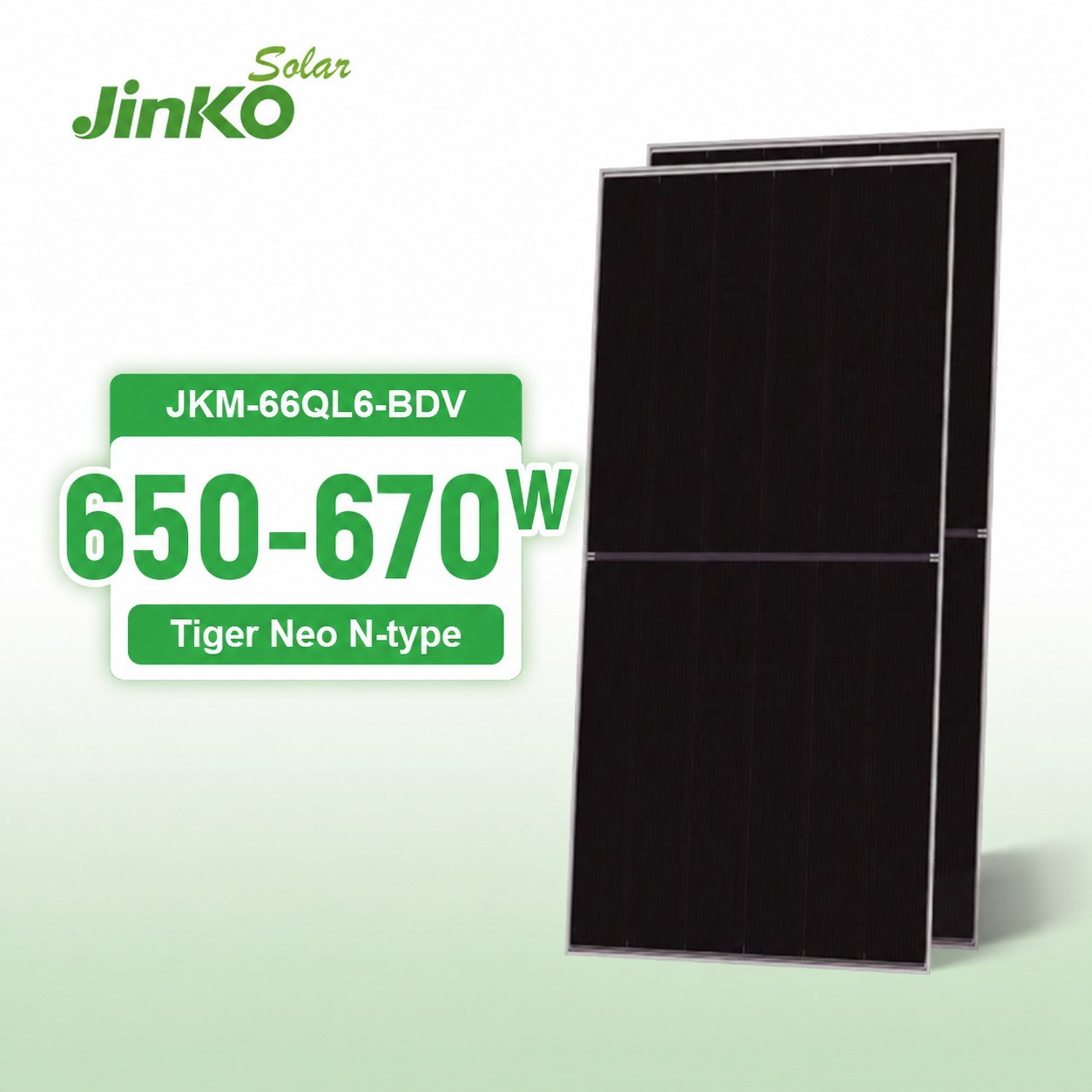
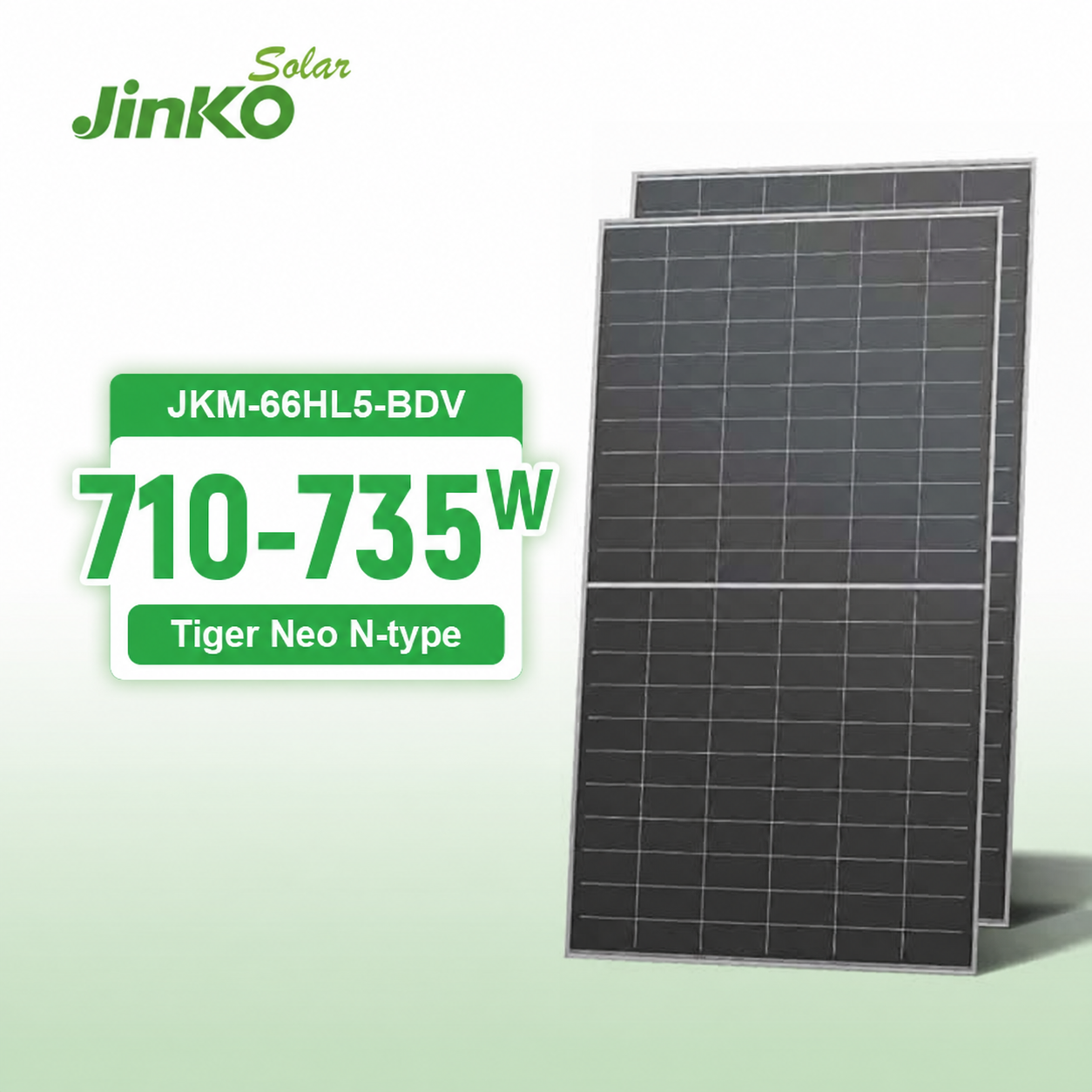
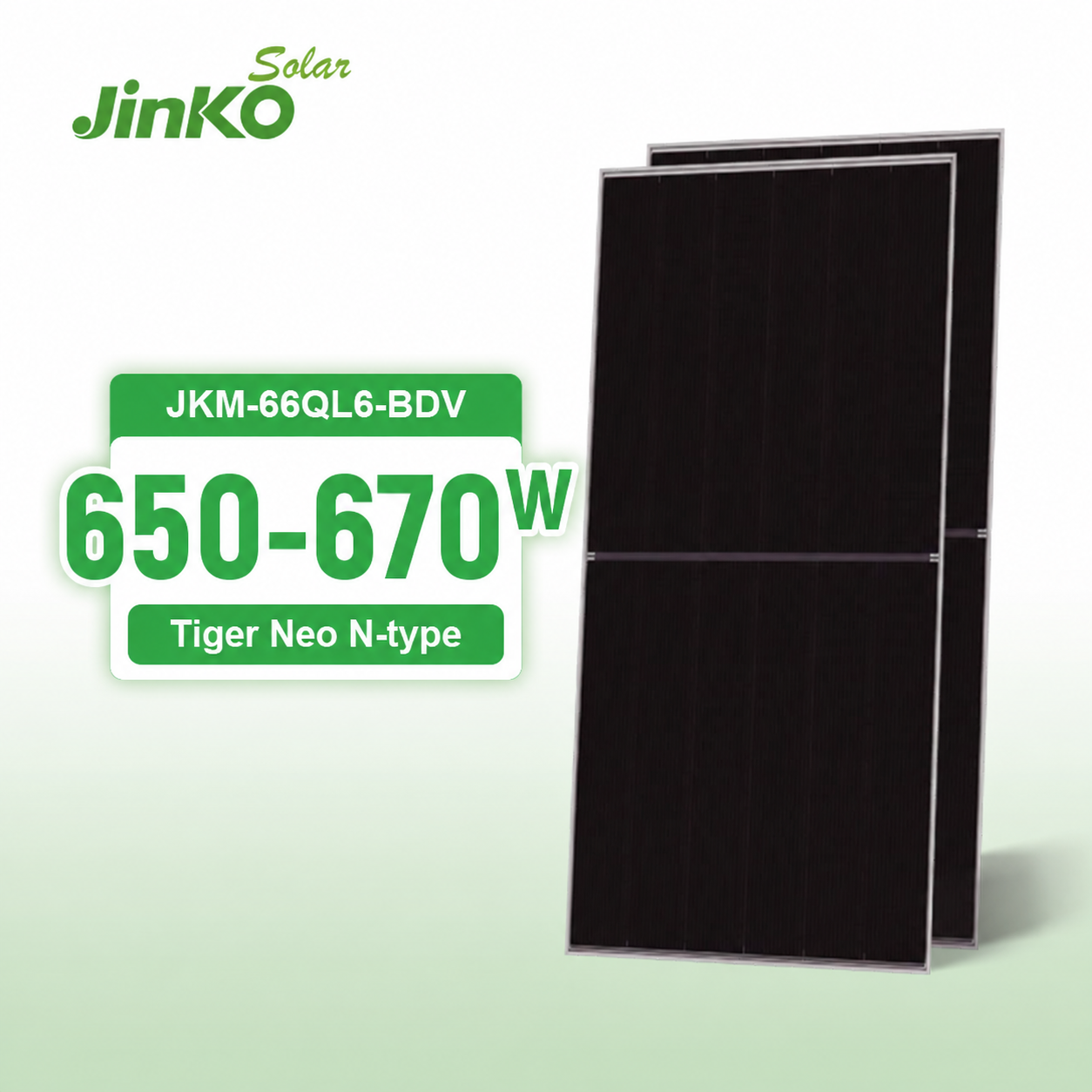
Dual-Glass Industrial Bifacial
Jinko Panneau Solaire 660w 650W 660W 670W N Type Bifacial Dual Glass Photovoltaic Panel for Industrial
View Specifications
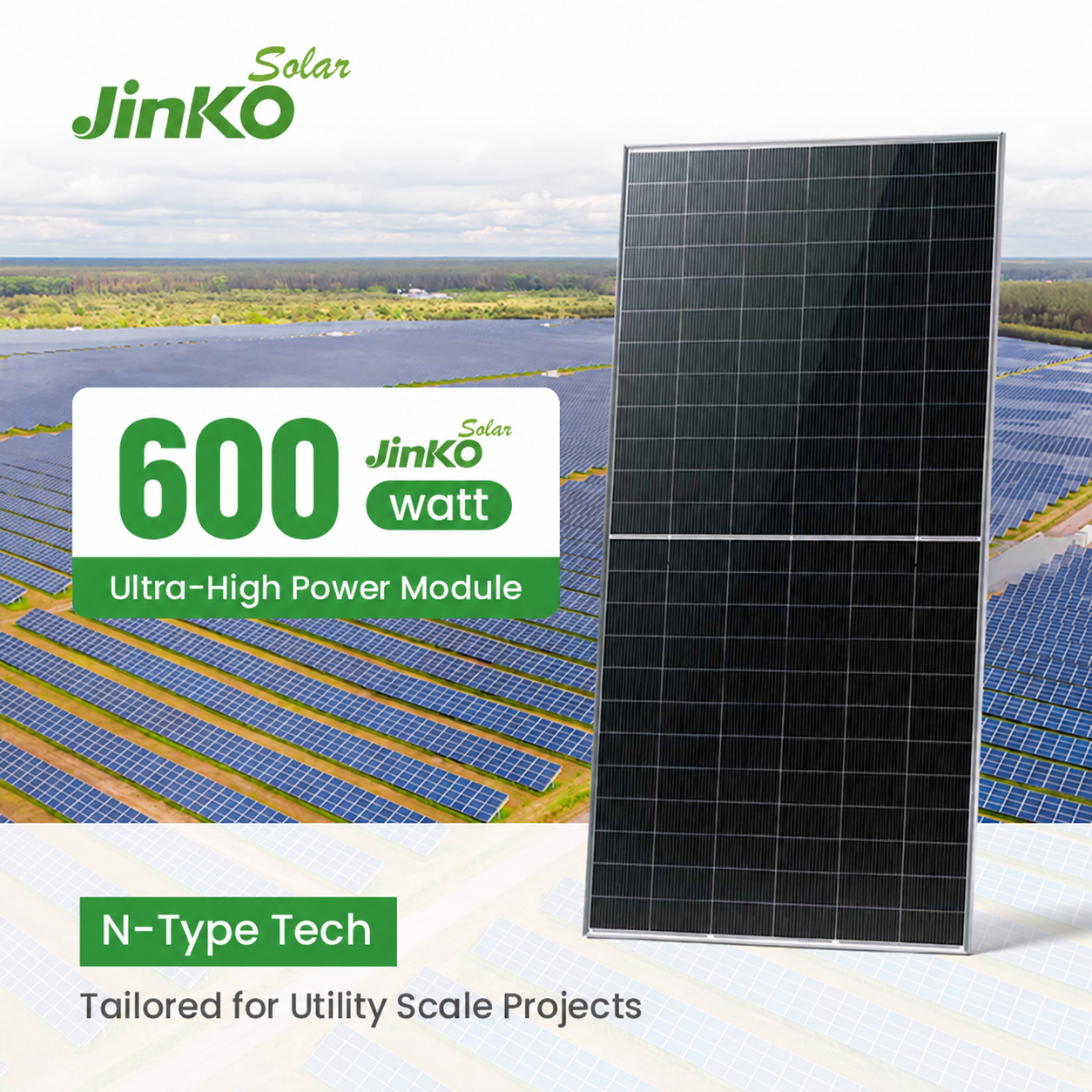
Dual Glass Anti-Sandstorm
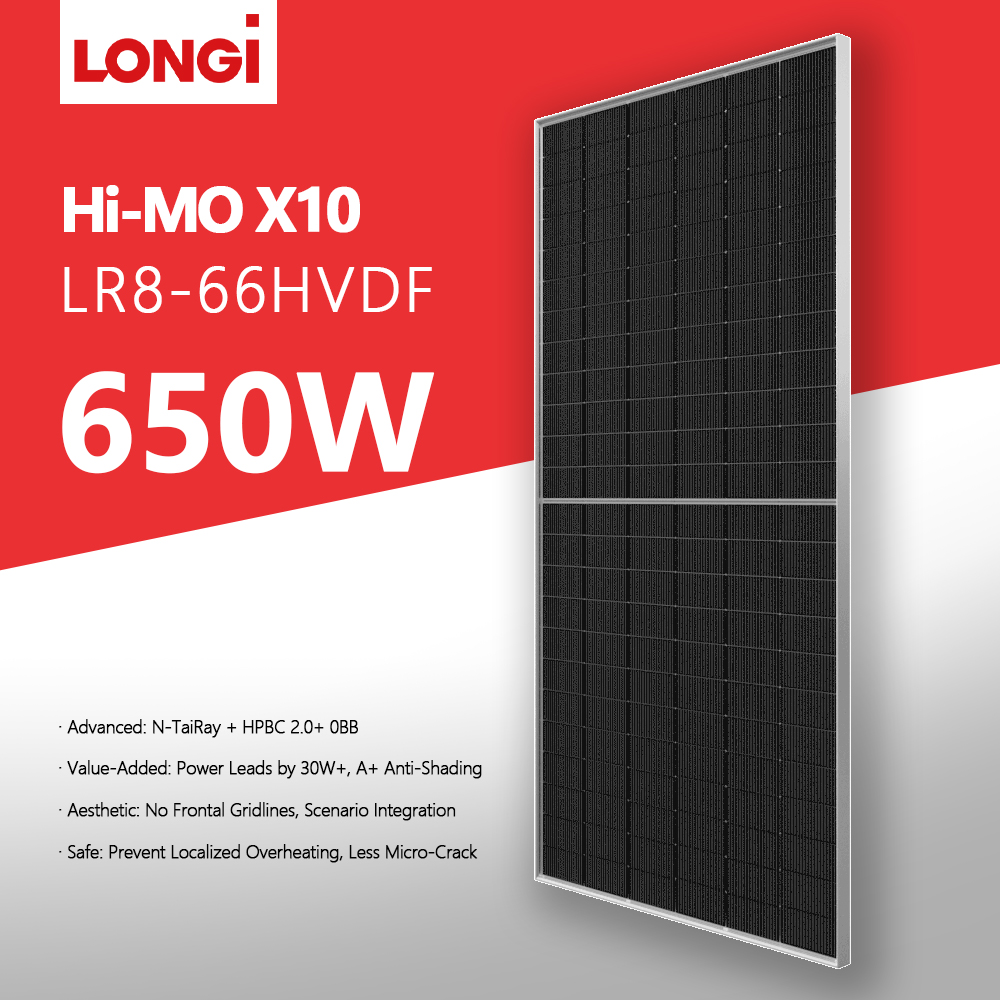
Jinko N Type Bifacial 600W 580W 590W Dual Glass Photovoltaic Solar Panel for Industrial
View Specifications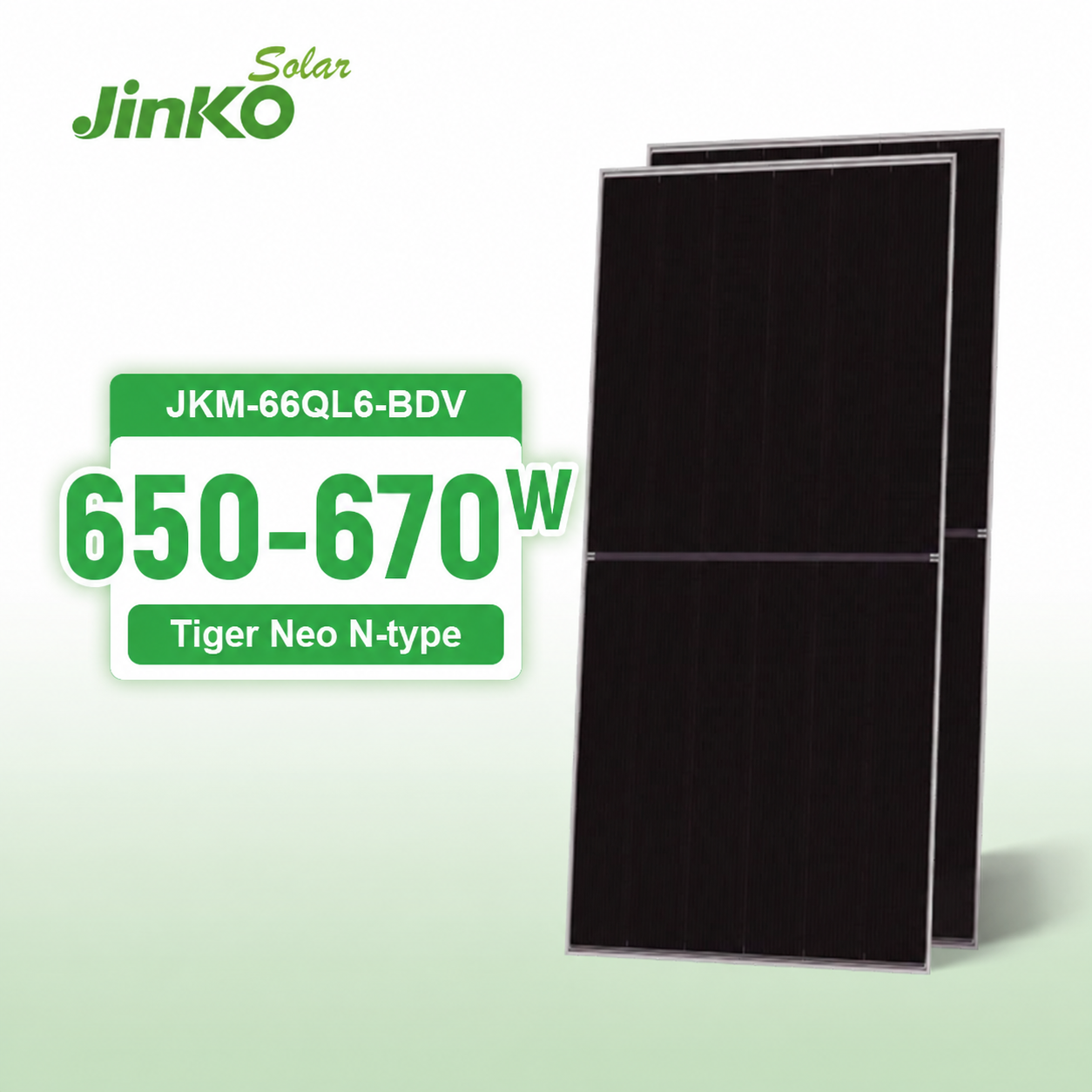
53°C
Peak Ambient Baghdad Tested
-0.29%/°C
Ultra-Low Temp Coeff (Pmax)
IP67 / IP68
Hermetic Dust & Sand Sealing
6,000+
LFP Storage Life Cycles @ 80% DoD
Overcoming Baghdad's Grid Deficits with Distributed Balcony Photovoltaic Storage
The urban residential electricity architecture in Baghdad presents one of the most operationally challenging environments for renewable energy in the Middle East. With the Iraqi national grid (Ministry of Electricity) providing intermittent power—often averaging merely 8 to 12 hours of electricity per day during peak summer scorch—Baghdad residents rely heavily on localized private diesel generators, widely known as "Mawallida" (المولدة). These neighborhood diesel networks bill consumers steep monthly fees based on allotted amperes (typically 15,000 to 25,000 IQD per ampere), creating substantial recurring household expenditures alongside severe acoustic and particulate pollution.
While expansive rooftop solar installations are feasible for detached private villas in suburban districts, multi-story apartments and high-density residential buildings in central Baghdad—such as Karrada, Al-Mansour, Al-Jadriya, and Zayouna—face stringent structural and administrative rooftop constraints. Balcony solar systems and compact terrace energy storage setups have therefore emerged as the definitive solution for tenant and apartment owner energy sovereignty. As an authoritative OEM/ODM manufacturer and international system integrator based in Hangzhou, VOLT New Energy bridges this technical gap with specialized, factory-customized balcony solar kits tailored specifically for Iraq's harsh environmental parameters.
Critical Engineering Insight for Baghdad Deployments: Standard P-type PERC photovoltaic cells suffer extensive thermal degradation once surface temperatures exceed 45°C. In Baghdad summers, where midday ambient air reaches 50°C to 52°C, solar module cell temperatures frequently hit 75°C to 82°C. Under these conditions, our N-Type TOPCon bifacial modules, featuring an exceptional temperature coefficient of -0.29%/°C to -0.30%/°C, recover up to 7.8% higher actual power generation compared to conventional legacy panels, ensuring steady charging current for integrated lithium iron phosphate (LiFePO4) storage units.
Photovoltaic Cell Physics Under Extreme Ambient Thermal Load
In standard test conditions (STC: 25°C cell temperature, 1000 W/m² irradiance), solar panels operate at theoretical peak outputs. However, under the Nominal Module Operating Temperature (NMOT) encountered across central Iraq, thermal dissipation must be factored directly into system engineering sizing. When ambient air reaches 50°C in July and August, a balcony rail mount system benefits from open-back convective airflow compared to flush rooftop installs. Yet, without precision silicon doping, efficiency drops drastically.
| Performance Variable | Standard P-Type PERC Panel | VOLT N-Type TOPCon Dual-Glass | Operational Impact in Baghdad |
|---|---|---|---|
| Pmax Temp Coefficient (γ) | -0.35% / °C | -0.29% to -0.30% / °C | 14% lower thermal power loss during 50°C+ heatwaves |
| Bifaciality Factor | 70% ± 5% | 80% to 85% | Captures back-side reflection from concrete light-toned balconies |
| First Year Degradation | < 2.0% | < 1.0% | Immune to Boron-Oxygen Light Induced Degradation (LID) |
| Dust Storm (Khamsin) Ingress | Single Glass / Backsheet (Porous) | Dual Glass 2.0mm + 2.0mm POE | Zero water/sand micro-scouring permeation; chemical sand abrasion resistant |
| Annual Linear Degradation | 0.55% / year | 0.40% / year | Sustained 87.4% rated output at Year 30 vs. 84.8% legacy standard |
Structural Balcony Dynamics & Wind Resistance Engineering
Urban apartment balconies in Baghdad are frequently exposed to abrupt meteorological shifts, including dry thermal wind gusts and severe dust storms (Haboob) with wind velocities exceeding 90 to 110 km/h. Balcony mounting systems supplied by VOLT New Energy utilize industrial-grade structural aluminum alloy 6005-T6 with surface anodization thicknesses exceeding 15μm, secured exclusively with marine-grade SUS304 stainless steel hardware. The clamping geometry accommodates both vertical and horizontal railing balustrades (concrete parapets, rectangular steel tubing, or decorative wrought iron common in Iraqi masonry architecture) with adjustable tilt angles from 15° to 35° to optimize solar incidence according to Baghdad's 33.3°N geographic latitude.
Mawallida Grid-Hybridization: The Triple-Switch Balancing Challenge
A distinctive operational requirement for solar equipment in Baghdad is automated multi-source management. Residential electrical panels in Iraq feature specialized triple-throw changeover switches (National Grid, Local Neighborhood Generator, and In-House Standby/Solar). Standard grid-tied microinverters immediately disconnect when the national grid cuts out, rendering them completely useless during Baghdad's frequent daily outages. VOLT New Energy engineers OEM/ODM balcony setups utilizing hybrid micro-storage inverters featuring fast transfer switches (<10ms EPS switching) or synchronized DC-coupled balcony architectures. This configuration prevents dangerous reverse-feeding into the neighborhood generator line—which would otherwise trigger hefty fines or inverter burnouts from unmanaged back-EMF—while maintaining uninterrupted daytime power to refrigerators, fans, LED lighting, and router networks.
Baghdad Solar Application Archetypes
Versatile balcony solar installations tailored for the diverse residential and commercial real estate typologies of Greater Baghdad.
High-Rise Apartments (Karrada & Mansour)
Vertical rail mounts utilizing lightweight dual-glass N-type panels. Integrated with slimline, wall-hung 2.5kWh LFP lithium batteries that fit discreetly behind balcony AC condensing units to sustain baseline loads through routine daily blackout rotations.
Multi-Family Villas & Parapets (Al-Jadriya)
Parapet wall edge systems utilizing 650W–720W bifacial modules. Optimized to utilize light albedo from pale Baghdad stone pavers, capturing backside gains of up to 18% while liberating precious rooftop leisure and garden spaces.
Commercial Shops & Pharmacies (Shorja District)
Daytime peak-shaving balcony and awning PV arrays. Engineered to power commercial refrigeration, POS systems, and medical cooling cabinets without relying on expensive extra Amperes from private neighborhood diesel generators.
Hangzhou VOLT New Energy: OEM/ODM Manufacturing & Iraqi Import Assurance
Sourcing solar equipment for the Iraqi market requires far more than generic wholesale ordering; it demands rigorous validation of communication protocols, extreme climate heat ratings, and flawless logistics clearance. Hangzhou VOLT New Energy Technology Co., Ltd. serves international B2B distributors, Iraqi EPCs, and commercial trading firms with end-to-end engineered energy storage solutions. We maintain certified partnerships with Tier-1 solar panel manufacturers like Jinko Solar and LONGI, alongside in-depth manufacturing coordination for Deye hybrid inverters and our proprietary LFP (LiFePO4) storage batteries.
Zero-Mismatch BMS Matching
Every LFP battery pack and inverter undergoes pre-shipment bench testing to match CAN and RS485 communication protocols, eliminating communication handshake faults upon installation.
UN38.3 & Class 9 DG Shipping
Complete export documentation (MSDS, UN38.3, Certificate of Origin, COC/COI) compliant with Iraqi customs inspections at Umm Qasr Port and Baghdad Dry Port facilities.
OEM Customization & Arabic UI
Tailored silkscreen branding, Arabic-language monitoring applications, custom packaging cartons, and customized DC cable harnesses with MC4 connectors sized for balcony spacing.
Mixed-Container Consolidation
Maximize shipping freight economics by consolidating high-wattage panels, micro-inverters, balcony rail brackets, and lithium batteries in a single optimized container load.
Our onsite-verified quality control engineers conduct 100% Electroluminescence (EL) defect scanning on modules, high-voltage insulation tests, and actual load charge-discharge cycles before packing. By choosing Hangzhou VOLT New Energy as your OEM/ODM production partner, you bypass component incompatibility, minimize return rates in Baghdad, and deliver market-leading solar reliability to Iraqi end-users.
Baghdad Solar Procurement FAQ
Direct technical answers addressing the real questions asked by Iraqi solar distributors, electrical wholesalers, and installation contractors.
How do your balcony solar modules withstand Baghdad's dust storms and sand buildup?
We supply dual-glass TOPCon modules treated with an anti-soiling, hydrophobic nanocoating. This reduces dust adhesion during the windy Khamsin season. In addition, our balcony mounting brackets offer rapid-tilt adjustments, allowing users to tilt panels up to 35° or wipe them down effortlessly using standard residential water pressure from a balcony hose tap without needing rooftop ladder access.
Can the balcony solar system integrate with private neighborhood generators (Mawallida)?
Yes. Our systems are engineered with intelligent micro-hybrid controllers or Deye hybrid platforms configured with automated AC-coupling priority. When the national grid cuts out and the local Mawallida engages, the inverter detects the generator frequency and restricts back-feeding, preventing generator alternator tripping while continuing to draw solar power to supply local apartment loads.
Why choose LiFePO4 batteries over Deep-Cycle GEL batteries in Baghdad's summer heat?
While deep-cycle GEL batteries have a lower upfront cost, their chemical cycle life deteriorates rapidly above 35°C, requiring replacement every 12 to 18 months under intense daily cycling. VOLT LiFePO4 (LFP) batteries feature integrated thermal protection BMS boards that operate reliably up to 55°C, delivering over 6,000 cycles at 80% Depth of Discharge (DoD)—translating to over 10 years of consistent daily blackout backup.
What shipping and customs documentation do you handle for shipments to Iraq?
We provide full sea freight container bookings directly to Umm Qasr Port or air cargo via Baghdad International Airport (BGW). We supply commercial invoices, packing lists, Bill of Lading, Certificate of Origin (CCPIT certified), and pre-shipment inspection certificates (such as BV or SGS verification) necessary for Iraqi customs tax exemption and import compliance.
What is the minimum order quantity (MOQ) for custom OEM branding in Iraq?
For standard branded products (Jinko, LONGI, Deye, VOLT), we accept trial pallet orders. For custom OEM silkscreening on panels, custom-labeled battery chassis, and localized Arabic packaging cartons, our MOQ begins at 50 units for complete balcony kits or a consolidated 20ft general container load.
How do you handle warranty claims and technical support for Iraqi clients?
All products are serialized with digital records saved before export. Should any component encounter field issues, our English and Arabic technical support team assists your engineers via remote diagnostics. We supply critical spare parts (such as replacement BMS modules and microinverter control boards) directly within standard shipment containers to ensure rapid local turnaround for your customers.
Scale Your Solar Distribution Business in Baghdad
Request an OEM/ODM pricing schedule, engineering drawings, and complete container freight estimations tailored for your project in Iraq.