Essential Energy Storage & Photovoltaic Equipment for Homs Projects
Direct factory supply featuring fully synchronized CAN/RS485 protocol interoperability between Deye hybrid platforms, high-cycle LFP cells, and top-tier bifacial glass-glass solar modules.
80% DoD Cycles @ 25°C (LiFePO4)
Max MPPT Conversion Efficiency
Grid-to-Storage UPS Transfer Window
Global Export Hubs Direct Shipping
Engineering Resilient Battery Energy Storage Systems (BESS) in Homs: Overcoming Severe Grid Deficits and Levant Desert Climates
The governorate of Homs occupies a geo-strategic fulcrum in the Syrian Arab Republic, connecting the coastal ports of Tartus and Latakia with Damascus and the northern industrial nodes of Aleppo. However, the energy landscape in Homs is characterized by intense electrical infrastructure bottlenecks. With municipal electrical availability routinely constrained to 2 to 4 intermittent hours per day, commercial operations, municipal water pumping stations, and industrial enterprises in the Hassia Industrial City face existential operational challenges. The historical reliance on diesel generation sets (gensets) is economically unsustainable due to severe localized fuel supply chain shocks, skyrocketing L/kWh operating expenses, and prohibitive maintenance intervals triggered by constant peak-load usage.
Deploying stationary Battery Energy Storage Systems (BESS) combined with high-yield Photovoltaic (PV) arrays has transitioned from an environmental aspiration to an absolute structural necessity. However, system design in Homs requires specialized electrochemical and electrical engineering. The climate of central Syria exhibits extreme thermal variation: blistering summer peaks exceeding 42°C with high solar irradiance (averaging over 5.4 kWh/m²/day), followed by near-freezing, high-humidity winters. Furthermore, the semi-arid steppe topography introduces airborne sand and abrasive dust particles that induce accelerated thermal derating, cell imbalance, and inverter thermal throttling if equipment is not purpose-built for the Levant corridor.
As a specialized OEM/ODM Battery Energy Storage Factory and direct exporter, Hangzhou VOLT New Energy delivers engineered energy independence to engineering, procurement, and construction (EPC) contractors, commercial installers, and wholesale distributors in Homs. By uniting automotive-grade Lithium Iron Phosphate (LiFePO4 / LFP) chemistry with intelligent Battery Management Systems (BMS) that communicate natively via CAN/RS485 with Deye hybrid and off-grid multi-phase inverters, we eliminate field-level commissioning failures, deliver robust thermal runaway protection, and maximize round-trip efficiency (RTE) above 95.5%.
Mission-Critical Energy Storage Applications Across Homs Governorate
Engineered topologies resolving complex load profiles from Hassia's heavy machinery lines to the agricultural estates of the Orontes River basin.
1. Hassia Industrial City Heavy Microgrids
Textile mills, marble fabrication plants, plastics extrusion lines, and metal processing facilities in Hassia require high dynamic inductive load handling. Unplanned blackouts mid-production destroy raw materials and shatter extrusion nozzles. Our 50kW to 500kW Deye high-voltage three-phase hybrid inverter clusters paired with 100kWh–1MWh high-discharge LFP battery containers provide zero-millisecond uninterruptible power supply (UPS) capability, absorbing heavy motor start-up surges without tripping.
2. Orontes Basin Agri-Food & Cold Storage
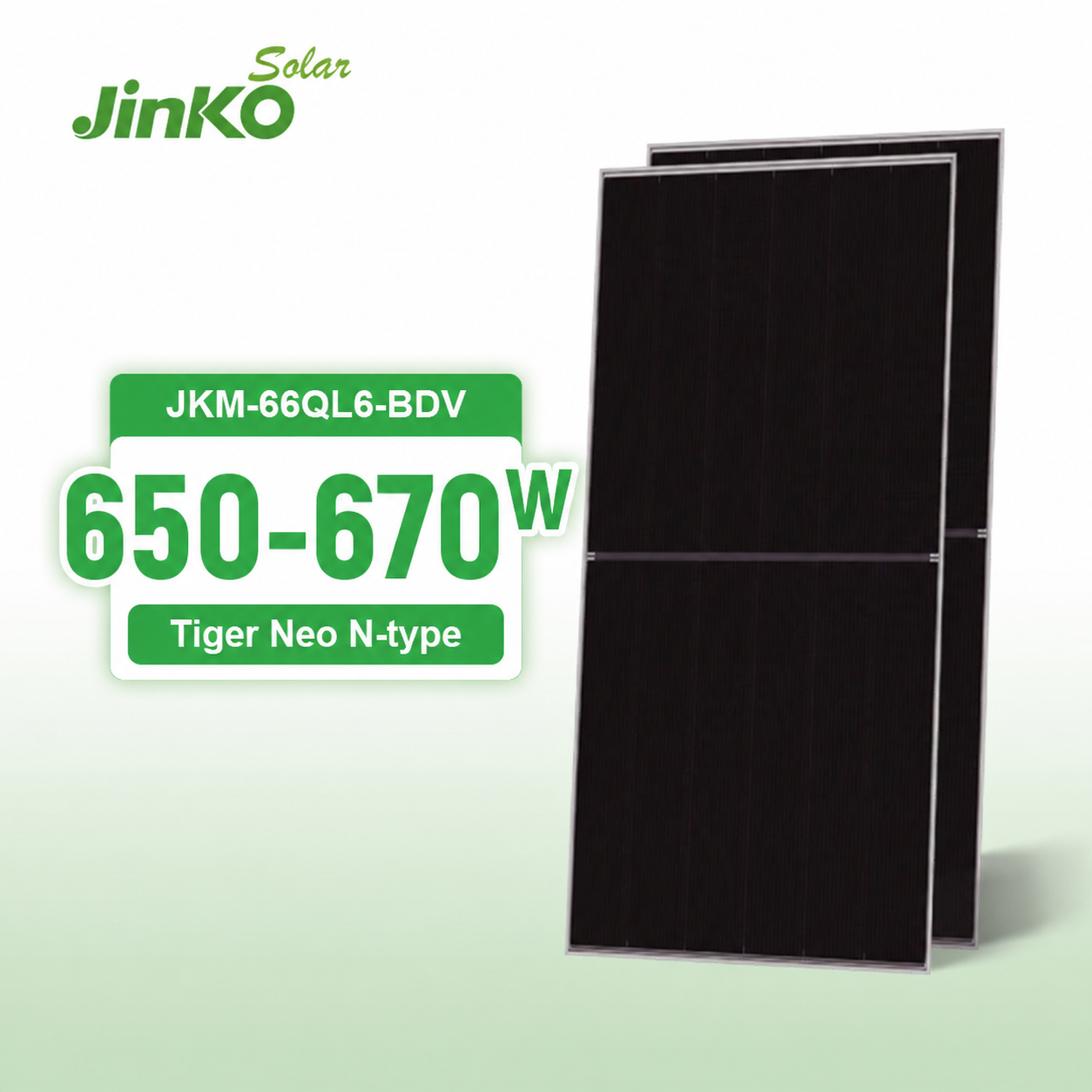
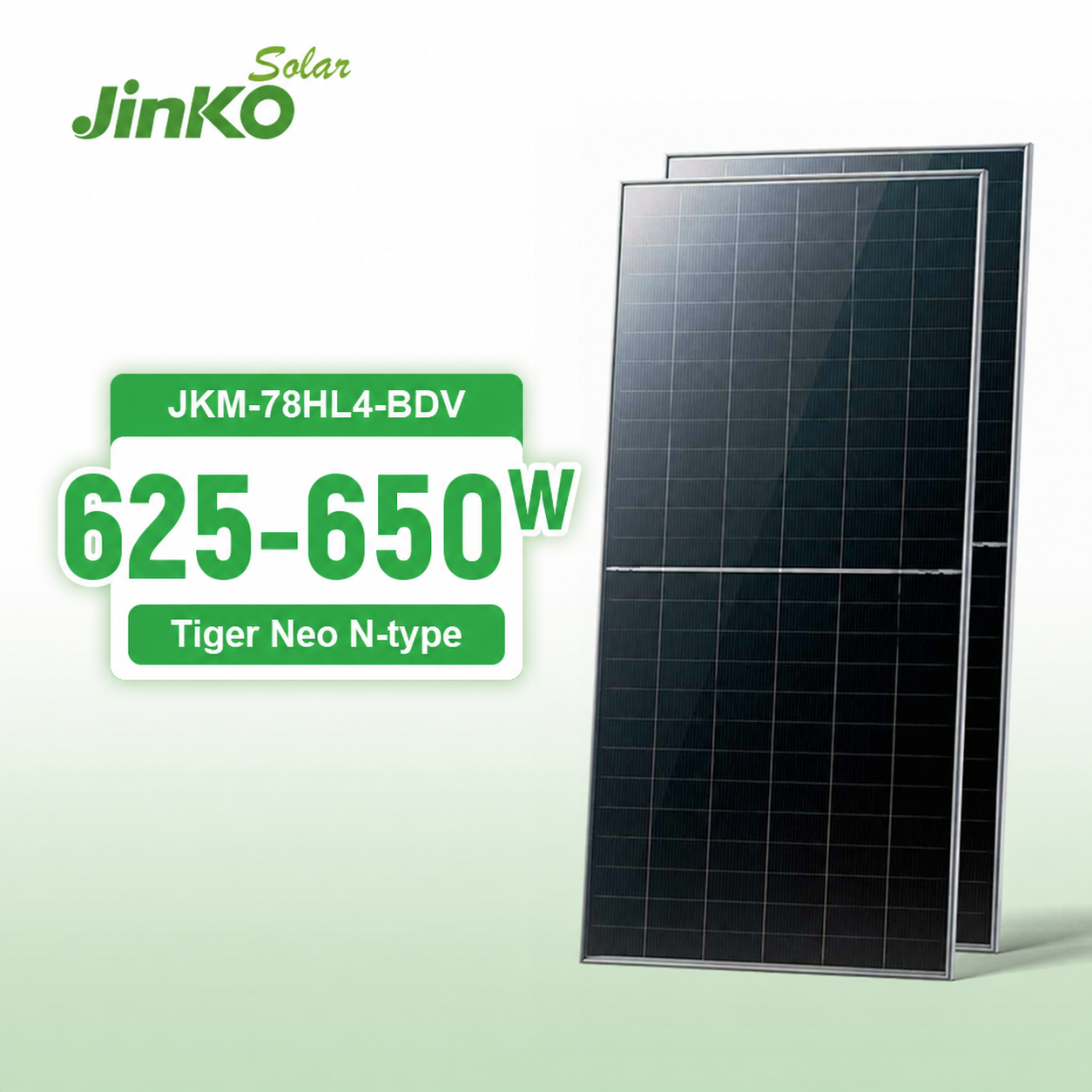
Homs is Syria’s vital food processing nexus, holding extensive olive orchards, sugar beet yields, and centralized dairy infrastructure. Refrigerated cold storage rooms demand 24/7 continuous thermodynamic cycles. We deploy ground-mounted Jinko 625W/650W bifacial N-type TOPCon panels paired with 48V/51.2V rack-mount modular battery banks that store high midday solar generation to drive scroll refrigeration compressors throughout 14-hour night cycles.
3. Medical Clinics & Emergency Facilities
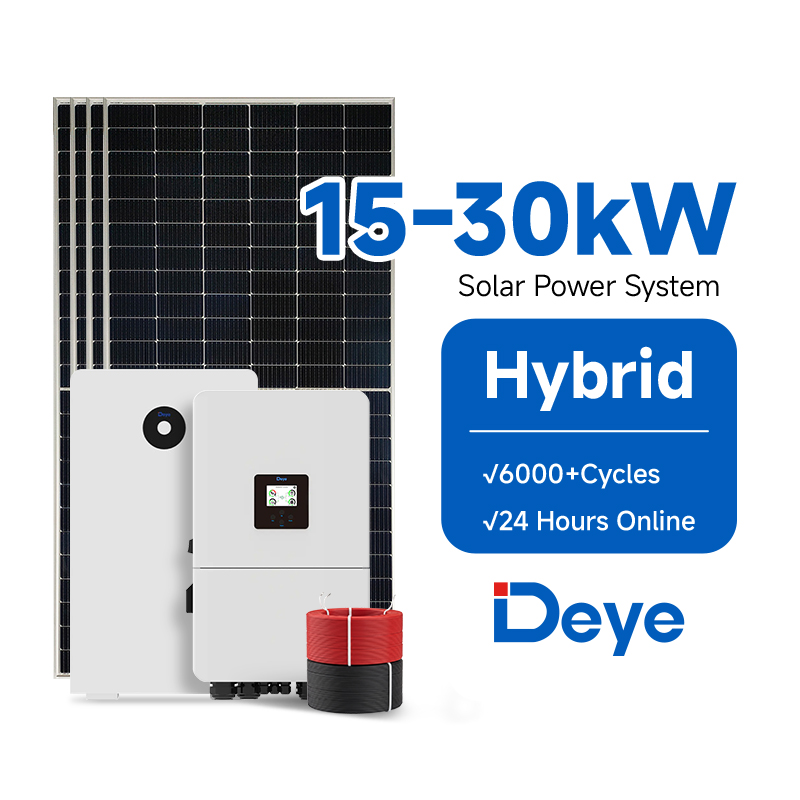
Private hospitals, hemodialysis units, diagnostic clinics, and critical laboratory freezers throughout the central municipal quarters of Homs cannot afford the 15-to-30-second start-up delay of mechanical generators. Our low-voltage 15kW–30kW Deye and LFP combinations deliver instantaneous, pristine pure-sine-wave electrical output (<2% THD), isolating fragile diagnostic MRI and automated lab instrumentation from destructive line surges.
4. Multi-Family Residential & Village Microgrids
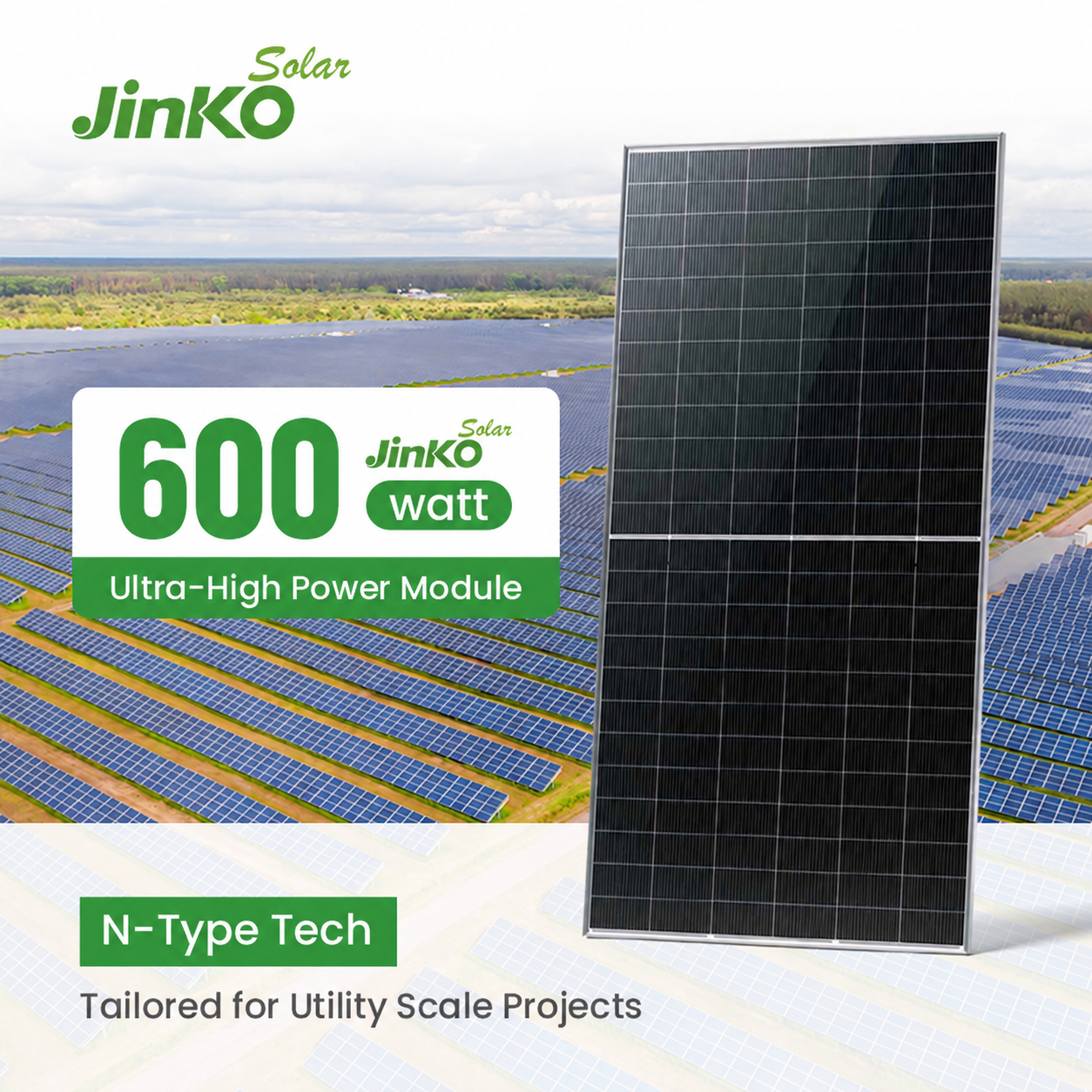
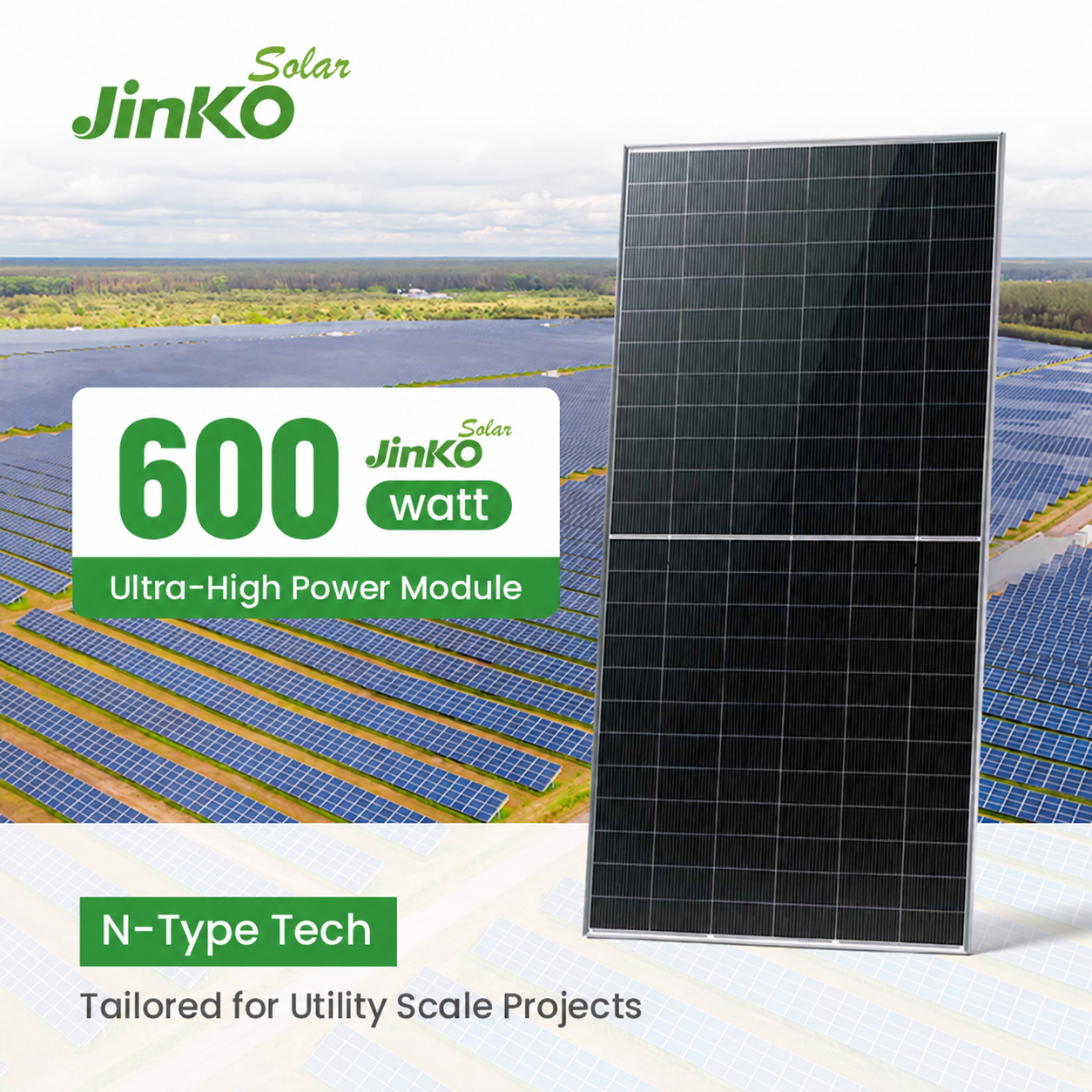
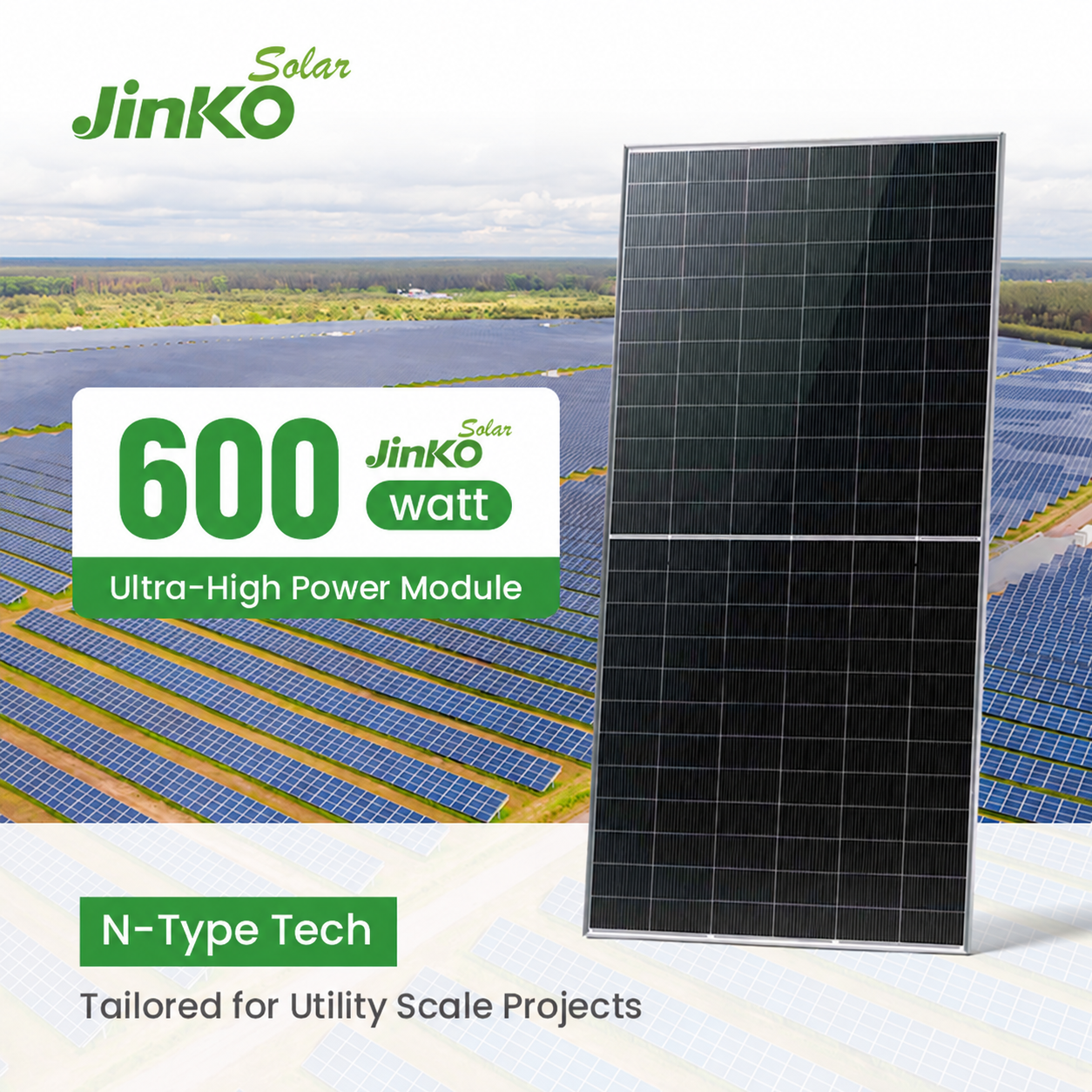
Urban apartment towers in Al-Insha'at, Al-Ghouta, and suburban residential zones are eliminating noisy, diesel-fuming neighborhood subscription generators. By implementing rooftop solar systems using Jinko 600W dual-glass modules and 10kWh to 30kWh wall-mounted LiFePO4 batteries, residential units obtain 24-hour baseline self-sufficiency for air conditioning, deep well pumps, lighting, and household refrigeration.
Electrochemical Performance in High-Heat Syrian Operating Environments
Quantifying why modern LiFePO4 chemistry and hybrid inverter topologies outperform legacy lead-acid/GEL batteries and pure diesel setups in Levelized Cost of Storage (LCOS).
| Evaluation Parameter | VOLT New Energy Grade-A LiFePO4 | Deep-Cycle Colloidal GEL Battery | Standard Diesel Genset Alternative |
|---|---|---|---|
| Usable Depth of Discharge (DoD) | 90% - 95% without chemical stress | 50% (deep discharge causes rapid sulfation) | N/A (Fuel dependent) |
| Cycle Life (@ 25°C, 80% DoD) | 6,000 – 8,000 Cycles | 1,200 – 1,800 Cycles | Engine overhaul required every 5,000 hrs |
| Degradation @ Elevated Temp (40°C) | Minimal (<1.8% capacity loss per annum) | High (Capacity lifespan halved every +10°C) | Severe thermal derating & coolant boiling |
| Round-Trip Efficiency (RTE) | 95.5% – 98% (ultra-low internal resistance) | 78% – 82% (heat dissipation losses) | ~28% - 33% thermal fuel efficiency |
| BMS Protocol Handshake | Automated CAN / RS485 to Deye Inverters | Open-loop (No data feedback, manual settings) | External Dry-Contact ATS signaling only |
| Calculated LCOS ($/kWh cycled) | $0.052 – $0.071 / kWh | $0.148 – $0.192 / kWh | $0.380 – $0.620 / kWh (Current diesel prices) |
Market Dynamics & Technology Trends in Homs Energy Infrastructure
Key shifts observed by engineering teams and commercial importers in the renewable rebuild of Syria.
1. The Shift to 48V/51.2V Low Voltage & High Voltage Stacks
Importers across Homs have shifted away from primitive 12V lead-acid strings wired in series, which frequently suffered catastrophic localized cell failures. The Levant market has standardized on modular 51.2V 100Ah/200Ah rack-mounted and wall-mounted units with centralized smart BMS boards. Furthermore, large industrial sites in Hassia are adopting 160V–800V High Voltage (HV) architectures that lower line amperage, mitigate conductor resistive heat losses, and improve system-wide efficiency.
2. Tripartite Hybrid Inverter Coordination
Modern installations in Homs rarely rely solely on PV and battery banks. Grid availability is unpredictable, and winter solar yields experience seasonal reductions. The standard system design in central Syria now mandates hybrid platforms—predominantly Deye 5kW–12kW single-phase and 10kW–50kW three-phase units—capable of dynamically arbitrating power flows simultaneously between solar panels, storage batteries, the unstable public grid, and automated diesel generators with dry-contact trigger control.
3. Domination of N-Type TOPCon Dual-Glass Panels
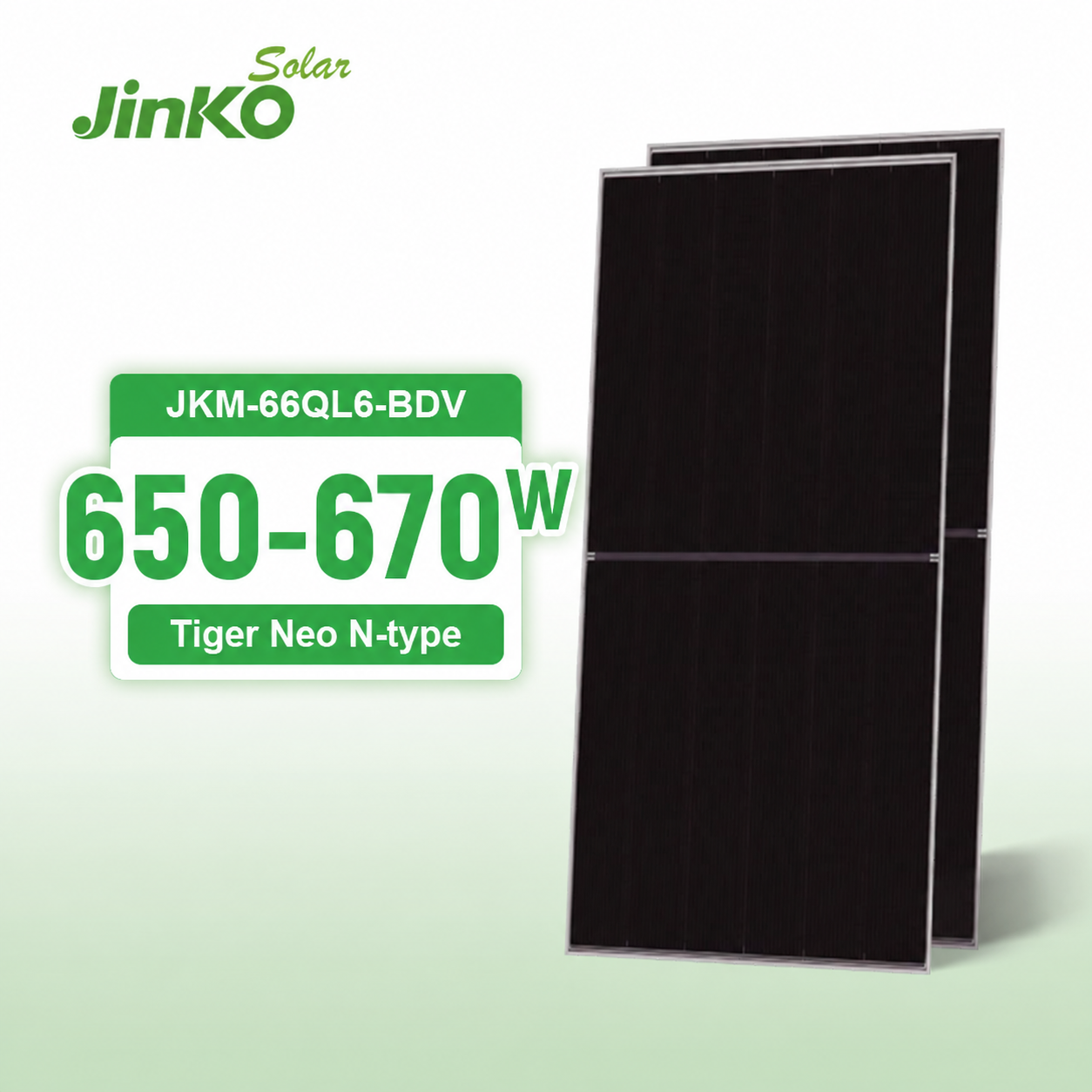
Because ground space and structural roof load ratings in Homs require optimized power density, older P-type PERC panels are being superseded by N-type TOPCon bifacial dual-glass modules (such as Jinko 585W–670W). The double-glass structure provides vital physical resistance against fine sand abrasions during regional sandstorms, prevents moisture and chemical ingress, and captures back-side albedo reflections from limestone roofs and light desert soils, boosting net energy yields by up to 25%.
Engineering Verification, Rigorous QC, and Dedicated Levant Logistics
Eliminating downstream installation failures and clearing complicated international shipping channels for Syrian energy distributors.

Pre-Shipment Protocol Handshake
Every single battery bank undergoes actual bench testing with Deye hybrid inverters prior to export packaging. We ensure correct CAN/RS485 baud rates, protocol mapping, and pin assignments so units integrate immediately on site.

Automotive-Grade LiFePO4 Cells
We strictly utilize fresh Grade-A prismatic cells from Tier-1 cell manufacturers. No recycled or B-grade inventory. Full laser welding, integrated cell-level fire suppression aerosols, and dynamic active cell balancing guarantee 6,000+ cycle performance.

Dangerous Goods (DG) Clearance
Lithium shipments require strict compliance. We deliver complete UN38.3, MSDS, and seaworthy Class 9 certified packaging, routing shipments smoothly through Tartus, Latakia, or regional transit ports with consolidated container bills of lading.

Turnkey Engineering & Sizing
Our bilingual electrical engineers provide full CAD string layouts, DC busbar sizing, circuit breaker selections, and thermal dissipation airflow designs customized for projects located throughout Homs and rural areas.
Frequently Asked Questions by Solar Importers & EPCs in Homs
Direct answers covering protocol interoperability, extreme heat mitigation, shipping clearance, and factory warranty execution.
Our OEM/ODM lithium battery management systems (BMS) are programmed with native Deye communication protocols. Using standard RJ45 interfaces over CANbus or RS485 (baud rates typically configured at 9600 or 500kbps), the battery automatically negotiates charging voltage windows, maximum continuous charge/discharge current limits, state-of-charge (SoC) percentages, and cell temperature parameters with the Deye inverter on power-up. This avoids annoying "BMS Communication Lost" or "F56 Fault" errors in the field.
Ambient temperatures in Homs regularly reach 40°C to 44°C during peak summer months. Chemical reactions accelerate under extreme heat, causing accelerated solid electrolyte interface (SEI) growth in inferior cells. Our batteries incorporate heavy-gauge aluminum heat-dissipating enclosures, internal thermal sensor arrays across every 4-cell group, and advanced software-controlled high-temperature charge derating above 45°C. For industrial scale deployments in Hassia, we provide integrated liquid cooling and climate-regulated containerized enclosures.
Yes. As a licensed exporter of renewable energy equipment and Class 9 Dangerous Goods (DG), we routinely organize consolidated 20ft and 40ft HQ containers for our Syrian clients. We balance weight distribution between heavy battery packs, palletized Deye inverters, and Jinko double-glass photovoltaic modules, preparing unified commercial documentation, packing lists, and Certificate of Origin (CO) documentation to simplify customs handling at Tartus and Latakia.
Single-glass modules with polymer backsheets suffer high degradation under the intensive ultraviolet index and seasonal dust storms of central Syria. Sand accumulation causes surface micro-abrasions, while thermal expansion stress can cause micro-cracking in standard cells. Jinko N-Type TOPCon double-glass modules feature two layers of 2.0mm tempered glass, zero moisture permeability, a low temperature coefficient of -0.30%/°C (maintaining high output during hot summer afternoons), and heavy resistance against dust-induced PID (Potential Induced Degradation).
We provide verified serial numbers, factory test certificates, and a standard 5-to-10-year warranty policy backed by our headquarters. For wholesale container importers and municipal EPC contractors in Homs, we supply modular replacement components (spare BMS modules, power electronics boards, terminal blocks, and spare cell units) directly within the original container shipment. In the event of a technical issue, our Hangzhou engineering desk coordinates remote diagnosis through inverter data logs and dispatches replacements without requiring heavy whole-battery return shipments.
Absolutely. Deye hybrid platforms combined with our LFP storage systems can run in 100% off-grid mode indefinitely. The system forms its own stable AC reference grid, powering household and commercial inductive equipment. When equipped with an auxiliary diesel generator, the inverter automatically signals the genset via dry contacts when battery depth of discharge reaches user-defined thresholds (e.g., 20% SoC during extended cloudy periods), running the generator at its optimal thermal load curve solely to recharge the battery bank before automatically switching it off.
Build Your Custom Energy Storage System for Homs
Consult with our power engineers today. We analyze your load profile, supply single-line wiring schematics, verify CAN/RS485 inverter-BMS protocols, and prepare tailored sea freight logistics for single container or multi-megawatt wholesale projects across Homs.