Engineered High-Yield PV Modules for Architectural & Commercial Integration
Explore our Tier-1 N-Type TOPCon and double-glass bifacial modules, custom-adaptable for curtain wall spandrels, structural overhead glazing, and ultra-high-density microgrids.
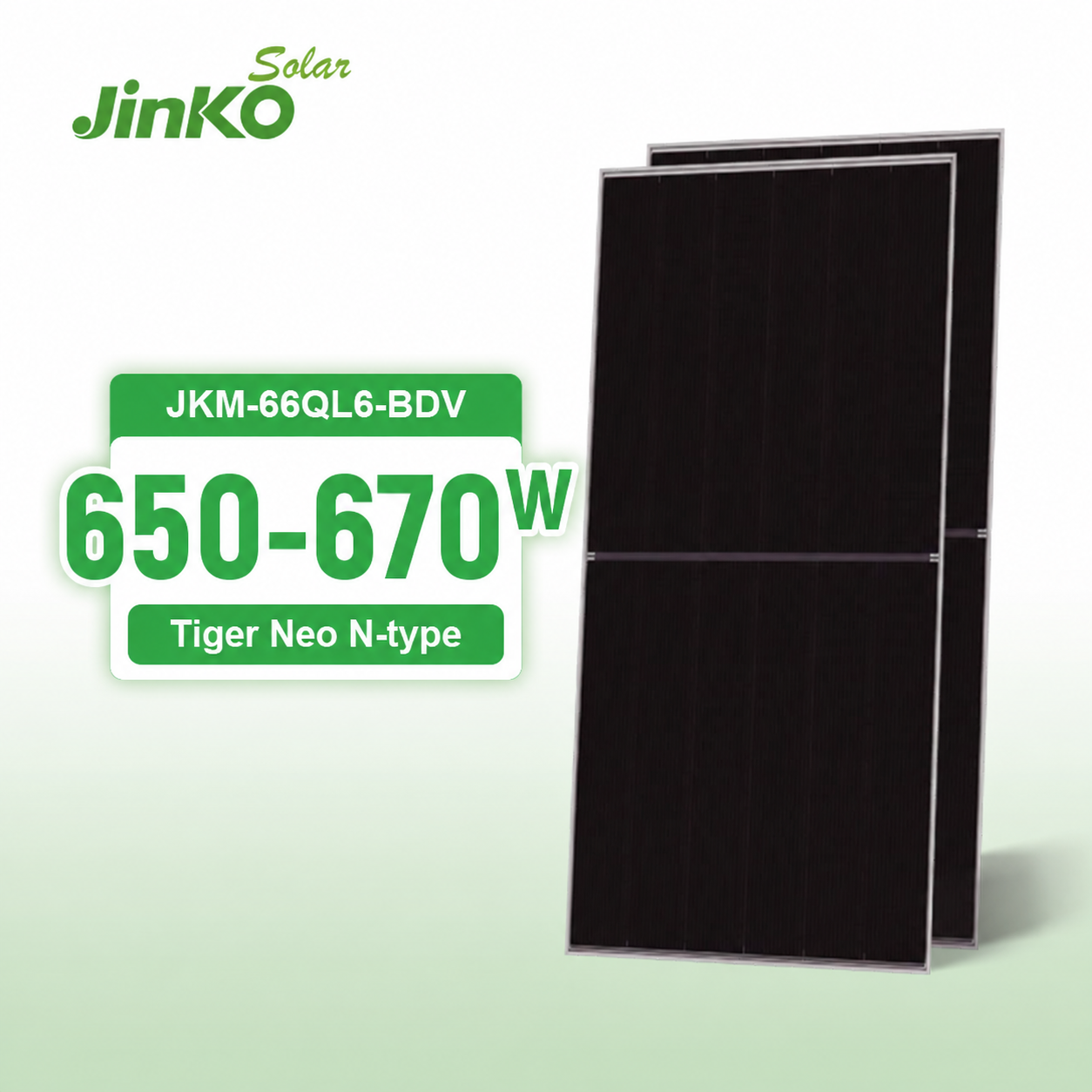
Jinko N Type Solar Panels Bifacial 650W–670W Double Glass Module
- Dual 2.0mm POE Tempered Glass
- Bifaciality Factor: 80% ± 5%
- Zero LID/LeTID N-Type Chemistry
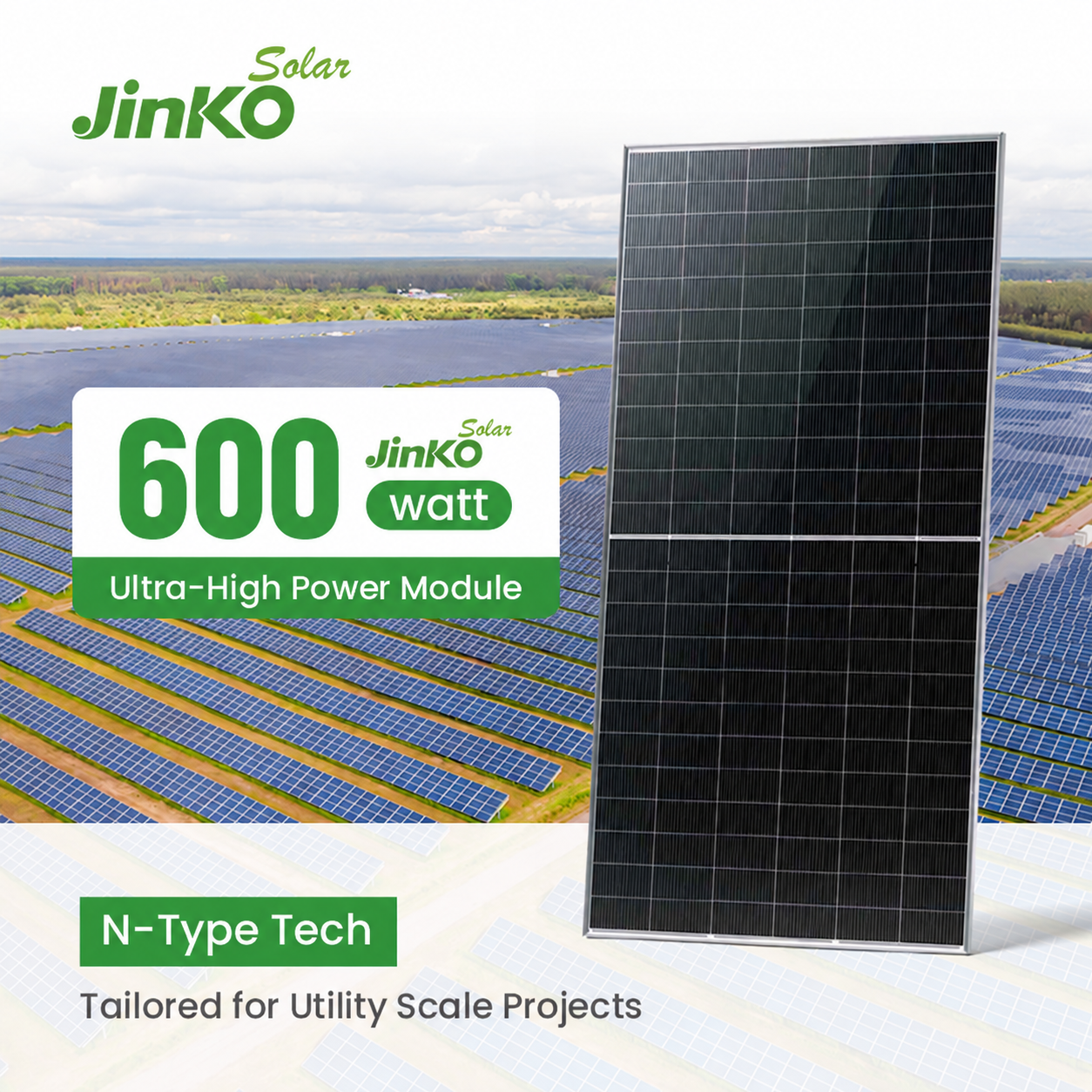
Jinko N Type Bifacial Solar Panels 575W–590W High Efficiency PV
- SMBB Technology (Multi-Busbar)
- Optimized for Wind/Snow Loading
- Excellent Weak Light Response
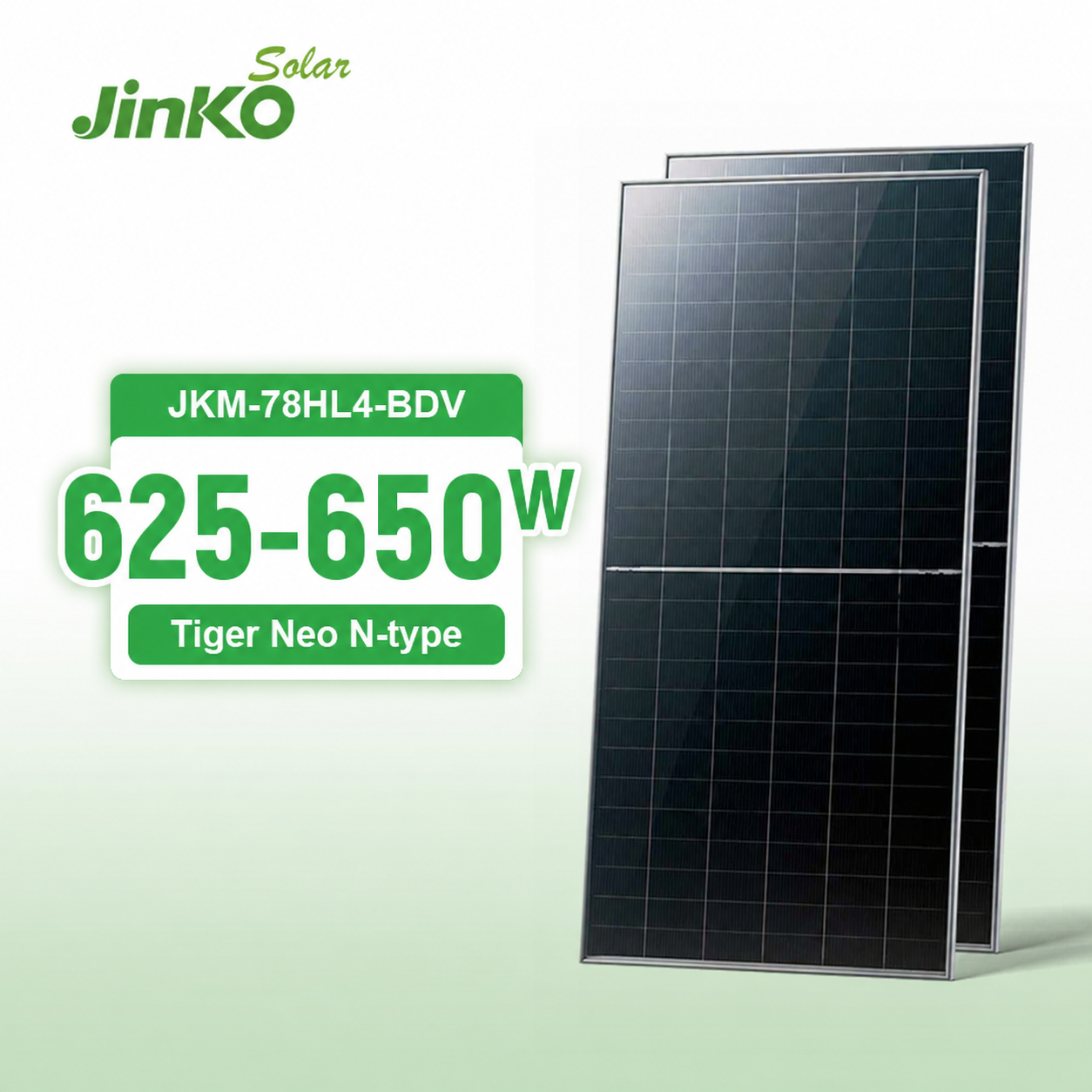
Jinko Bulk 625W–640W TOPCon Bifacial Monocrystalline Module
- Low Temperature Coefficient (-0.29%/°C)
- Anti-PID Certified Packaging
- Immediate Turnkey Dispatch Ready
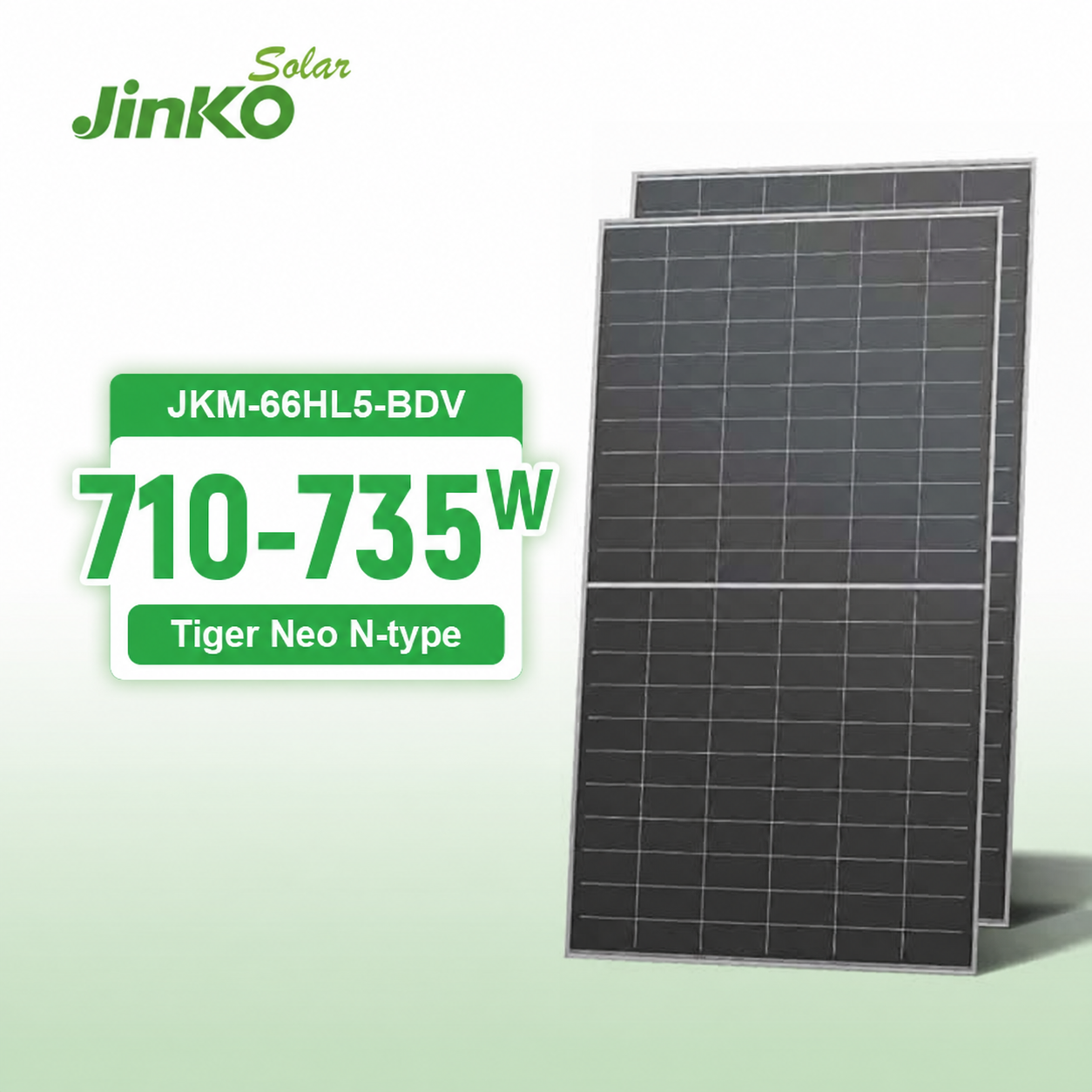
Jinko N Type Solar Panels 700W–730W Commercial Utility Grade
- Ultra-High Power Density Layout
- Heavy Snow Load Tested (5400 Pa)
- Reduced BOS Balance Costs
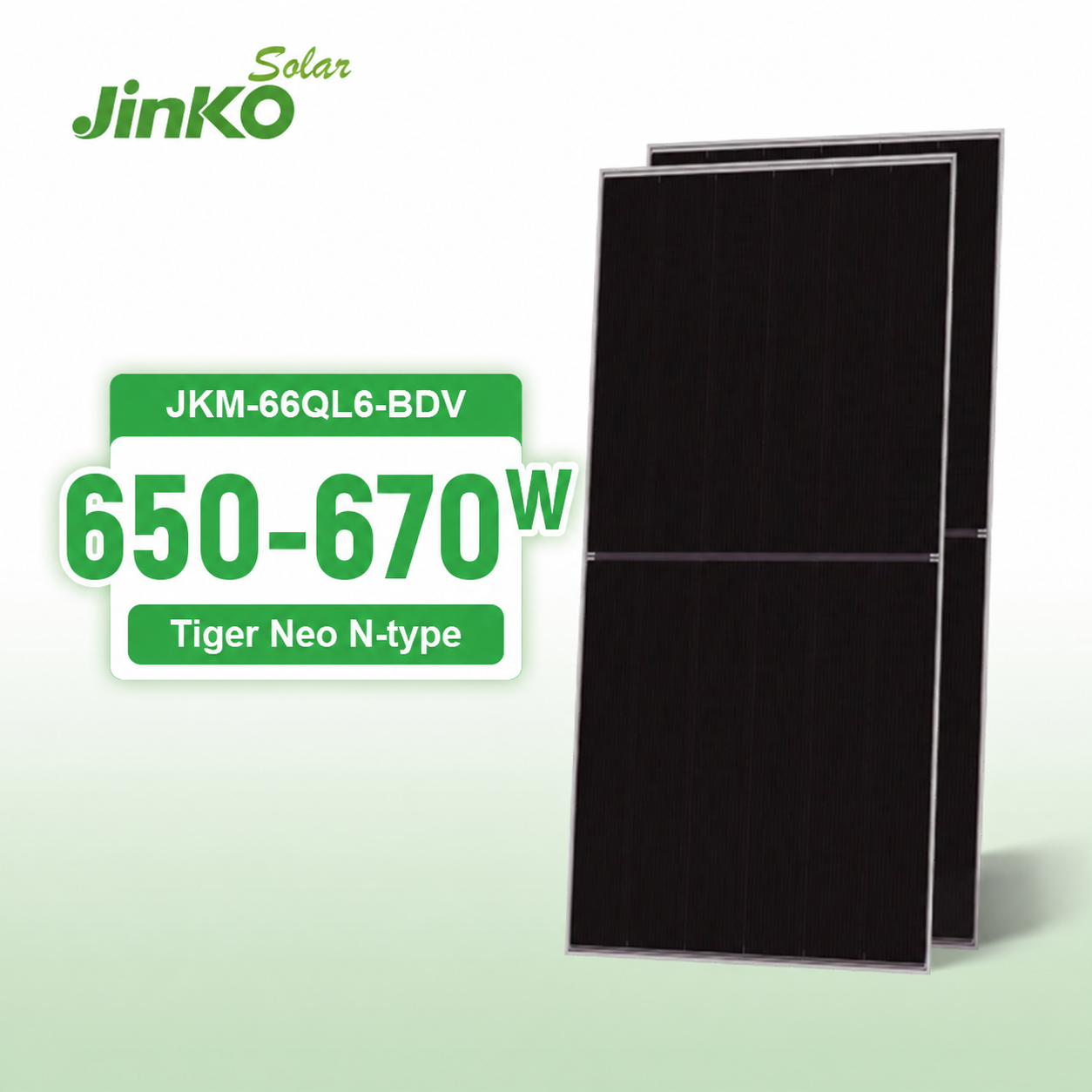
Jinko Wholesale PV Modules 650W–670W Double Glass Agri-PV
- High Ammonia & Salt Mist Resistance
- Robust Glass-Glass Structural Hermeticity
- Extended 30-Year Linear Warranty
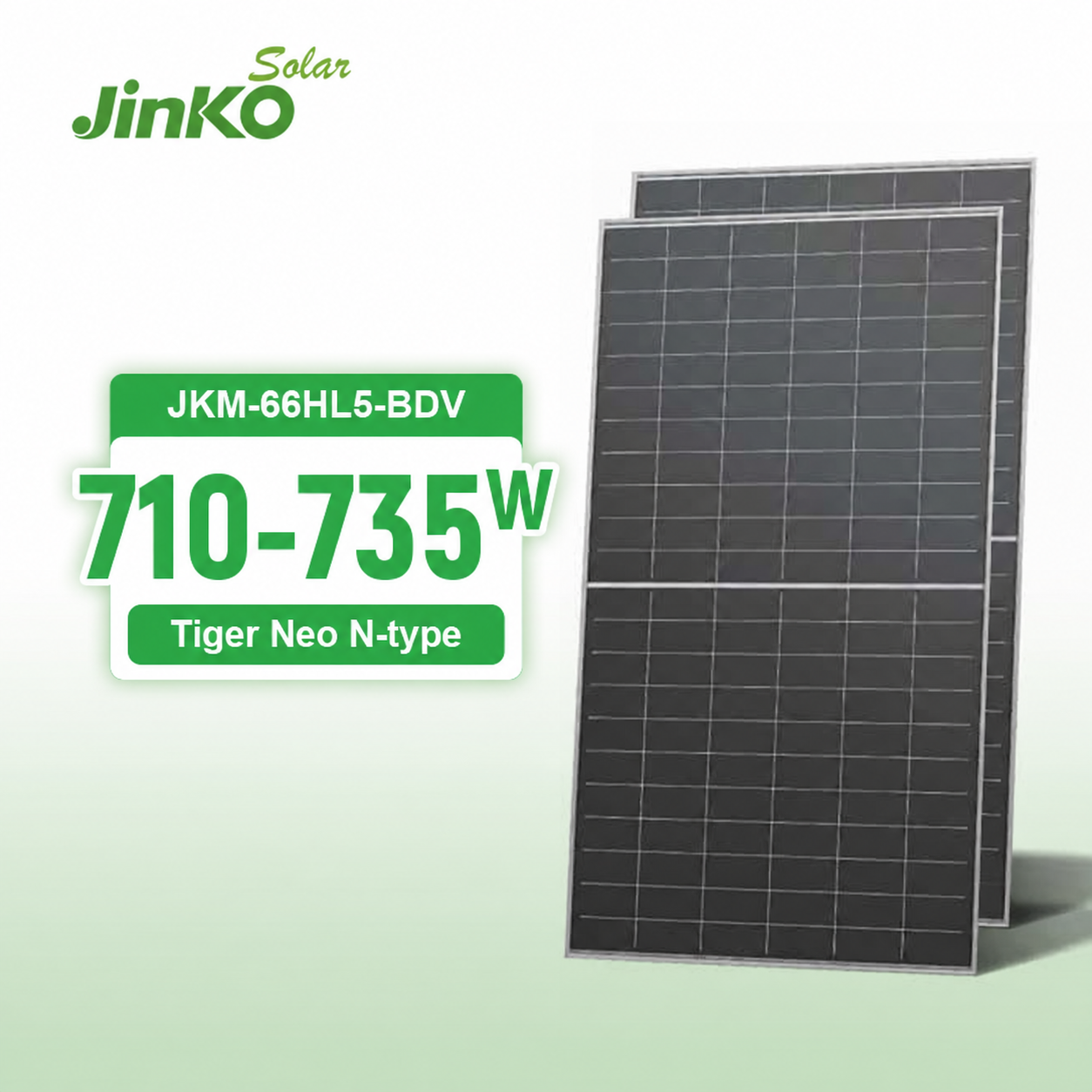
Jinko Wholesale 700W–730W Bifacial Double Glass Solar Module
- Integrated Anodized Architectural Frame
- Rear Side Generation Boost up to 25%
- Low Glare Anti-Reflective Surface
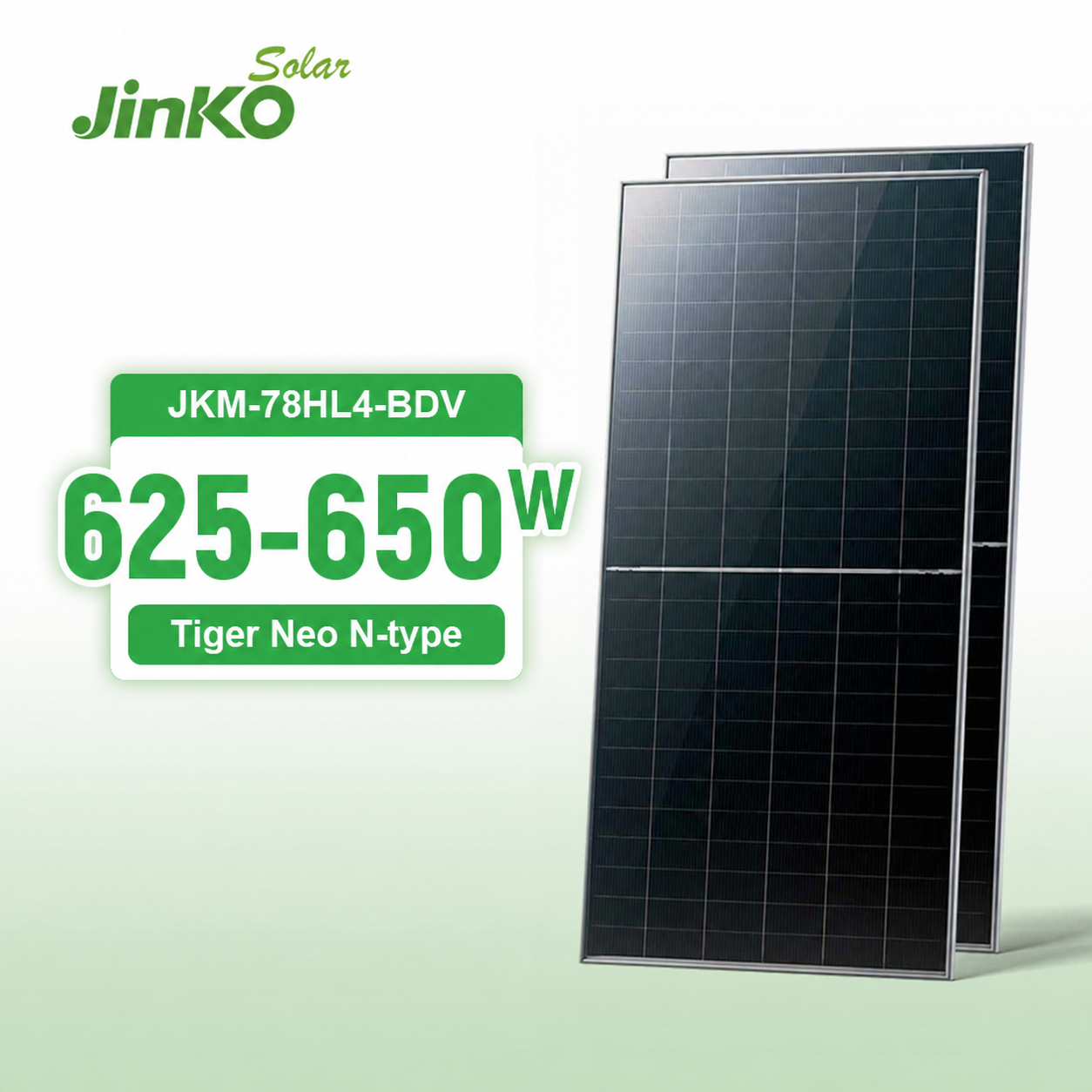
Jinko N-Type Monocrystalline 625W–640W Panneau Solaire
- Compact Structural Footprint
- Reinforced Rail Mounting Clamps
- Certified Fire Class C/A Rating
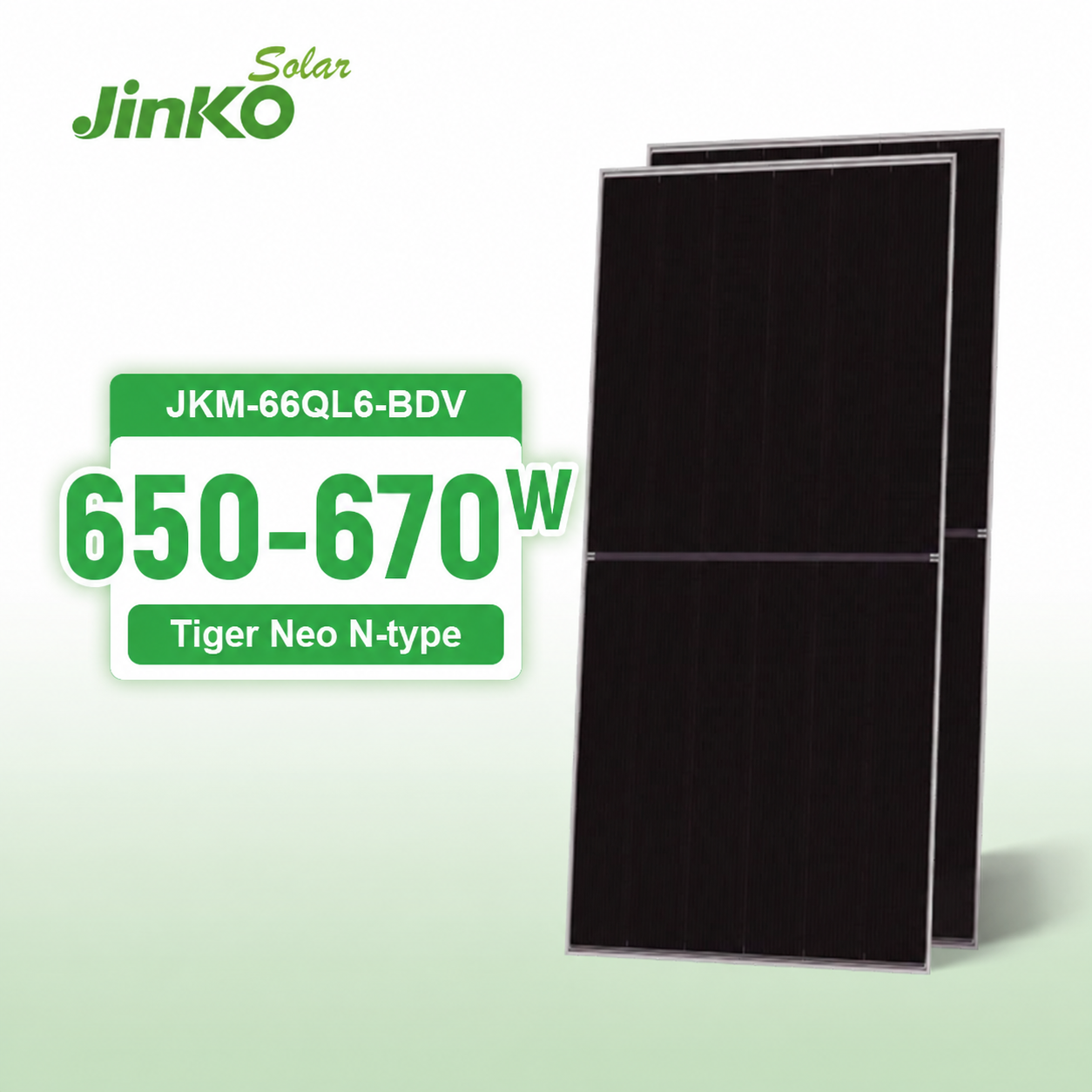
Jinko N Type Bifacial 650W–670W TOPCon Module for Architectural Glazing
- Custom Busbar Patterning Available
- High Mechanical Wind Shear Tolerance
- Full Integration with Microinverters
Request Direct OEM/ODM BIPV Engineering Catalogs & System Schematics
Procuring for high-specification projects in the West End, Greater London, or European commercial zones? Receive comprehensive technical cut sheets, CAD/BIM facade integration drawings, and custom cell spacing configurations.
Engineering BIPV Solutions for West End's Architectural Paradigm
The West End of London—encompassing the City of Westminster, Camden, and the core districts of Mayfair, Soho, Marylebone, and Covent Garden—presents one of the most demanding built-environment challenges for renewable energy adoption. With dense footprints, conservation area restrictions, stringent historic preservation covenants, and microclimates dictated by narrow street canyons, traditional rooftop photovoltaic racks are rarely viable or permitted. Building Integrated Photovoltaics (BIPV) represents the premier technical solution by replacing passive construction elements with active, energy-generating building envelopes.
As an OEM/ODM solar fabrication and export group backed by Hangzhou VOLT New Energy's integration ecosystem, our production lines manufacture bespoke BIPV elements that marry structural integrity with advanced N-Type TOPCon power conversion. By transforming spandrel panels, ventilated rainscreen facades, atrium canopies, and fenestration glazing into active generation surfaces, structural engineers and architects can meet aggressive decarbonization mandates without compromising visual pedigree.
Curtain Wall & Spandrel Integration
Replacing traditional back-painted spandrel glass with opaque or color-matched frit BIPV modules. Designed with concealed junction boxes and customized busbars that seamlessly align with standard European curtain wall mullions (e.g., Schüco, Reynaers, Wicona systems).
Overhead Skylights & Heritage Atriums
Double-laminated glass-glass BIPV panels offering selectable light transmittance (from 10% to 40% VLT). Ideal for retrofitting Victorian glass roofs, luxury hotel gallerias, and modern atrium canopies across Oxford Street and Regent Street properties.
Rooftop Balustrades & Acoustical Barriers
Heavy-duty, laminated structural glass balustrades incorporating bifacial TOPCon cells. Utilizing albedo reflections from reflective podium decks and roof gardens to deliver up to 25% supplementary energy yield on commercial rooftop developments.
UK Building Standards, Net-Zero Regulations & BIPV Drivers in West End
The regulatory trajectory across the United Kingdom, and specifically the Greater London Authority (GLA), has accelerated BIPV from an architectural luxury into a technical necessity. Commercial property owners in the West End face statutory mandates to achieve minimum EPC (Energy Performance Certificate) ratings of 'B' by 2030, alongside carbon offset penalties under the London Plan’s "Be Seen, Be Clean, Be Green" energy hierarchy.
1. Approved Document L (Conservation of Fuel and Power)
The updated Approved Document L (2021) sets stringent carbon reduction thresholds for new non-domestic buildings (a 27% reduction over previous standards) and major refurbishments. With rooftop footprints in Mayfair, Soho, and Fitzrovia constrained by HVAC chillers, lift overruns, and communal terraces, vertical facades represent the sole remaining envelope surface capable of generating onsite renewable electricity to satisfy primary energy metric (PEM) compliance.
2. Fire Safety Standards & Approved Document B
Following post-Grenfell safety revisions, external wall assemblies on buildings above 18 meters (and in many commercial specifications, above 11 meters) must strictly utilize non-combustible materials. Standard polymer-backsheet solar panels fail this test entirely. Our OEM/ODM BIPV solutions feature double-tempered architectural glass with specialized POE (polyolefin elastomer) or PVB encapsulants, achieving Class A2-s1, d0 / Class A fire ratings under BS EN 13501-1. This ensures full compliance for installation across high-rise residential and commercial curtain walls throughout the West End.
| Evaluation Parameter | Standard Rooftop Solar Arrays | Architectural BIPV Facade Systems | VOLT OEM/ODM Integrated BIPV Solution |
|---|---|---|---|
| Structural Dual Function | Generation only; requires sub-frame ballast | Envelope waterproofing, thermal & PV active | Direct curtain wall substitution; eliminates sub-framing |
| Fire Classification (EN 13501-1) | Class C / Class E (combustible backsheets) | Class B or Class A (depends on resin) | Certified Class A / A2-s1, d0 Non-Combustible Dual Glass |
| Urban Wind Load Resistance | Subject to vortex shedding & uplift | Integrated within facade structural wind load | Engineered up to 5,400 Pa static & 2,400 Pa dynamic |
| Architectural Aesthetics | Industrial visual footprint; planning clashes | Custom glass tints, fritting, hidden wiring | Bespoke ceramic frit matching stone, slate, or bronze |
| Electrical Protocol Match | Generic string inverters | Varies by installer | Pre-commissioned Deye Hybrid + LFP Storage Protocol Sync |
3. BREEAM 'Outstanding' and Whole Life-Cycle Carbon (WLC)
Modern West End redevelopments increasingly target BREEAM 'Outstanding' ratings to attract prime multinational tenants willing to pay ESG rental premiums. BIPV systems directly contribute to Credits under MAT 01 (Life Cycle Impacts) and ENE 01 (Reduction of Energy Use). Because our BIPV glass serves a dual purpose—structural building skin and power generator—the embodied carbon of the building envelope is significantly reduced compared to installing separate stone or metal cladding alongside distinct secondary solar arrays.
Hangzhou VOLT New Energy: OEM/ODM Technical Competence
Hangzhou VOLT New Energy Technology Co., Ltd. operates as a specialized solar trading, OEM fabrication, and system-integration manufacturer based in Zhejiang, China, supplying international distributors, EPC contractors, and architectural envelope specialists in over 100 countries. Unlike brokers who merely ship unverified commodities, our engineering-driven methodology guarantees that high-performance Jinko N-Type TOPCon cells, custom BIPV laminations, Deye hybrid inverters, and LFP storage batteries function as an interoperable, synchronized system on day one.
Verified Hardware Protocol Sync
Every BIPV array paired with our Deye low/high-voltage inverters undergoes complete pre-shipment bench testing. We verify RS485 and CAN-bus protocol handshakes with our LFP rack batteries to eliminate communication faults on-site.
Automated Cell Sorter & EL Testing
BIPV modules are assembled using automated cell sorting that categorizes N-type TOPCon wafers by ultra-tight current matching tolerances. 100% triple Electroluminescence (EL) testing eliminates micro-cracks before encapsulation.
Class 9 DG Logistics & Packing
Seamless export handling for mixed-container shipments. We consolidate specialized BIPV glass crates, heavy-duty LFP storage racks, and inverters with full UN38.3, MSDS, and Class 9 DG maritime compliance directly to UK ports.
Bespoke OEM/ODM Customization
From custom module dimensions (up to 2.4m x 1.3m), variable transparency levels (10% to 40%), customized cell matrices, and frit ceramic glass printing, our engineering team tailors modules to exact architect specifications.
Frequently Asked Questions by West End Architects & EPC Buyers
Direct answers to technical, planning, and electrical integration questions encountered when procuring OEM/ODM BIPV modules for London and European urban projects.
How does BIPV comply with Westminster City Council conservation and planning restrictions?
Westminster planning officers enforce strict visual integrity rules under the Westminster City Plan 2019-2040, particularly within designated Conservation Areas. Traditional blue or visible silver busbar panels are virtually never approved on visible facades. Our OEM/ODM BIPV factory provides anti-glare, textured architectural front glass combined with ceramic fritting that precisely simulates limestone, Portland stone, terracotta, or anodized zinc cladding. These panels possess zero visible busbars (via 0BB/SMBB concealed ribbons) and eliminate high-specularity reflections, allowing projects to pass daylight/sunlight assessment and conservation officer appraisals.
What fire safety rating do your BIPV modules achieve under UK Building Regulations?
Our architectural BIPV glass-glass assemblies achieve fire classifications conforming to BS EN 13501-1 Class A2-s1, d0 (non-combustible reaction to fire) or Class B depending on the exact inter-layer polymer selected (structural POE vs structural PVB). By replacing combustible composite backsheets with 3.2mm or 4.0mm heat-strengthened or fully tempered safety glass, our panels satisfy the non-combustibility thresholds of UK Approved Document B for residential and commercial facades above 11 meters.
How do you handle partial shading and microclimate irradiance in West End street canyons?
Dense urban environments in Central London suffer significant shading from neighboring buildings, scaffolding, and street trees. Standard series-wired strings suffer disproportionate system degradation when a single cell is obscured. We engineer our BIPV modules with integrated bypass diodes per cell-block, or configure them for direct module-level power electronics (MLPE) using microinverters or DC optimizers. Furthermore, our N-Type TOPCon cells exhibit superior low-irradiance spectral response in diffuse British daylight, capturing early-morning and late-afternoon scatter efficiently.
Can VOLT New Energy supply matched Deye Inverters and LFP Batteries in a single container?
Yes. This is one of our key competitive advantages over standard cell manufacturers. We consolidate custom BIPV modules, Tier-1 Jinko solar panels, Deye hybrid single/three-phase inverters, and our proprietary Antofo / VOLT LFP battery storage cabinets into one consolidated export container. Our engineering team pre-tests BMS-to-inverter communication cables and DIP configurations prior to dispatch, providing turnkey schematic diagrams and full dangerous goods (Class 9 UN38.3) customs clearance paperwork for UK destination ports (Felixstowe, Southampton, London Gateway).
What are the lead times and minimum order quantities (MOQ) for custom BIPV dimensions?
Standard Tier-1 Jinko N-Type panels in stock can be dispatched within 7–10 days. For custom OEM/ODM BIPV modules requiring bespoke glass cutting, CNC drilling for point-fixed spiders, ceramic printing, or special encapsulation thicknesses, the prototyping and sample verification phase takes 15–20 days, followed by batch production of 25–35 days. Our flexible production lines support architectural trial MOQs starting as low as 50 square meters for pilot facade testing and mock-up certifications.
How is thermal ventilation managed behind vertical BIPV curtain wall spandrels?
Photovoltaic cells exhibit a negative temperature coefficient: as cell temperatures climb, conversion efficiency drops. In unventilated spandrel cavities, temperatures can exceed 70°C. Our BIPV facade systems are engineered as ventilated rainscreen configurations, providing a continuous vertical air cavity (minimum 50mm) behind the module glass. This induces natural stack-effect convection that cools the rear face of the PV module, while utilizing N-Type TOPCon cells with an industry-leading low temperature coefficient (-0.29%/°C) to maintain stable kWh generation through summer heatwaves.
Consult an Architectural Solar Integration Specialist
From CAD curtain wall section reviews to complete solar-plus-storage sizing for West End commercial assets, our technical engineers provide rapid 24-hour turnaround quotes and system feasibility reviews.