Dual-Glass Tier 1
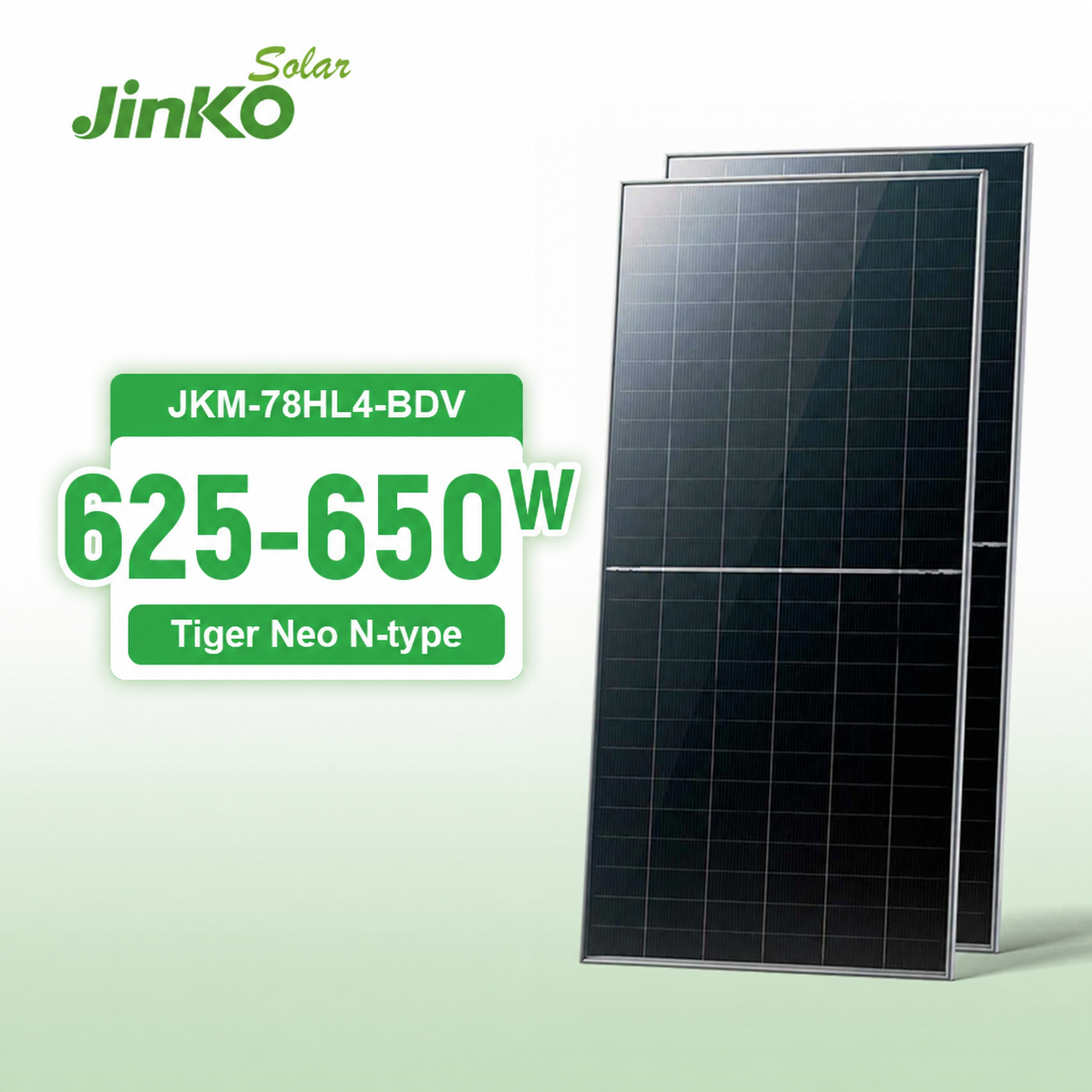
Engineered for architectural envelope integration, microgrid resiliency, and harsh coastal atmosphere performance. All solar modules undergo strict mechanical load and PID testing prior to Portsmouth export dispatch.
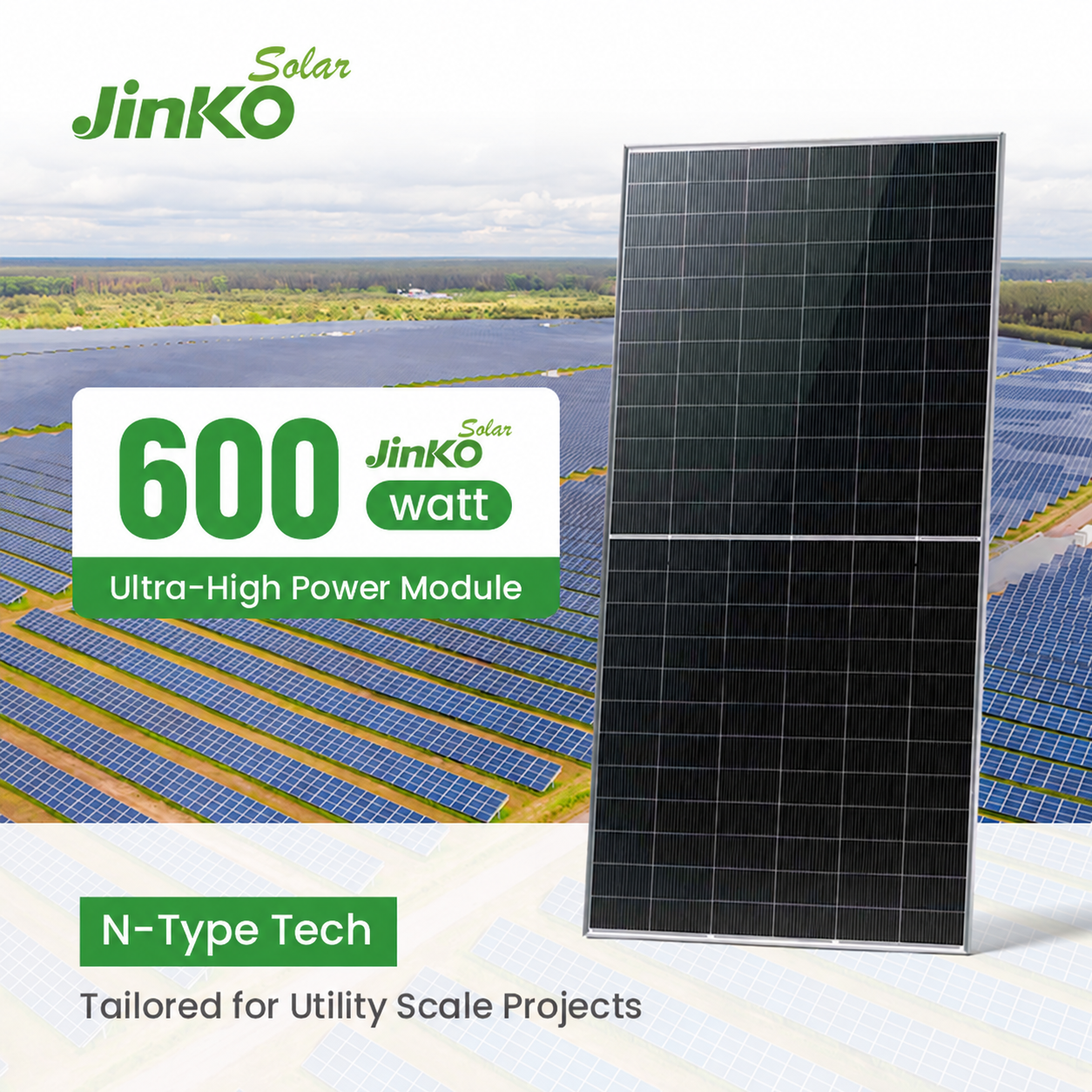
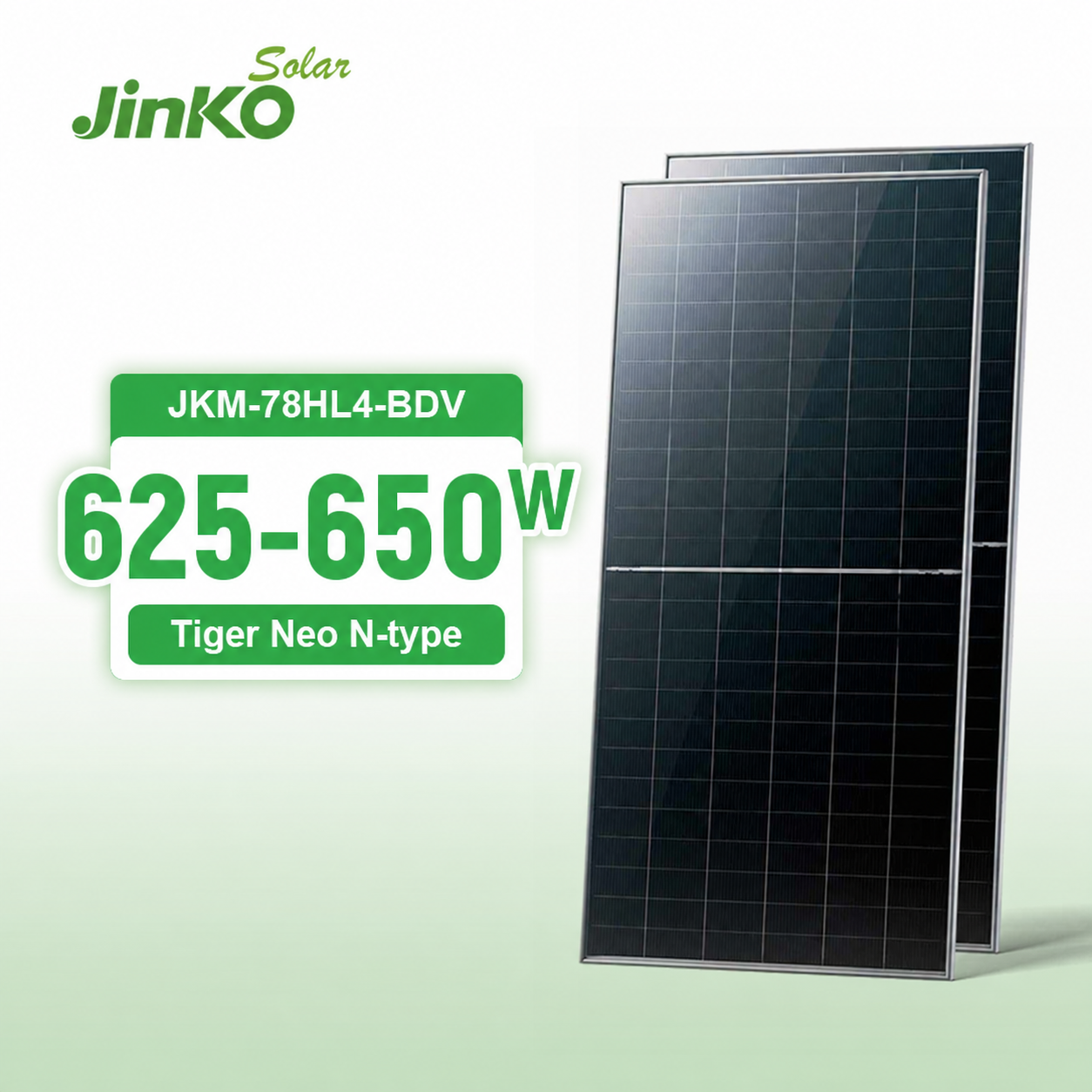
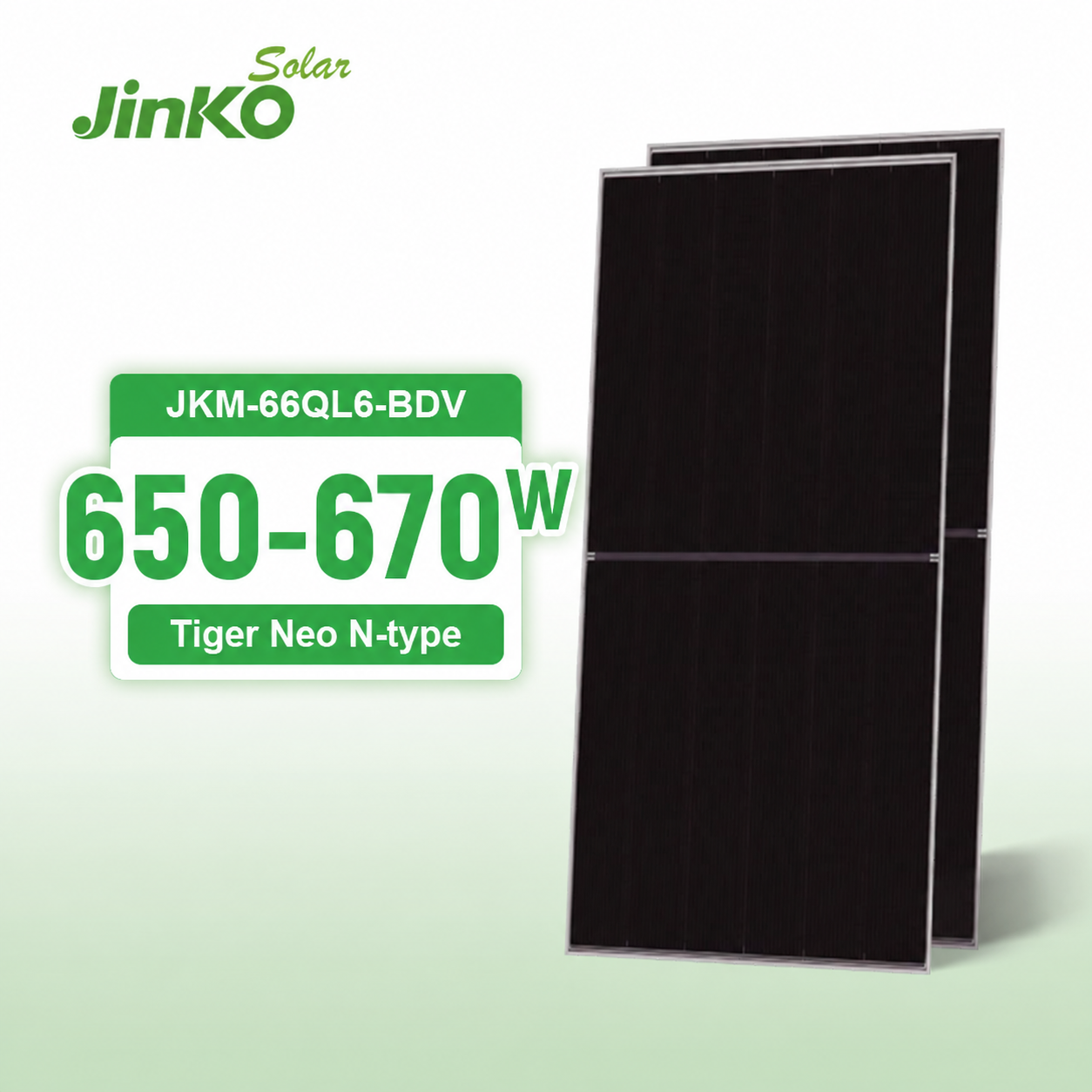
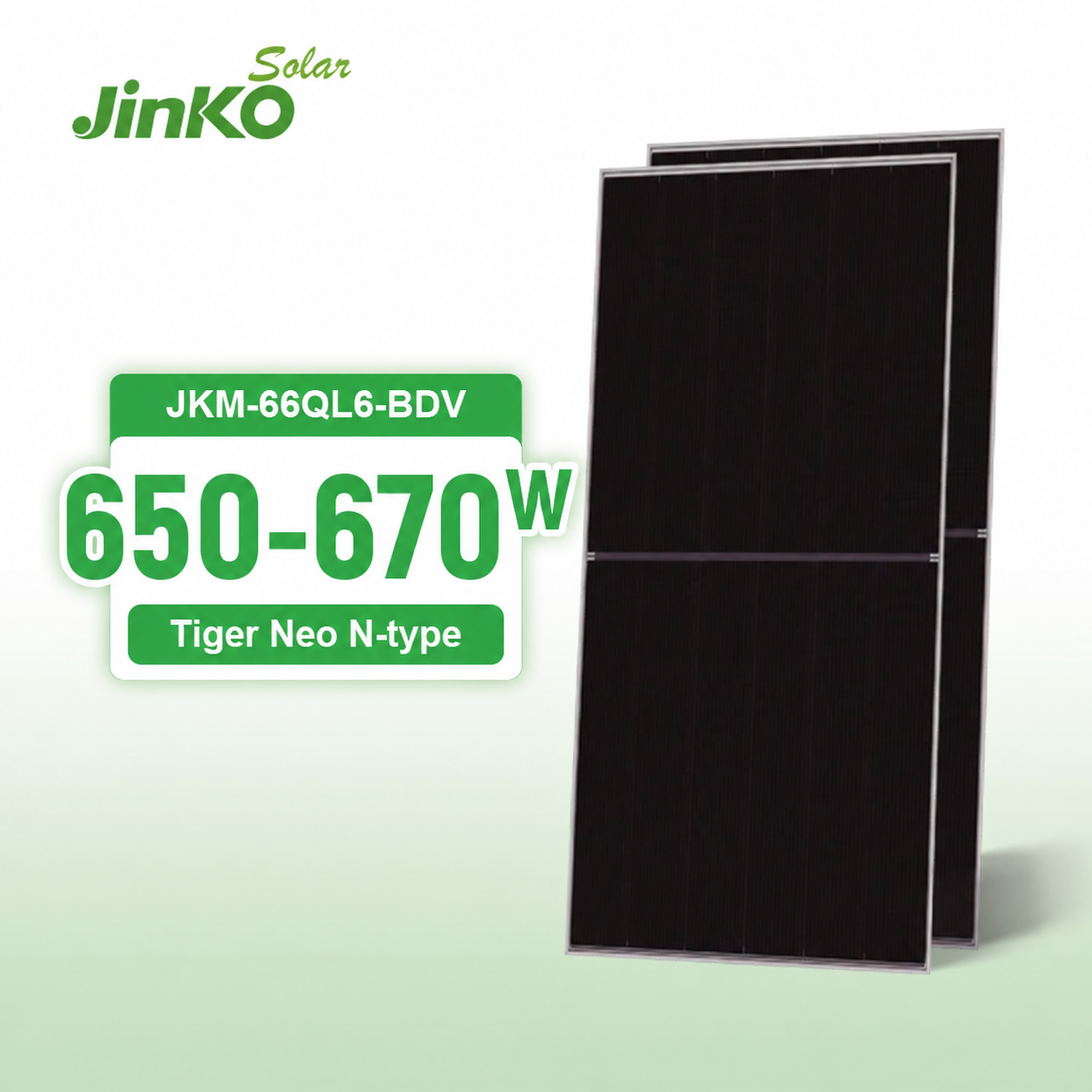
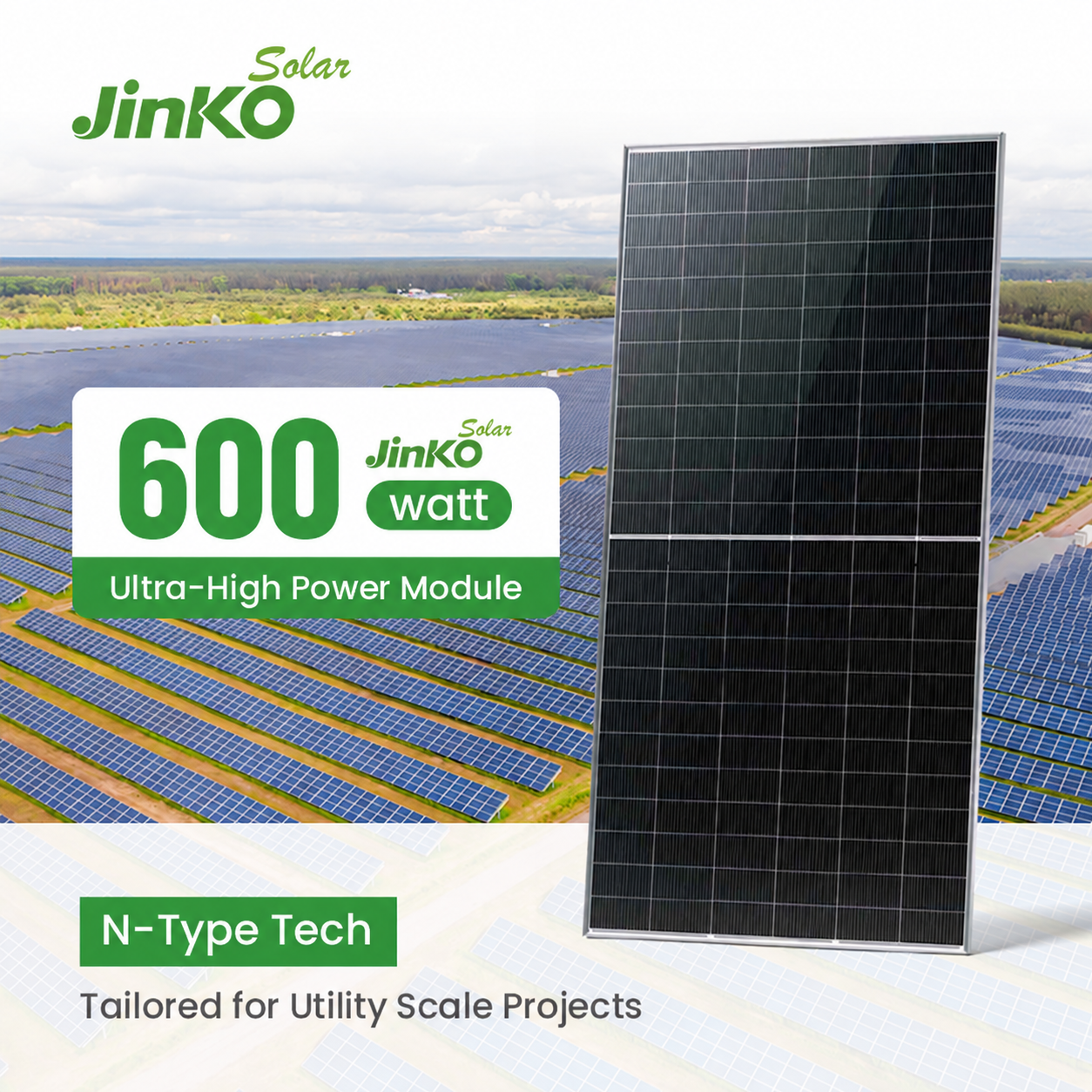
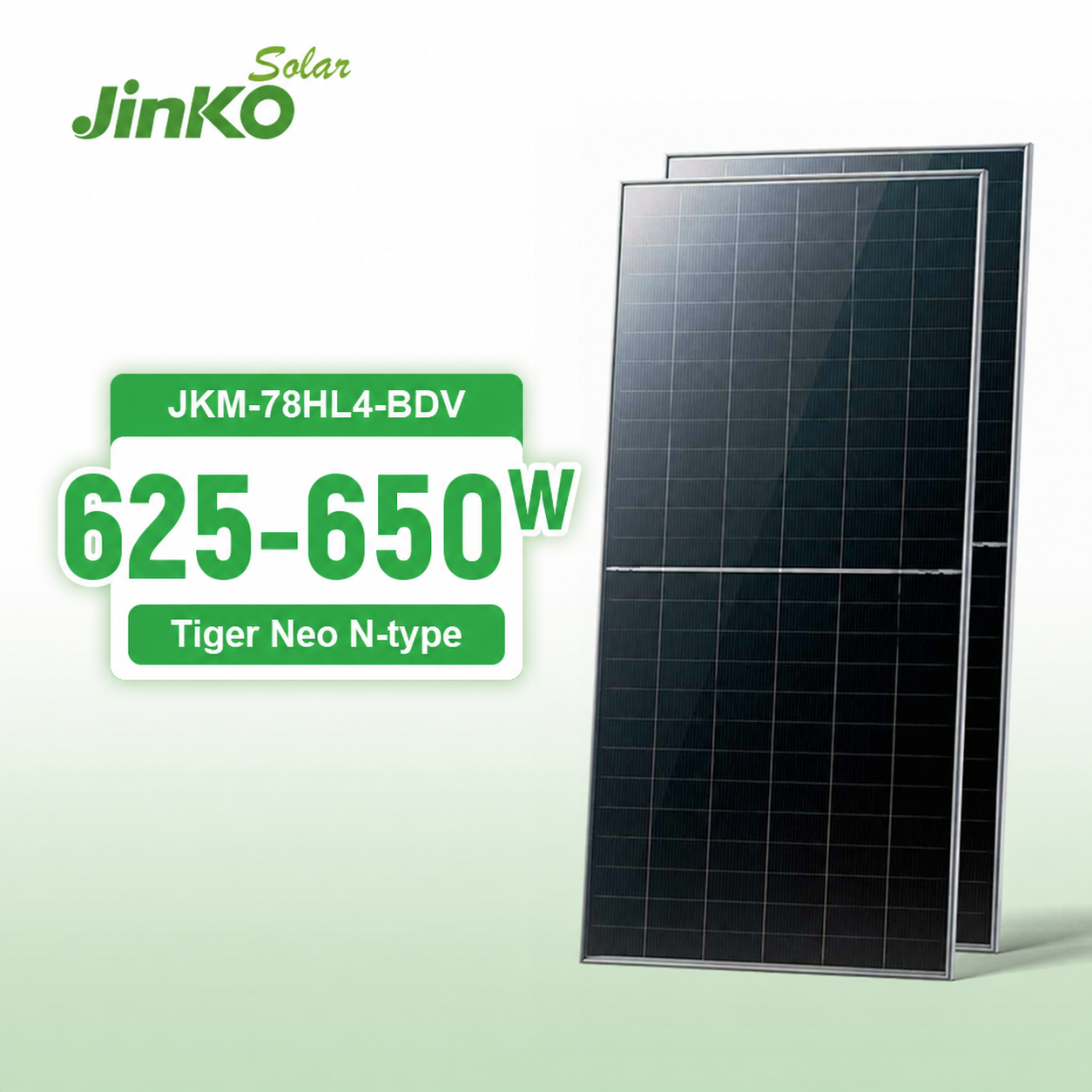
Portsmouth’s unique geography—encompassing Portsea Island, the UK’s premier naval defense docks, active international ferry terminals, and dense historic coastal real estate—requires specialized photovoltaic engineering. Standard PV hardware often falls short against coastal salt spray, gale-force wind uplift, and strict urban conservation frameworks.
Facilities across the Portsmouth International Port and surrounding naval support warehouses benefit directly from vertical BIPV ventilated curtain walls. Replacing standard metal composite panels with dual-glass N-Type bifacial solar panels turns external envelope surfaces into quiet, clean energy generators while mitigating continuous salt-crust corrosion through non-reactive POE encapsulation.
At Camber Docks, Gunwharf, and local yachting marinas, space is at a premium. Our frameless and semi-transparent double-glass BIPV panels create durable architectural canopies over public parking bays and waterfront maintenance staging zones. They withstand up to 5400 Pa mechanical snow/wind loads, generating reliable power for coastal EV charging points.
Portsmouth contains strict conservation zones ranging from Southsea terraces to Old Portsmouth heritage sites. Traditional blue rack-mounted modules face severe planning hurdles. Our sleek, all-black OEM BIPV roof tiles and integrated glass skylights conform with local planning guidelines, seamlessly replacing slate and clay tiles without disturbing structural aesthetics.
As Portsmouth City Council accelerates toward its ambitious Net Zero target, commercial building regulations (Part L compliance) and environmental maritime directives are driving substantial capital into integrated solar storage infrastructures. Importers and local EPC contractors operating in Hampshire must adapt to key systemic shifts:
Situated directly along the Solent, installations in Portsmouth experience extreme airborne salinity and severe fluctuating humidity. Conventional single-glass backsheet modules frequently suffer from water vapor penetration, causing rapid PID (Potential Induced Degradation) and premature junction failure. The market has definitively pivoted toward 2.0mm+2.0mm thermally toughened dual-glass modules with POE encapsulation, ensuring galvanic isolation and zero water permeability over 30+ year service lifecycles.
Portsmouth waterfront projects feature high albedo surfaces, including reflective concrete dock aprons, marina waters, and light gravel industrial roofing. Utilizing N-Type TOPCon bifacial modules with up to 85% bifaciality delivers an additional 10% to 25% energy yield on vertical parapets and elevated canopies, vastly shortening the capital payback period compared to conventional monofacial PV arrays.
Due to intermittent localized grid capacity across Portsea Island, solar alone is no longer adequate for commercial tenders. Importers increasingly procure comprehensive turnkey packages—pairing high-wattage BIPV arrays with Deye low-voltage/high-voltage hybrid inverters and LiFePO4 battery banks. This pairing facilitates seamless peak shaving, provides uninterrupted marine emergency backup, and secures compliance with G99 UK grid code regulations.
Portsmouth architects are moving away from standardized utility panel dimensions. Current municipal and private tenders demand bespoke dimensions, customizable transparency levels (from 10% to 40% light transmittance for atrium glass), and tailored junction box wire routing that conceals wiring entirely within building mullions, preventing wind flutter and salt exposure.
We de-risk solar procurement for European importers, naval electrical contractors, and EPC engineers through rigorous technical compatibility protocols, certified manufacturing control, and end-to-end export logistics.

We configure and pre-test CAN & RS485 communication protocols between our LFP storage batteries and Deye hybrid inverters prior to export dispatch, eliminating costly onsite commissioning faults.

Every module batch passes high-resolution EL crack inspections, wet-leakage insulation checks, and flash power-sorting. Transparent video inspection reports are provided before vessel departure.

Full UN38.3 test documentation, certified MSDS reports, and Dangerous Goods maritime packaging. We handle consolidation of panels, inverters, and lithium storage within single mixed containers directly to UK ports.

Our bilingual photovoltaic and electrical engineers supply bespoke system sizing, structural load calculations, comprehensive wiring schematics, and remote commissioning assistance within a 24-hour response window.
Direct answers covering UK compliance, marine durability, logistics, and hybrid system compatibility to streamline your procurement cycle.
Provide your required kWp capacity, site envelope drawings, or storage load profile. Our photovoltaic engineering specialists will deliver a custom module specification, inverter compatibility matrix, and DDP/CIF UK shipping schedule within 24 hours.