High-Efficiency Solar Modules Recommended for OPzV Battery Banks
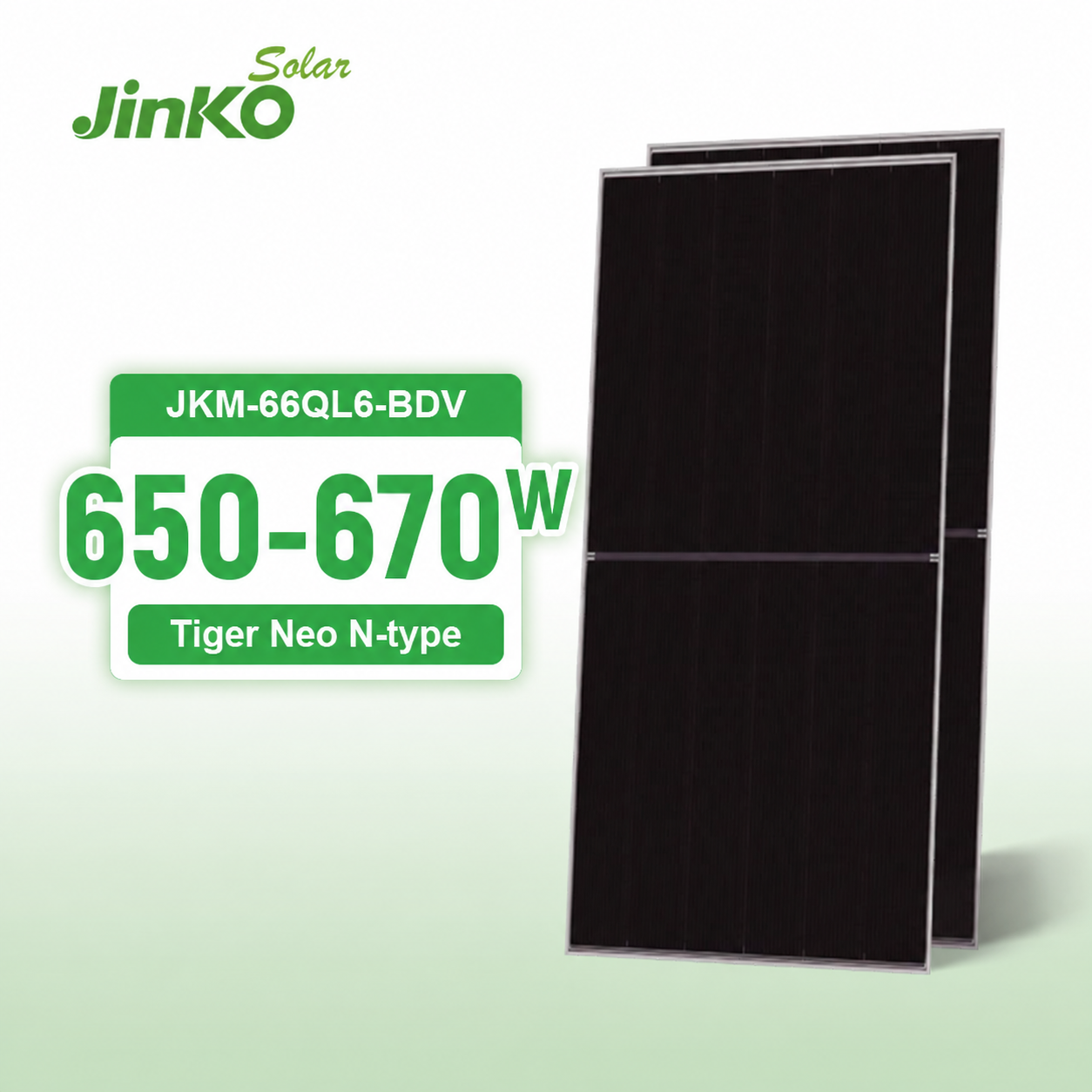
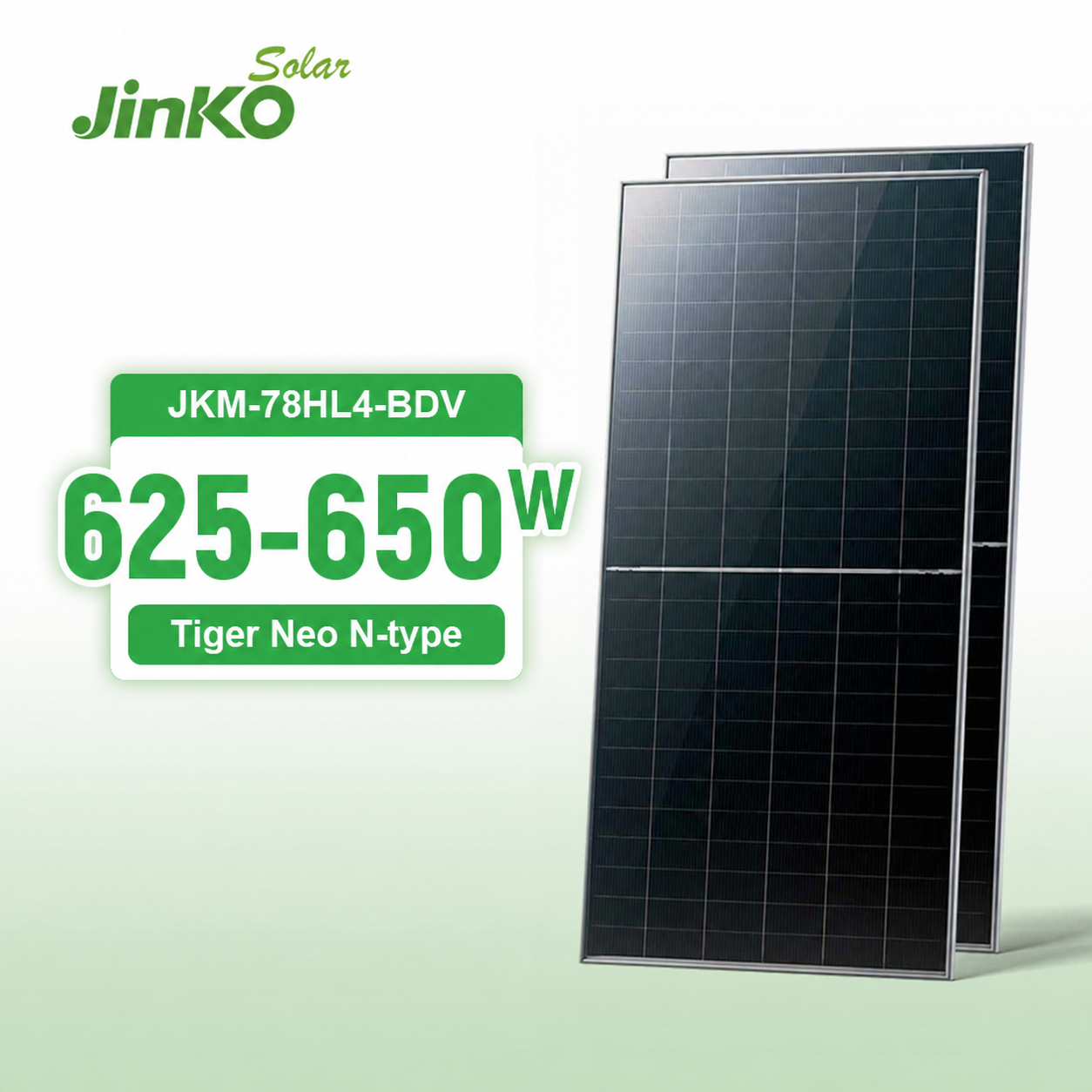
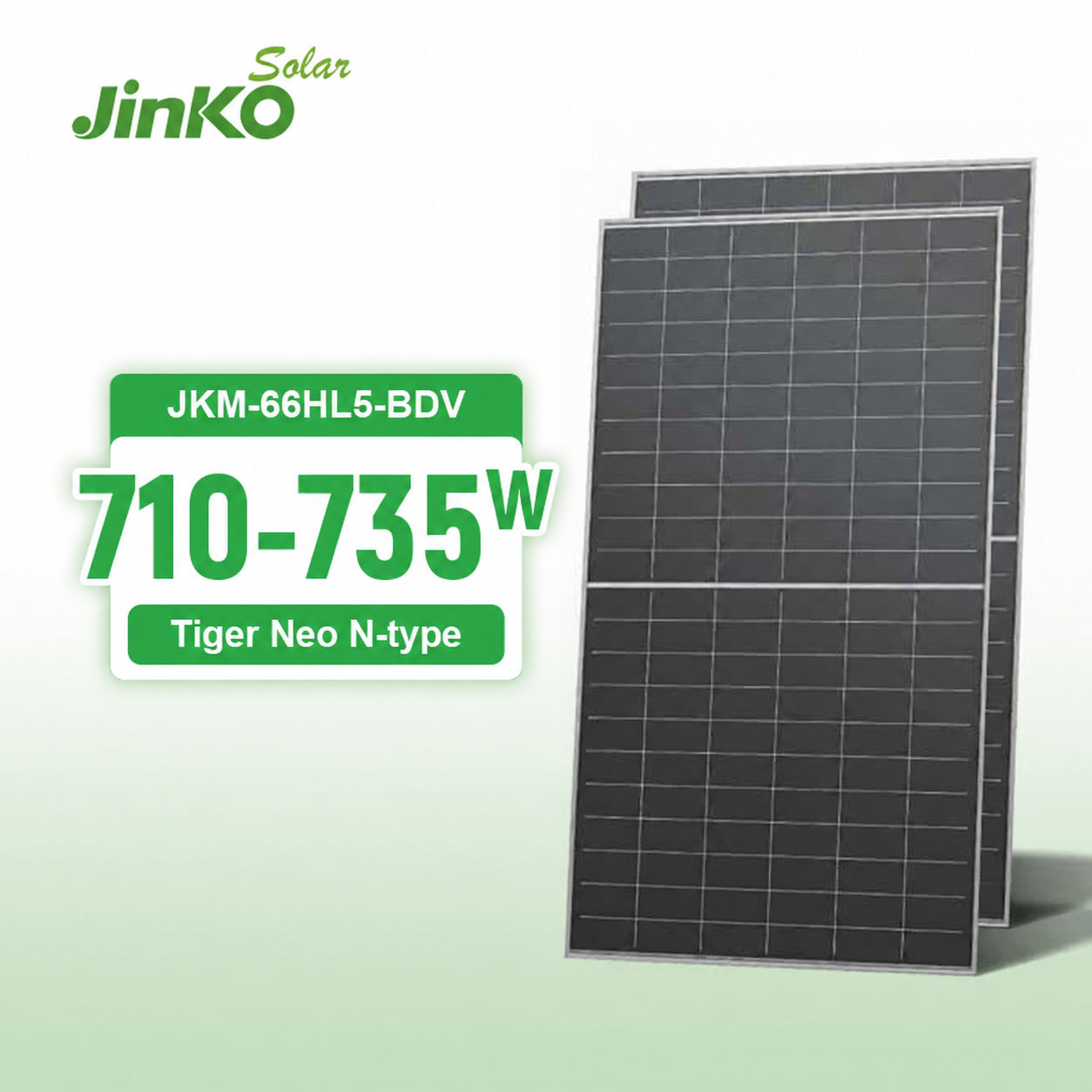
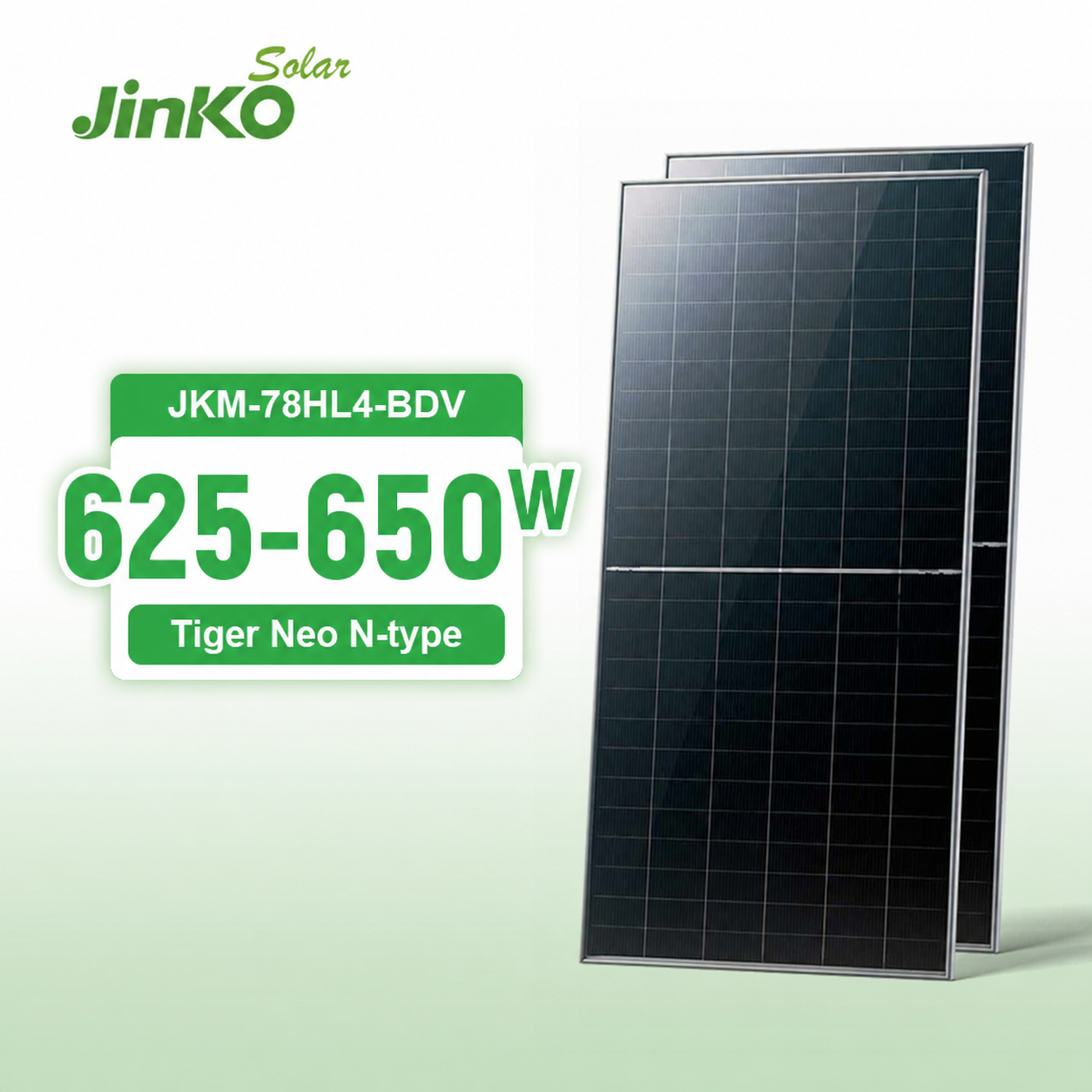
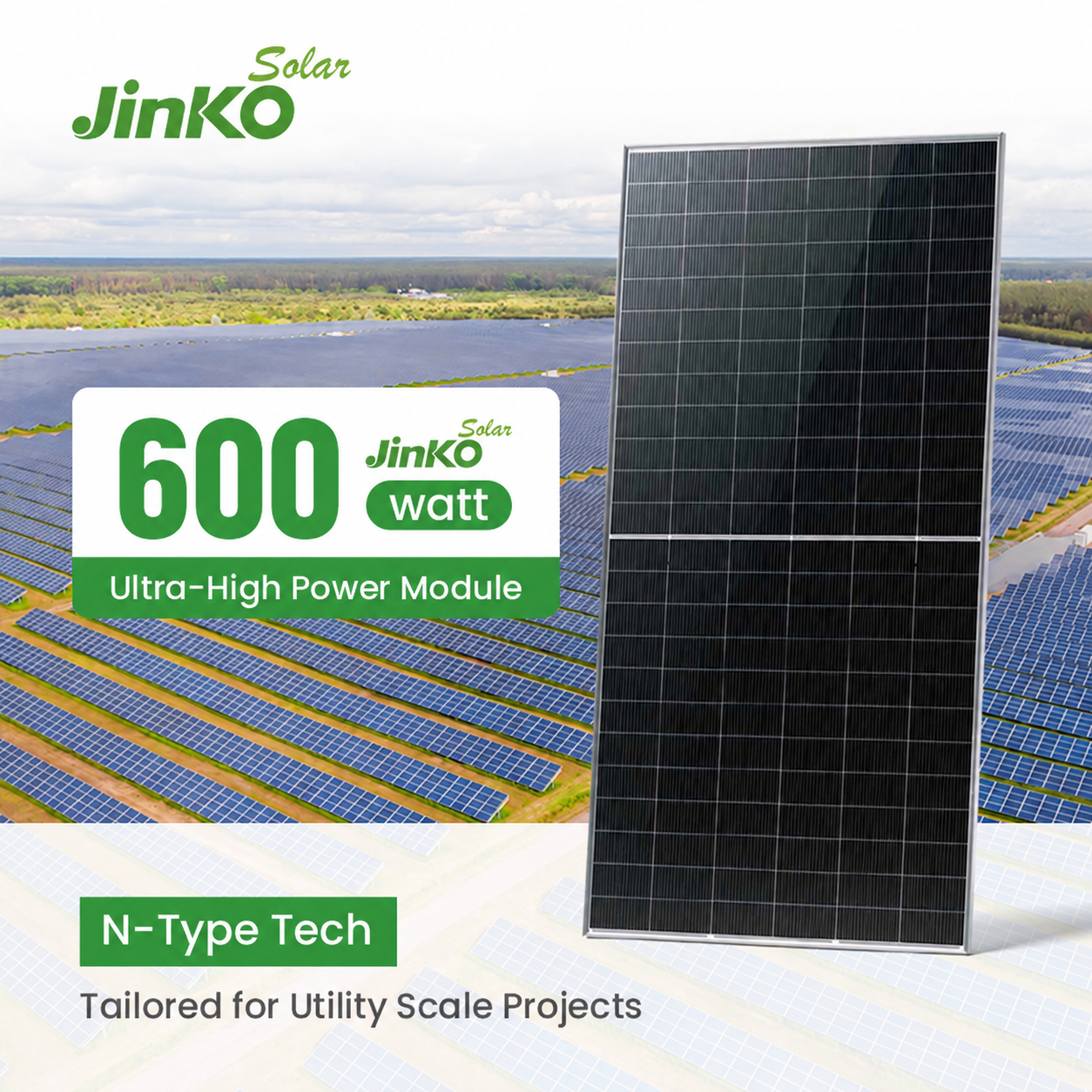
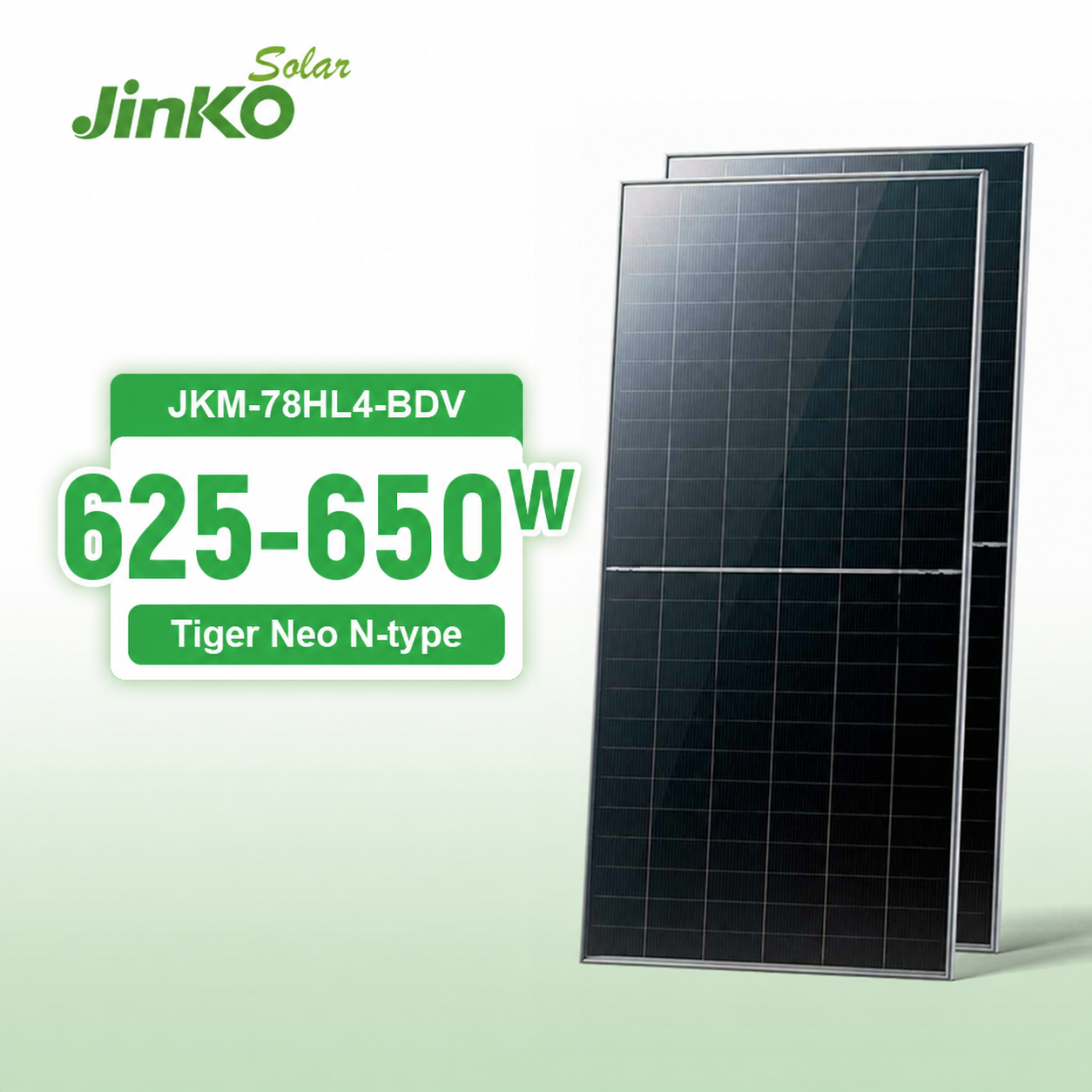
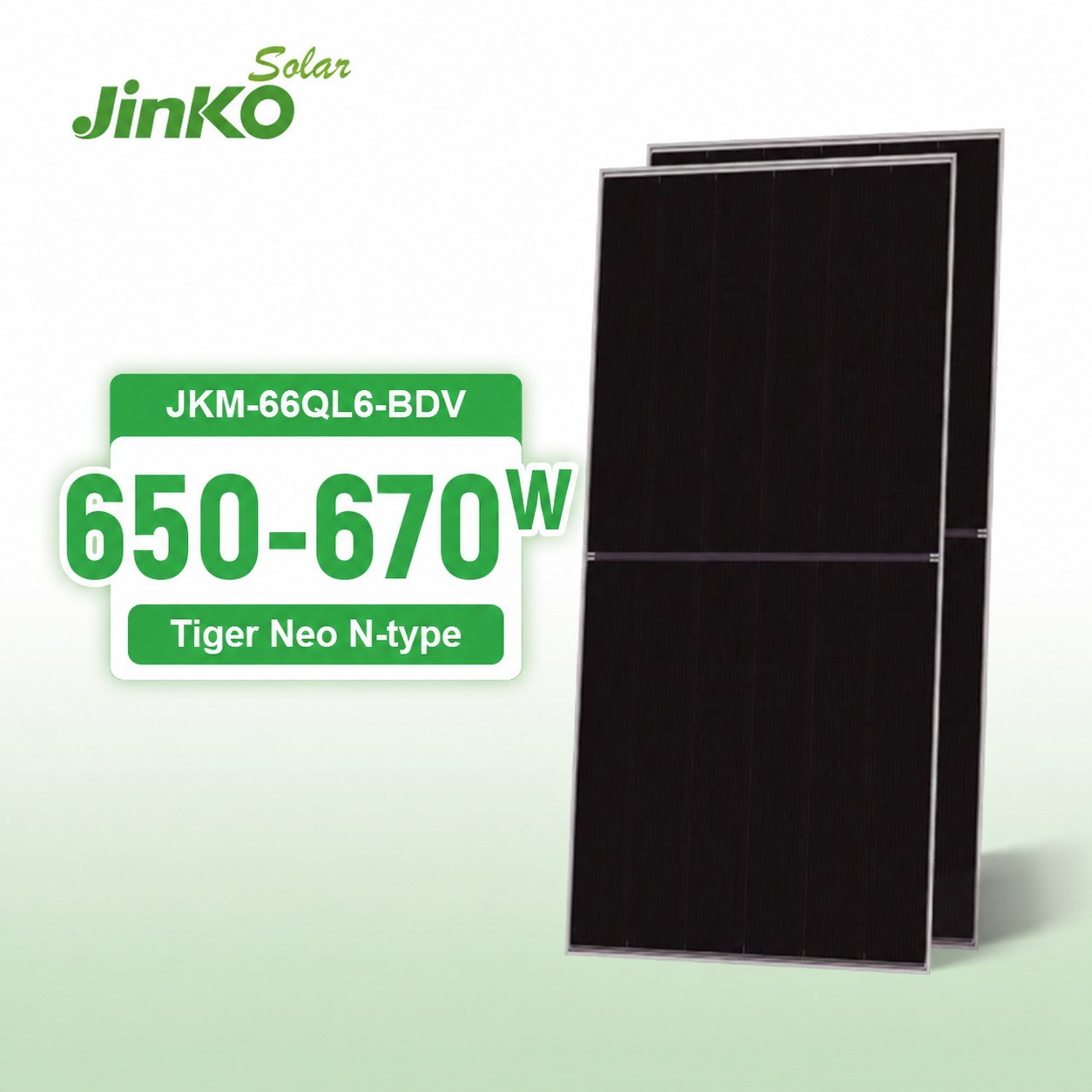
OPzV tubular gel batteries demand stable, high-yield photovoltaic inputs to sustain deep-cycle float integrity and prolong electrochemical life. We integrate genuine tier-1 bifacial panels engineered for South American irradiance.
Engineering Architecture of OPzV Tubular Gel Cells for South American Grids
In the evolving renewable landscape of Uruguay, where grid stability initiatives led by UTE (Administración Nacional de Usinas y Trasmisiones Eléctricas) intersect with expanding off-grid agricultural demands in Canelones, San José, and Rocha, energy storage reliability is non-negotiable. OPzV (Ortsfeste Panzerplatten Ventildicht) batteries represent the pinnacle of stationary lead-acid electrochemistry, governed by strict DIN 40742 standards.
Unlike standard flat-plate AGM (Absorbent Glass Mat) batteries or volatile lithium chemistries requiring complex battery management systems (BMS) with sensitive thermal cutoff algorithms, OPzV cells utilize die-cast tubular positive plates (Gauss grids) encased in woven polyester gauntlets. This micro-porous structure retains active materials under high-pressure mechanical compaction, preventing the plate shedding and active mass loss that prematurely terminate standard deep-cycle batteries under continuous 80% Depth of Discharge (DoD) cycling.
The electrolyte in our OEM/ODM OPzV cells is formulated with high-purity nanometer fumed silica (SiO2), creating an immobilized, homogenous thixotropic gel matrix. This entirely prevents electrolyte acid stratification—a common point of catastrophic failure in deep solar storage installations throughout Latin America. When paired with negative flat pasted plates and premium microporous separators, our 2V single-cell building blocks (ranging from 200Ah to 3000Ah at C10) deliver an extraordinary design life exceeding 20 years at 20°C and upwards of 2,500 to 3,000 cycles at 60% DoD.
Techno-Economic Benchmark: OPzV vs. LiFePO4 vs. Standard AGM
Montevideo and the southern Uruguayan coast present a unique maritime microclimate characterized by high airborne salinity, relative humidity averaging over 75%, and sharp seasonal ambient temperature variations. Review the comparative operational realities below.
| Evaluation Parameter | Tubular Gel OPzV (VOLT Standard) | Lithium Iron Phosphate (LFP) | Standard AGM Deep Cycle |
|---|---|---|---|
| Positive Plate Construction | Tubular spines die-cast under 100 bar | Pasted lithium ferrophosphate foil | Flat pasted lead-calcium grid |
| Electrolyte State & Stratification | Immobilized Thixotropic Fumed Silica (Zero risk) | Liquid organic solvent / Solid electrolyte | Absorbed liquid acid in glass fleece (Prone to drying) |
| Thermal Runaway & Fire Hazard | ✓ Absolute zero thermal runaway | Low risk, but requires active BMS fire cutoffs | Low risk, but vulnerable to thermal drying |
| Sub-Zero & Elevated Ambient Performance | Performs reliably from -20°C to +55°C | Cannot charge below 0°C without heating mats | Significant capacity derating above 35°C |
| BMS Dependence & Failure Modes | BMS-free passive chemical equilibrium | Requires electronic BMS (Single-point electronic failure) | BMS-free; sensitive to overcharge voltages |
| Deep Discharge Recovery (0V / Discharged) | ✓ Exceptional recovery after 30 days | Irreversible cell bricking if deep sleep triggers | Severe irreversible sulfation within 48 hours |
| Montevideo Port Import Compliance | Non-spillable Class 8 exempt (UN2800) | Class 9 Dangerous Goods (Strict UN38.3 handling) | Non-spillable Class 8 exempt |
Engineered for Montevideo's Strategic Energy Landscapes
From the bustling logistics infrastructure around the Puerto de Montevideo to isolated livestock estancias across the interior, our OEM/ODM OPzV batteries solve high-stakes backup and cyclic storage challenges.
Puerto de Montevideo Logistics Terminals
Navigational signaling, gantry crane auxiliary logic controls, and port cold-chain monitoring networks require unbroken, explosion-proof DC power. OPzV cells resist salt-spray corrosion and eliminate toxic off-gassing, operating safely in compact marine container enclosures.
UTE Substation Black-Start & UPS Systems
Uruguay's massive integration of variable wind and solar energy places rigorous demands on UTE switching stations. Our 110V and 220V OPzV battery strings deliver mission-critical tripping power, SCADA communication backup, and black-start readiness with zero active maintenance.
Dairy, Vineyard & Cattle Estancias
The agricultural powerhouses of Canelones, Colonia, and Florida experience frequent single-wire earth return (SWER) grid fluctuations. Solar-plus-OPzV microgrids drive deep-well pumping, automated milking parlors, and cooling compressors without risk of BMS shutdown during peak load surges.
ANTEL Remote Microwave Relays
High-altitude or remote transmission towers across Uruguay require autonomous 72-hour reserve capacity during severe weather fronts. OPzV batteries handle repeated partial-state-of-charge (PSoC) cycles flawlessly, freeing operators from costly helicopter or off-road maintenance dispatches.
Uruguay Renewable Energy Transition: Trends Accelerating Storage Adoption
Uruguay has achieved global renown by generating over 95% of its electricity from renewable sources (primarily hydroelectric, wind, and biomass). However, this rapid green transition presents specific infrastructural challenges that are driving localized demand for robust stationary battery energy storage systems (BESS):
UTE Time-of-Use (Tarifa Inteligente) Optimization
Uruguayan residential and commercial consumers face tiered electrical tariffs with steep peak-hour pricing (Horario Punta). B2B installers increasingly specify OPzV solar storage to execute daily peak-shaving, absorbing midday solar production and discharging during expensive evening tariff windows.
Net Metering Grid Congestion Limits
Under MIEM and URSEA regulations, distributed generation feed-in caps prevent many commercial facilities from pushing excess solar energy onto municipal feeders. Modular 48V to 400V OPzV banks allow complete on-site zero-export self-consumption, maximizing commercial PV system ROI.
Long-Duration Energy Storage (LDES) Mandates
While 1-to-2-hour lithium storage serves short-duration frequency modulation, national infrastructure planners and industrial EPCs require 8-to-24-hour discharge capacity for true resilience. OPzV tubular gel exhibits superior Peukert coefficients during extended C10 to C120 discharges.
Precision Manufacturing & Turnkey Private Labeling Capabilities
We empower regional energy distributors, EPC contractors, and system integrators across Uruguay to brand and specify high-performance OPzV energy storage systems engineered precisely to local grid standards.
Custom Ah Sizing & Voltage Stacks
Single-cell 2V building blocks tailored from 200Ah to 3000Ah. Pre-configured modular rack configurations engineered for 24V, 48V, 110V, 220V, and 400V DC high-voltage architectures.
Flame-Retardant ABS Enclosures
Reinforced polymer cases molded with UL94-V0 high-impact, fire-retardant ABS or SAN materials. Built-in ceramic flame arrestors prevent external spark ignition and maintain cell hermetic seal.
Private Labeling & Dual-Language Branding
Full OEM branding services including laser-etched logos, bespoke Spanish packaging, localized technical documentation, wiring diagrams, and URSEA-compliant product compliance serial plates.
Seismic & Marine Anti-Corrosion Racks
Heavy-gauge C3/C4 marine-grade powder-coated steel racking, designed for seismic resistance (Zone 3/4) and coastal ambient salinity, complete with insulated copper busbars and shrouds.
Enterprise Supply Integrity & Global Integration Strength
Drawing on proven field deployments across more than 100 countries, Hangzhou VOLT New Energy Technology Co., Ltd. eliminates the costly risks of component mismatch, shipping delays, and customs non-compliance.
Verified Inverter Synergy
We pre-test and program charge voltage thresholds, float windows, and temperature compensation curves with leading hybrid inverters (including Deye single- and three-phase platforms) before packing.
Multi-Tier Pre-Shipment QC
Every OPzV cell undergoes 100% open-circuit voltage screening, internal resistance impedance checks, micro-bubble helium leak tests, and randomized deep-cycle discharge validation reports.
Consolidated Freight Logistics
We consolidate heavy OPzV battery banks, Jinko TOPCon bifacial modules, and Deye hybrid inverters into unified 20GP/40HQ shipping containers, optimizing ocean freight rates to Puerto de Montevideo.
Bilingual Engineering Support
Direct access to dedicated electrical engineers who provide CAD string sizing, load profile analysis, busbar torque specifications, and commissioning assistance tailored for Uruguayan technicians.
Import Logistics: Seamless Shipping to Puerto de Montevideo (DNA / URSEA)
Importing energy storage equipment into Uruguay requires strict procedural discipline. OPzV batteries enjoy significant logistical advantages over lithium iron phosphate chemistries under international maritime conventions:
Because the sulfuric acid electrolyte is fully immobilized within a thixotropic silica gel, our OPzV cells qualify as "Batteries, Wet, Non-Spillable" under UN2800, Special Provision 238. Unlike Class 9 lithium shipments which face steep carrier surcharges, strict container spacing, and stringent DG terminal declarations at Puerto de Montevideo, OPzV batteries can ship as non-hazardous cargo when accompanied by our comprehensive test documentation.
We provide full commercial document packages customized for the Dirección Nacional de Aduanas (DNA) and homologation filings with URSEA, including factory ISO 9001, ISO 14001, IEC 60896-21/22 test certificates, Certificate of Origin (COO), and notarized Material Safety Data Sheets (MSDS). Direct ocean freight routes from Ningbo or Shanghai typically reach the Terminal Cuenca del Plata in Montevideo within 35 to 42 days, ensuring steady supply chain velocity for your ongoing commercial projects.
Frequently Asked Questions by Uruguayan Importers & EPCs
Practical answers to the technical, legal, and operational questions electrical contractors ask before placing their first containerized order.
Q1 How does OPzV perform during cold, humid Montevideo winters?
Unlike lithium batteries which suffer severely reduced charge acceptance below 5°C and cannot be charged below 0°C without active internal heaters, our OPzV tubular gel cells maintain over 85% effective capacity at 0°C and operate reliably down to -20°C. The immobilized thixotropic gel electrolyte cannot freeze or crack the cell casing under Uruguayan winter extremes.
Q2 Are OPzV batteries fully compatible with Deye hybrid inverters?
Yes. Deye low-voltage and high-voltage hybrid inverters feature programmable lead-acid/gel charging algorithms. We supply exact bulk (absorption), float, and equalization voltage setpoints matching your specific ambient temperature profile, ensuring seamless automated three-stage charging without requiring a digital BMS communication bus.
Q3 What is the difference between C10 and C100 ratings when sizing solar banks?
C10 represents the capacity discharged over 10 hours (typical for commercial backup), while C100 represents slow discharge over 100 hours (typical for multi-day solar autonomy). An OPzV cell rated at 1000Ah at C10 typically delivers approximately 1300Ah to 1400Ah at C100. We provide full discharge curve tables to ensure your solar array is accurately sized without costly over-engineering.
Q4 How does the total cost of ownership (TCO) compare between OPzV and Lithium?
While lithium has a smaller footprint, OPzV delivers a significantly lower capital cost per kilowatt-hour, requires zero expensive electronic BMS replacements over its lifespan, and retains substantial residual scrap value at end-of-life through well-established local Uruguayan lead recycling smelters, yielding a lower LCOE in stationary, non-weight-constrained sites.
Q5 Can we consolidate solar panels, inverters, and OPzV batteries in one container?
Yes. We specialize in consolidated FCL (Full Container Load) shipments. Our Hangzhou staging warehouse packs high-capacity 2V OPzV cells securely on heavy-duty fumigated wooden pallets on the container floor, with Jinko bifacial solar modules and Deye inverters safely stacked above, maximizing container space and slashing transit cost per watt.
Q6 What certifications are supplied for Uruguayan customs and UTE tenders?
All OPzV shipments are accompanied by official factory test certificates verifying compliance with IEC 60896-21 (testing methods for valve-regulated batteries), IEC 60896-22 (requirements for valve-regulated batteries), IEC 61427 (solar energy storage cells), ISO 9001, ISO 14001, and UN2800 non-spillable safety reports required by shipping lines and UTE project evaluators.
Q7 How are OPzV batteries shipped to prevent acid leakage or degradation?
Our OPzV batteries can be shipped factory filled and gel-formed, ready for immediate installation upon arrival in Montevideo, or shipped dry-charged for multi-year warehouse storage before activation. Because the electrolyte is an immobilized gel, they can be shipped in horizontal or vertical orientations with absolute zero leakage risk.
Q8 What maintenance is required once installed in remote Uruguayan locations?
OPzV cells are 100% maintenance-free. Thanks to an internal gas recombination efficiency exceeding 99%, water loss is eliminated under standard float conditions. No electrolyte topping up, hydrometer specific-gravity checks, or forced ventilation systems are ever required throughout their 20-year operational life.
Request an OEM/ODM Project Quote for Montevideo
Whether you are designing a utility-scale substation UPS, an off-grid agricultural microgrid in Canelones, or expanding a commercial solar distributorship, our electrical engineering team will calculate your required Ah capacity, provide battery-to-inverter wiring schematics, and quote landed CIF Puerto de Montevideo pricing.