
TOPCon Technology
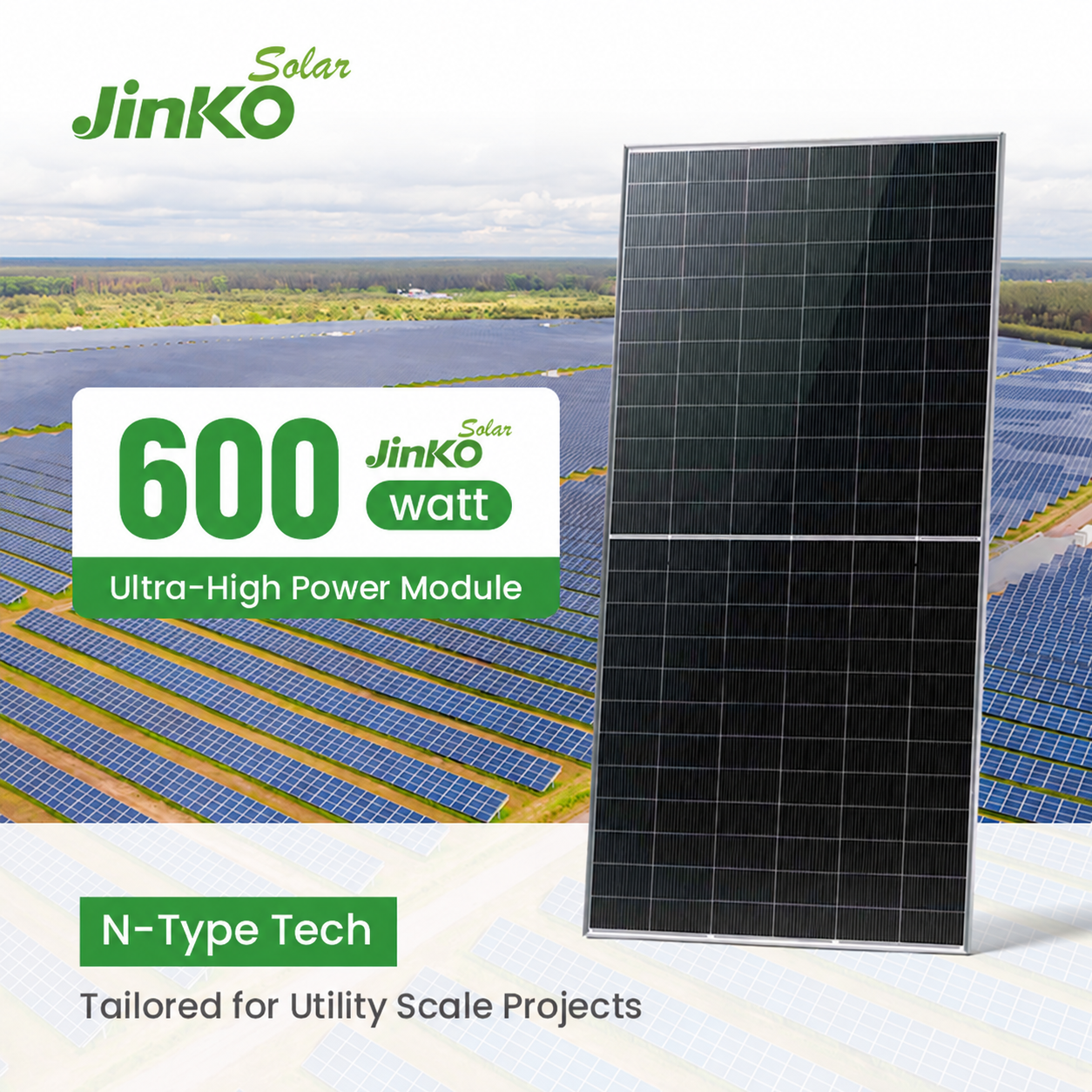
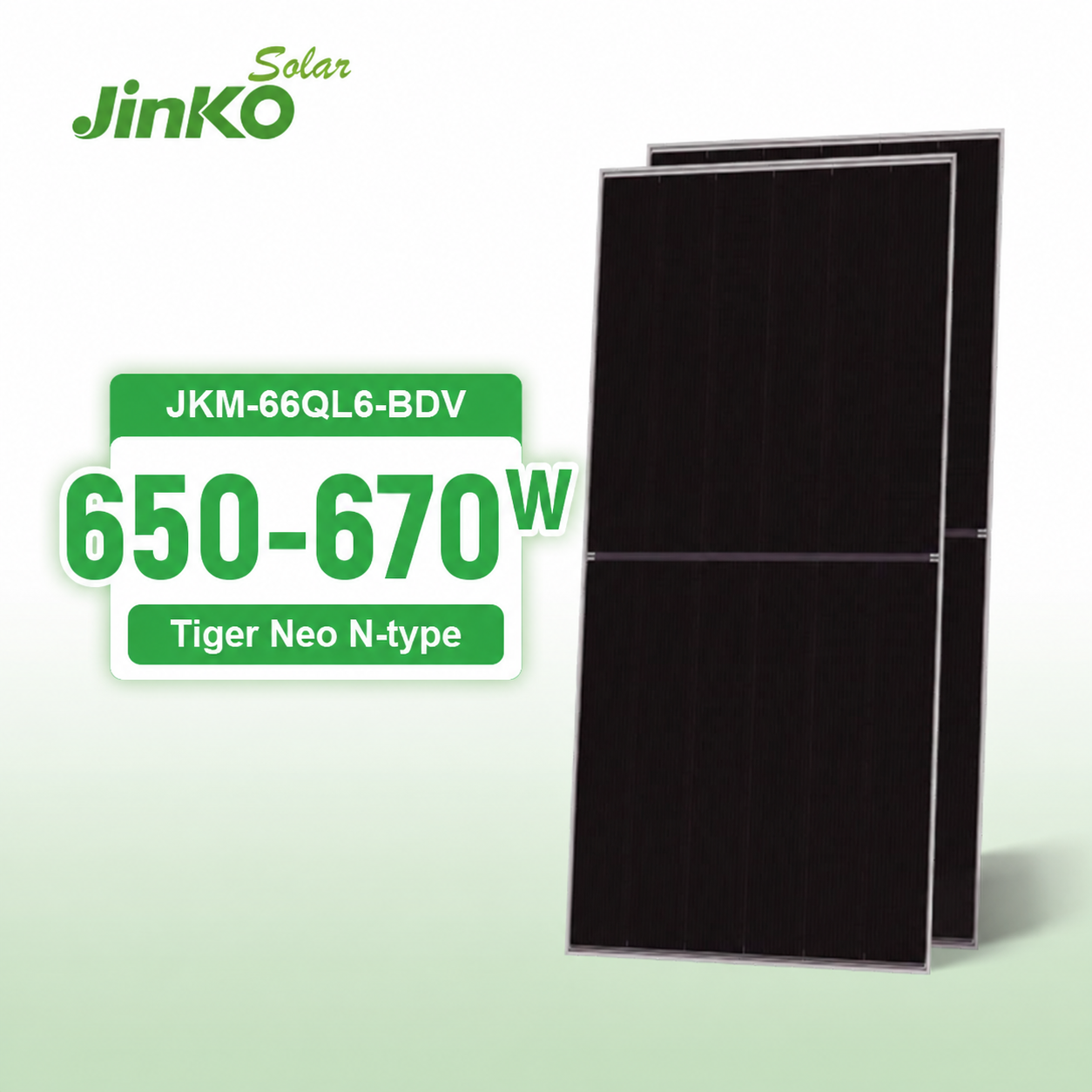
Jinko N Type Bifacial Solar Panels 585W 590W 575WTOPCon Monocrystalline High Efficiency PV Module for Home
Dual Glass / SMBB
Get a Quote
Pre-tested solar panels and integrated battery systems matched for island maritime grids, extreme wind loads, and tropical ambient cycling across St. Vincent & the Grenadines.
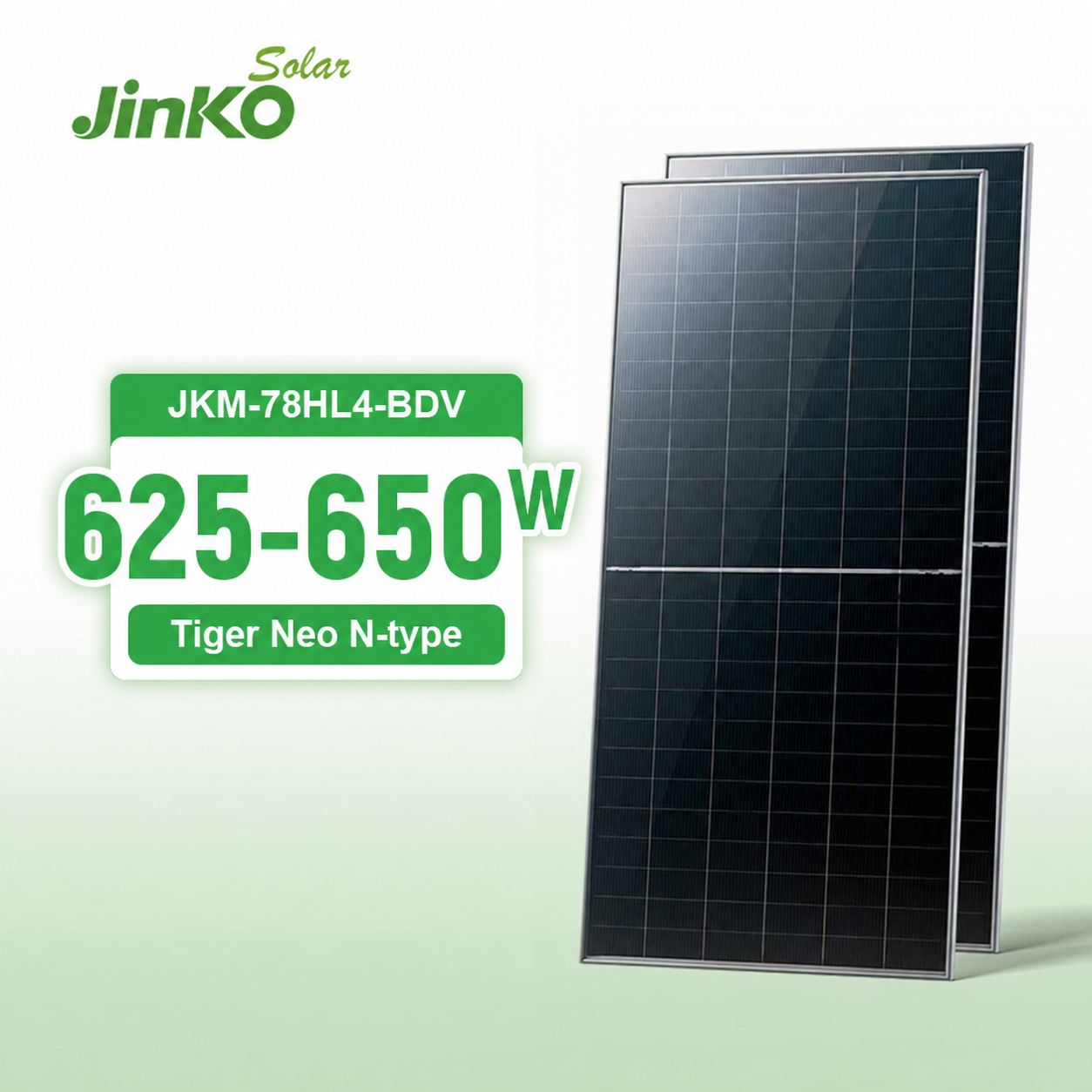
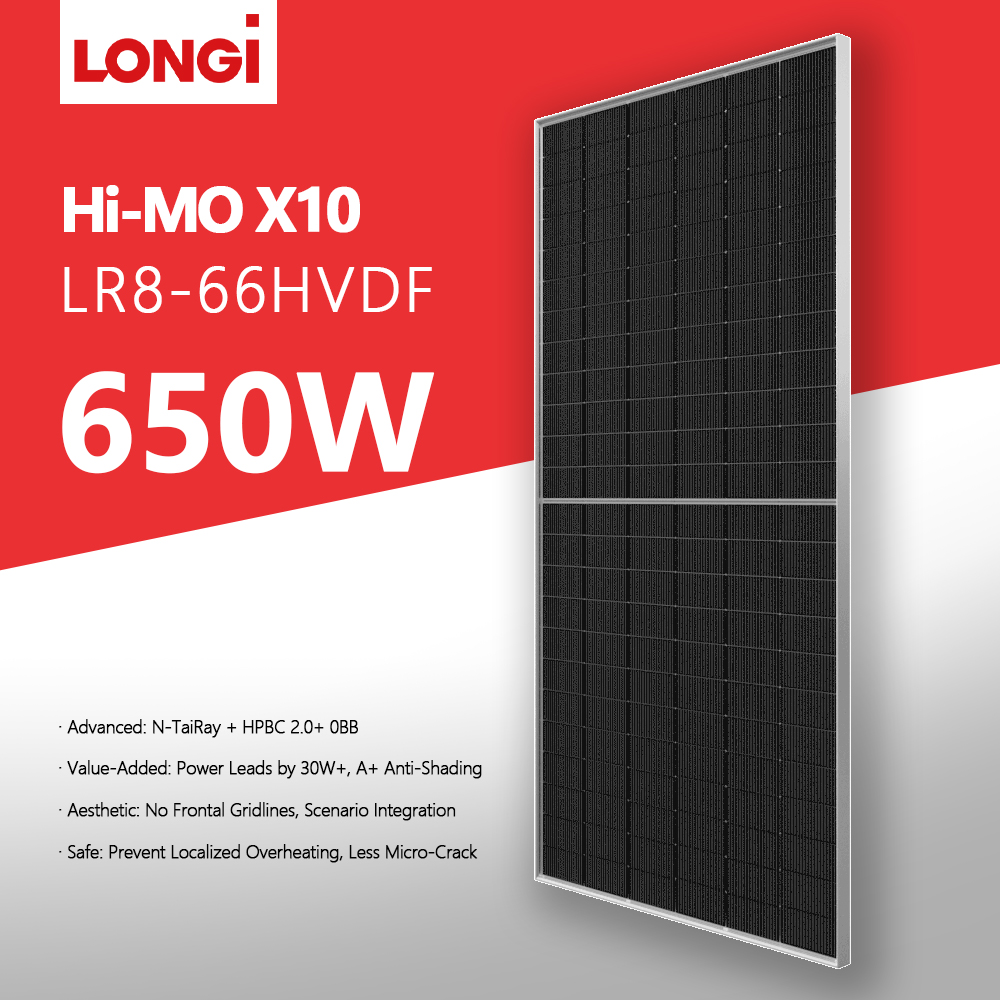
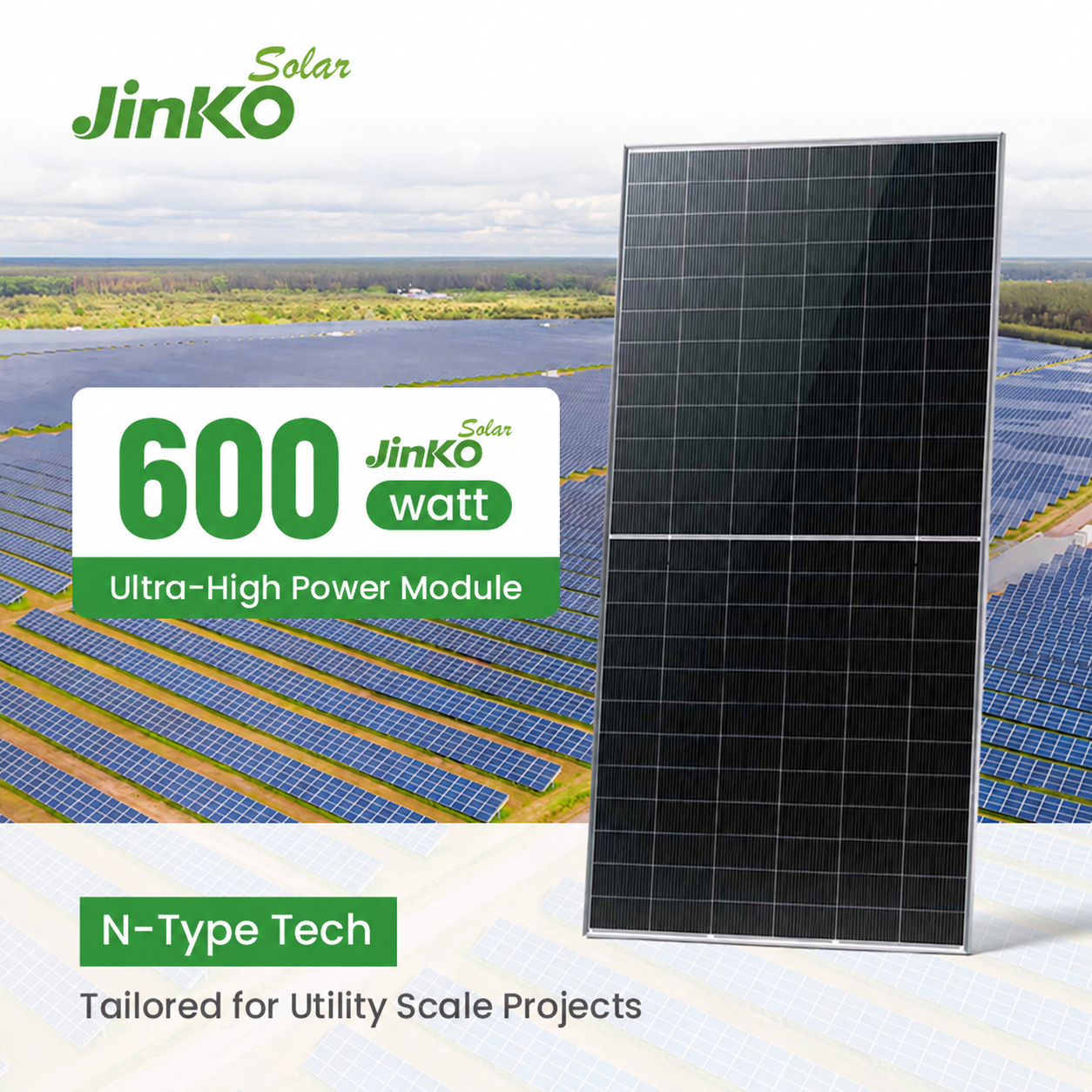
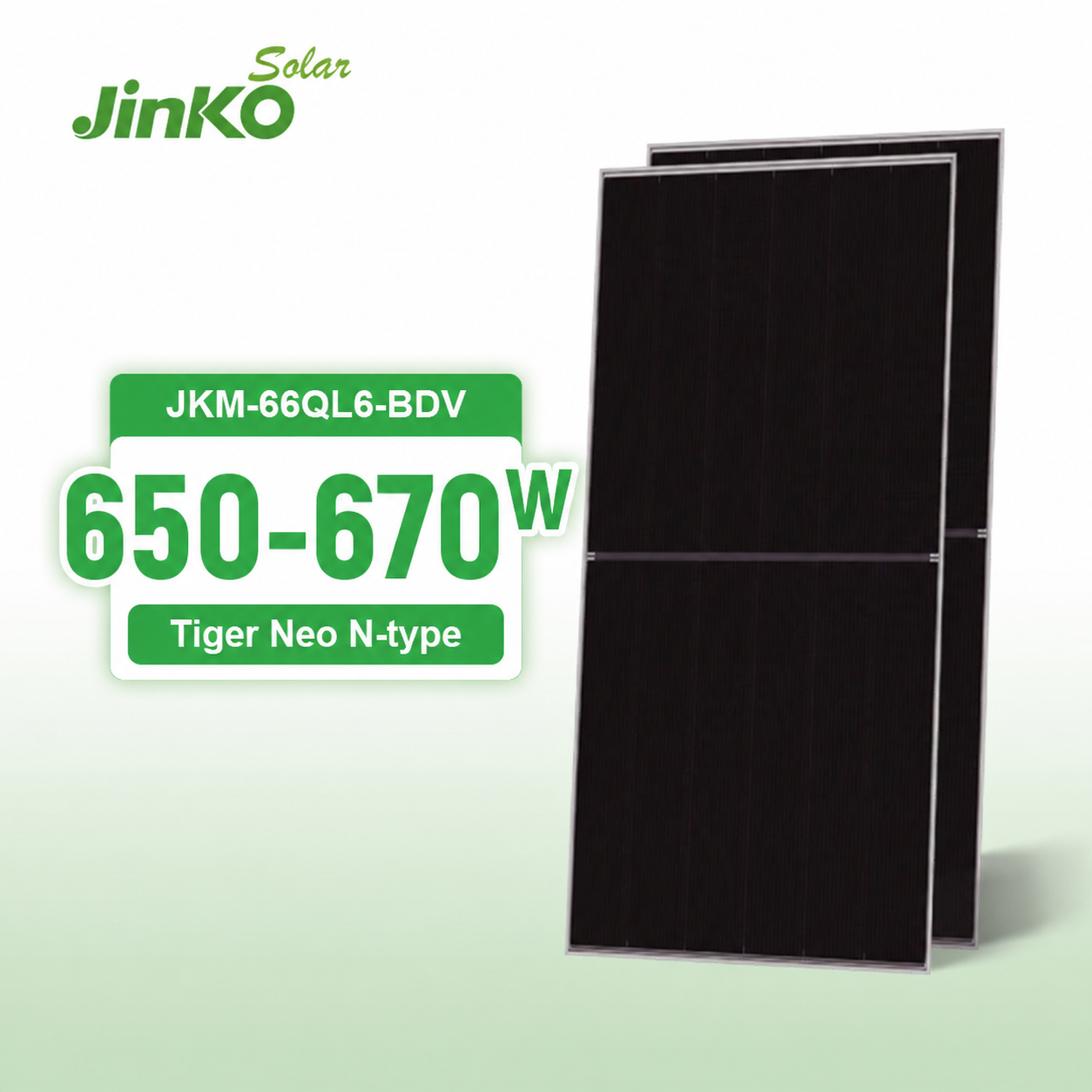

Bridging high-cost island generation with resilient, decentralized residential battery energy storage (BESS) systems designed for tropical maritime microgrids.
The energy landscape across Saint Vincent and the Grenadines (SVG) is characterized by a geographic dichotomy between the mainland of Saint Vincent and the archipelago of the Grenadines (including Bequia, Mustique, Canouan, Mayreau, and Union Island). St. Vincent Electricity Services Limited (VINLEC), the state-owned integrated utility, operates isolated diesel generation stations on the outer islands alongside a mixed hydro-diesel generation portfolio on mainland St. Vincent. Because all petroleum fuel must be imported via maritime logistics, residential electricity tariffs in SVG typically fluctuate between $0.32 and $0.46 USD per kilowatt-hour due to volatile fuel surcharges. Consequently, distributed Residential Energy Storage Systems (RESS) have transitioned from a luxury emergency asset into an essential infrastructure necessity for household levelized cost of energy (LCOE) stabilization.
Moreover, the devastating trajectory of extreme weather patterns across the Caribbean Basin—manifested vividly by Hurricane Beryl in July 2024, which caused catastrophic destruction to distribution networks across Union Island, Mayreau, and Canouan—has demonstrated that central pole-mounted distribution networks cannot guarantee post-disaster resilience. For homeowners, private island estates, and commercial boutique eco-resorts, solar-plus-storage architecture provides complete autarky. As a dedicated OEM/ODM residential energy storage system manufacturer, Hangzhou VOLT New Energy Technology Co., Ltd. builds specialized energy storage equipment tailored precisely to withstand SVG's unique combination of high-humidity ambient heat, airborne volcanic particulates, C5-M marine salinity, and vulnerable multi-island distribution lines.
Standard off-the-shelf energy storage systems frequently fail within 24 to 36 months in island environments. Here is how our OEM/ODM custom architecture solves real Caribbean operating challenges.
The Grenadines feature perpetual onshore trade winds carrying saline moisture. We construct our residential cabinets from marine-grade 316 stainless steel or electro-galvanized sheet with dual-layer powder coating, paired with conformal-coated printed circuit boards (PCBs) to prevent galvanic corrosion and dendrite shorts.
With coastal Caribbean temperatures exceeding 34°C with ambient humidity near 90%, thermal accumulation degrades conventional lithium batteries. Our battery packs feature extruded aluminum heatsinks, optimized cell gaps for natural airflow, and intelligent BMS thermal cutoffs rated up to 60°C operating conditions.
Mainland St. Vincent remains subject to fine volcanic particulates from La Soufrière, which ruin standard fan intakes. We provide fully sealed, passively cooled IP65 battery enclosures and labyrinthine fan filter networks that keep abrasive volcanic silica and driving hurricane rains outside critical electrical enclosures.
At Hangzhou VOLT New Energy Technology Co., Ltd., we empower solar engineering firms, hardware distributors, and government infrastructure developers across the Caribbean to supply fully branded, optimized residential battery systems.

Evaluating optimal battery topologies for Saint Vincent and Grenadines residential grid-tied and stand-alone off-grid power stations.
| System Architecture | Chemistry & Nominal Voltage | Cycle Life (@ 80% DoD) | Round-Trip Efficiency | Salt-Mist & Ingress Rating | Ideal Application in SVG |
|---|---|---|---|---|---|
| VOLT LFP Wall-Mount | LiFePO4 (51.2V / 100Ah - 200Ah) | 6,000+ Cycles | > 95.5% | IP65 Enclosure / C5-M Paint | Residential retrofit, Kingstown villas, self-consumption |
| VOLT High-Voltage Stack | LiFePO4 (204.8V - 512V Modular) | 6,500+ Cycles | > 97.2% | IP55 NEMA 3R Architecture | Luxury estates (Mustique), commercial three-phase loads |
| VOLT Server Rack Modular | LiFePO4 (48V / 51.2V 19" Rack) | 5,000+ Cycles | > 94.0% | IP20 (Indoor Clean Cabinets) | Telecom towers, dedicated indoor equipment rooms |
| Deep-Cycle GEL (Colloidal) | Lead-Calcium GEL (12V Blocks) | 1,200 - 1,800 Cycles | ~ 82.0% | Corrosion Resistant Terminals | Budget remote farming, low-cycling emergency backup |
Real-world integration schemas delivering continuous autonomy where utility lines are remote, congested, or susceptible to storm outages.
Exclusive residential retreats demand silent, emissions-free prime and auxiliary power that eliminates dependence on noisy diesel gen-sets. Paired with Deye 12kW-16kW low-voltage or 20kW-50kW high-voltage hybrid inverters, our stacked LiFePO4 systems manage extensive HVAC, pool filtration, and desalinator loads seamlessly.
Mainland residential consumers experience substantial monthly power charges under VINLEC progressive tariff rates. Our wall-mounted 5.12kWh and 10.24kWh energy storage units store mid-day solar energy harvested from Jinko N-Type bifacial panels to discharge during evening peak tariff hours, slashing utility costs by up to 85%.
Following Category 4 and 5 hurricane landfall, local grid restoration on remote out-islands can take months. Our ruggedized RESS installations incorporate black-start capability, automated dual-generator ignition signaling, and hurricane-rated rooftop clamping arrays to maintain continuous power for vital communications and refrigeration.
Combining verified tier-1 procurement, automated lithium battery cell grading, and end-to-end container export security.
We strictly utilize brand new, factory-graded Class-A LiFePO4 prismatic cells. Each cell undergoes impedance, capacity, and delta-V validation to ensure rigorous thermal balance across the entire module.
Never deal with "BMS Communication Error" in the field. Prior to container dispatch from our Hangzhou facility, we test our custom battery firmware directly against the client's selected Deye inverter units.
Consolidate your shipments without intermediate port damage. We load Jinko modules, hybrid inverters, battery cabinets, PV cabling, and marine mounts into unified 20GP or 40HQ containers routed to Kingstown.
Complete documentation for hassle-free customs clearance: UN38.3 lithium transport certificates, MSDS sheets, CE-LVD/EMC, IEC 62619 safety compliance, and ISO 9001 certified manufacturing processes.
Comprehensive engineering insights for local Caribbean contractors, project managers, and renewable energy distributors.
Our residential energy storage systems support both zero-export grid-tied and completely off-grid configurations. When synchronizing with VINLEC lines, the integrated Deye hybrid inverter can be set to "Zero Export to CT" mode, ensuring that excess solar production charges the local battery bank rather than exporting non-permissible power back into the utility grid.
Lithium iron phosphate batteries are classified as UN3480, Class 9 Dangerous Goods (DG). We supply all necessary dangerous goods maritime packaging, UN-rated crates, battery test summaries, and MSDS documentation. We coordinate FCL (Full Container Load) direct oceanic freight to Port Kingstown, St. Vincent, or transshipment points in Barbados and Trinidad.
Our Caribbean-spec battery enclosures are constructed with heavy-gauge galvannealed steel, pre-treated with zinc phosphate and finished with electrostatically applied polyester powder paint rated for coastal C5-M environments. All external electrical terminals feature nickel-plated copper with silicone anti-corrosive protective boots.
Yes. When combined with our matched Deye low-frequency or high-frequency hybrid inverters, our battery banks sustain twice their rated output surge power (2x P_nom) for up to 10 seconds. This easily handles high-inrush start currents required by coastal 24,000+ BTU inverter AC units and deep-well water pumps on private estates in Mustique or Bequia.
While inferior ternary lithium chemistries degrade rapidly under heat, our Automotive-Grade LiFePO4 cells are engineered for thermal stability up to 60°C. With a design cycle life of 6,000 cycles at 80% Depth of Discharge (DoD) under typical 28°C-33°C conditions, the system provides 12 to 15 years of continuous daily cycling.
Yes. Our low-voltage 51.2V modular racks support parallel scaling up to 16 units (up to 81.9kWh) on a single battery master circuit. The intelligent master-slave BMS autonomously reconfigures address protocols and redistributes internal current balance without requiring complex manual re-programming.