On-Grid Systems & High-Efficiency Module Components for Panama
Engineered specifically to counter high heat coefficients, intense ultraviolet degradation, and extreme maritime humidity across the Isthmus of Panama. Direct container-load dispatch from factory line to Balboa and Cristobal ports.
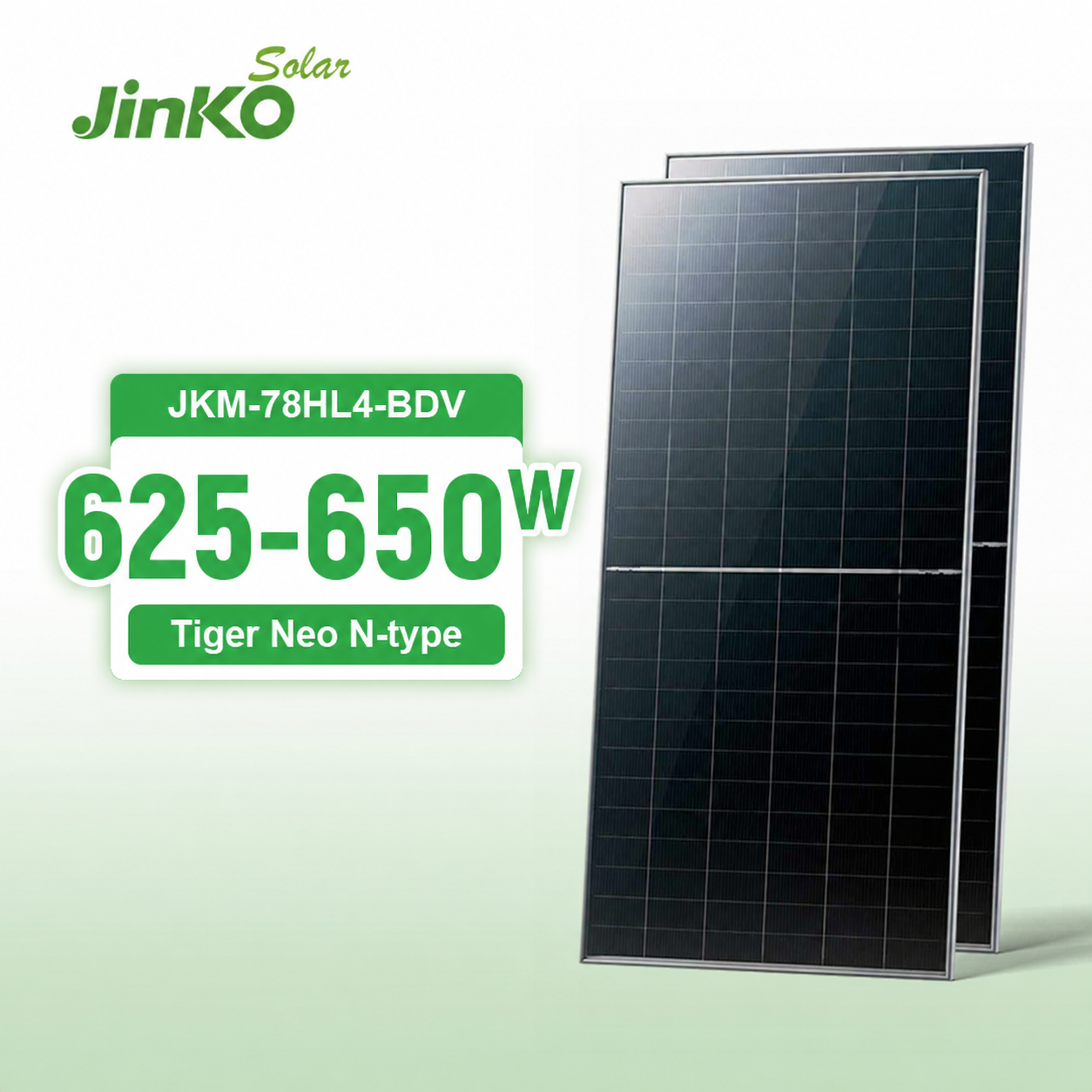
Jinko Bifacial PV Panels 630W 640W 635W Dual Glass Monocrystalline Module
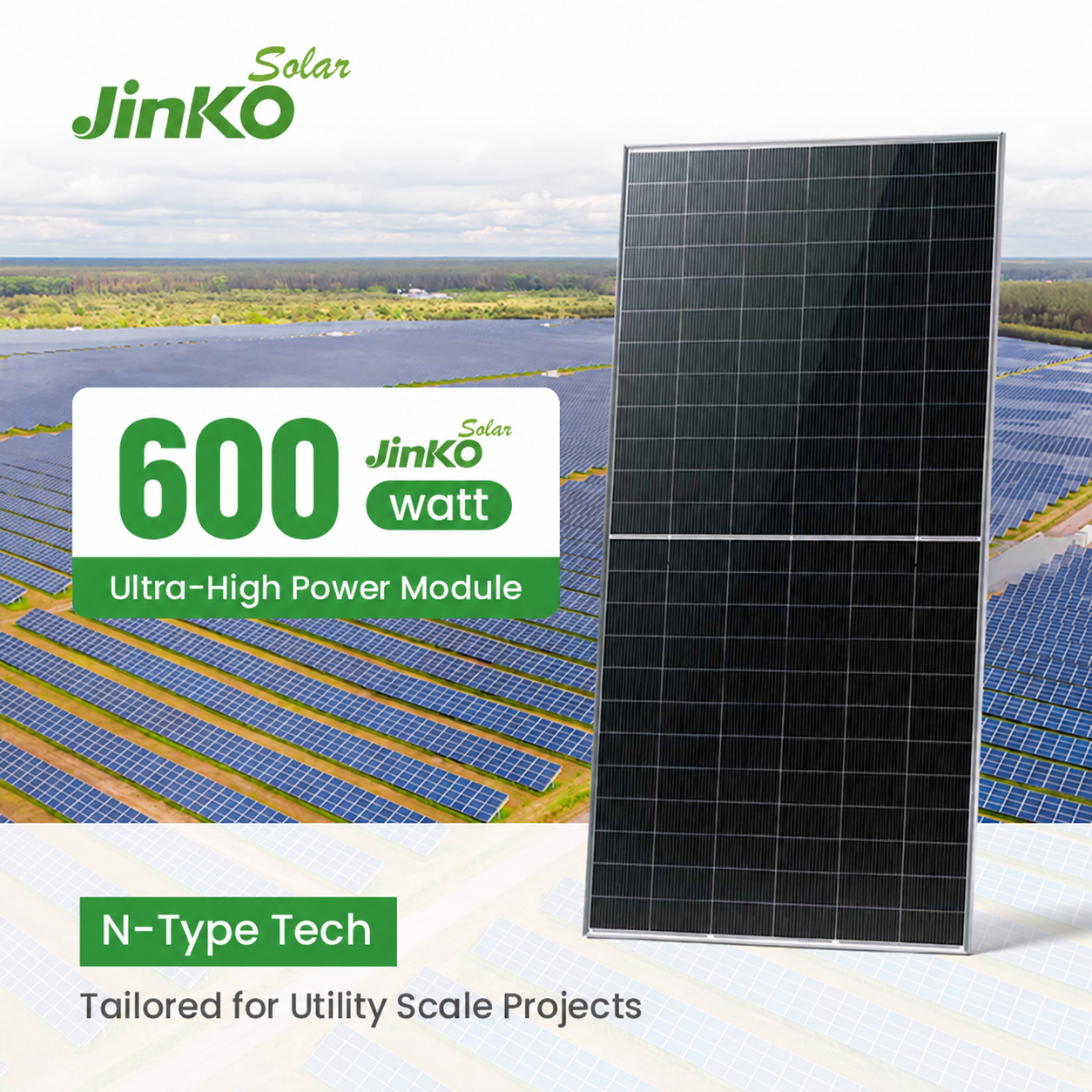
Jinko N-Type Bifacial 600W 580W 590W Photovoltaic Solar Panel for Industrial
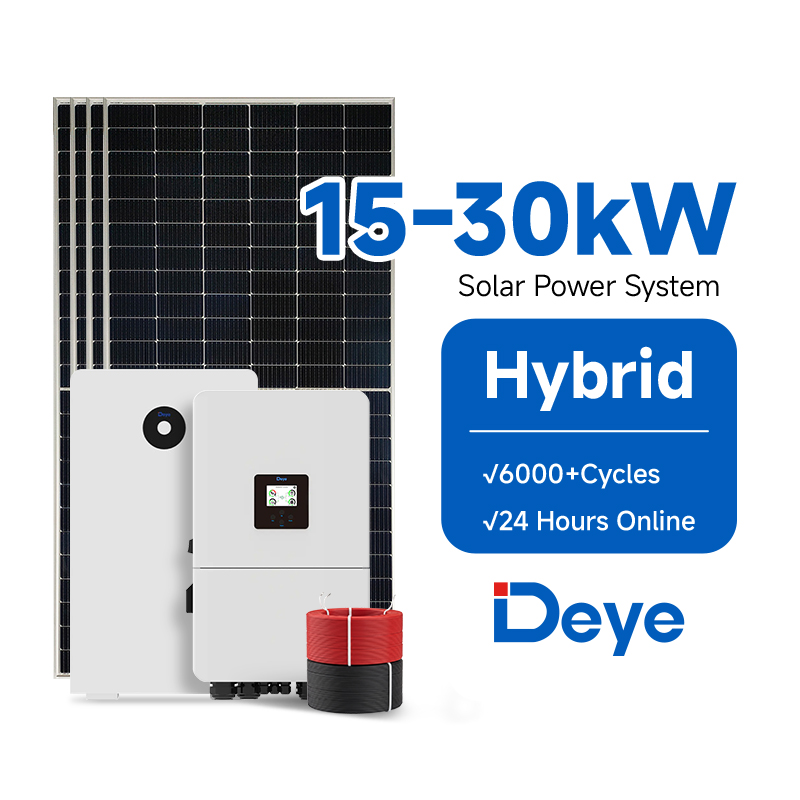
Low DC Voltage Battery Support Deye Hybrid Inverter ESS 5kW-30kW Grid System
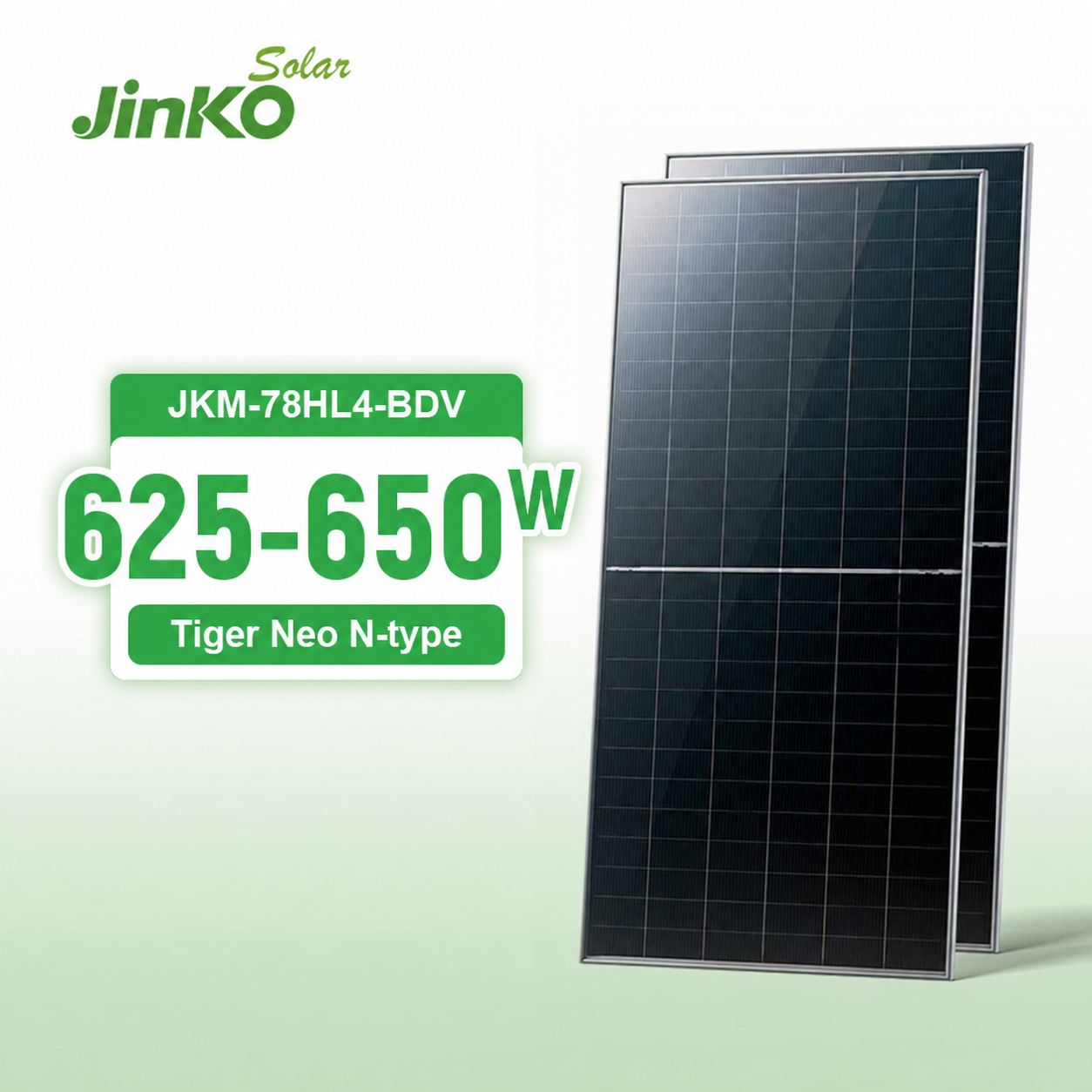
Jinko N-Type Bifacial PV Modules 630W 625W 635W Double Glass Module Stock
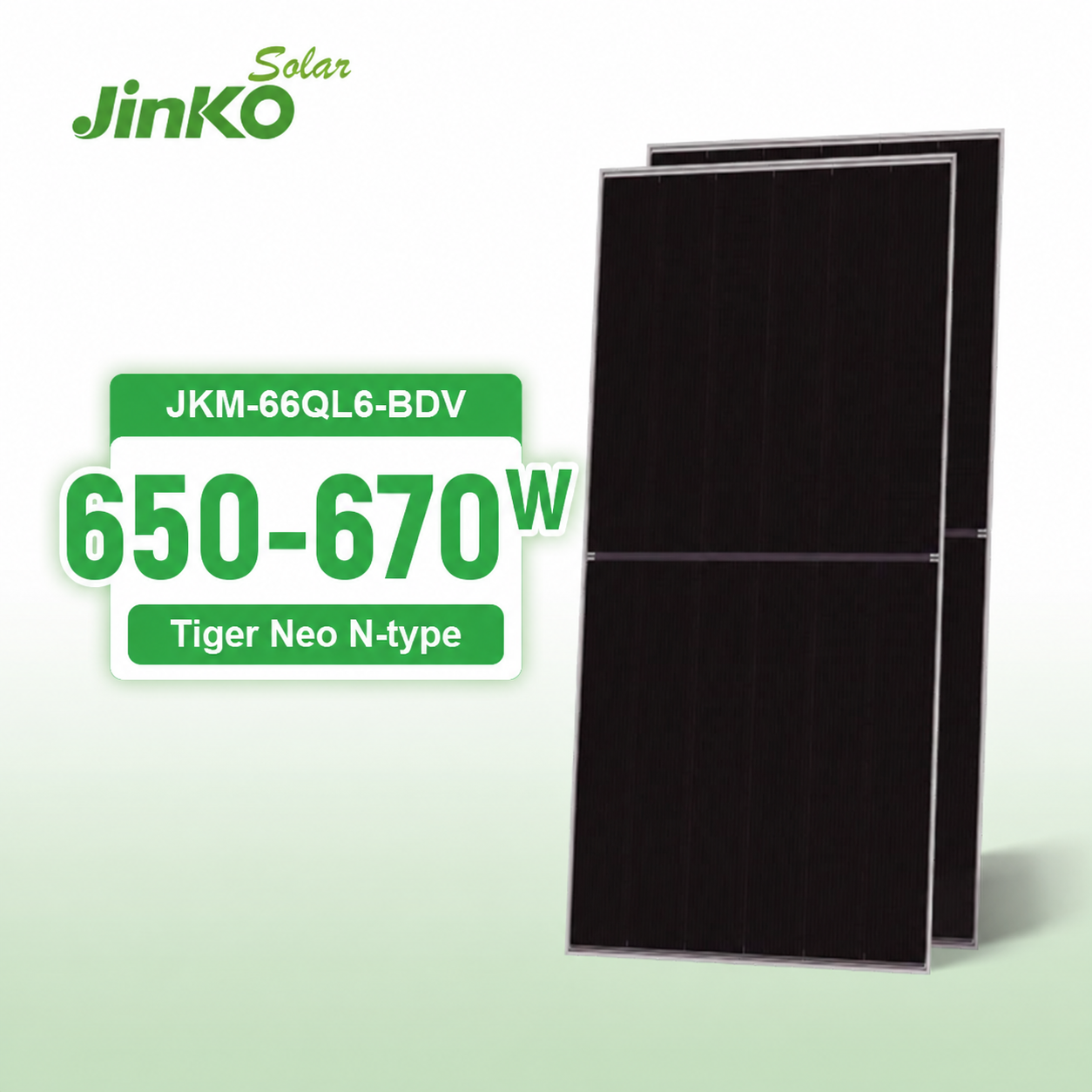
Jinko N-Type 650W 660W 670W TOPCon Bifacial Photovoltaic Module Wholesale
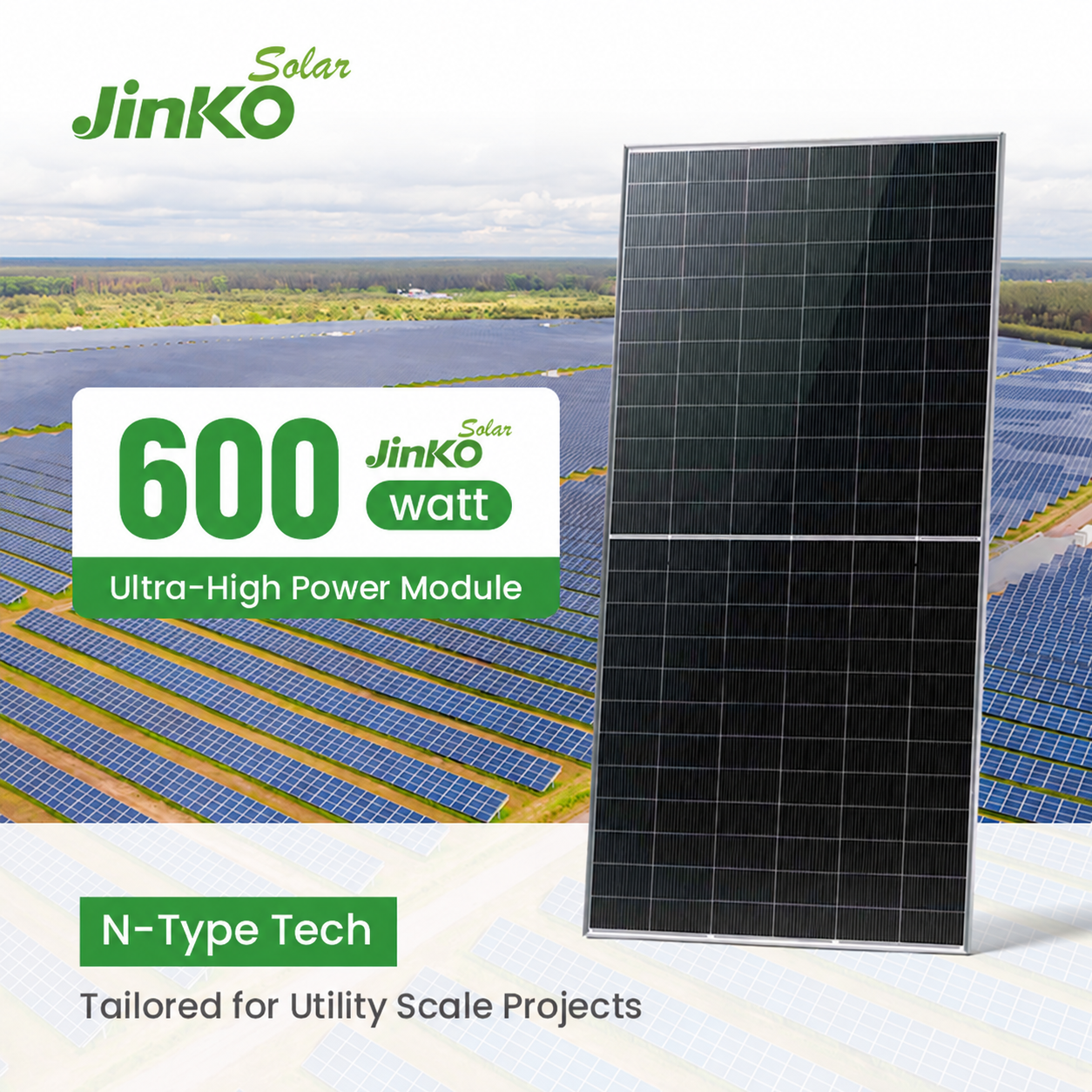
Jinko Solar Panels 580W 590W 600W N-Type Double Glass High Efficiency Panels
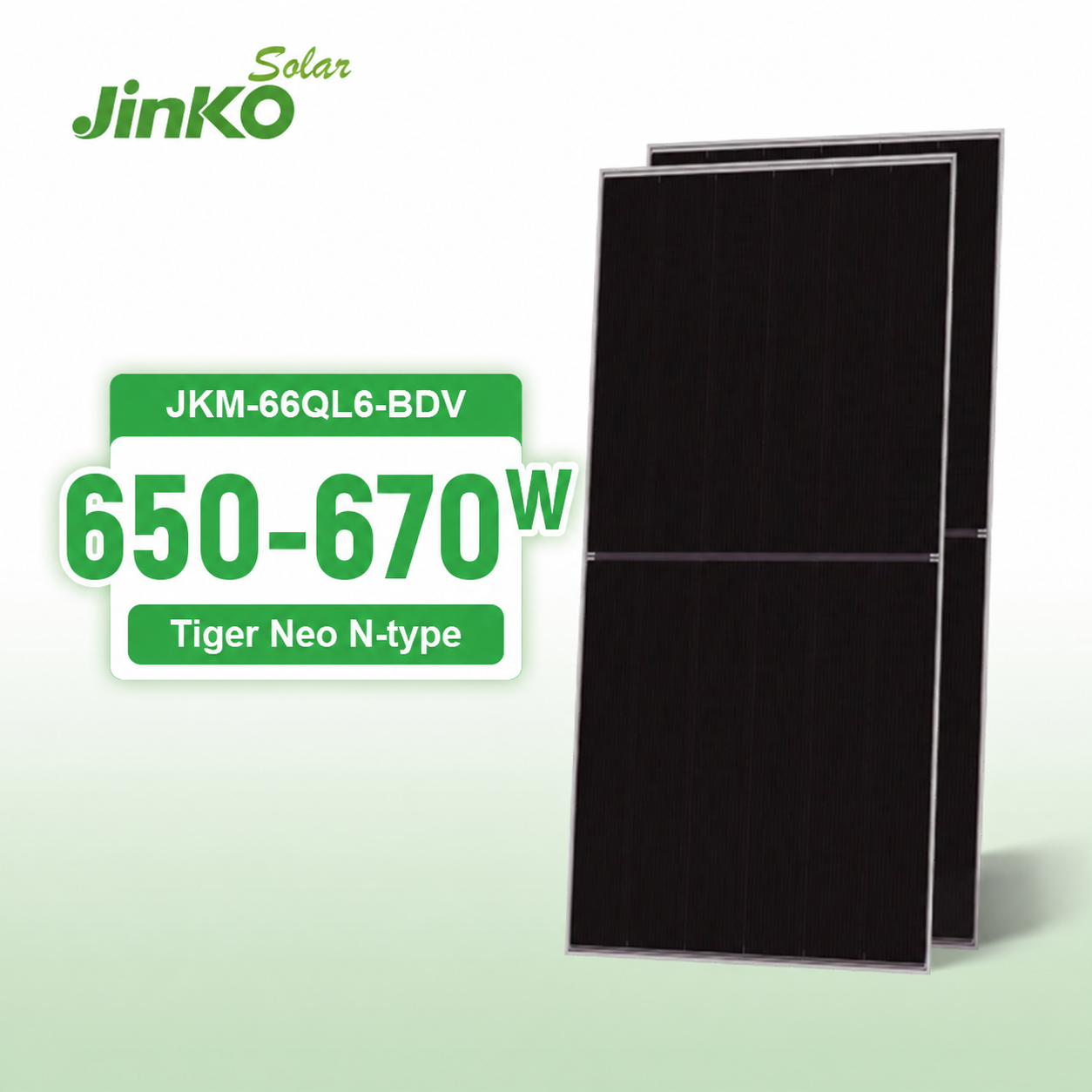
Jinko Wholesale PV Modules 650W-670W Bifacial Double Glass N-Type Panel for Farm
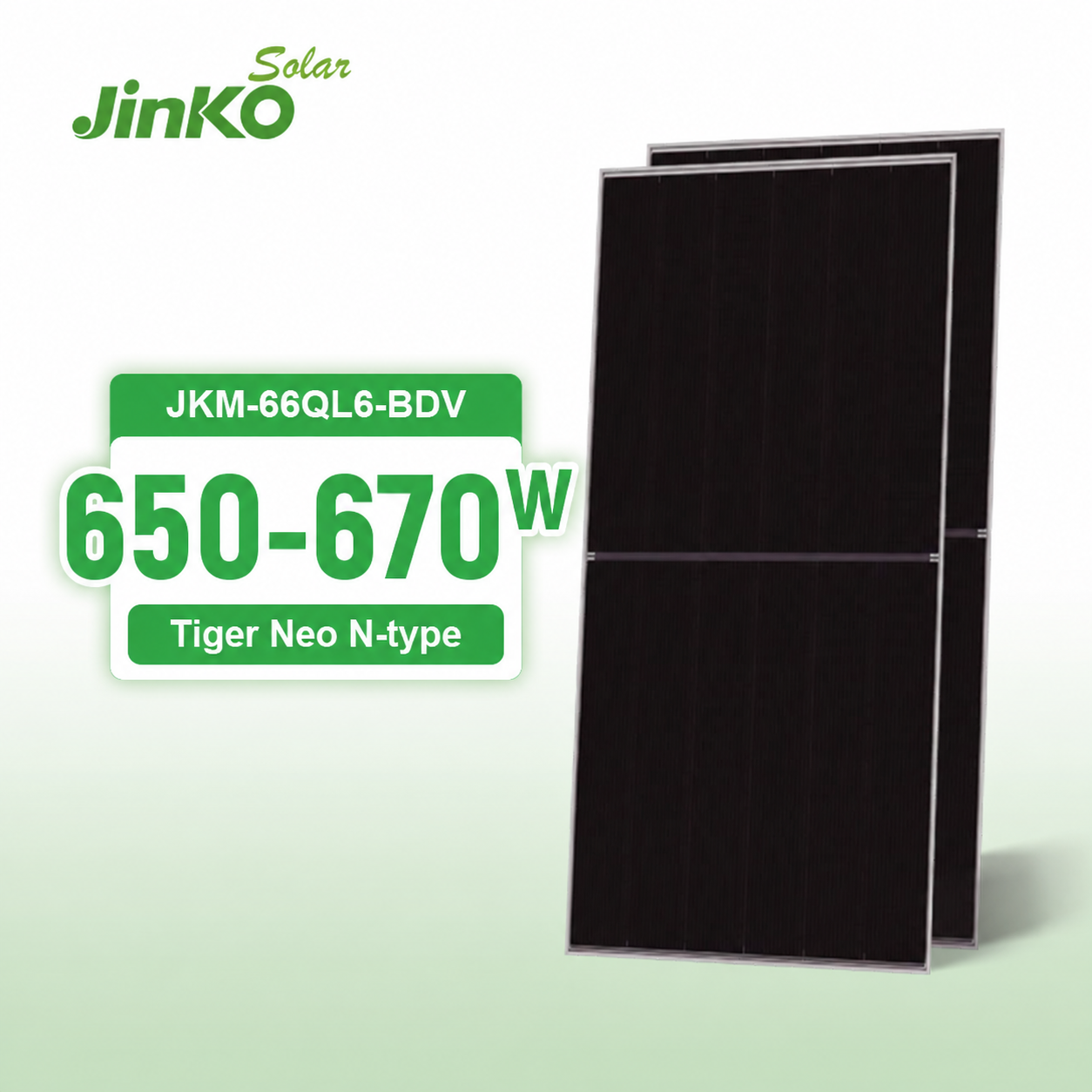
Jinko Bifacial Panneau Solaire 650W-670W Dual Glass Monocrystalline Module
Navigating Panama's Grid-Tied Solar Landscape
The Republic of Panama represents one of Central America’s most dynamically transitioning energy economies. Driven by aggressive renewable procurement policies under the Secretaria Nacional de Energia (SNE) and regulated rigorously by the Autoridad Nacional de los Servicios Publicos (ASEP), on-grid solar photovoltaic systems are shifting from supplemental power options to central capital assets for commercial and industrial users.
ASEP Compliance & Resolution Framework
Grid-connected photovoltaic installations must conform to ASEP regulations governing distributed generation (Autoconsumo y Medicion Neta). Systems operating below 500 kW enjoy expedited interconnection permitting, whereas utility-scale solar farms must synchronize with the strict dispatch requirements mandated by the Centro Nacional de Despacho (CND) and ETESA (Empresa de Transmision Electrica S.A.).
Dual Utility Dual-Voltage Interconnection
Panama's electrical distribution grid is divided between ENSA (Elektra Noreste S.A.) in Eastern Panama, Colon, and the Darien corridor, and Naturgy (EDEMET & EDECHI) spanning Panama Metro West, Chiriqui, and the central provinces. Solar inverters must natively accommodate North American grid topologies, handling 120V/240V split-phase, 208V/120V three-phase wye, and 480V delta grid synchronization seamlessly without generating harmonic distortion.
Tariff Hedging & High Commercial Power Rates
Panama's retail and commercial electricity tariffs historically oscillate between $0.16 and $0.24 per kWh depending on seasonal reservoir capacity for hydroelectric generators and spot fossil fuel prices. An engineered on-grid solar plant delivers immediate levelized cost of energy (LCOE) reductions, amortizing full capital investments within 3.2 to 4.5 years while immunizing facilities against fossil fuel indexation.
Technical Consideration: Under Law 37 of June 10, 2013, solar generation equipment imported into the Republic of Panama qualifies for total exemption from import duties (Arancel Nacional de Importacion) and ITBMS (7% sales tax), provided the EPC or importer presents verified technical conformity sheets and international certifications approved by the competent authorities.
Mitigating Severe Marine, Tropical & Thermal Stress Factors
Panama’s geographic environment—nestled between two oceans within a humid tropical belt—imposes some of the harshest operating conditions on solar equipment worldwide. Standard IEC-certified equipment frequently experiences accelerated degradation if not engineered specifically for coastal salinity, high humidity, and persistent thermal heat traps.
Thermal Degradation & Temperature Coefficients
With rooftop ambient temperatures regularly exceeding 36°C and module operating temperatures breaching 65°C in Panama City and David, standard p-type PERC panels suffer substantial wattage output collapse. VOLT New Energy supplies Jinko N-Type TOPCon cells featuring a superior temperature coefficient of -0.29%/°C (compared to -0.35%/°C for conventional p-type cells), ensuring up to 3.8% higher net annual energy yield under direct equatorial sunlight.
C5-M Marine Atmospheric Salinity & Salt Mist
Panama City, Colon, and beachfront resorts exist in a designated C5-M marine corrosive environment. Air laden with chloride ions rapidly corrodes sub-standard aluminum frames, copper conductors, and internal junction contacts. Our dual-glass bifacial modules utilize POE (Polyolefin Elastomer) encapsulation instead of standard EVA, eliminating moisture penetration, glass delamination, and acetic acid etching entirely.
Anti-PID & High-Humidity Voltage Breakdown
With sustained relative atmospheric humidity exceeding 85% across Panama's 9-month rainy season, Potential Induced Degradation (PID) is a primary catalyst of early plant failure. The combination of high system voltages (up to 1500V DC strings) and wet glass surfaces drives leakage currents. Our tier-1 N-type dual-glass modules are inherently immune to PID and light-and-elevated-temperature-induced degradation (LeTID).
Engineered Grid-Tied Scenarios for Core Industrial Sectors
From cold-chain logistics in the Colon Free Zone to agricultural processing facilities in Chiriqui, on-grid solar configurations must be tailored around localized operational load curves, grid stability profiles, and spatial constraints.
Colon Free Zone & Pacific Port Cold Storage
Warehousing operations in the Zona Libre de Colon (ZLC) and surrounding terminal logistics hubs operate round-the-clock refrigeration units with intense daytime peak electricity loads. Installing rooftop dual-glass 630W-670W N-type arrays provides an optimal load-matching curve that offsets high peak utility demand while protecting structural metal roof deckings from heat loading.
Chiriqui Agro-Industrial & Coffee Estates
Farms, dairy processors, and coffee processing mills in Chiriqui, Boquete, and Central Panama frequently struggle with peripheral grid voltage fluctuations and heavy daytime motor loads for irrigation and machinery. Matched grid-tied systems featuring Deye high-yield multi-MPPT inverters compensate dynamically for phase imbalance and weak rural distribution feeder networks.
Bocas del Toro & Pacific Coastal Resorts
Luxury resort properties and coastal hospitality developments demand continuous clean power without diesel exhaust fumes and noise pollution. On-grid arrays paired with low-voltage or high-voltage energy storage systems enable eco-certification, peak shaving during high tourist seasons, and silent emergency ride-through during frequent coastal utility feeder dropouts.
Panama Metro Shopping Malls & Office Towers
Dense retail centers and high-rise commercial structures throughout Panama City face punishing air conditioning cooling loads between 10:00 AM and 4:00 PM—precisely coinciding with the peak irradiance window. Grid-connected PV strings feed power straight into chiller circuits, cutting peak demand charges and significantly upgrading corporate ESG ratings.
Why Central American EPCs Partner with VOLT New Energy
Hangzhou VOLT New Energy Technology Co., Ltd. bridges the gap between massive tier-1 automated manufacturing capacity in China and the specific, exacting field requirements of solar developers and distributors across the Americas.

100% Pre-Shipment Protocol Verification
Every commercial on-grid inverter, hybrid energy storage unit, and smart monitoring component undergoes full communication protocol verification before export. BMS-to-inverter handshakes (CAN/RS485), firmware parameter configurations, and voltage protection thresholds are validated in our laboratory to eliminate on-site commissioning failures in Panama.

Turnkey Consolidation & Dangerous Goods Logistics
We eliminate split-supplier freight headaches. Consolidate your tier-1 Jinko solar panels, Deye inverters, structural aluminum racking, DC combiner boxes, and optional LFP energy storage banks in single 20GP or 40HQ containers. Full UN38.3 test documentation, MSDS certificates, and dangerous goods maritime packing compliance are guaranteed for streamlined port clearance.

Bilingual Technical Engineering Support
From string sizing calculation sheets and single-line electrical diagrams (SLDs) to shadow simulation and dynamic curtailment setups, our engineering department provides comprehensive pre-sales and post-sales documentation to facilitate rapid approval by ENSA, Naturgy, and municipal electrical safety boards.
Frequently Asked Questions for Panamanian Solar Importers
Direct answers addressing technical interoperability, local utility grid-tie certifications, freight transit, and customs procedures for project developers in Panama.
Q Do your on-grid solar systems comply with ENSA and Naturgy interconnection regulations?
Yes. All on-grid inverters and modules supplied by VOLT New Energy carry international certifications including UL 1741, IEEE 1547, and IEC 62109-1/2, satisfying the technical criteria demanded by both ENSA and Naturgy (EDEMET/EDECHI) for net metering (Medicion Neta) and zero-export installations under ASEP guidelines.
Q How do Jinko N-Type TOPCon panels perform during Panama's extended rainy season?
Panama experiences overcast conditions during the rainy season (Mayo a Diciembre). N-Type TOPCon technology delivers significantly superior low-light (diffuse irradiance) response compared to older p-type PERC panels. The bifacial dual-glass architecture also harvests up to 25% additional power from ground albedo reflection off wet surfaces and industrial roof coatings.
Q What is the transit lead time from Ningbo/Shanghai port to Port of Balboa or Cristobal?
Direct ocean freight transit from main Chinese container ports (Ningbo, Shanghai, Shenzhen) to the Port of Balboa (Pacific entrance) or Manzanillo/Cristobal (Caribbean entrance) typically ranges from 24 to 32 days on direct liner services. We handle full export documentation to enable preliminary clearance prior to vessel berthing.
Q Can we combine solar panels and inverters with an on-grid energy storage battery bank?
Absolutely. We specialize in hybrid on-grid architecture. By coupling Deye low-voltage or high-voltage hybrid inverters with our proprietary LFP (LiFePO4) storage series, your system can inject surplus generation into the local grid while preserving designated backup capacity for critical circuits during grid brownouts or outages.
Q How does VOLT New Energy handle equipment warranties and replacement parts?
All Jinko panels are backed by the manufacturer's original 12-to-15 year product warranty and 30-year linear performance warranty. Deye inverters feature a 5-to-10 year standard factory warranty. We archive full serial-number logs of every dispatch to process direct warranty exchanges rapidly and ship spare internal boards with minimal downtime.
Q Can you supply complete balance-of-system (BOS) components in the same container?
Yes. In addition to PV modules and inverters, we bundle matched anodized aluminum roof mounting structures (suited for standing-seam, trapezoidal sheet, or tile roofs), UV-rated 4mm/6mm solar DC cables, MC4 connectors, surge protection devices (SPDs), and rapid shutdown compliance boxes into one unified shipment.
Ready to Scale Your Solar Projects in Panama?
Connect directly with our engineering and commercial export team. Share your load requirements, single-line diagrams, or MW procurement schedules, and receive an optimized equipment configuration, compliance dossier, and landed CIF quotation within 24 hours.
Inquire Now