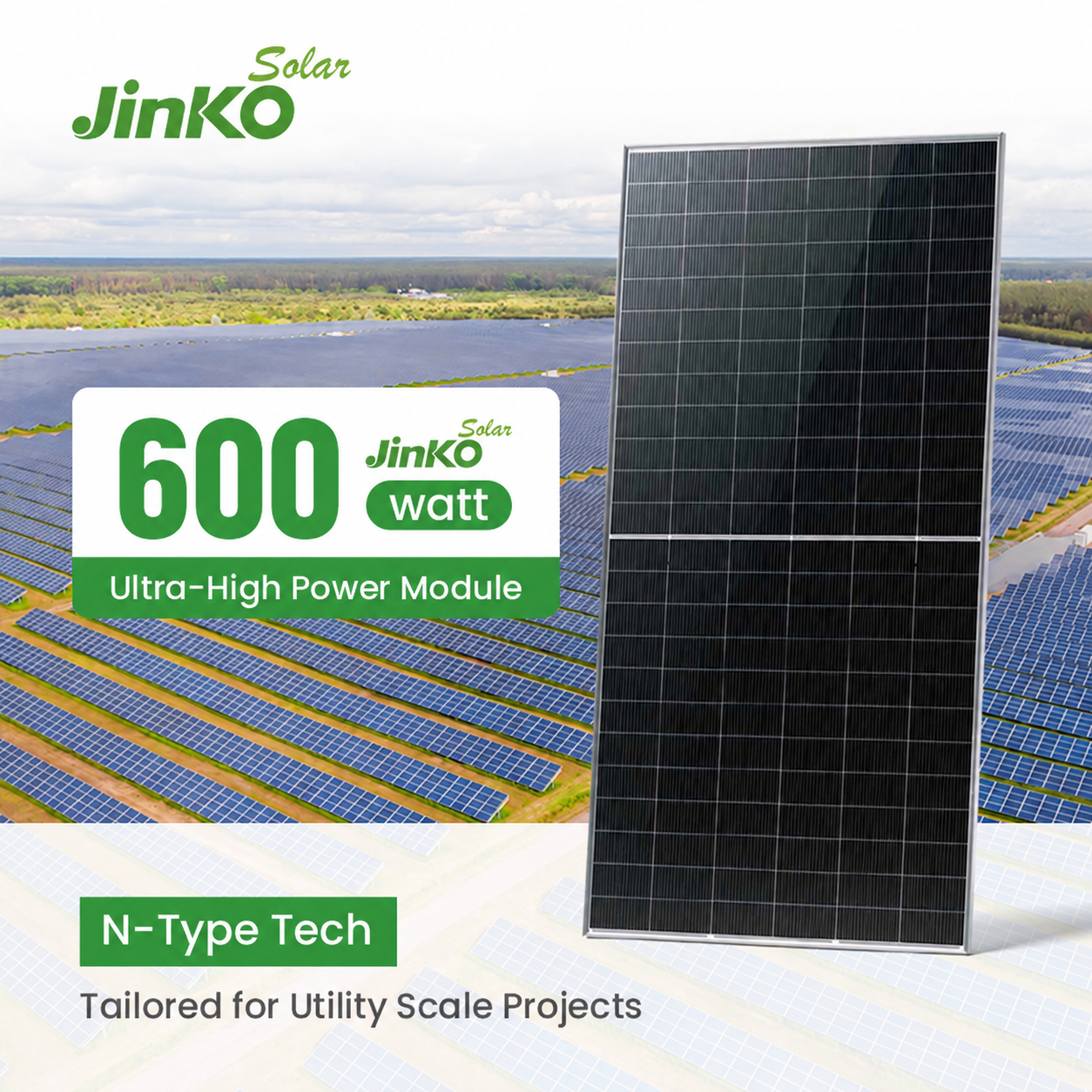
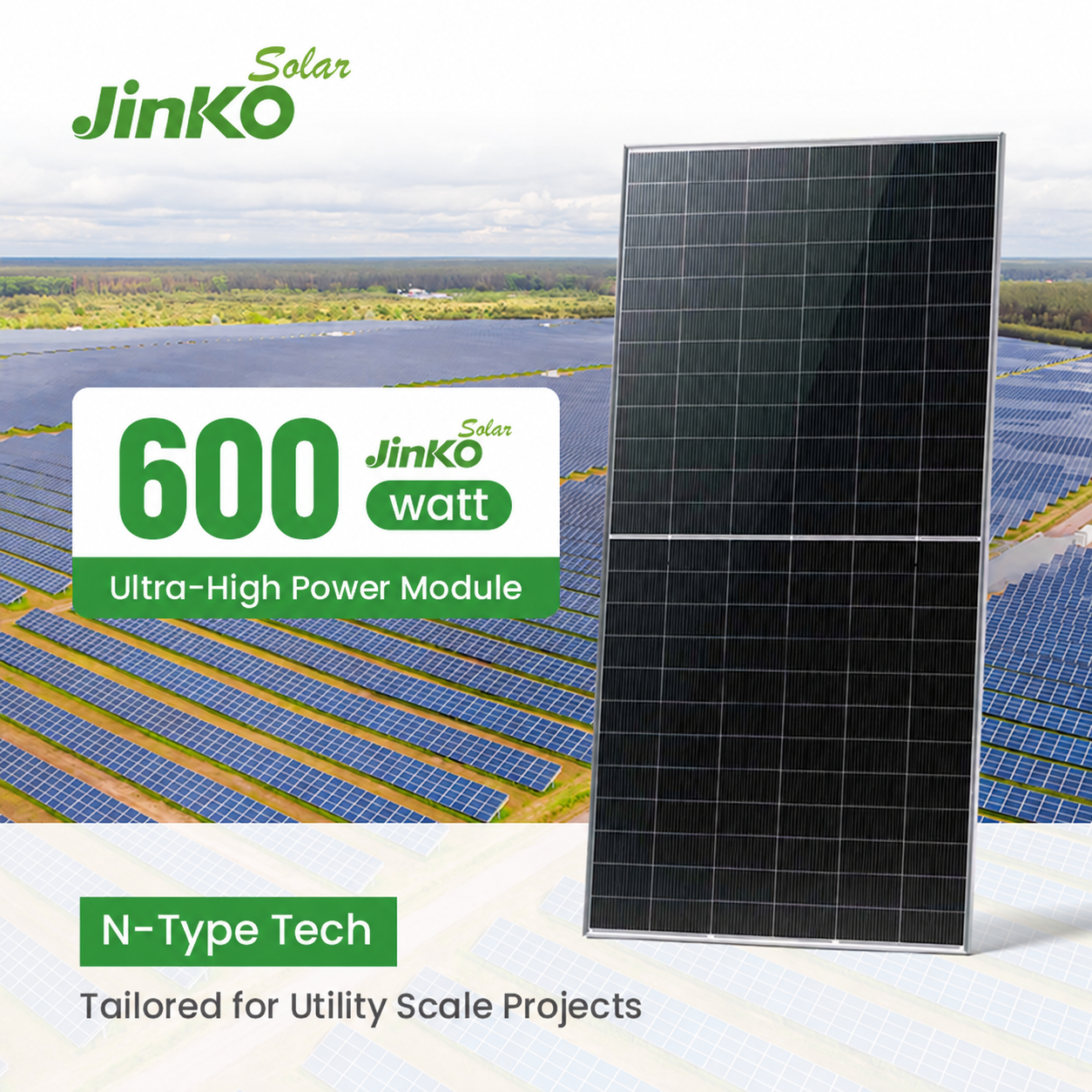
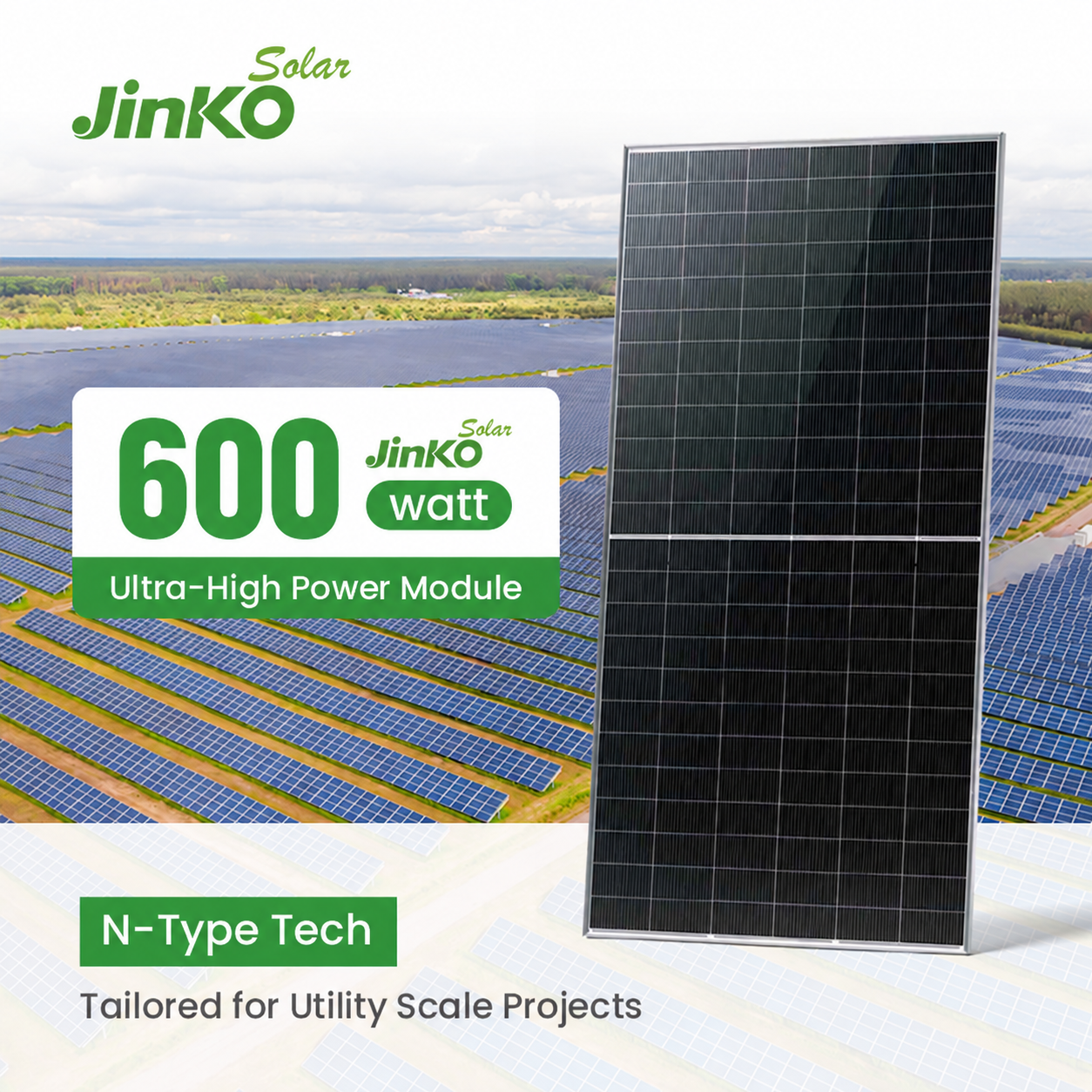
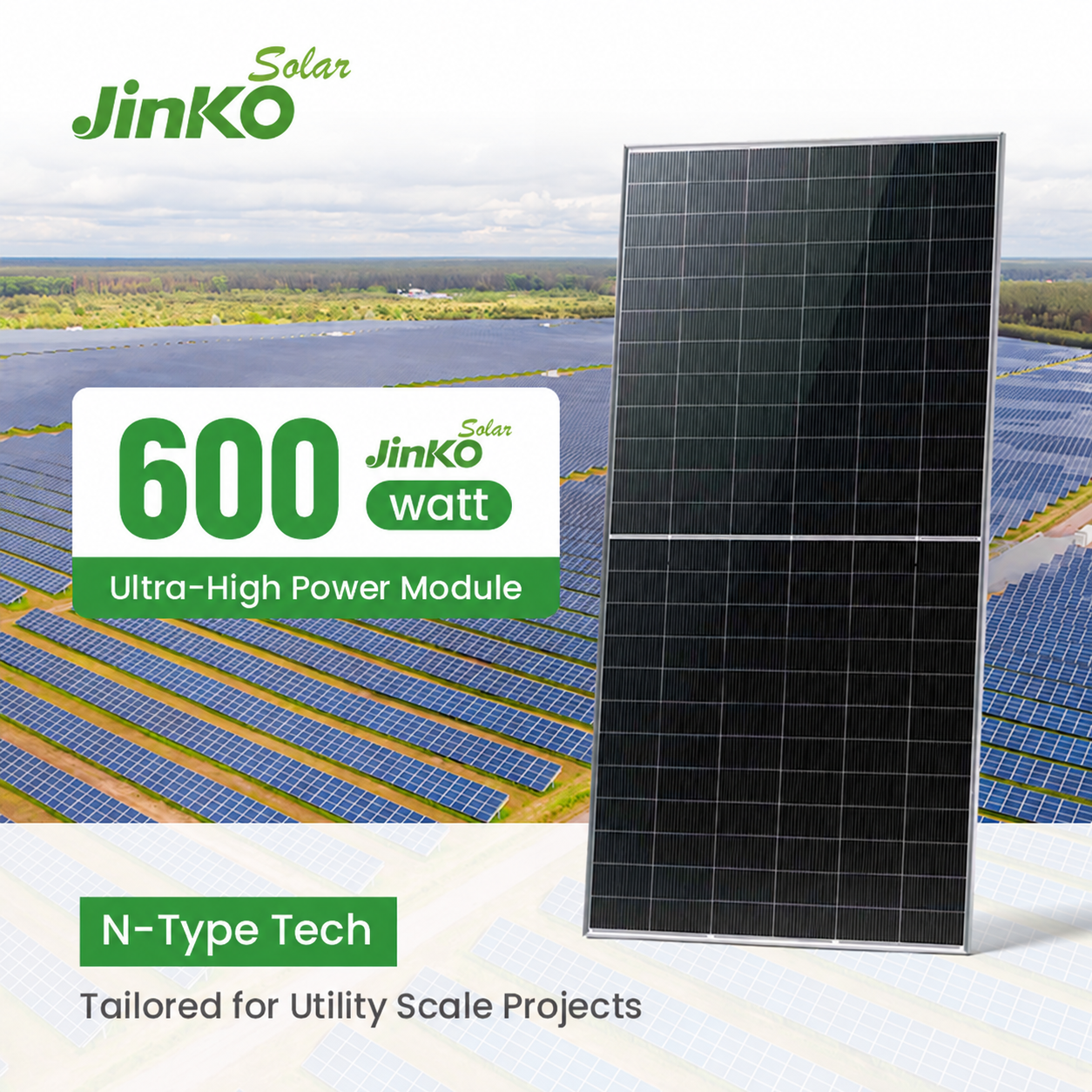
TOPCon 670W
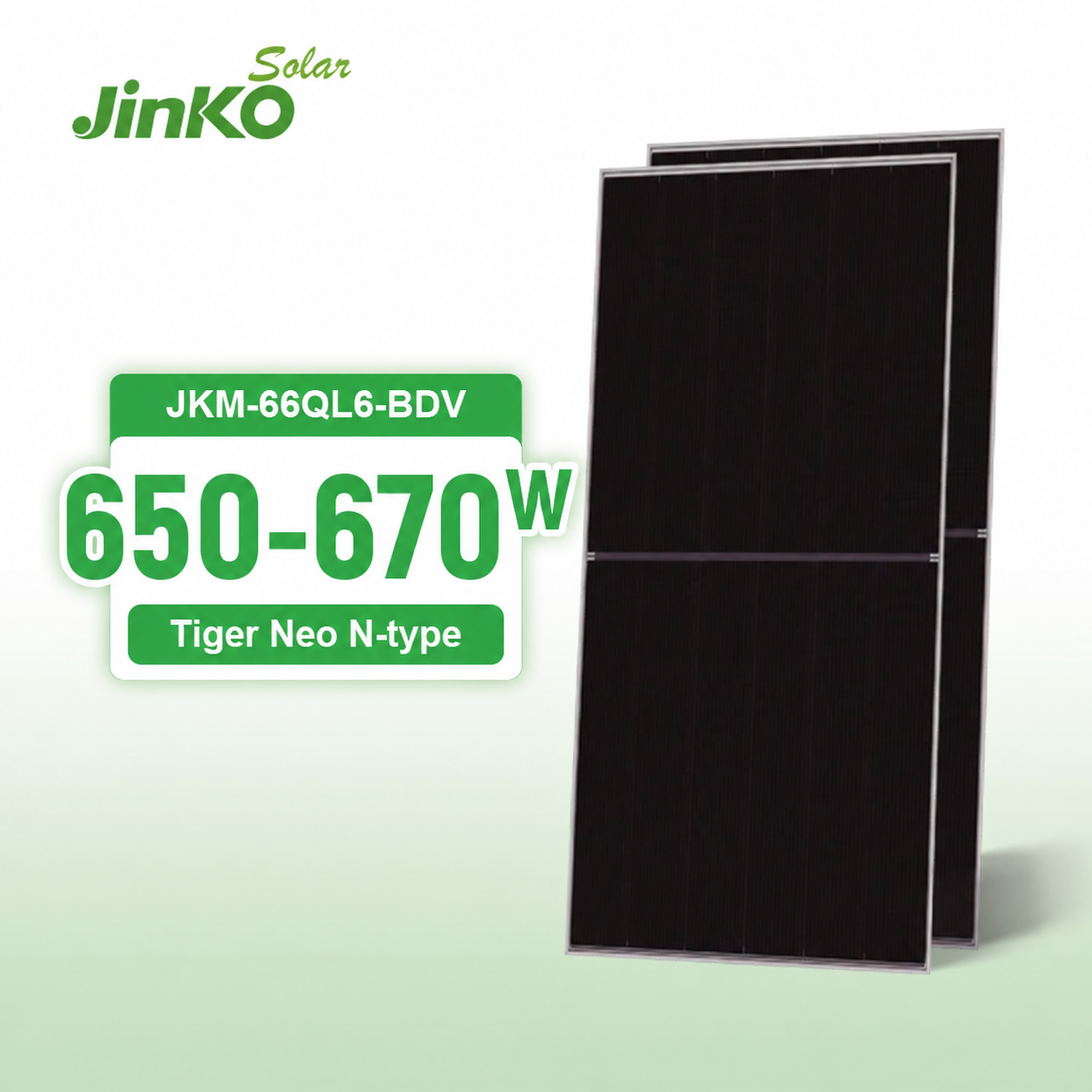
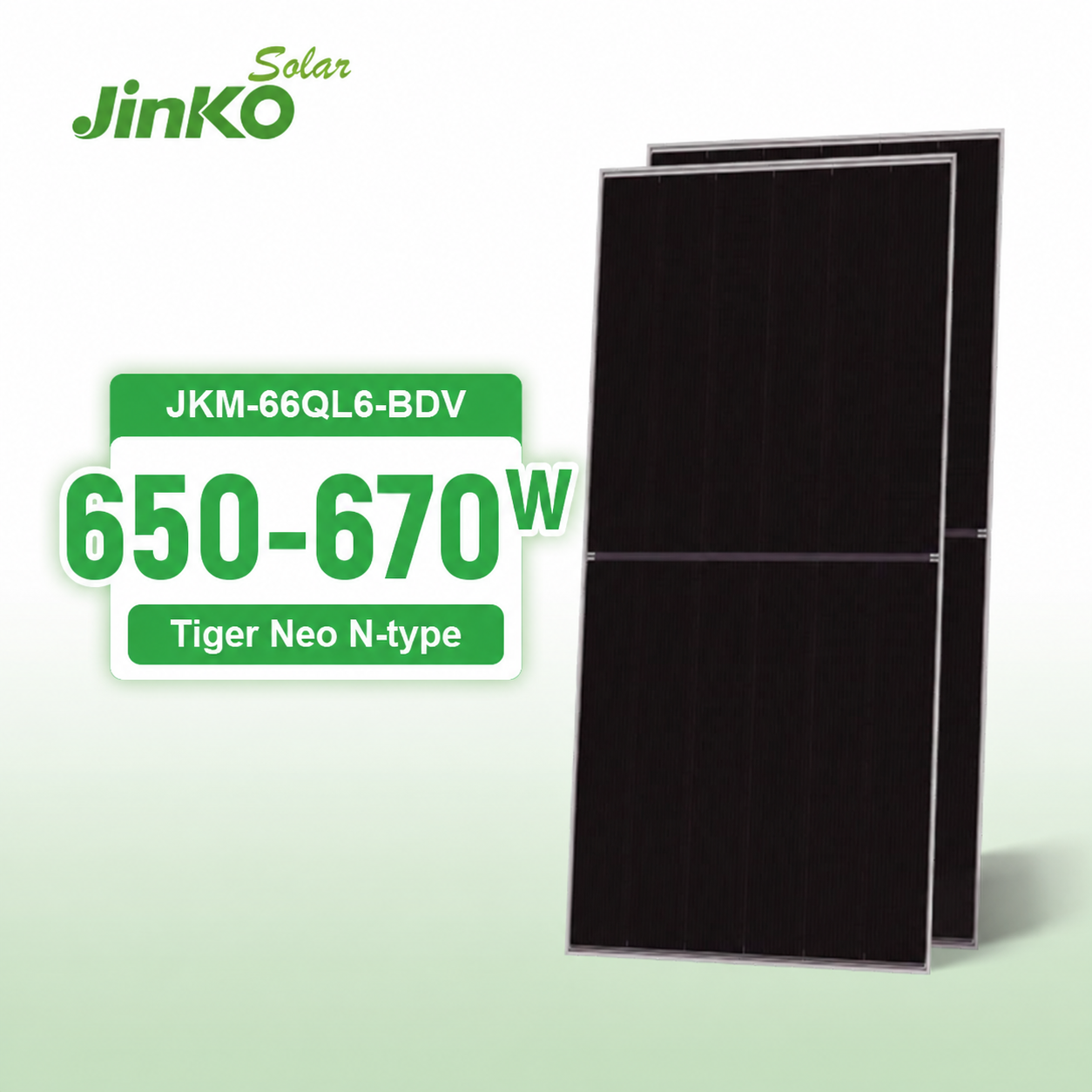
Jinko TOPCon Bifacial Paneles Solares 650w-670w Solar Farm Module
- Dual-glass tubular system companion
- Up to 22.8% cell module efficiency
- Zero LID / low degradation in extreme heat
Verified N-Type TOPCon bifacial modules and heavy-duty battery banks configured for seamless CAN/RS485 communication with industrial inverters across Al Batinah North installations.
Why critical infrastructure in the Port of Sohar, petrochemical corridors, and off-grid telecommunication towers continue to rely on tubular flooded lead-acid chemistry over standard sealed alternatives.
In the northern industrial hub of the Sultanate of Oman, ambient temperatures frequently exceed 48°C during peak summer months, accompanied by airborne saline moisture from the Gulf of Oman and heavy sulfur deposits around the Sohar Port & Freezone industrial complexes. While modern valve-regulated lithium iron phosphate (LiFePO4) systems dominate space-constrained residential retrofits, stationary OPzS (Ortsfeste Panzerplatte Flüssig) solar batteries remain the undisputed benchmark for heavy-duty, utility-grade, and mission-critical installations.
Manufactured according to strict DIN 40736-1 standards, our OPzS cells feature die-cast tubular positive plates composed of a low-antimony lead alloy (typically Sb < 1.6%). This architecture completely encapsulates the active lead dioxide material inside permeable polyester gauntlets. Unlike flat-plate AGM or standard gel batteries, the tubular structure eliminates shedding of active material during relentless, daily deep-discharge cycles driven by solar insolation patterns in Al Batinah North.
Furthermore, the large liquid electrolyte reservoir (dilute sulfuric acid with a specific gravity of 1.240 ± 0.010 kg/l at 20°C) acts as an enormous thermal buffer. In high-ambient environments where valve-regulated AGM batteries succumb to early thermal runaway and irreversible cell dry-out, flooded OPzS cells dissipate internal heat efficiently through clear, impact-resistant SAN (Styrene Acrylonitrile) containers, allowing operators in Sohar to visually inspect sediment levels, plate conditions, and specific gravity without taking the system offline.
| Storage Metric | Tubular Flooded OPzS | Valve-Regulated OPzV (Gel) | Lithium Iron Phosphate (LFP) |
|---|---|---|---|
| Continuous Heat Tolerance | Superb (Large liquid heat sink) | Moderate (Risk of drying gel matrix) | Requires Active HVAC/BMS cooling |
| Cycle Life (80% Depth of Discharge) | 2,300 - 2,800 Cycles | 1,800 - 2,200 Cycles | 4,000 - 6,000 Cycles |
| Field Repairability / Maintenance | High (Electrolyte replenishment possible) | None (Maintenance-free, non-repairable) | Requires electronic module swap |
| Deep Over-Discharge Recovery | Exceptional (tolerant to prolonged zero-volt states) | Moderate | Critical (BMS lock-out risk) |
| Design Float Life @ 25°C | 20+ Years | 15-18 Years | 10-15 Years |
| Suitability for Sohar Petrochemical Zones | Prime (Immune to BMS circuit failure) | Recommended for remote unmanned nodes | Requires explosion-proof HVAC shelter |
Tailored electrical architectures designed to endure coastal humidity, chemical fumes, and heavy cyclical loads across diverse commercial sectors.
Operating near salty berths where sodium chloride aerosols destroy unsealed terminals. OPzS cells paired with ceramic flame-arresting vent plugs prevent acid vapors from releasing while keeping marine moisture from contaminating the high-purity electrolyte. They provide 110V/220V DC uninterrupted back-up for port navigational controls and SCADA telemetry systems.
Industrial complexes in Sohar Industrial Estate (Madayn) require explosion-proof safety margins without delicate battery management electronics that might be susceptible to high electromagnetic interference (EMI) or combustible ambient gases. 2V single OPzS cells ensure continuous emergency DC power for switchgear tripping and safety shutdown mechanisms.
Cellular repeating towers scattered through the rugged Hajar foothill zones beyond Sohar experience frequent diesel supply interruptions. OPzS banks, paired with high-efficiency bifacial N-type solar arrays, supply stable 48V telecom busbars with zero fear of deep sulfur passivation, delivering decades of continuous autonomy without costly remote replacements.
The Sultanate of Oman is undergoing a seismic structural shift in its energy landscape. Propelled by Oman Vision 2040 and the National Strategy for Energy Transition, the country targets producing at least 30% of its electricity from renewable sources by 2030, rising to nearly 39% by 2040. Sohar is at the epicenter of this decarbonization roadmap.
As the Sohar Port and Freezone positions itself as a clean energy and green hydrogen bunkering gateway for the Middle East, commercial and industrial facility managers face mandatory greenhouse gas reduction mandates. Solar photovoltaic arrays combined with multi-megawatt-hour storage banks are swiftly migrating from optional backup assets to frontline operational essentials.
Furthermore, the Authority for Public Services Regulation (APSR) has instituted rigorous grid-interconnection codes. High-capacity energy storage systems installed alongside distributed solar systems must guarantee absolute grid stability, surge damping, and uninterrupted operation during brownout conditions. Because tubular flooded OPzS cells can tolerate extensive cyclic depth without the sudden catastrophic shutdown risk of volatile cell formats, they are experiencing renewed demand among EPC contractors demanding decades-long predictable LCOE (Levelized Cost of Energy).

We combine factory-direct precision manufacturing with stringent export controls, eliminating site commissioning delays and international logistical risks.
Importers often suffer from inverter-battery handshake incompatibilities. At VOLT New Energy, every battery-inverter setup is tested prior to departure. We pre-calibrate custom charging voltage profiles, equalize parameters for low-antimony OPzS cells, and configure Deye inverter charging windows to prevent field faults.
To prevent transit aging and comply with maritime freight restrictions, we supply OPzS batteries in dry-charged status with sealed vent caps, or fully formed with factory-calibrated electrolyte in certified UN-rated packaging. We handle all documentation needed for straightforward customs clearance at the Port of Sohar.
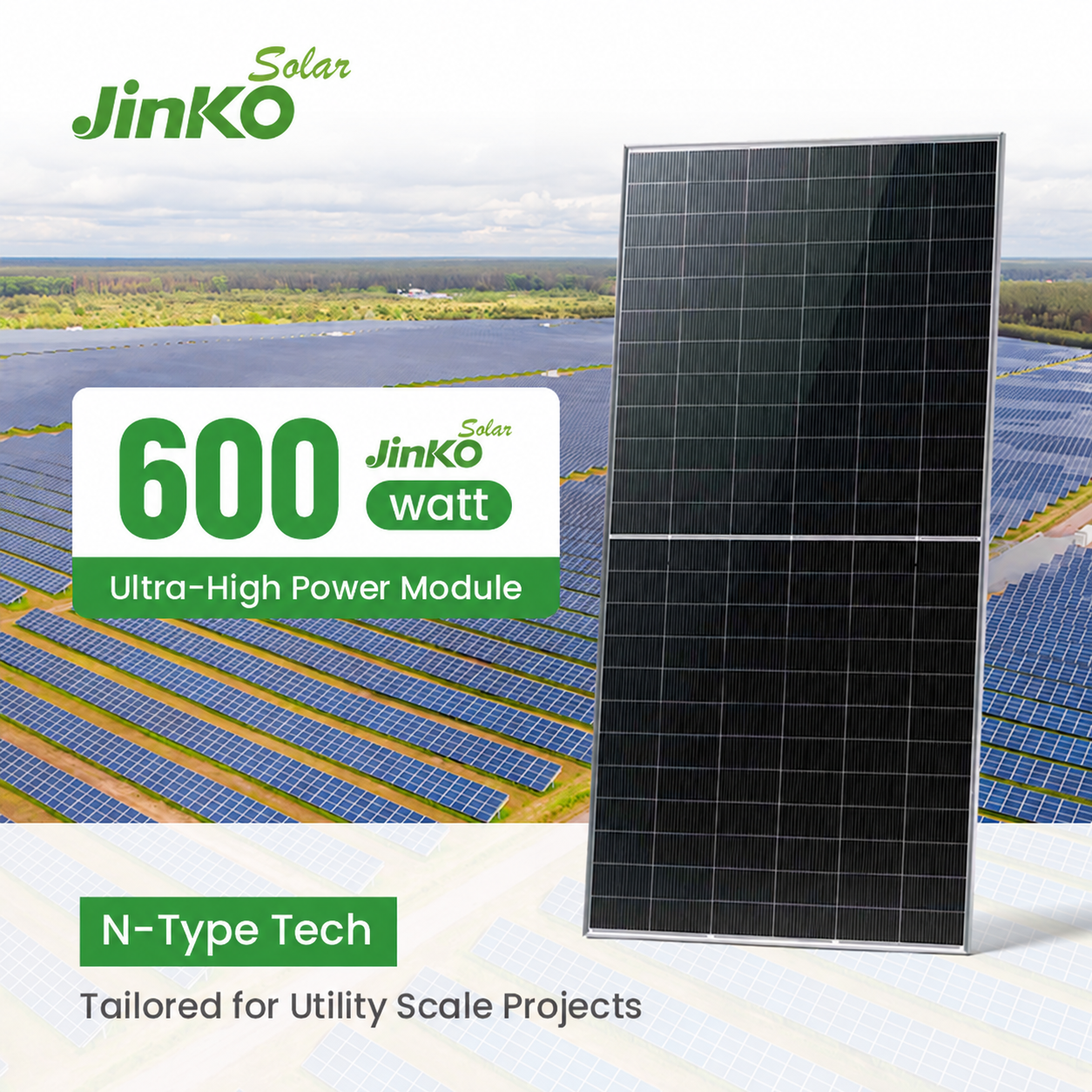
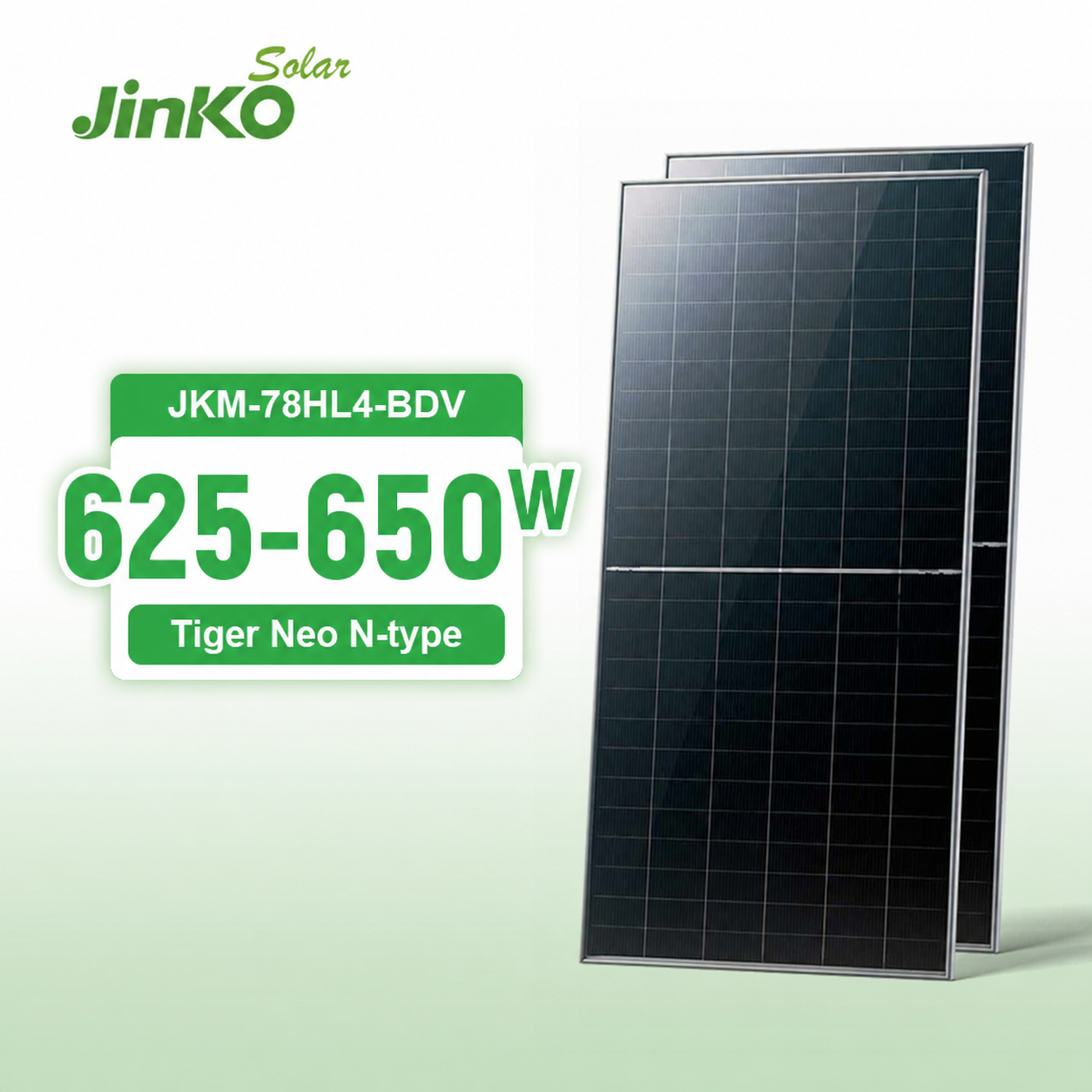
Avoid managing multiple disparate suppliers. We consolidate Tier-1 Jinko N-Type bifacial solar panels, heavy industrial OPzS storage racks, interconnecting copper busbars, and Deye hybrid inverters into unified containerized shipments, saving significant logistics overhead for Omani importers.


Practical answers addressing shipping regulations, ambient high-temperature compensation, maintenance, and warranty protections.
Contact our senior technical integration team with your project’s single line diagram (SLD), autonomy requirements, or daily kilowatt-hour demand. We will return a comprehensive system sizing calculation, complete bill of materials, and direct FOB/CIF Sohar shipping schedule.
Send an Inquiry