B2B Tier-1 Photovoltaic Engineering Guide

Photovoltaic Module Manufacturers & Suppliers in the Cuenca Market

High-efficiency N-Type TOPCon bifacial modules, dual-glass solar architectures, and turnkey energy storage integration calibrated for Cuenca's high-altitude irradiance and regional grid dynamics.

22.8%+
Peak Module Conversion Efficiency
2,550m
Altitude-Verified Dielectric & UV Insulation
80%+
Bifaciality Factor under High Albedo
100+
Countries Cleared with DG & Class 9 Compliance
Verified Tier-1 Supply Portfolio

High-Yield Photovoltaic Modules Optimized for the Cuenca Market

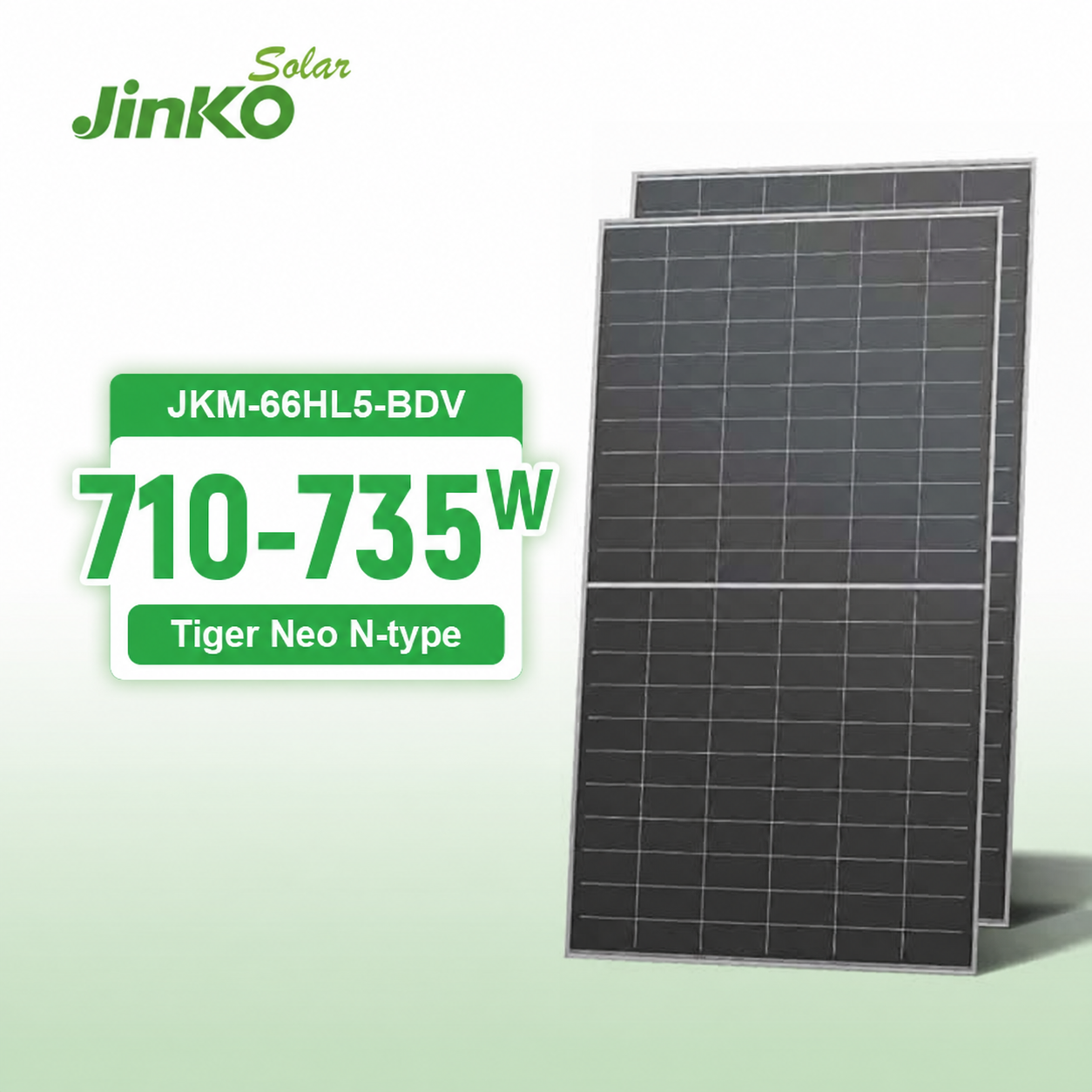
Engineered with N-Type SMBB (Super Multi-Busbar) TOPCon cells, ultra-low temperature coefficients, and resilient double-glass encapsulation to prevent PID/LeTID in high-radiation Andean and plateau environments.

Get Catalog & Direct Wholesale Pricing for Cuenca
Engineering & Climate Adaptation

Deployment Scenarios Across the Cuenca Basin & Surrounding Regions

Cuenca presents specific geographic and meteorological conditions: an altitude exceeding 2,500 meters, an extreme Ultraviolet Index (UVI 11–16), volatile diurnal temperature swings, and an electric grid subject to seasonal hydrological fluctuations. Here is how our PV systems perform in real installations.

Industrial Self-Consumption in Chaullabamba & Parque Industrial

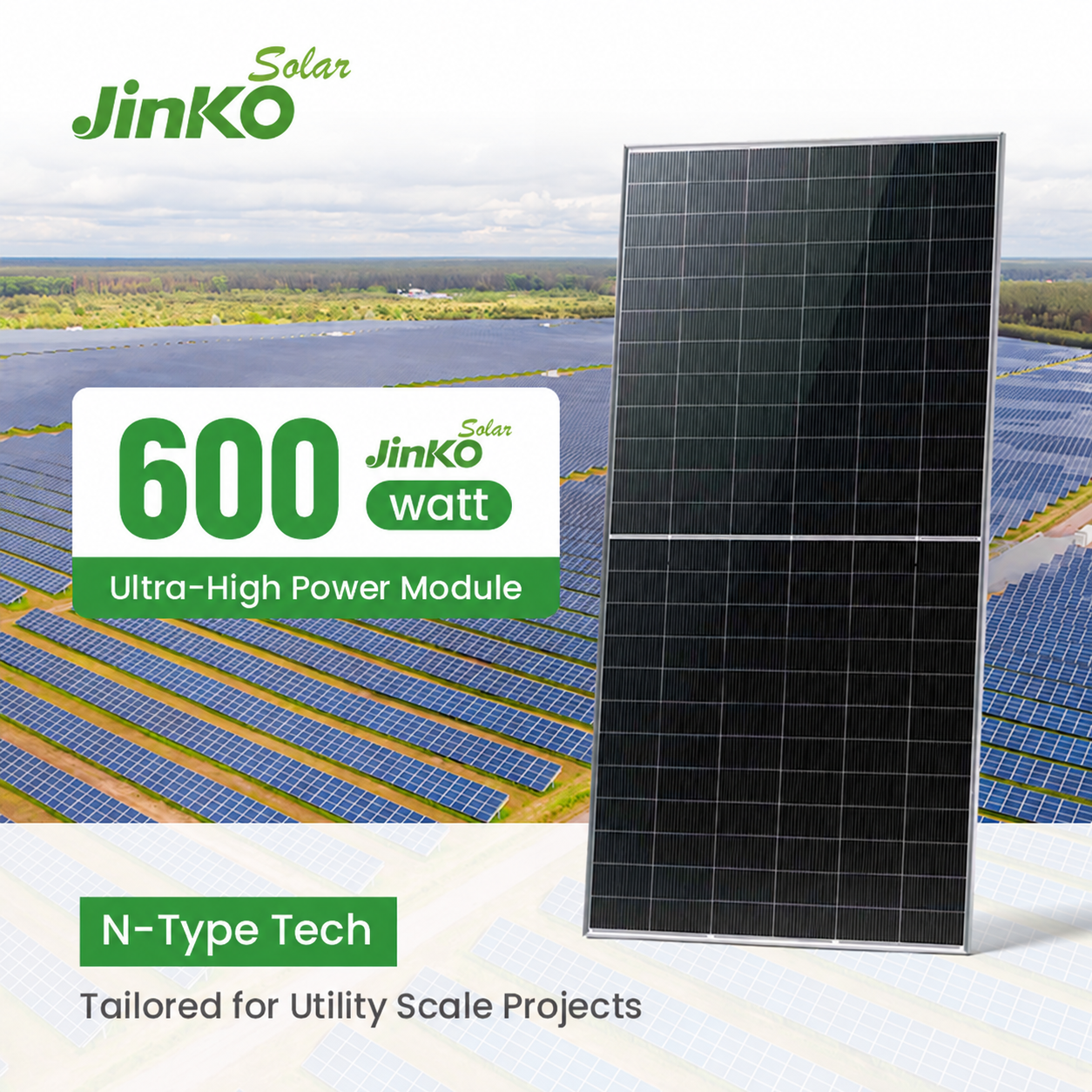
Cuenca's bustling industrial sectors—spanning ceramics, plastics, automotive assembly, and food manufacturing—bear heavy peak-hour power tariffs and operational risks from grid load shedding. Deploying high-power Jinko TOPCon 600W–730W double-glass modules with zero-export feed-in limiters allows commercial facilities to offset up to 68% of daytime kWh consumption, drastically slashing demand charges while maintaining uninterrupted operations.

Optimal Fit: 600W/700W Bifacial TOPCon + Deye 50kW–100kW High-Voltage Commercial Hybrid Inverters with LFP Rack Storage.

Historic & Suburban Residential Hybrid Microgrids (Ricaurte & Yanuncay)

Urban homes and perimeter residential estates in Cuenca often face intermittent grid cutoffs during dry periods impacting the Paute hydroelectric complex. Residential solar installations utilize 580W–590W N-type high-density modules paired with 5kW–12kW hybrid inverters and 48V/51.2V wall-mounted LiFePO4 batteries. System transfer switches engage within 4 milliseconds, running water pumps, medical devices, lighting, and refrigeration smoothly during outages.

Optimal Fit: 585W N-Type Dual Glass Modules + Deye 8kW/12kW Hybrid Inverter + 10.24kWh–20.48kWh LFP Battery Bank.

High-Altitude Andean Agricultural Pumping & Cold Storage (Azuay Highlands)

In rural Azuay, dairy farms, trout hatcheries, and greenhouse horticulture require autonomous three-phase water aeration and cold storage without relying on expensive, noisy diesel generators. Dual-glass bifacial modules harness high diffuse mountain light and surface ground albedo, operating at high electrical potential (up to 1500V string capacity) to power VFD solar pump controllers over extensive rural acreage.

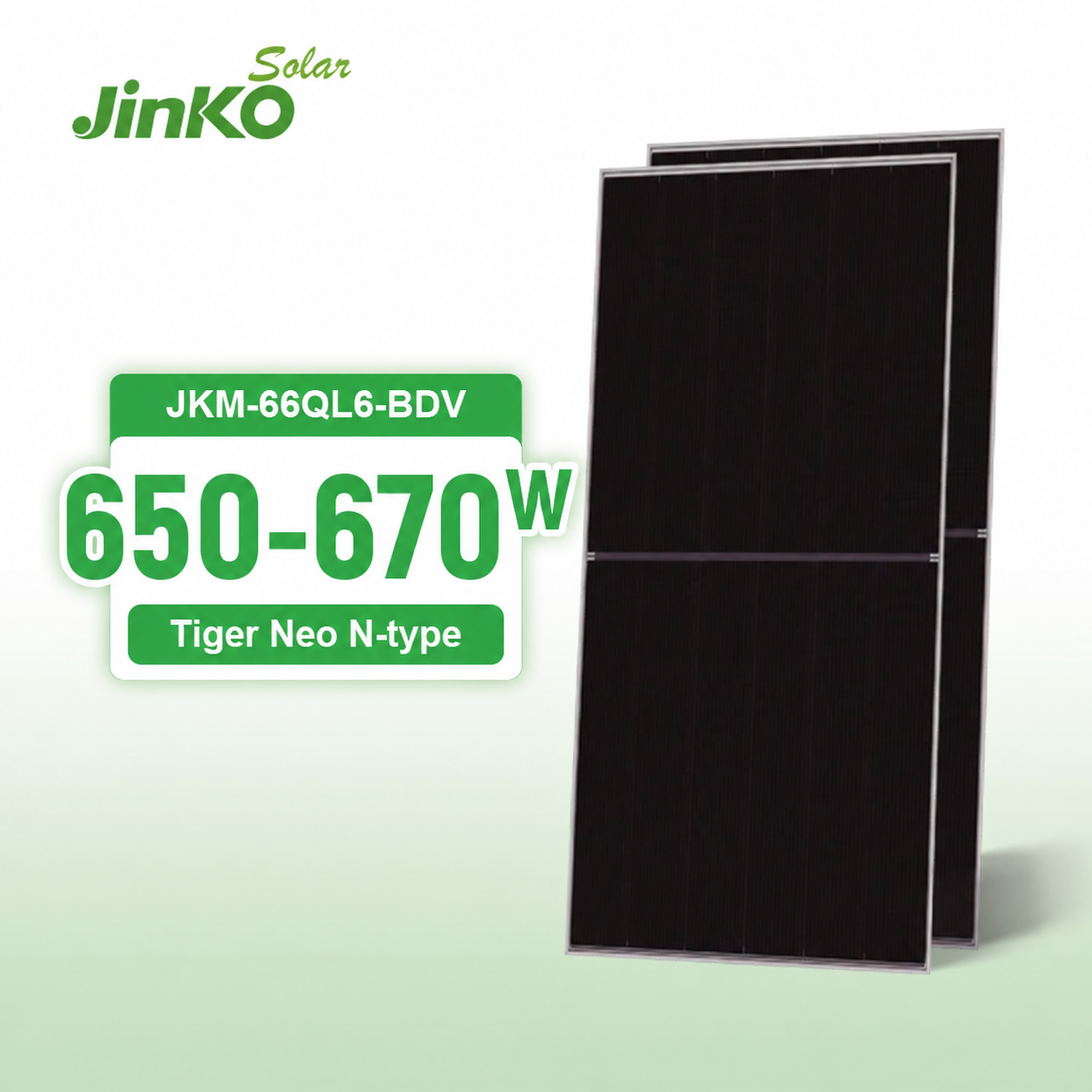
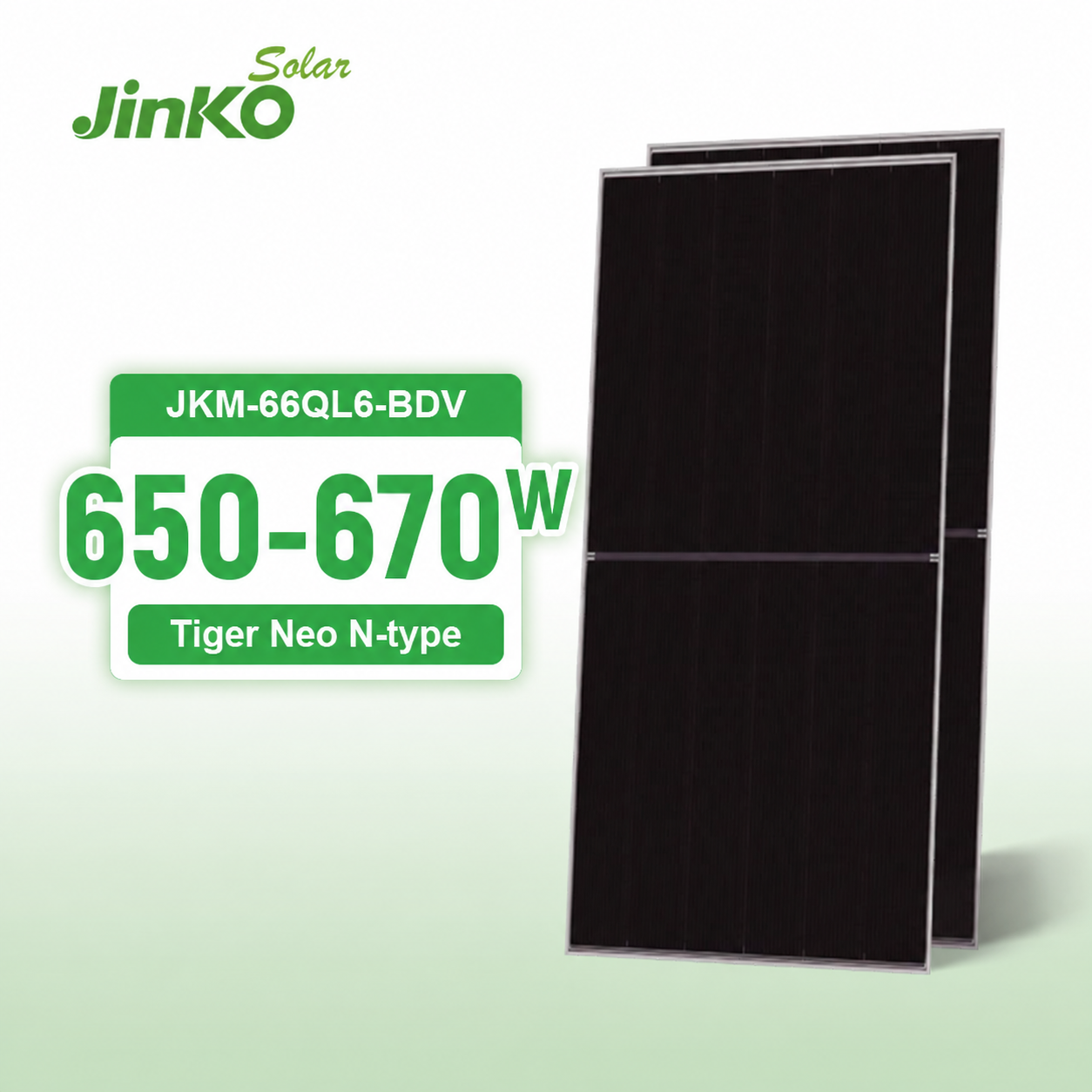
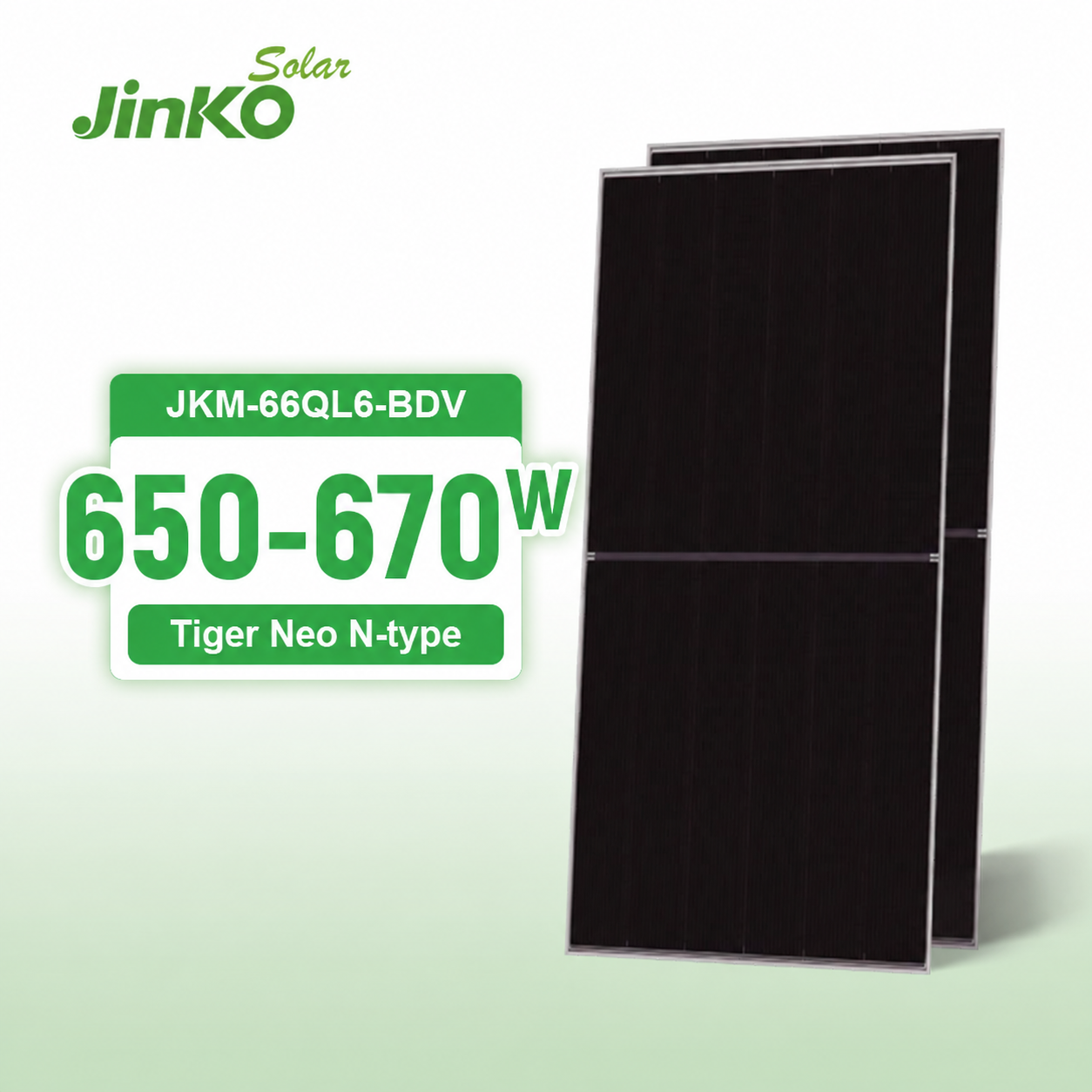
Optimal Fit: 650W–670W Monocrystalline Double Glass + Off-Grid Solar Pumping Inverters + Heavy-duty GEL/LFP Off-grid Array.
Engineering Performance Benchmarks

N-Type TOPCon vs Legacy P-Type PERC in Cuenca’s Environmental Realities

Operating photovoltaic equipment at high Andean elevation requires components that resist photo-degradation, handle rapid thermal changes without mechanical fracture, and capture backside reflected radiation from montane soils.

Performance Parameter Legacy P-Type PERC (Monofacial) Standard N-Type TOPCon Monofacial VOLT-Supplied Jinko N-Type TOPCon Dual-Glass
Cell Temperature Coefficient (Pmax) -0.35% / °C -0.30% / °C -0.29% / °C (Superior yield in hot sun)
Bifaciality Factor 0% (Opaque Backsheet) N/A 80% ± 5% (Up to +25% Backside kWh)
First-Year Power Degradation ≥ 2.0% (Subject to LID) ≤ 1.5% ≤ 1.0% (Zero Boron-Oxygen LID)
Annual Linear Degradation (Y2–Y30) 0.55% per year 0.45% per year 0.40% per year (87.4% Power at Year 30)
High-UV Permeability Barrier EVA Backsheet (Prone to yellowing) EVA + Standard Backsheet Dual 2.0mm Heat-Strengthened Glass + POE
Insulation Resistance @ Altitude (>2000m) Standard 1000V DC 1500V Standard Clearance 1500V Class A Fire + High Dielectric Rating
Mechanical Load (Snow/Wind/Hail) 2400Pa / 2400Pa 5400Pa / 2400Pa 5400Pa Front / 2400Pa Rear (Certified)
Market Intelligence & Procurement Forecast

Macro Trends Transforming Solar Energy Adoption in Cuenca

The renewable energy landscape across Cuenca, the Azuay Province, and southern Ecuador is undergoing a structural paradigm shift driven by legislative reforms, power security mandates, and high grid parity economics.

Why Distributors & EPCs Choose Us

Hangzhou VOLT New Energy: Your Proven Solar & Storage Supply Partner

Sourcing directly from tier-1 manufacturers without integration testing creates severe risks for importers: inverter protocol mismatch, shipping damage, missing maritime DG paperwork, and non-existent after-sales engineering. VOLT New Energy eliminates those friction points.

Verified Compatibility

We match battery BMS protocols (CAN & RS485), DC bus operating ranges, and inverter charge algorithms before dispatch. Your Deye hybrid inverters and LFP battery packs arrive ready to communicate on day one without software errors.

Consolidated Mixed Loads

Consolidate Jinko N-Type solar panels, Deye single-phase and three-phase inverters, and VOLT LFP/GEL energy storage batteries into unified 20GP or 40HQ containers, dramatically reducing oceanic freight costs per watt.

Pre-Shipment Testing & QC

Every batch undergoes strict EL testing, IV curve benchmarking, dielectric withstand checks, and visual frame inspections. You receive comprehensive high-resolution photo and test documentation before container sealing.

DG Class 9 Logistics Ready

Full international certification sets provided per shipment: UN38.3 test summaries, Material Safety Data Sheets (MSDS), sea freight dangerous goods declarations, CE, IEC 61215/61730, and ISO 9001 factory compliance.

Technical Clarifications

Frequently Asked Questions: Cuenca Solar Procurement & Systems Engineering

Specific answers address the engineering, customs, and logistical requirements that local project developers, electrical engineers, and hardware distributors in Cuenca ask prior to issuing a purchase order.

How does Cuenca's 2,550m altitude impact solar module voltage and inverter sizing?
At elevations exceeding 2,000 meters above sea level, thinner atmospheric density reduces dielectric air breakdown strength according to Paschen's Law. This requires careful consideration of clearance distances and maximum open-circuit voltages ($V_{oc}$). For installations in Cuenca, designers must calculate cold-morning $V_{oc}$ using module temperature coefficients (typically around $-0.25\%/^\circ\text{C}$ to $-0.29\%/^\circ\text{C}$) at historical minimum temperatures ($4^\circ\text{C}$ to $6^\circ\text{C}$). System voltages should stay comfortably within the 1000V/1500V limit. Our Jinko N-Type dual-glass modules use reinforced junction boxes and rated connectors certified for installations up to 3,000 meters, ensuring reliable insulation resistance against morning dew and ground moisture.
How do you prevent UV-induced degradation in high-irradiance Andean environments?
Cuenca frequently experiences an Ultraviolet Index (UVI) above 12, reaching 16+ during clear summer midday peaks. Standard single-glass modules with polymeric backsheets (PET/PVDF) and low-grade EVA encapsulants can suffer premature yellowing, delamination, and severe UV-induced degradation (UVID). We supply Jinko dual-glass (glass-glass) architectures featuring 2.0mm heat-strengthened front and rear glass coupled with polyolefin elastomer (POE) encapsulant layers. POE offers far superior resistance to UV transmission and moisture ingress compared to conventional EVA, preventing potential-induced degradation (PID) and maintaining string integrity over 30+ years.
Can we consolidate solar panels, Deye inverters, and LFP batteries into one container?
Yes, this is one of VOLT New Energy’s main strengths for international B2B importers. Shipping lithium-iron-phosphate (LiFePO4) energy storage batteries requires strict adherence to IMO Dangerous Goods regulations under Class 9 UN3480. We handle all dangerous goods packaging, pallet isolation, UN-rated crates, UN38.3 certificates, and MSDS documentation. This allows you to consolidate solar panels, inverters, and batteries into a single container shipped directly to Ecuadorian ports (Guayaquil or Puerto Bolívar), avoiding high LCL consolidation rates and mixed-forwarder confusion.
What is the actual bifacial energy gain on Cuenca industrial tin vs concrete roofs?
Bifacial backside energy yield depends on the albedo (reflectivity) of the surface beneath the array and the installation clearance height. On typical unpainted corrugated dark metal industrial roofs, bifacial gain is modest, typically between 4% and 7%. However, if the industrial surface is coated with white reflective elastomeric waterproofing paint (albedo > 60%) or mounted above light gravel/concrete tiles with an elevation > 0.5 meters, rear-side energy harvest jumps to 14%–22%. Given Cuenca's high proportion of diffuse solar radiation during cloudy or rainy afternoons, bifacial modules regularly outperform monofacial modules in total annual kilowatt-hours generated per installed kilowatt-peak.
How are warranty claims and technical servicing managed for equipment deployed in Ecuador?
All Jinko solar modules supplied by VOLT New Energy come with original manufacturer performance warranties (12 to 15 years on materials/workmanship, and 30 years linear power output guarantee at ≥87.4%). Every module is traceable via its unique barcode and flash-test data file recorded prior to shipment. For hybrid inverters and battery systems, our technical engineering office provides remote diagnostics, replacement component dispatches, and warranty coordination directly with factory engineering divisions. This spares Latin American importers long, unsupported manufacturer disputes.
What documentation is required to clear customs in Guayaquil for transshipment to Cuenca?
Ecuadorian customs (SENAE) requires compliant commercial invoices, detailed packing lists with component serial numbers, Bill of Lading (B/L), Certificate of Origin (COO), and technical conformity certificates (TÜV / IEC 61215 / IEC 61730 for modules; IEC 62109 / CE for inverters; UN38.3 / MSDS for lithium storage). VOLT New Energy prepares and validates all customs paperwork before vessel arrival to ensure smooth clearance and prevent demurrage charges at the port before bonded transport inland to Cuenca.

Ready to Source High-Yield Photovoltaic Modules for Cuenca?

Whether you are engineering a multi-megawatt commercial rooftop in the Chaullabamba industrial area, setting up regional distributor warehouse inventory, or building an off-grid agricultural microgrid in Azuay, our engineers provide complete system sizing, direct factory pricing, and full logistics support.

Get Catalog