Standard-Compliant PV Modules & ESS for Victorian Projects
Engineered for Melbourne's seasonal variability, the Sunraysia agricultural corridor, and high-ambient regional Victoria. Pre-inspected for Clean Energy Council (CEC) installation workflows.
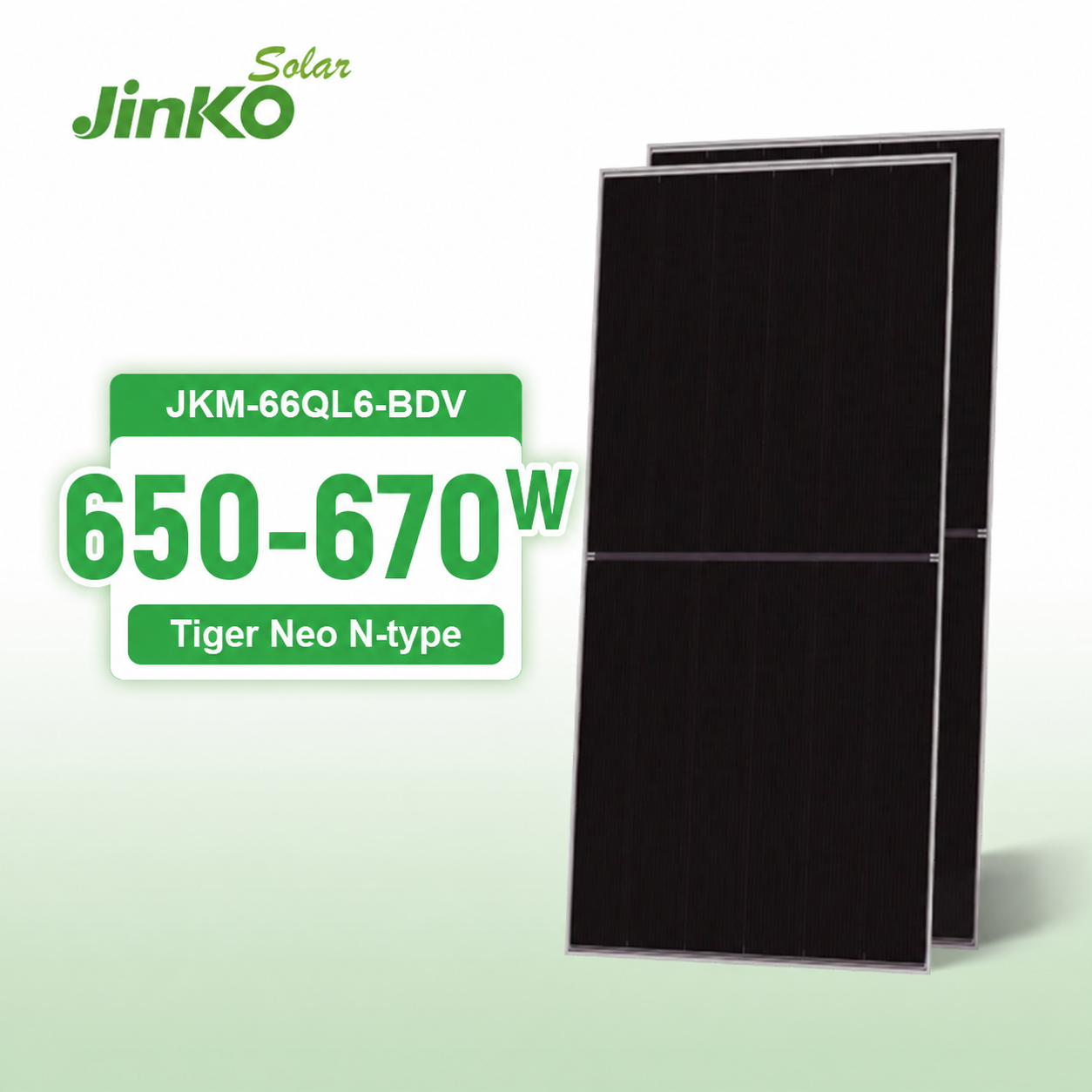
Dual-glass mechanical strength resistant to high wind loads and agricultural ammonia vapors across Victorian farms.
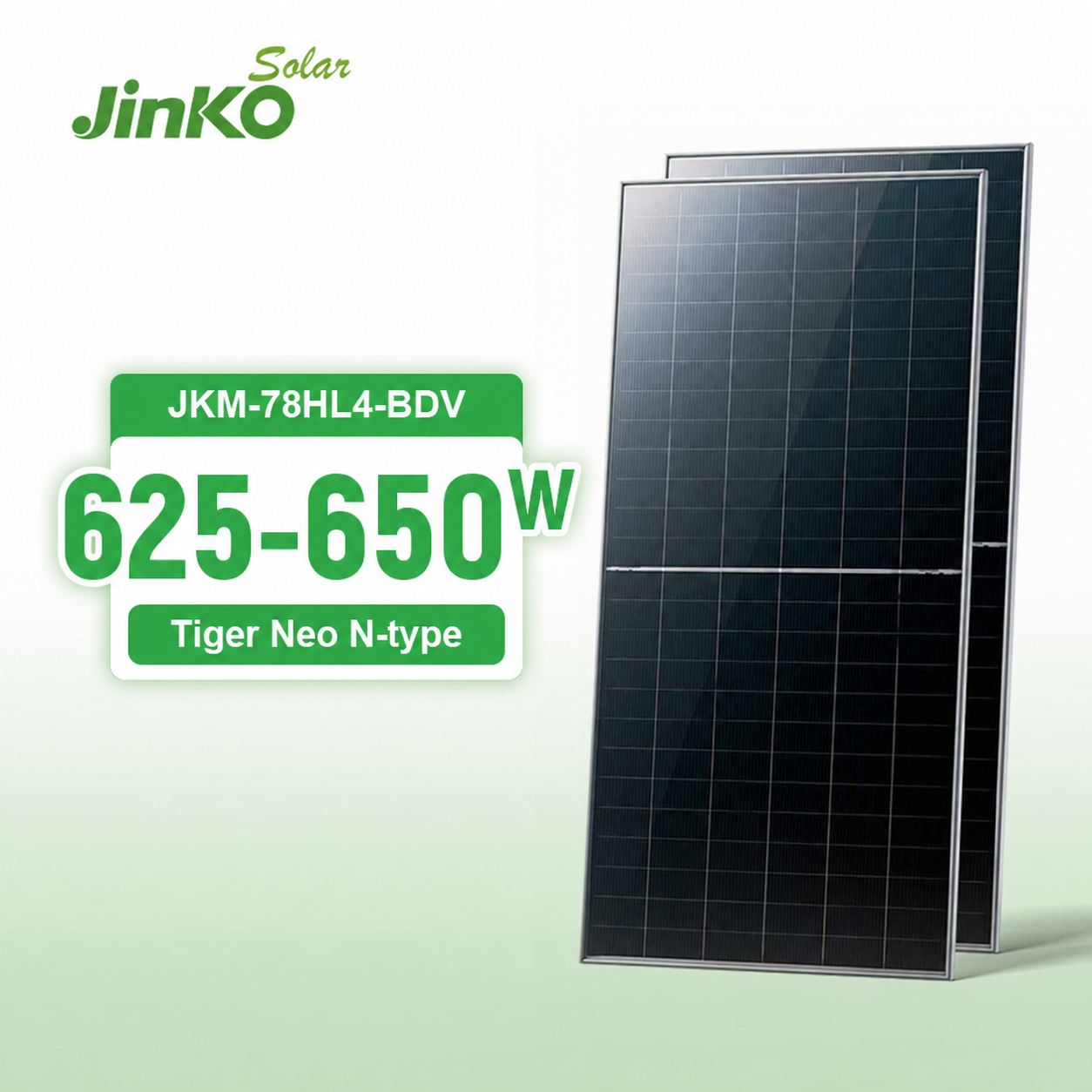
Optimized low-light generation coefficients deliver high yields during overcast southern Victorian winters.
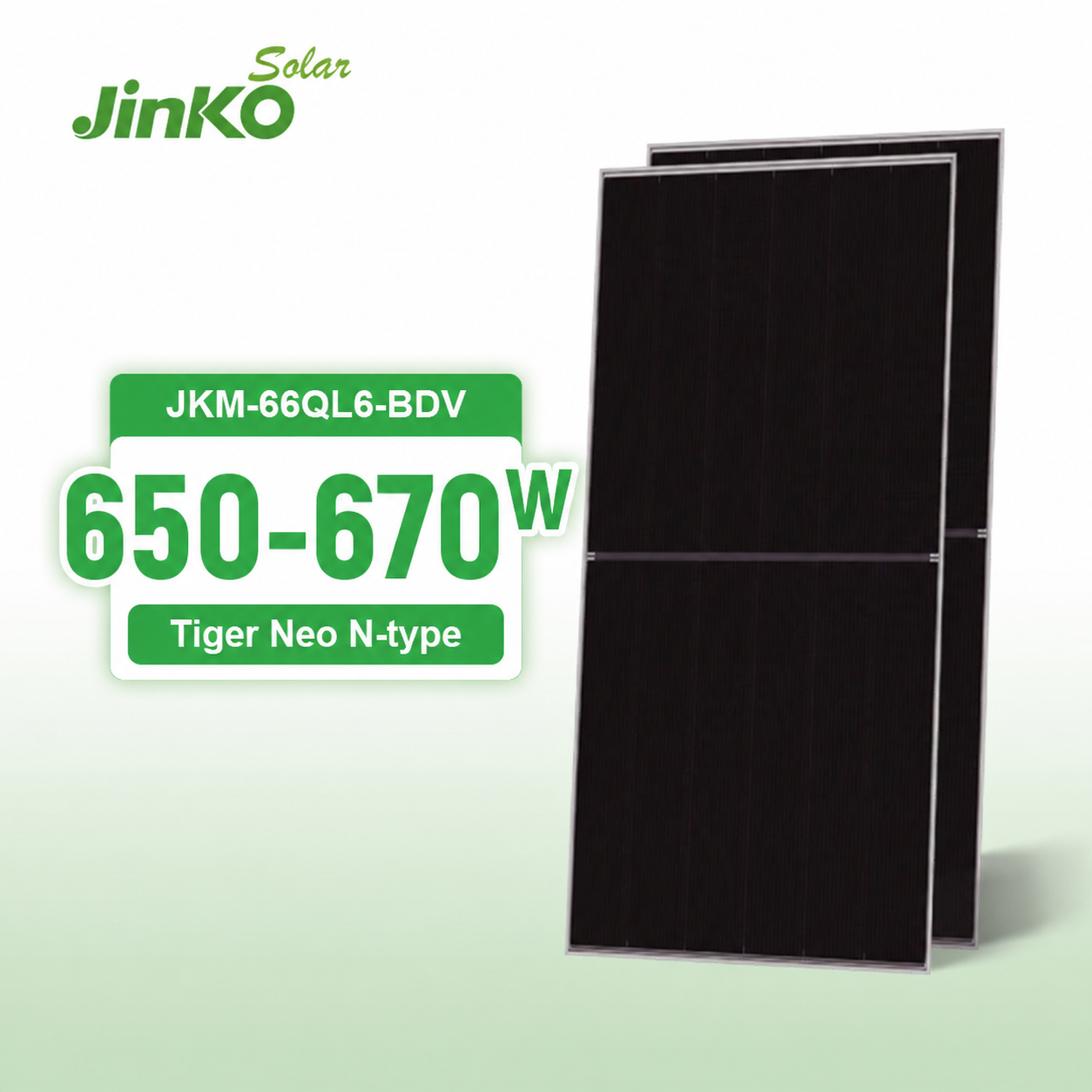
Engineered for low Levelized Cost of Electricity (LCOE) on commercial rooftops throughout Geelong and Melbourne metro.
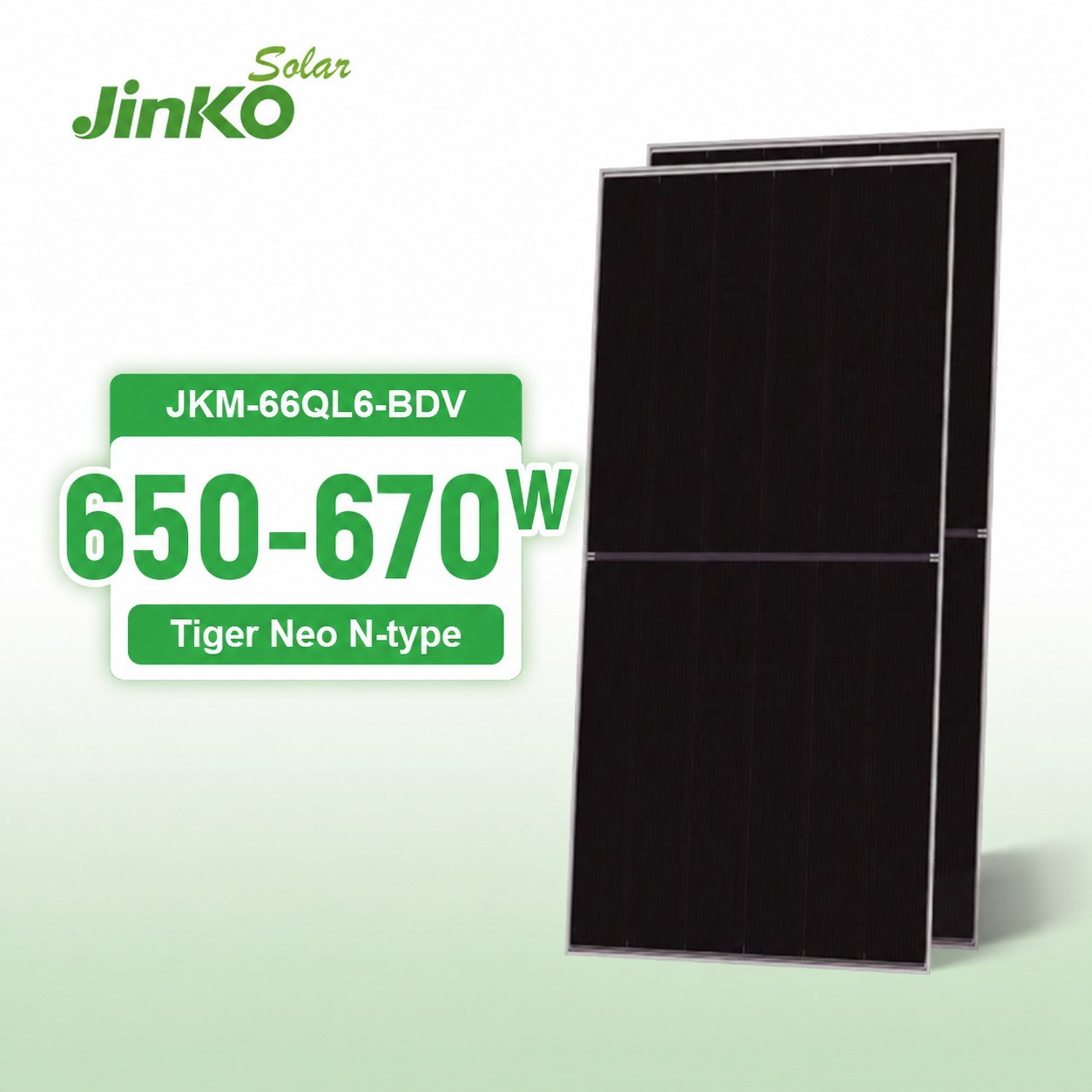
Superior temperature coefficient (-0.30%/°C) maintains power output during severe Victorian summer heatwaves.
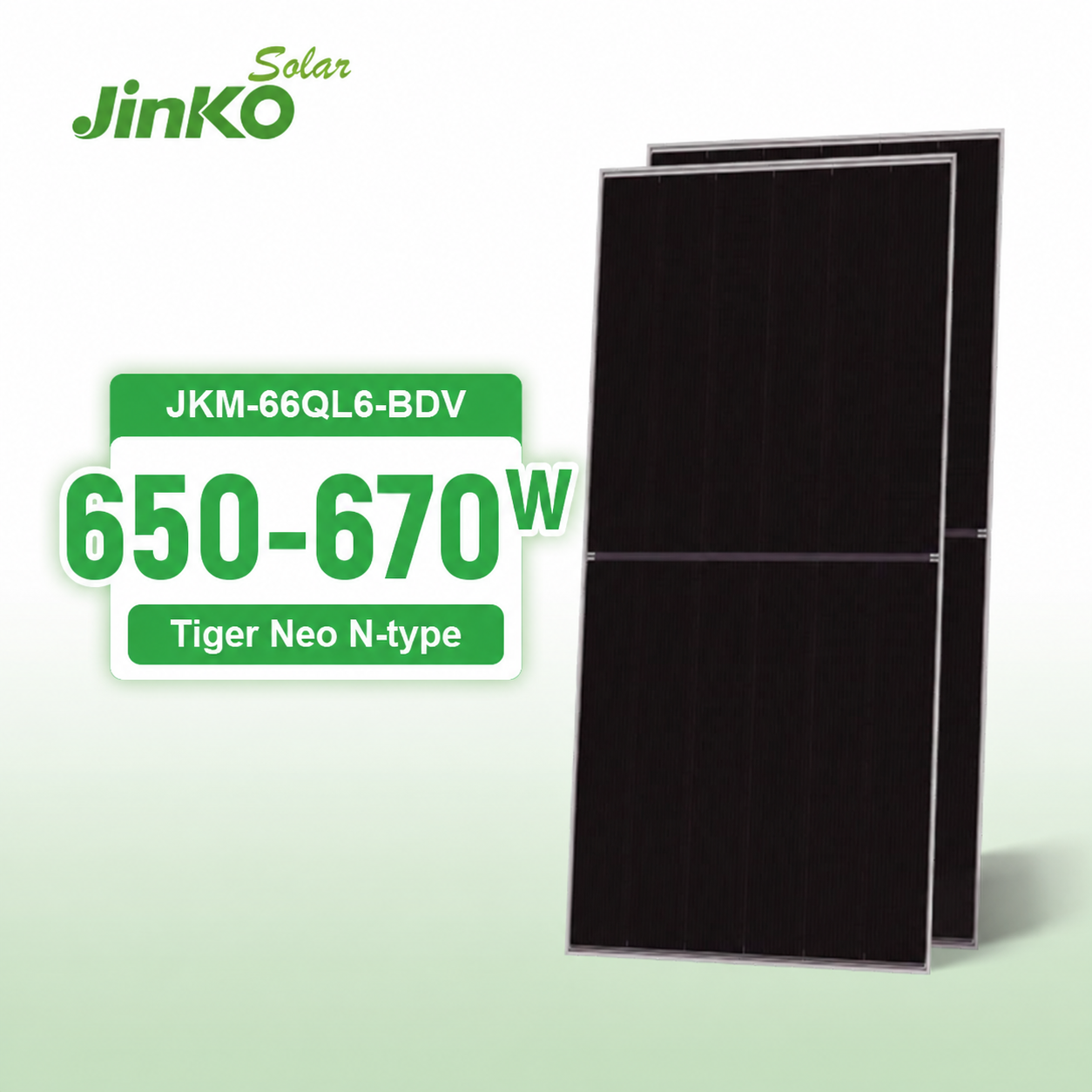
High power density minimizes mounting bracket footings and lowers overall Balance of System (BOS) installation expenses.
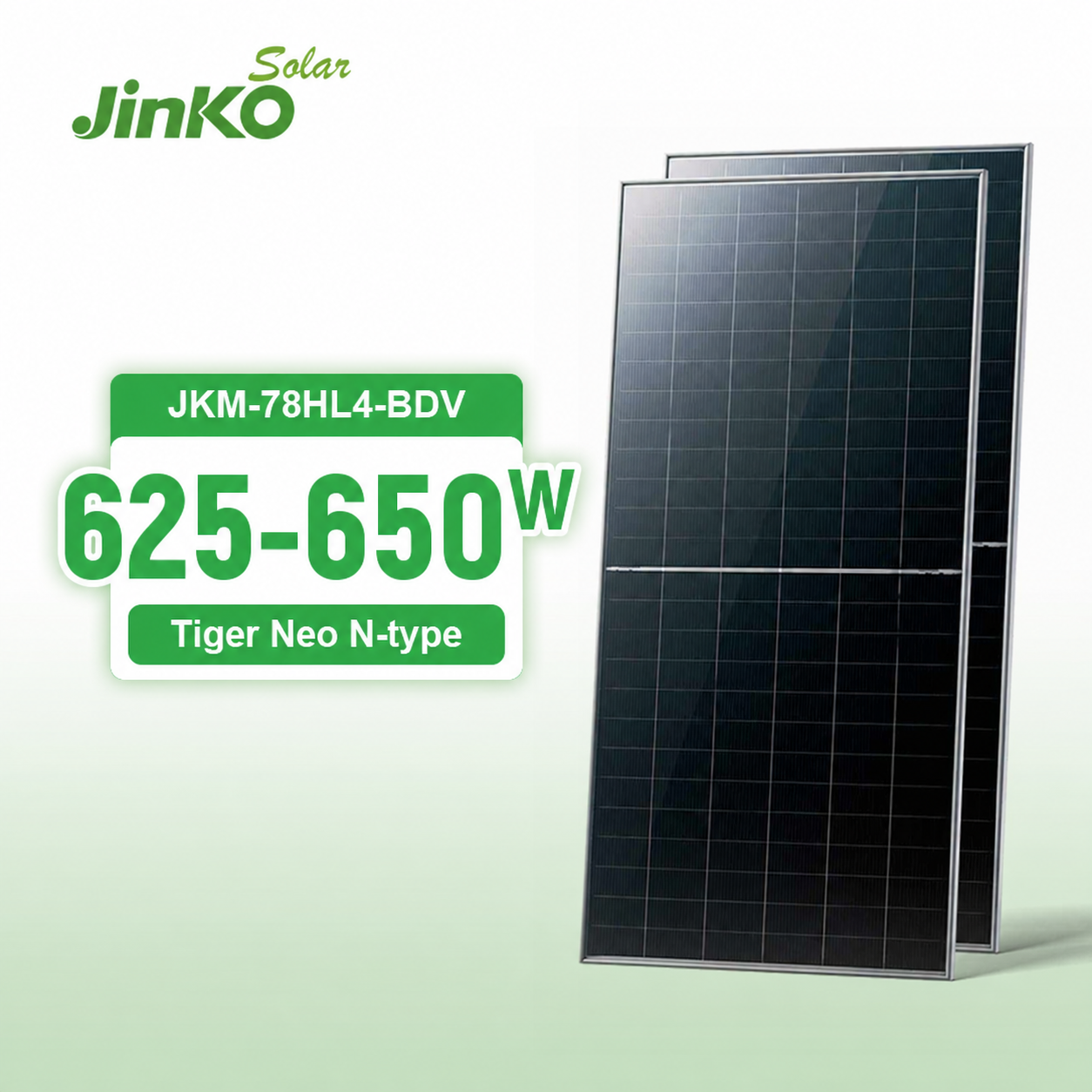
Bifaciality up to 80% generates up to 25% additional yield when installed over light-colored roof membranes or gravel.
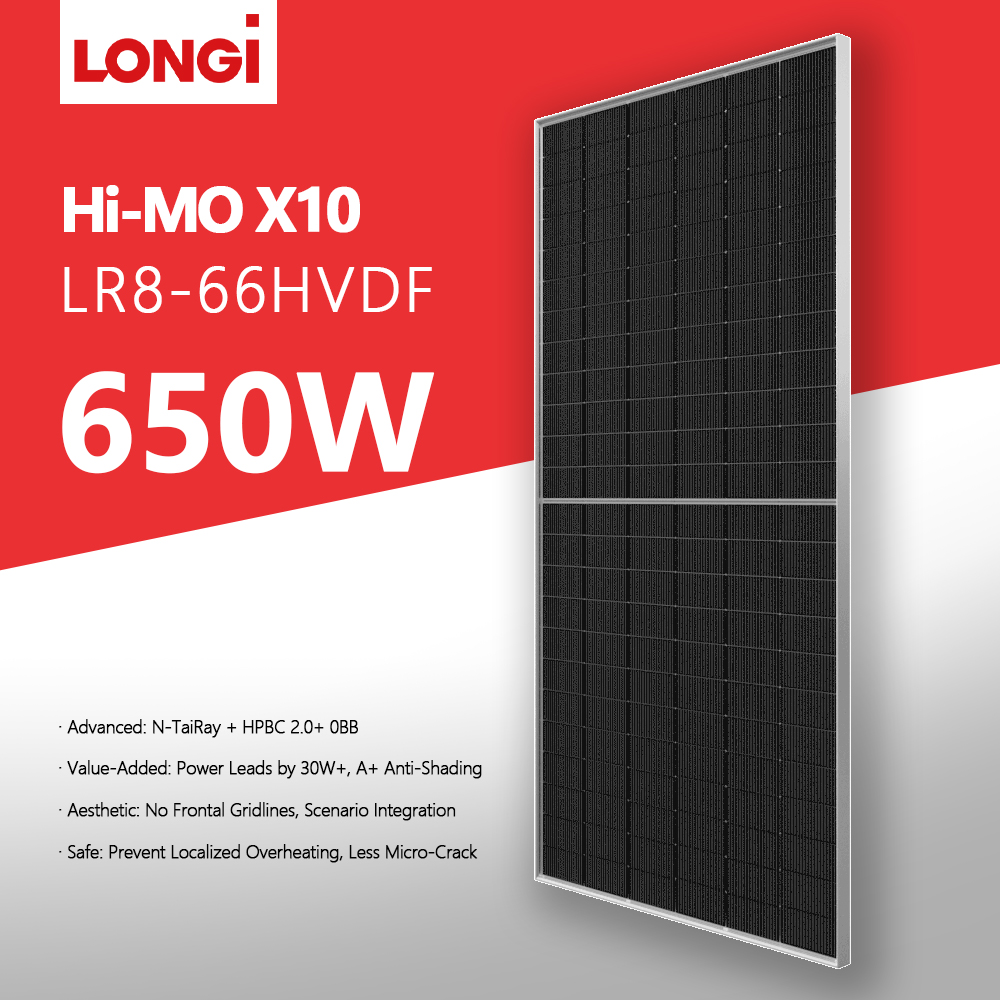
Comprehensive solar package compatible with high-capacity three-phase hybrid systems for shopping centers.
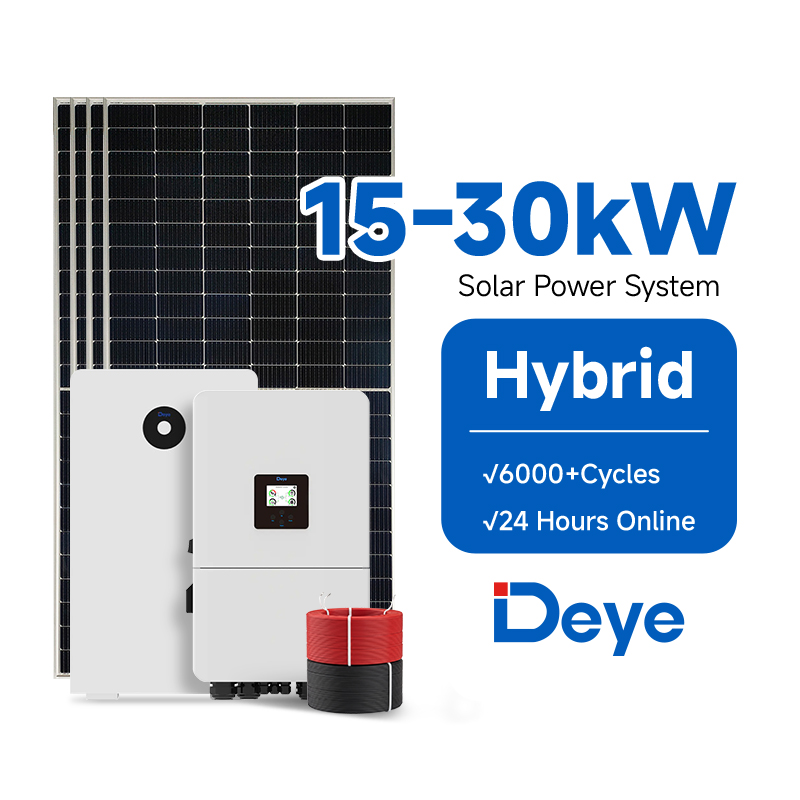
48V/51.2V architecture seamlessly integrated with smart BMS for peak-shaving and off-grid stability in rural networks.
Engineering Solar Solutions for Victorian Geography
From dynamic wholesale energy pricing via the NEM to regional agricultural microgrids, solar cells must be tailored to specific operational environments.
C&I Manufacturing & Warehousing
Industrial parks throughout Dandenong, Campbellfield, and Truganina face rising peak demand charges. Our 650W+ Bifacial N-Type TOPCon modules paired with multi-string commercial inverters offer high energy yield per square meter, maximizing flat rooftop yields while managing thermal stress during 40°C+ summer peaks.
Agrivoltaics & Winery Applications
Victoria's agricultural heartlands—the Yarra Valley, Goulburn Valley, and Mildura—require specialized equipment. Dual-glass bifacial panels withstand harsh pesticide drifting, fertilizer vapors, and ground ammonia while delivering secondary power gains from soil and grass albedo beneath raised arrays.
Fringe-of-Grid & SWER Microgrids
Many regional Victorian farms operate at the edge of the grid on Single Wire Earth Return (SWER) networks with tight export limits. Bundling N-Type solar cells with Deye Hybrid Inverters & LFP battery stacks allows complete self-consumption, unconstrained by distribution network service provider (DNSP) export caps.
The Victorian Energy Landscape: Transition & Compliance
Understanding shifting regulatory policies and market dynamics in Victoria ensures your renewable hardware investment remains profitable over 25+ operational years.
Victoria's Renewable Target: 95% Clean Energy by 2035
The State of Victoria has legislated ambitious emissions reduction targets of 75-80% by 2035 and net-zero by 2045. As coal-fired generation at Yallourn and Loy Yang retires, the Australian National Electricity Market (NEM) experiences heightened price volatility in the Victorian region. Businesses and solar developers are shifting rapidly from pure solar generation to integrated Solar-plus-Storage assets.
AEMO and Victorian DNSPs (Powercor, AusNet, Jemena, CitiPower, and United Energy) enforce inverter emergency backstop mechanisms requiring remote curtailment compliance. Our export hardware supports modern communications protocols for network interoperability.
P-type PERC panels are being superseded by N-Type TOPCon cells across Victoria due to zero Light Induced Degradation (LID) and higher bifacial factors, generating critical additional power during diffused light conditions.
Negative daytime wholesale feed-in tariffs encourage Victorian asset owners to retain generation on-site. Low-voltage 48V LFP systems provide high round-trip efficiency for evening peak utilization.
Strict AS/NZS 5033:2021 Installation Norms
Installation regulations across Australia demand DC conditioning, correct breaker ratings, and certified earth fault alarms. Factories exporting to Victoria must supply modules with proven junction box seals, IP68 connectors, and high salt-mist corrosion ratings for Bass Strait coastal air.
Battery Safety Under AS/NZS 5139
Lithium ferro phosphate (LFP) chemistry has become the clear standard across Melbourne warehouse retrofits due to its intrinsic thermal stability. Our battery energy storage assemblies strictly follow UN38.3, IEC 62619, and local integration safety protocols.
Corporate PPA & Microgrid Expansion
Victorian wineries, cold storage operators, and regional council facilities increasingly enter corporate Power Purchase Agreements (PPAs), requiring Tier-1 PV equipment that guarantees measurable degradation performance backed by re-inspected warranties.
Why Solar Distributors & EPCs Choose VOLT New Energy
We eliminate supply chain headaches, compliance failures, and on-site communication mismatches through deep factory integration and rigorous pre-shipment validation.
Factory-Verified Protocol Compatibility
The most common failure during on-site commissioning is BMS-to-inverter communication mismatch. Before any container leaves China, our engineers match CAN and RS485 communication protocols, cable pinouts, and DIP switches between Deye hybrid units and LFP battery packs.
Certified Import Documentation Sets
Australian customs requires precise dangerous goods (DG) compliance. We handle comprehensive Class 9 DG maritime export documentation, including UN38.3 test summaries, full material safety data sheets (MSDS), factory flash test data, and IEC qualification files for effortless clearance.
Consolidated Mixed-Load Sea Freight
Ordering full containers of just one SKU strains distributor cash flow. VOLT New Energy facilitates mixed-container loading from our Zhejiang warehouse—combining high-efficiency Jinko/LONGI PV panels, hybrid inverters, mounting systems, and battery storage in a single, balanced shipment.
Independent Pre-Shipment Quality Audits
Every shipment undergoes multi-point factory inspections: cell electroluminescence (EL) defect checks, microcrack detection, frame anodization measurements, and battery capacity cycling verification. Clients receive high-resolution inspection videos and serial tracking logs.
Direct OEM & Own-Brand Flexibilities
In addition to stocking verified Tier-1 brands like Jinko, LONGI, and Deye, we provide our proprietary ANTOFO series of residential and commercial storage batteries, offering specialized branding, tailored enclosures, and customized warranty configurations for large distributors.
Dedicated Engineering After-Sales Desk
Our English-speaking engineering team assists your installers directly with electrical system sizing, string voltage calculations, backup transfer switch wiring, and remote firmware configuration to keep commissioning cycles on schedule.
Ready to Optimize Your Victorian Solar Supply Chain?
Contact our project engineering team to review system single-line diagrams, confirm model availability, or request direct-factory container pricing to the Port of Melbourne.
Get CatalogFrequently Asked Questions by Australian Buyers
Essential guidance covering grid compliance, dangerous goods logistics, warranties, and mixed system integration.