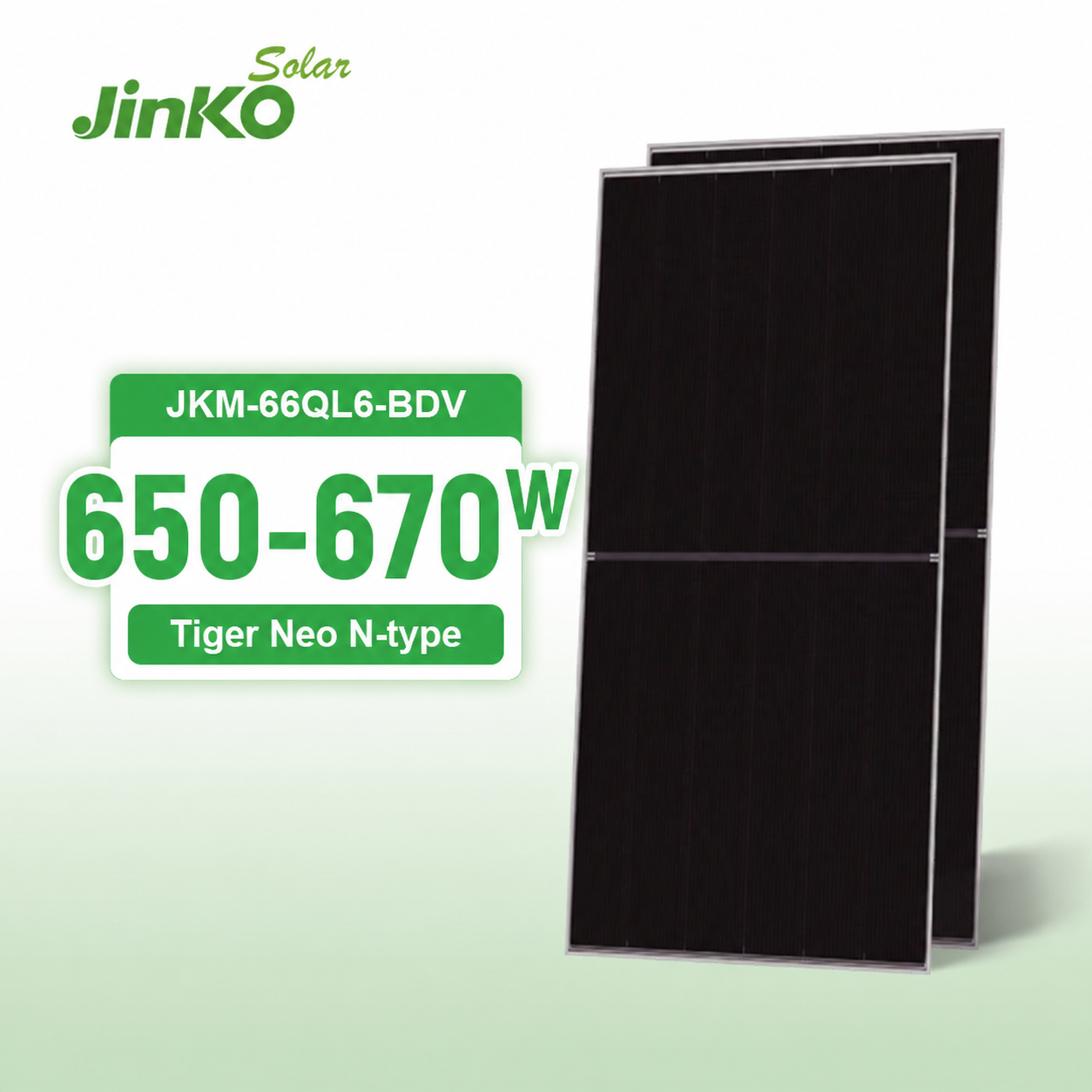
Commercial Utility
High-performance dual-glass bifacial monocrystalline and N-Type TOPCon panels engineered to deliver maximum kilowatt-hour yields across Middle Tennessee's humid subtropical climate and variable albedo surfaces.
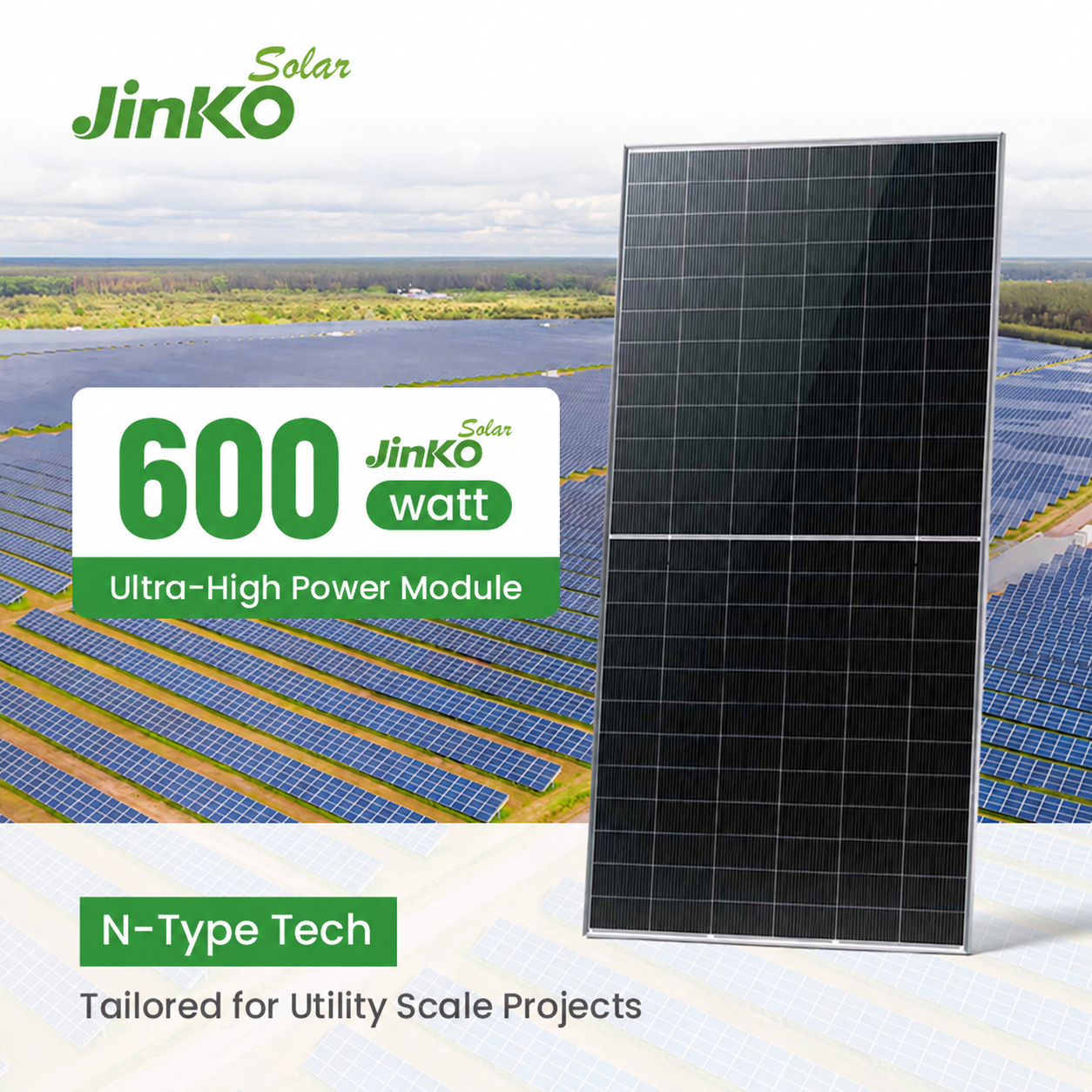
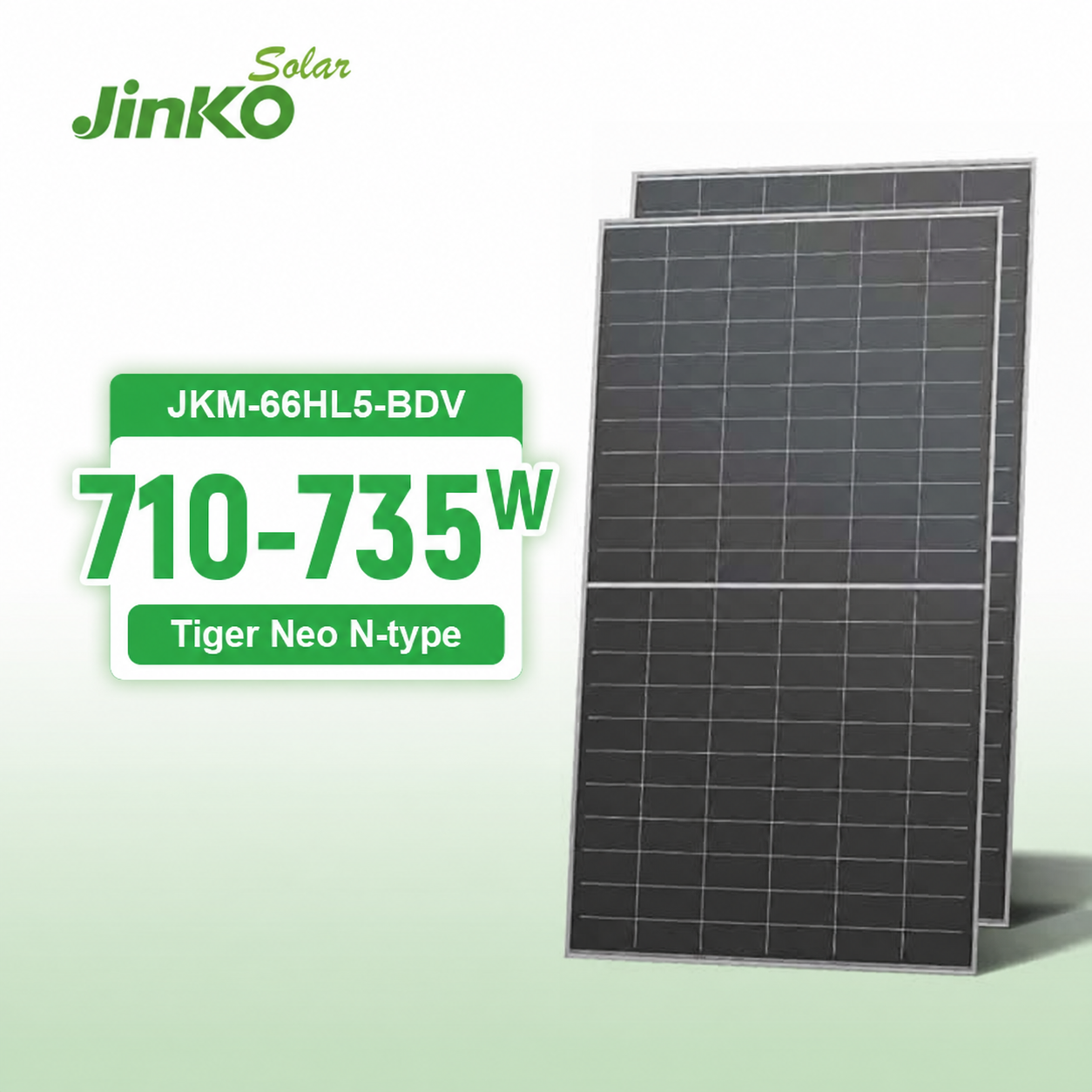
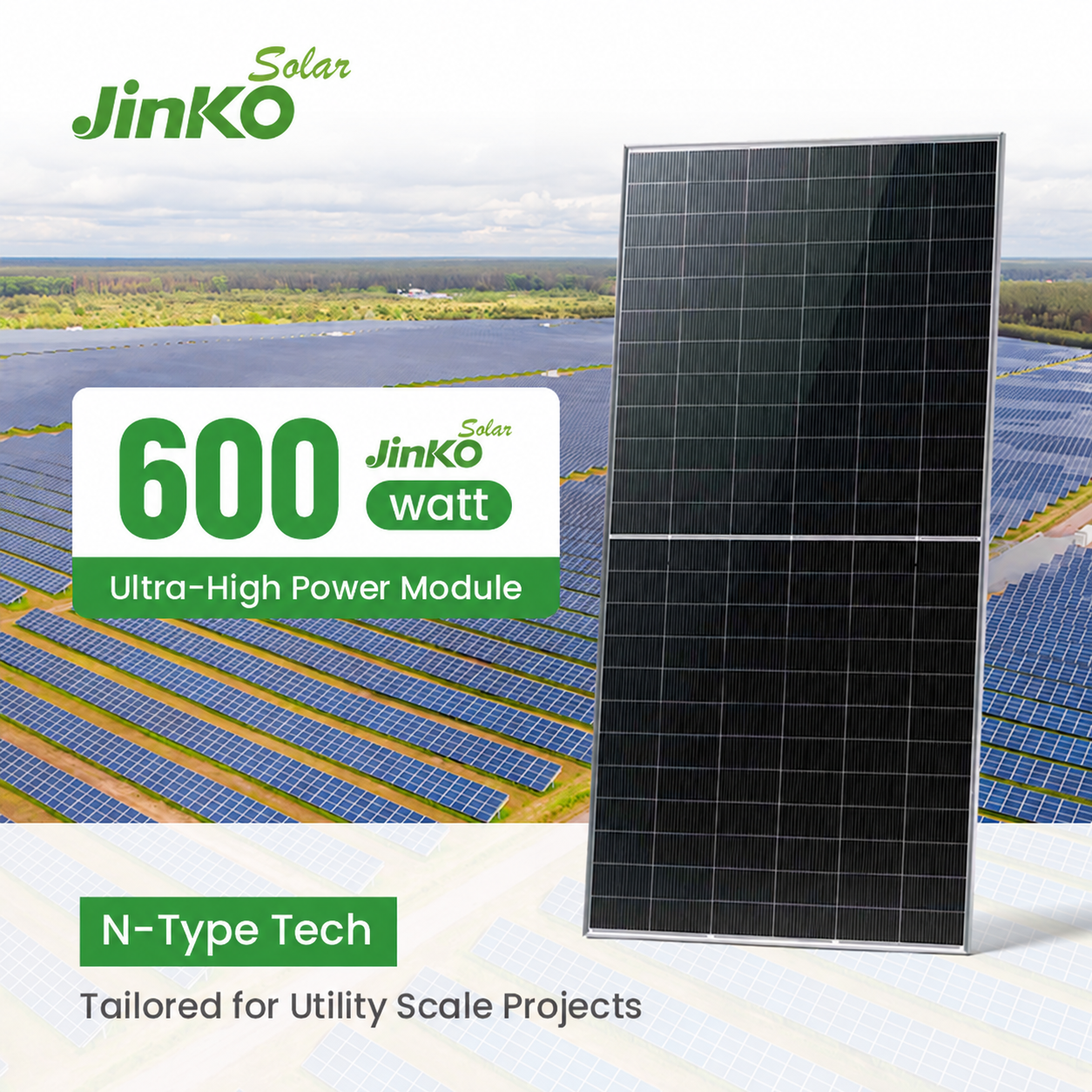
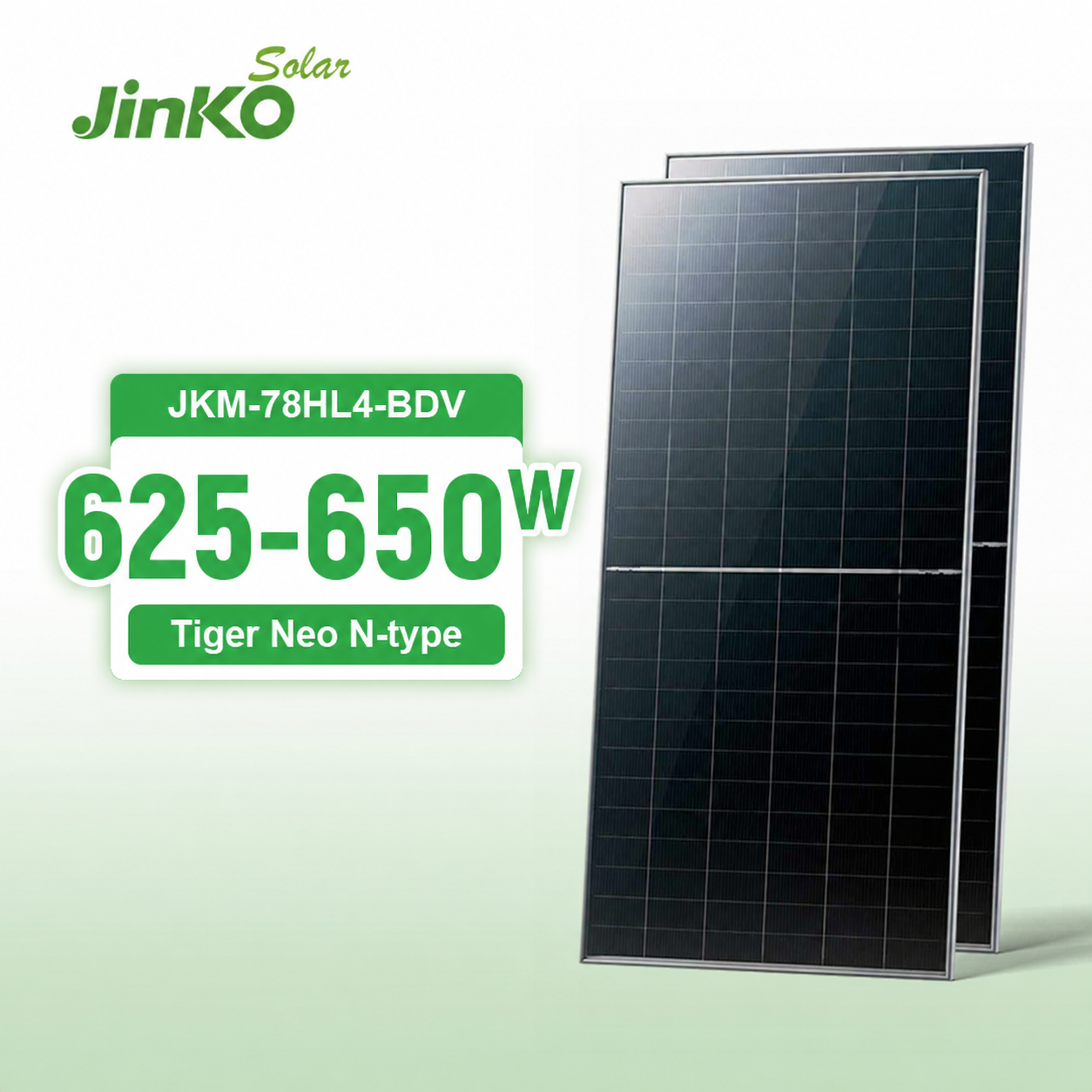
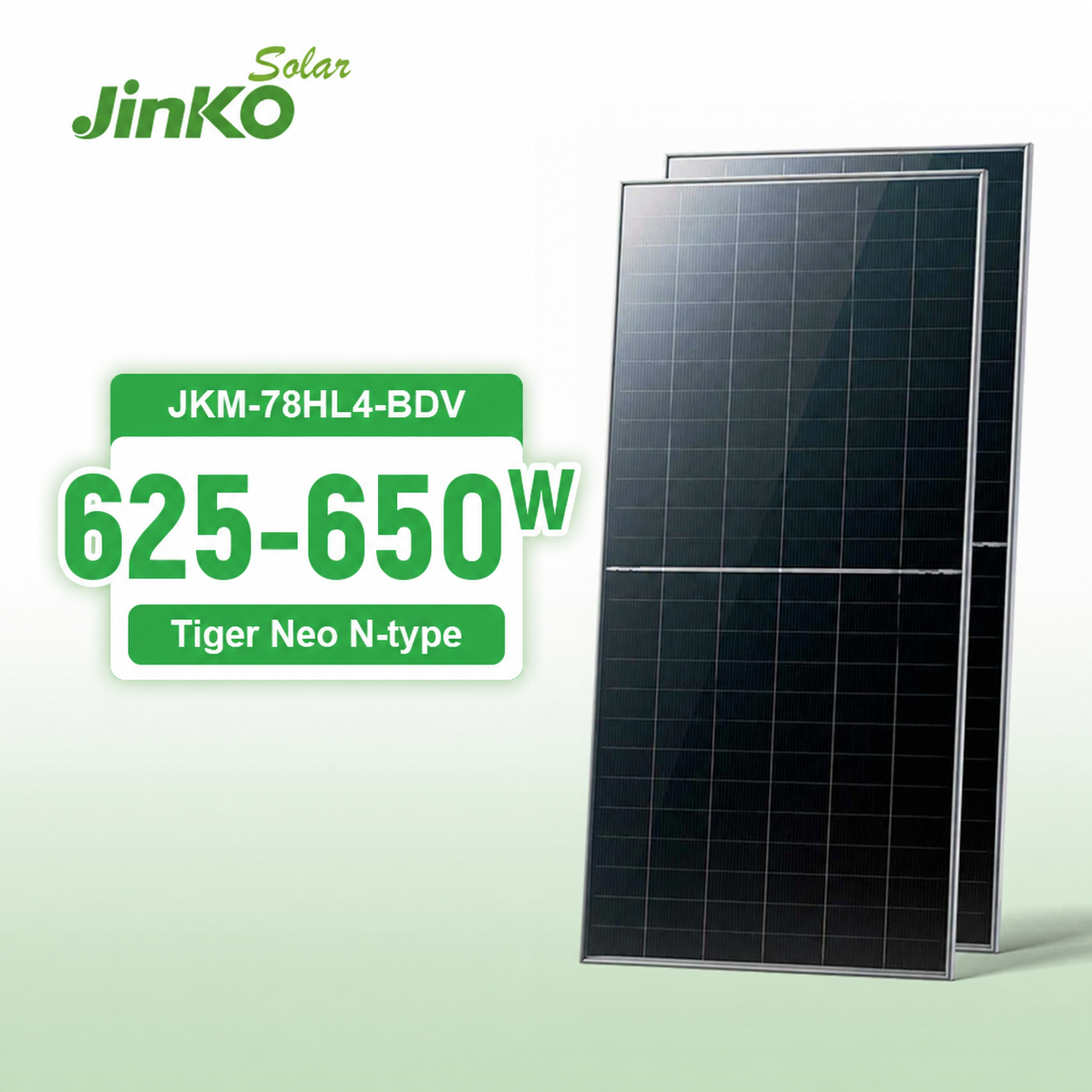
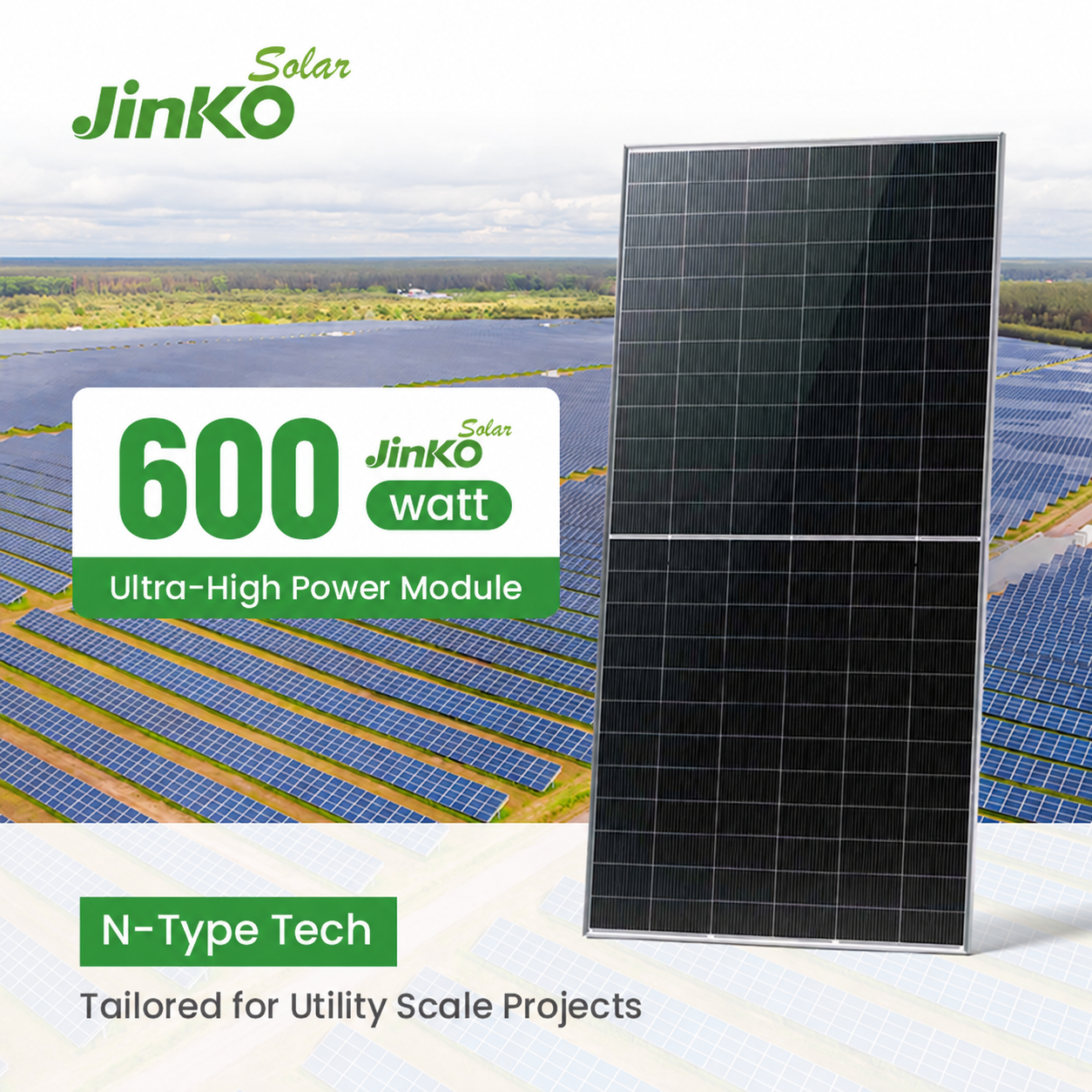
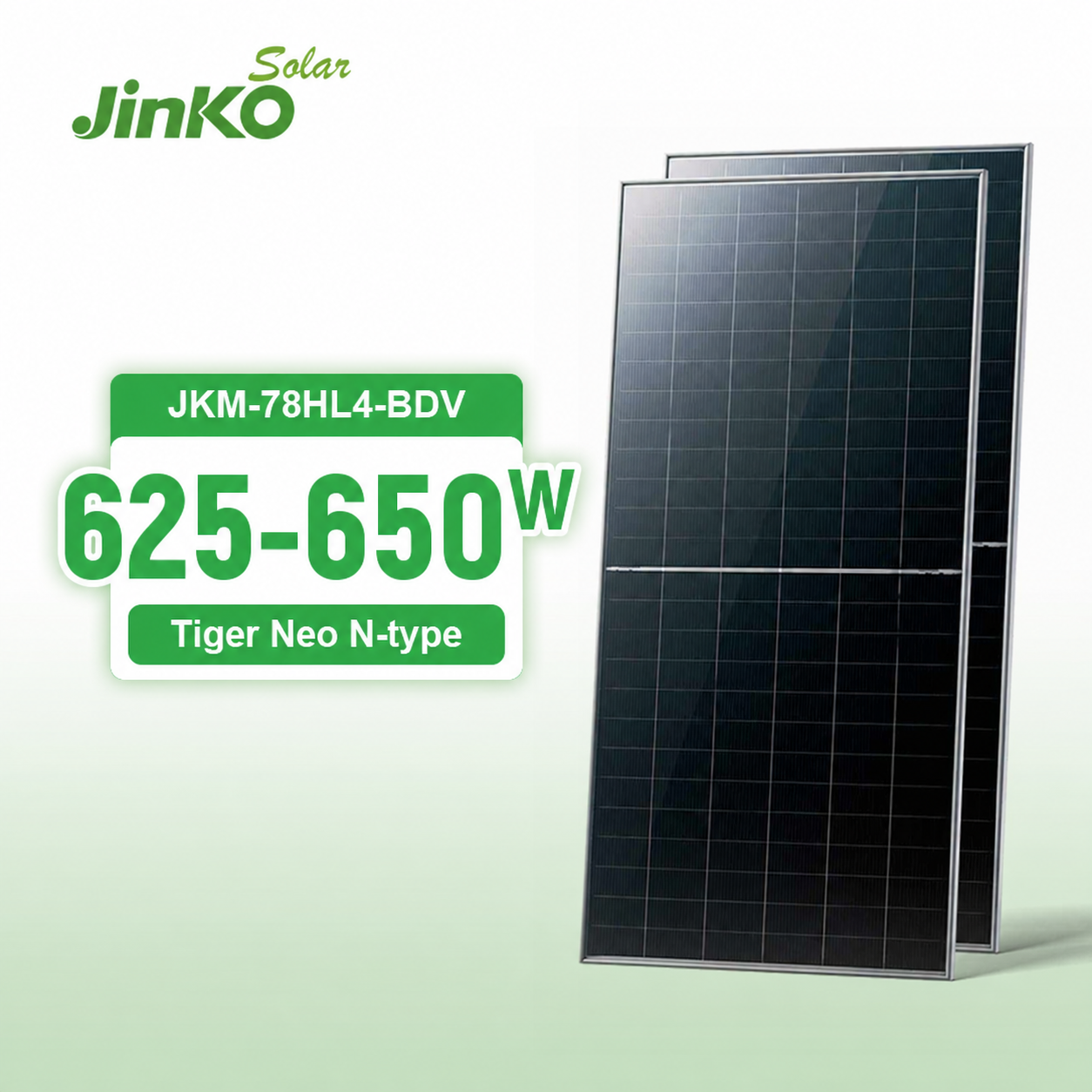
Deploying commercial and industrial photovoltaics in the greater Nashville area requires navigating distinct regional utility frameworks. From Nashville Electric Service (NES) net billing constraints to the Tennessee Valley Authority (TVA) bulk power architecture, choosing factory-matched solar modules and integrated storage balance-of-systems is critical to project bankability.
Unlike deregulated RTO markets, Middle Tennessee functions under the centralized jurisdiction of the Tennessee Valley Authority (TVA) in partnership with local municipal distributors like Nashville Electric Service (NES). Solar developments fall into two primary paths: behind-the-meter avoided-cost self-generation programs or large-scale wholesale PPAs through TVA Green Invest. Maximizing on-site consumption via high-density N-Type modules eliminates wholesale injection losses and mitigates demand charges during peak summer cooling peaks.
Commercial electricity rates throughout Davidson and Williamson Counties are characterized by significant seasonal demand spikes driven by intensive HVAC loads from June through September. Commercial facilities utilizing high-efficiency bifacial solar arrays combined with smart Deye hybrid inverters and low-voltage LFP storage banks can reliably shave 40% to 65% of coincident peak charges, accelerating project payback windows down to 5.2–6.8 years under current Section 48 ITC provisions.
Nashville experiences hot, humid summers with average July dew points frequently exceeding 70°F and ambient rooftop surface temperatures surpassing 140°F (60°C). Conventional P-type PERC panels suffer substantial thermal degradation under these operating environments. Hangzhou VOLT New Energy supplies N-Type TOPCon cells featuring a superior temperature coefficient of -0.30%/°C, ensuring higher sustained generation during Nashville’s most critical production hours.
From logistics superhubs along the Interstate 40/24 transportation nexus to ground arrays situated across the Highland Rim karst terrain, solar systems must be mechanically and electrically engineered for local topographical challenges.
The Middle Tennessee industrial market represents one of North America's fastest-growing warehousing and freight hubs. Large flat-roof distribution centers with single-ply TPO or EPDM membranes provide ideal terrain for dual-glass bifacial modules. By capitalizing on light reflection off white reflective TPO membranes (albedo ratings between 0.65 and 0.80), bifacial modules generate an additional 12% to 22% backside energy harvest.
Our 600W to 700W N-Type modules minimize balance-of-system (BOS) installation expenditure by reducing total racking rail meters, wire clamping labor, and combiner box requirements—delivering an optimized Levelized Cost of Energy (LCOE) for speculative commercial logistics facilities.
Healthcare corporations, financial campuses, and data centers throughout Metro Nashville require uninterrupted energy reliability against severe Midwestern storms and localized grid curtailments. Pairing Jinko N-Type TOPCon photovoltaic modules with our modular LFP lithium storage banks and high-amperage Deye hybrid inverters establishes an autonomous behind-the-meter microgrid.
Our complete system packages include pre-configured CAN/RS485 closed-loop communication between battery management systems (BMS) and inverters, guaranteeing sub-10ms transfer times during unexpected substation disruptions on the NES urban distribution ring.
Ground-mounted solar arrays in Middle Tennessee frequently encounter limestone bedrock outcrops, expansive clay soils, and undulating topography. Utility developers need rigid, dual-glass PV panels engineered to withstand 5400 Pa static mechanical snow loads and severe convective wind shears exceeding 130 mph.
Using 700W+ high-voltage series strings decreases trenching lengths, DC copper wire cross-sections, and inverter MPPT input counts. Our high-voltage string layouts seamlessly harmonize with single-axis tracking hardware, accommodating terrain slopes of up to 15 degrees without requiring extensive geotechnical earthmoving.
Middle Tennessee sits squarely inside "Dixie Alley," subject to vigorous springtime convective thunderstorms that produce severe hail, straight-line winds, and localized tornadoes. Thin single-glass solar panels are vulnerable to microcracks, cell cleavage, and water vapor ingress when subjected to impact events.
We supply double-glass 2.0mm+2.0mm heat-strengthened solar modules certified under IEC 61215 and UL 61730 for 35mm hailstone impact resistance. The symmetrical dual-glass encapsulation balances mechanical thermal stresses, completely preventing microcrack propagation and eliminating potential-induced degradation (PID) under high humidity.
Choosing the correct photovoltaic cell architecture determines 30-year cumulative kilowatt-hour generation. The comparison table below highlights why N-Type TOPCon represents the industry standard for commercial procurement in Nashville.
| Performance Parameter | Legacy P-Type PERC | VOLT N-Type TOPCon (Supplied) | Engineering Benefit for Nashville Developers |
|---|---|---|---|
| Cell Architecture | p-type Base with Boron-Oxygen Doping | n-type Base with Tunnel Oxide Passivated Contact | Complete immunity to Light Induced Degradation (LID) |
| Bifaciality Factor | 65% - 70% | 80% - 85% (±5%) | +10% to +18% higher energy gain on white TPO industrial roofs |
| Temperature Coefficient (Pmax) | -0.35% / °C | -0.30% / °C | Retains 12% to 15% more peak power during hot 95°F+ July/August days |
| First Year Power Degradation | ≤ 2.0% | ≤ 1.0% | Maximizes generation output during the initial payback window |
| Annual Linear Degradation | 0.55% / Year | 0.40% / Year | Guarantees 87.4% output at Year 30 vs 84.8% for legacy modules |
| Mechanical Load Rating | 2400 Pa Front / 2400 Pa Rear | 5400 Pa Front / 2400 Pa Rear | Certified protection against severe Tennessee tornadic wind gusts |
| Weak Light Performance | Moderate | Superior (Passivated Contacts) | Generates power 20 minutes earlier at sunrise and later at dusk |
Hangzhou VOLT New Energy Technology Co., Ltd. bridges the gap between Asian Tier-1 manufacturing excellence and project-level execution in North America. We eliminate downstream procurement delays through pre-shipment compatibility validation, rigorous zero-defect QC, and integrated containerized logistics.
We eliminate "BMS Communication Faults" before cargo departs the factory floor. Every bundled order pairing Jinko photovoltaic panels with Deye hybrid inverters and our LFP energy storage units undergoes factory bench tests verifying CAN and RS485 communication protocols, pin-out configurations, and baud rates.
Every photovoltaic module undergoes rigorous pre-lamination, post-lamination, and final packaged electroluminescence (EL) testing under high-resolution infrared cameras. We screen out microcracks, cold solder joints, gate breakage, and dead cells to guarantee 100% defect-free delivery to your job site.
Procuring panels, storage batteries, and inverters from separate suppliers escalates drayage fees and customs headaches. We offer single-container consolidation, packing Tier-1 Jinko PV modules, Class 9 DG hazardous-materials certified LFP batteries (UN38.3/MSDS), and balance-of-system hardware into coordinated shipments bound for Memphis rail terminals or Savannah/Charleston maritime ports.
Direct technical answers addressing the logistical, electrical, and regulatory concerns of Tennessee EPC contractors, commercial project engineers, and facility owners.
Connect with our technical sales engineers to review module batch pricing, container load schedules, and string sizing calculations tailored to your Nashville installation.