kWh/m² Yearly GHI Across Valparaíso Basin
IEC 61701 Salt-Mist Corrosion Certification
Protocol Authorized for Chilean Grid Interconnection
Linear Bifacial Performance Warranty Standard
Featured Photovoltaic Modules & Energy Storage Systems
Selected N-Type TOPCon dual-glass solar panels and hybrid storage architectures fully certified for direct sea shipment to Puerto de Valparaíso and Puerto San Antonio.
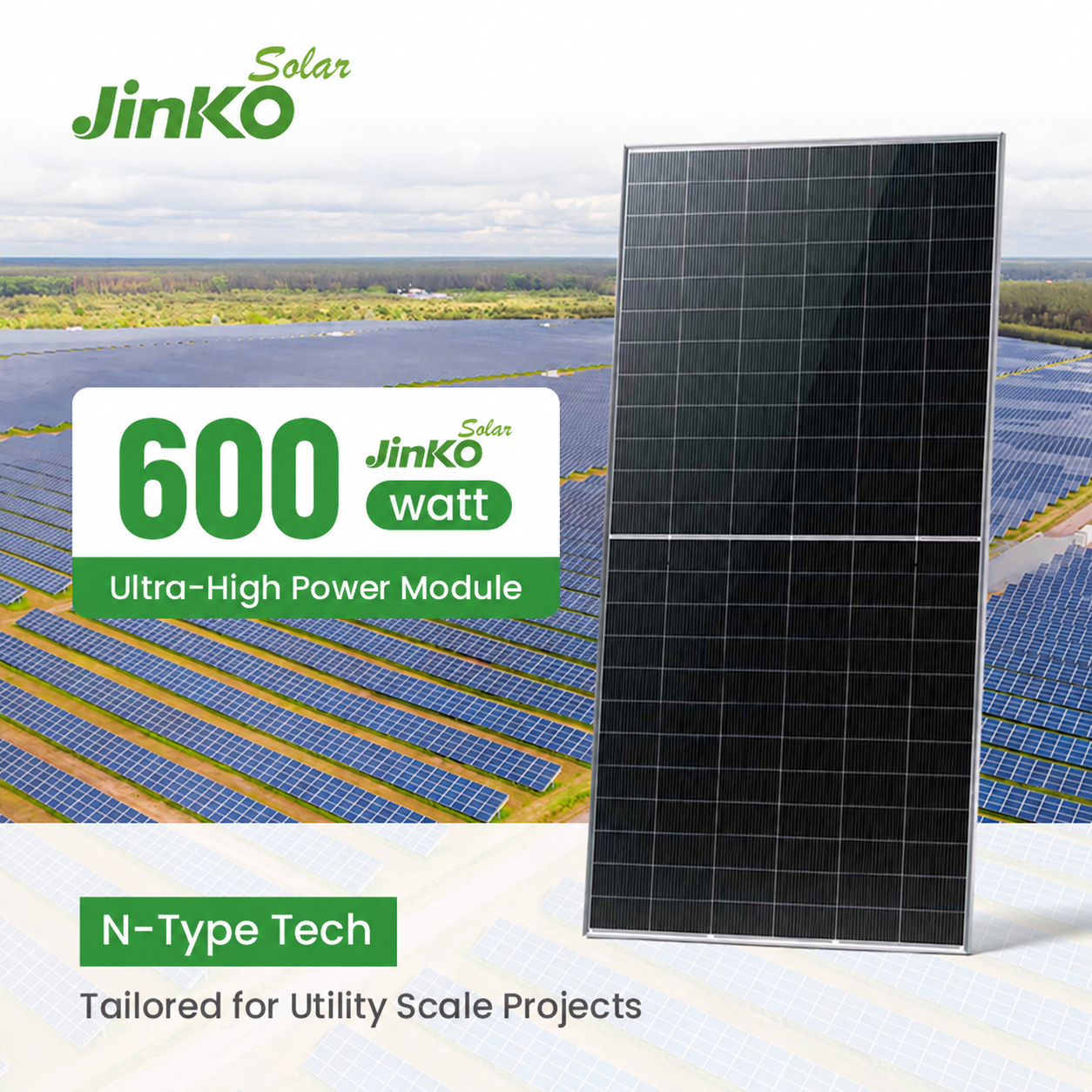
Jinko Pv Panels Wholesale 600w 580W 590W Bifacial Dual Glass Monocrystalline Solar Module
Ultra-efficient SMBB half-cut cell layout optimized for agricultural ground-mount and winery rooftop installations across the Casablanca Valley.
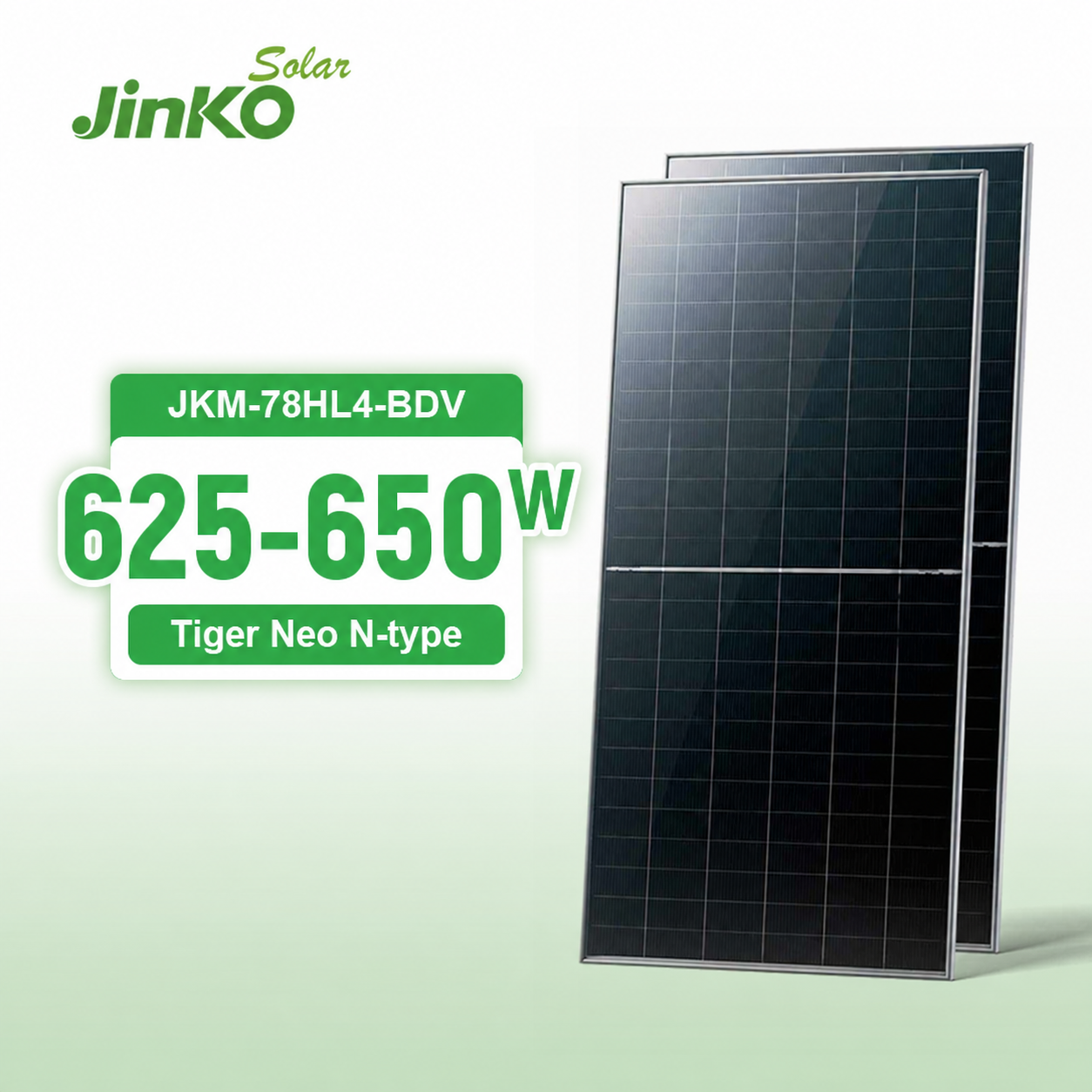
Jinko N Type Bifacial Solar Modules 650W 630W 640W Dual Glass Photovoltaic Panel for Industrial
High-output commercial modules designed for coastal cold-chain facilities in San Antonio and logistics warehouses in Placilla de Peñuelas.
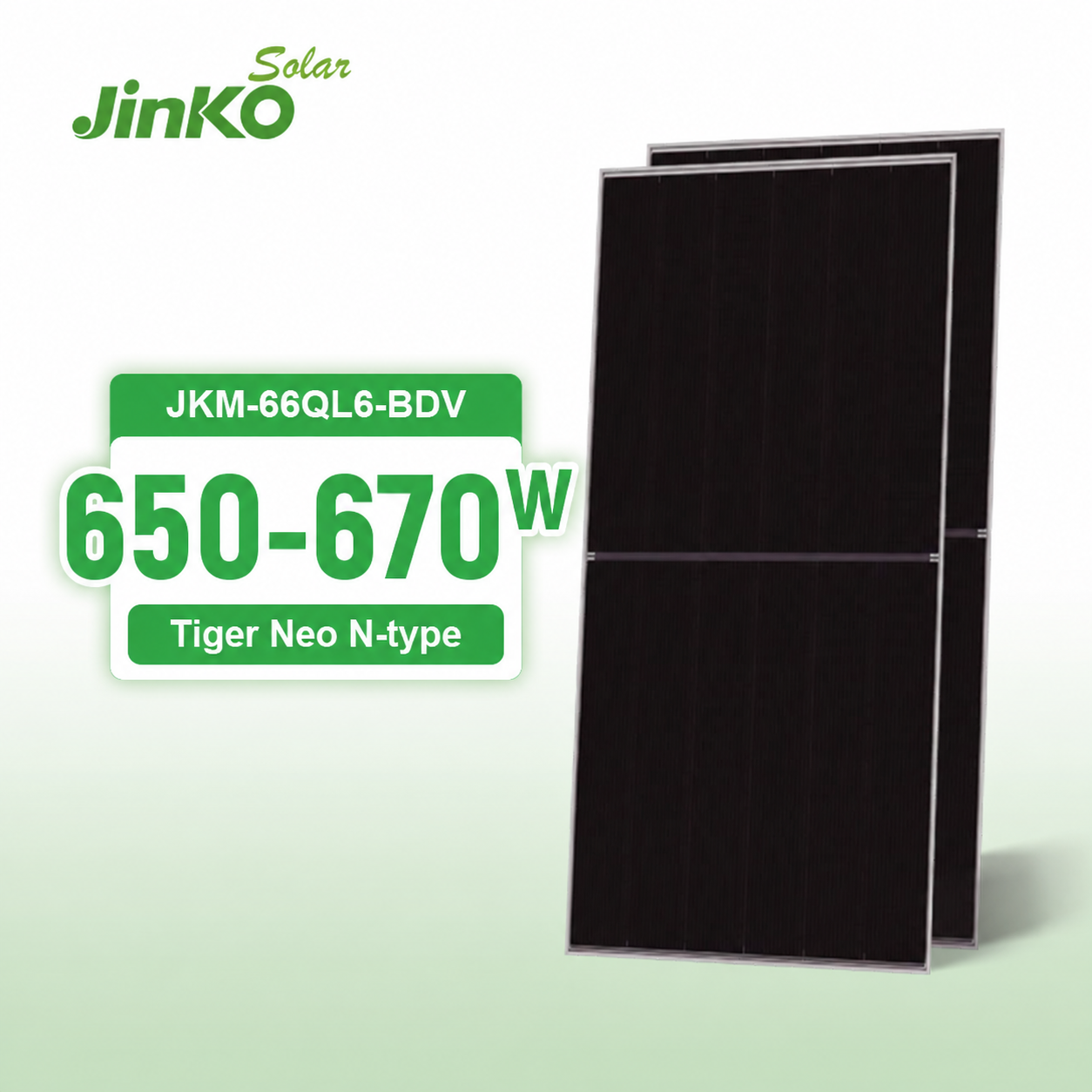
Jinko Bifacial Panneau Solaire 650 w 650W 660W 670W Dual Glass Monocrystalline Solar Module for Rooftop
Enhanced dual-glass barrier prevents microcracking and coastal moisture ingress across rooftop arrays in Concón, Quilpué, and Villa Alemana.
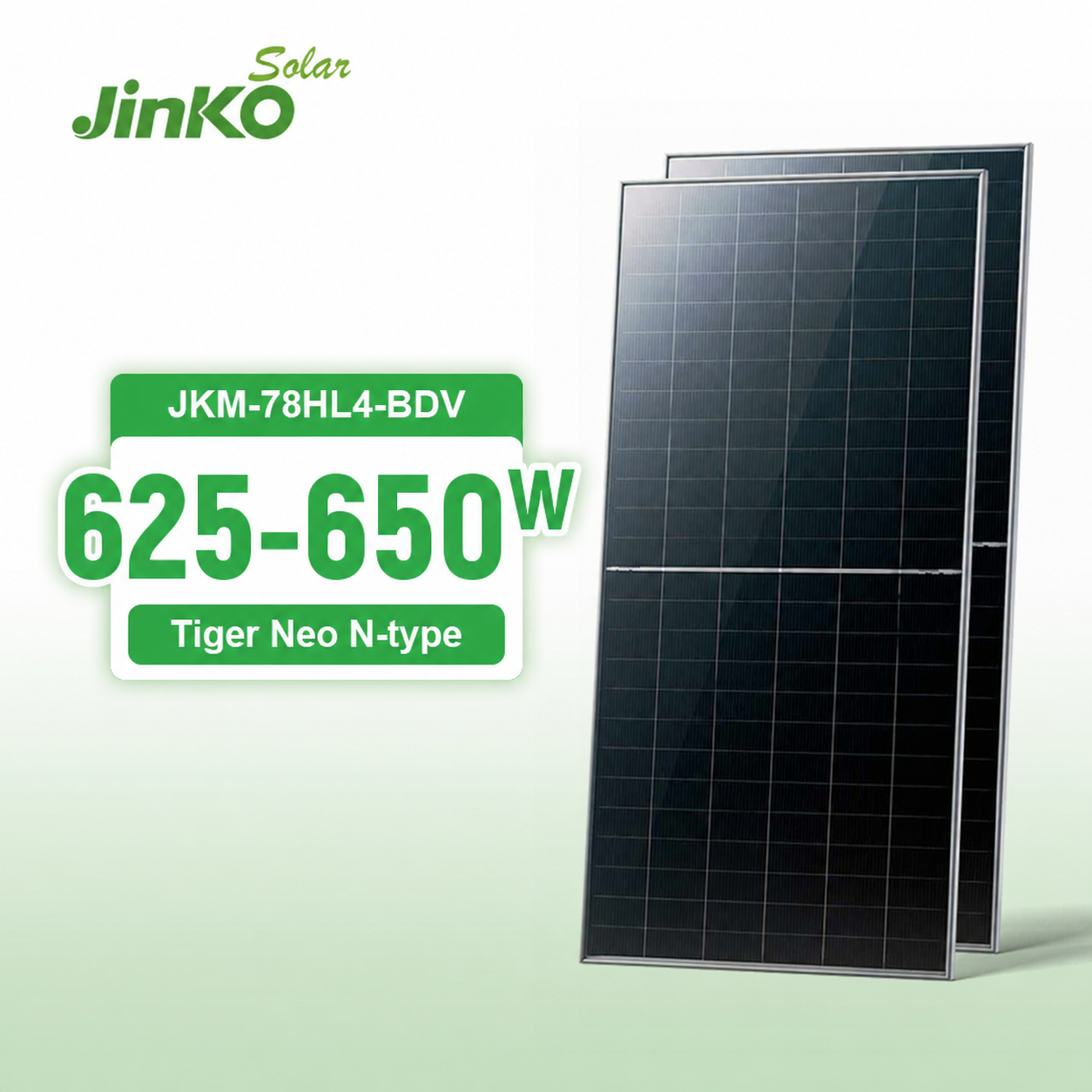
Jinko N Type Bifacial Pv Panels 650W 630W 645W Double Glass High Efficiency Solar Module for House Roof
Architectural-grade double glass modules for residential Net Billing 20.571 systems in Viña del Mar, Reñaca, and Maitencillo beachfront villas.
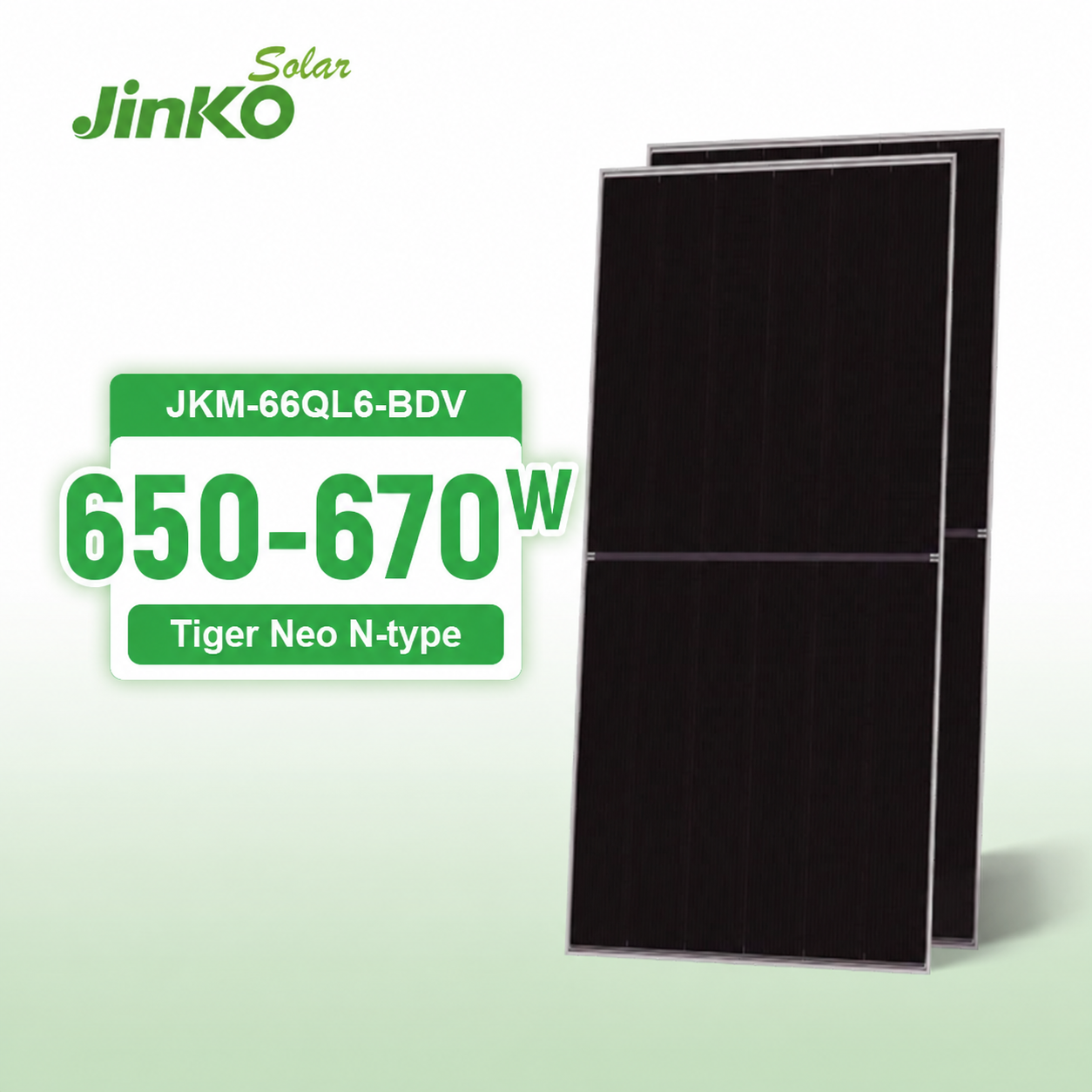
Jinko N Type 650W 660W 670W Wholesale TOPCon Bifacial Photovoltaic Module for Commercial
High-power density module for distributed generation (PMGD) parks and industrial self-consumption arrays across the Aconcagua river corridor.
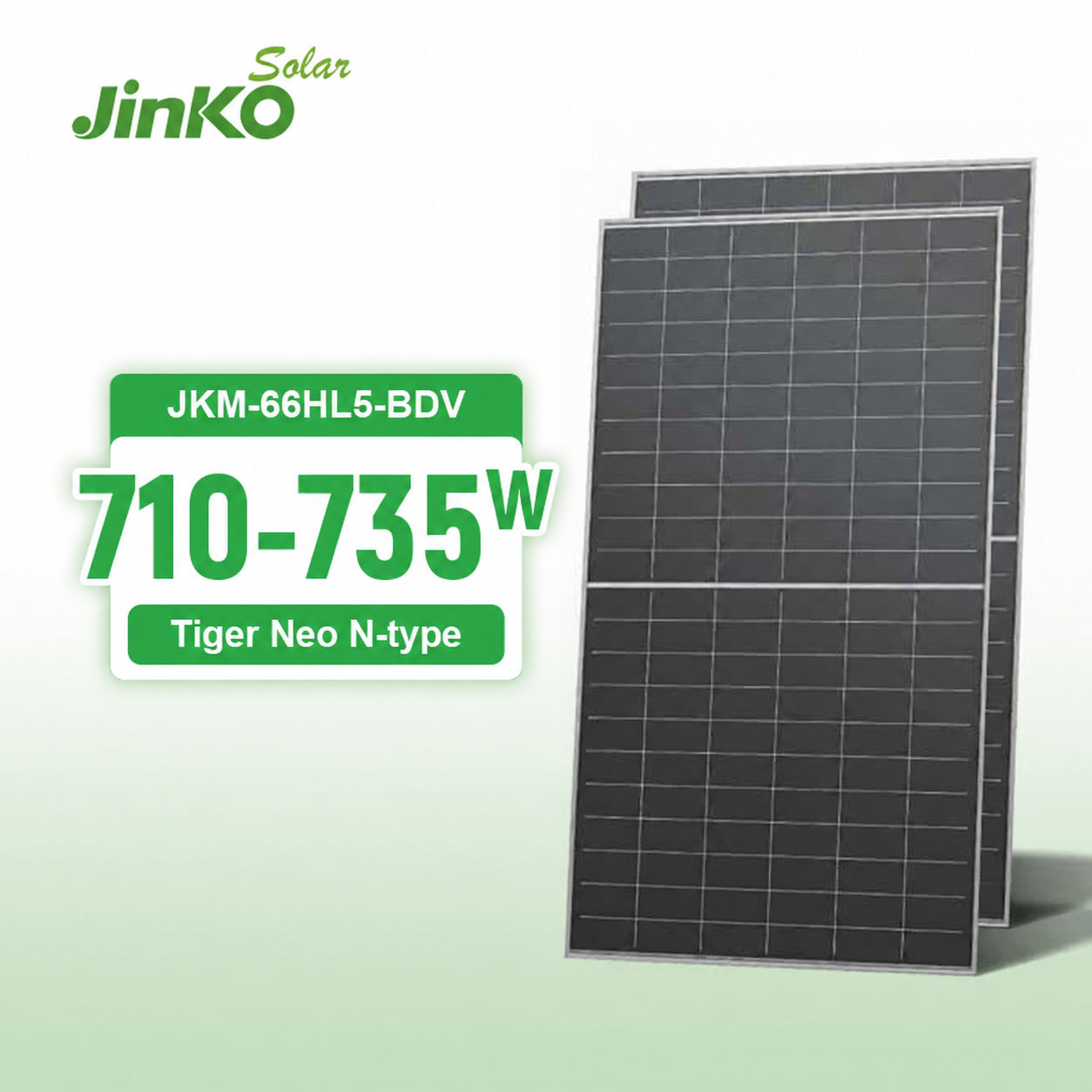
Jinko N Type Bifacial Pv Solar Panels 720W 710W 715W Dual Glass Industrial Photovoltaic Panneau Solaire
700W+ utility powerhouse designed to minimize Balance of System (BOS) tracker and cabling costs in central Chile ground-mount PV plants.
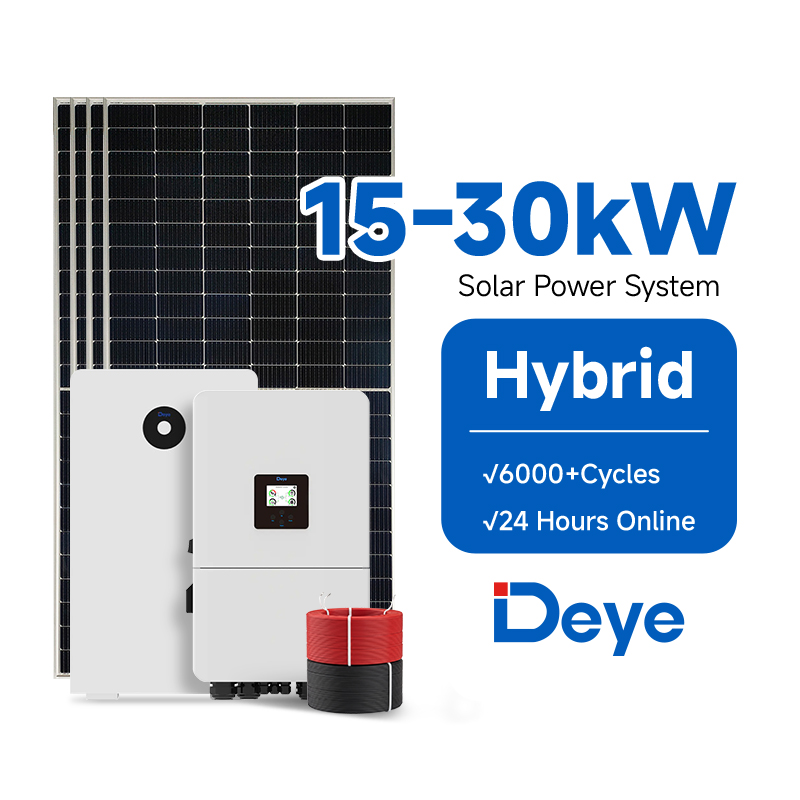
Low DC Voltage Battery Support Deye Hybrid Inverter ESS 5kw 10kw 15kw 20kw 30kw Mounting System
Integrated 48V/51.2V LiFePO4 storage pairing with Deye hybrid inverters. Tested protocols eliminate BMS commissioning delays on Chilean jobsites.
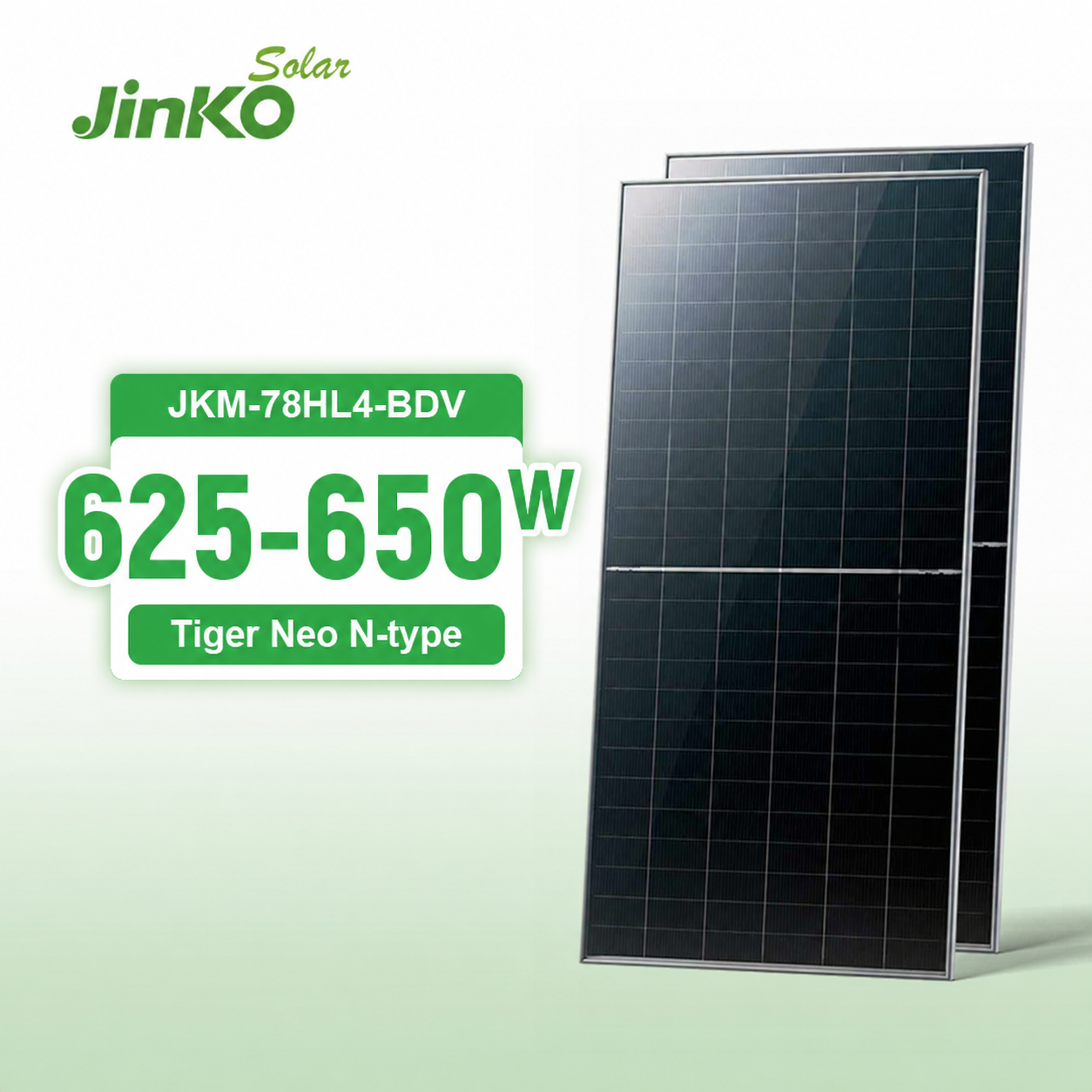
Jinko Bifacial Pv Panels 630W 640W 635W Dual Glass Panneau Solaire Monocrystalline Solar Module for Rooftop
Optimized current characteristics engineered for high-string-inverter MPPT loading, ideal for factory rooftops and winery irrigation arrays.
Solar Cell Manufacturing Engineering & Sourcing for the Valparaíso Region
The Valparaíso Region (Región de Valparaíso, V Región) occupies an exceptional energetic position in Chile’s transition toward carbon neutrality. Characterized by high solar irradiation levels ranging between 1,850 and 2,250 kWh/m² Global Horizontal Irradiance (GHI) per annum, the region bridges central agricultural valleys (Casablanca, Quillota, San Felipe, Los Andes) with major maritime ports and coastal industrial corridors (Valparaíso, San Antonio, Concón, Quintero-Puchuncaví).
However, procuring solar cells and photovoltaic modules for Valparaíso requires navigating stringent microclimate conditions. Unlike the hyper-arid Atacama desert in Chile’s north, coastal Valparaíso presents persistent marine layer fog (camanchaca), elevated relative humidity (frequently exceeding 80%), and airborne marine salinity containing aggressive sodium chloride ions. Photovoltaic installations within 20 kilometers of the Pacific shoreline face rapid electrochemical degradation if standard polymer backsheet modules are deployed.
This whitepaper provides Chilean engineering, procurement, and construction (EPC) contractors, commercial installers, and project financiers with actionable intelligence on module architecture, cell chemistry, inverter matching, and maritime supply chain mechanics directly linked to the ports of Valparaíso and San Antonio.
Valparaíso Environmental & Grid Compliance Matrix
Every photovoltaic module imported for commercial, industrial, or Net Billing deployment in central Chile must satisfy specific environmental benchmarks:
- Marine Salinity Resistance: Verified IEC 61701 Severity 6 certification ensures zero frame corrosion and bypass diode housing integrity under heavy salt-spray mist.
- Dual-Glass Moisture Impermeability: 2.0mm+2.0mm heat-strengthened glass completely prevents water vapor transmission (WVTR = 0 g/m²/day), eliminating Potential Induced Degradation (PID).
- SEC Regulatory Approval: Superintendencia de Electricidad y Combustibles (SEC) compliance protocols mandated under Chilean Law 20.571 (Net Billing) and PMGD distributed generation frameworks.
- Seismic Structural Tolerance: Robust 35mm anodized aluminum frames engineered to withstand Chilean seismic displacement loads and Pacific wind gusts up to 2400 Pa.
Localized Application Scenarios Across Valparaíso Province
Custom photovoltaic and storage system integrations tailored to the agricultural valleys, commercial logistics hubs, and coastal industrial zones of the V Región.
1. Agro-PV & Irrigation in Casablanca & Quillota
Agricultural estates across the Casablanca and Quillota Valleys depend heavily on groundwater pumping and temperature-controlled storage for wine, avocados, and export fruits. Drought conditions have spiked diesel and grid pumping costs.
- System Profile: Deye 15kW–30kW hybrid inverters paired with 48V/51.2V LFP rack batteries and 600W–650W TOPCon bifacial modules.
- Albedo Yield Gain: 12% to 18% additional rear-side bifacial yield from reflective agricultural gravel and sandy-loam soils.
- Operational ROI: Eliminates runtime on expensive diesel generators during peak daytime agricultural irrigation cycles.
2. Maritime Port Logistics & Cold Storage
Puerto de Valparaíso and Puerto San Antonio handle over 50% of Chile's containerized freight. Massive cold storage depots and container yards consume gigawatt-hours maintaining refrigerated cargo for international export.
- System Profile: Rooftop-mounted 650W–670W dual-glass N-Type panels with anti-saline sealed junction boxes and high-capacity commercial ESS.
- Salt Fog Defense: Dual 2.0mm glass construction eliminates backsheet degradation caused by coastal moisture and ambient SOx/NOx exhaust gases.
- Demand Shaving: LFP battery systems discharge during peak tariff hours (Horas Punta), slashing monthly utility capacity fees by up to 45%.
3. PMGD Utility-Scale Distributed Generation
Chile's Small Distributed Generation Means (Pequeños Medios de Generación Distribuida, PMGD) regime offers stabilized pricing (Precio Estabilizado) for solar farms up to 9 MW connected to the central National Electric System (SEN).
- System Profile: 710W–720W ultra-high power N-Type bifacial modules mounted on single-axis horizontal solar trackers.
- BOS Optimization: 210mm wafer architecture lowers tracker pile counts, trenching volume, and string cabling by approximately 3.8%.
- BESS Retrofit: Facilitates DC-coupled and AC-coupled LiFePO4 battery integration to mitigate curtailment risks on congested transmission nodes.
Technical Specification Matrix: Solar PV Modules for Valparaíso
Comparative engineering metrics evaluating cell technology, environmental resilience ratings, and local application compatibility.
| Series & Model | Cell Architecture | Power Output (W) | Bifaciality / Efficiency | Temp. Coeff. (Pmax) | Corrosion & Salt Mist | Valparaíso Application |
|---|---|---|---|---|---|---|
| Jinko Tiger Neo 600W | N-Type TOPCon 182mm | 580W - 600W | 80% ± 5% | 22.8% | -0.29% / °C | IEC 61701 Severity 6 | Wineries / Agro-PV |
| Jinko Dual Glass 650W | N-Type TOPCon SMBB | 630W - 650W | 80% ± 5% | 22.3% | -0.30% / °C | IEC 61701 & IEC 62716 | Port Logistics / C&I |
| Jinko Bifacial 670W | N-Type TOPCon 182R | 650W - 670W | 85% Max | 22.56% | -0.29% / °C | Salt Fog / Ammonia Pass | Commercial Rooftops |
| Jinko Tiger Neo 720W | N-Type 210mm Giga-Cell | 710W - 720W | 80% ± 5% | 22.53% | -0.29% / °C | Full Marine Certification | PMGD Utility Farms |
| Deye Hybrid ESS Kit | Single/3-Phase + LFP | 5kW - 30kW AC | 97.6% Inverter Eff. | Operating -25°C to +60°C | IP65 Enclosure Outdoor | Net Billing / Off-Grid |
Valparaíso Photovoltaic Market Trends (2025–2030)
Understanding the regulatory drivers, grid challenges, and battery storage mandates reshaping solar energy investments across central Chile.
1. Net Billing Expansion (Ley 21.118 & Ley 20.571)
Chile's Net Billing law permits residential and commercial consumers with installed capacities up to 300 kW to inject surplus clean generation into the distribution grid, receiving economic credits applied to their monthly electricity tariffs. In cities like Viña del Mar, Concón, and Valparaíso, residential power tariffs have risen sharply due to distribution infrastructure updates and systemic fuel adjustments.
Consequently, industrial factories, schools, and agribusinesses are moving en masse toward commercial Net Billing systems. Selecting SEC-registered N-Type dual-glass panels ensures that project engineering plans pass distributor inspection (Chilquinta, CGE) without delays or technical objections.
2. BESS Storage Mandates & Transmission Curtailment
Due to transmission bottlenecks along the 500 kV Polpaico–Cardones corridor, solar plants in central-northern Chile frequently encounter localized curtailment (vertimiento) during midday peak sun hours. The Chilean Ministry of Energy and CNE (Comisión Nacional de Energía) have expedited regulatory frameworks promoting paired Battery Energy Storage Systems (BESS).
For PMGD developers and commercial self-consumers in Valparaíso, co-locating solar modules with LiFePO4 lithium batteries and hybrid inverters like Deye’s low-voltage and high-voltage platforms has evolved from an option into a financial imperative, shifting midday solar production into lucrative evening peak tariff windows.
Why Chilean EPCs Partner with VOLT New Energy
Hangzhou VOLT New Energy Technology Co., Ltd. eliminates international supply chain risks through pre-shipment compatibility verification, Tier-1 manufacturing partnerships, and seamless maritime logistics.
Zero-Fault BMS & Inverter Matching
Every battery bank and Deye hybrid inverter is connected, tested, and flashed with matching CAN/RS485 firmware protocols in our facility before containerization, eliminating on-site communication faults.
Full SEC & International Certification
Our products are manufactured in ISO 9001/14001 facilities and accompanied by authentic IEC 61215, IEC 61730, IEC 61701 (Salt Mist), IEC 62619, and UN38.3 test documentation ready for SEC submission in Chile.
Direct Maritime Sea Freight to Valparaíso
Consolidated mixed-load FCL shipments direct from Ningbo or Shanghai port directly to Puerto de Valparaíso and Puerto San Antonio, combining solar panels, hybrid inverters, batteries, and mounting hardware.
Dedicated B2B Engineering Support
Our engineering division assists EPCs and project planners with PVSyst string sizing simulations, battery autonomy modeling, single-line wiring diagrams, and rapid 24-hour bilingual technical assistance.
B2B Procurement FAQ: Valparaíso & Chilean Importers
Direct answers to the most critical technical, customs, regulatory, and warranty questions asked by solar project developers and distributors in Chile.
Are your solar panels and inverters certified by SEC Chile for Net Billing grid-tie interconnection?
Why is dual-glass N-Type TOPCon technology critical for coastal Valparaíso installations?
What shipping options, lead times, and customs documentation apply for Puerto de Valparaíso?
How do you guarantee pre-shipment compatibility between Deye inverters and LiFePO4 batteries?
Can Chilean clients consolidate solar panels, inverters, and battery storage in a single container?
What are the warranty claim protocols and long-term technical support mechanisms?
Accelerate Your Valparaíso Solar Projects with Direct Manufacturer Support
Whether you are planning an agro-photovoltaic irrigation plant in the Casablanca Valley, a port logistics cold-chain rooftop in San Antonio, or a multi-megawatt PMGD project, our engineering team is ready to deliver customized Bill of Materials sizing, verified compatibility reports, and direct CIF port pricing.