High-Efficiency Generation & Storage Products for Paysandú
Pre-engineered photovoltaic modules and scalable battery hardware configured for reliable microgrid deployment in littoral Uruguay.
The Strategic Role of Rack Mount LiFePO4 Energy Storage in Paysandú's Electrical Transformation
The Department of Paysandú stands as an indispensable economic engine within Uruguay’s western littoral region. Strategically bordering the Río Uruguay and serving as a gateway for river freight, citrus agro-processing, extensive forestry, brewing (malting operations), and cold-chain storage logistics, Paysandú faces a unique power landscape. While the national transmission network under Administración Nacional de Usinas y Trasmisiones Eléctricas (UTE) boasts significant renewable generation from hydro and wind, industrial and commercial consumers in Paysandú grapple with aggressive multi-tier pricing structures (such as the Tarifa Gran Consumidor and Tarifa Triple Horario), localized transmission constraints along rural feeders, and transient grid voltage fluctuations.
For engineering, procurement, and construction (EPC) contractors and plant directors in Paysandú, transitioning away from legacy lead-acid banks and costly diesel gensets is no longer merely an ecological preference—it is a rigorous financial and operational mandate. Rack Mount Lithium Iron Phosphate (LiFePO4 / LFP) energy storage architectures present the definitive engineering response. Configured in standardized 19-inch sub-racks (typically 3U or 4U form factors), these modular battery systems deliver superior volumetric energy density, intrinsically safe olivine crystal stability, and deep, daily thermal resilience capable of withstanding the high ambient summer temperatures characteristic of the Río Negro and Paysandú river basins.
Chemical Architecture: Why Prismatic LiFePO4 Outperforms Competing Chemistries
The lithium iron phosphate (LiFePO4) chemistry utilized in VOLT New Energy’s rack mount modules features covalent phosphorus-oxygen (P-O) bonding within an octahedral lattice structure. Unlike NMC (Nickel Manganese Cobalt) or traditional lead-acid/GEL batteries, the cathode bonds do not release oxygen under high operating temperatures (up to 270°C thermal runaway threshold), virtually eliminating the risk of internal thermal runaway. In agricultural packing warehouses and industrial processing plants along Paysandú's Avenida Salto and Ruta 3 corridors, fire safety and operational continuity are uncompromising priorities.
Furthermore, our grade-A prismatic cells deliver an operational cycle life exceeding 6,000 cycles at 80% Depth of Discharge (DoD) and 0.5C charging/discharging rates. When operated against UTE’s daily peak tariff window (typically 18:00 to 22:00 in peak season), a well-engineered 51.2V 100Ah or 200Ah rack module system pays for itself within 3.2 to 4.5 years via demand charge clipping (shaving) and self-consumption optimization of daytime solar generation.
Standardized Specifications: 48V/51.2V Rack Mount Form Factors
Modular scalability allows Paysandú enterprise facilities to deploy storage incrementally without structural modifications or costly plant downtime:
| System Parameter | Standard 48V / 51.2V 100Ah Module | Heavy-Duty 51.2V 200Ah Module | Multi-Cabinet Industrial Array |
|---|---|---|---|
| Nominal Energy Storage | 4.80 kWh / 5.12 kWh | 10.24 kWh | 81.92 kWh to 163.84 kWh per Rack |
| Form Factor / Chassis | 19" Rack Mount Standard (3U Form) | 19" Heavy-Duty Enclosure (4U/5U) | Custom Outdoor IP54 / IP65 Cubicle |
| Usable Capacity (@ 90% DoD) | 4.60 kWh | 9.21 kWh | Scalable to 1.2 MWh via Combiner |
| Communication Protocols | CAN 2.0B, RS485 (Dual Bus), RS232 | CAN 2.0B, RS485, Modbus RTU / TCP | Fiber/Ethernet Gateway to SCADA |
| Inverter Interoperability | Deye, Antofo, Victron, Growatt | Deye Hybrid, Antofo Industrial | Utility-Scale 3-Phase PCS Units |
| Cooling & Thermal Management | Natural Convection / Aluminum Heat Sink | Intelligent Low-Noise Forced Air | Active HVAC Closed-Loop Thermal Control |
| Safety Certifications | IEC 62619, CE, UN38.3, UL1973 ready | IEC 62619, CE, UN38.3, MSDS | IEC 62619, CE, UN38.3 Class 9 DG |
High-Impact LiFePO4 Storage Applications Across Paysandú
Engineered to resolve real-world grid constraints, high tariff structures, and off-grid operational demands across western Uruguay.
Agro-Industrial Peak Shaving (UTE Horario Punta)
Paysandú’s citrus processing facilities, dairies, and grain silos incur extreme demand fees during UTE peak hours (18:00–22:00). High-capacity rack mount LiFePO4 banks discharge automatically during these hours, lowering contract demand tier limits and reducing utility overhead by up to 40%.
Cold Storage & Food Processing Microgrids
Sudden feeder dropouts along rural routes outside Paysandú risk catastrophic inventory spoilage in refrigerated packing houses. Paired with Deye 3-phase hybrid inverters, our 51.2V rack systems execute millisecond-level UPS transfers, preserving compressor operation without line transients.
Off-Grid Estancias & Forestry Operations
Remote cattle breeding estancias and eucalyptus forestry concessions in Guichón, Tambores, and inland Paysandú rely on unstable single-wire earth return (SWER) networks. High-cycle LiFePO4 sub-racks buffer bifacial solar generation, reducing generator diesel consumption to near zero.
Telecom Base Stations & Municipal Nodes
Replacing toxic, aging 2V lead-acid cells in 19-inch telecommunications enclosures across Paysandú with 48V LiFePO4 modules. The compact 3U chassis triples runtime within existing footprints and provides cloud-linked RS485/CAN telemetry for remote state-of-health tracking.
Navigating Uruguay’s Energy Transition: The Regulatory Landscape for Paysandú
Uruguay has achieved global recognition for generating over 95% of its electricity from renewable sources, primarily via wind and hydroelectric dams on the Río Negro and Río Uruguay (such as Salto Grande just upstream from Paysandú). However, high renewable generation brings transmission curtailments and steep retail tariff schedules for medium-to-large business consumers. In response, national energy policy has evolved through decrees governing microgeneration (Decreto 173/010 and subsequent modernization frameworks), establishing clear pathways for self-consumption with battery energy storage systems (BESS).
Key regulatory and commercial drivers compelling Paysandú companies to invest in rack mount LiFePO4 battery banks include:
- UTE Tariff Arbitrage Optimization: Uruguay operates sophisticated multi-hourly tariffs where the cost per kilowatt-hour during Horario Punta can be more than triple the off-peak rate. Modern BMS architectures allow smart inverters like Deye to store off-peak or midday solar power and inject it during peak penalty windows automatically.
- Logistical Efficiency via South American Inland Waterways: Located along the navigable Río Uruguay, Paysandú benefits directly from multimodal logistics. Shipments consolidated in full containers (FCL) clear primary customs at the Port of Montevideo and move efficiently via national highways (Ruta 1 & Ruta 3) or barge to local bonded logistics yards, minimizing freight friction.
- Strict ESG and Corporate Decarbonization Mandates: Paysandú’s leading export sectors—including beef processors, citrus suppliers, and international pulp mills—operate under rigorous European and North American carbon audit standards. Eliminating diesel runtime through zero-emission LiFePO4 battery backup directly supports verified Scope 1 and Scope 2 emissions reduction quotas.
Why VOLT New Energy is Paysandú’s Trusted B2B Storage Partner
Engineering excellence, certified factory-level pre-commissioning, and seamless end-to-end dangerous goods export logistics.

Verified CAN/RS485 Protocol Handshake
Every rack mount battery module is connected to our test bank of Deye hybrid inverters before crating. We flash firmware, calibrate CAN address DIP switches, and confirm communications to prevent on-site BMS handshake errors.

Prismatic Grade-A Cell Sourcing
We build our modules exclusively using brand-new, factory-matched Grade-A prismatic LiFePO4 cells. Rigorous automated laser welding, cell impedance matching (≤0.05mΩ), and full charge-discharge cycling ensure uniform cell aging.

Complete Class 9 DG Shipping Compliance
Lithium battery customs clearance in Uruguay requires exact documentation. We provide verified UN38.3 test reports, full MSDS documentation, and custom timber crating to clear Montevideo maritime customs smoothly.

Direct Engineering & Sizing Support
Our engineering team provides comprehensive schematics, DC cable sizing calculations, and breaker selection guidance tailored to Paysandú project load profiles, guaranteeing safe installation and reliable long-term service.
Frequently Asked Questions for Paysandú Storage Procurement
Essential technical, commercial, and regulatory guidance for installers, EPCs, and procurement managers in Uruguay.
Q Are your rack mount batteries fully compatible with Deye hybrid inverters?
Yes. Our rack mount LiFePO4 batteries feature pre-programmed BMS firmware that supports native CAN and RS485 communication protocols used by Deye low-voltage (48V/51.2V) single-phase and three-phase hybrid inverters. When you set the inverter battery type to "Lithium" with protocol index 00 (Pylon/Deye standard), the inverter immediately reads real-time State of Charge (SOC), voltage, current limits, and individual cell temperatures without manual parameter guesswork.
Q How does LiFePO4 chemistry perform during hot Paysandú summers?
The interior of Uruguay experiences high summer temperatures, often exceeding 35°C to 38°C in Paysandú. Our rack mount chassis are designed with aluminum-extruded heatsinks, optimized spacing between prismatic cells, and smart active balancing BMS units. The BMS continuously monitors thermal sensors across cells and high-current busbars, automatically throttling charging currents if operating ceilings are reached to protect long-term lifespan.
Q What certifications are supplied for customs clearance in Montevideo and UTE filing?
Every commercial consignment ships with a comprehensive export compliance package. This includes verified UN38.3 test summaries, Material Safety Data Sheets (MSDS), CE declaration certificates, and IEC 62619 safety reports for industrial lithium secondary cells. These documents satisfy Uruguayan customs inspectors at Puerto de Montevideo as well as engineering documentation requirements requested by UTE during formal microgeneration filing.
Q How many modules can be connected in parallel without an external combiner?
Our standard rack mount 48V/51.2V units support up to 15 modules in parallel via direct daisy-chained RJ45 communication cables and master-slave DIP addressing. This configuration delivers up to 76.8 kWh (with 100Ah modules) or 153.6 kWh (with 200Ah modules) of storage capacity on a single communication bus. For larger commercial installations in Paysandú, we provide dedicated DC combiner boxes and master BMS gateways.
Q What is the lead time and shipping process to Paysandú, Uruguay?
Manufacturing and factory acceptance testing typically require 15 to 22 working days depending on order size. Ocean freight from Ningbo or Shanghai to the Port of Montevideo takes approximately 35 to 45 days. From Montevideo, standard bonded carriers transport containers directly via Ruta 3 to Paysandú within 24 to 48 hours following customs clearance. We offer both CIF Montevideo and Door-to-Door options with local clearing agents.
Q Can we mix Jinko solar panels and rack batteries in one consolidated container?
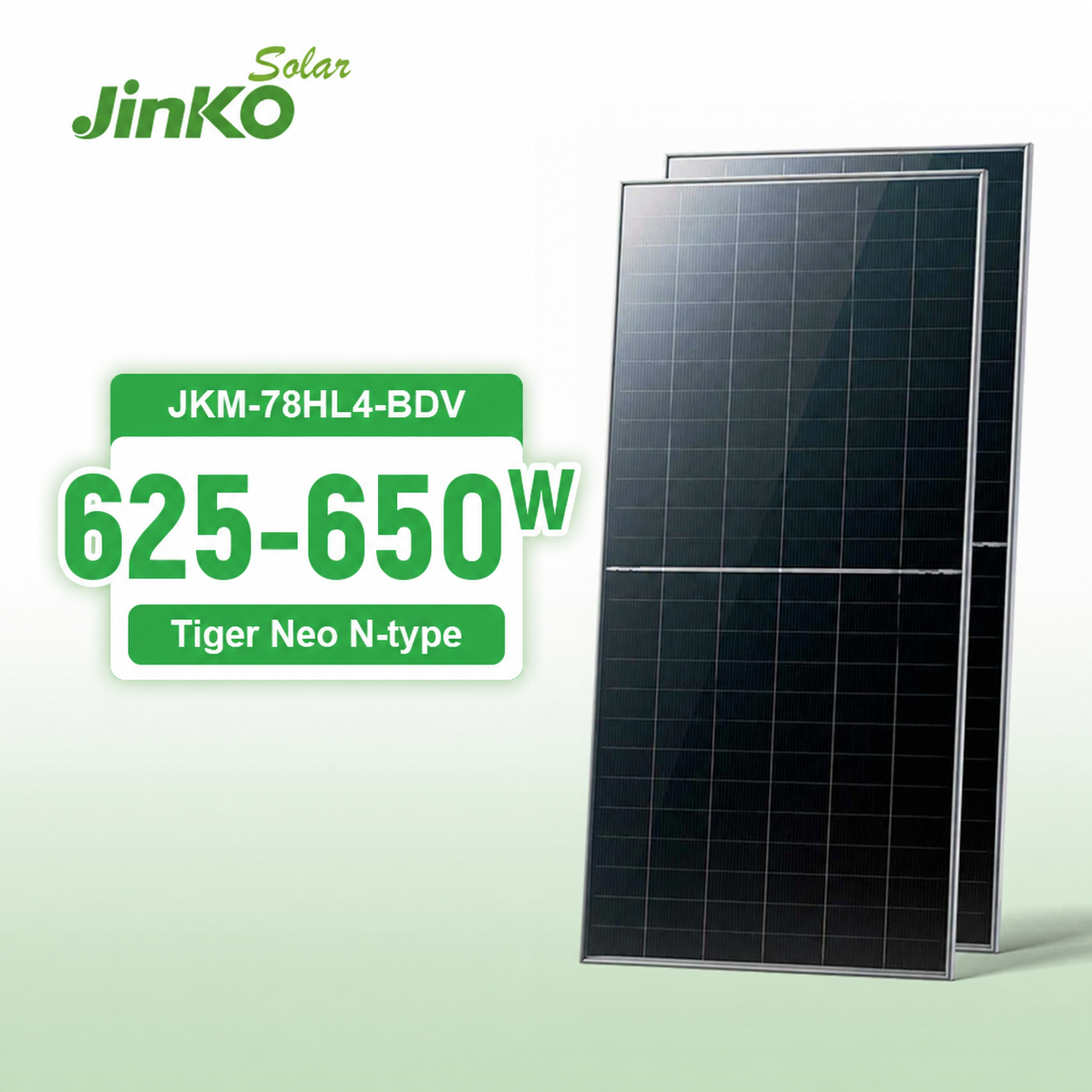
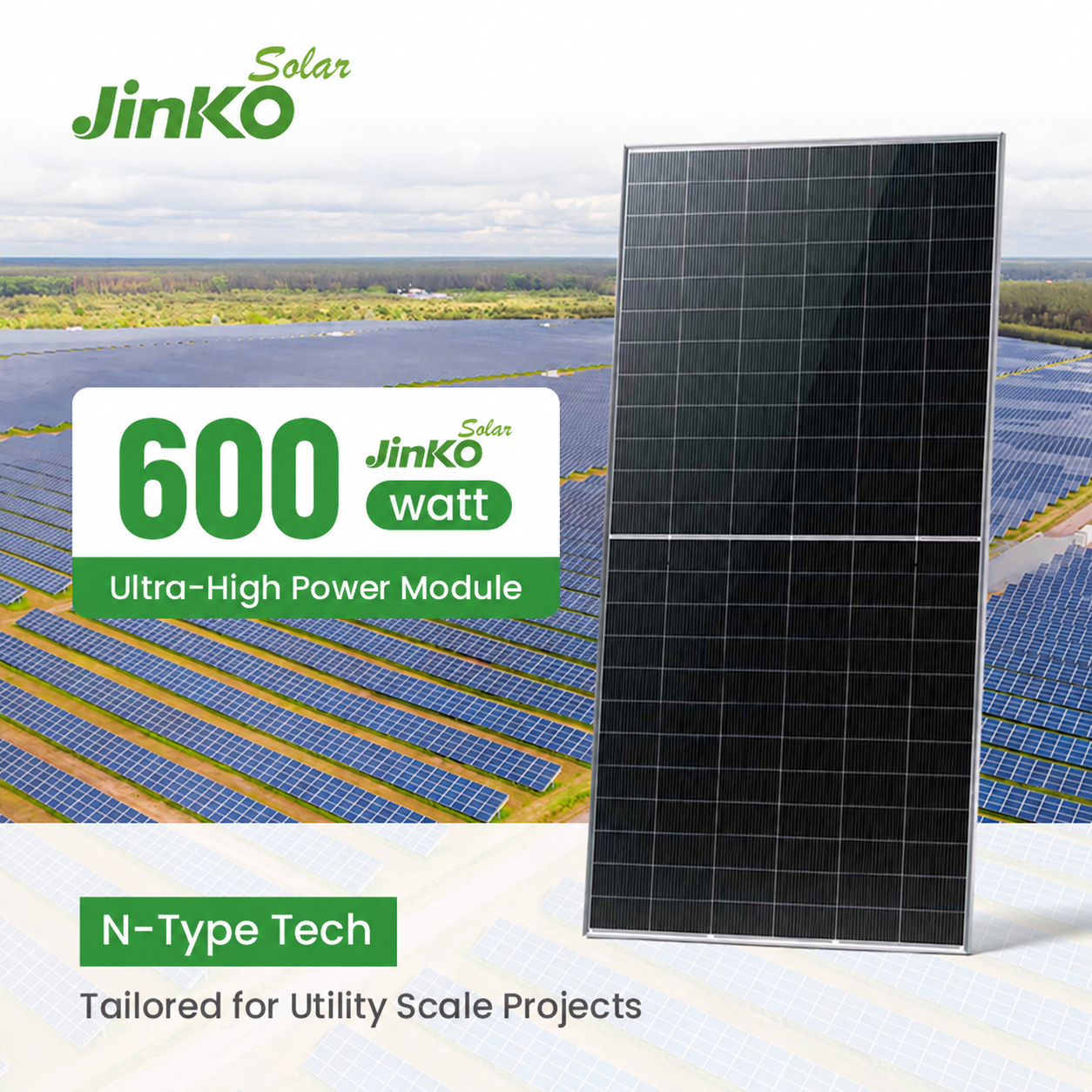
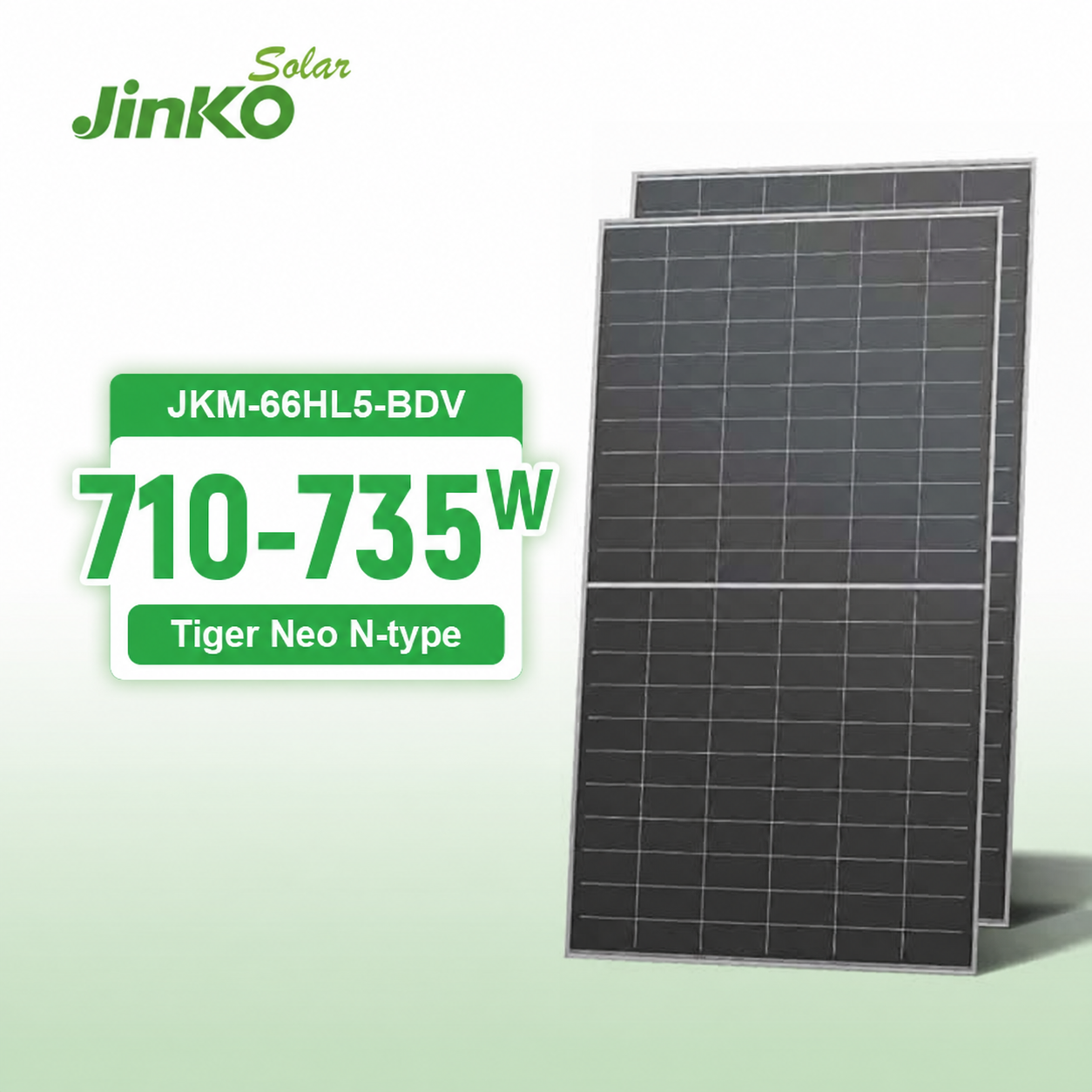
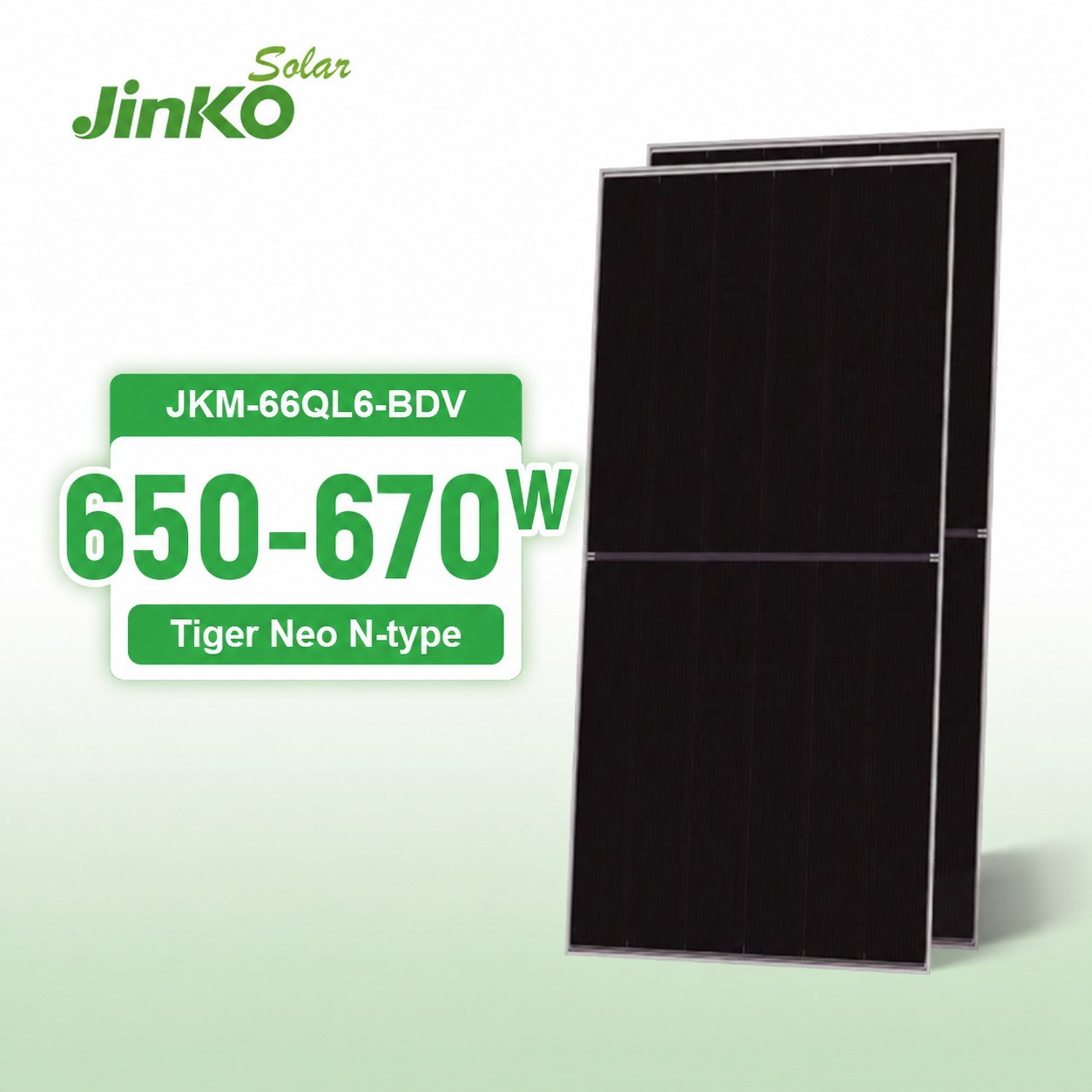
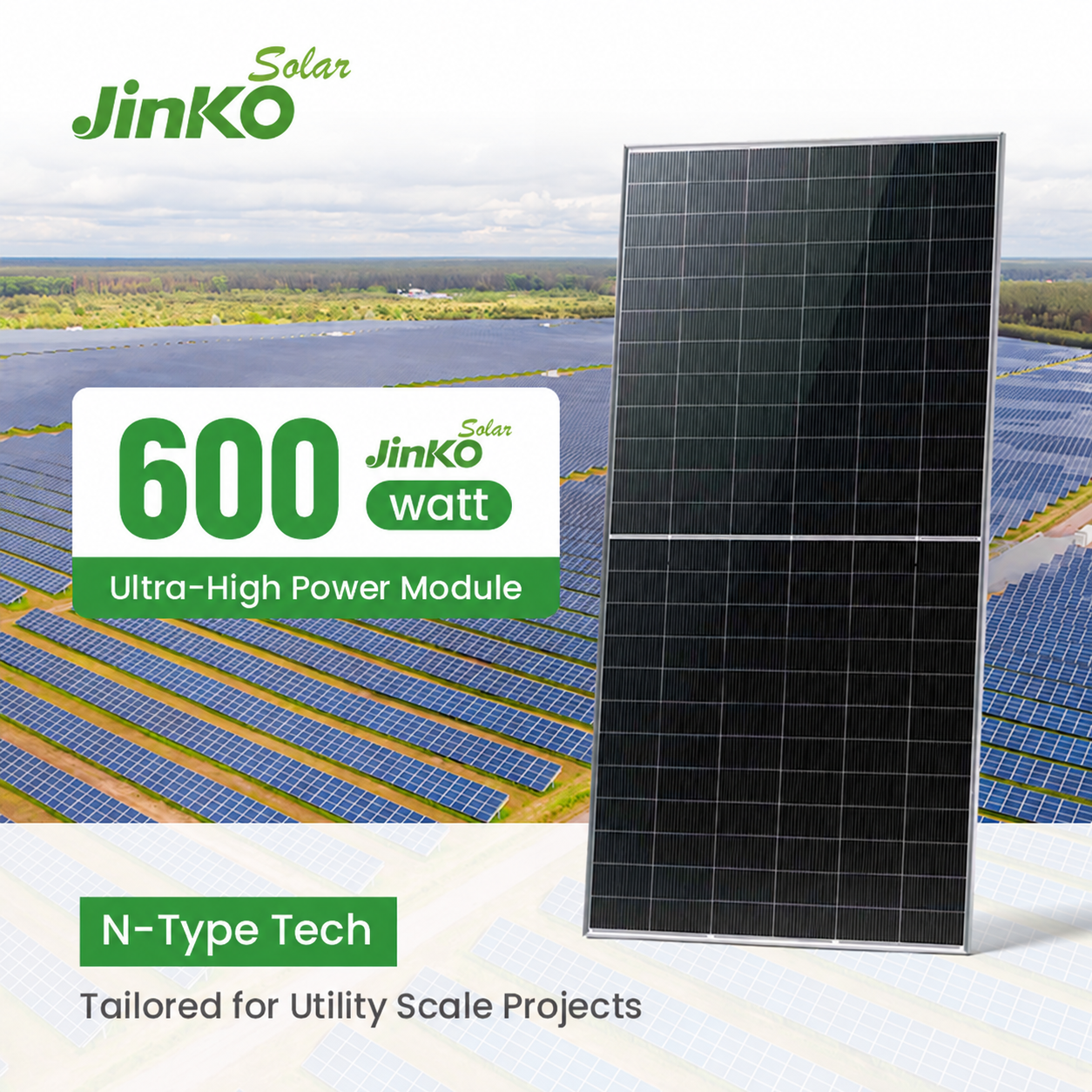
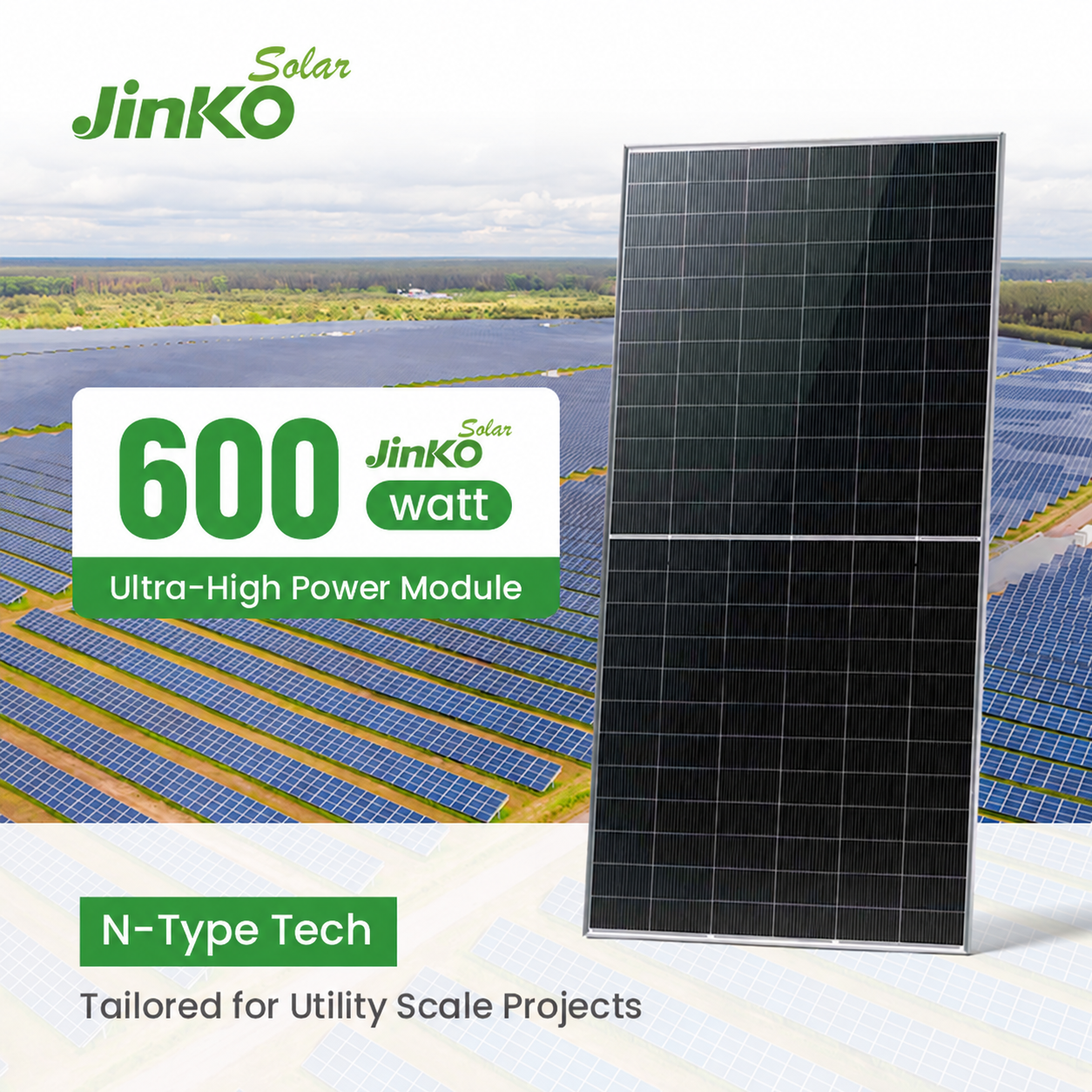
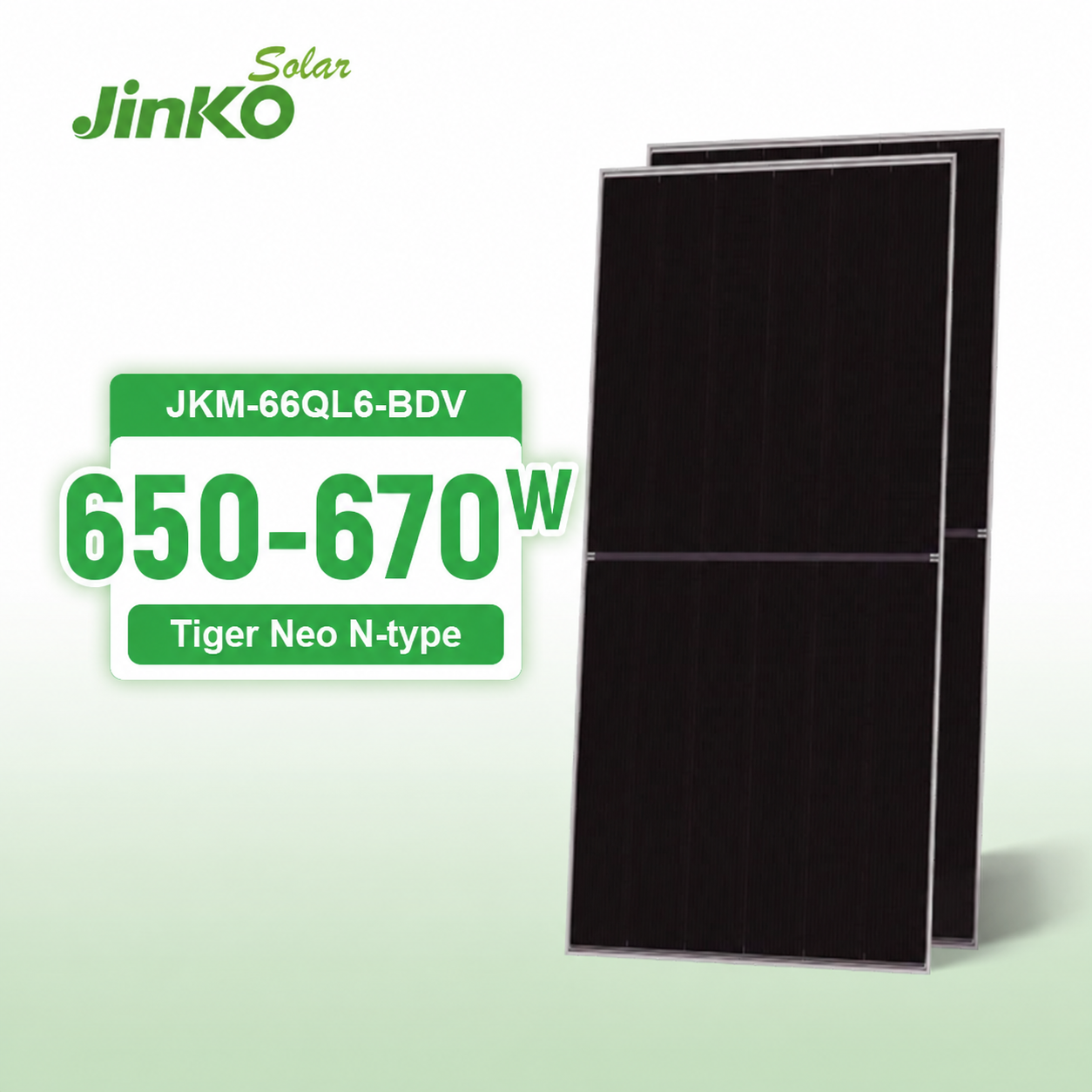
Yes, this is one of our key commercial advantages for Uruguayan EPCs and distributors. VOLT New Energy handles full consolidation. We can load Tier-1 Jinko N-Type bifacial solar panels, Deye hybrid inverters, 19-inch LiFePO4 rack modules, server cabinets, and pre-terminated solar cables into a single 20ft or 40ft HQ container under verified Class 9 Dangerous Goods handling rules, reducing shipping costs and import clearing fees.
Ready to Upgrade Your Commercial Energy Storage in Paysandú?
Consult with our engineering team today. Send us your daily kilowatt-hour load profile, desired backup duration, and target inverter system—our application engineers will return a complete, pre-tested, container-ready quotation within 24 hours.