High-Yield Energy Storage & Photovoltaic Generation Modules
Engineered for seamless integration with 48V/51.2V low-voltage battery banks, high-efficiency hybrid inverters, and Caribbean rooftop structural mounts. Discover our primary generation portfolio available for wholesale and EPC supply.
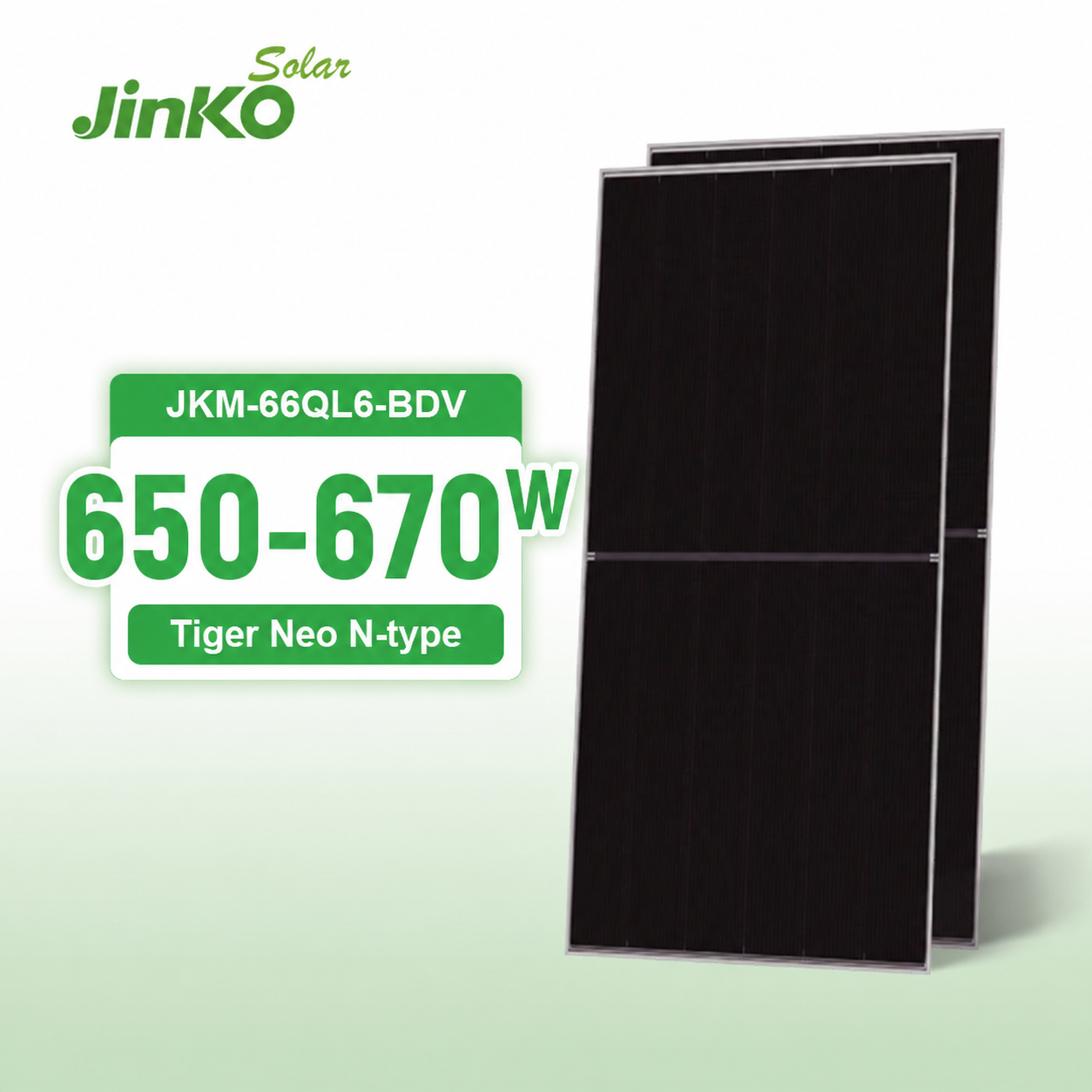
Jinko N Type Bifacial Pv Modules 650W 660W 670W Double Glass Solar Photovoltaic Panel for Commercial
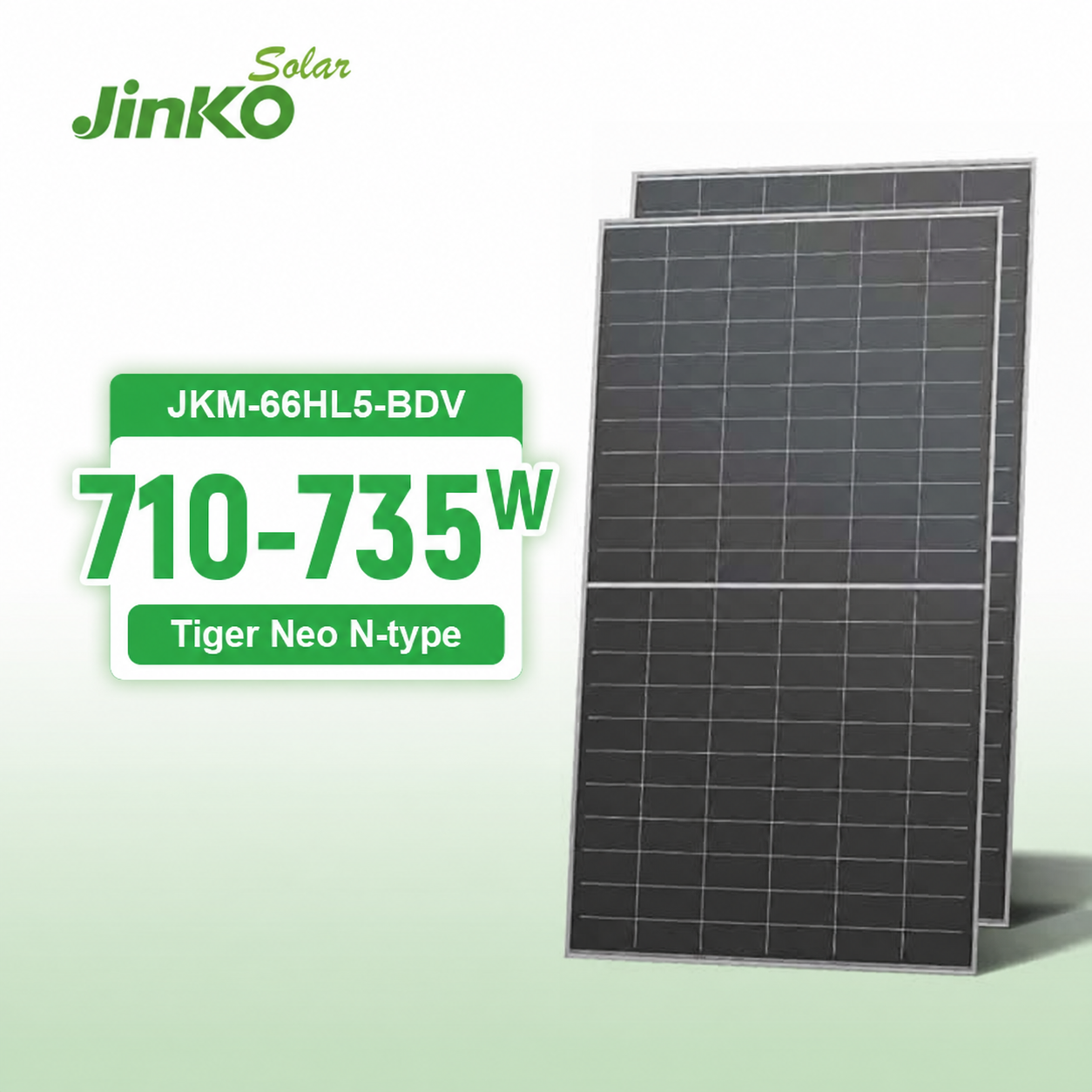
Jinko N Type Solar Panels 700W 710W 730W 725W Wholesale Price TOPCon Bifacial Photovoltaic Module for Commercial
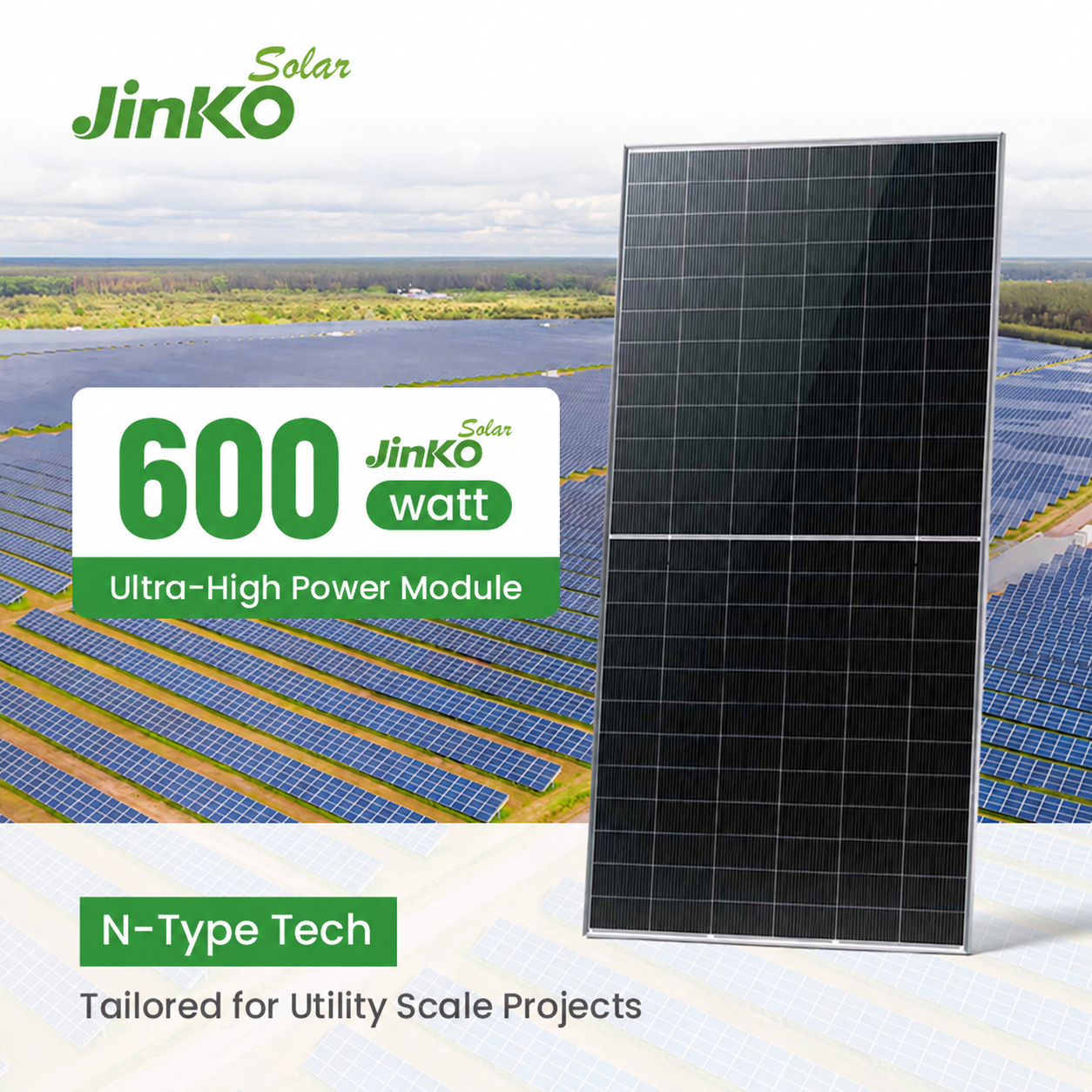
Jinko Pv Panels Wholesale 600w 580W 590W Bifacial Dual Glass Monocrystalline Solar Module
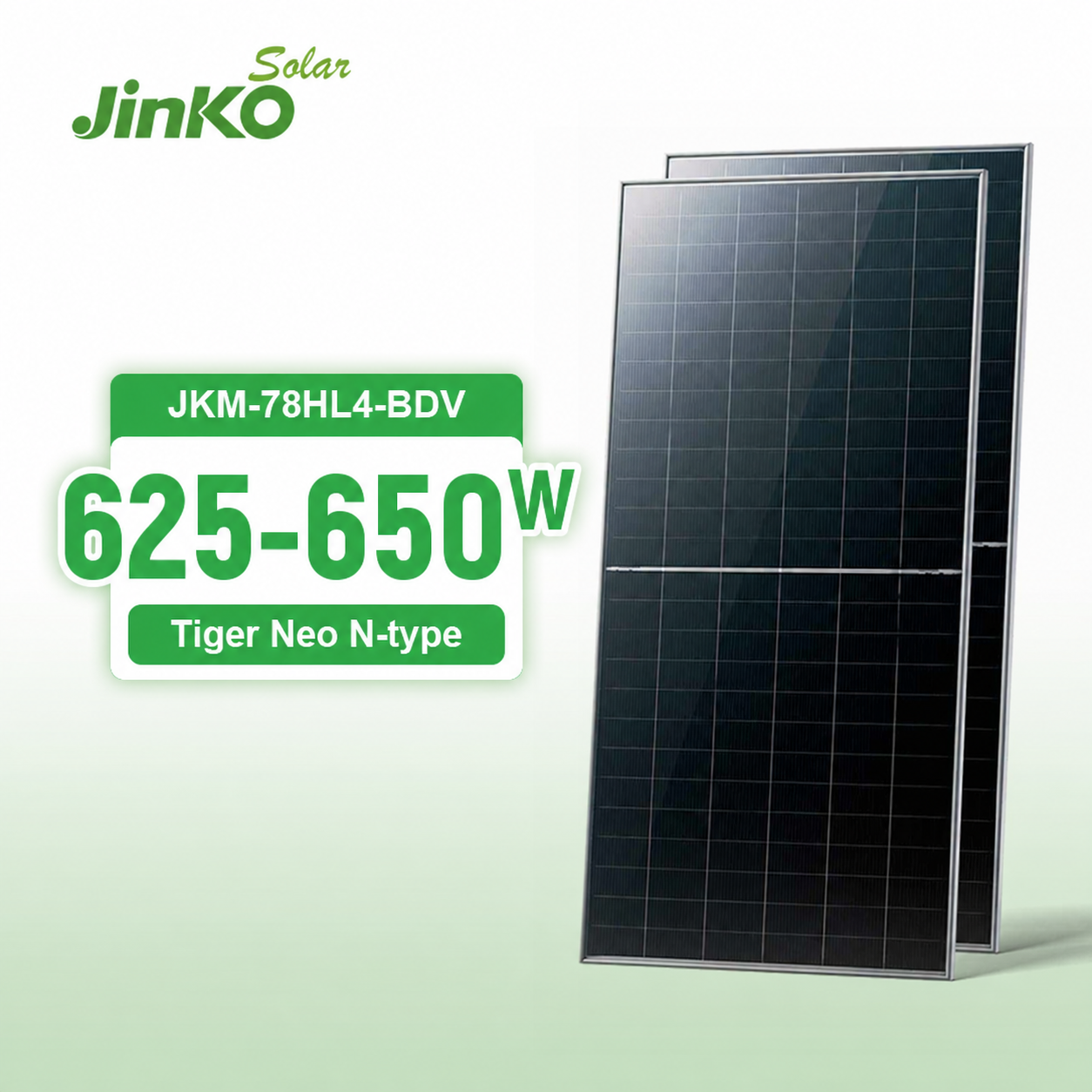
Jinko N Type Bifacial Solar Modules 650W 630W 640W Dual Glass Photovoltaic Panel for Industrial
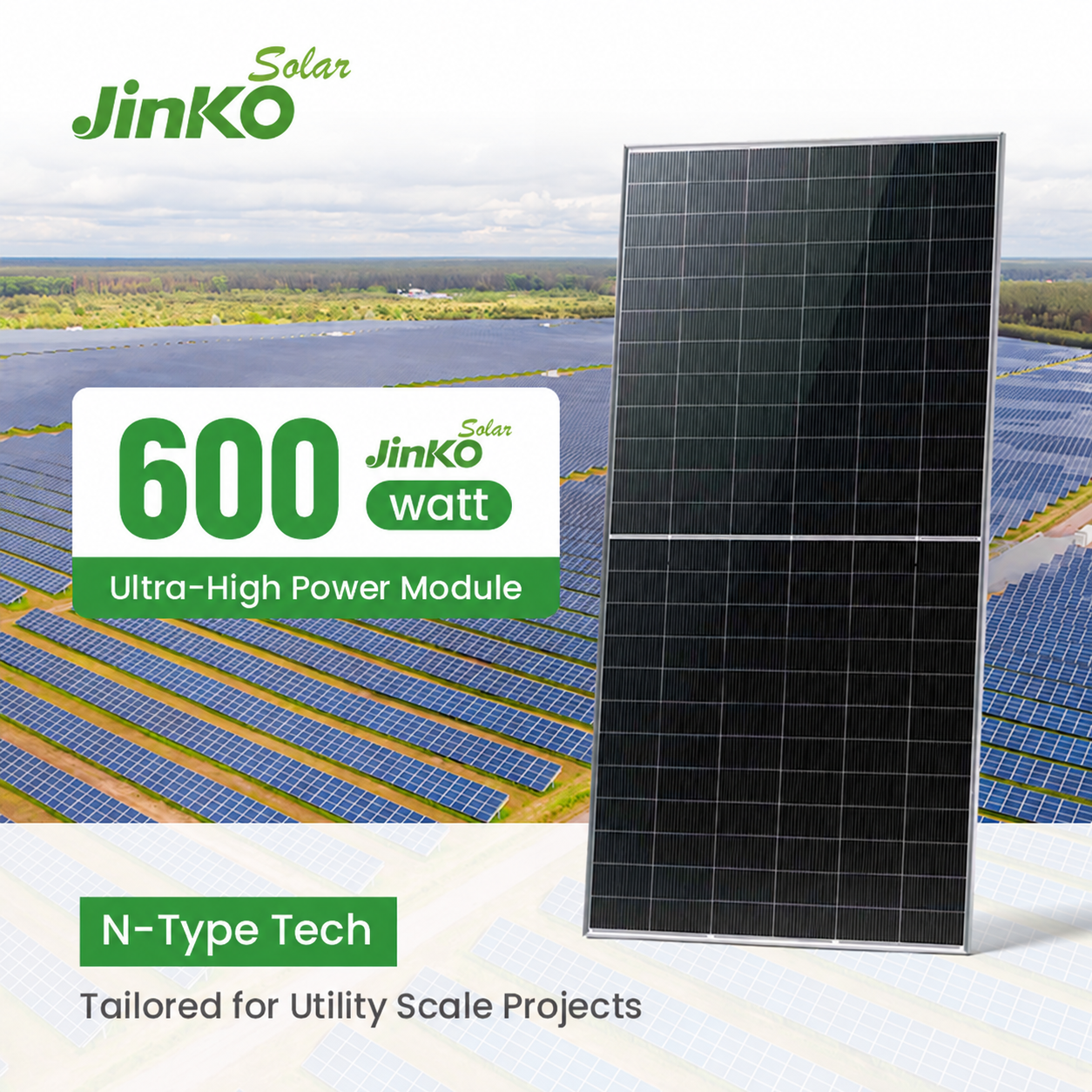
Jinko Solar Panels 580W 590W 600W 600 W N Type Double Glass High Efficiency Solar Panel for Commercial
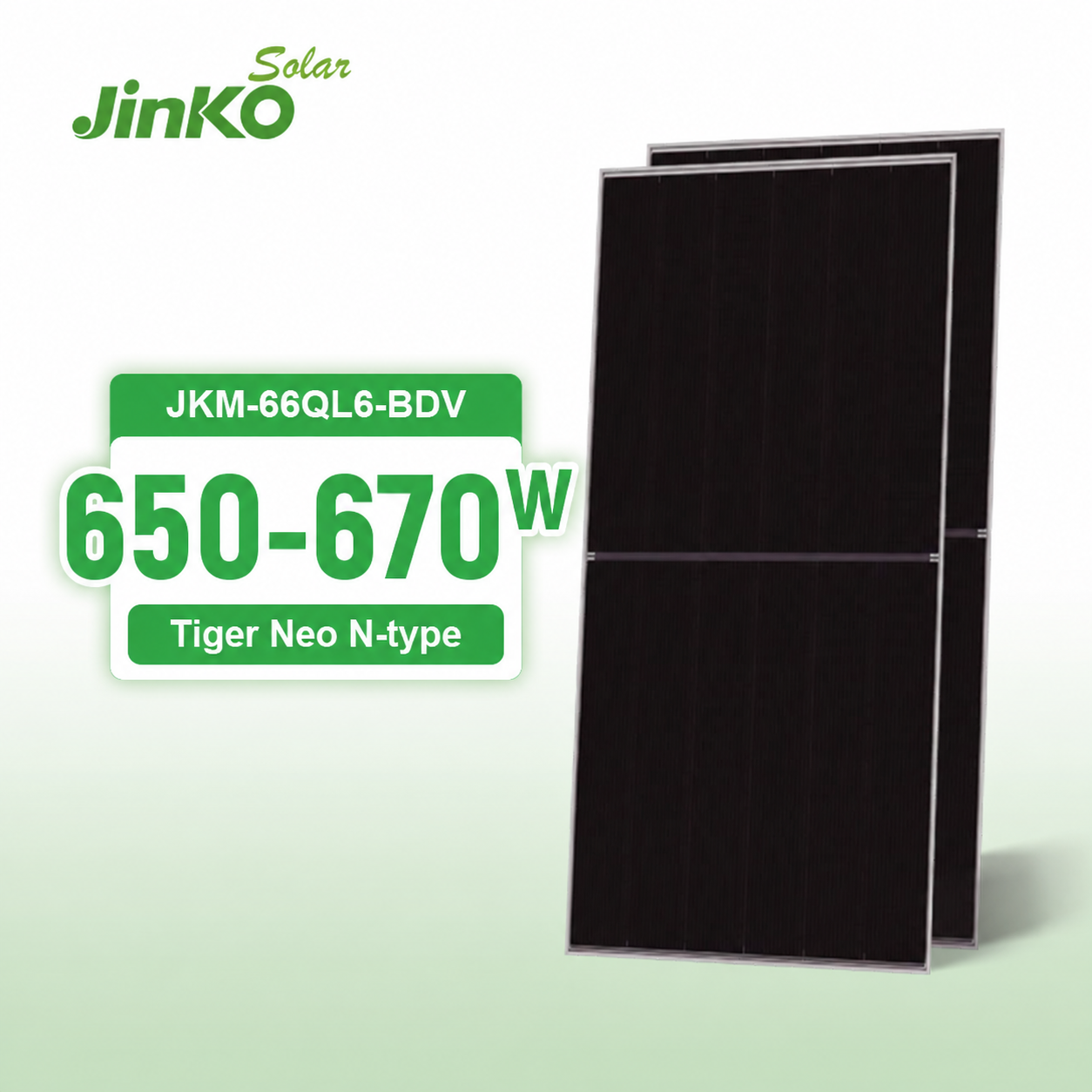
Jinko Bifacial Panneau Solaire 650 w 650W 660W 670W Dual Glass Monocrystalline Solar Module for Rooftop
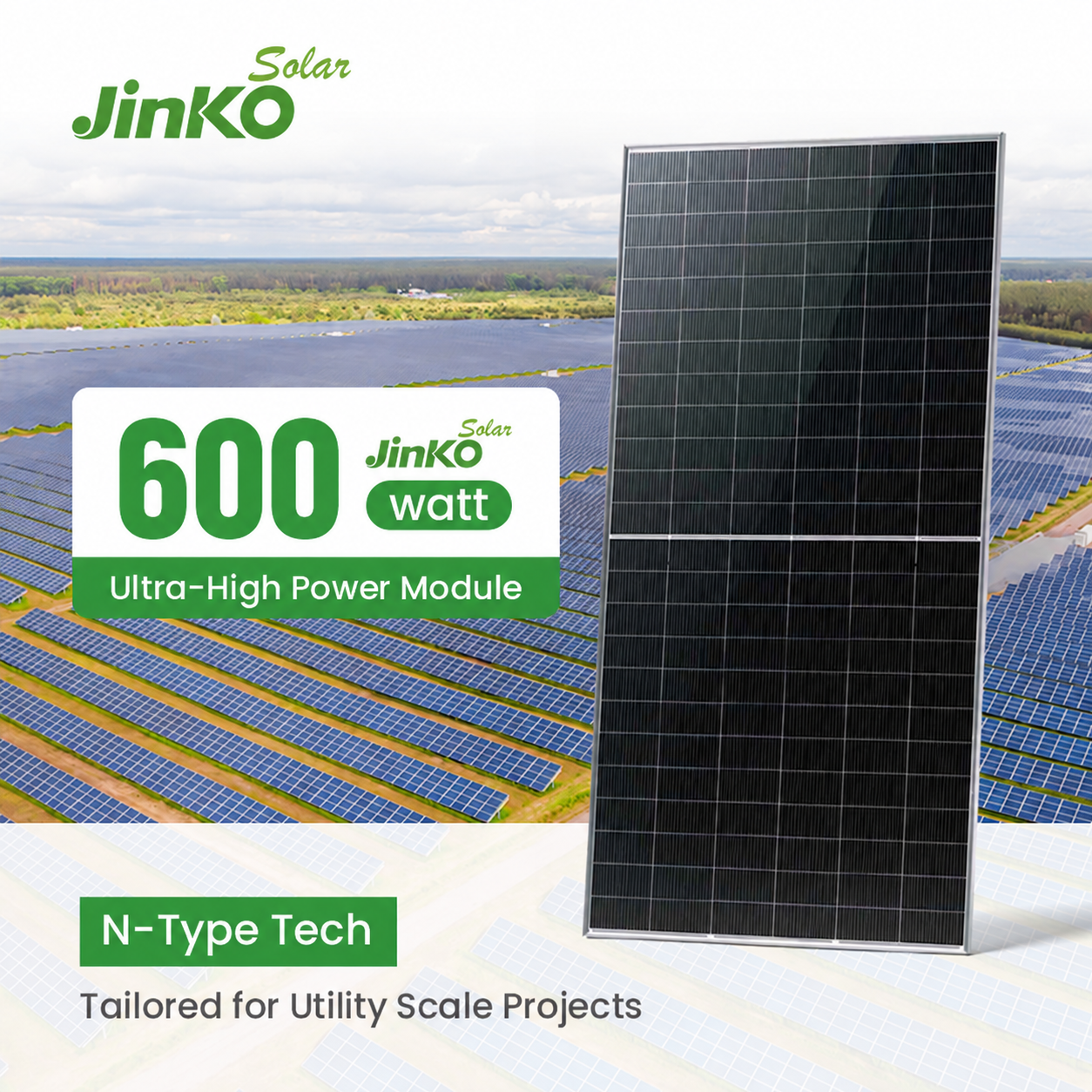
Jinko N Type Bifacial Photovoltaic Panels 600W 585W 595W TOPCon Solar Module for Commercial
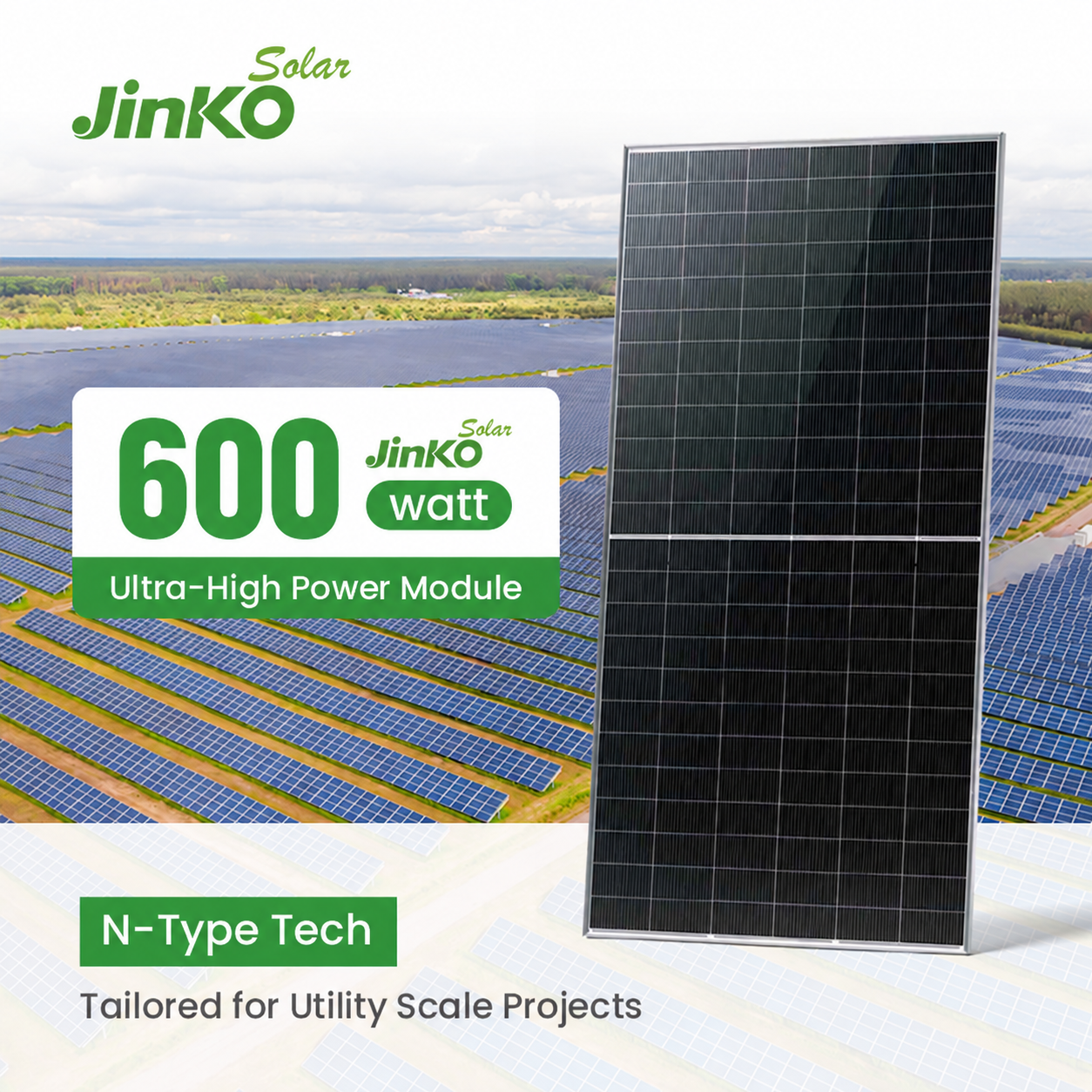
Jinko N Type Bifacial Solar Panels 585W 590W 575WTOPCon Monocrystalline High Efficiency PV Module for Home
LiFePO4 Cell Longevity @ 80% DoD
Seamless UPS Islanding Transfer Time
Global Export Track Record & Deployments
Pre-Shipment CAN / RS485 Inverter Handshake
Engineering Whitepaper: Residential Energy Storage Architecture for the All Saints Market
The town of All Saints, located within Antigua and Barbuda, represents a critical intersection of high solar irradiance and profound electrical vulnerability. Caribbean small island developing states (SIDS) face an acute structural energy challenge: utility retail power rates frequently fluctuate at significant premiums due to imported heavy fuel oil (HFO) exposure, sea transport logistics, and volatile fossil fuel surcharges. In All Saints and surrounding residential zones, homeowners and commercial operators bear high levelized electricity expenses, while coping with an aging transmission infrastructure susceptible to localized outages, grid brownouts, and seasonal tropical cyclones.
Historically, localized microgrids attempted to resolve this intermittency via standby diesel generators and deep-cycle lead-acid or standard colloidal GEL battery arrays. However, tropical climatic parameters reveal severe deficiencies in legacy chemistries. In high ambient heat environments where ambient temperatures frequently surpass 32°C (89.6°F) and interior battery enclosure temperatures escalate rapidly, valve-regulated lead-acid (VRLA) and standard gel cells suffer from thermal runaway, rapid capacity degradation, and catastrophic shortening of operational lifespans—often dropping below 1,200 discharge cycles.
Hangzhou VOLT New Energy Technology Co., Ltd. intervenes directly as an original equipment manufacturer (OEM) and comprehensive system integrator. By combining automotive-grade, prismatically wound Lithium Iron Phosphate (LiFePO4 / LFP) battery architecture with tier-1 smart multi-mode hybrid inverters (such as Deye 5kW–12kW low-voltage single and three-phase units) and high-density Jinko N-Type TOPCon bifacial photovoltaic arrays, we engineer bespoke residential energy storage systems (RESS) calibrated directly to withstand the maritime, high-salinity, and high-heat environment of All Saints.
| Performance Indicator | Legacy Deep-Cycle GEL / Lead-Acid | VOLT Prismatic LiFePO4 (LFP) RESS | Operational Impact in All Saints |
|---|---|---|---|
| Cycle Life (80% Depth of Discharge) | 800 – 1,500 Cycles | 6,000 – 8,000 Cycles | Extends asset lifetime from 3 years to over 15+ years of continuous daily cycling. |
| Usable Battery Capacity | 50% to prevent rapid sulfation | 90% – 95% Daily Usable DoD | Reduces required physical footprint and weight loads on residential concrete foundations. |
| Round-Trip Efficiency (RTE) | 72% – 78% (high resistive thermal losses) | 95.5% – 98.0% | Minimizes wasted solar generation, capturing peak noon PV yield for night-time air conditioning. |
| Thermal Stability Threshold | Thermal runaway risk above 45°C | Thermally stable up to 270°C+ | Eliminates risk of structural ignition during elevated Caribbean ambient summer temperatures. |
| BMS Integration & Monitoring | Blind cells (no digital CAN communication) | Dynamic Multi-Tier Active BMS (CAN/RS485) | Real-time voltage balancing, per-cell thermal mapping, and automated inverter handshake. |
The integration philosophy behind our systems relies on closed-loop engineering. Rather than supplying disjointed components that trigger communication faults (such as erratic BMS-to-inverter timeouts or mismatched Float/Absorption charge thresholds), VOLT executes factory-level protocol validation prior to container loading. Our systems ensure that the internal battery management system (BMS) establishes an instant, bi-directional CAN/RS485 handshake with Deye hybrid inverters, delivering precision real-time State-of-Charge (SoC), maximum charge/discharge current throttling, and millisecond-level surge protection for inductive home loads like water pumps and split-system HVAC units.
Tailored Application Scenarios Across the All Saints Microgrid
From central All Saints residential neighborhoods to outlying semi-rural estates, our engineered storage configurations resolve explicit island power hurdles.
High-Tariff Self-Consumption & Peak Shaving
Residential homes in All Saints subjected to tiered utility billing optimize operational economics by storing midday photovoltaic yield. Systems automatically divert excess generation into 51.2V 200Ah or 300Ah wall-mount LFP packs, releasing stored power during peak evening hours (6:00 PM – 11:00 PM) to avoid fossil fuel surcharges and baseline grid reliance.
Tropical Storm & Hurricane Islanding Mode
Antigua's geographic location within the Atlantic hurricane belt exposes infrastructure to severe winds and prolonged utility outages. Our Deye-integrated RESS features integrated automatic transfer switching (ATS) with <4ms islanding actuation. When the national grid collapses, residential refrigeration, lighting, security, and communications remain seamlessly energized without flickering sensitive electronics.
Agricultural Borehole Pumping & Rural Microgrids
Surrounding agricultural parcels and off-grid residential compounds in the All Saints perimeter rely on deep-well submersible pumps and water desalination apparatus. High starting inrush currents typically fault standard inverters; VOLT specifies low-frequency and surge-tolerant high-frequency hybrid topologies delivering 200% peak inductive surge capability for 10 seconds.
Technological & Regulatory Trends Driving the All Saints Market
The clean energy landscape throughout Antigua and Barbuda is transitioning rapidly from speculative pilot installations to highly standardized, distributed microgrid topologies. With national commitments to achieve significant reductions in greenhouse emissions and build climate-resilient energy networks, distributed residential energy storage has emerged as an imperative infrastructure class rather than an optional luxury.
Three pronounced evolutionary shifts are presently shaping energy procurement behavior in All Saints:
1. Transition from Uncontrolled Grid-Tied PV to Regulated Hybrid ESS: Historically, grid-tied string inverters without storage challenged local distribution substations with reverse power flow during peak irradiance windows. Utility directives across the Caribbean increasingly incentivize or mandate zero-export limits and power quality stabilization. Hybrid inverters equipped with ultra-fast CT sensor clamps allow All Saints homeowners to self-consume 100% of their rooftop generation on-premises without exporting surplus instability back into the utility network.
2. The Decisive Obsolescence of Lead-Acid Chemistry: Commercial installers and procurement officers in the Caribbean have widely recognized the high total cost of ownership (TCO) associated with lead-carbon and GEL solutions. Despite lower upfront purchase prices, the combination of frequent cell replacement logistics, hazmat disposal constraints, high air-conditioning cooling expenses to maintain lead-acid thermal integrity, and low coulombic efficiency makes LFP storage roughly 40% cheaper over a 10-year project lifecycle.
3. Rigorous Salt-Mist Corrosion & Wind-Load Compliance: Because Antigua is encircled by open ocean, airborne maritime aerosols carry chloride ions far inland across All Saints. Standard photovoltaic frames and mild steel battery housings degrade rapidly under galvanic corrosion. Leading contractors are requiring PV modules certified to IEC 61701 Severity 6 (Salt Mist Corrosion) and battery cabinets finished with electrostatically deposited thermoset powder coatings rated to NEMA 3R / IP65 enclosures.
Manufacturing Rigor & Supply Chain Authority
Headquartered in the advanced manufacturing corridor of Hangzhou, VOLT New Energy bridges technical system integration with direct-from-factory export economies.

Prismatic Cell Matching
Every LFP module uses Grade-A prismatic cells matched to a tolerance of within ±2mV and internal resistance variation below 0.05mΩ before pack laser welding.

Pre-Shipment Protocol Check
We eliminate "CAN Communication Error" on installation day. Each battery bank is physical-bench tested with customer-specified Deye inverters prior to container packing.

Consolidated DG Logistics
Full Dangerous Goods (Class 9) shipping documentation, UN38.3 test reports, and MSDS clearance. We consolidate panels, inverters, and batteries into unified containers.

Engineering Schematics
We supply turnkey wiring schematics, single-line diagrams (SLD), cable gauge sizing, and breaker schedules customized to meet local Caribbean inspection standards.
Frequently Asked Questions for Caribbean Importers & EPCs
Direct technical and operational answers to support distributors, electrical contractors, and residential developers in All Saints.
How do VOLT LiFePO4 battery banks perform under All Saints' high ambient temperatures?
Our residential LFP battery modules integrate multi-sensor active Thermal Management within the BMS. While older lead chemistries degrade precipitously above 25°C, our prismatic LFP cells operate safely and efficiently up to 55°C (131°F). The integrated smart BMS dynamically modulates charge and discharge current limits (derating) if ambient temperatures spike, preventing thermal stress while maintaining uninterrupted power delivery.
How is communication guaranteed between the battery BMS and Deye hybrid inverters?
Prior to dispatch from our Hangzhou facility, each system undergoes a strict protocol handshake verification on our test benches. We pre-assign the specific CAN-bus or RS485 communication protocols, crimp matching RJ45 patch cables to the proper pin-out, and pre-configure the DIP address switches. Installers in All Saints experience true plug-and-play commissioning without debugging protocol mismatches.
Can we mix solar panels, inverters, and lithium batteries in a single shipping container?
Yes. As an authorized distributor of Jinko Solar, certified partner with Deye, and OEM manufacturer of LFP storage, we handle mixed consolidated shipments. We prepare full international maritime Class 9 Dangerous Goods documentation, including UN38.3 test packages, Material Safety Data Sheets (MSDS), and sea-worthy fumigated crating to guarantee smooth customs clearance at the Port of St. John's.
What happens when a severe hurricane cuts the central utility grid for days?
The system operates in microgrid "Islanding Mode". The Deye hybrid inverter isolates the home within 4 milliseconds via its internal high-speed switch. The Jinko bifacial solar array continues generating power by reference to the inverter's synthetic AC waveform, simultaneously running critical home loads and recharging the LFP battery bank. If extended cloud cover occurs, the system's auxiliary dry contacts can automatically start and synchronize a standby diesel or propane generator.
What is the recommended storage sizing for a standard 3-4 bedroom home in All Saints?
A typical residential household consuming 25–35 kWh daily with evening air conditioning generally achieves energy independence with an 8kW to 10kW hybrid inverter paired with 15kWh to 20kWh of usable storage (typically three to four 5.12kWh 51.2V 100Ah parallel rack modules) matched with 8kW to 12kWp of Jinko TOPCon bifacial solar modules. Our engineering team sizes exact systems based on individual client hourly load profiles.
How does the factory handle warranty fulfillment and technical support overseas?
All supplied components carry comprehensive manufacturer warranties: 10 years for LFP battery packs, 5-10 years for Deye inverters, and 25-30 years linear performance warranties for Jinko dual-glass panels. We archive serialized testing records and flashing firmware for every delivered unit. We provide direct remote engineering diagnostics via Wi-Fi/4G dataloggers and maintain dedicated spare component inventories for quick international courier dispatch.
Design Your Custom Storage Solution for All Saints
Consult directly with Hangzhou VOLT New Energy's senior technical engineering desk. Provide your residential daily load parameters, target backup autonomy hours, and delivery schedules to receive a verified single-line diagram, bill of materials, and direct FOB/CIF commercial pricing.