6000+
Deep Cycles @ 80% DoD
55°C
High Ambient Thermal Resilience
15ms
Seamless UPS Microgrid Transfer
100+
Export Destinations Supported
Industrial-Grade Energy Systems
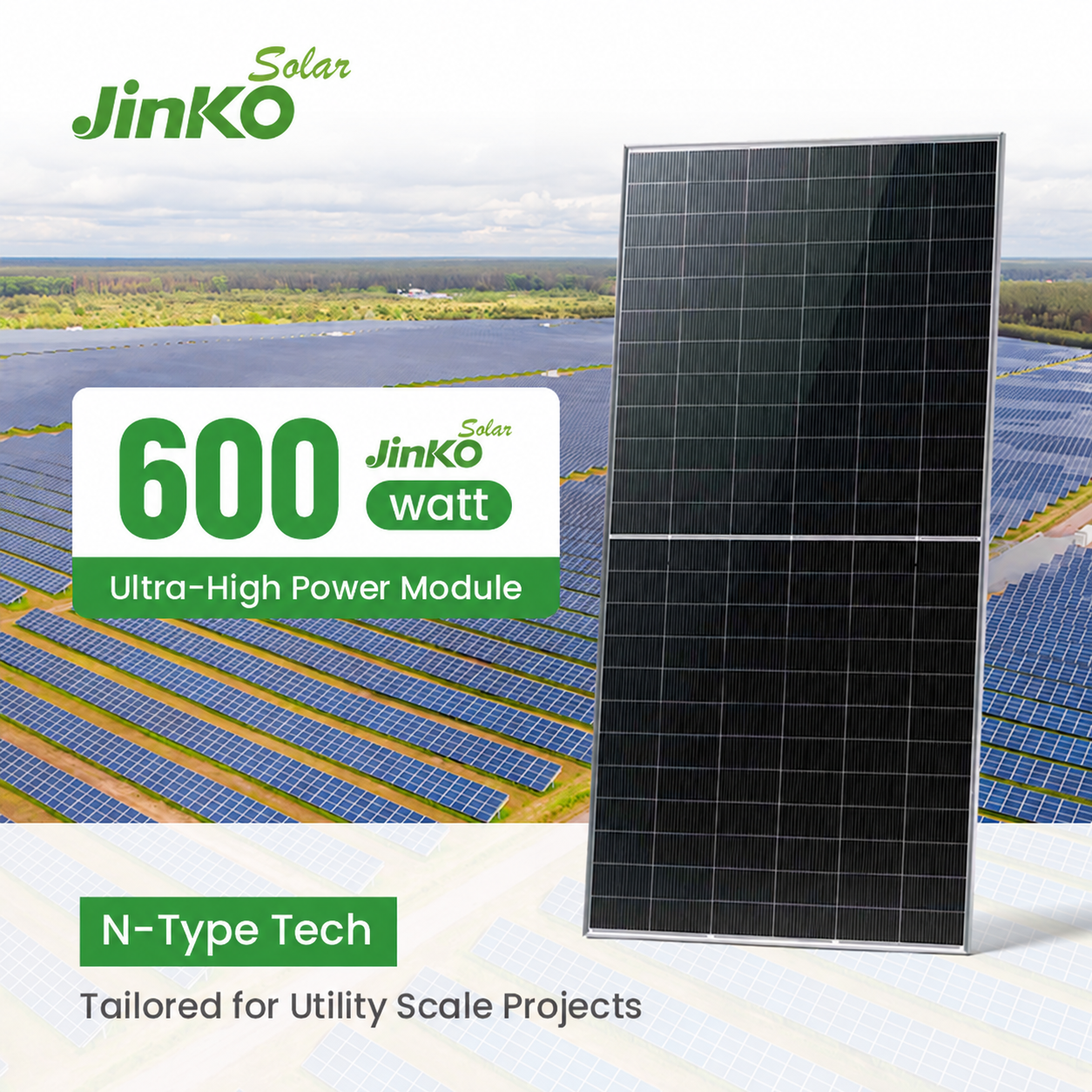
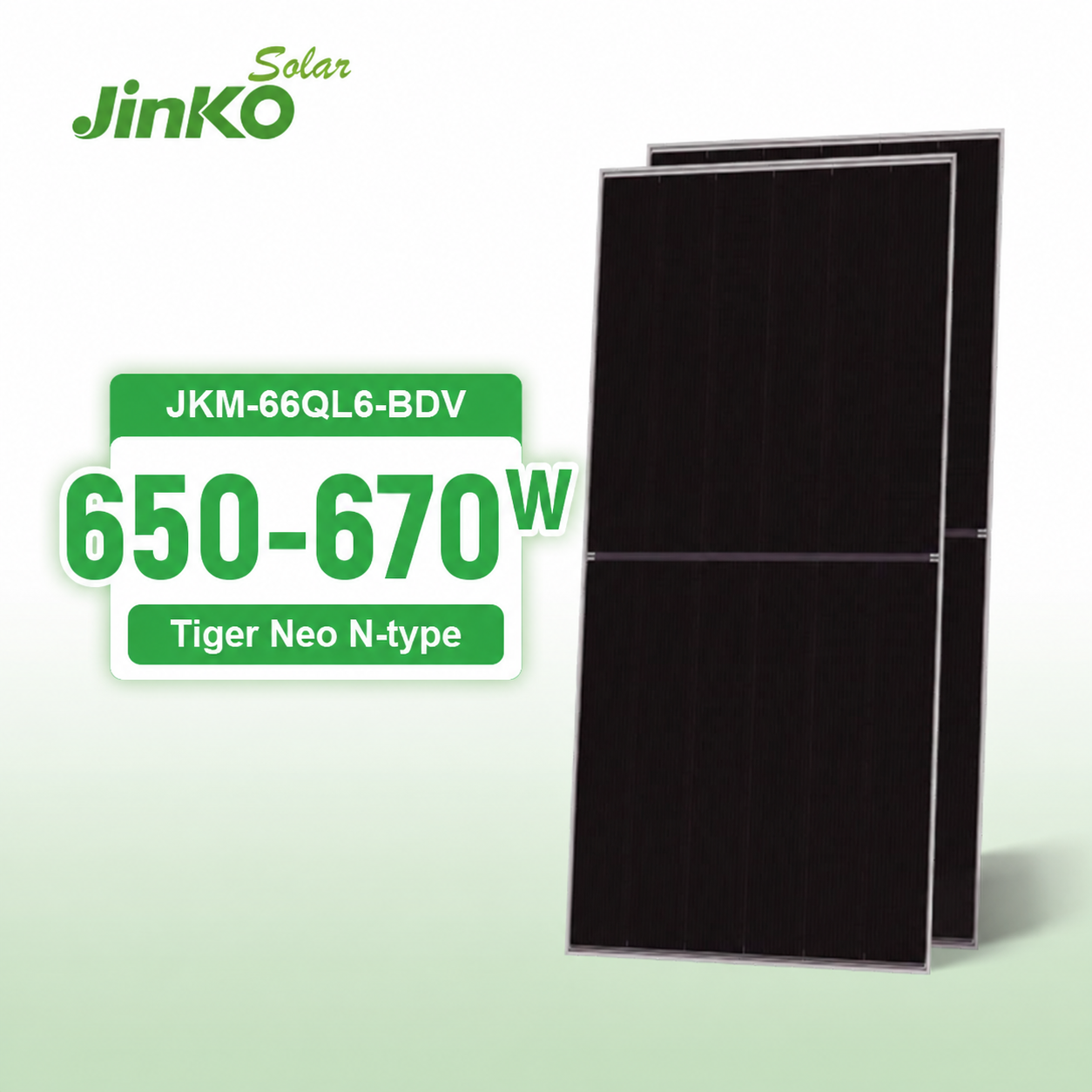
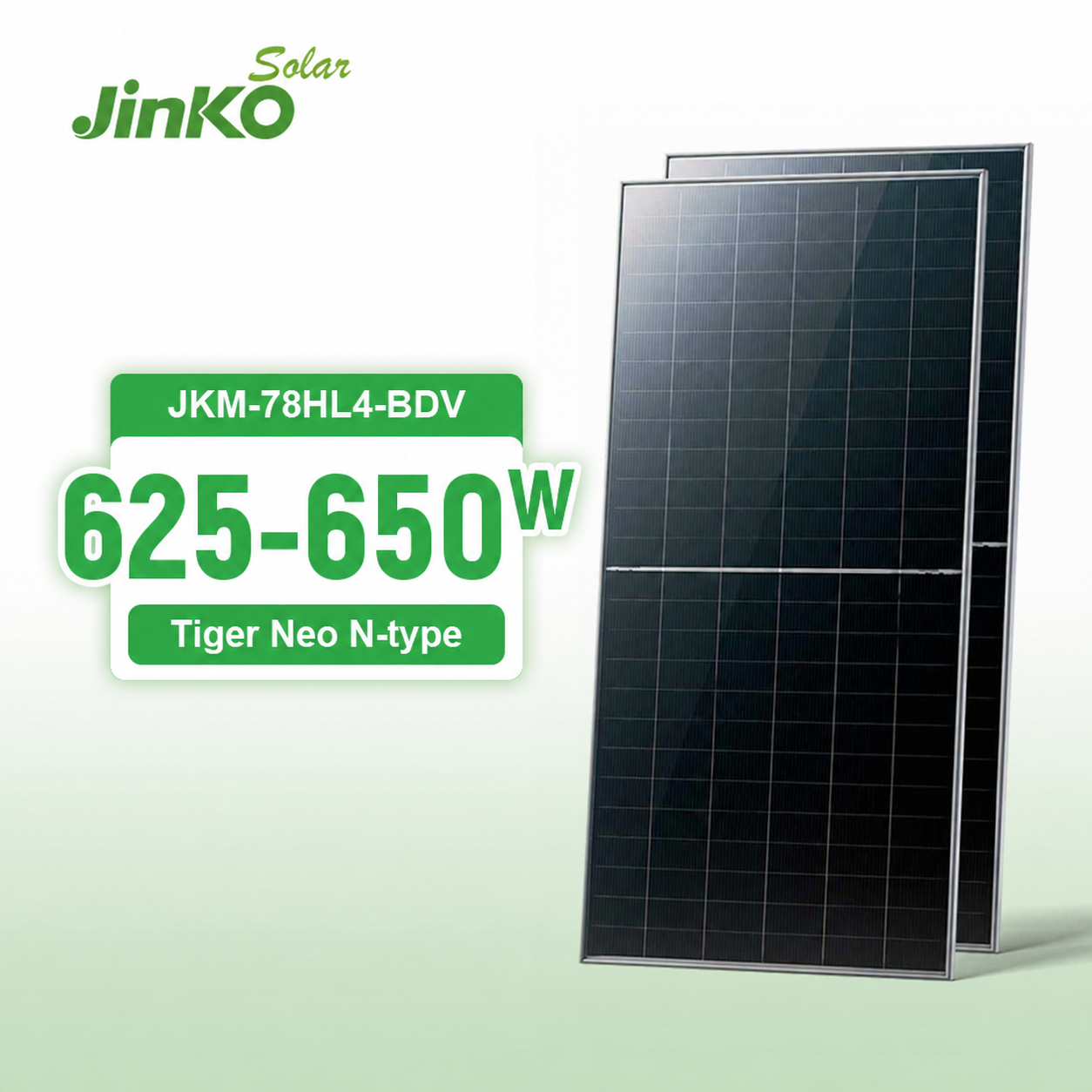
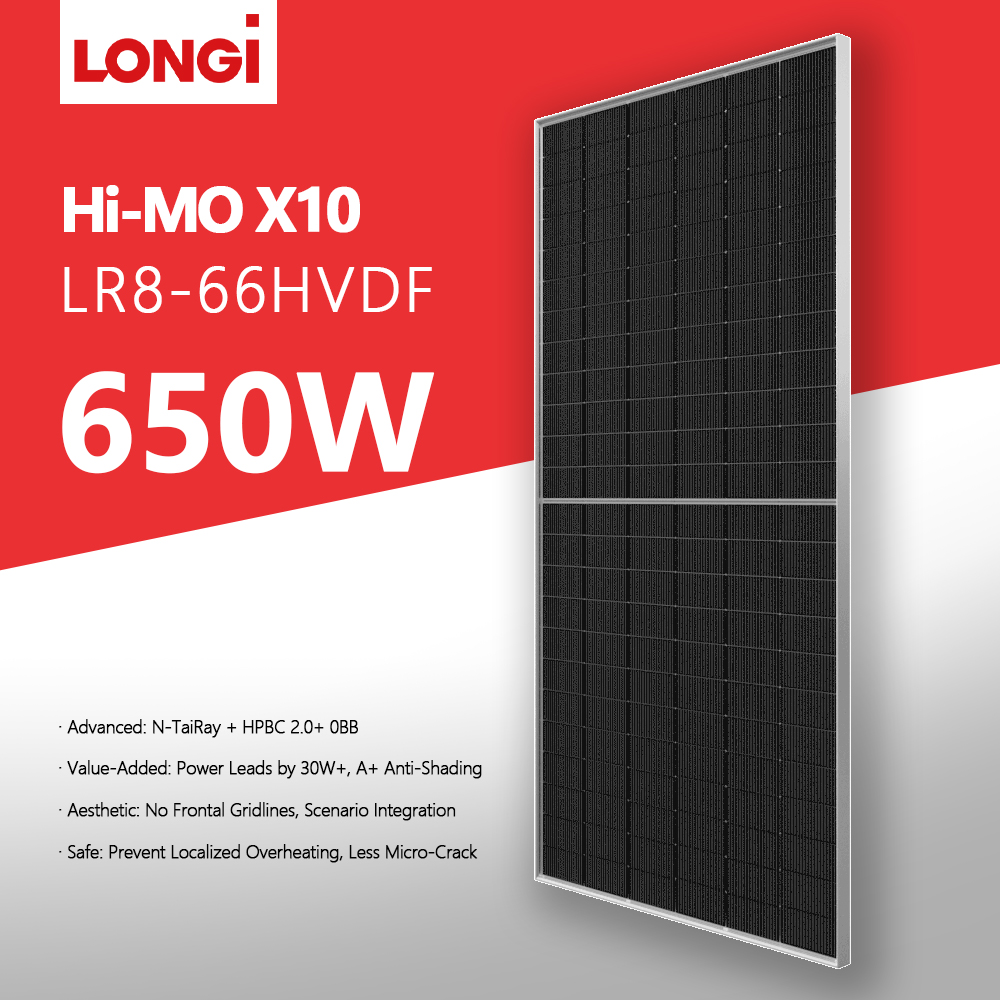
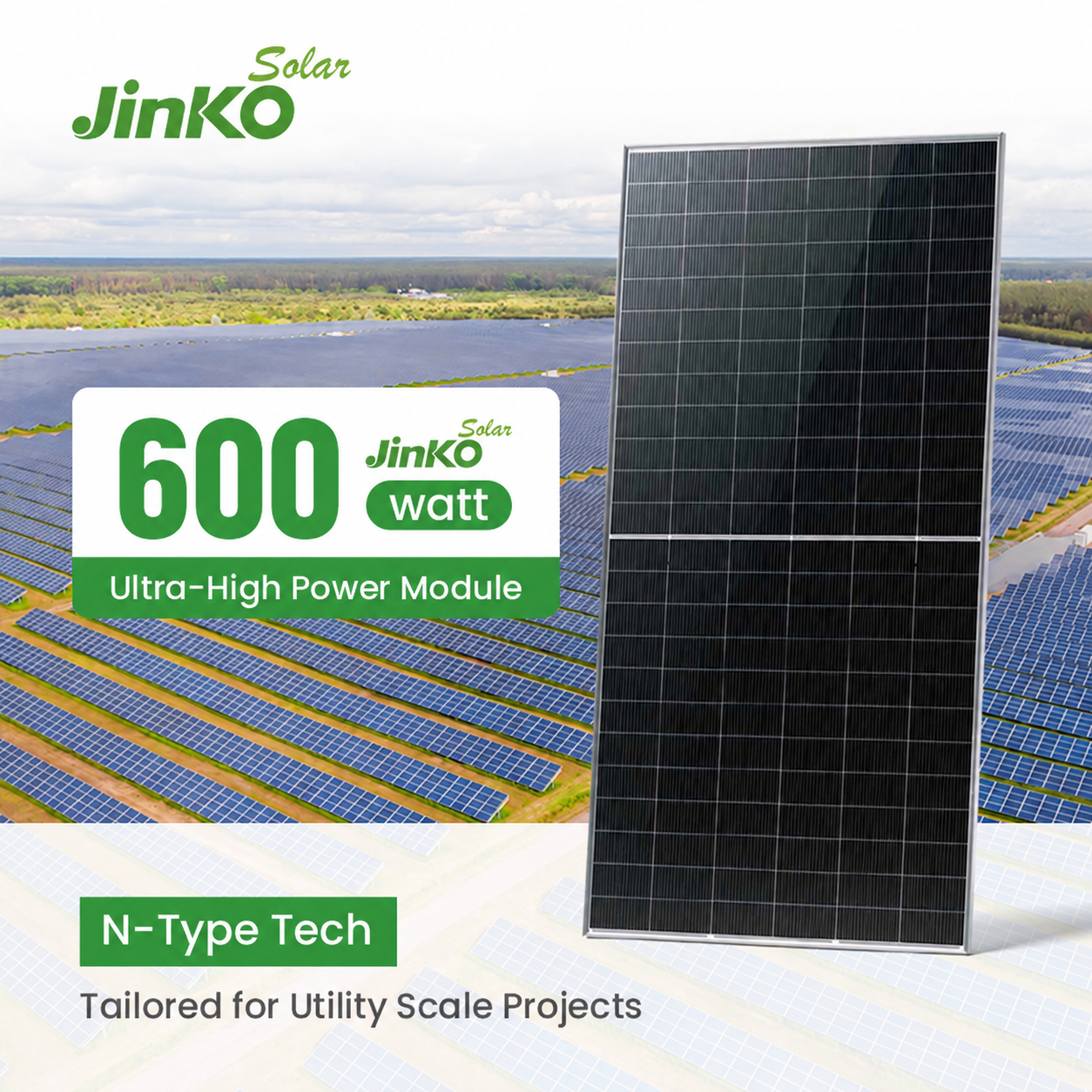
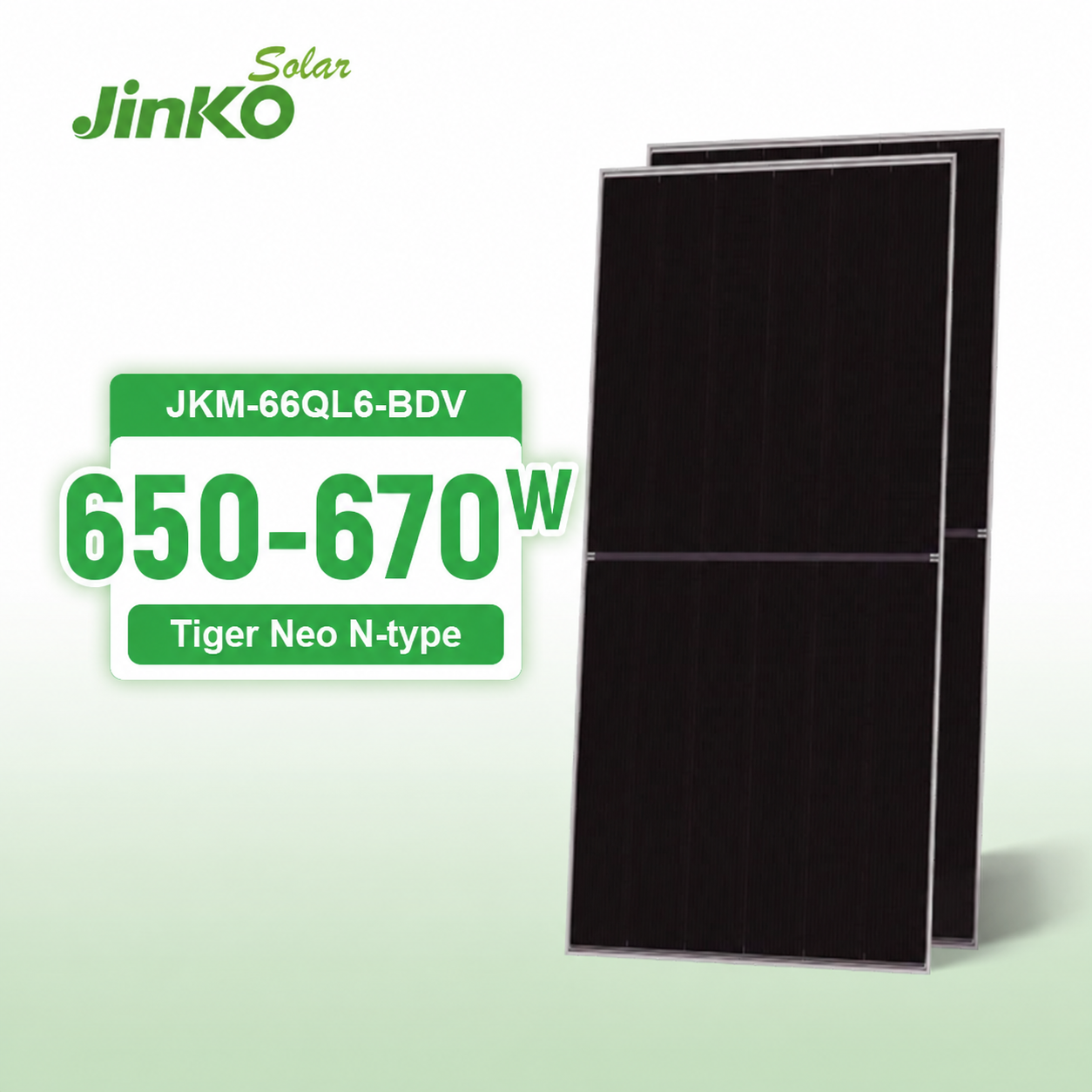
High-Efficiency Solar Modules & Integrated Storage Units
Optimized for synchronization with 48V/51.2V and High-Voltage LiFePO4 Server Rack Battery Banks in Erbil's dynamic climatic and electrical grid environment.
Whitepaper & Strategic Technical Report
Decoupling Erbil's Critical Power Demand from Grid Instability
Erbil, the commercial epicenter of the Kurdistan Region of Iraq (KRI), is experiencing swift modernization across commercial retail, light manufacturing, healthcare, and telecommunication vectors. However, the municipal grid infrastructure frequently struggles with generation shortfalls, presenting operational deficits where municipal utility availability fluctuates between 10 to 16 hours daily. For years, the default workaround relied on decentralized private diesel generator networks (known locally as Ishtirak). While these generator microgrids bridge basic energy gaps, they expose businesses to soaring Levelized Cost of Energy (LCOE), intense diesel exhaust emissions, acoustic disturbances, and destructive electrical transients.
Industrial and commercial engineers throughout Erbil are executing a paradigm shift toward Lithium Iron Phosphate (LiFePO4) Server Rack Battery storage banks. Configured in modular 19-inch 3U, 4U, or 5U standard enclosures, server rack battery architectures deliver standard DC bus voltages (typically nominal 51.2V or scalable High-Voltage topologies exceeding 400V–800V DC). These storage modules couple seamlessly with hybrid inverters and multi-megawatt bifacial photovoltaic systems, creating an unshakeable layer of autonomous energy reserves capable of high-rate cycling without degradation.
Deployment Architectures
Mission-Critical Local Applications Across Erbil
Standardized 19-inch rack-mount energy banks adapted for high operating ambient temperatures and heavy cycle demands.
Tier-3 Data Hubs & Telecom Exchanges
Erbil hosts major telecom data operations and regional fiber points of presence. Grid brownouts and voltage sagging present severe threats to server power supply units (PSUs). Implementing 48V/51.2V 100Ah/200Ah server rack LiFePO4 modules in parallel ensures zero-millisecond switchovers, dampens harmonics, and eliminates the frequent lead-acid maintenance overhead in IT server rooms.
Commercial Plazas & Gated Compounds
From English Village to Dream City and the commercial developments along 100 Meter and 120 Meter Roads, high-capacity server rack battery banks pair directly with commercial Deye hybrid inverters. They provide peak-shaving during peak grid tariff zones and eliminate expensive private generator subscriptions, lowering operating expenses significantly.
Private Medical Clinics & Diagnostics
Healthcare facilities across Erbil rely on continuous power for medical imaging, refrigeration for pharmaceuticals, and surgical theaters. Server rack batteries provide safe, non-toxic, and non-gassing energy storage that complies with indoor health and fire safety regulations, serving as reliable alternatives to dirty exterior diesel tanks.
Macro Trends
Kurdistan's Energy Transition Trends Through 2030
Decentralized Commercial Solar+Storage
With solar irradiance in Erbil exceeding 1,900 kWh/m² annually, regional businesses are actively avoiding grid rate fluctuations. Commercial rooftops across Gulan Street and industrial clusters are integrating TOPCon bifacial modules with modular server rack batteries to maximize daytime self-consumption and sustain night operations entirely from stored clean energy.
Retirement of Fossil-Fuel Gensets
Strict regional air quality initiatives and the volatile operational cost of diesel have made diesel gensets increasingly uneconomical. A 51.2V 200Ah server rack battery delivers full cycle efficiency above 95%, contrasting with diesel engines operating at sub-35% efficiency and requiring continuous maintenance, filter overhauls, and fluid changes.
Migration to Smart CAN/RS485 Bus Protocols
Installers in Kurdistan have moved away from unmonitored lead-acid systems. Modern configurations require multi-inverter closed-loop synchronization. Server rack units communicate state-of-charge (SoC), cell voltages, and temperature alerts directly to master controllers, automatically cutting off loads before hardware limits are breached.
Engineering Excellence
Why Tier-1 Contractors Source from VOLT New Energy
Hangzhou VOLT New Energy Technology Co., Ltd. eliminates importer risk through strict battery-to-inverter verification, multi-layer QC, and global Class 9 logistics execution.

Verified Compatibility
We configure battery protocol, internal resistance thresholds, and charge curves to match Deye and common industrial inverters prior to dispatch, eliminating BMS communication errors on site in Erbil.

Multi-Stage Pre-Shipment QC
Every server rack batch undergoes high-discharge loading, dielectric insulation screening, and cell-balance checks. Clients receive verified photo and test dossier validation prior to seaport dispatch.

Export-Ready DG Freight
LiFePO4 batteries are certified Class 9 hazardous materials. We handle full UN38.3, MSDS, and seaworthy packaging, facilitating smooth transport through Umm Qasr or Mersin/Ibrahim Khalil transit corridors.

Dedicated Engineering Support
From complex multi-rack parallel designs to high-temperature derating calculations, our electrical engineers deliver comprehensive schematics and remote assistance to local EPC teams.
Buyer Knowledgebase
Frequently Asked Questions by Erbil Buyers & EPCs
How do LiFePO4 server rack batteries perform in Erbil's extreme summer heat?
Summer temperatures in Erbil frequently exceed 45°C (113°F), with rooftop ambient conditions reaching even higher. Standard lead-acid or GEL batteries degrade rapidly when operating above 30°C. Our lithium iron phosphate (LiFePO4) server rack batteries integrate an industrial Battery Management System (BMS) with multi-point thermal probes. The BMS safely allows cycling at ambient temperatures up to 55°C, offering built-in high-temperature cutoff, automatic thermal throttling, and balanced cooling channels between modular rack units to prevent thermal runaway.
Can these server rack batteries communicate directly with Deye hybrid inverters?
Yes. Seamless closed-loop communication is standard. Our server rack batteries feature dual CAN and RS485 ports programmed specifically to communicate with Deye low-voltage (48V/51.2V) and high-voltage inverter protocols. Before packing, our engineers verify pin-outs and DIP-switch parameters, ensuring that upon arrival in Erbil, the inverter immediately recognizes state-of-charge, individual cell voltages, and real-time charging limits on startup.
What logistics documentation is required to clear customs into the Kurdistan Region?
Importing energy storage systems into Erbil via regional transit corridors requires compliance with strict hazardous cargo protocols. VOLT New Energy supplies complete documentation suites including UN38.3 test reports, official Material Safety Data Sheets (MSDS), Certificate of Origin (CO), commercial invoices, packing lists, and Sea/Air Dangerous Goods Declarations (DG). We routinely collaborate with your designated freight forwarder to ensure smooth transit through Turkish border routes or southern Iraqi ports.
How many rack modules can be connected in parallel for commercial expansions?
Our standard 51.2V 100Ah (5.12kWh) and 200Ah (10.24kWh) server rack units support parallel stacking of up to 15 to 32 units without requiring an external controller, enabling scalable bank sizes exceeding 160kWh to 320kWh on a single DC bus. For large commercial installations, high-voltage battery racks can be configured with master BMS control cabinets to scale capacity seamlessly into the megawatt-hour range.
What makes LiFePO4 server rack units more economical than traditional tubular GEL batteries in Iraq?
While deep-cycle GEL batteries present a lower upfront investment, they deliver only 1,200 to 1,800 cycles at 50% Depth of Discharge (DoD) and suffer significant capacity loss in high temperatures. In contrast, our LiFePO4 server rack batteries deliver more than 6,000 cycles at 80% DoD, support rapid 0.5C to 1C charging rates (recharging in 2 hours during available grid windows), and have a design lifespan exceeding 10–15 years, reducing the lifetime cost per kilowatt-hour by more than 60%.
Deploy Robust Solar & Storage Infrastructure in Erbil
Partner with an established B2B manufacturer and integrator. Access direct factory pricing, certified battery-to-inverter compatibility, and complete international documentation for your solar projects.