High-Efficiency Inverter & Photovoltaic Systems
Pre-engineered components tested for CAN/RS485 handshake compatibility, zero thermal shutoff up to 50°C ambient temperatures, and desert soiling resistance.
Single Phase Solar Inverter Engineering Dynamics in the Nizwa Basin
The solar engineering landscape in Nizwa and the greater Ad Dakhiliyah Governorate demands a departure from standard European or temperate-zone photovoltaic (PV) system designs. Situated on Oman’s interior plateau at the foot of the Western Hajar Mountains, Nizwa exhibits unique microclimatic stresses: extreme summer ambient temperatures exceeding 48°C, heavy atmospheric dust and particulate deposition originating from desert winds, and low nominal grid impedance combined with localized voltage variations. For residential villas, date palm farm compounds (Aflaj agricultural belts), and light commercial facilities, deploying single-phase inverters is governed by rigorous grid-interconnection codes established under the Authority for Public Services Regulation (APSR) and Nama Electricity Distribution (formerly Mazoon Electricity Company).
Critical Engineering Principle: Under APSR Sahim rooftop regulations, single-phase residential connections in Oman are generally restricted to inverter AC outputs up to 6 kW (or in selected secondary substations, up to 9.6 kW). Above these thresholds, utility regulations stipulate mandatory three-phase infrastructure. Sizing single-phase PV and energy storage systems (ESS) requires maximum energy harvesting from compact rooftop footprints with zero thermal shutdown during peak noon heat.
1. Thermal Derating Mitigation: Surviving Oman’s Ambient Envelope
Most commercial inverters start derating active power at 40°C or 45°C. In Nizwa, where rooftop ambient conditions routinely register 52°C with sheet-metal or concrete roof slab reflections pushing localized component temperatures above 65°C, inadequate thermal management yields catastrophic production collapse. When inverters derate by 2.5% to 5% per degree Celsius above their threshold, a poorly engineered 6kW inverter drops below 4kW output precisely during 13:00–15:00—the exact window when residential air conditioning compressor loads reach their maximum amperage.
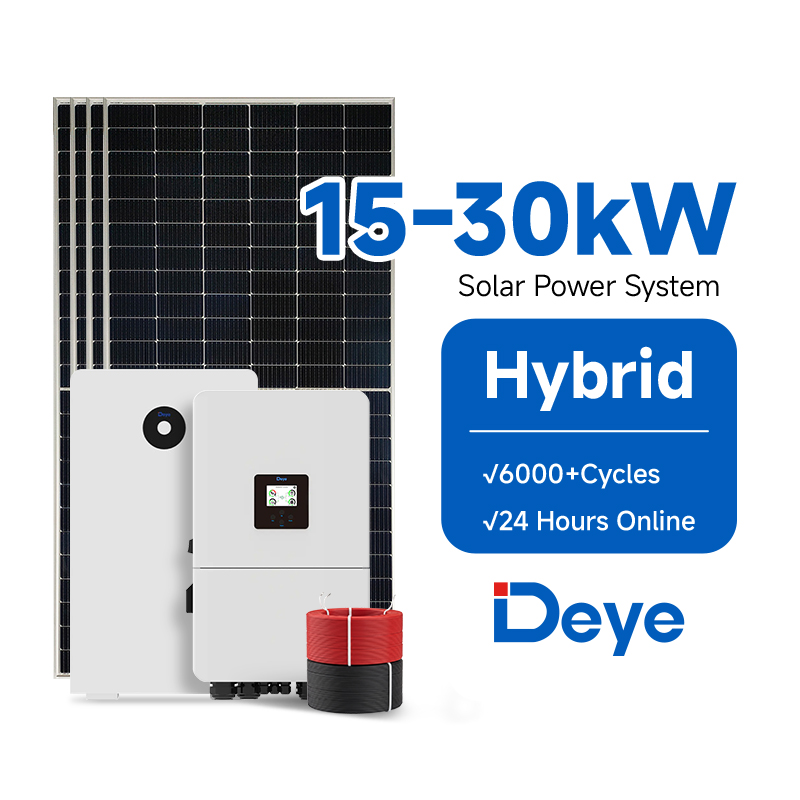
Our direct factory-supplied single-phase hybrid architectures, notably built upon Tier-1 platform topologies including Deye low-voltage DC-coupled platforms, implement oversized extruded aluminum thermal dissipation sinks paired with IP65-grade magnetic levitation variable-speed cooling fans. By decoupling the power MOSFETs and silicon-carbide (SiC) diodes from internal passive hot zones, our systems maintain uninterrupted 100% nominal output across 180V–270V AC grid fluctuations up to 45°C ambient, exhibiting minimal linear derating through 50°C.
| Performance Parameter | Standard Market Single-Phase | VOLT New Energy / Deye Specialized Platform | Direct Nizwa Operational Advantage |
|---|---|---|---|
| Nominal Thermal Cut-off | Starts derating at 40°C; trip at 55°C | Full continuous power to 45°C–50°C; trips at 65°C | Maintains heavy split-unit HVAC cycling through July peak |
| Enclosure Protection Rating | IP54 or basic IP65 (foam gaskets) | True Hermetic IP65 / NEMA 4X (vulcanized silicone) | Eliminates fine silica-dust ingress and falaj humidity corrosion |
| Battery Bus Voltage | High Voltage (HV) proprietary (150V–450V) | Low-Voltage DC 48V / 51.2V Architecture | Safer residential handling, cost-effective parallel battery expansion |
| BMS Handshake Protocols | Closed proprietary software locks | Dual CAN & RS485 with selectable protocol presets | Seamless integration with VOLT, Pylontech, and custom LFP banks |
| Diesel Generator Integration | Auxiliary input absent or requires ATS box | Integrated Smart Load / Generator Auto-Start port | Crucial for remote agricultural boreholes and desert estates |
2. MPPT Voltage Windows and Dual-Glass TOPCon Synergy
The high thermal coefficient of conventional P-type PERC panels (-0.35%/°C to -0.38%/°C) degrades open-circuit voltage ($V_{oc}$) and maximum power point voltage ($V_{mpp}$) during Nizwa’s midsummer afternoons. When strung into standard single-phase inverters with narrow MPPT tracking ranges (e.g., 180V–450V), the operating voltage can sag below the minimum threshold, causing the inverter to drop out of optimal tracking.
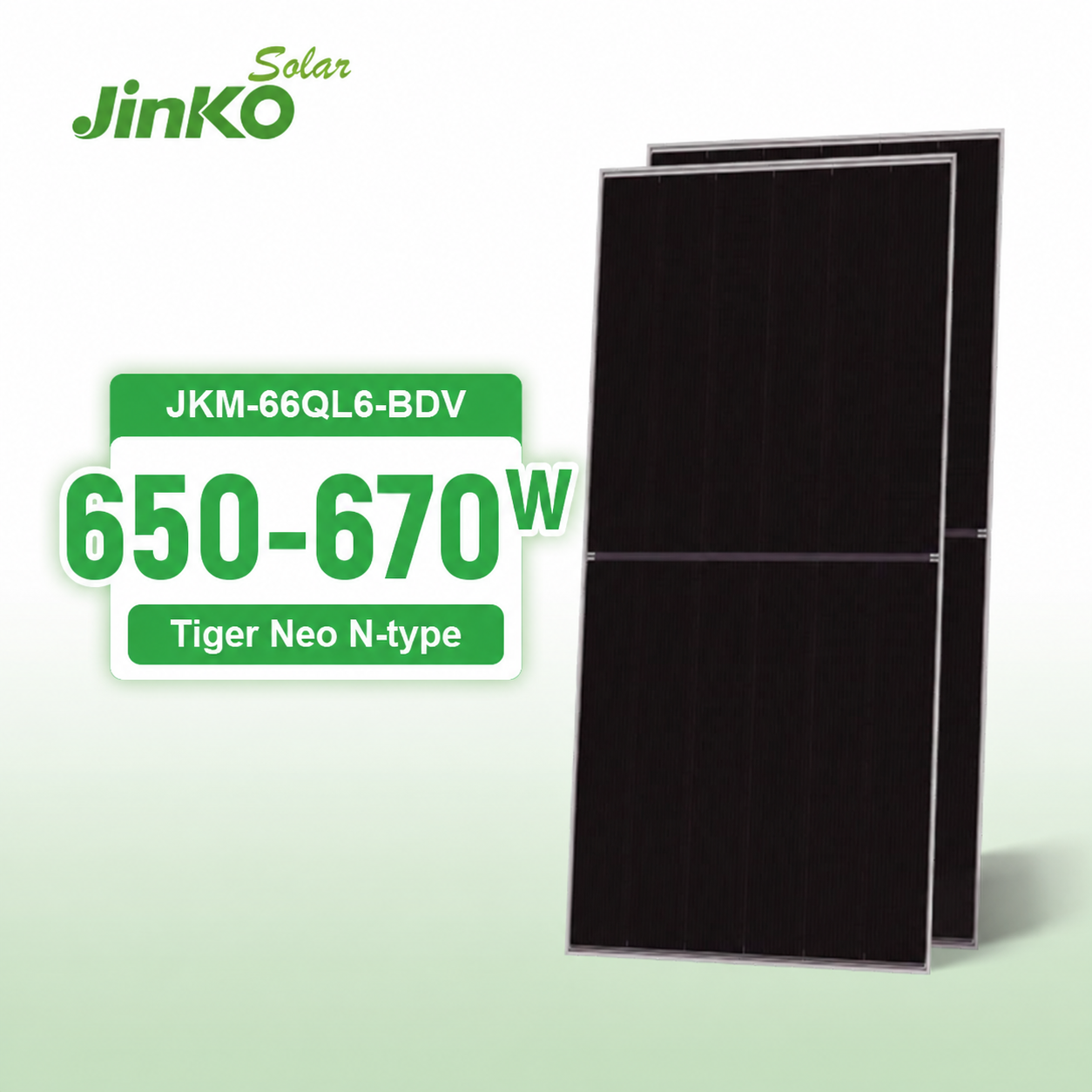
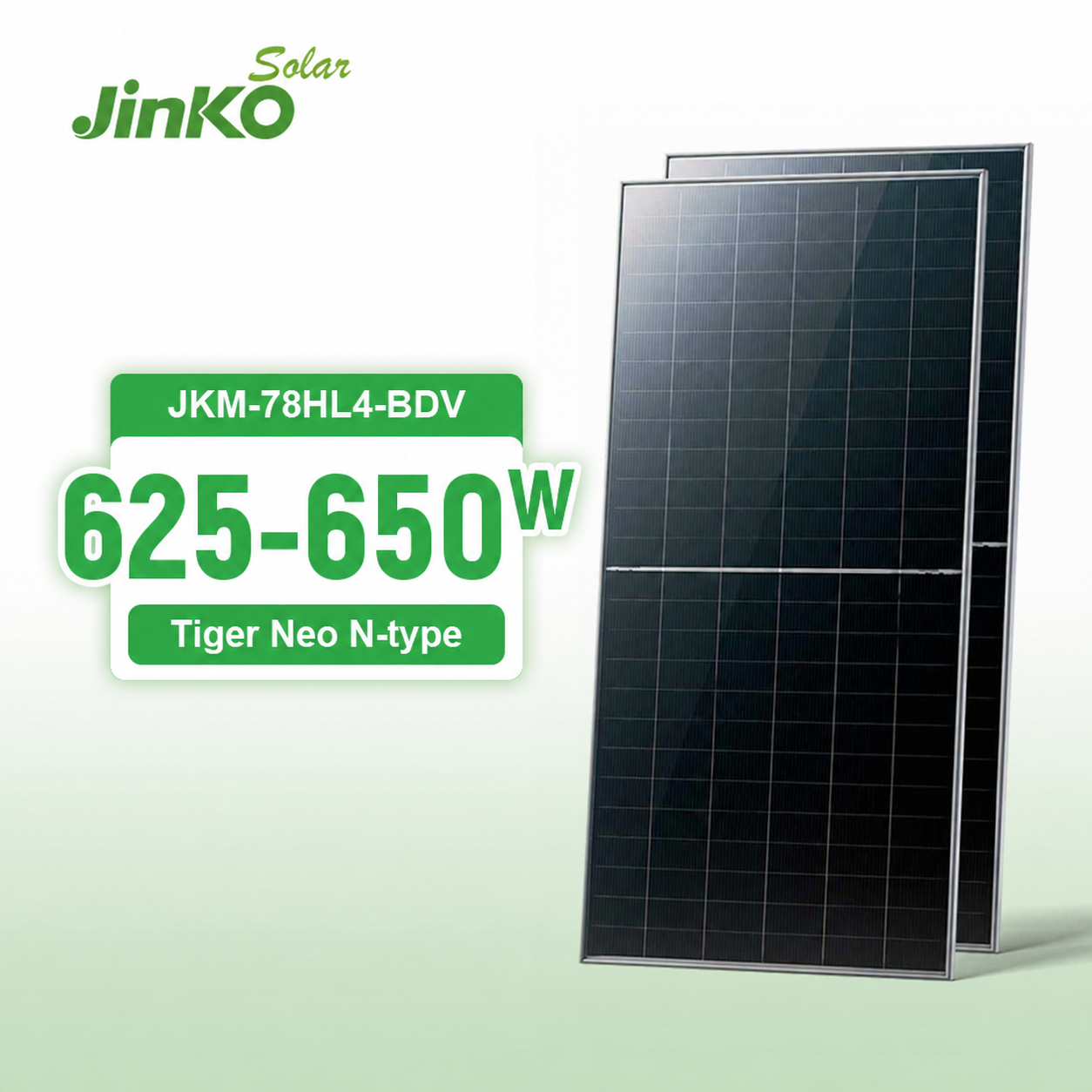
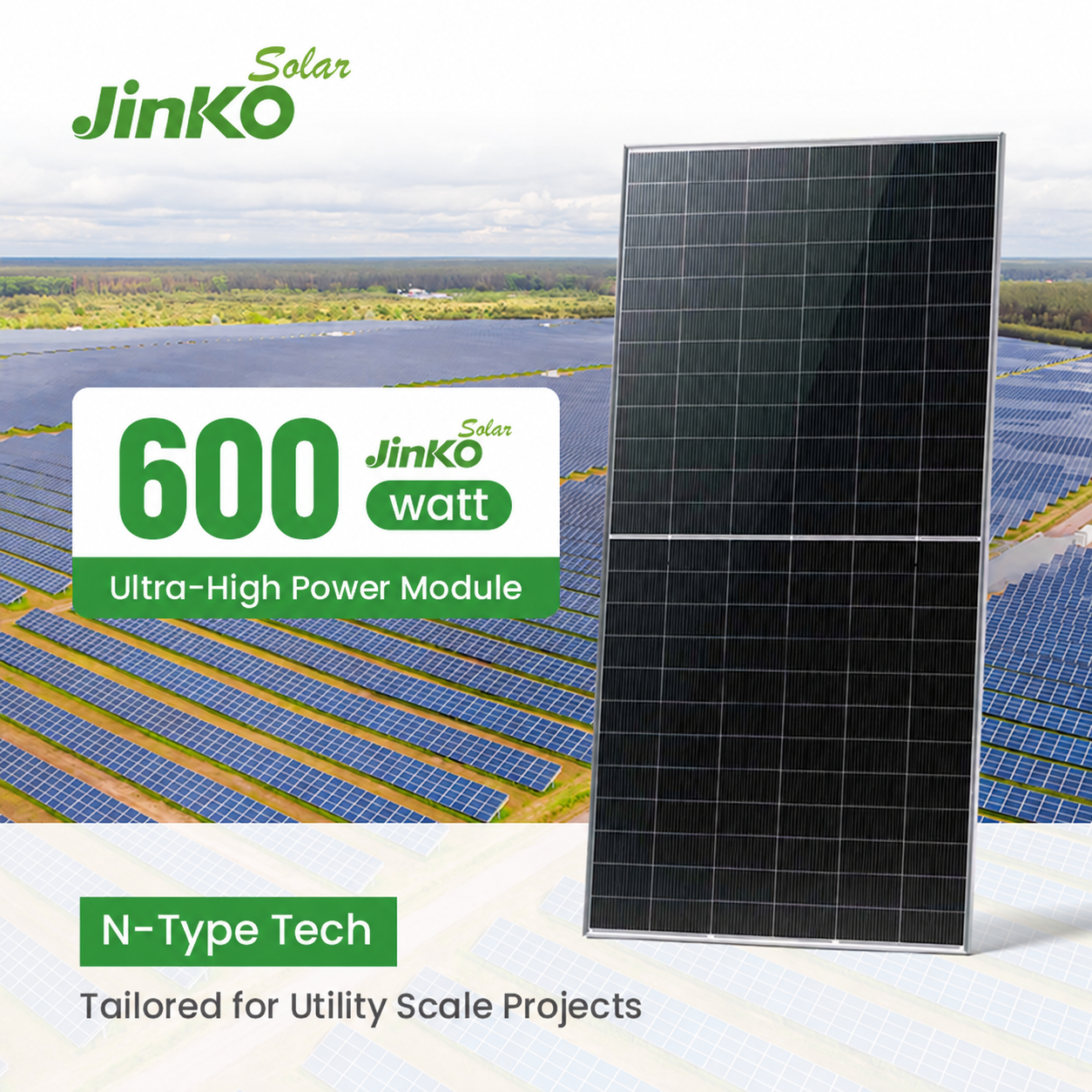
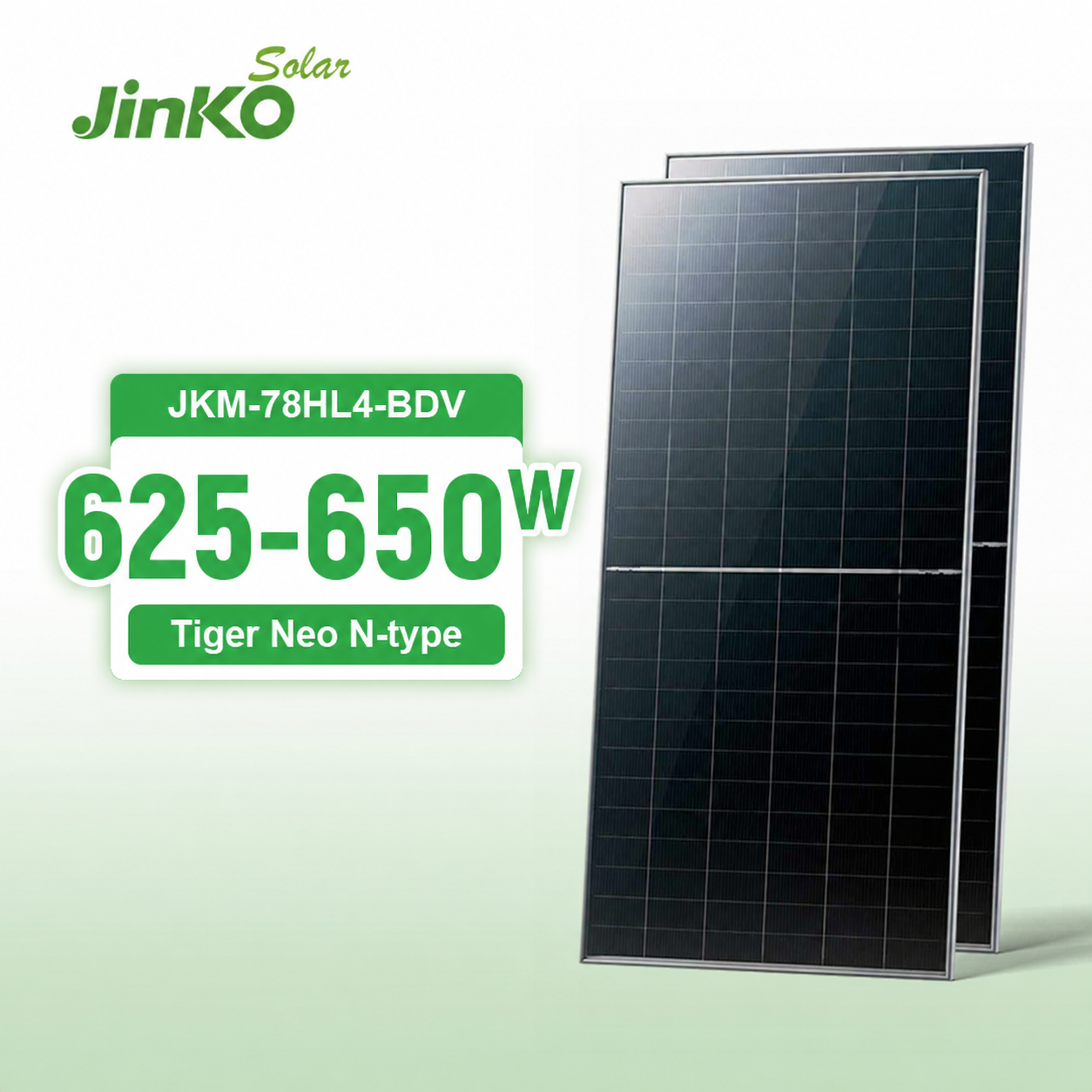
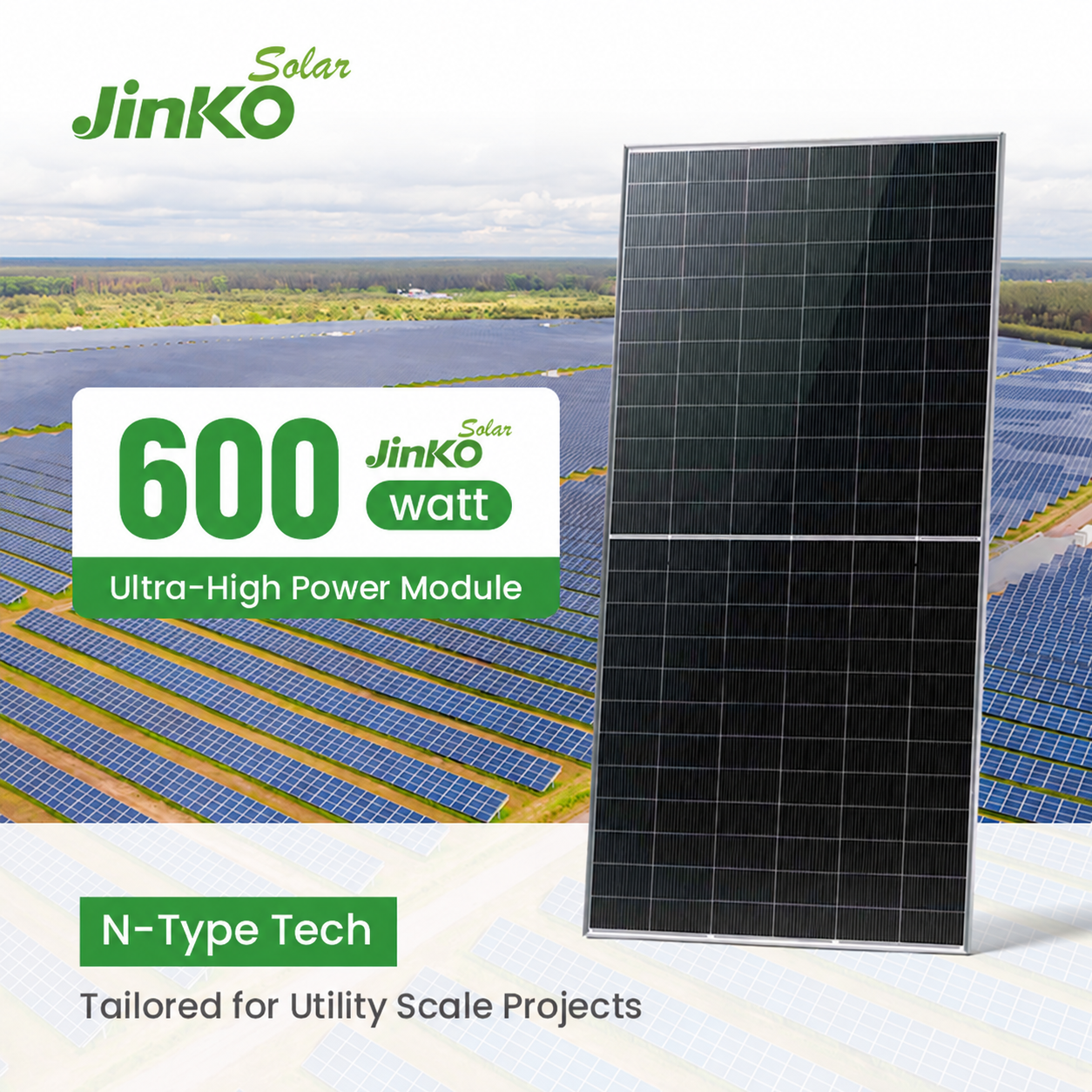
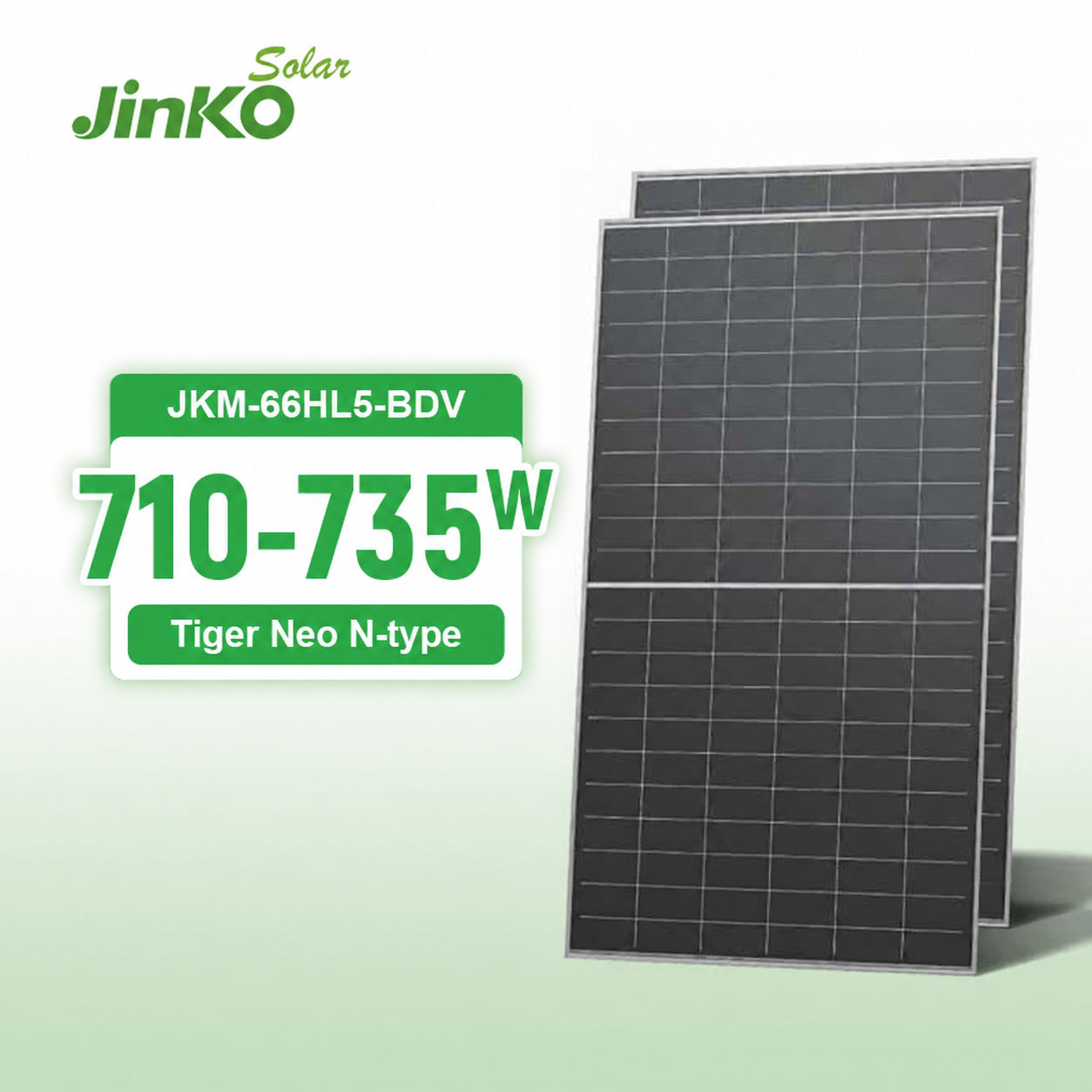
By integrating advanced Jinko N-Type TOPCon dual-glass bifacial modules (boasting a low temperature coefficient of -0.30%/°C) with inverters featuring ultra-wide MPPT tracking spans (70V to 500V), our engineered bundles maintain optimal DC conversion efficiency. The high albedo of Omani crushed limestone, gravel courtyard surfaces, and light-colored reflective rooftop tiles generates 12% to 22% backside irradiance yield. When coupled with our dual-MPPT single-phase units, installers in Nizwa can optimize split-pitch roofs (East-West orientations) without cross-string mismatch losses.
Localized Application Scenarios in Ad Dakhiliyah
From heritage-adjacent modern villas in Hayy Al Turath to agricultural dates plantations along the Falaj Daris waterway, tailored solar architectures solve specific localized challenges.
Residential Villas & Sahim Net-Metering
Urban residences in Birkat Al Mouz and Central Nizwa face steep Cost-Reflective Tariffs (CRT) during summer months when AC compressors operate 24/7. Sizing a 6kW single-phase Deye hybrid inverter paired with 10kWh to 15kWh of 51.2V LFP rack or wall storage allows full self-consumption during the daytime, while feeding excess generation into the Nama distribution grid under net-metering contracts. Automatic UPS failover (<4ms transfer) ensures uninterrupted operation of sensitive electronics during local transformer dropouts.
Agro-Solar Well Pumping & Falaj Estates
Date palm groves and lime orchards extending toward Tanuf and Bahla frequently utilize single-phase submersible well pumps and localized drip irrigation networks. In these perimeter agricultural estates, grid power is either subject to severe end-of-line voltage drops or entirely off-grid. Our hybrid inverters integrate diesel generator management—running the genset only when solar irradiation drops below threshold and battery reserve depletes—reducing diesel fuel consumption by up to 82% annually.
Light Commercial & Workshop Facilities in Madayn
Small-scale industrial workshops, fabrication units, and cold-storage depots within the Nizwa Industrial City operate energy-intensive equipment requiring surge power handling. Our single-phase inverters feature 2x continuous AC rating peak surge capacity (e.g., a 5kW unit delivers 10kVA surge for 10 seconds), smoothly absorbing inductive motor start-up spikes from refrigeration machinery and milling cutters without breaker trips or voltage sag.
Renewable Energy Trends Shaping Ad Dakhiliyah (2025–2030)
In accordance with the Oman Vision 2040 clean energy targets, the Sultanate aims to generate a minimum of 20% of its electricity from renewable sources by 2030, scaling to 39% by 2040. In regional centers such as Nizwa, three distinct procurement shifts are currently underway:
1. The Transition from Lead-Acid/GEL to 51.2V LFP Chemistry
Historically, off-grid projects in rural Oman utilized Deep-Cycle GEL colloidal batteries due to low initial capital expense. However, under Nizwa’s severe thermal cycles, traditional valve-regulated lead-acid (VRLA) batteries suffer from electrolyte dry-out and rapid capacity fade, requiring cell replacements every 24 to 36 months. Engineering procurement is now overwhelmingly transitioning toward Lithium Iron Phosphate (LiFePO4) chemistry. At VOLT New Energy, our 51.2V LFP battery series delivers 6,000+ deep cycles at 80% Depth of Discharge (DoD) and functions reliably under active thermal management up to 55°C, yielding a lifecycle Levelized Cost of Storage (LCOS) roughly 60% lower than traditional gel solutions.
2. Stringent Interconnection Standards & Reverse Power Protection
The Authority for Public Services Regulation (APSR) and regional distribution engineers have introduced stringent harmonic distortion, voltage flicker, and frequency trip settings into the Oman Distribution Code. Grid-connected single-phase inverters must demonstrate factory compliance with anti-islanding parameters, adjustable power factors (0.8 leading to 0.8 lagging), and integrated zero-export limiters (Zero Reverse Power Flow) via external CT clamp sensors. When net-metering approval cycles experience regional delays, our Deye hybrid systems can be configured via internal touchscreen to restrict export instantly, ensuring full local self-consumption without violating utility regulations.
3. Decentralized Microgrids for Eco-Tourism & Heritage Sites
With Nizwa serving as the cultural epicenter of Oman, mountain eco-resorts and desert safari lodges across Jebel Akhdar and neighboring wadis are deploying decentralized single-phase hybrid microgrids. Combining localized single-phase inverters configured for parallel operation (up to 16 units synchronized across single-phase or three-phase setups) allows resort operators to scale storage capacity modularly from 5kW to 80kW as tourism demand expands seasonally.
Why Global B2B Importers Partner with VOLT New Energy
Direct from our manufacturing and system-integration base in Zhejiang, China, we eliminate interoperability failures, shipping delays, and customs non-compliance.
Pre-Shipment Protocol Verification
We simulate your exact field setup in our facility. Inverters and LFP batteries undergo a physical bench test to verify CAN/RS485 baud rates, pinout mapping, and auto-discovery before packaging.
DG Maritime Export Packaging
Full Class 9 Dangerous Goods maritime export handling. We supply verified UN38.3, MSDS, and seaworthy drop-tested wooden crates directly through Sohar Port and Port Sultan Qaboos.
Rapid Engineering Response
Direct English-speaking solar electrical engineers available for system sizing, load profile analysis, single-line diagrams (SLD), and remote firmware commissioning for local installers.
Consolidated Mixed-Container Cargo
Save on landed freight. We bundle Tier-1 Jinko solar panels, single-phase hybrid inverters, LFP rack modules, DC disconnects, and certified PV cabling into a single containerized bill of lading.
Frequently Asked Questions by Omani EPCs & Contractors
Practical engineering answers to address grid-tie permissions, ambient heat constraints, and battery selection for Nizwa projects.
Can single-phase Deye hybrid inverters be legally connected to the Nama / Mazoon distribution network in Nizwa?
How do these inverters protect themselves against the high temperatures and fine sand dust of Ad Dakhiliyah?
Why choose a 48V Low Voltage (LV) battery topology over a High Voltage (HV) battery system for domestic installations?
Can multiple single-phase hybrid units be synchronized together if the property upgrades its load?
How does the inverter interact with existing diesel backup generators on rural agricultural farms?
What is the typical shipping lead time and sea freight route from your factory to Nizwa?
How is after-sales warranty and spare-parts replacement administered for buyers in Oman?
Can the system operate in complete zero-export mode before the net-metering bi-directional meter is installed?
Request Engineering Pricing & Sizing for Nizwa Projects
Send our senior engineering team your site single-line diagram, average daily kilowatt-hour load profile, or distribution grid parameters. We return a fully matched, containerized B2B quotation within 24 hours.