Engineered PV Modules For Charlotte Solar + AGM Storage Microgrids
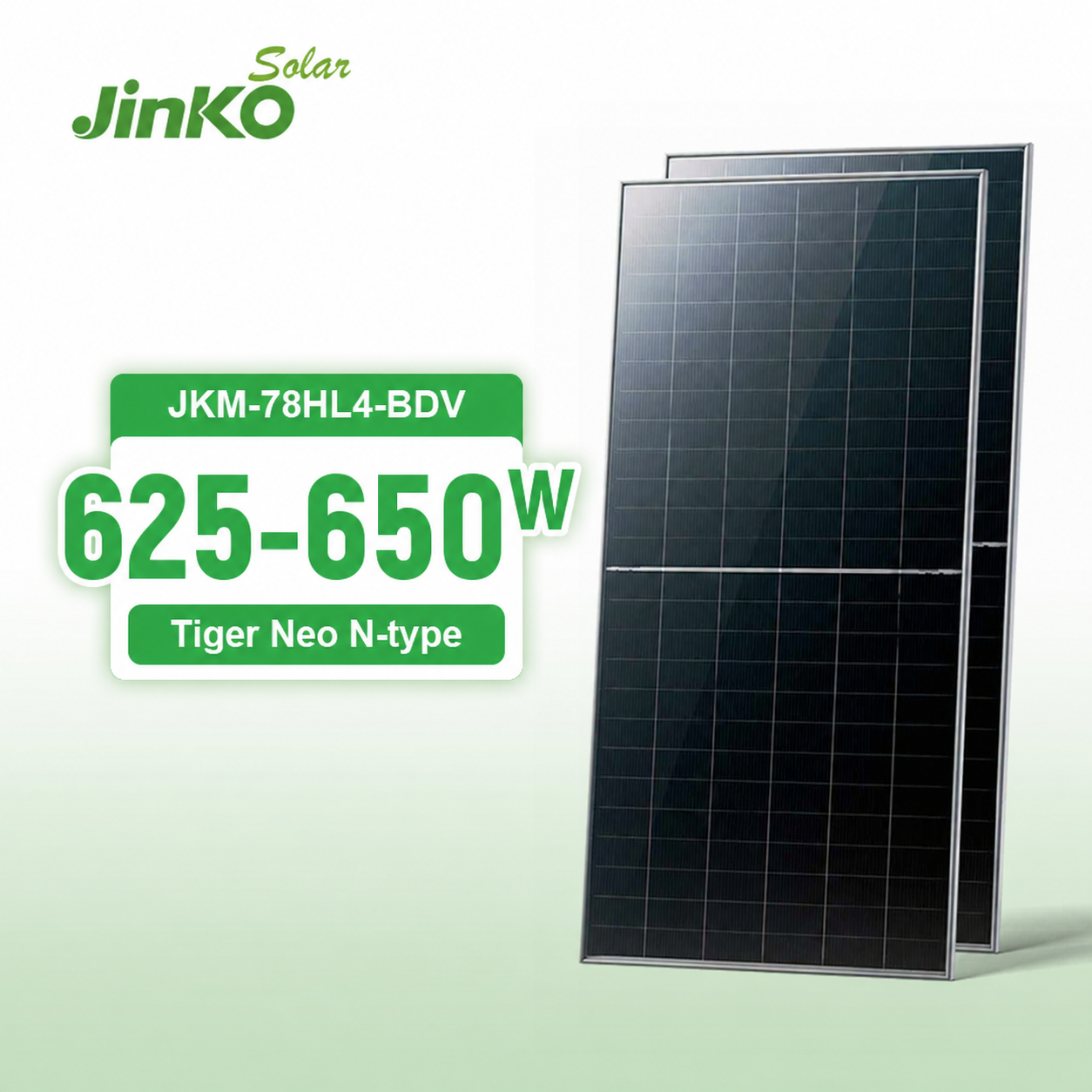
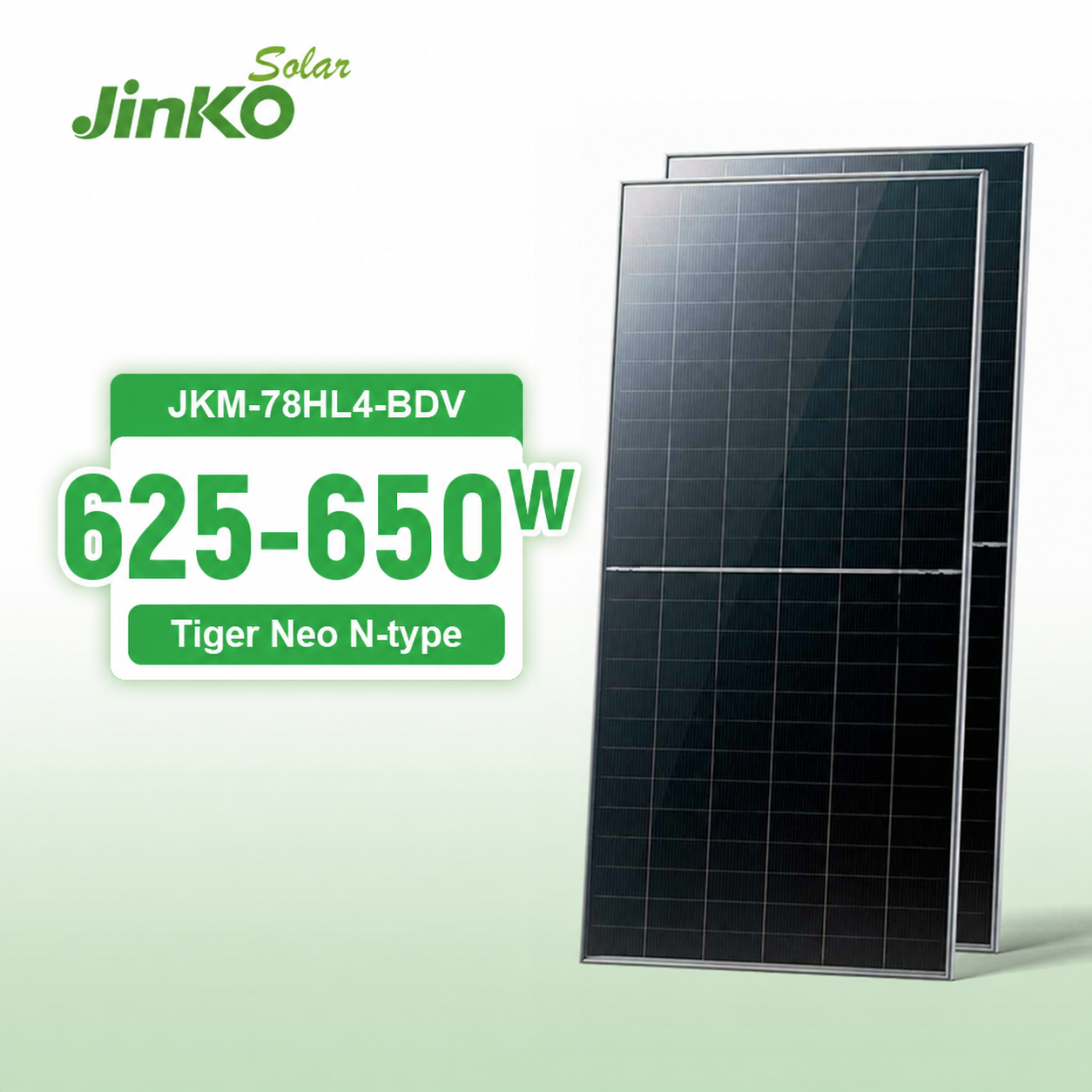
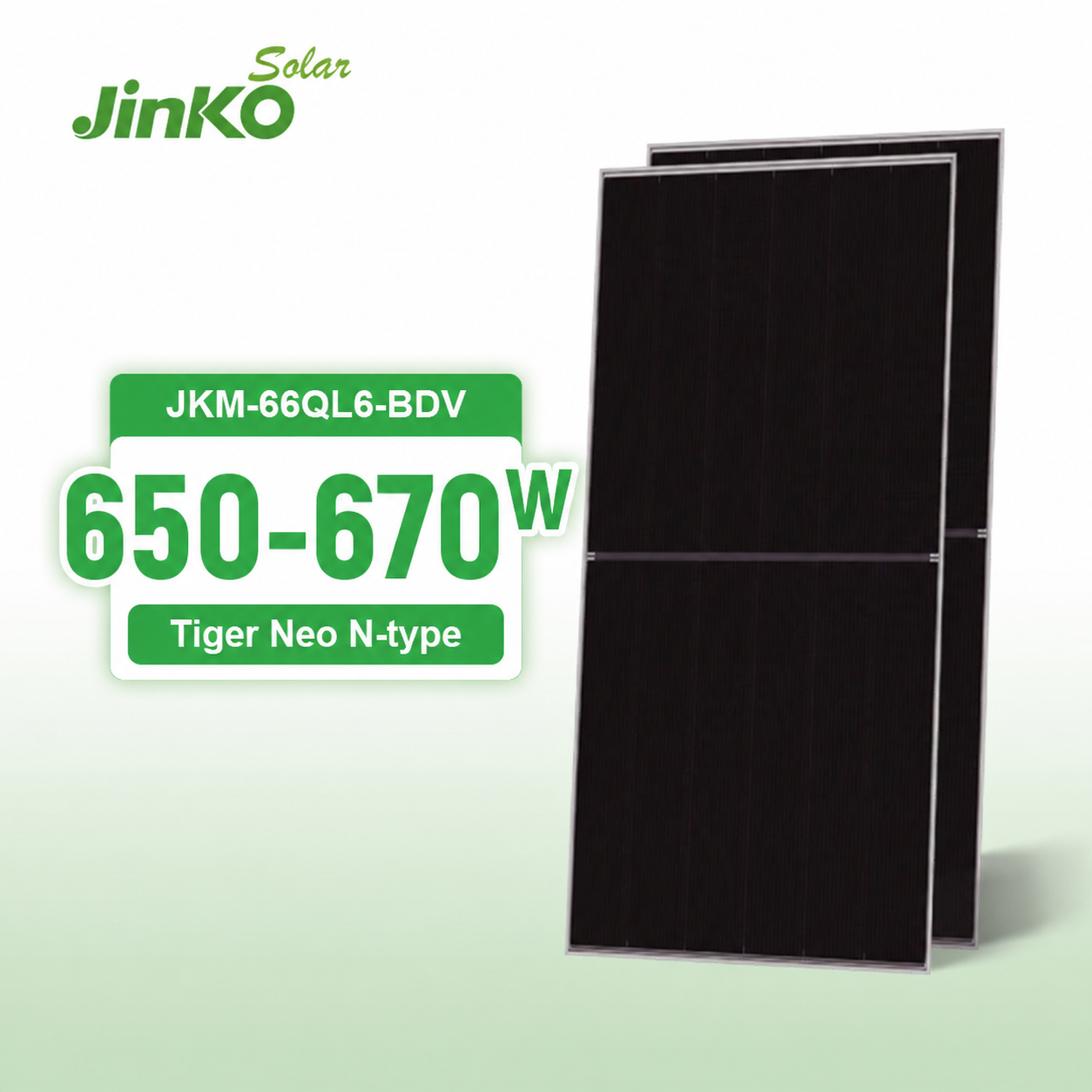
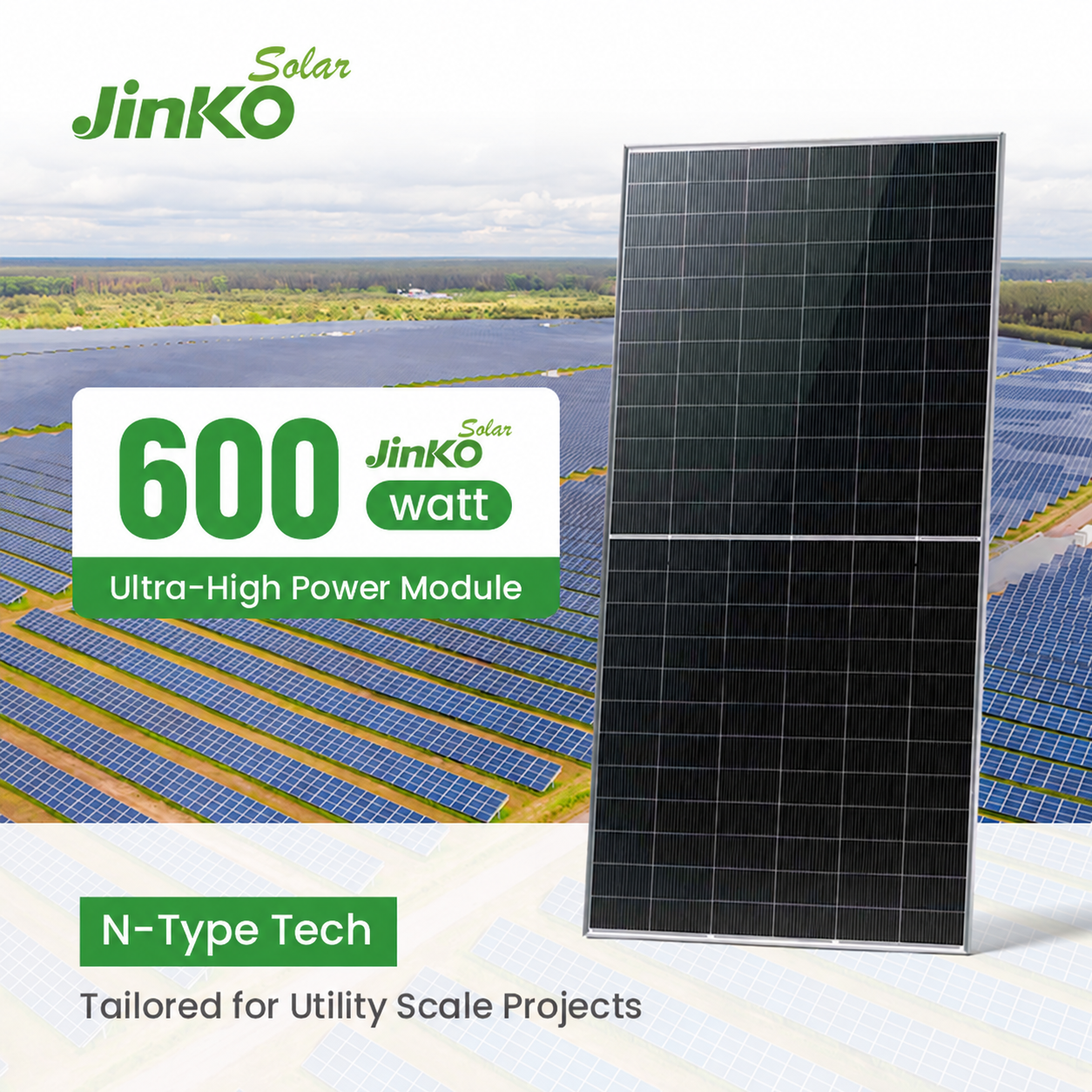
Precision-matched monocrystalline and bifacial N-type double glass modules optimized for commercial, residential, and agricultural battery energy storage banks in the Piedmont region.
Solar AGM Battery Architecture: Engineering Resilience for the Charlotte Grid
An authoritative engineering white paper on deep-cycle Absorbent Glass Mat electrochemistry, Duke Energy Carolinas interconnection dynamics, and commercial microgrid economics.
The transition toward high-reliability clean power throughout the Charlotte-Concord-Gastonia metropolitan area has established a critical imperative for resilient, non-spillable, and maintenance-free energy storage systems. While lithium iron phosphate (LiFePO4) chemistry occupies considerable mindshare in residential peak-shaving applications, Industrial Absorbent Glass Mat (AGM) Valve Regulated Lead-Acid (VRLA) batteries remain the premier standard for critical infrastructure, utility backup stations, cold-tolerant telecom shelters, and cost-effective agricultural off-grid arrays across Mecklenburg, Gaston, Union, and Cabarrus counties. As a premier solar AGM battery manufacturer and global system integrator, Hangzhou VOLT New Energy Technology Co., Ltd. delivers engineered energy storage assets designed explicitly to endure North Carolina's humid subtropical climate and severe weather grid disruptions.
Our deep-cycle solar AGM batteries are built using high-purity virgin lead grids (99.994%) alloyed with calcium and tin, virtually eliminating plate corrosion while maintaining structural rigidity during repeated deep charge-discharge cycles. The electrolyte is completely immobilized within micro-porous, ultra-fine borosilicate glass fiber mats. These separators function under high plate compression, preventing the shedding of active paste materials—the leading cause of premature failure in standard flooded batteries. Furthermore, the oxygen recombination cycle achieves an efficiency greater than 99.2%, wherein oxygen generated at the positive plate diffuses through the porous AGM separator to the negative plate to react and recombine into water, entirely eradicating the need for distilled water replenishment or dedicated hydrogen ventilation suites under standard NEC 2020 / NEC 2023 Article 706 compliance frameworks.
High-Compression Mat Recombination
Engineered micro-porous glass mats operate under mechanical compression, keeping active positive mass locked in place. This design eliminates electrolyte stratification, acid spills, and thermal runaway hazards in Charlotte's high-heat summer basements and outdoor enclosures.
Heavy-Duty Thick Plate Pb-Ca-Sn Alloy
Thick positive plates cast from quaternary lead-calcium-tin alloys retard grid creep and grid corrosion under continuous float service. Ideal for Duke Energy backup scenarios requiring 10-to-12-year design life at a controlled 25°C float operating voltage.
Self-Sealing One-Way VRLA Relief Valves
Precision synthetic rubber safety valves open automatically when internal gas pressures reach 10 to 35 kPa and reseal instantly once stabilized. This ensures airtight, explosion-proof, and corrosion-resistant integrity across industrial logistics centers along the I-85 and I-77 corridors.
Electrochemistry Comparison: AGM vs. GEL vs. LFP in Charlotte Climates
Quantitative analysis for system sizing, capital expense budgeting, and levelized thermal performance under Carolinas weather cycles.
| Technical Characteristic | VOLT Deep-Cycle Solar AGM | Colloidal Deep-Cycle GEL | LFP Lithium Iron Phosphate |
|---|---|---|---|
| Electrochemical Medium | Immobilized in Borosilicate Glass Mat | Thixotropic Fumed Silica Gel Matrix | Lithium Iron Phosphate / Organic Carbonate |
| Upfront Capital Cost (CapEx) | Lowest Initial Cost (High B2B ROI) | Moderate (15–25% higher than AGM) | High (2.2x to 3.0x initial battery outlay) |
| Sub-Freezing Discharge Performance | Superior (-20°C to 50°C operating window) | Moderate (-15°C to 45°C) | Requires active internal pre-heating below 0°C |
| Thermal Runaway & Fire Hazard | Classified Non-Dangerous / No Thermal Propagation | Non-Flammable / Non-Dangerous Goods | Requires certified BMS with thermal safety disconnect |
| Cycle Life (50% Depth of Discharge) | 1,200 to 1,500 Cycles (Daily Solar Float) | 1,800 to 2,200 Cycles (Deep Off-Grid) | 4,000 to 6,000 Cycles (High Daily Throughput) |
| Regulatory & Transport Classification | Non-Spillable VRLA, DOT 49 CFR 173.159a | Non-Hazardous Cargo, Dry Freight Approved | Class 9 Dangerous Goods, UN38.3 Mandatory |
| Recyclability at End-of-Life | >99% Closed-Loop Recycled in USA | >99% Established Smelting Infrastructure | Emerging recycling supply chain / Pyrometallurgical |
Strategic Solar AGM Deployments Across the Greater Charlotte Region
Tailored energy storage designs solving distinct grid, regulatory, and environmental challenges in North Carolina.
Duke Energy Peak Resiliency & Backup
Piedmont winters and coastal hurricane fringes periodically strain local distribution feeders. VOLT deep-cycle AGM banks coupled with Deye hybrid inverters provide immediate, high-amperage transfer power to support critical household loads, commercial freezers, and sump pumps without grid feedback delays.
Charlotte Industrial & Logistics Hubs
Distribution centers along I-85 and I-77 demand uninterrupted power for enterprise automated sorting lines, material handling equipment, and security servers. Our modular 48V AGM banks deliver reliable instantaneous surge current without requiring complex external BMS firmware communication bridges.
Agricultural Operations & Rural Off-Grid
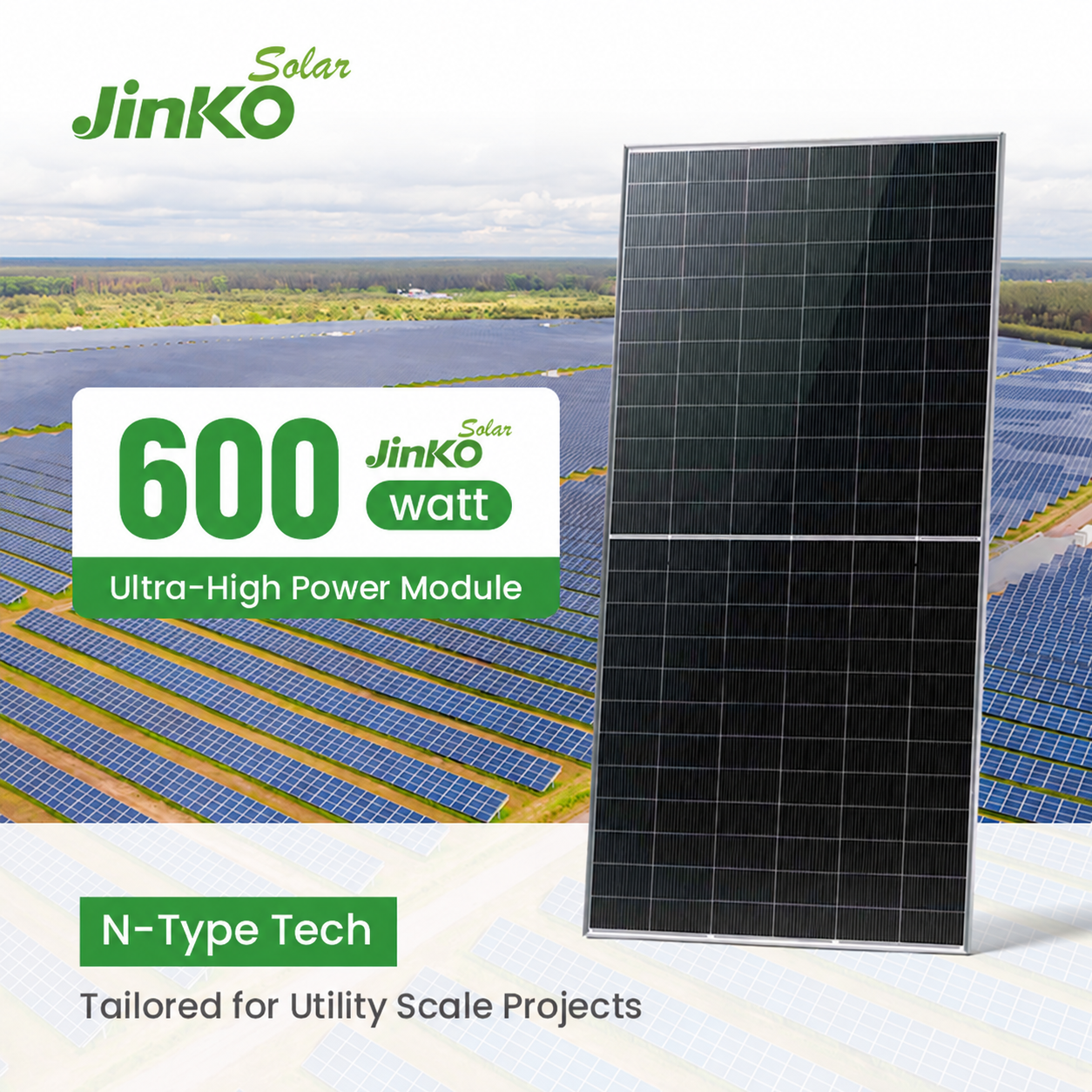
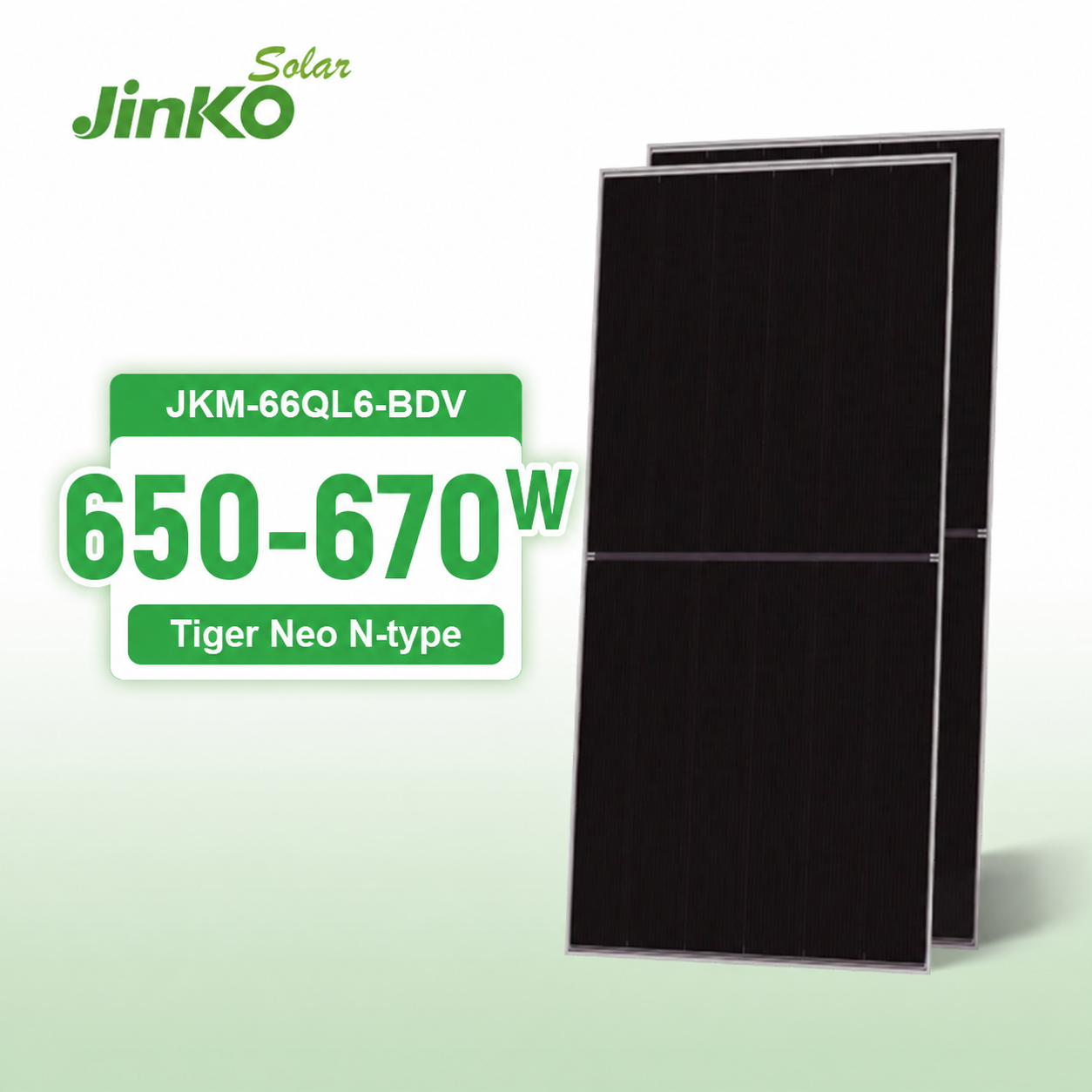
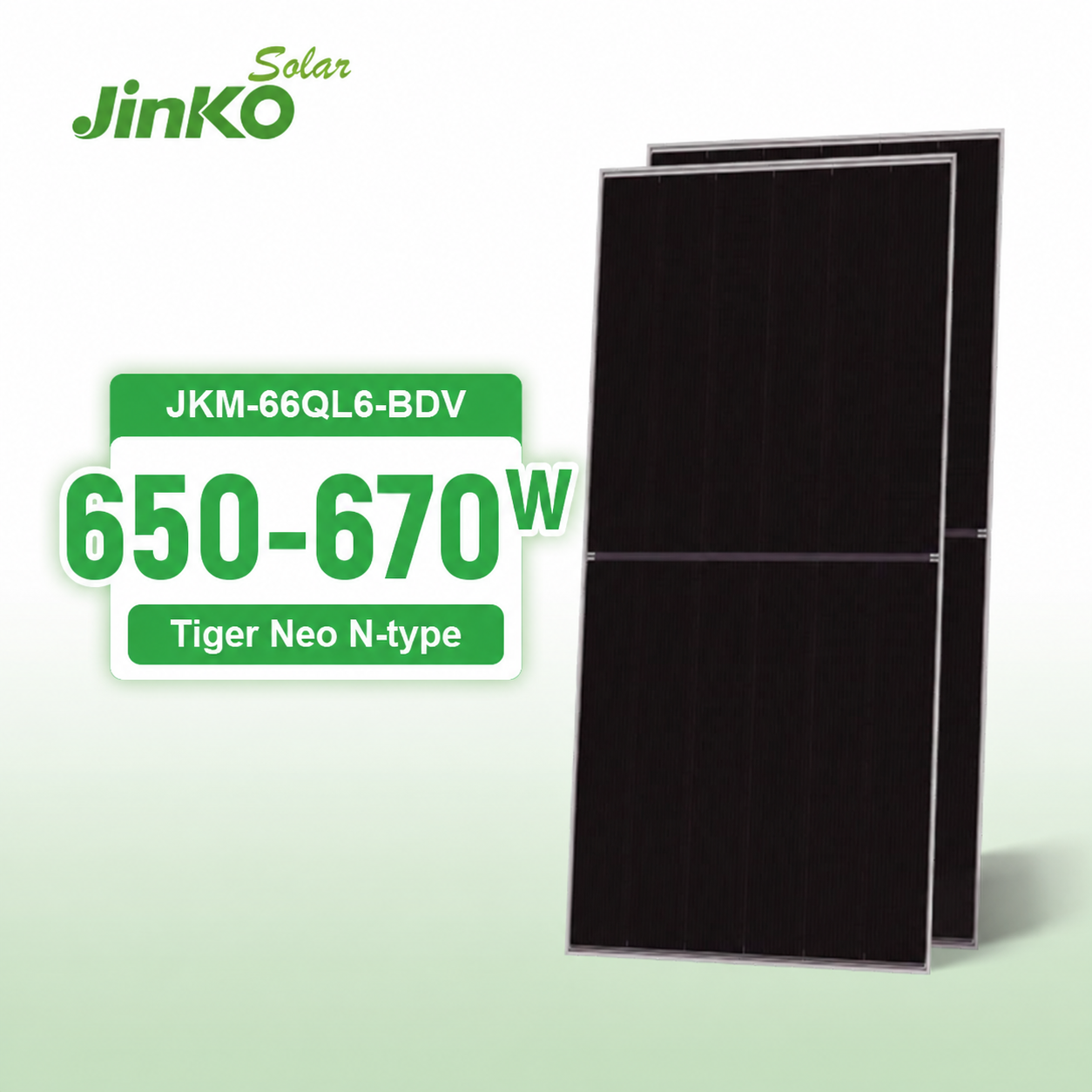
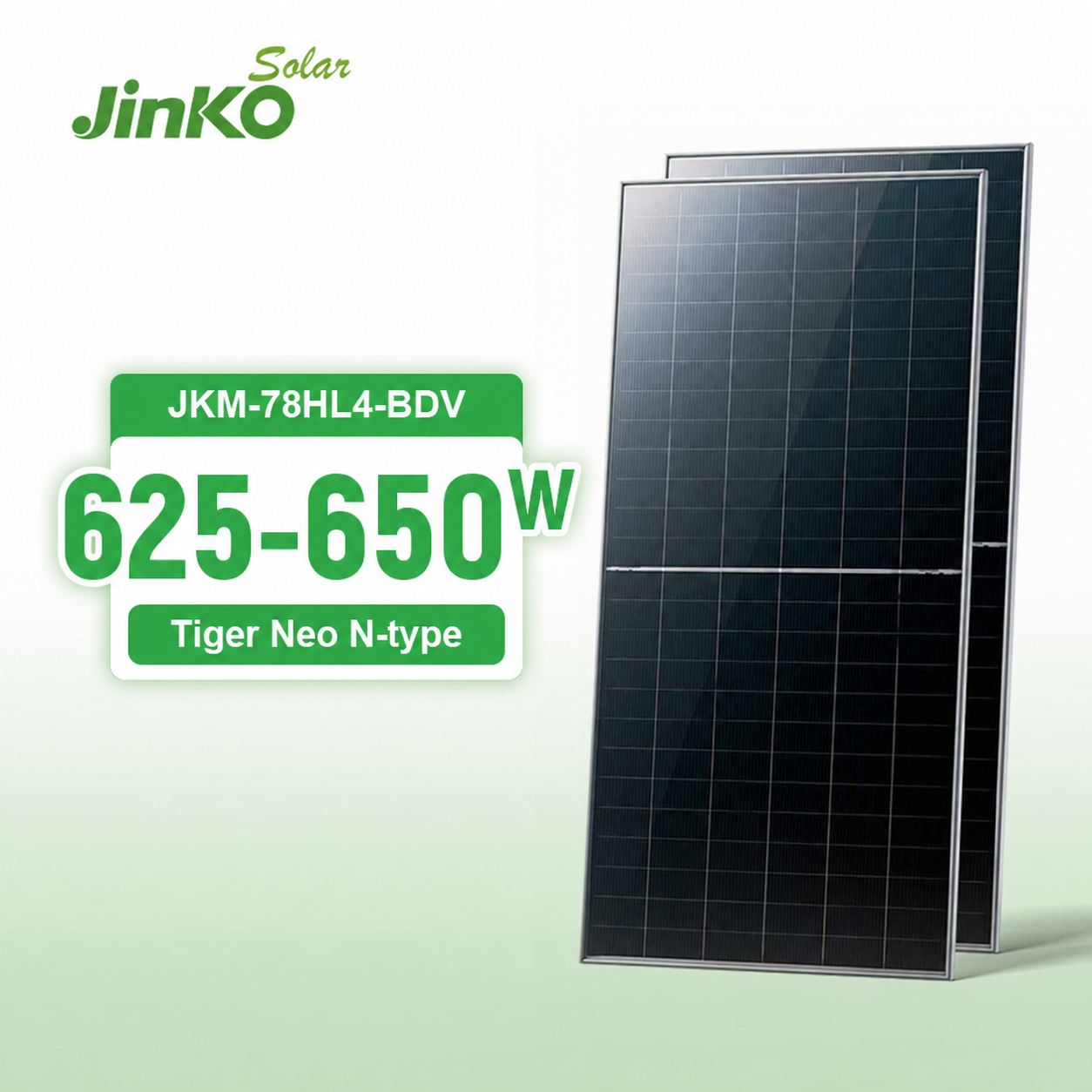
Across surrounding counties like Gaston, Lincoln, and Union, poultry sheds, dairy chillers, and automated irrigation pumps frequently operate beyond standard utility extensions. Our solar AGM battery kits coupled with Jinko TOPCon bifacial modules ensure 24/7 continuous operation despite lightning transients and voltage sag.
Telecommunications & Municipal Scada
Remote wireless relay towers, emergency municipal repeating stations, and highway monitoring cameras demand uncompromised reliability across sudden thermal shifts. VOLT AGM blocks operate reliably from -20°C to 50°C, delivering zero electrolyte leakage and unmatched vibration resistance.
Turnkey Commercial Solar Storage Skids
For Charlotte solar EPCs looking for rapid project closeouts without complex supply chain bottlenecks, our pre-packaged skids integrate 12V 100Ah-250Ah AGM blocks with matched balance-of-system breakers, DC isolators, and pre-wired rack cabinets for instant site commissioning.
The Piedmont Energy Transition: Why AGM Retains a Dominant Market Position
Analyzing grid decarbonization mandates, lead-acid domestic recycling loops, and levelized storage economics in the Carolinas.
Under the mandates of North Carolina House Bill 951 and the Duke Energy Carbon Plan approved by the North Carolina Utilities Commission (NCUC), the region is moving aggressively toward a 70% reduction in carbon emissions by 2030. While this regulatory environment heavily incentivizes solar-plus-storage integration, it has created immense capital cost pressures for mid-market commercial operations, agricultural cooperatives, and emergency facilities. The volatile pricing and critical mineral dependencies associated with lithium technologies have led many engineering consultants in Charlotte to specify heavy-duty solar AGM banks for long-duration backup and float-standby installations.
One of the primary drivers favoring AGM technology across the American Southeast is the mature, domestic circular recycling economy. Over 99% of all lead battery materials in the United States are recycled through EPA-regulated domestic smelters, insulating buyers from international geopolitical instability and volatile disposal surcharges. Furthermore, solar AGM batteries do not experience thermal runaway propagation under normal charging profiles, allowing Charlotte EPCs to bypass costly NFPA 855 fire suppression retrofits, large explosion-relief dampers, and extensive municipal zoning variances often mandated for high-density lithium containerized installations.
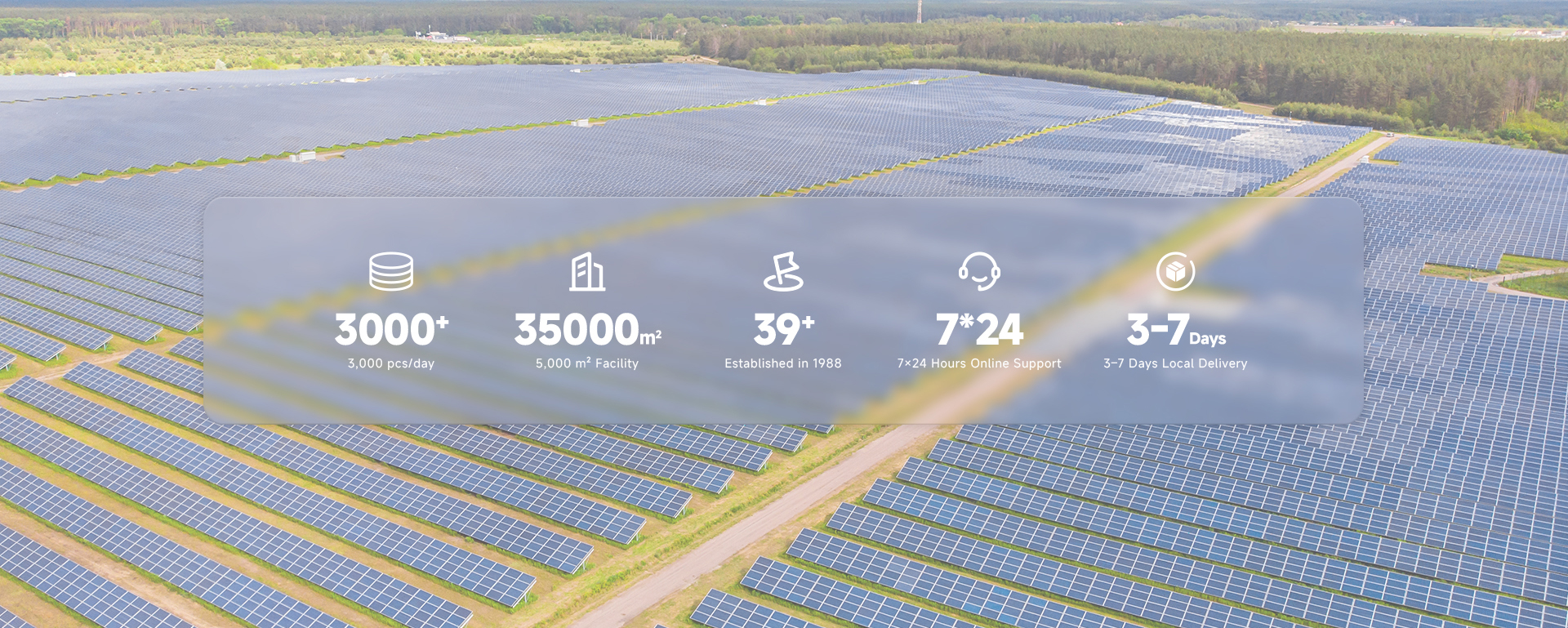
Enterprise Manufacturing & Global Supply Chain Excellence
How Hangzhou VOLT New Energy safeguards every shipment of deep-cycle AGM and PV modules to the Port of Charleston and Charlotte B2B distribution yards.



Triple-Stage Pre-Shipment QC
Every single solar AGM cell undergoes open-circuit voltage (OCV) stabilization checks, automated internal resistance (IR) matching, and high-rate discharge load tests before crating. We eliminate internal shorts and capacity mismatches before departure.
Streamlined Port-to-Door Logistics
Leveraging deep logistics integrations through the Port of Charleston (SC) and Port of Wilmington (NC), we coordinate full container load (FCL) consolidation—combining AGM batteries, Jinko PV panels, and Deye inverters directly into Charlotte warehouses without customs delays.
Comprehensive Compliance Certification
Our deep-cycle product lines meet stringent global benchmarks: ISO 9001 quality management, CE electromagnetic compatibility, UL-recognized component testing standards, and IEC 60896-21/22 validation for stationary VRLA performance.
Frequently Asked Questions by Charlotte Solar Contractors & EPCs
Direct engineering answers regarding NEC code compliance, Duke Energy interconnection, charge profiles, and shipping procedures.
How do VOLT Solar AGM batteries comply with NEC 2020 / NEC 2023 Article 706 in North Carolina?
What are the recommended three-stage charging parameters for AGM batteries in Charlotte's climate?
How does freight consolidation work for shipments arriving in the Charlotte metropolitan area?
Can VOLT AGM batteries be combined with Deye hybrid inverters for Duke Energy net metering setups?
What warranty policy and technical support do you provide to commercial buyers in the USA?
Request Engineering Pricing for the Charlotte Market
Connect with our technical sizing team today. We provide matched system blueprints, custom battery rack layouts, container logistics schedules, and wholesale pricing tailored to North Carolina EPCs and distributors.