High-Efficiency Photovoltaic Modules & Matched Storage Systems
Pre-tested components designed for seamless pairing with industrial battery cabinets, hybrid inverters, and utility-scale solar arrays throughout Ecuador.
Overcoming Ecuador’s Hydropower Vulnerability with Distributed Solar Battery Cabinets
The national energy infrastructure of the Republic of Ecuador has reached an inflection point. For decades, the Ecuadorian electrical grid, managed under the coordination of CENACE (Operador Nacional de Electricidad), relied on massive hydroelectric generation facilities such as the Paute Integral complex (including Mazar, Molino, and Sopladora) and Coca Codo Sinclair. Historically supplying over 80% of the nation’s electric demand, this hydro-centric architecture has revealed catastrophic vulnerabilities during seasonal drought periods (estiaje) intensified by the El Niño and La Niña meteorological phenomena. With reservoir levels dropping below operational thresholds, the Ecuadorian government was repeatedly forced to implement rolling blackouts of 8 to 14 hours per day across major urban and industrial centers including Quito, Guayaquil, Cuenca, and Ambato.
This systemic energy deficit has fundamentally re-architected how Ecuadorian industrial facilities, municipal utilities, commercial enterprises, and agricultural farms secure operational continuity. Diesel-fired backup generators have proven economically unsustainable due to soaring maintenance overhead, fuel price volatility, and stringent carbon mandates. Consequently, Solar Battery Energy Storage System (BESS) Cabinets have transitioned from alternative options to mission-critical infrastructure. As an engineering manufacturer and global exporter, Hangzhou VOLT New Energy Technology Co., Ltd. supplies industrial-grade, fully integrated battery cabinets and storage enclosures designed specifically to stabilize the Ecuadorian commercial grid, buffer intermittent solar photovoltaic production, and provide autonomous off-grid resilience during national blackout events.
Under the framework of Ecuador’s newly promulgated Ley Orgánica de Competitividad Energética (Energy Competitiveness Law) and updated ARCONEL regulatory resolutions, private enterprises are empowered to build self-generation projects up to 10 MW. Commercial and industrial (C&I) buyers are now aggressively deploying bifacial monocrystalline photovoltaic arrays paired with centralized outdoor battery storage cabinets. This decentralized architecture enables active peak shaving, Time-of-Use (ToU) arbitrage, reactive power compensation, and instantaneous emergency backup power without polluting emissions or acoustic signatures.
Dual-Zone Microclimate Design: Andean Altitudes vs. Coastal Marine Corrosion
Engineering a solar battery storage cabinet for the Ecuadorian market requires rigorous adaptation to two geographical extremes: the ultra-high altitude, low-pressure Andean Sierra, and the hyper-saline, humid Pacific littoral. Standard off-the-shelf enclosures fabricated for temperate, sea-level markets predictably fail within 12 to 24 months due to dielectric breakdown, thermal runaway caused by inadequate air cooling, or galvanic rust perforation.
Andean Sierra High Altitude
Cities such as Quito (2,850m), Cuenca (2,560m), and Latacunga (2,750m) feature thin atmospheres with reduced air density. At 3,000 meters above sea level, convective heat transfer diminishes by over 20%, and the dielectric withstand strength of air drops significantly. VOLT New Energy engineers battery cabinets with over-dimensioned electrical clearances, increased creepage distances, and closed-loop liquid-cooling or high-CFM industrial HVAC chillers to eliminate altitude derating.
Coastal Marine & Tropical Humidity
Guayaquil, Manta, Esmeraldas, and Machala exhibit sustained relative humidity exceeding 85% coupled with airborne sodium chloride aerosols. Our outdoor battery cabinets feature heavy-gauge cold-rolled galvanized steel or marine-grade aluminum treated with C5-M certified epoxy powder coatings. Sealed to IP65 or NEMA 4X standards, the internal electronic compartments are equipped with integrated PTC anti-condensation heaters and silicone gasketing.
Galápagos & Amazon Off-Grid
In ecologically pristine zones like the Galápagos archipelago and isolated petroleum extraction concessions across the Oriente (Sucumbíos, Orellana), battery cabinets must operate with zero chemical leakage risk. We deploy non-toxic Lithium Iron Phosphate (LiFePO4) chemistry integrated with aerosol NOVEC fire suppression systems, delivering maintenance-free, self-contained microgrid capabilities.
To illustrate the differences between standard consumer battery enclosures and VOLT New Energy’s specialized Ecuadorian export models, the comparative engineering parameters are outlined below:
| Technical Parameter | Standard Commercial Cabinet | VOLT New Energy Andean & Coastal Industrial Series |
|---|---|---|
| Altitude Rating | 0 to 1,000 meters (Uncompensated) | Up to 3,500 meters without electrical clearance derating |
| Enclosure Protection | IP20 / IP31 (Indoor Sheet Metal) | Outdoor Dual-Compartment IP55 / IP65 (NEMA 3R / NEMA 4X) |
| Corrosion Resistance Class | C2 / C3 Light Industrial Paint | ISO 12944 C5-M Marine Heavy-Duty Multi-Layer Epoxy Finish |
| Thermal Regulation | Ambient Passive Convection Fan | Industrial Closed-Loop Variable Frequency HVAC / Chiller System |
| Battery Chemistry | Mixed Lithium NMC or VRLA Gel | Tier-1 Automotive-Grade Prismatic LiFePO4 (Grade A) |
| Fire Safety Integration | Basic Smoke Sensor Only | Multi-Gas Detection + Integrated Aerosol / NOVEC 1230 Fire Suppression |
| Communication Protocols | Proprietary Unconfigurable Protocol | Pre-Configured Dual CAN 2.0B / RS485 Native to Deye, Megarevo, Kehua |
Mission-Critical Applications across Key Ecuadorian Economic Sectors
Across the coastal plains, mountain basins, and rainforest frontiers of Ecuador, diverse industries rely on our tailored battery cabinet architectures to bridge grid instability, minimize operational losses, and ensure regulatory compliance.
Aquaculture & Shrimp Packaging (Guayas & El Oro)
Ecuador is the global leader in shrimp exports. Unplanned power interruptions stop aerators, seawater pumps, and flash-freezing cold chains, threatening millions of dollars in biomass within hours. Our modular 100kWh–500kWh battery cabinets operate in tandem with Deye commercial hybrid inverters, providing millisecond transfer switching to keep cold chains powered during coastal brownouts.
Floriculture & Agro-Export (Pichincha & Cotopaxi)
The Ecuadorian Andean plateau produces high-value roses and cut flowers demanding strict temperature-controlled storage and automated drip-fertigation pumps. High-voltage outdoor battery cabinets paired with rooftop bifacial solar modules reduce heavy daytime peak tariffs and protect post-harvest storage facilities from unexpected utility outages.
Urban C&I Centers & Banking (Quito & Guayaquil)
Commercial shopping centers, corporate headquarters, and tier-3 datacenters face steep penalties for downtime. Our compact, stackable indoor/outdoor battery cabinets provide high power density, fit easily into restricted basement spaces or rooftop footprints, and interface with building automation systems via Modbus TCP/IP.
Mining Concessions & Isolated Telecom Microgrids
In high-altitude Zamora-Chinchipe and Azuay mining projects, grid connection is non-existent or fragile. Our heavy-duty containerized battery enclosures form stable microgrid AC buses, absorbing surges from heavy induction motors and optimizing fuel consumption on diesel-hybrid arrays by over 45%.
Why Ecuadorian Developers Partner with Hangzhou VOLT New Energy
Selecting a solar battery cabinet supplier is an engineering investment requiring proven product reliability, rigorous certification, and verified protocol integration. Hangzhou VOLT New Energy Technology Co., Ltd. is not merely a trading intermediary; we are a dedicated system integrator and verified exporter serving over 100 countries and regions worldwide. Based in Hangzhou, Zhejiang, we combine advanced manufacturing infrastructure with stringent quality-control protocols to ensure that our Latin American EPC and distribution partners receive defect-free, turn-key storage equipment ready for immediate grid commissioning.
Pre-Commissioned Protocol Matching
BMS-to-inverter communication errors represent the single largest cause of project delays in Latin America. Prior to container loading, every battery cabinet undergoes hardware-in-the-loop communication testing with Deye, Megarevo, or customer-specified inverters across CAN 2.0B and RS485 channels to ensure 100% plug-and-play operation.
Consolidated Container Logistics
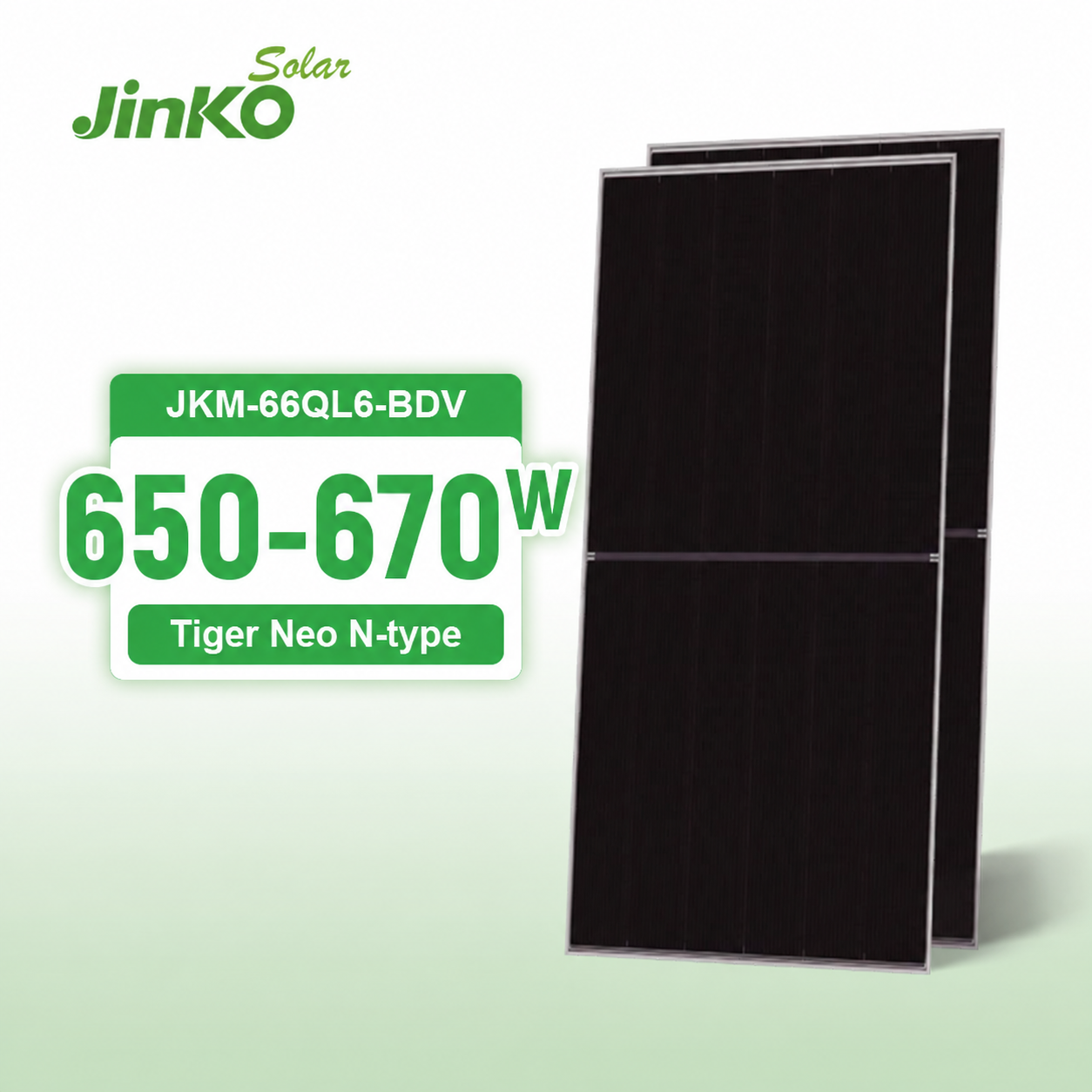
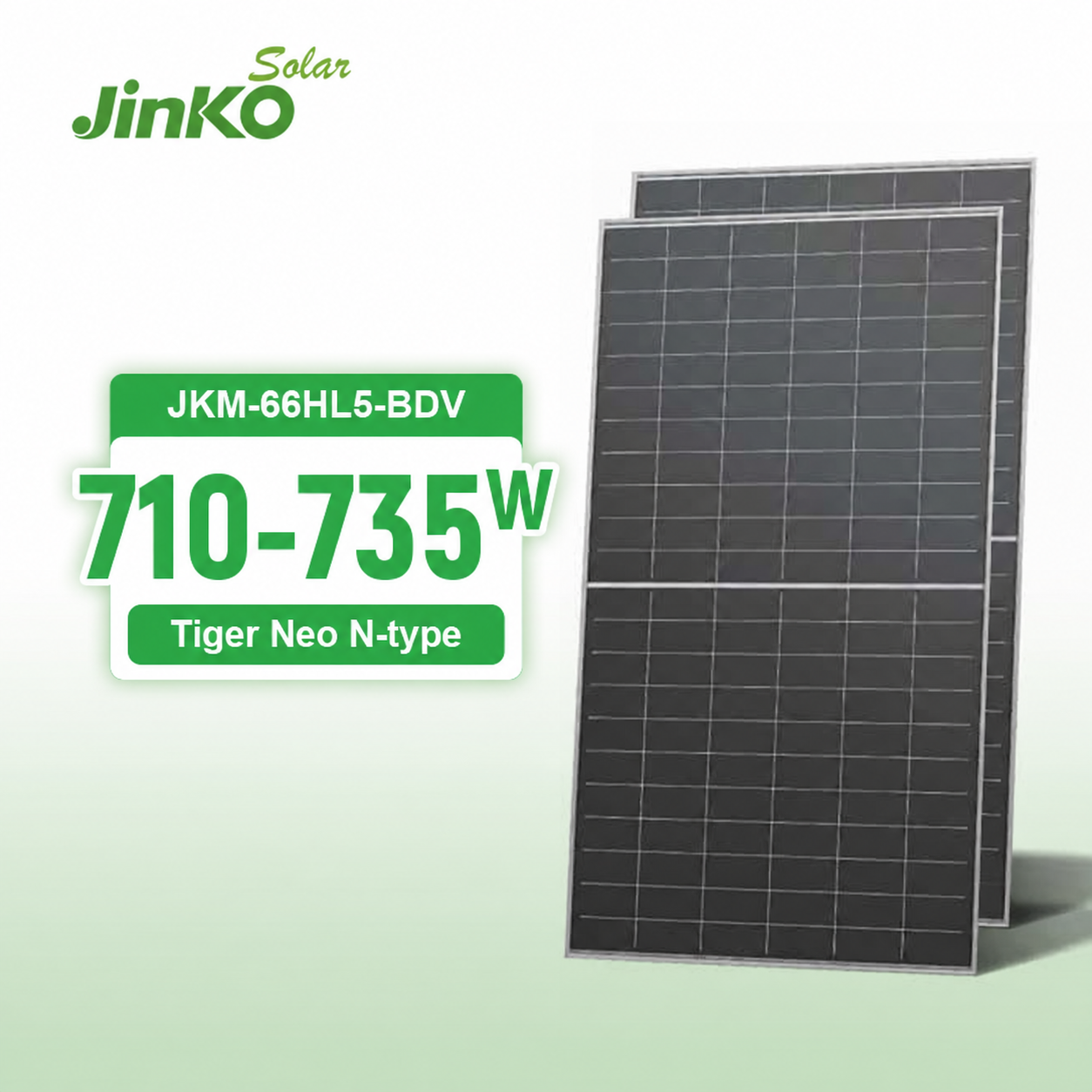
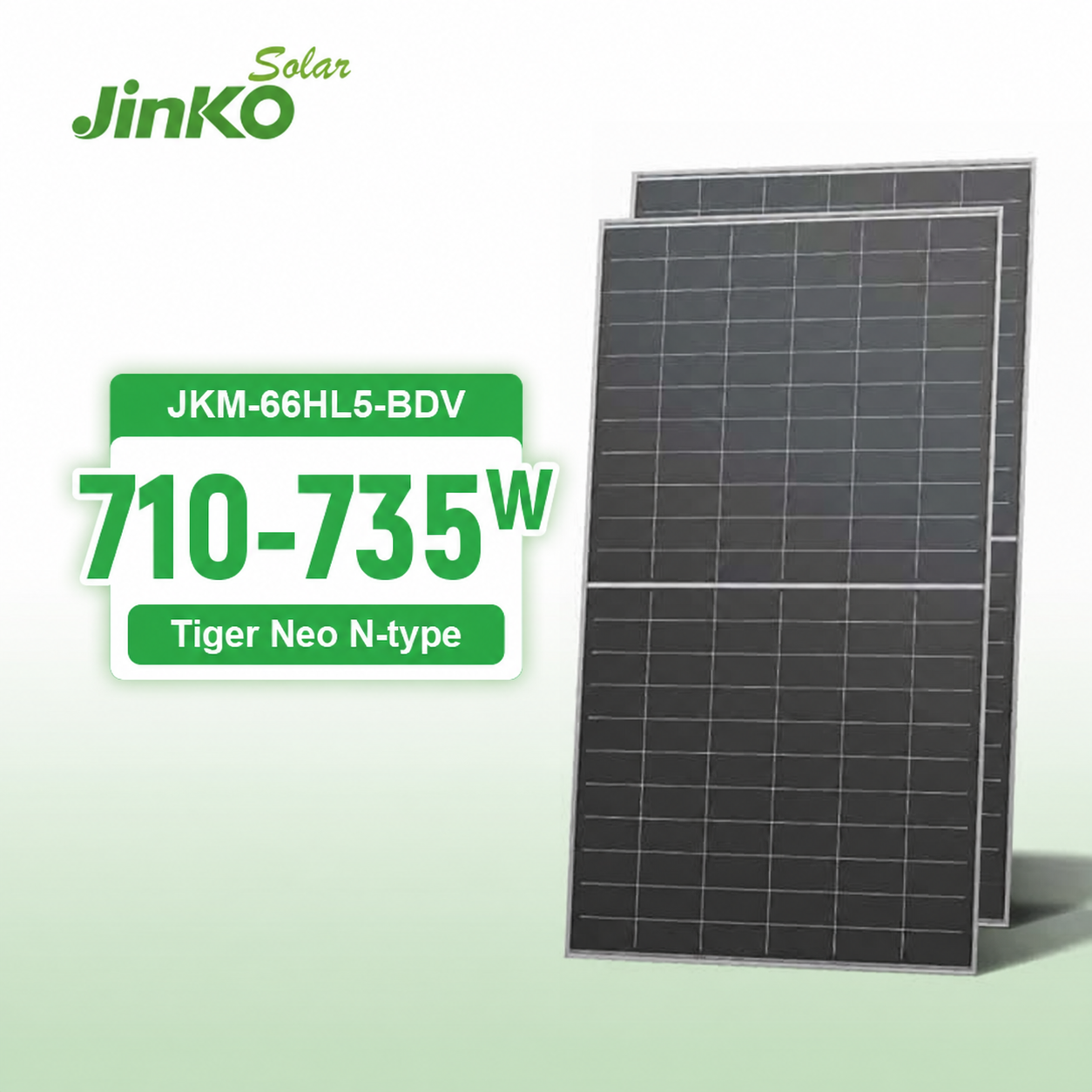
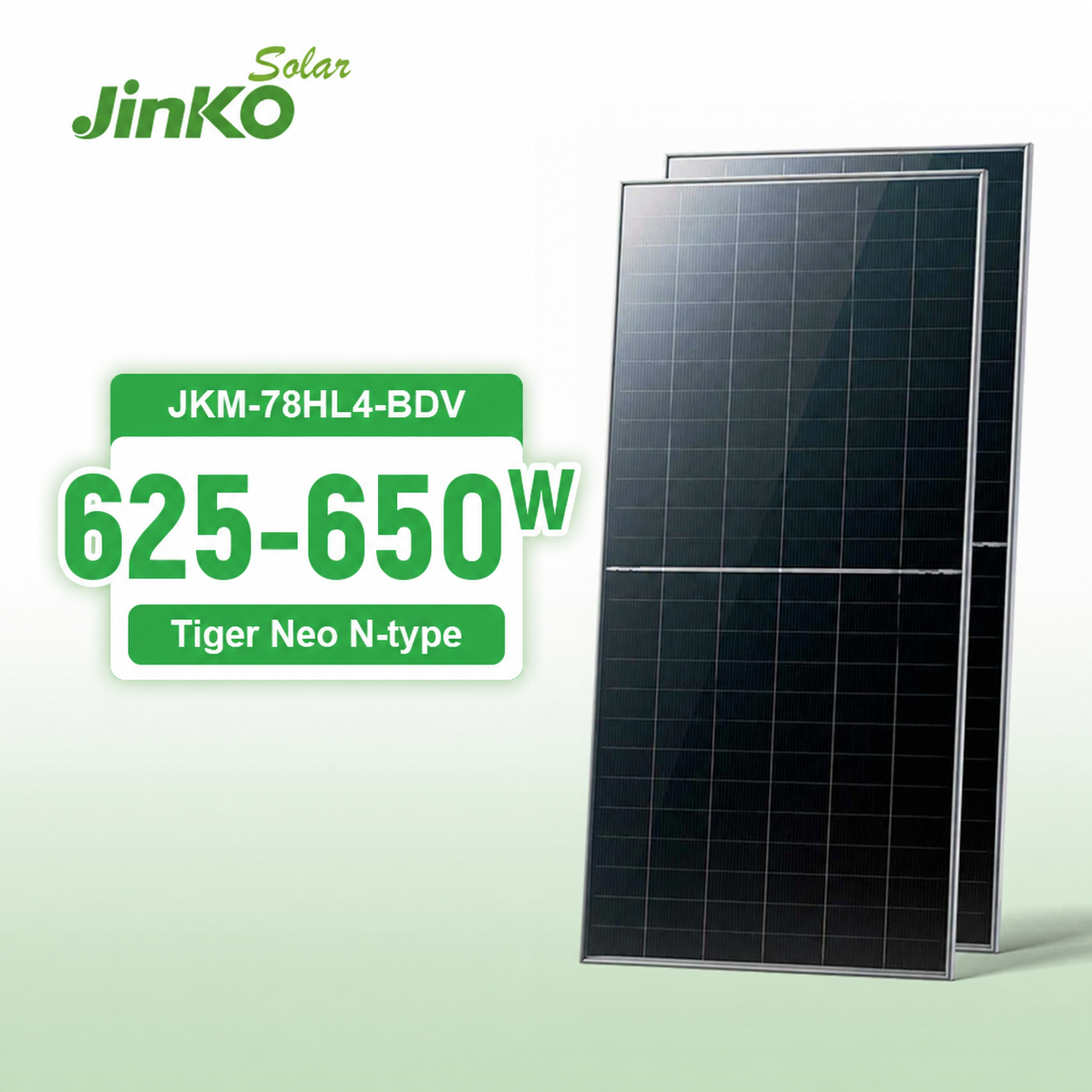
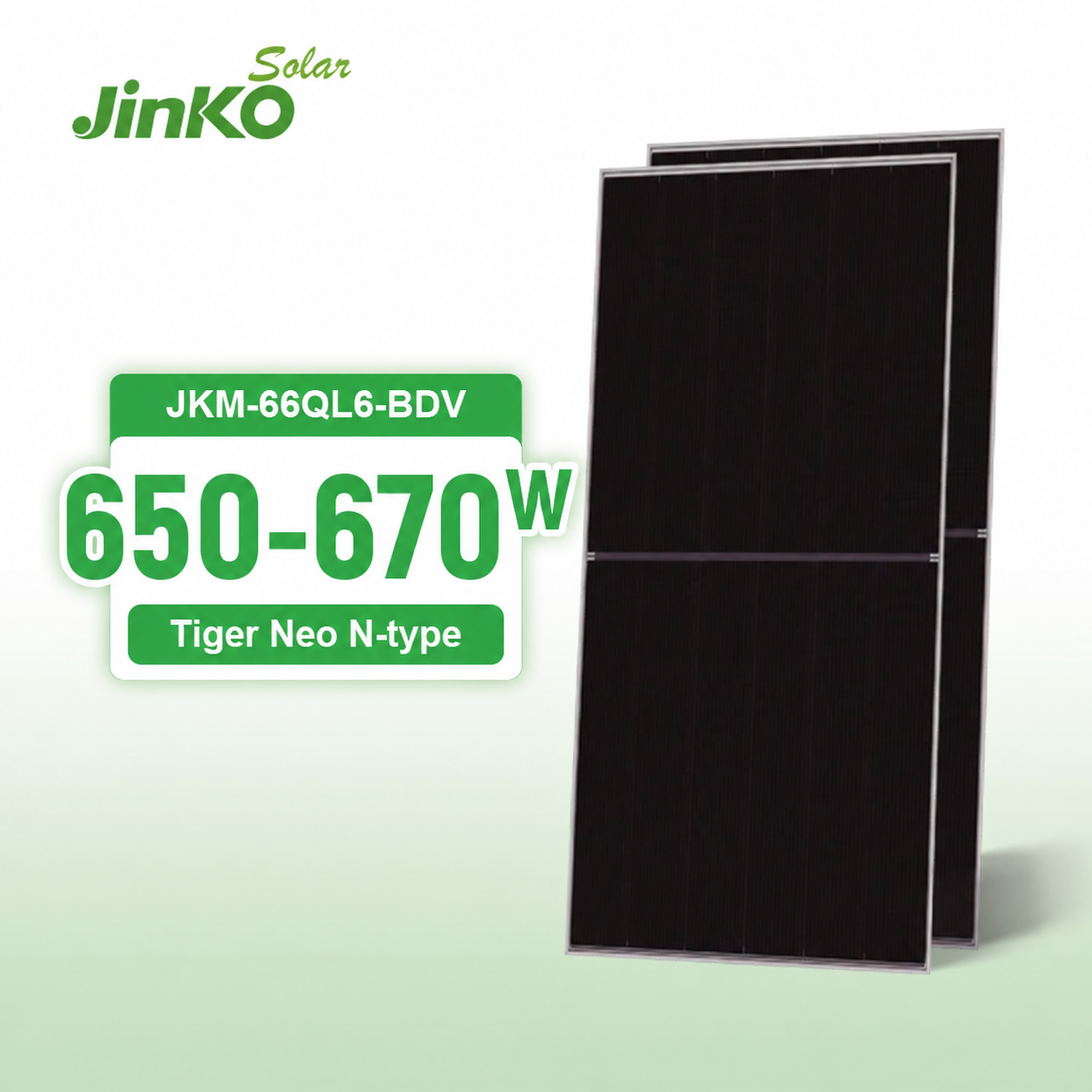
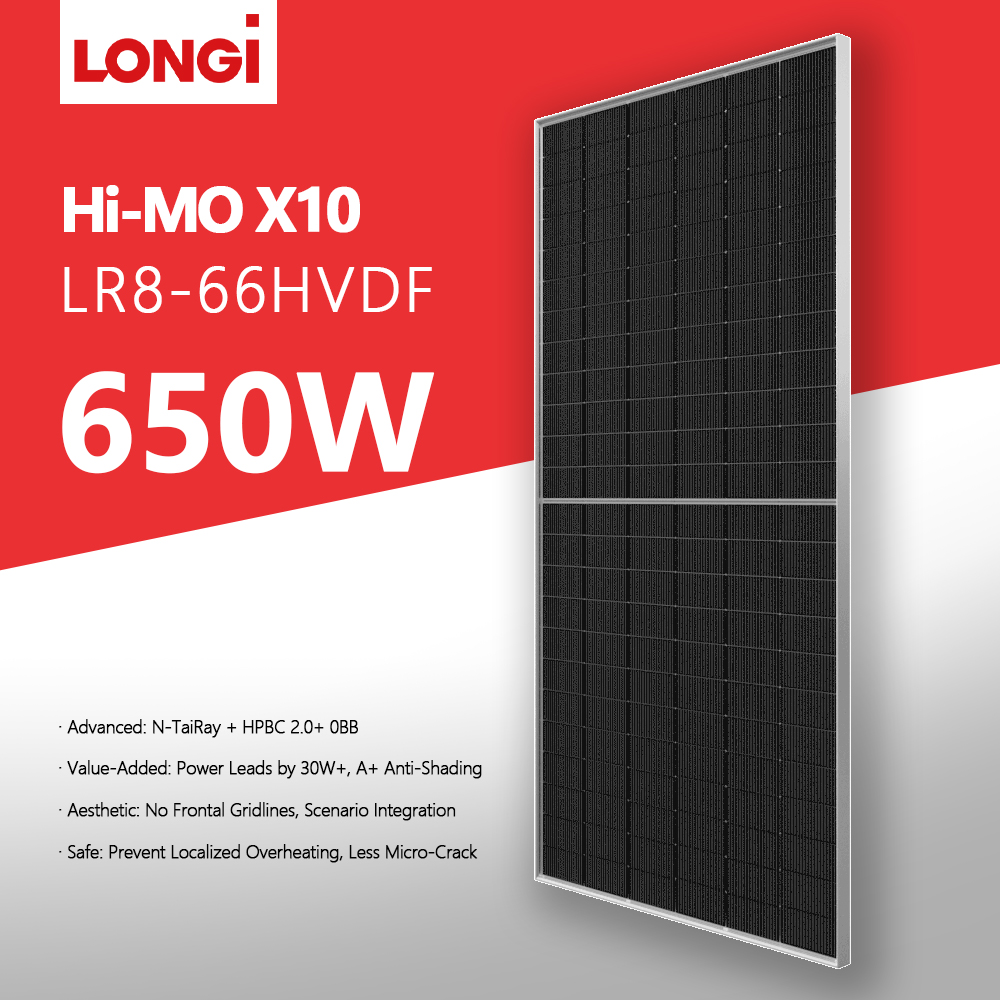
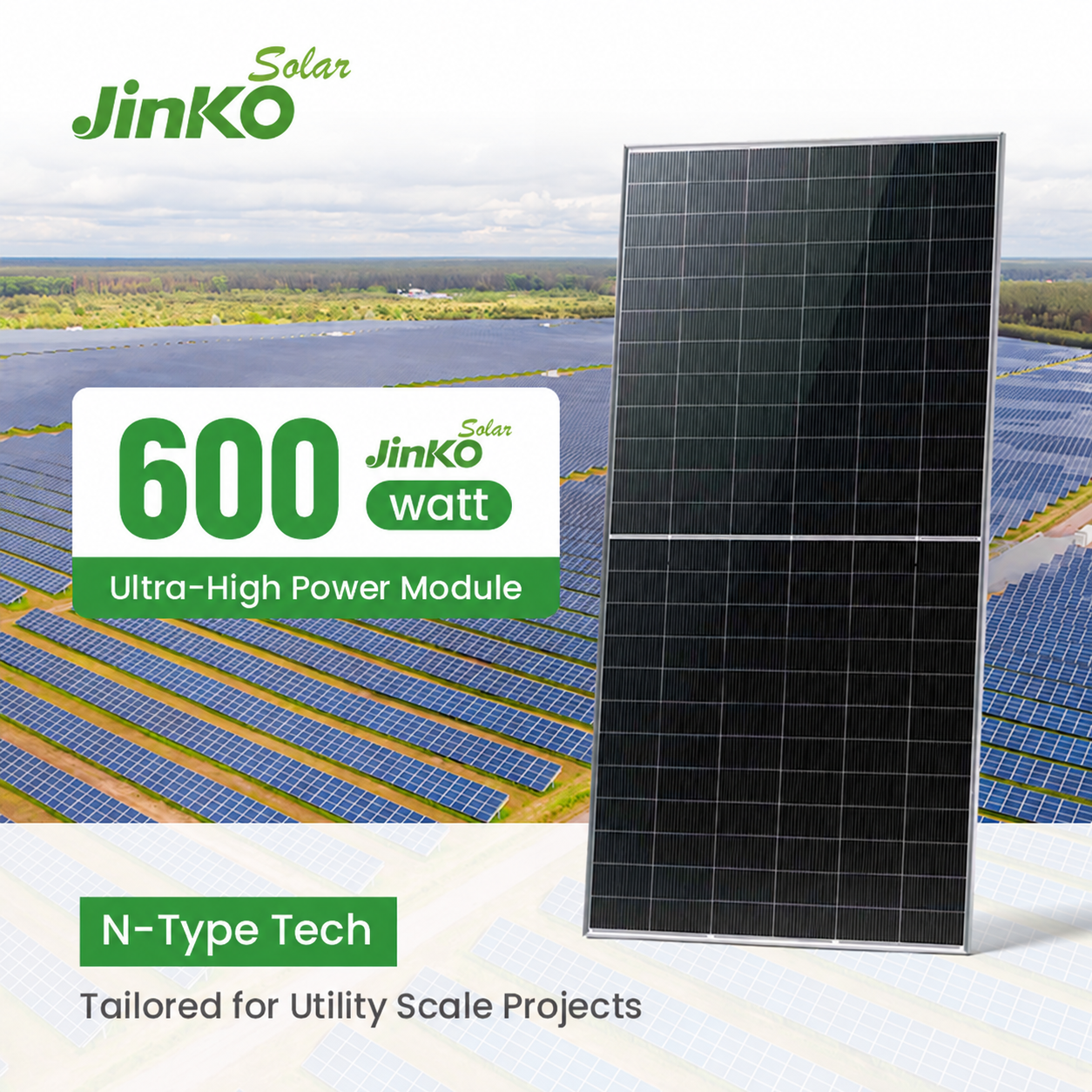
Importing individual components from fragmented suppliers inflates ocean freight and complicates Ecuadorian customs clearance at Puerto de Guayaquil. We offer complete consolidated shipping, packaging Jinko or LONGi Tier-1 solar panels, Deye inverters, cables, combiners, and battery cabinets into matched 20GP or 40HQ containers.
Full Compliance & Dangerous Goods Documentation
Lithium-ion energy storage systems are classified as Class 9 Dangerous Goods (UN3480). VOLT New Energy supplies certified UN38.3 test summaries, Material Safety Data Sheets (MSDS), sea freight packaging certification, and CE/IEC 62619 documentation to accelerate SENAE customs clearance in Ecuador.
Bilingual Technical Engineering Support
From sizing string configurations according to Andean irradiance curves to supplying complete electrical single-line diagrams (SLD) and Modbus register maps, our engineering department works directly with Ecuadorian EPC designers and certified electrical contractors.
Deploy Reliable Energy Storage Across Ecuador
Discuss your C&I or residential storage requirements directly with our technical engineering team. Receive matched system specifications, factory-direct pricing, and comprehensive CIF Guayaquil shipping schedules.
Get a QuoteFrequently Asked Questions by Ecuadorian EPCs & Industrial Importers
Key technical, regulatory, and logistics considerations for importing and operating solar battery cabinets in Ecuador.
How do VOLT New Energy battery cabinets compensate for altitude derating in Quito and Cuenca?
What are the import tariff conditions (Aranceles) for solar battery cabinets in Ecuador?
How is BMS-inverter compatibility ensured when pairing with Deye hybrid inverters?
What international certifications are provided to comply with ARCONEL and municipal safety regulations?
What are the lead times and shipping routes from China to Puerto de Guayaquil?
Can VOLT New Energy supply hybrid systems suitable for Ecuador’s split-phase and three-phase voltage standards?
The Future of Industrial Storage & Decentralized Microgrids in Ecuador
The future of Ecuador’s power resilience lies in decentralized, intelligent energy storage. As climatic unpredictability continues to impact Andean river inflows, industrial facilities that integrate on-site solar generation with battery cabinets establish a decisive competitive advantage. They insulate their operations from nationwide productivity pauses, protect delicate industrial equipment from voltage dips, and avoid escalating electricity surcharges.
Hangzhou VOLT New Energy Technology Co., Ltd. remains committed to driving this technological transition across Ecuador. By continuously refining our altitude-compensated cooling architectures, heavy-duty marine anti-corrosion treatments, and factory-integrated protocol matching, we ensure that Ecuadorian developers, contractors, and corporate end-users receive energy storage systems engineered for longevity, return on investment, and unyielding grid independence.