Featured Photovoltaic Modules & Storage Systems
High-yield bifacial dual-glass modules and matched energy storage solutions tailored for high-temperature resistance, anti-PID longevity, and superior mechanical load against dust storm conditions across Najaf Governorate.
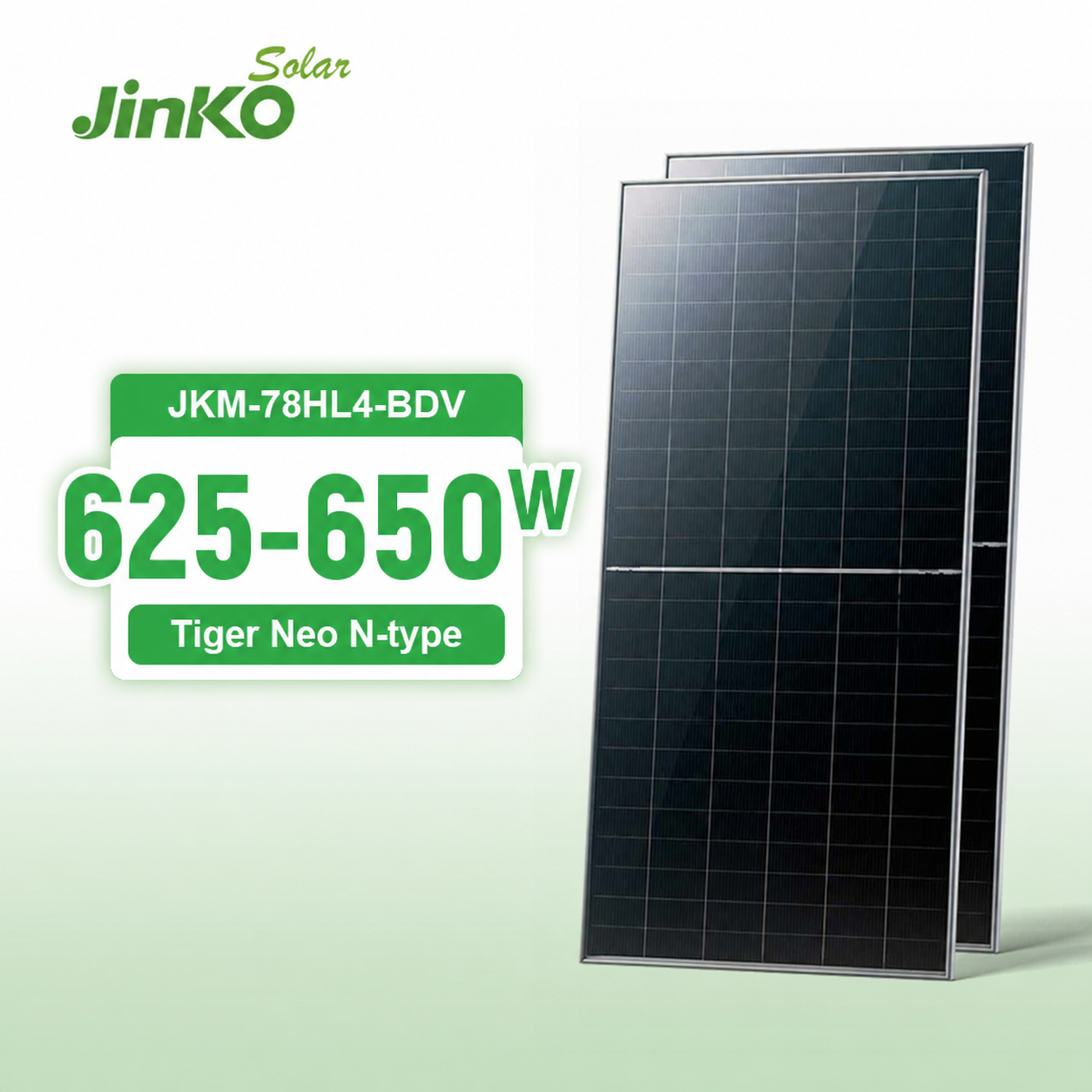
Jinko N Type Bifacial Pv Panels 650W 630W 645W Double Glass High Efficiency Solar Module for House Roof
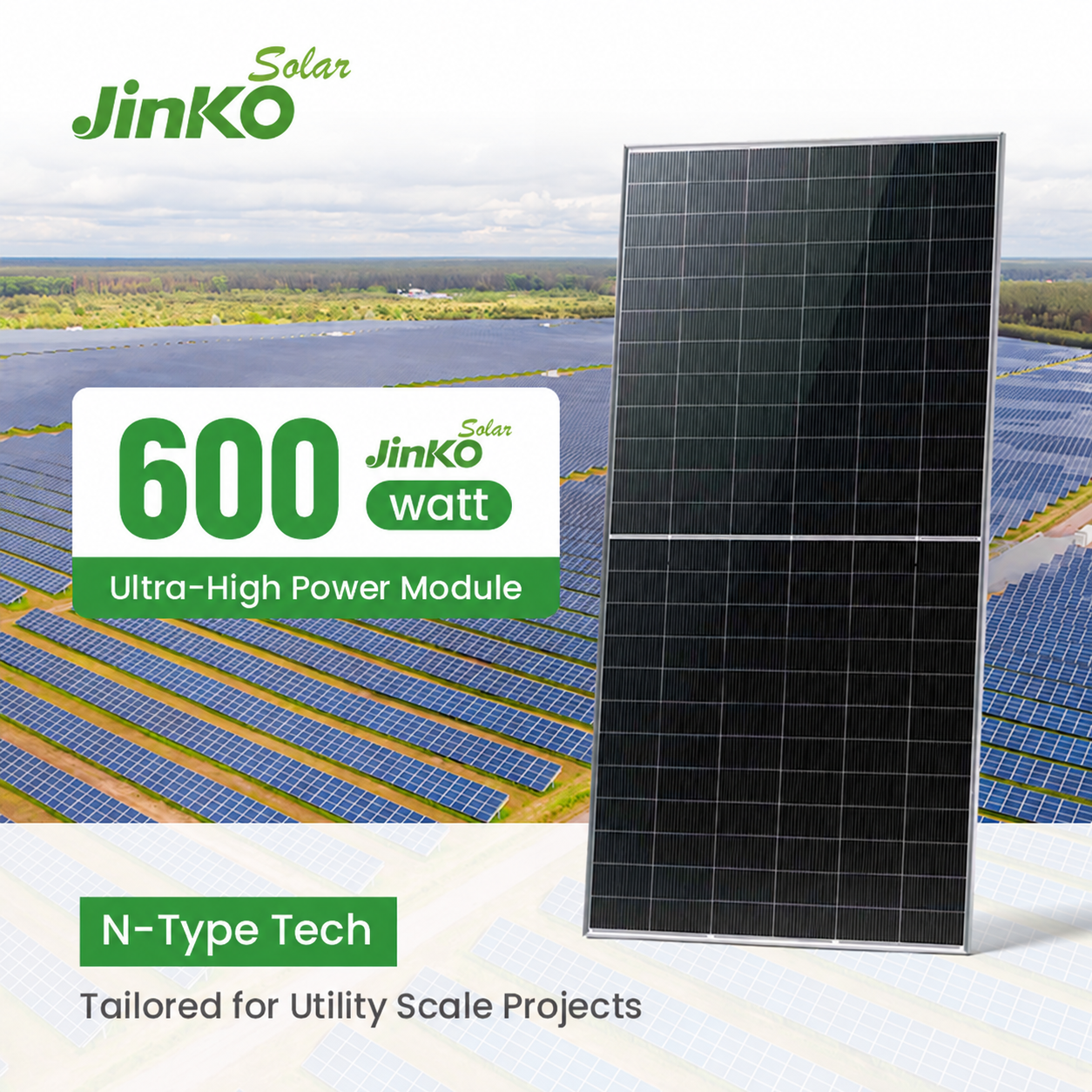
Jinko Solar Panels 580W 590W 600W 600 W N Type Double Glass High Efficiency Solar Panel for Commercial
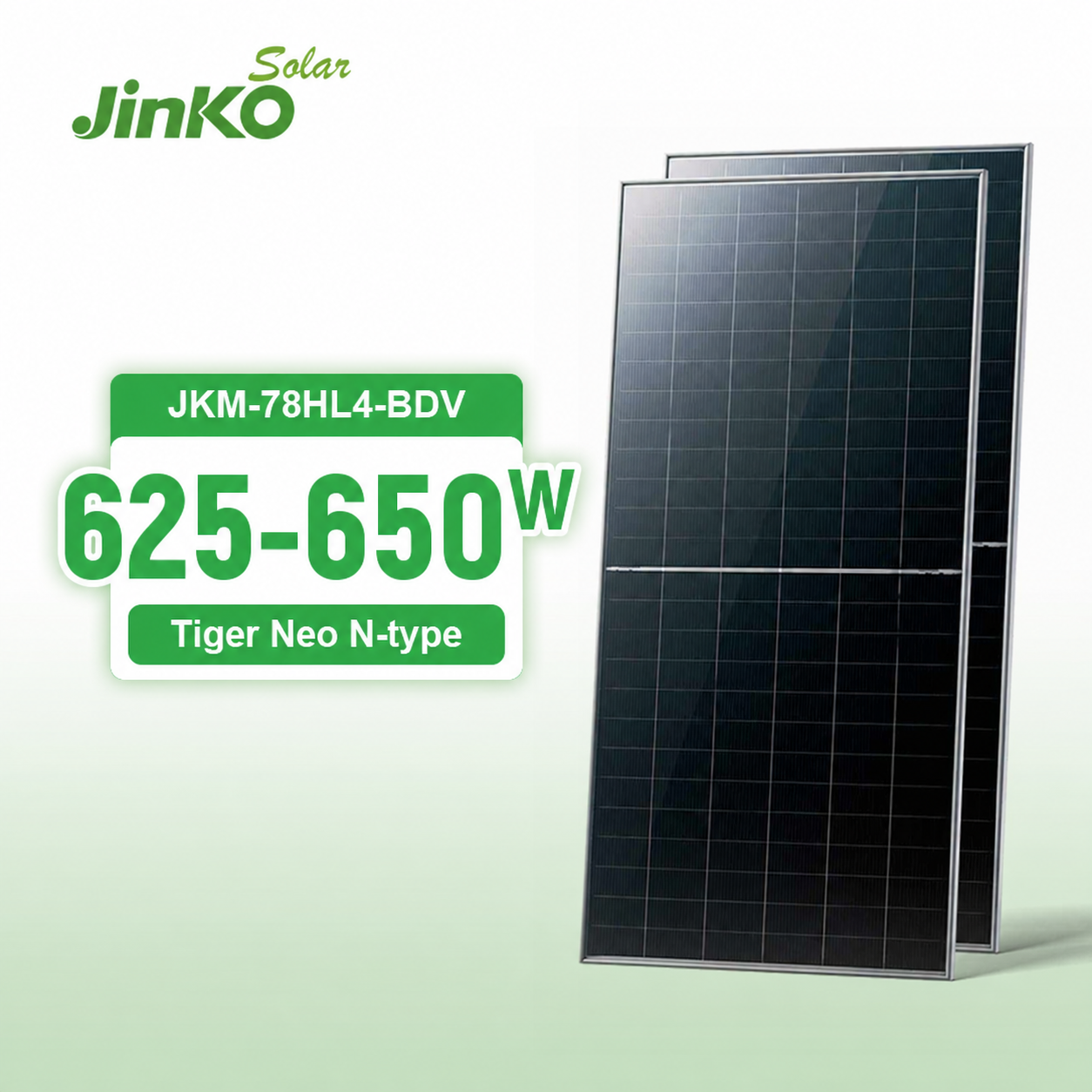
Jinko N Type Pv Module 650W 625W 645W Bifacial Photovoltaic Module Panneau Solaire for Commercial
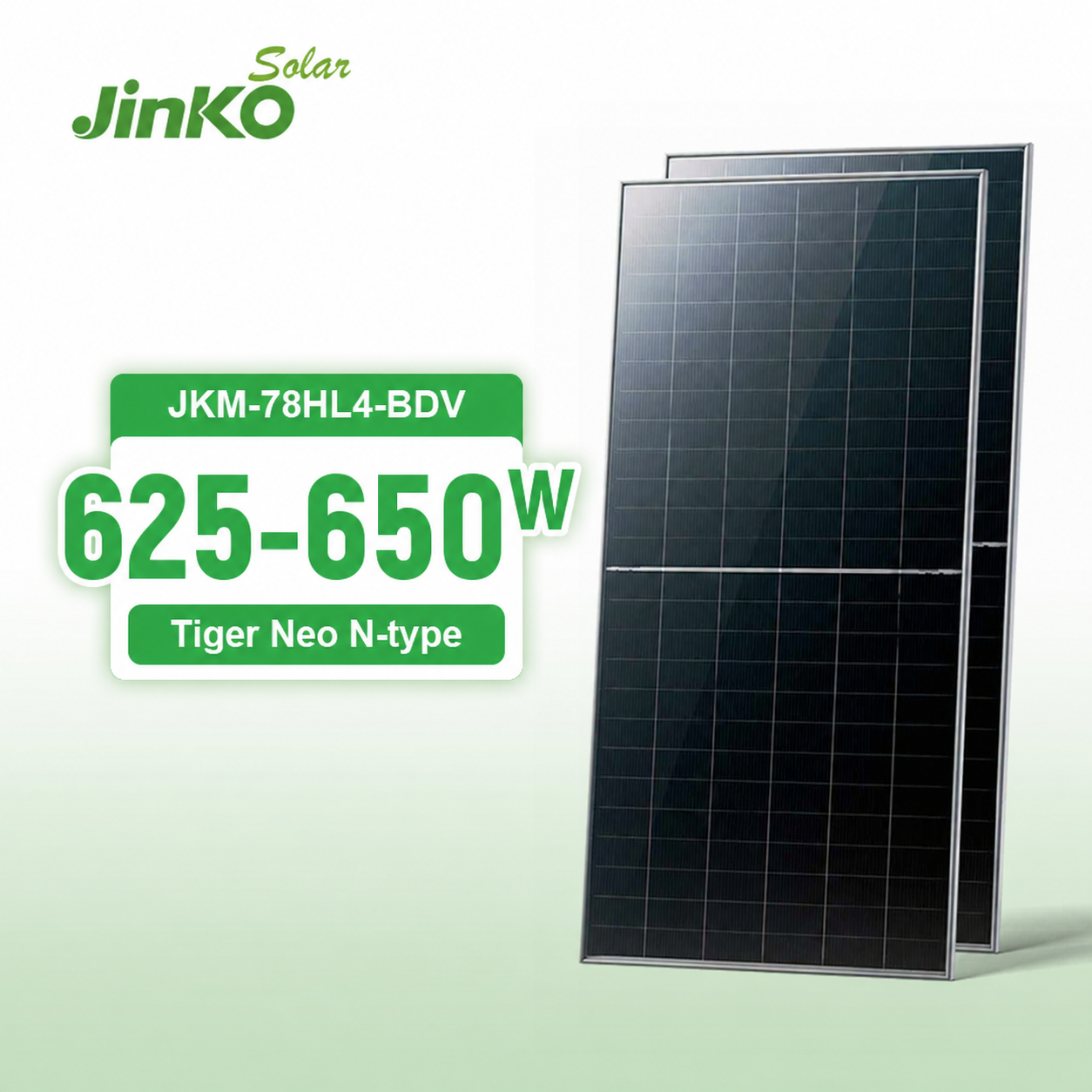
Jinko Bulk 630W 625W 640W TOPCon Bifacial Monocrystalline High Efficiency PV Panel in Stock
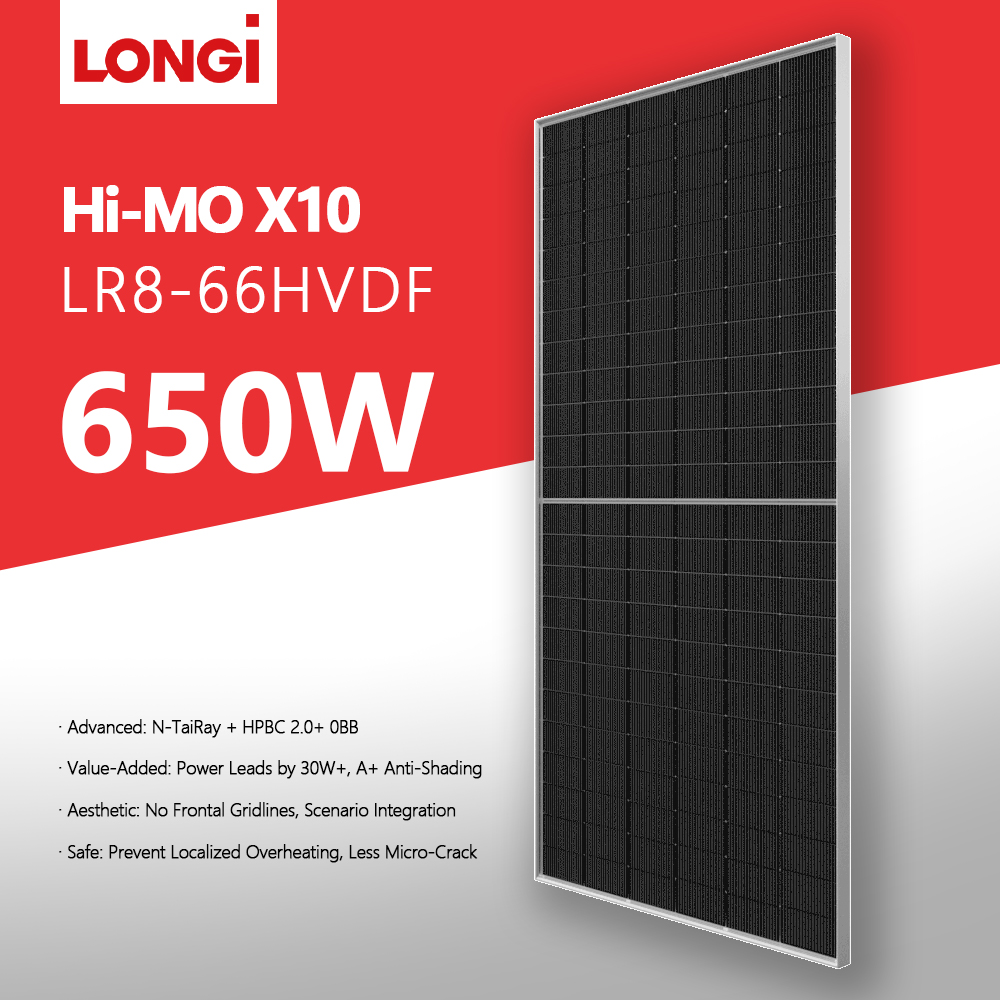
Commercial Grade LONGI Solar Panel 650W N-Type Solar Module Solar Panels with Battery and Inverter for Shopping Mall Rooftops
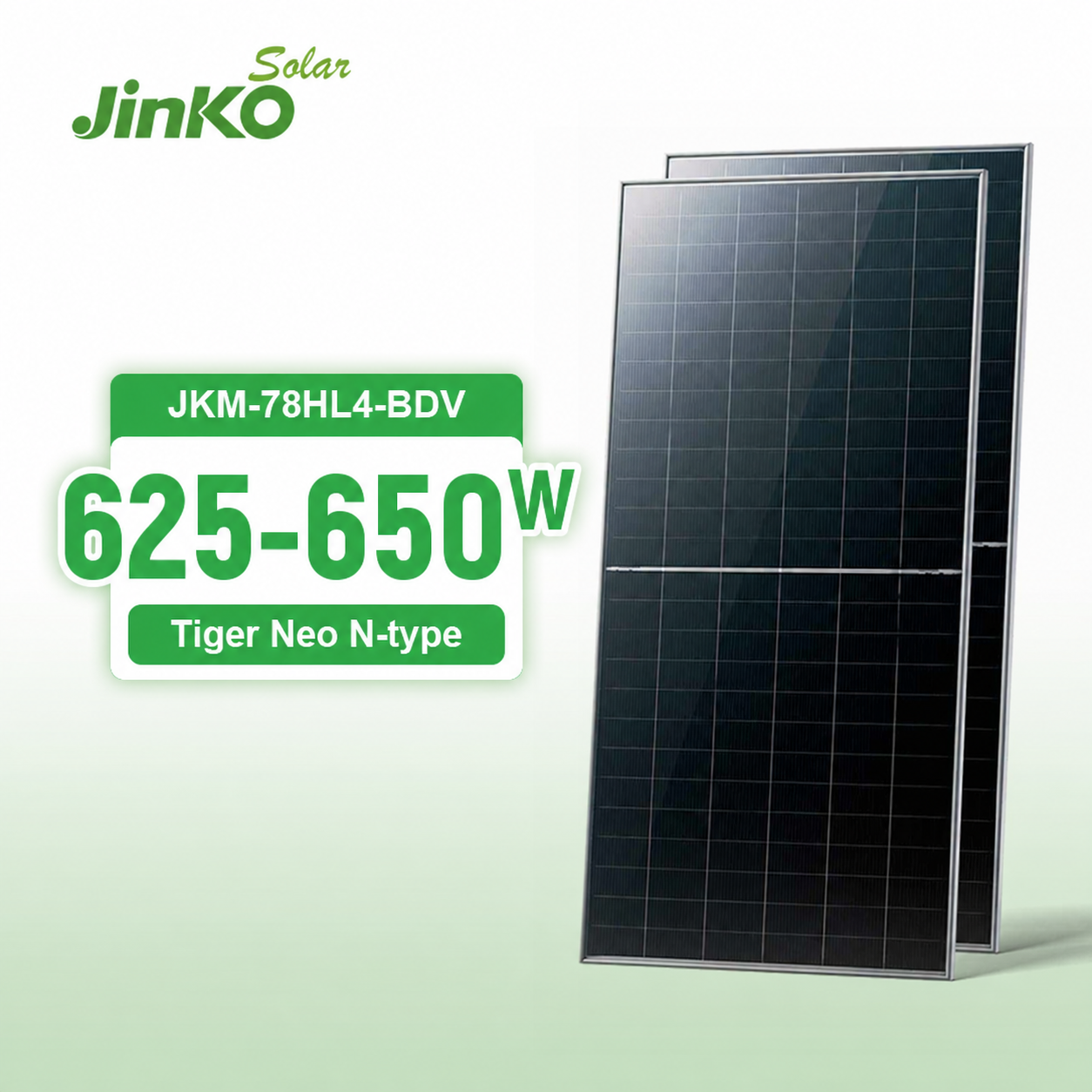
Jinko N Type Bifacial Solar Modules 650W 630W 640W Dual Glass Photovoltaic Panel for Industrial
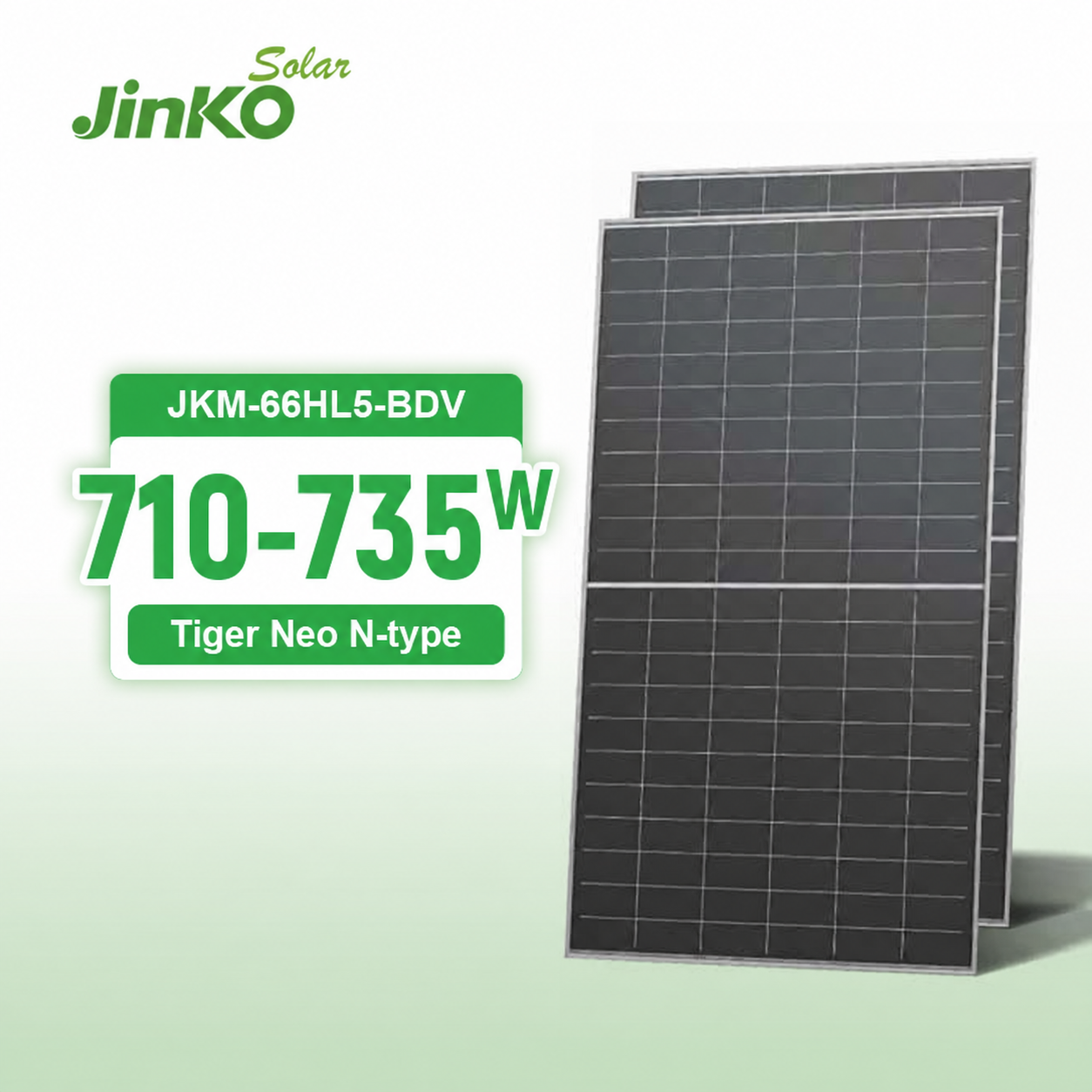
Jinko Wholesale Price 700 W 720W 730W 725W Bifacial TOPCon Double Glass High Efficiency Solar Module for House
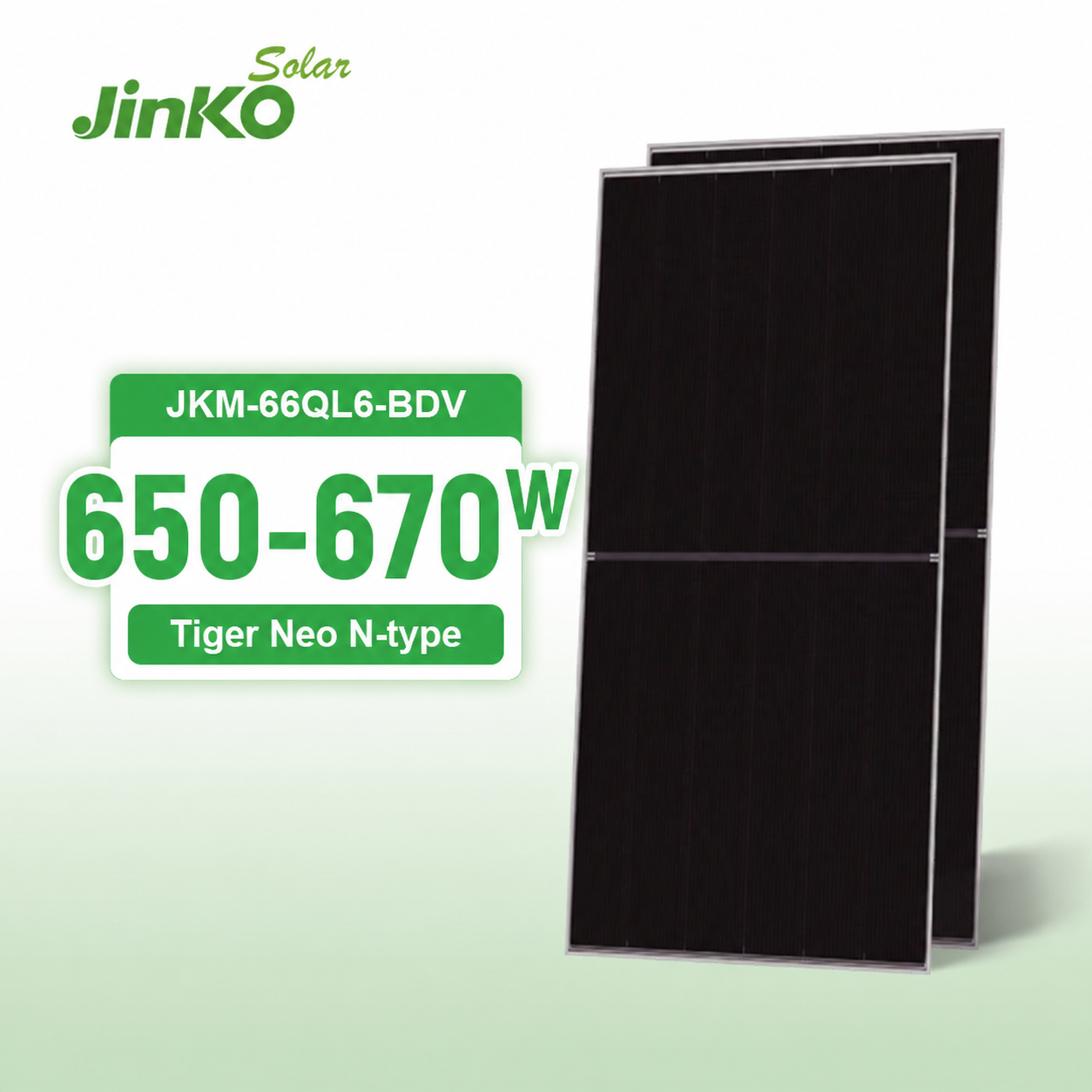
Jinko N Type Bifacial Pv Modules 650W 660W 670W Double Glass Solar Photovoltaic Panel for Commercial
Engineering Solar Storage Resilience for Najaf & Southern Iraq
The electrical infrastructure of Najaf Governorate presents one of the most demanding operational environments in the Middle East. With municipal grid supply averaging between 6 to 12 hours per day during the scorching summer months, residences, commercial hospitality centers, and agricultural operations are forced to rely heavily on private neighborhood diesel generators (the traditional "Ampere" subscription system). This dependency exposes businesses and homeowners to escalating fuel expenditures, unmitigated voltage spikes, corrosive exhaust emissions, and chronic power intermittency.
As an established solar energy storage manufacturer and Tier-1 procurement integrator, Hangzhou VOLT New Energy Technology Co., Ltd. addresses these compounding grid challenges. By delivering purpose-engineered Lithium Iron Phosphate (LiFePO4/LFP) battery packs, heavy-duty deep-cycle GEL batteries, seamlessly integrated Deye hybrid and off-grid inverters, and high-temperature-rated Jinko & LONGI N-type solar modules, we equip Najaf EPC contractors, commercial developers, and local distributors with end-to-end power autonomy.
Ambient summer temperatures in Najaf routinely surpass 50°C (122°F), causing unshielded solar cell operating temperatures to climb above 70°C. Standard off-the-shelf lithium batteries experience accelerated degradation or catastrophic thermal runaway under these conditions unless governed by industrial BMS protocols featuring dual heat sink dissapation, cell-level thermal sensors, and high-temperature charge cut-offs. VOLT New Energy enforces tailored BMS programming for southern Iraq to balance depth of discharge (DoD) with prolonged cyclic longevity.
Chemistry Evaluation for Desert Environments: LFP vs. Deep-Cycle GEL
Specifying the correct energy storage medium for Najaf projects requires balancing initial capital expenditure (CAPEX) against total cost of ownership (TCO) and climatic endurance:
LiFePO4 (LFP) Storage Systems
Delivering >6,000 cycles at 80% Depth of Discharge, 48V/51.2V rack-mounted and wall-hung LFP units are the premier solution for daily cycling in Najaf residential villas, hospitals, and high-turnover hospitality hubs. Compact, 95% round-trip efficient, and zero off-gassing.
Deep-Cycle GEL Batteries
Formulated with thixotropic colloidal silica electrolytes and thick tubular plates, 12V GEL batteries provide extreme thermal tolerance in uncooled utility sheds. Ideal for budget-conscious off-grid farming, telecommunications, and standby UPS systems across the Euphrates basin.
Deye Hybrid Inverter Synchronization
Featuring dual MPPT tracking, generator auto-start contacts, and instant 4ms UPS transfer speeds. Deye low-voltage (48V) and high-voltage (160V-800V) hybrid inverters blend solar generation, battery discharge, and neighborhood diesel feeds without load interruption.
Performance Benchmark: Lithium Iron Phosphate vs. Colloidal GEL in Najaf
| Performance Parameter | VOLT Smart LiFePO4 Rack/Wall | Heavy-Duty Deep Cycle GEL | Iraq Local Impact & Engineering Rationale |
|---|---|---|---|
| Cycle Life (@ 25°C - 35°C) | 6,000 – 8,000 Cycles (80% DoD) | 1,200 – 1,800 Cycles (50% DoD) | LFP lasts 10-15 years under daily Najaf blackouts; GEL requires replacement every 3-4 years. |
| High-Temp Threshold | Up to 55°C (Active BMS cut-off) | Up to 60°C (High thermal inertia) | GEL resists thermal runaway in non-air-conditioned outbuildings; LFP requires sheltered placement. |
| Usable Energy Capacity | 90% - 95% Effective Capacity | 50% - 60% Effective Capacity | LFP delivers nearly double the usable kWh per nameplate rating, reducing installation footprint. |
| Inverter Closed-Loop BMS | CAN / RS485 native protocol to Deye | Open-loop lead-acid charge curves | Closed-loop BMS prevents over-voltage damage from fluctuating municipal grid surges. |
| Maintenance & Gassing | 100% Maintenance-free, hermetic | Sealed valve-regulated (VRLA), no water | Eliminates electrolyte evaporation common to flooded lead-acid batteries under Iraqi heat. |
Localized Deployment Scenarios Across Najaf
From religious tourism hubs during peak pilgrimage seasons to desert agricultural belts, our equipment is configured to deliver uninterrupted 24/7/365 electrification.
Hotels & Pilgrim Accommodations
During Arba'een and Ashura, Najaf welcomes millions of international visitors, pushing the local grid past capacity. Multi-unit parallel Deye hybrid inverters (50kW-100kW) with 200kWh+ LFP battery banks ensure non-stop chillers, elevators, lighting, and water pumping without noisy diesel fumes.
Luxury Villas & Multi-Family Homes
Replacing unreliable 10A-30A neighborhood generator wires with elegant 10kWh to 30kWh wall-mounted LFP energy storage systems and high-efficiency Jinko N-Type bifacial solar panels, achieving zero-switchover UPS power for air conditioners and home electronics.
Euphrates Orchards & Desert Wells
Solar-powered water pumping systems combining deep-cycle GEL battery banks and high-wattage monocrystalline modules to run submersed agricultural pumps across Kufa and Al-Manathera date plantations without recurring diesel logistical overhead.
Clinics, Cold Chains & Retail Malls
Critical vaccine preservation, diagnostic laboratory electronics, and supermarket refrigeration demand continuous sinusoidal AC voltage. Our systems absorb harsh grid spikes and provide clean battery power during daily multi-hour load-shedding cycles.
Energy Transition Trends in the Iraqi Solar Sector
Iraq’s renewable energy landscape is undergoing rapid modernization driven by initiatives from the Central Bank of Iraq (CBI) renewable energy financing schemes and the Ministry of Electricity's strategic decarbonization roadmap. In Najaf, the transition is accelerated by microeconomic realities:
Diesel Price Volatility & Tariffs
Rising operational costs for private generator operators have pushed local "Ampere" rates to all-time highs. Solar-plus-storage delivers an undeniable payback period of 3 to 4.5 years, shielding end-users from recurring monthly generator utility fees.
Shift from Flooded Lead-Acid to LFP
Local Iraqi installers historically relied on automotive or open-vent lead-acid batteries, which suffer rapid electrolyte dry-out and plate sulfation in desert heat. The market is shifting overwhelmingly toward sealed, maintenance-free LFP prismatic architectures.
Grid-Interconnection & Hybridization
Rather than pure off-grid islands, Iraqi property owners are investing in sophisticated hybrid configurations that intelligently blend solar generation, battery reserve, the national grid, and auxiliary backup generators for 100% power reliability.
Engineering & Logistics Advantages for Iraqi Importers
We eliminate the three major friction points for overseas solar procurement: protocol incompatibility, shipping compliance hurdles, and field integration failures.

Verified BMS & Inverter Protocol Matching
Every lithium battery order undergoes pre-shipment bench testing with Deye and other tier-1 inverters via CAN/RS485 communication. We calibrate cable pin-outs, firmware versions, and DIP switches before packaging to guarantee plug-and-play installation in Najaf without "BMS Fault" lockouts.

Rigorous Pre-Shipment Quality Control
Cell capacity sorting, internal resistance testing, insulation integrity checks, and high-temperature cycling validation ensure that only tier-1 Grade-A prismatic cells enter our battery enclosures. Full photo and video QC inspection reports are submitted to buyers before container departure.

Certified DG Class 9 Shipping & Logistics
Lithium energy storage shipments require strict Class 9 Dangerous Goods compliance. We provide full UN38.3 test summaries, MSDS documentation, and DG packaging certificates for smooth customs clearance through Umm Qasr Port or airfreight gateways to Najaf and Baghdad.

Turnkey System Sizing & Mixed Container Loading
We solve logistical headaches by consolidating matched solar panels, hybrid inverters, battery storage banks, DC disconnects, and specialized solar cabling into a single container. Our dedicated engineering desk provides complete single-line diagrams (SLD) and remote commissioning support.
Frequently Asked Questions for Najaf Solar Buyers
Clear answers to technical, environmental, and commercial questions frequently raised by Iraqi EPC contractors, solar distributors, and project developers.
Our LFP energy storage systems are engineered with high-grade aluminum casing, natural convective heat-sink pathways, and an industrial-tier BMS equipped with multiple NTC temperature sensors embedded directly between cell groups. In regions like Najaf where ambient summer temperatures exceed 50°C, the BMS actively monitors cell thermal gradients, automatically modulating charge current to prevent thermal degradation and initiating high-temperature safety cut-offs if interior cells exceed 60°C. For unconditioned battery rooms, we recommend shaded ventilation and offer heavy-duty deep-cycle GEL storage as an alternative.
Yes. Pairing our LiFePO4 or GEL battery banks with Deye hybrid inverters allows seamless integration with both the fluctuating national grid and local neighborhood generator feeds. The Deye inverter features an independent generator input with programmable dry-contact auto-start capabilities. When both solar and battery reserves drop below user-defined thresholds, the system can automatically request generator support or limit generator current draw to prevent overloading your subscribed Ampere quota, while simultaneously recharging the battery bank.
Ocean freight orders are shipped from Ningbo or Shanghai port directly to Umm Qasr Port in southern Iraq, with an average transit time of 22 to 30 days. From Umm Qasr, cargo is cleared and transported via bonded road freight to Najaf warehouses within 3 to 5 business days. We provide comprehensive documentation for Iraqi customs, including commercial invoices, packing lists with battery serial numbers, Certificate of Origin (CO), bill of lading, MSDS, and UN38.3 test reports for lithium goods. Airfreight options are also available for urgent component replacement to Baghdad or Najaf International Airport.
Jinko N-Type TOPCon bifacial double-glass modules are specifically recommended for arid Middle Eastern regions. The dual-pane tempered glass construction provides exceptional abrasion resistance against windblown desert sand and dust storms, eliminating the risk of micro-cracking and backsheet degradation common to traditional plastic-backed modules. Furthermore, the bifacial design captures reflected albedo radiation from surrounding light desert soils and gravel surfaces, providing up to 10%-25% additional power yield. An anti-soiling, anti-reflective coating reduces dust adhesion and facilitates easier water rinsing during periodic maintenance.
Hangzhou VOLT New Energy coordinates warranty administration backed by original manufacturer warranties (typically 5 to 10 years for LFP battery packs and Deye inverters, and 25 to 30 years for Jinko/LONGI linear module performance). We maintain detailed digital serial-number logs of every cell batch and inverter exported. In the rare event of a hardware fault, our technical team conducts remote diagnostics via Deye Cloud or inverter data logs. Approved replacement BMS boards, control modules, or replacement cells are dispatched with expedited shipping to minimize customer downtime.
Equip Your Next Solar Project in Najaf with Matched Energy Storage
Whether you are engineering a multi-megawatt commercial microgrid, upgrading residential villas from noisy diesel generators, or stocking a wholesale distribution warehouse in southern Iraq, VOLT New Energy delivers factory-matched solar storage systems engineered for the highest reliability under extreme desert conditions.