Direct-Supplied Photovoltaic & Inversion Hardware
Engineered for seamless integration with high-voltage MPPT tracking algorithms and intelligent lithium/GEL battery architectures across Cusco's 3,400+ meter elevation.
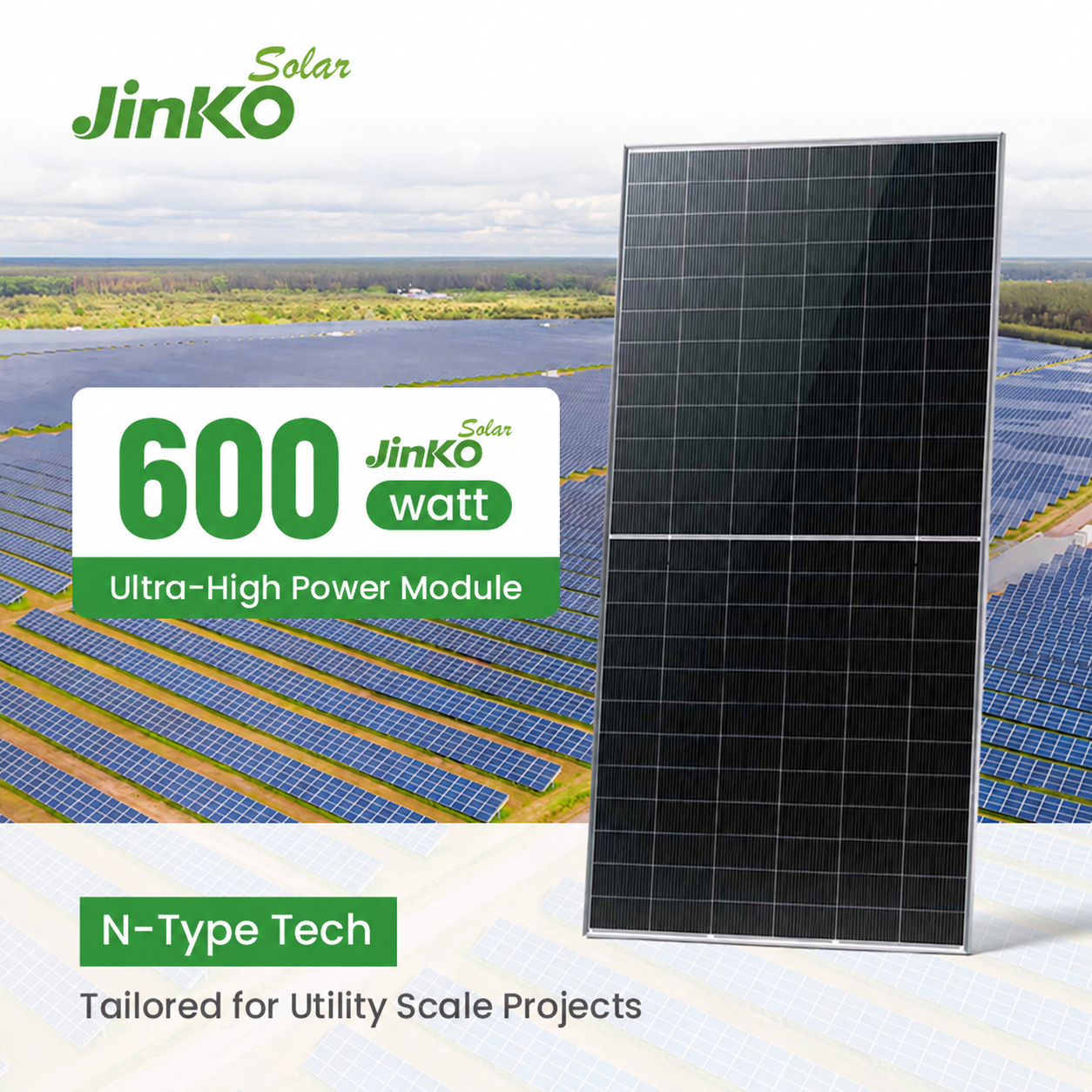
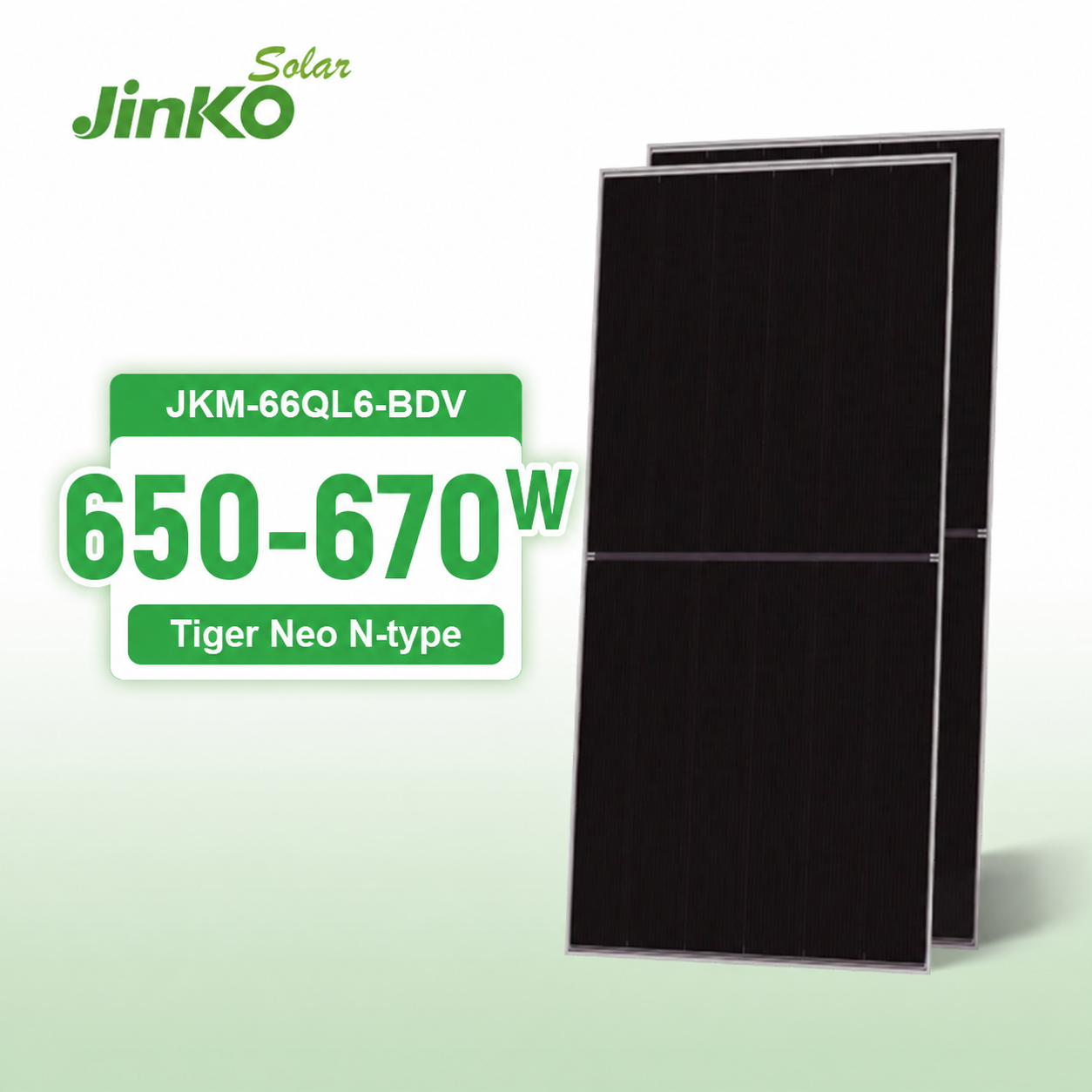
Cusco Solar Market: High Altitude, Extreme UV, and Off-Grid Realities
Evaluating atmospheric density, thermal cycling, and irradiation dynamics across the Peruvian Southern Sierra.
The Department of Cusco presents one of the most mechanically and electrically demanding environments for standalone solar energy systems in South America. Extending from the Sacred Valley of the Incas (Urubamba, Calca, Ollantaytambo at 2,800m) to the high-altitude Andean plains of Anta and the remote mining corridors of Chumbivilcas and Espinar (reaching beyond 4,000 meters above sea level), the solar irradiation resource is exceptional, regularly clocking Global Horizontal Irradiance (GHI) values between 5.5 and 6.8 kWh/m²/day. However, deploying off-grid solar equipment here requires resolving critical engineering hurdles that standard maritime or lowland photovoltaic setups never encounter.
In this high-plateau geography, solar charge controllers—specifically Maximum Power Point Tracking (MPPT) units—function as the vital central nervous system of any battery-based solar infrastructure. While standard grid-tie inverters dominate the coastal valleys of Lima, the Cusco market depends overwhelmingly on decentralized off-grid and AC-coupled hybrid architectures. This is driven by three infrastructural realities: extreme rural grid fragmentation where Electro Sur Este grid extension costs exceed $15,000 per kilometer across mountainous terrain; an expanding luxury eco-hospitality sector demanding silent, 24/7 power without diesel generator acoustic contamination; and high-altitude agricultural cooperatives requiring automated irrigation pressurization.
High-Altitude Engineering: Derating, Dielectrics, and Voc Calculations
Mathematical and operational guidelines for preventing semiconductor thermal runaway and dielectric breakdown in the Andes.
Dielectric Breakdown & Clearance
At 3,500m to 4,500m elevation, atmospheric pressure drops from 101.3 kPa (sea level) down to 60-65 kPa. Following Paschen's Law, lower air density reduces the dielectric strength of air, lowering the flashover voltage threshold across internal PCB traces, terminal blocks, and relay contacts. High-voltage MPPTs (operating at 450V-600V DC) must feature wider creepage and clearance distances, conformal PCB coatings, and reinforced surge isolation to prevent internal catastrophic electric arcing.
Atmospheric Convective Derating
Thinner air dramatically impedes thermal dissipation via natural convection. For electronics rated up to 2,000m, altitude derating of current capacity must be applied at a rate of 1% to 1.5% per 100 meters above 2,000m. A 100A MPPT deployed in Espinar (4,000m) will experience approximately 20% to 25% lower heat-sink dissipation capability. If not properly sized or actively ventilated with high-static-pressure fans, controllers face premature thermal throttling or accelerated capacitor dry-out.
Sub-Zero Voc Voltage Expansion
Andean winter mornings bring freezing temperatures (-5°C to -10°C) coincident with razor-sharp morning sunshine exceeding 1,000 W/m² irradiance. Because silicon PV cells have a negative temperature coefficient for voltage (typically -0.28% to -0.35%/°C for modern N-type TOPCon modules), the open-circuit voltage ($V_{oc}$) expands significantly. Installers in Cusco must verify string design so that cold-weather peak $V_{oc}$ never crosses the maximum DC input limit of the controller.
Critical Engineering Sizing Formula for Cusco Installers:
V_string_max = N × V_oc_STC × [ 1 + (β_Voc × (T_min - 25°C)) ]
Example: For a string of 8 × Jinko 580W panels (Voc = 51.2V, β_Voc = -0.25%/°C) in an Anta valley installation where T_min = -8°C:
V_string_max = 8 × 51.2V × [ 1 + (-0.0025 × (-8 - 25)) ] = 409.6V × [ 1 + 0.0825 ] = 443.4V DC.
A controller with a 450V absolute limit operates dangerously close to overvoltage trip thresholds; selecting a 500V or 600V maximum DC input charge controller/hybrid inverter is mandatory for reliable system longevity.
Localized Application Scenarios in the Cusco Region
How high-efficiency charge controllers and energy storage architectures solve mission-critical energy challenges.
Sacred Valley Eco-Hospitality
Boutique hotels and luxury lodges in Ollantaytambo, Urubamba, and Maras require pristine, whisper-quiet environments. Dual-MPPT hybrid controller systems paired with low-voltage LFP storage eliminate nighttime generator hum, handling day-to-night HVAC, induction kitchens, and water filtration loads completely off the fragile local electrical line.
Andean Agricultural Pumping
Potato, maize, and quinoa cooperatives across the Pampa de Anta require automated solar drip and sprinkler irrigation from riverbeds and retention reservoirs. High-amperage MPPT controllers paired directly with DC variable frequency pumps modulate motor speed according to real-time irradiation, guaranteeing water distribution without batteries.
Remote Community Microgrids
Isolated Quechua-speaking highland communities (such as Q'eros, Pitumarca, and high Ocongate passes) rely on centralized off-grid DC-bus microgrids. Heavy-duty charge controllers maintain 48V deep-cycle battery banks powering medical clinic refrigeration, satellite internet terminals, school laptops, and domestic LED illumination.
Highland Telecom & Mining Relays
Cellular base transceiver stations (BTS), seismic telemetry towers, and surveillance relays positioned along remote Andean ridge lines (above 4,200m) face severe weather and zero maintenance access. Ultra-reliable MPPTs with RS485/CAN telemetry report real-time charging status over satellite links back to Cusco control rooms.
Topology & Battery Chemistry Matching in High Altitude
Comparing conversion topologies and electrochemistries under extreme Andean atmospheric conditions.
| Evaluation Parameter | Legacy PWM Technology | Advanced MPPT Controllers | Integrated Hybrid Inverter MPPT (e.g., Deye) |
|---|---|---|---|
| Harvest Efficiency at High Altitude | 65% - 75% (Direct panel voltage clamping) | 97% - 99% (Continuous dynamic impedance tracking) | 97.6% - 99.0% (Multi-channel high-voltage MPPT) |
| Cold Morning Yield Boost | 0% (Cannot convert excess Voc into extra charging current) | +25% to +35% energy harvest during sub-zero mornings | +30% to +40% combined with bifacial N-type modules |
| Battery Chemistry Compatibility | Primarily Flooded Lead-Acid & Basic GEL | Configurable: GEL, AGM, custom LiFePO4 charging profiles | Full CAN/RS485 closed-loop BMS communication for LFP |
| Altitude Derating Behavior (3,500m) | High thermal loss inside control unit; drops 15-20% capacity | Requires 15% oversizing or heavy cast aluminum heatsink | Intelligent fan cooling with automatic derating curves |
| System Scalability | Severely limited (low PV input voltage forces parallel thick cables) | High (Allows long PV strings up to 150V - 250V DC) | Maximized (Supports parallel strings, generators, and grid ties) |
In the Cusco region, the choice between battery chemistries—specifically Lithium Iron Phosphate (LiFePO4 / LFP) versus Deep-Cycle Colloidal GEL—is tightly tied to ambient temperatures and maintenance logistics. While LFP batteries offer 6,000+ cycles at 80-90% Depth of Discharge (DoD) and superior round-trip efficiency (96%), they strictly prohibit charging below 0°C without integrated internal heating blankets. Conversely, industrial Deep-Cycle GEL batteries exhibit a wider thermal tolerance window without sudden BMS disconnects during freezing night-time temperatures, making them highly resilient for unheated remote mountain shelter installations despite their shorter cycle life.
Cusco Renewable Energy Trends (2025–2030)
Market transition towards high-voltage DC architectures, bidirectional EV charging, and cloud-monitored microgrids.
Transition to 51.2V & High-Voltage Storage
Older 12V and 24V PWM setups are being aggressively phased out across Cusco's provincial capitals (Sicuani, Quillabamba, Espinar). Engineering firms are standardizing on 48V/51.2V rack-mounted and wall-mounted LiFePO4 packs, reducing line currents, eliminating heavy copper losses, and standardizing CANBus data protocols with Tier-1 inverters.
IoT Telemetry via Low-Earth Orbit Satellite
With Starlink and localized LoRaWAN coverage expanding rapidly throughout the Sacred Valley and Vilcabamba mountain ranges, modern controllers are integrating edge-computing modules. Field engineers in Cusco can now monitor string voltages, thermal junction statuses, and battery State of Charge (SoC) in real time without driving 8 hours over unpaved switchbacks.
MINEM Off-Grid Modernization Directives
Peru's Ministry of Energy and Mines (MINEM) and regional electrification initiatives (such as the DGER rural electrification master plans) are prioritizing turnkey modular solar storage systems. This shift favors suppliers who supply factory-tested, certified kits containing pre-terminated DC cables, breakers, matched MPPT controllers, and certified LFP storage banks.
Why Andean EPCs & Wholesalers Partner with VOLT New Energy
Hangzhou VOLT New Energy delivers verified component matching, international logistics, and zero-defect quality control for demanding high-altitude operations.
Hardware Protocol Validation
Before any container leaves China, our engineers physically perform CAN/RS485 closed-loop handshakes between our lithium storage BMS units and Deye hybrid inverters. We eliminate the dreaded "BMS Communication Lost" error code on high Andean job sites.
Dangerous Goods (DG) Logistics
Exporting lithium energy storage to Peru requires rigorous compliance. We provide full UN38.3 test summaries, Material Safety Data Sheets (MSDS), and Class 9 DG certified packaging, managing sea freight directly to Callao or Matarani port with bonded transit to Cusco.
One-Stop System Sizing
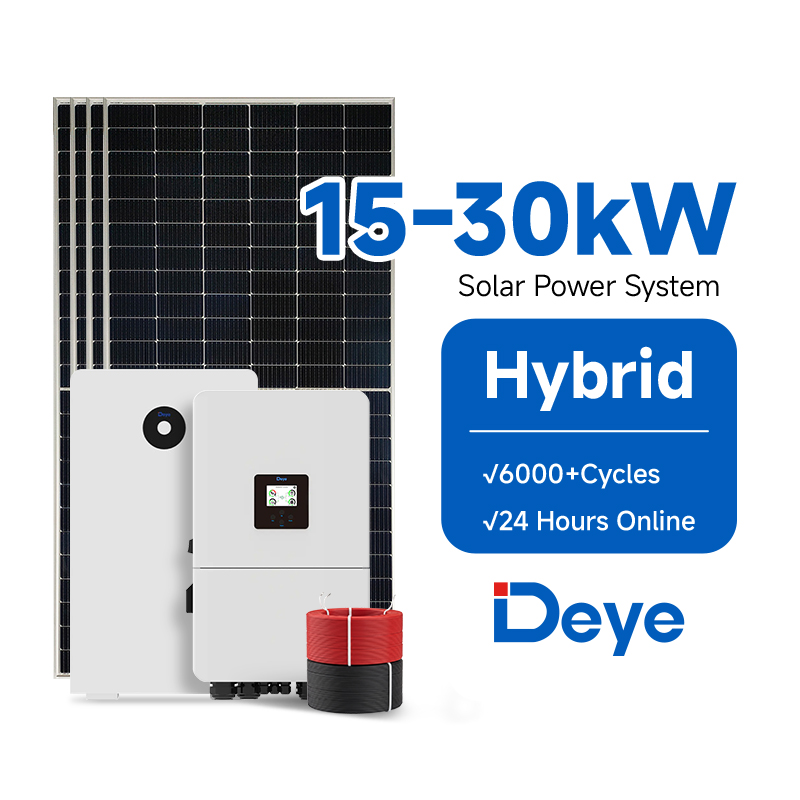
We do not merely ship isolated parts. We calculate load profiles, match peak surge requirements for inductive motor startup, configure DC combiner breakers, and supply matched Jinko N-type panels, Deye hybrid platforms, and storage modules in unified container shipments.
Global Track Record in 100+ Countries
Tested in the extreme climates of the Chilean Atacama, South African veld, and European highlands. Our products are engineered with heavy-duty components that withstand continuous temperature fluctuations and rugged transit vibrations over mountain highways.
Frequently Asked Questions by Cusco Solar Contractors
Key technical, legal, and operational considerations when importing charge controllers and solar hardware to Cusco, Peru.
How does altitude derating specifically affect MPPT controller capacity in Cusco (3,400m)?
What happens if sub-zero morning temperatures push PV string voltage past the controller's limit?
Can we connect modern N-type TOPCon bifacial modules to existing 48V battery controllers?
How do you handle shipping logistics and customs clearance for shipments arriving in Cusco?
Should off-grid installations in the Cusco mountains use GEL or LiFePO4 batteries?
How do Deye hybrid inverters handle generator integration in remote Sacred Valley areas?
What warranties are provided, and how are replacement parts handled in Peru?
Request Engineering Consultation & Wholesale Pricing
Planning an off-grid electrification project, commercial resort microgrid, or agricultural solar station in the Cusco department? Contact our system engineering team for customized string sizing, BMS compatibility verification, and direct-container export quotes.