Tier-1 Hardware Integration
High-Yield Photovoltaic Modules for Advanced MPPT Regulation
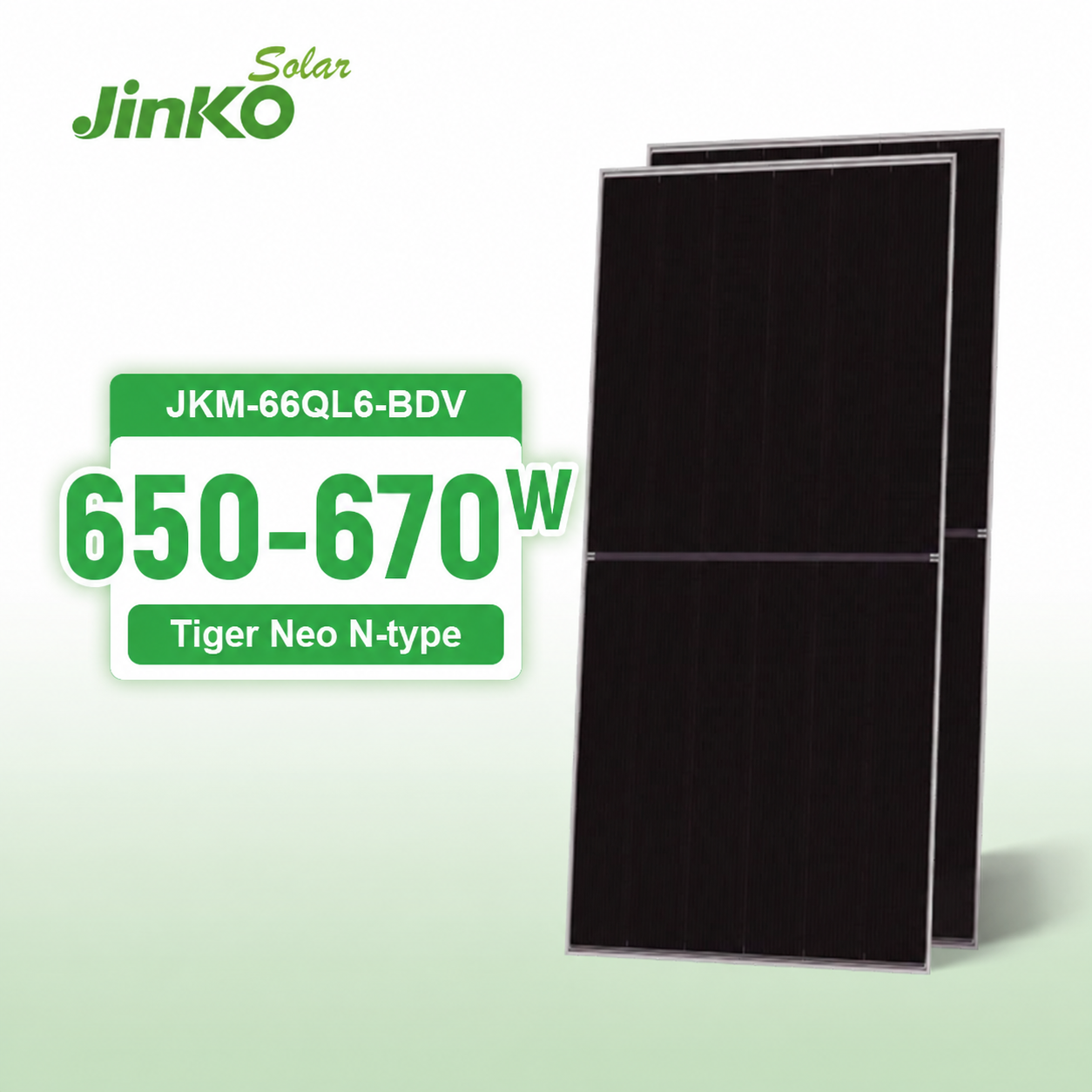
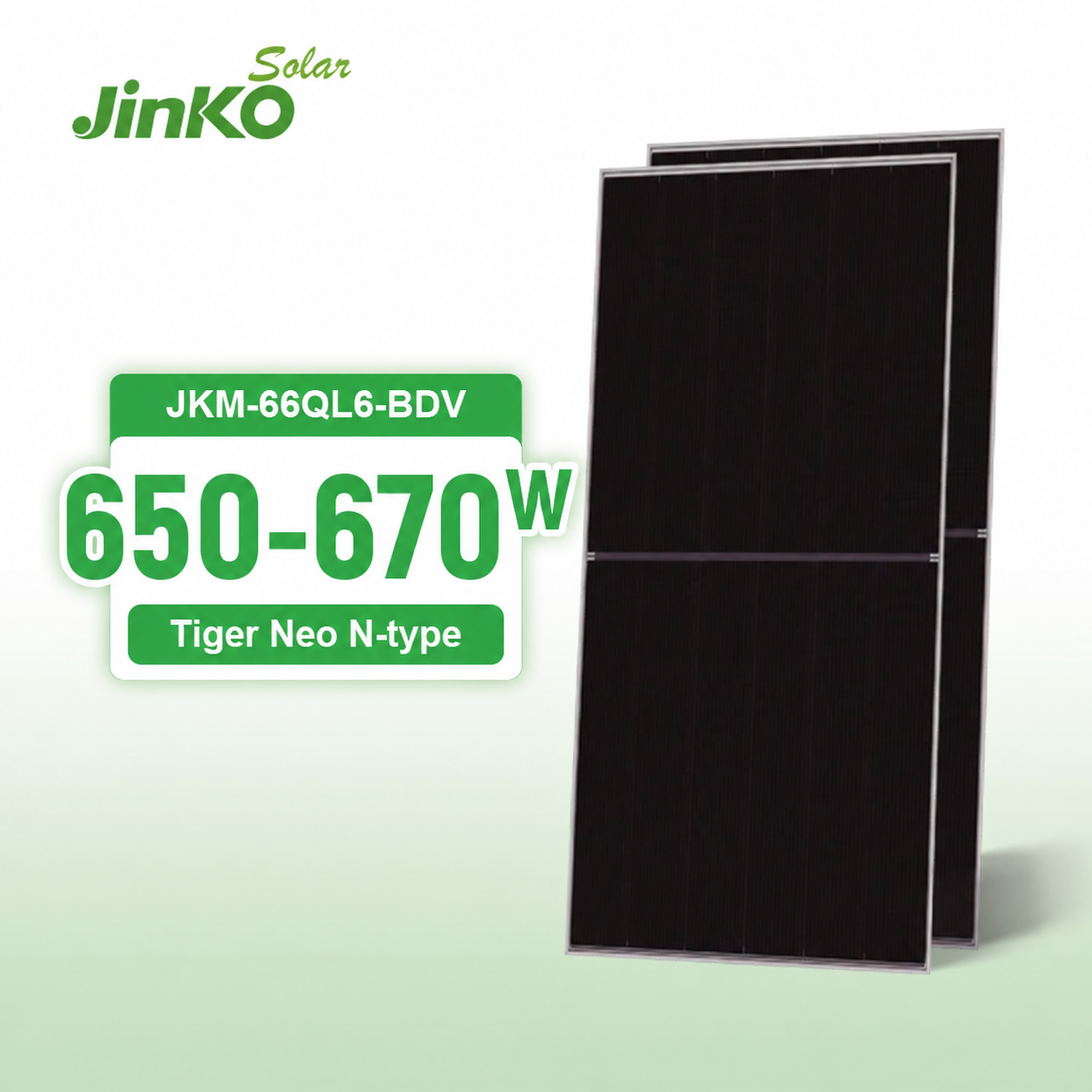
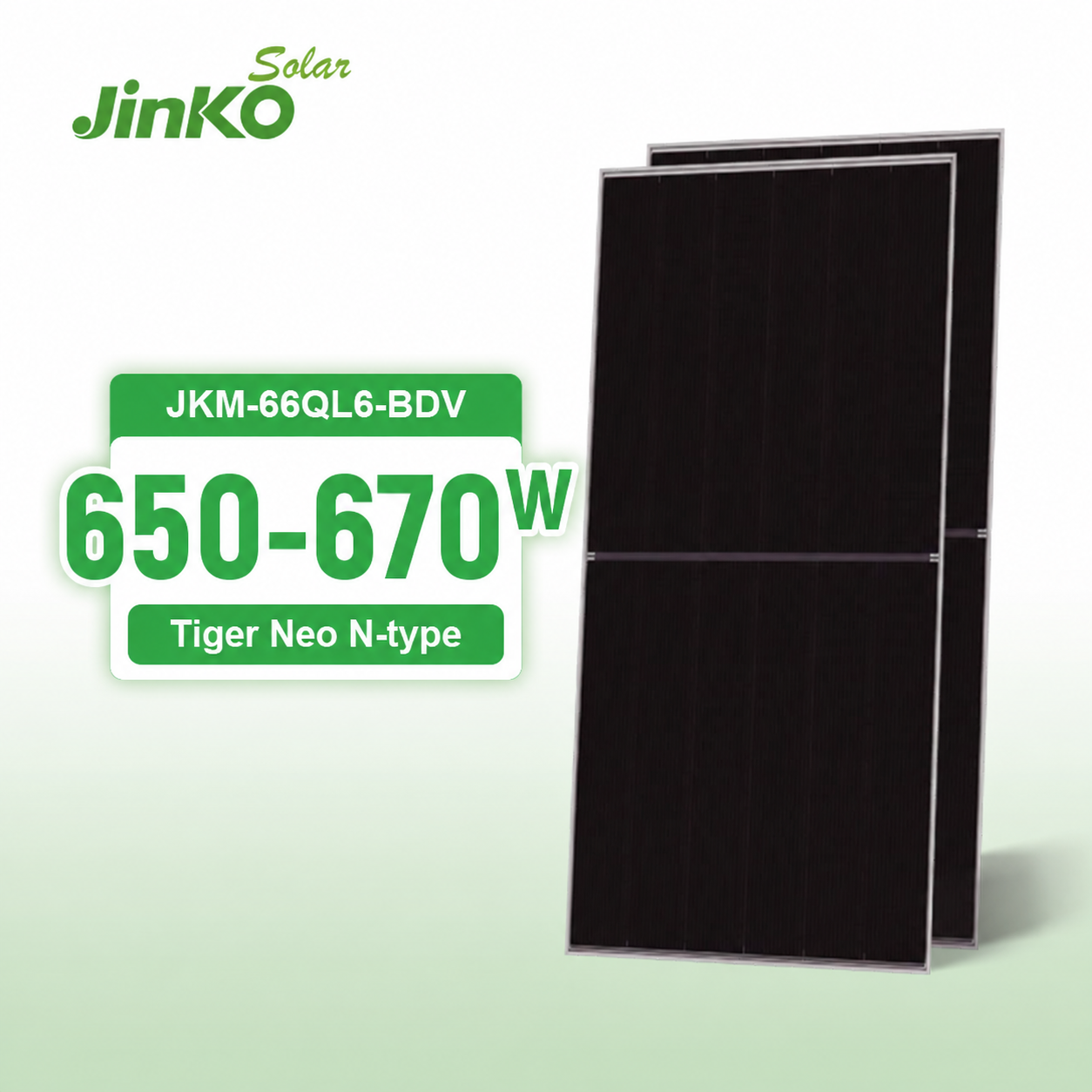
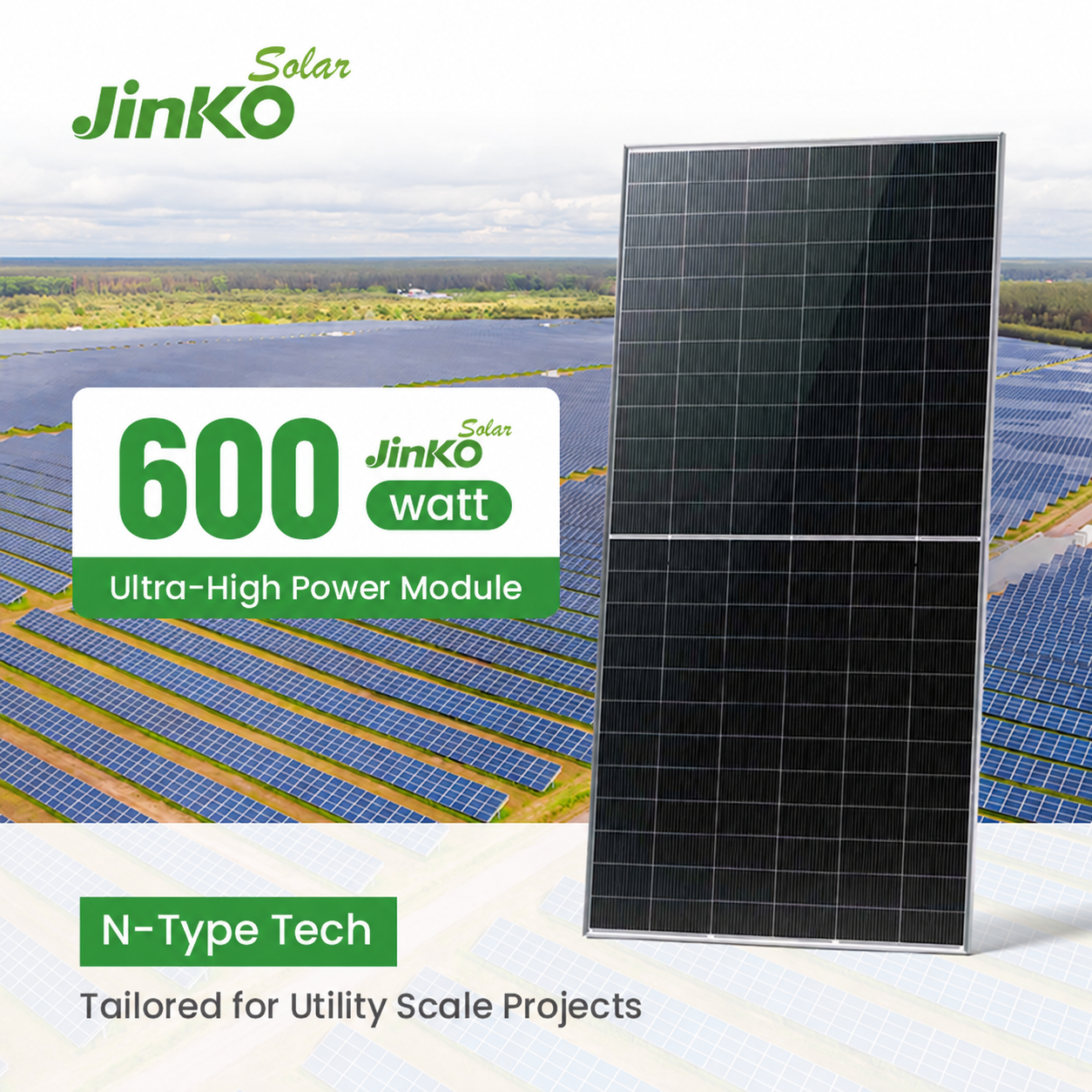
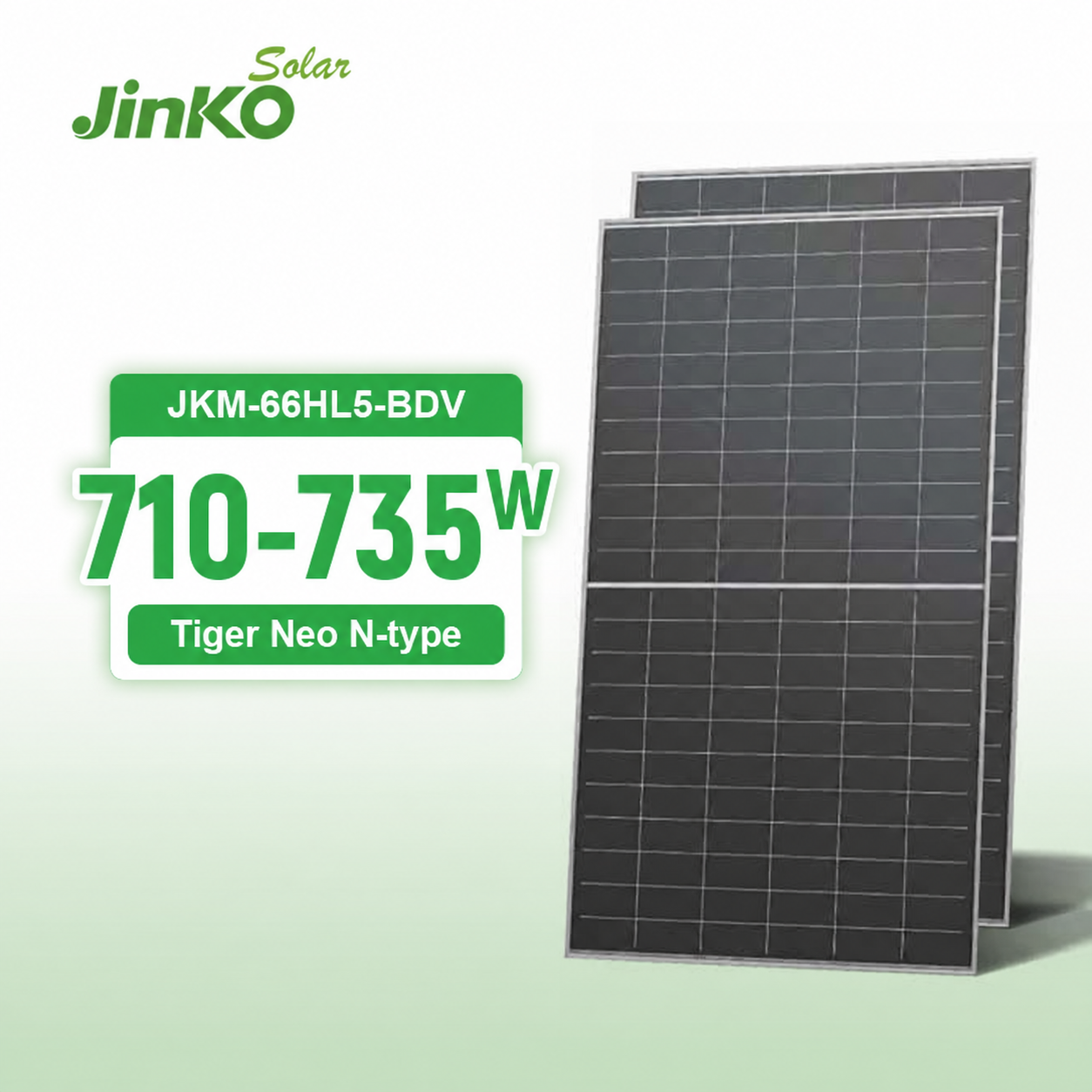
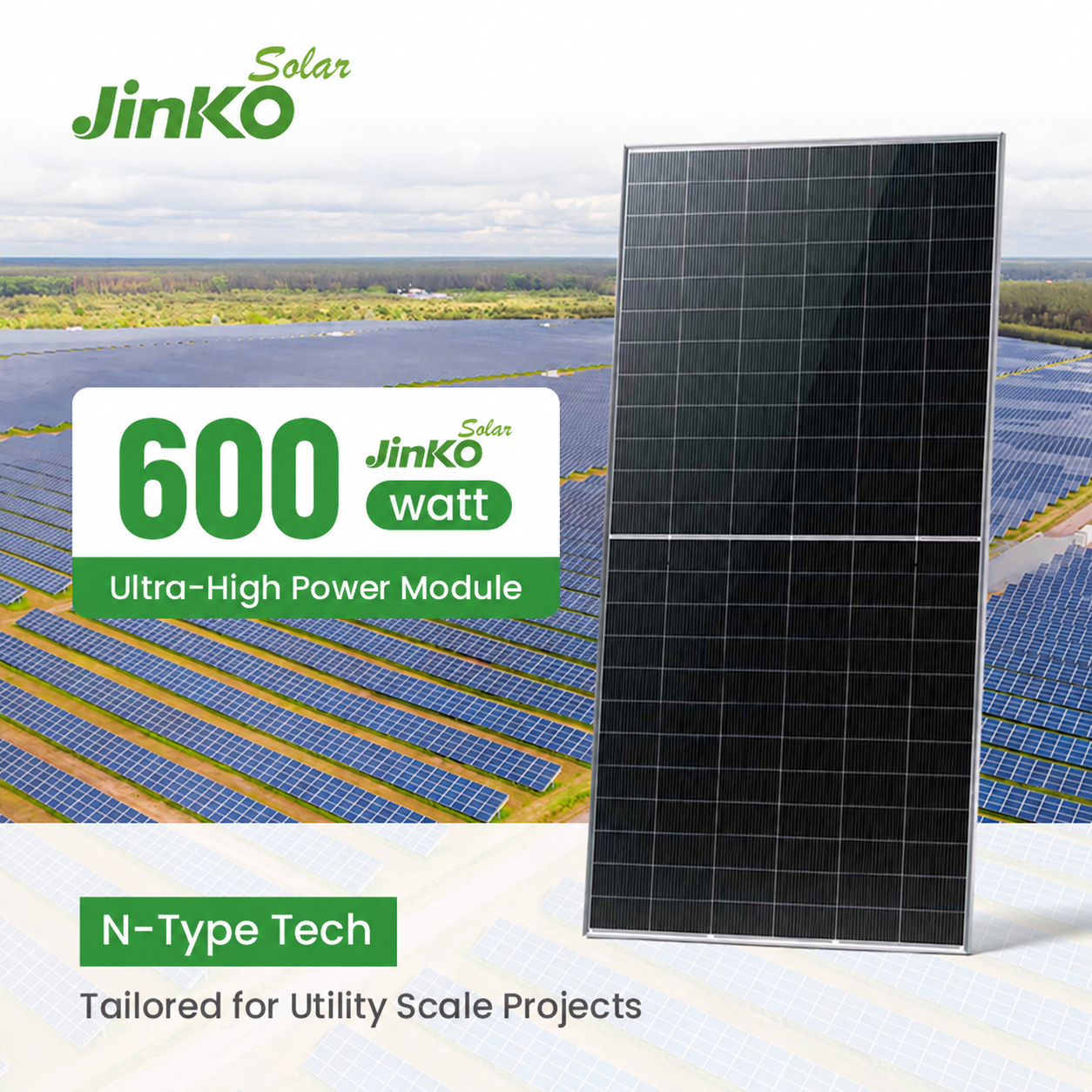
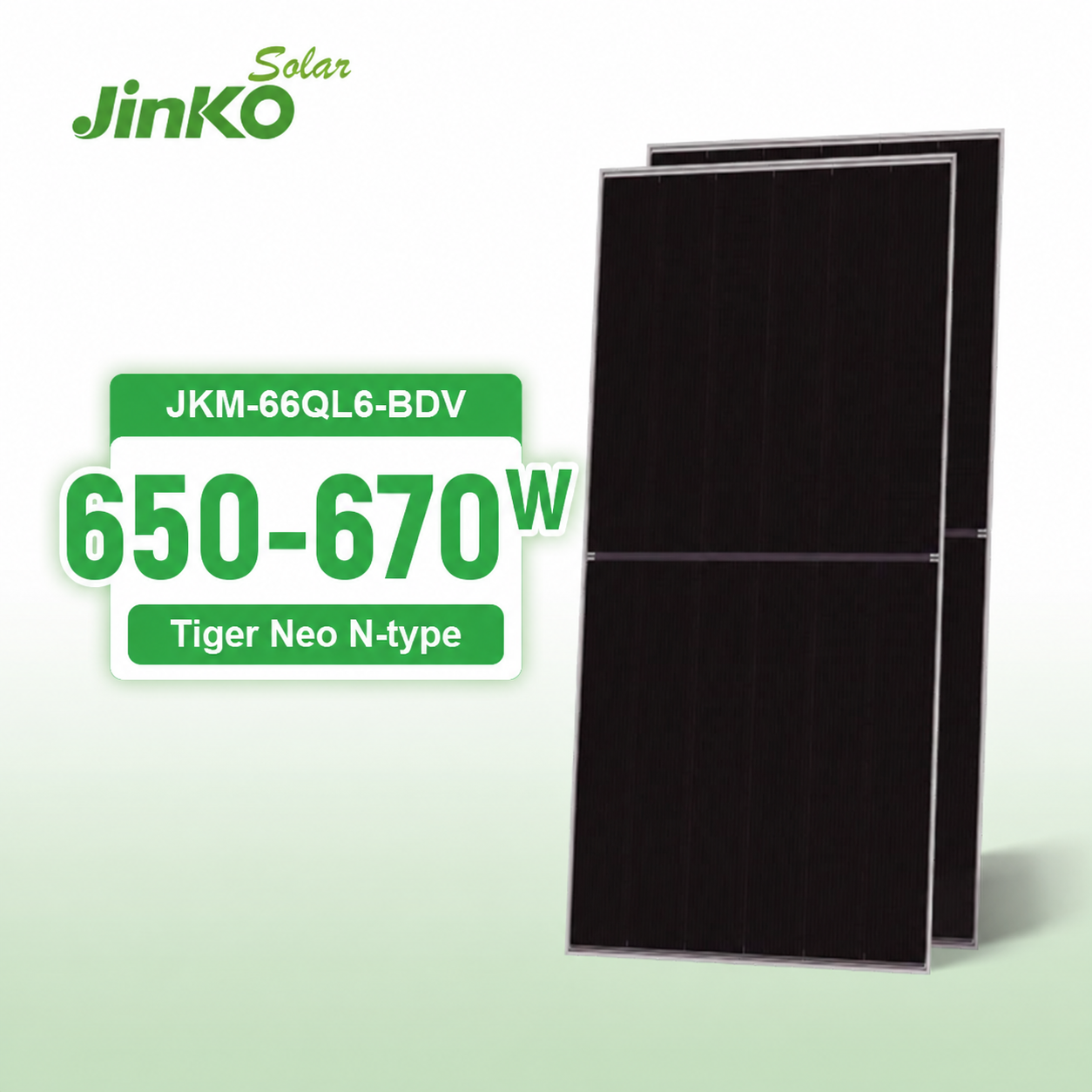
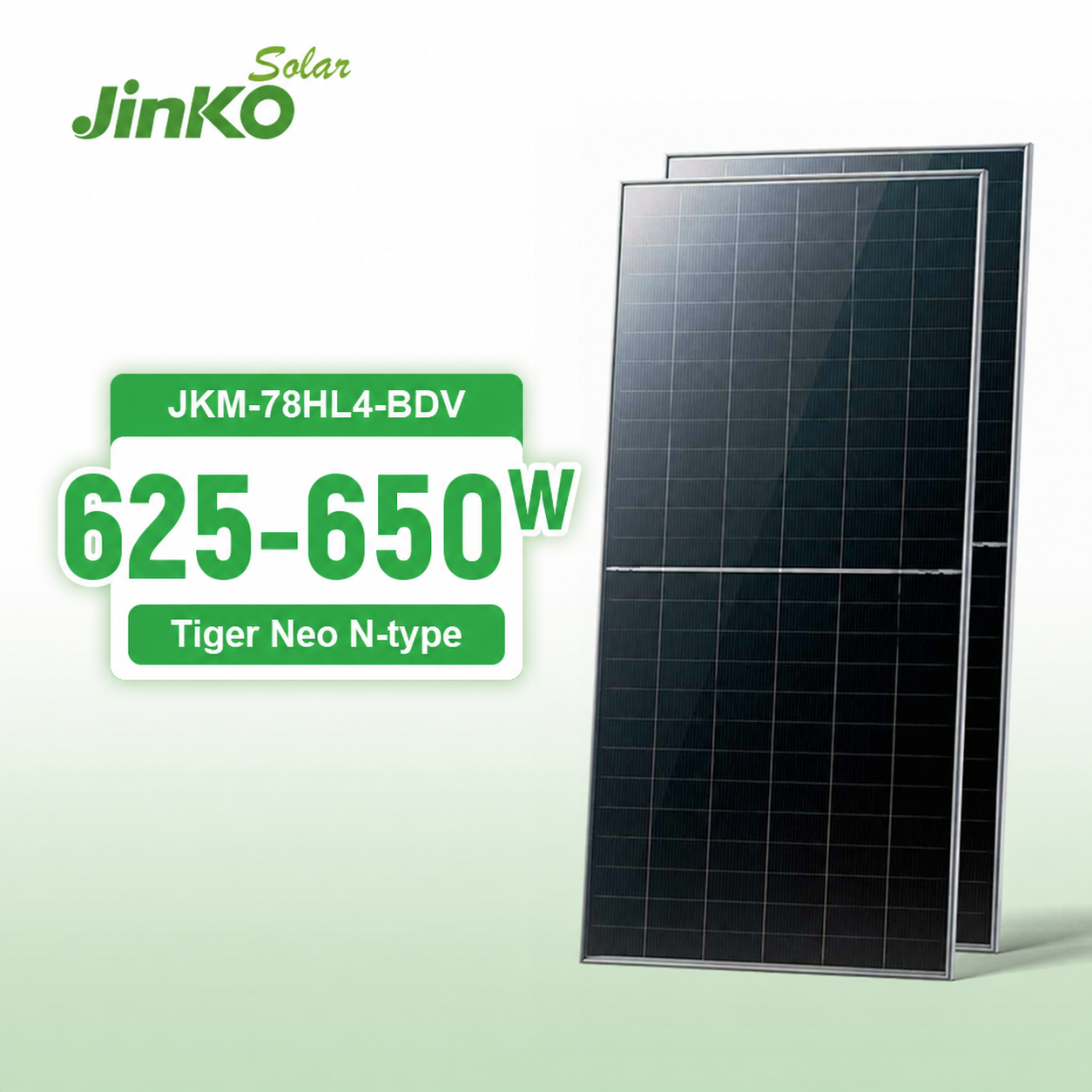
A solar charge controller is only as capable as the PV array powering its DC input stage. Our export supply matches ultra-high-efficiency TOPCon N-type monocrystalline panels with precision multi-stage tracking algorithms, providing maximum harvest under Gonaïves' high irradiance and tropical thermal stress.
99.5%
Peak MPPT Tracking Efficiency
150V - 500V
High DC Input Voltage Windows
100+
Countries & Ports Exported
CAN / RS485
Pre-Tested Closed-Loop Protocols
Engineering Whitepaper
Solar Charge Controller Architectures in High-Stress Island Environments
Navigating grid fragility, thermal derating, marine salinity, and battery chemistry synergy across the Artibonite Department of Haiti.
In Gonaïves—the commercial heart of the Artibonite department positioned on the Gulf of Gonâve—the deployment of photovoltaic systems faces unique structural, climatic, and electrical hurdles. The regional grid operated by Électricité d'Haïti (EDH) exhibits prolonged downtime, forcing commercial enterprises, healthcare centers, agricultural cooperatives, and residential compounds to rely on localized autonomous power generation. Historically, diesel generators bridged this gap; however, volatile fuel supply lines along National Route 1 (RN1) and exorbitant per-kilowatt-hour operating expenses have accelerated a structural shift toward battery-integrated solar microgrids.
At the center of every robust stand-alone or DC-coupled solar storage facility is the Solar Charge Controller (regulator). Rather than functioning as a mere voltage limiter, modern charge controllers act as the critical power conversion node. They dictate whether high-output PV arrays—such as modern 580W–730W N-type TOPCon modules—can efficiently and reliably transfer power into 12V/24V deep-cycle colloidal GEL banks or high-density 48V/51.2V Lithium Iron Phosphate (LiFePO4) storage banks without thermal tripping, voltage clipping, or cell degradation.
Critical Engineering Requirement for Gonaïves: Thermal Derating & Open-Circuit Headroom
Gonaïves experiences ambient temperatures exceeding 35°C (95°F) with intense Caribbean direct normal irradiance (DNI). Photovoltaic modules experience surface cell temperatures upwards of 65°C, reducing open-circuit voltage ($V_{oc}$), while early morning ambient conditions can suddenly produce cold $V_{oc}$ spikes under rapid cloud clearing. Solar charge controllers engineered for this microclimate must feature an over-dimensioned DC input voltage window (up to 150V, 250V, or 500V DC) and advanced aluminum extrusion heat sinks with conformal coating to resist coastal salt air corrosion from the bay.
Technical Divergence: Maximum Power Point Tracking (MPPT) vs. Pulse Width Modulation (PWM)
For engineering, procurement, and construction (EPC) contractors and hardware importers serving Gonaïves, selecting between MPPT and PWM topologies is a fundamental economic and performance decision:
- PWM (Pulse Width Modulation): Operates as an electrical switch connecting the PV string directly to the battery bank. While cost-effective for small 100W–200W solar lighting kits or basic 12V backup circuits, PWM pulls panel operating voltage down to battery terminal voltage. When paired with high-voltage utility panels (e.g., 650W TOPCon modules with $V_{mp} \approx 42V$), a PWM controller on a 12V or 24V battery results in an immediate loss of 35% to 50% of the panel's rated harvesting capacity.
- MPPT (Maximum Power Point Tracking): Employs high-frequency DC-to-DC buck converter technology combined with microprocessors running continuous Perturb & Observe (P&O) or Incremental Conductance algorithms. By calculating the optimal current-voltage point hundreds of times per second, MPPT controllers step down high PV array voltages (allowing longer strings with reduced copper cable losses) while stepping up charging current into the battery bank with an electrical conversion efficiency exceeding 98%.
Integration with Advanced Storage: LiFePO4 Smart BMS vs. Deep-Cycle Colloidal GEL
A high-performance solar charge controller must dynamically adjust its multi-stage profile (Bulk, Absorption, Float, Equalization) based on the specific electrochemistry of the storage bank. In Gonaïves, two predominant storage types define the landscape:
1. Lithium Iron Phosphate (LFP / LiFePO4 51.2V): LFP chemistry offers 6,000+ lifecycle cycles at 80% to 90% Depth of Discharge (DoD), making it the premier long-term investment for commercial baseload and mini-grids. However, lithium cells cannot tolerate over-voltage or uncontrolled float charging. Our supplied controllers and hybrid controller-inverter units integrate direct CAN-bus and RS485 communication protocols, reading real-time cell temperatures, State of Charge (SoC), and highest cell voltages directly from the Battery Management System (BMS) to dynamically adjust charge currents.
2. Deep-Cycle Colloidal GEL Batteries (12V blocks in 24V/48V series): GEL batteries remain vital across regional Haitian installations due to their low upfront capital cost, intrinsic resistance to thermal runaway, and resilience when held at partial states of charge (PSoC). Modern MPPT controllers utilized with GEL batteries must feature precise external temperature compensation sensors ($\approx -3mV/^{\circ}\text{C}/\text{cell}$) to prevent gassing and electrolyte drying under Gonaïves' equatorial heat.
Field-Tested Applications
Localized Solar Applications Across Gonaïves & Artibonite
From saline coastal ports to the agricultural plains of the Artibonite River, explore how our solar charge controllers and power conditioning hardware perform across real Haitian operational environments.
Artibonite Agricultural Pumping & Irrigation
The Artibonite Valley is Haiti's premier rice and agricultural basin. Solar pump systems equipped with high-voltage MPPT controllers drive submersible deep-well and canal pumps directly from high-wattage Jinko bifacial arrays. Operating without expensive fuel generators, these MPPT regulators track the sun from 6:30 AM to 5:00 PM, providing consistent water flow for rice paddies, banana plantations, and vegetable fields even during intermittent morning cloud cover.
Urban Commercial & Wholesale Warehouse Baseload
Wholesalers, supermarkets, and construction depots located along Avenue des Dattes and Downtown Gonaïves face chronic EDH brownouts and blackouts. By retrofitting roof spaces with 600W–670W dual-glass modules coupled with 80A/100A MPPT controllers and 48V LFP batteries, business owners bypass 40+ gourdes/kWh diesel operating overheads, securing uncompromised 24/7 refrigeration, security surveillance, LED high-bay lighting, and point-of-sale servers.
Healthcare Clinics & Cold Chain Vaccine Storage
Provincial hospitals, community medical centers, and NGO clinics require 100% electrical uptime to safeguard blood banks, insulin, neonatal incubators, and surgical suites. Industrial-grade solar charge controllers provide galvanic isolation and ultra-clean DC regulation, shielding sensitive diagnostic electronics from generator harmonic distortions while maintaining temperature-stable battery banks under continuous operation.
Maritime Port Logistics & Cold Storage at Gonaïves Bay
The Port of Gonaïves handles maritime trade, coastal freight, and fishery landings. Salt mist and humid maritime air severely corrode standard electronics. Our conformal-coated, IP65-sealed charge controllers paired with anti-salt mist Jinko double-glass TOPCon solar panels power cold rooms for fish storage, marine lighting, and coastal navigation equipment without terminal corrosion or short-circuit failures.
Telecom Base Stations (BTS) & ISP Relay Towers
Cellular connectivity in the mountains surrounding Morne de la Coupe and along coastal corridors relies on autonomous off-grid BTS towers operated by telecom providers. Our 48V telecom-grade MPPT units deliver dry-contact generator auto-start triggers, RS485 SNMP network monitoring for remote telemetry, and multi-stage surge protection against high atmospheric lightning activity in northern Haiti.
Rural Community Mini-Grids & Education Hubs
Off-grid settlements outside urban Gonaïves utilize centralized solar power shelters. Clustered parallel MPPT charge controllers aggregate multiple strings of 700W+ panels to charge shared community battery banks. These systems provide clean AC microgrid power for schools, water purification stations, and micro-enterprises, eliminating kerosene lamps and single-use battery waste.
Hardware Engineering Specifications
Solar Charge Controller Topology Comparison for Caribbean Deployments
A comprehensive engineering evaluation comparing operational performance metrics in Gonaïves' high-heat and marine coastal environment.
| Feature / Specification | Standard PWM Controller | Commercial 150V MPPT | High-Voltage 500V MPPT / Hybrid |
|---|---|---|---|
| Typical Conversion Efficiency | 70% – 76% (voltage clamped) | 97.5% – 98.8% | 98.5% – 99.2% |
| PV Module Compatibility | 36-cell / 72-cell legacy panels only | All panels (including 580W–670W N-type) | 700W+ Bifacial TOPCon Arrays |
| Max DC Input Voltage ($V_{oc}$) | Up to 50V DC | 100V – 150V DC | 150V – 500V DC |
| String Configuration Flexibility | Strictly 1S or 2S parallel only | 2S to 3S series configurations | Long strings (5S–10S), minimal copper losses |
| Thermal Derating Threshold | Derates heavily above 40°C | Full output up to 45°C ambient | Intelligent fan/heatsink cooling up to 55°C |
| Battery Chemistry Suitability | Flooded, AGM, basic GEL | GEL, AGM, Open Lithium (manual settings) | LiFePO4 Closed-Loop CAN/RS485 & GEL |
| Recommended Gonaïves Applications | Low-power rural lighting, 12V DC kits | Residential backup, clinics, commercial PV | Cold storage, rice mills, mini-grids, telecom |
Macroeconomic & Energy Trends
The Energy Transformation Across Gonaïves & Upper Artibonite
Key economic, technical, and regulatory forces driving solar storage procurement among Haitian B2B buyers, distributors, and institutional EPCs.
1. Fuel Supply Instability & Levelized Cost of Energy (LCOE)
Due to transportation bottlenecks between Port-au-Prince terminals and Artibonite via RN1, diesel prices in Gonaïves frequently spike significantly above official retail rates. When maintenance, oil changes, and fuel logistics are factored in, diesel-generated electricity exceeds $0.65 to $0.85 USD per kWh. In contrast, an expertly engineered solar array paired with a commercial MPPT charge controller and LiFePO4 battery achieves an amortized LCOE below $0.14 USD per kWh over a 10-year operational horizon.
2. Rapid Standardisation of 48V / 51.2V Lithium Topologies
While legacy installations in Gonaïves heavily utilized 12V and 24V lead-acid configurations, commercial installers are standardizing around 48V (nominal 51.2V) architectures. The mathematical advantage is straightforward: quadrupling system DC voltage reduces required conductor cross-sectional area by 75% for identical power throughput, significantly lowering copper balance-of-system (BOS) procurement costs while boosting overall round-trip conversion efficiency.
3. High-Wattage TOPCon Bifacial Panel Dominance
Sub-400W polycrystalline and standard mono PERC modules have been rapidly superseded by N-Type TOPCon bifacial modules reaching 580W to 730W. These panels deliver superior temperature coefficients (-0.30%/°C vs -0.38%/°C) and provide 10% to 25% bifacial backside gain from reflective ground surfaces. Installers in Gonaïves demand modern MPPT controllers equipped with wide tracking windows to capture this elevated current without thermal saturation.
Factory-Direct Advantage
Why International B2B Buyers & Haitian EPCs Partner With Us
Hangzhou VOLT New Energy Technology Co., Ltd. eliminates technical incompatibilities, customs delays, and quality risks before your equipment leaves China.

Pre-Shipment Protocol Verification
Every controller, hybrid unit, and lithium battery undergoes CAN-bus and RS485 communication bench testing at our Hangzhou facility. DIP switches, RJ45 pin-outs, and firmware versions are verified so equipment handshakes instantly on site.

Rigorous Multi-Stage QC
We execute insulation impedance, high-pot testing, full-load burn-in, and visual casing checks before crating. Comprehensive photographic inspection reports and serial number registries are transmitted to buyers prior to port dispatch.
DG Maritime Logistics to Haiti
Exporting lithium storage alongside PV equipment requires certified Class 9 Dangerous Goods handling. We provide complete UN38.3, MSDS, and maritime documentation, coordinating consolidated FCL and LCL shipments seamlessly to Cap-Haïtien or Port-au-Prince.
Engineering System Sizing
Our solar application engineers provide string sizing calculators, electrical single-line diagrams (SLD), DC circuit breaker ratings, and surge arrestor specifications tailored precisely to Gonaïves' geographic coordinates and irradiance profiles.
B2B Procurement Knowledgebase
Frequently Asked Questions by Solar Importers Serving Gonaïves
Practical technical, logistical, and warranty insights tailored for hardware distributors, EPCs, and energy project developers in Haiti.
How do I correctly size an MPPT controller for Jinko 650W–700W TOPCon panels in Gonaïves' climate?
When sizing an MPPT controller for high-output TOPCon modules (e.g., 650W with an open-circuit voltage $V_{oc} \approx 51.5V$ and maximum power current $I_{mp} \approx 13.2A$), two calculations are paramount:
1. Maximum Input Voltage Headroom: In tropical climates like Gonaïves, high ambient temperatures reduce operating voltage. However, early morning clear-sky conditions or storm fronts can cause module temperatures to drop to 20°C or lower. Applying a 1.15 to 1.20 safety multiplier to the rated $V_{oc}$ ensures the series string never exceeds the controller's absolute maximum DC input voltage (e.g., keeping a 3-panel series string well within a 200V or 250V rated controller).
2. Maximum Charging Current into Battery: Divide the array's total wattage (e.g., $4 \times 650W = 2600W$) by the nominal battery bank absorption voltage (e.g., $56V$ for a 48V LFP pack). In this scenario, $2600W / 56V \approx 46.4A$. An installer should select a 50A or 60A rated MPPT controller to ensure complete energy harvest during peak noon sunlight hours without current throttling.
Can your charge controllers withstand the salt air and coastal humidity near Gonaïves Bay?
Yes. Standard indoor consumer electronics quickly fail along the Gulf of Gonâve due to airborne salt particles settling on circuit boards, attracting humidity, and causing electrolytic corrosion or dendritic short circuits. Our industrial charge controllers and inverters utilize multi-layer conformal coating (polyurethane or silicone varnishing) over all printed circuit boards (PCBs). Internal heatsinks are anodized aluminum, and external hardware uses stainless steel or treated alloy fixings. For exposed agricultural pumping or marine installations, we supply models with IP65 weather-resistant sealed enclosures.
How does closed-loop communication work between the charge controller and 51.2V LiFePO4 batteries?
In an open-loop system, a charge controller relies solely on terminal voltage measurements, which can be misleading with LiFePO4 batteries due to their remarkably flat voltage discharge curve. In contrast, our closed-loop architecture connects the battery's smart Battery Management System (BMS) to the charge controller via CAN-bus or RS485 communication protocols. The BMS constantly broadcasts the allowable Charge Current Limit (CCL), Discharge Current Limit (DCL), real-time internal cell temperatures, and alarm statuses. If any cell exceeds voltage or temperature thresholds, the charge controller automatically and instantaneously modulates its output, prolonging battery lifespan to over 6,000 cycles.
What shipping routes and documentation are arranged for deliveries to northern Haiti?
Shipments of solar panels, inverters, charge controllers, and batteries depart from Ningbo or Shanghai Port. For buyers in Gonaïves and the Artibonite department, freight can be booked into either Port-au-Prince (APN) or Cap-Haïtien (the northern port, which often provides more reliable inland transit to Gonaïves via RN3 / RN1). We provide full commercial sets: Bill of Lading (B/L), Certificate of Origin (CO), Proforma & Commercial Invoices with designated HS codes, Packing Lists with container weight distribution, and complete Dangerous Goods (DG) documentation for lithium energy storage modules (UN38.3 test summaries and compliant MSDS).
Can I mix deep-cycle GEL batteries with new LiFePO4 batteries on the same charge controller?
No, you should never parallel connect GEL and LiFePO4 batteries to the same charge controller or DC busbar. GEL batteries require a multi-stage charging curve consisting of Bulk, Absorption (around 14.2V–14.4V per 12V block), Float (around 13.6V–13.8V), and periodic temperature-compensated tapering. LiFePO4 batteries require a constant-current constant-voltage (CC/CV) profile with no continuous trickle float, operating at different internal resistance and nominal voltages. Mixing them will result in undercharging the GEL cells and potential BMS cutoff or over-current conditions on the lithium pack. For legacy upgrades, we recommend establishing separate dedicated charge controller circuits.
What warranty policy and technical troubleshooting support are provided?
All supplied solar charge controllers and inverters carry original manufacturer warranties ranging from 3 to 5 years, while Jinko Tier-1 photovoltaic panels come with 12-to-25-year product workmanship and 30-year linear performance warranties. We maintain complete component serial number databases for every export container. In the unlikely event of component failure, our engineering department provides rapid diagnostic support via video review, error-code decoding, and express air dispatch of replacement control boards or replacement units.
Procure Turnkey Solar Regulators & Matched PV Hardware for Gonaïves
Connect directly with our engineering and export team in Hangzhou. Receive custom load calculations, single-line wiring diagrams, battery-controller compatibility confirmation, and competitive container pricing tailored for Haitian renewable energy projects.