3,700m+
Altitude Certified Design
6,000+
LiFePO4 Deep Cycles
100%
Deye Protocol Verified
Class 9
Certified DG Sea/Rail Export
Factory Inventory
Altitude-Ready Lithium & PV Generation Modules
High-efficiency N-Type bifacial solar panels and low-voltage hybrid ESS solutions calibrated for extreme Altiplano irradiance.

Engineering Solar LiFePO4 Energy Storage for Oruro's Extreme Altiplano Environment
The Department of Oruro, situated across the high-altitude Bolivian Altiplano at elevations averaging 3,700 to 4,000 meters above sea level, represents one of the world's most lucrative solar irradiation zones coupled with some of the harshest physical operating parameters for energy storage. While solar irradiance regularly surpasses 2,200 to 2,500 kWh/m² per annum, deploying storage equipment requires precise electro-thermal accommodation that standard consumer batteries fail to deliver.
Critical Engineering Challenge: In Oruro's sub-zero night climates and rare atmospheric density, traditional Lead-Acid/GEL batteries suffer severe thermal drop-off and premature sulfation, while poorly engineered lithium batteries experience cell damage during sub-zero charging cycles. Hangzhou VOLT New Energy supplies industrial-grade Lithium Iron Phosphate (LiFePO4 / LFP) chemistry integrated with intelligent thermal pre-heating BMS to guarantee 6,000+ deep cycles under Altiplano conditions.
Atmospheric De-rating and Dielectric Clearance at 3,700+ Meters
At high elevations, lower air pressure reduces convection cooling efficiency and diminishes air dielectric breakdown strength. Inverters and battery management systems (BMS) calibrated for sea level can experience premature thermal throttling or internal arc-overs if creepage distances are unverified. VOLT New Energy works closely with Deye hybrid inverters and our proprietary LFP battery packs to ensure switching components, cooling heatsinks, and internal contactors are rated for high-altitude installation in Oruro, Challapata, and surrounding mining valleys.
Thermal Inversion Management & Cell Balancing
The diurnal temperature fluctuation across the Oruro plateau can exceed 25°C in a single twelve-hour cycle—plunging from +20°C in direct solar exposure to -8°C before dawn. Lithium iron phosphate cells cannot accept high charging currents when core internal temperatures fall below 0°C without risking lithium plating on the graphite anode, which creates irreversible capacity loss and internal shorting hazards. Our cold-climate storage units incorporate built-in PTC thermal management pads and closed-loop CAN communication that restrict charging current until the internal core hits optimal operating thresholds.
Regional Implementation
Tailored Solar Storage Solutions Across Oruro's Economic Sectors
From metallurgical processing to off-grid agricultural pumping, discover how VOLT New Energy empowers Oruro's distributed infrastructure.
Mining & Metallurgy Operations
Remote tin, silver, and zinc extraction sites throughout the Oruro mining district depend on 24/7 continuous process monitoring, communications, and assay labs. Combining our 48V/51.2V low-voltage LFP rack configurations with Deye 3-phase hybrid inverters creates microgrids that dramatically cut heavy diesel fuel haulage costs while securing clean, uncorrupted AC power against utility brownouts.
Highland Quinoa & Livestock Farming
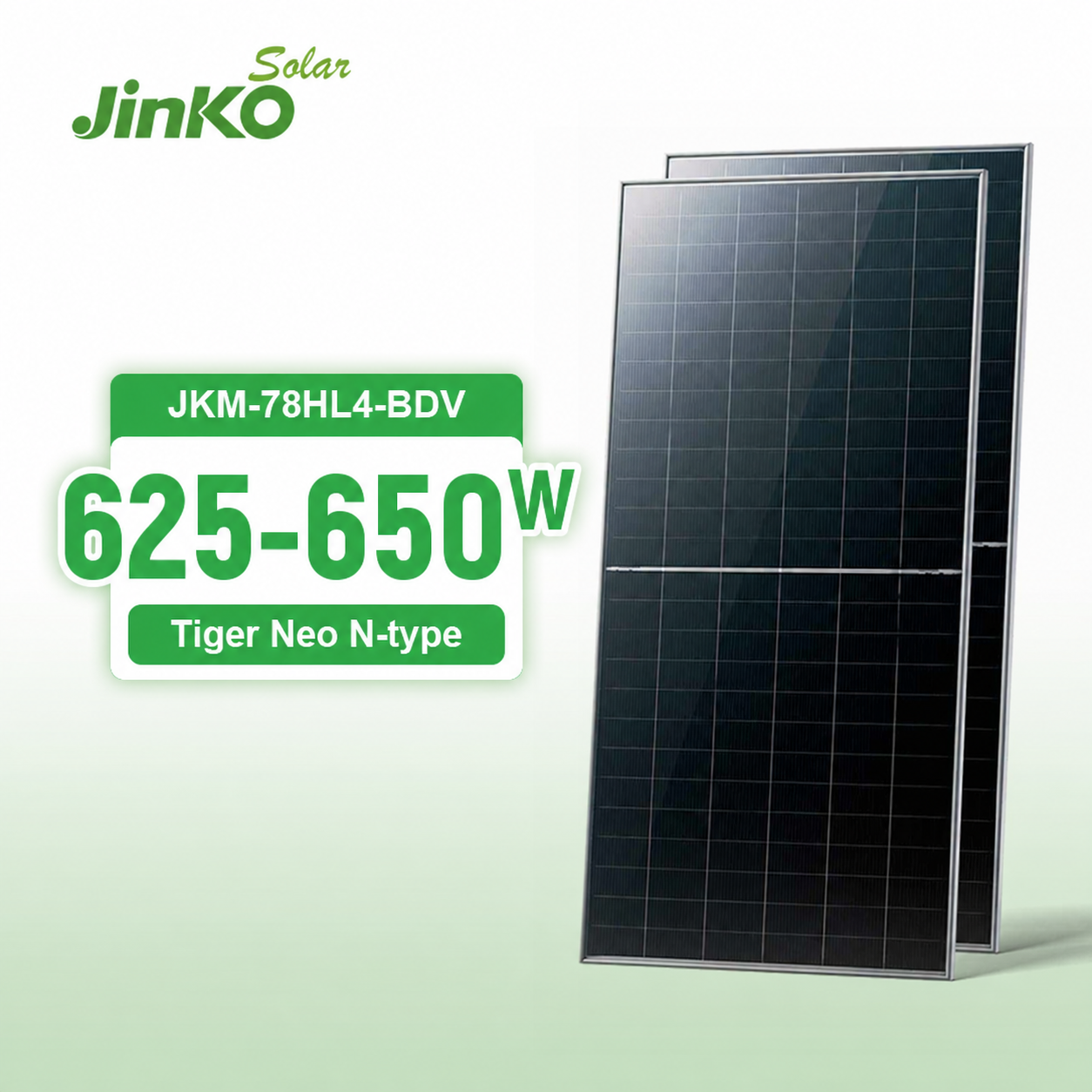
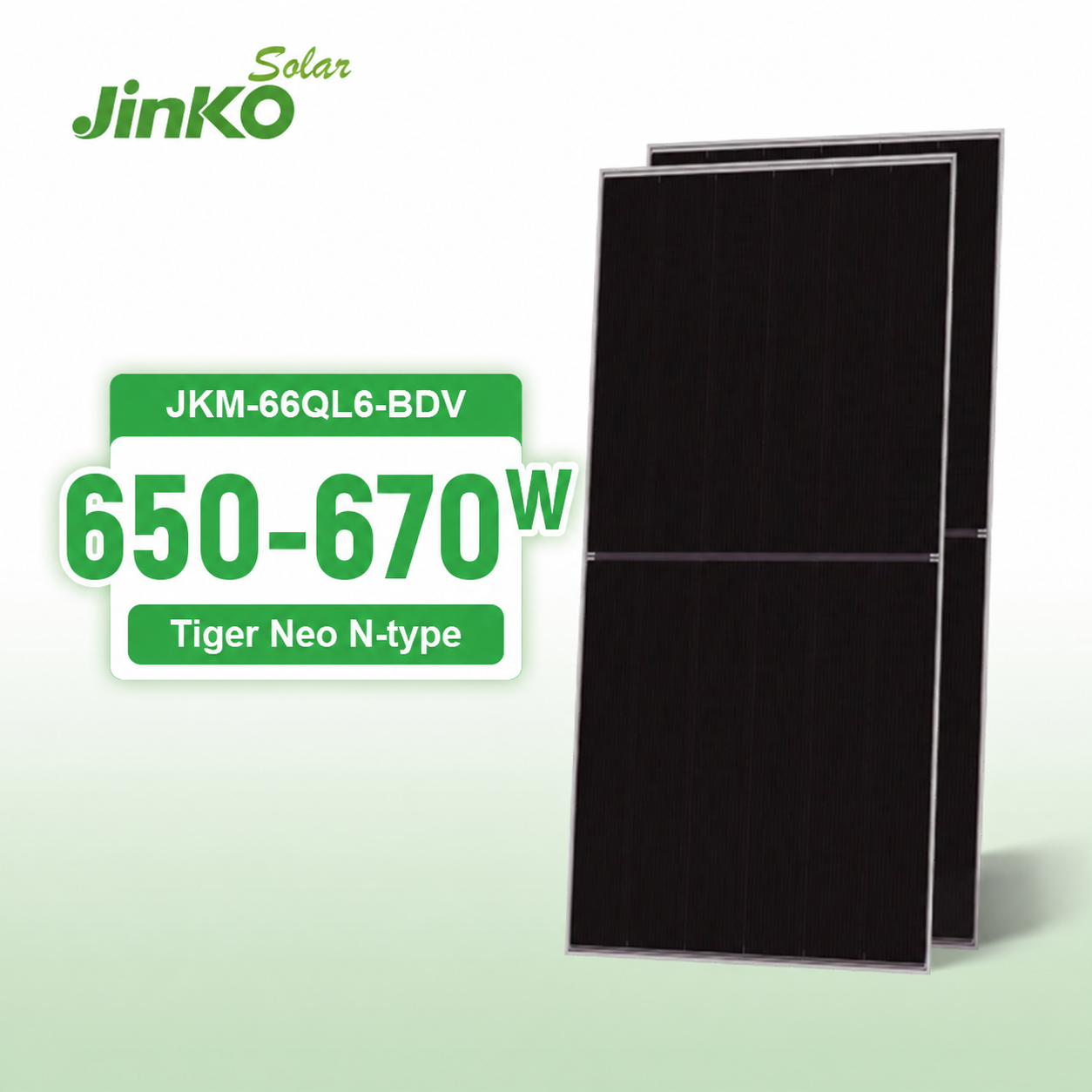
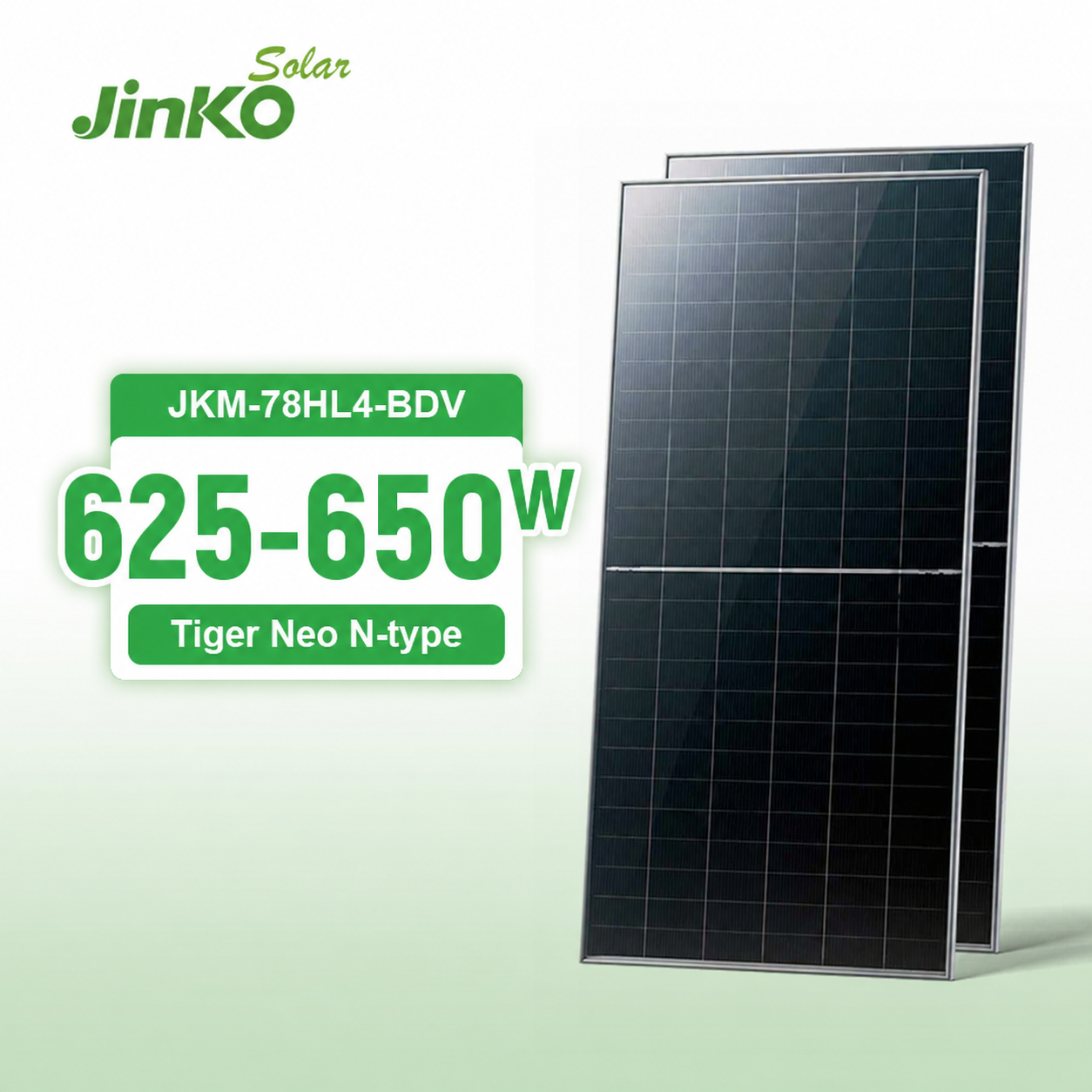
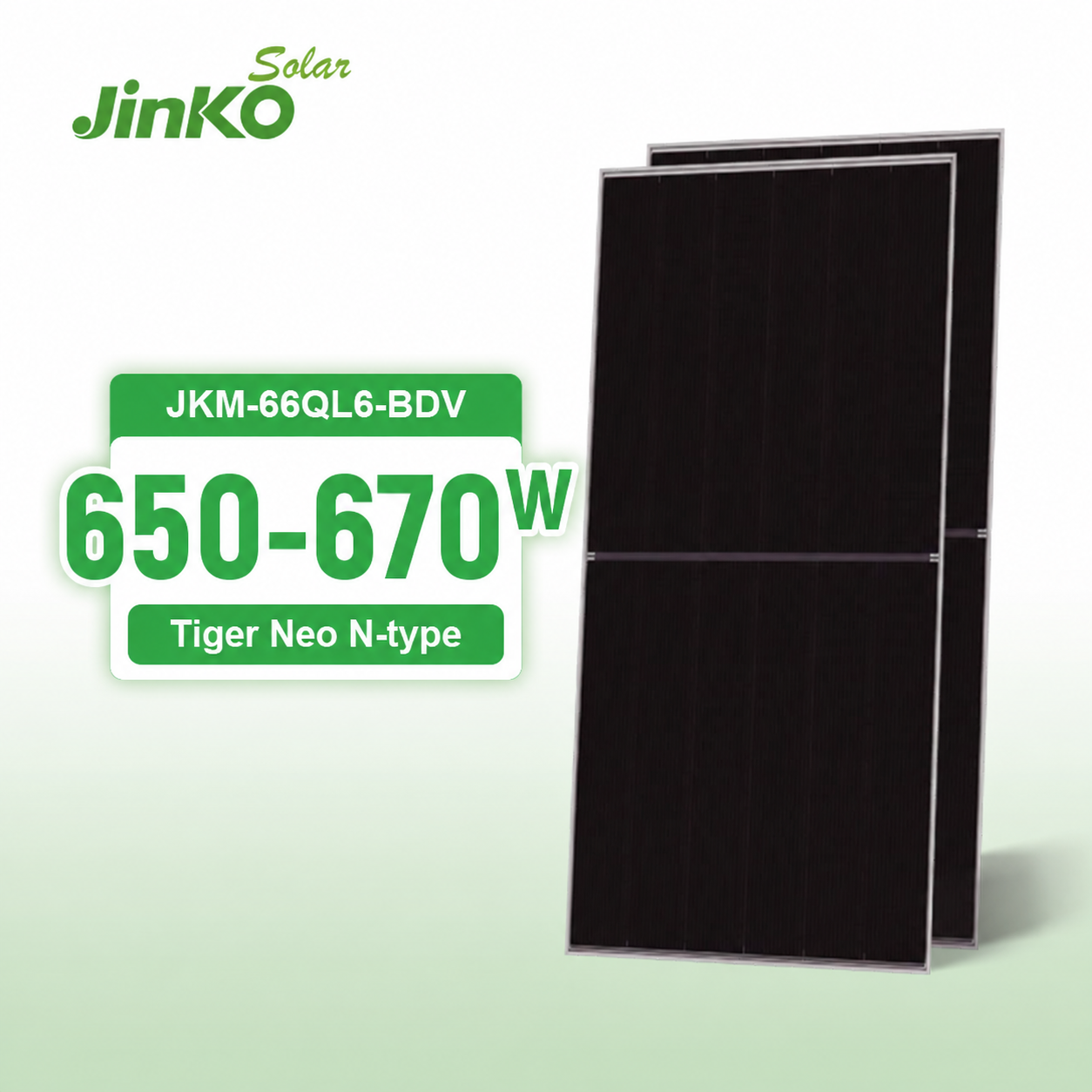
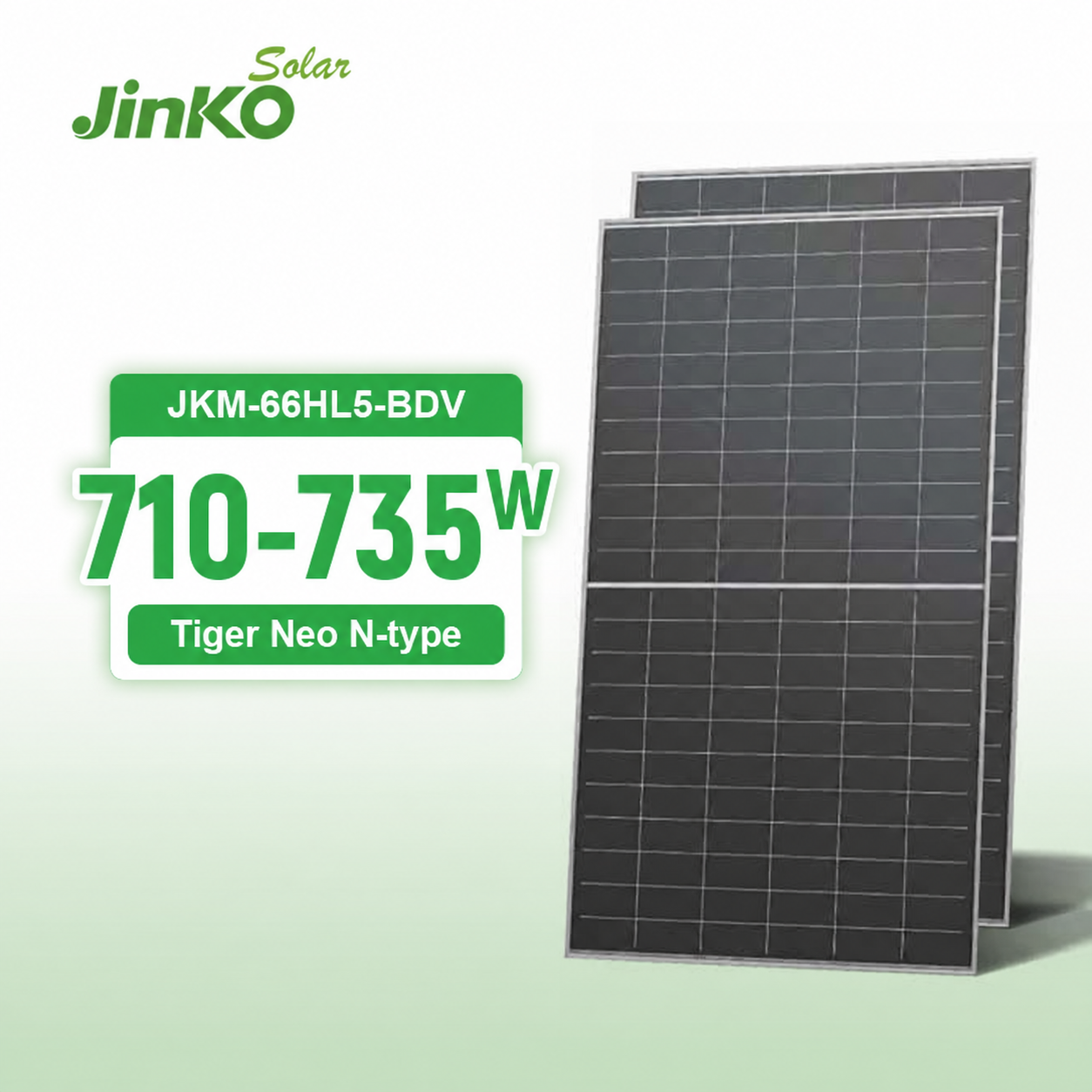
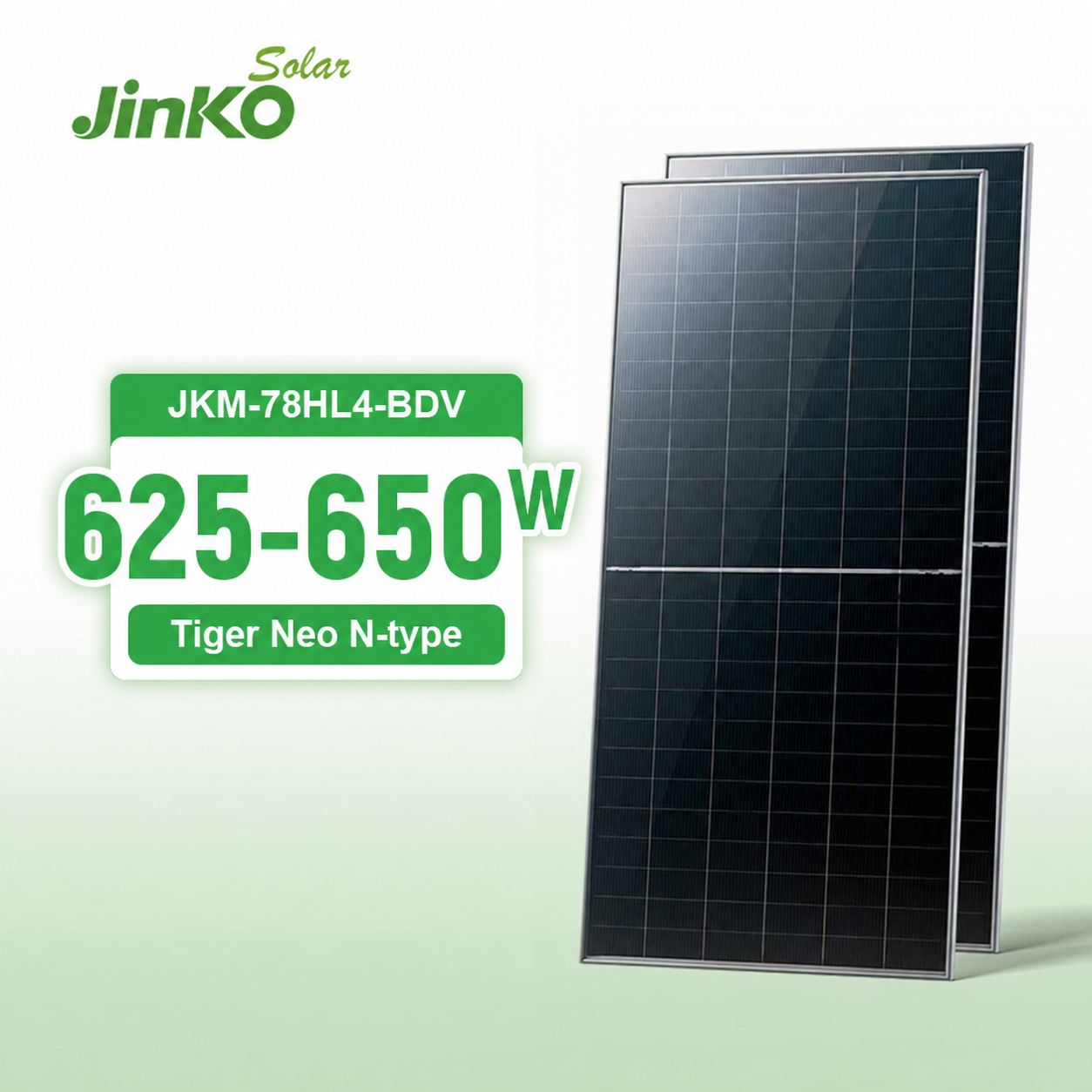
Across the rural expanses of Challapata and Salinas de Garci Mendoza, solar-powered deep-well irrigation pumps and cold chain refrigeration demand relentless discharge stability. Our high-power Jinko N-Type bifacial solar panels capture both direct overhead sunlight and intense ground albedo reflection off saline soils, routing maximum energy into modular, scalable LiFePO4 batteries.
Urban Commercial Peak Shaving & UPS
Within the city of Oruro, small factories, clinics, and modern commercial centers face volatile electrical rates and grid instability during seasonal weather shifts. Our hybrid storage kits deliver sub-10 millisecond uninterruptible power transfer (UPS), allowing commercial entities to self-consume peak solar generation and safeguard sensitive electrical loads without noise or generator emissions.
Macro Trends Shaping Oruro’s Clean Energy Landscape
The energy matrix of western Bolivia is reaching an inflection point. With national commitments to diversify away from domestic natural gas consumption for electricity generation, regional distributed photovoltaic generation paired with stationary battery energy storage systems (BESS) has become an economic priority.
1. Accelerating Lead-Acid to LiFePO4 Retrofits
Historically, off-grid installations across the Bolivian Altiplano relied upon imported deep-cycle GEL and flooded lead-acid banks. Installers and regional dealers in Oruro are systematically transitioning their clients to LiFePO4 chemistry. The fundamental driver is total cost of ownership (TCO): while GEL batteries deliver roughly 800 to 1,200 cycles at a restrictive 50% Depth of Discharge (DoD), our lithium units provide 6,000 cycles at 80-90% DoD, effectively multiplying system lifespan by five while reducing freight volume by 65%.
2. Rise of High-Efficiency N-Type Bifacial TOPCon Technology
Oruro possesses unique geographic and atmospheric attributes: thin atmosphere with low particulate pollution leads to exceptionally high Direct Normal Irradiance (DNI), while open, arid terrain provides high ground reflectance (albedo), particularly near salt plains and sandy flats. Standard monofacial panels leave up to 25% of potential site energy unharvested. VOLT New Energy supplies Jinko N-Type bifacial double-glass modules that convert rear-side reflectance into an additional 10% to 25% energy gain, matching the high current acceptance of modern LFP storage banks.
3. Decentralized Grid Support for Remote Communes
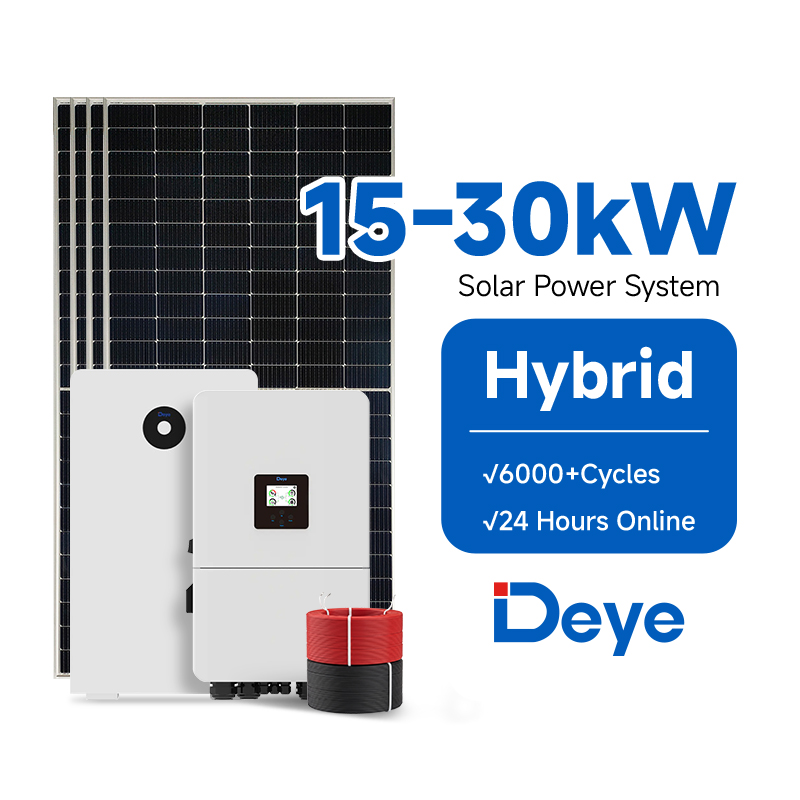
Municipal electrification programs in remote Oruro districts are increasingly moving away from high-maintenance transmission line extensions in favor of localized mini-grids. VOLT New Energy's pre-matched, parallel-capable 5kW to 30kW Deye hybrid inverter and lithium battery packages offer modular building blocks for rural community centers, clinics, and telecommunications towers that require zero daily human intervention.
Why Choose VOLT New Energy
End-to-End Reliability for International Solar Importers
Hangzhou VOLT New Energy removes international trading friction through verified system engineering, factory-direct sourcing, and flawless customs compliance.

Pre-Shipment Protocol Verification
Every LiFePO4 battery pack and inverter pair is bench-tested over CAN/RS485 prior to packaging, ensuring immediate plug-and-play handshakes on Altiplano sites without field-flashing headaches.

Multi-Point Quality Control
We execute rigorous insulation, cell capacity sampling, and thermal cycling audits. Complete photo and inspection documentation are delivered directly to the buyer before container sealing.

Dangerous Goods Export Compliance
Our shipments comply strictly with Class 9 dangerous goods requirements, accompanied by authentic UN38.3, MSDS, and sea-freight packaging declarations ready for Arica/Iquique port clearance into Bolivia.

Dedicated Engineering Sizing
From initial load profile analysis to wiring schematics and circuit breaker ratings, our technical team provides ongoing consultation for EPC installers across the Bolivian market.
Knowledge Base
Frequently Asked Questions by Oruro Solar Importers
Key technical and logistics inquiries regarding LiFePO4 battery integration and high-altitude shipping.
How does Oruro's 3,700m elevation affect the life and operation of LiFePO4 batteries?
The primary electrochemical impact at high altitudes relates to thermal exchange. At 3,700 meters, air density drops by roughly 30-35%, which reduces the efficiency of natural convective heatsinks on inverter casings and external battery enclosures. However, because LiFePO4 cells are hermetically sealed prismatics, altitude does not alter their chemical potential. The challenge is sub-zero Altiplano night temperatures. VOLT New Energy resolves this with insulated battery enclosures, low-temperature charge cutoff settings, and internal heating film integration that preserves cycle lifespans beyond 6,000 cycles.
What is the logistical shipping route from China to Oruro, Bolivia?
Because Bolivia is landlocked, containerized ocean shipments carrying Class 9 lithium batteries, hybrid inverters, and solar panels typically route from Chinese coastal ports (Ningbo/Shanghai) to the Chilean Pacific ports of Arica or Iquique. From there, cargo clears bonded transit documents and travels overland via heavy transport directly to Oruro customs. VOLT New Energy provides complete DG documentation (UN38.3, MSDS, Certificate for Safe Transport of Chemical Goods) so your customs broker faces zero clearance delays.
Are VOLT New Energy LFP batteries directly compatible with Deye hybrid inverters?
Yes. Our low-voltage 48V/51.2V LFP battery packs come programmed with native CAN and RS485 communication protocols matching Deye single-phase (5kW–16kW) and three-phase hybrid inverters. We match cable RJ45 pin assignments and pre-configure the BMS master/slave dip-switch settings at our factory, preventing "BMS communication fault (F56)" and allowing automatic synchronization of SoC, charge current limits, and low-voltage protection cutoffs.
Why is N-Type TOPCon bifacial preferred over standard P-type panels in Oruro?
N-Type TOPCon cells exhibit zero Light Induced Degradation (LID) and boast a substantially lower temperature coefficient (-0.30%/°C) compared to legacy PERC modules. In Oruro, intense solar noon irradiance heats panels rapidly despite cool ambient air. Furthermore, the bifacial dual-glass architecture captures up to 80% bifaciality from the bright gravel, limestone, and salty soil surfaces typical of the Altiplano, yielding significantly more kWh per installed kilowatt capacity.
Can we mix batteries, inverters, and panels in a single consolidated container?
Yes. One of our most popular services for Bolivian distributors and engineering contractors is mixed-container consolidation. We securely palletize Jinko solar panels, Deye inverters, VOLT LiFePO4 batteries, mounting brackets, DC isolators, and high-voltage solar cables into a single 20GP or 40HQ container, dramatically reducing per-unit shipping overheads compared to ordering single product categories from separate suppliers.