Residential Rooftop
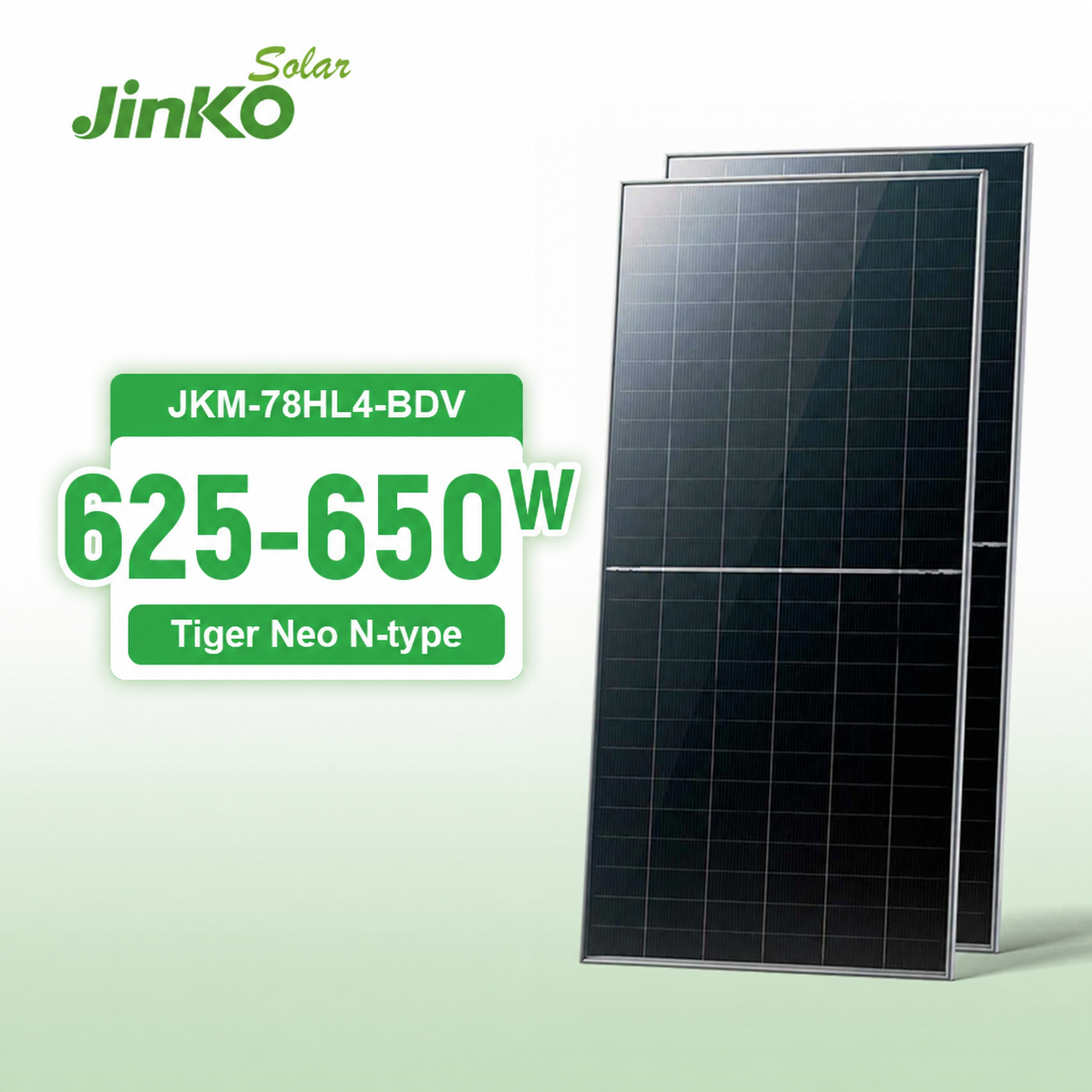
Designed to pair flawlessly with high-power micro inverters and hybrid micro-grid architectures. Each module features advanced N-type TOPCon cell technology, dual-glass bifurcation, and maximum energy capture under California irradiance profiles.
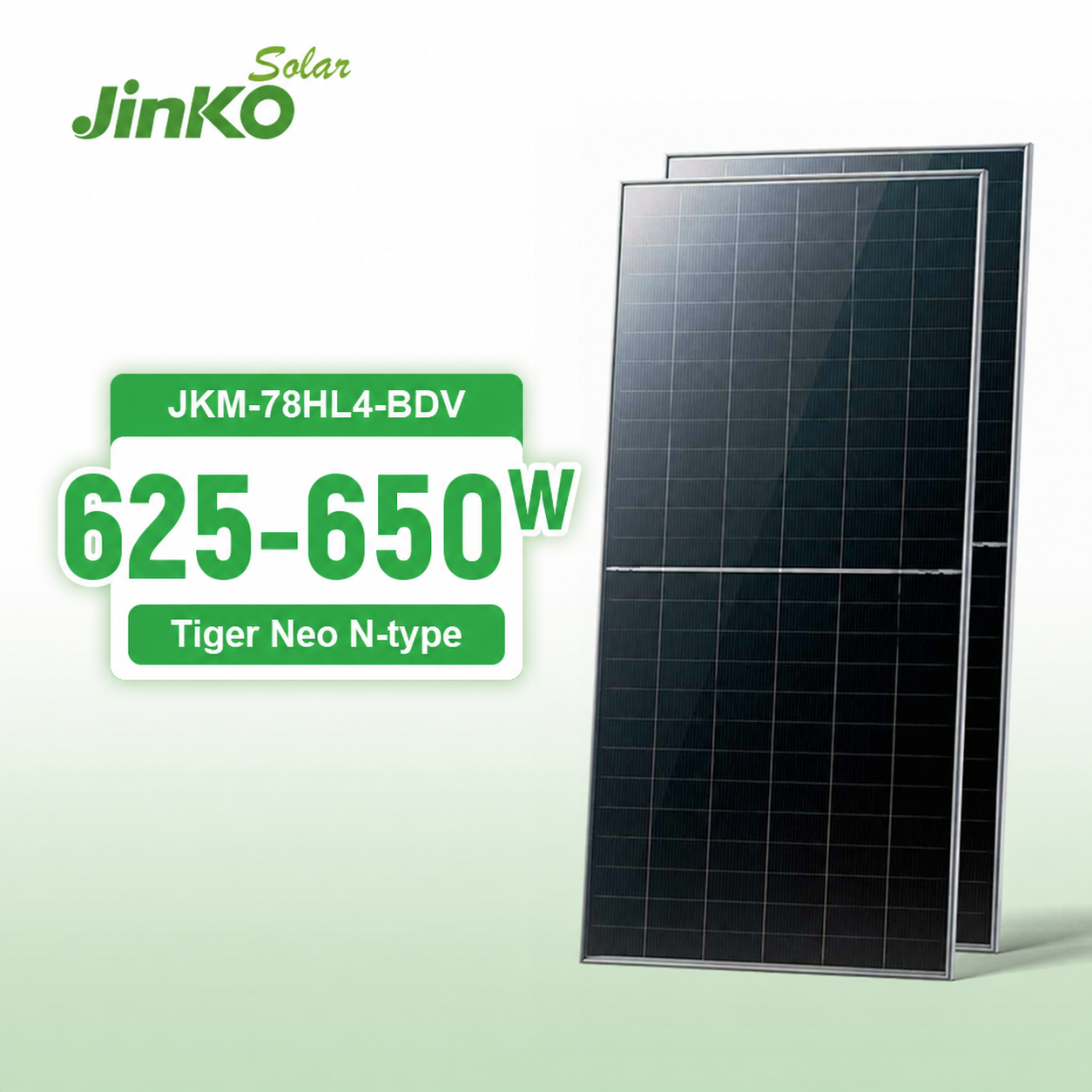
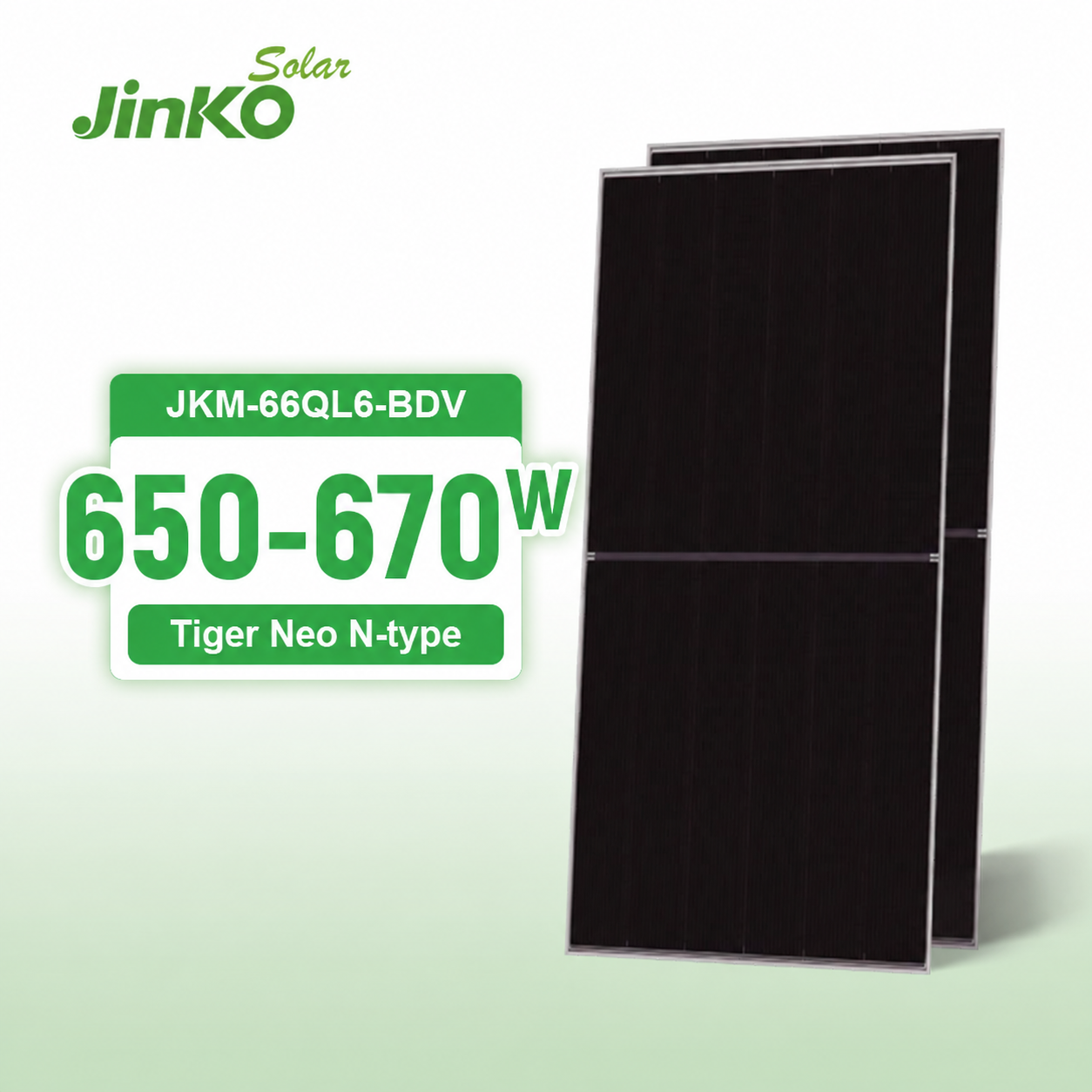
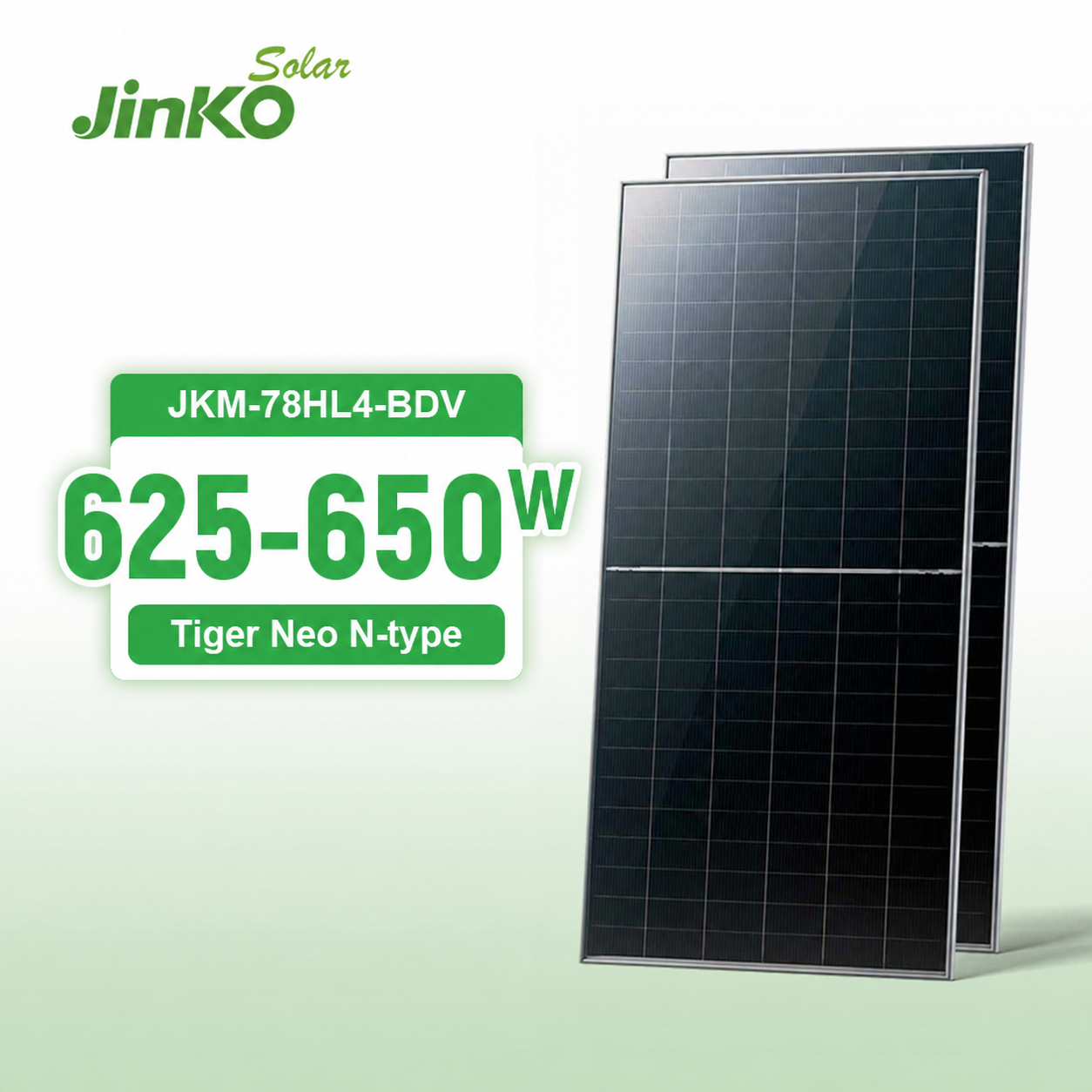
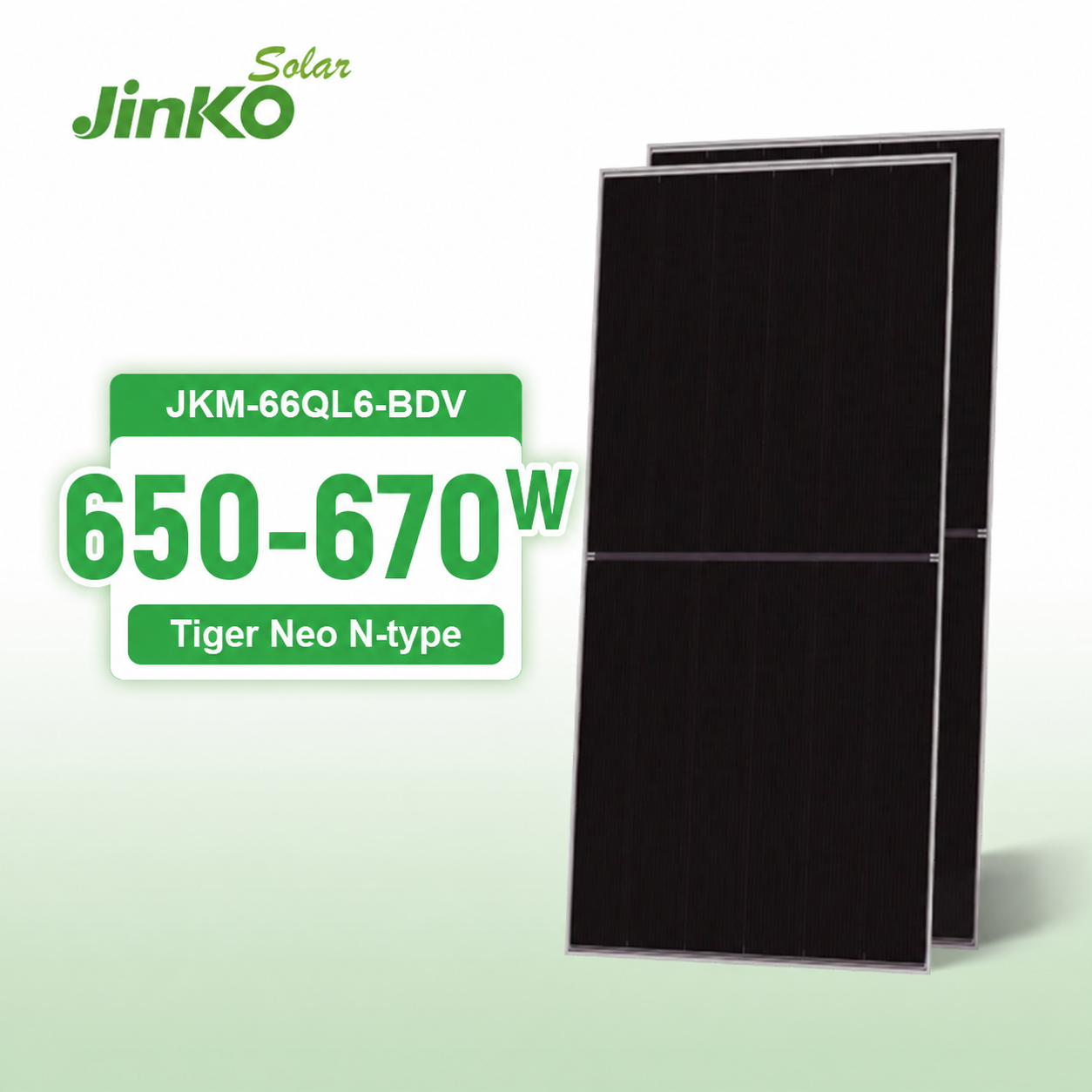
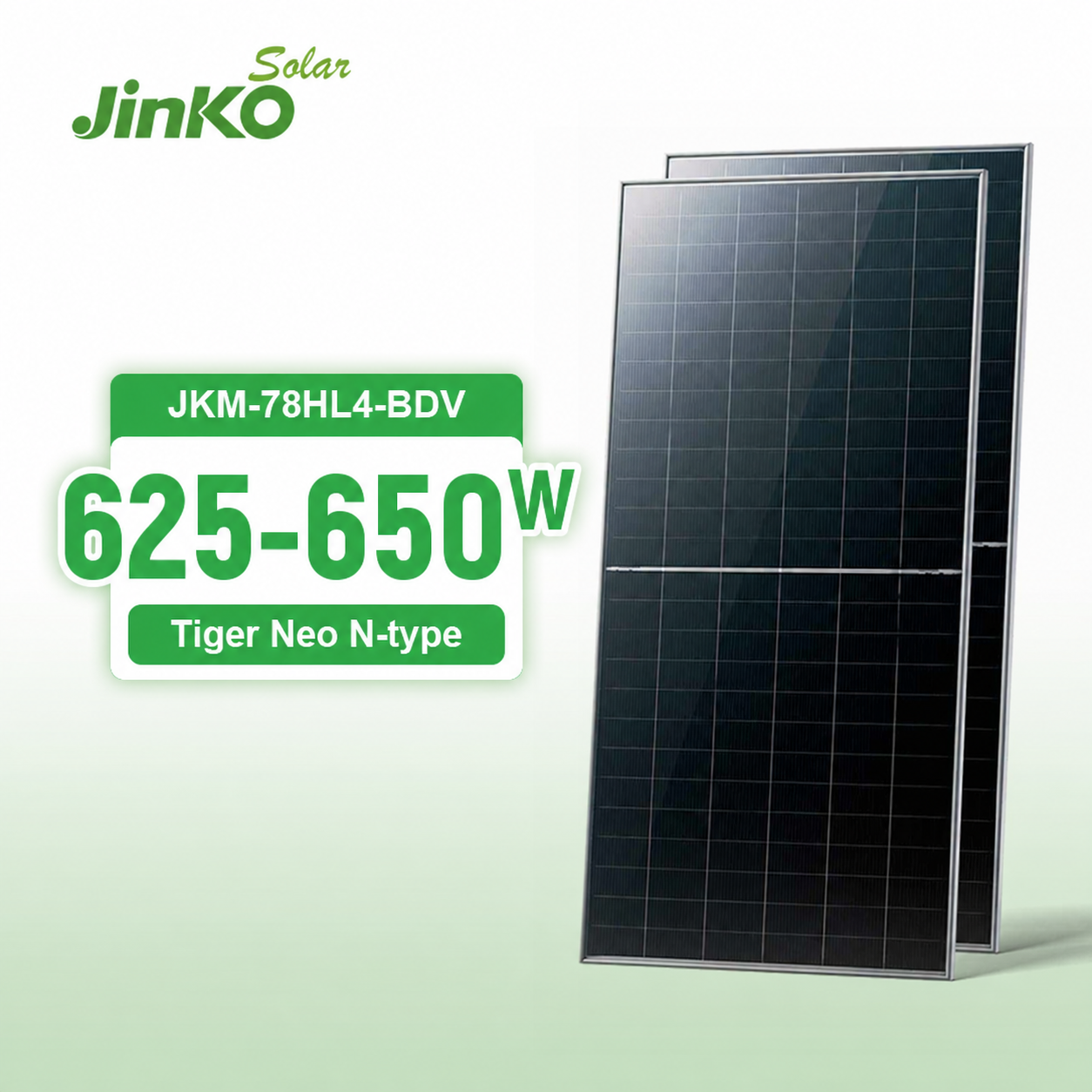
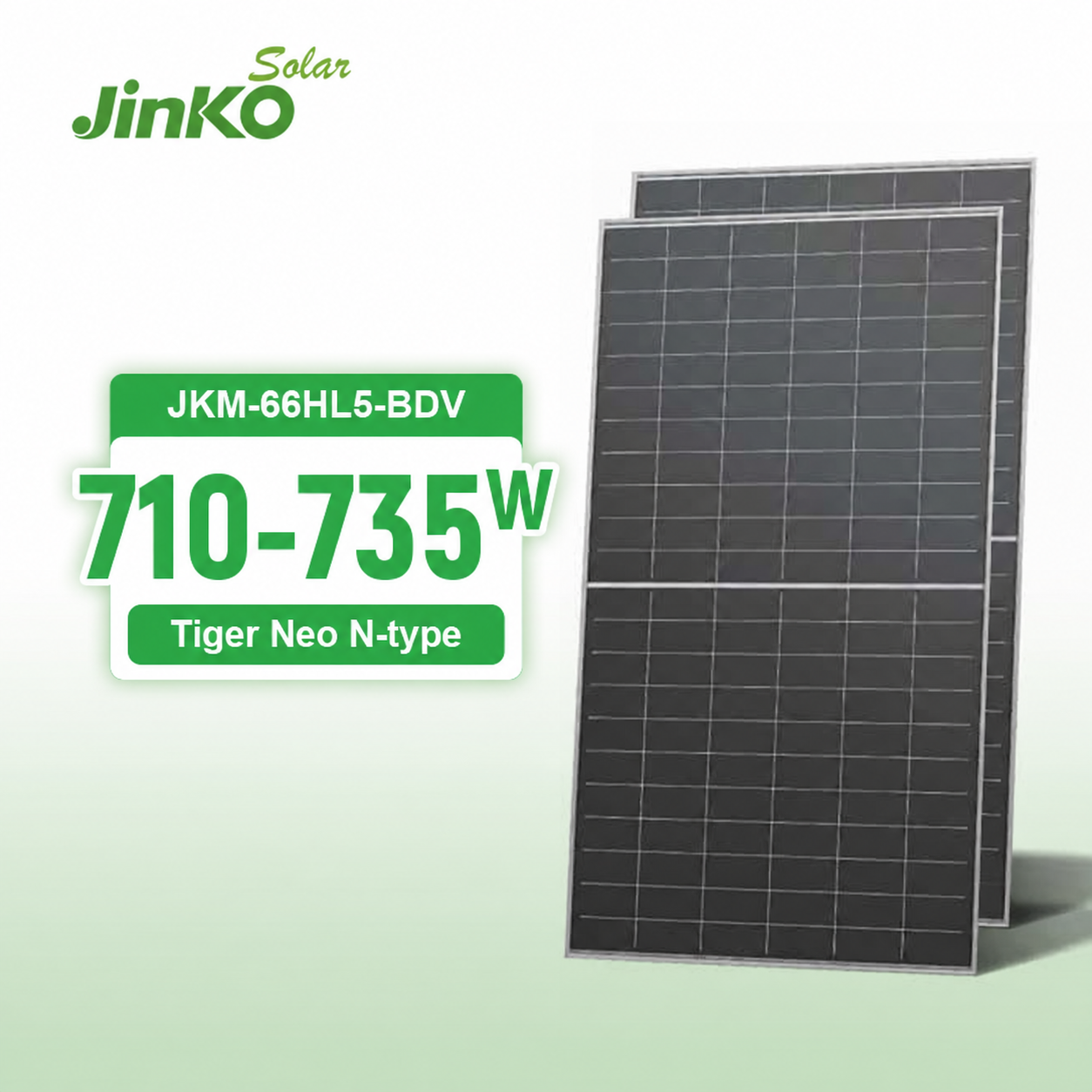
Silicon Valley represents one of North America's most demanding photovoltaic testbeds, governed by PG&E interconnection manuals, California Rule 21 smart inverter mandates, and Title 24 energy storage compliance codes.
Under California's Net Billing Tariff (NEM 3.0), the economic viability of solar in Santa Clara County and San Jose hinges completely on self-consumption optimization rather than bulk grid export. Conventional central string inverters suffer significant systemic derating when exposed to partial roof shading, varying tilt planes, and complex hip roofs common across South Bay residential communities like Willow Glen, Almaden Valley, and Evergreen.
By implementing Module-Level Power Electronics (MLPE) through advanced multi-channel solar micro inverters, every solar module operates under independent Maximum Power Point Tracking (MPPT). This mitigates mismatch losses caused by tree canopy shading or particulate accumulation during dry summer spells. Independent MPPT yields up to 24% more harvestable energy during early morning and late afternoon shoulder periods—crucial for charging residential LFP energy storage systems prior to high peak PG&E Time-of-Use (TOU) windows.
San Jose electrical inspectors and utility plan reviewers maintain zero tolerance for non-certified grid safety interfaces. Modern micro inverters exported for this region feature integrated rapid shutdown mechanisms compliant with NEC 2020/2023 690.12. In the event of grid interruption or AC disconnect initiation, DC bus voltages across rooftop arrays immediately drop below 30 volts within 100 milliseconds without requiring external DC switches or separate rapid-shutdown transmitter boxes.
Furthermore, full firmware qualification under IEEE 1547-2018 and UL 1741 SB enables advanced reactive power regulation, volt-VAR response, and volt-watt curves demanded by California Rule 21. This active grid-supportive architecture protects regional distribution substations from transient overvoltage, making interconnection approvals with Pacific Gas & Electric (PG&E) fast, frictionless, and completely streamlined for local solar contractors.
Engineered to accommodate varying urban density, harsh seismic zones, and mixed residential-commercial zoning throughout the greater Santa Clara Valley.
Multi-faceted roof architectures in San Jose, Cupertino, and Saratoga encounter distinct azimuth alignments and shadow profiles from redwoods and oaks. Dual-input and Quad-input micro inverters isolate every individual TOPCon bifacial module, maximizing real-time generation during low-light winter periods while integrating cleanly with wall-mounted LFP backup battery modules for continuous emergency backup.
Silicon Valley tech facilities, R&D corporate parks, and light industrial developments throughout North San Jose require high-yield solar carports and rooftop arrays. Three-phase commercial micro inverters eliminate high-voltage DC conduit runs through office complexes, preventing fire safety concerns while offering pinpoint monitoring of individual parking canopies to sustain heavy EV fleet charging demands.
High-density multi-family residential developments, ADUs (Accessory Dwelling Units), and local municipal resilience hubs require compact footprint equipment that can operate seamlessly within hybrid AC-coupled battery architectures. Our micro inverters synchronize smoothly with low-voltage and high-voltage energy storage banks, ensuring critical loads like servers, medical devices, and refrigeration remain powered during brownouts.
A deep breakdown of why engineering distributors and solar installers across Northern California are moving away from traditional string inverters toward smart micro inverters and integrated ESS bundles.
The solar panel sector has evolved decisively into high-output N-Type TOPCon and heterojunction (HJT) wafer technologies yielding Imp currents between 13A and 18A. Legacy micro inverters designed for 350W-400W modules severely clip maximum output during peak noon sun exposure. Modern procurement teams in San Jose require micro inverters featuring input ratings up to 20A per channel to fully exploit high-wattage dual-glass bifacial panels without thermal throttling or curtailment.
Over 80,000 existing homes across Santa Clara and San Mateo counties are retrofitting their existing rooftop arrays with lithium battery storage under NEM 3.0. AC-coupled micro inverter architectures offer massive installation savings: contractors can easily add lithium iron phosphate (LiFePO4) storage banks through an AC busbar without discarding existing solar hardware, re-stringing high-voltage DC runs, or submitting burdensome structural redesigns to building departments.
Sourcing direct from our verified manufacturing hubs eliminates supply chain bottlenecks, ensures strict pre-shipment quality inspection, and provides engineered component compatibility across the entire generation-to-storage lifecycle.

Every batch of micro inverters and companion LFP batteries undergoes systematic CAN/RS485 handshake and communication testing before shipment, preventing "BMS communication error" halts during on-site commissioning.

100% full-load thermal burn-in, dielectric isolation, and appearance verification. Comprehensive batch test documentation and video logs are delivered to your engineering desk before container dispatch.

Streamlined logistics directly servicing the Port of Oakland and West Coast distribution centers. We handle Class 9 DG hazardous battery packaging, UN38.3 certifications, and mixed-container bill of ladings seamlessly.

From single-line electrical diagrams (SLDs) to local AHJ permitting paperwork, our technical engineers provide English-speaking sizing calculations, parameter matching, and 24-hour rapid technical responses.
Straightforward, technical answers addressing compliance, system sizing, logistics, and on-site integration for Northern California solar installers.
Yes. Our micro inverters are engineered and manufactured in strict compliance with UL 1741 SB and IEEE 1547-2018 standards, which are fully recognized on the California Energy Commission (CEC) eligible equipment list. They support all mandatory California Rule 21 advanced inverter functions, including autonomous volt-VAR regulation, frequency-watt response, and anti-islanding parameters required by PG&E for fast interconnection clearance.
Micro inverters are inherently module-level devices. High-voltage DC is converted to AC directly beneath each solar panel. Consequently, there is never high-voltage DC (300V-600V) crossing the roof surface. When AC grid power is interrupted or a rapid-shutdown switch is triggered, our micro inverters reduce output voltage to under 30V within 100ms, satisfying NEC 690.12 requirements out-of-the-box without extra transmitter boxes or external junction fire switches.
Absolutely. While earlier-generation micro inverters frequently experienced clipping above 13A, our current generation micro inverters are engineered with dual and quad high-input MPPTs supporting continuous DC input currents of up to 18A-20A per channel. This makes them perfectly matched to our Jinko 625W-730W N-Type TOPCon bifacial modules, capturing the additional 10%-25% backside albedo irradiance without triggering thermal or software curtailment.
For NEM 3.0 residential installations in San Jose, we recommend an AC-coupled storage architecture. The micro inverter AC output lines feed directly into an intelligent distribution backup subpanel managed by a hybrid storage inverter (such as Deye) or paired with our LFP rack/wall-mount battery banks. In this setup, rooftop solar powers the house directly while simultaneously replenishing battery reserves during off-peak and partial-peak hours to avoid prohibitive peak evening electricity rates.
Standard ocean transit from our Ningbo/Shanghai logistics centers to the Port of Oakland averages 14 to 18 days on direct express shipping routes. We accommodate both full-container loads (FCL) of uniform equipment and consolidated mixed-load containers (panels + micro inverters + battery packs). All export orders include complete proforma invoices, packing lists, UN38.3 test certificates, and hazardous goods declarations for swift customs release.
Whether you need volume wholesale container pricing on high-output bifacial panels or engineered micro inverter packages tailored for Northern California grid codes, our engineering and export team is ready to assist.
Send an Inquiry