96.7%
CEC Weighted Efficiency
Independent Dual MPPT Per Channel
< 80V
Rapid Shutdown NEC 690.12
Zero Additional Transmitter Cost
25 Yr
Design Life Expectancy
IP67 Enclosure & 6000V Surge Proof
100+
Countries Supplied
100% Pre-Shipment Protocol Verification
Matched High-Yield Hardware
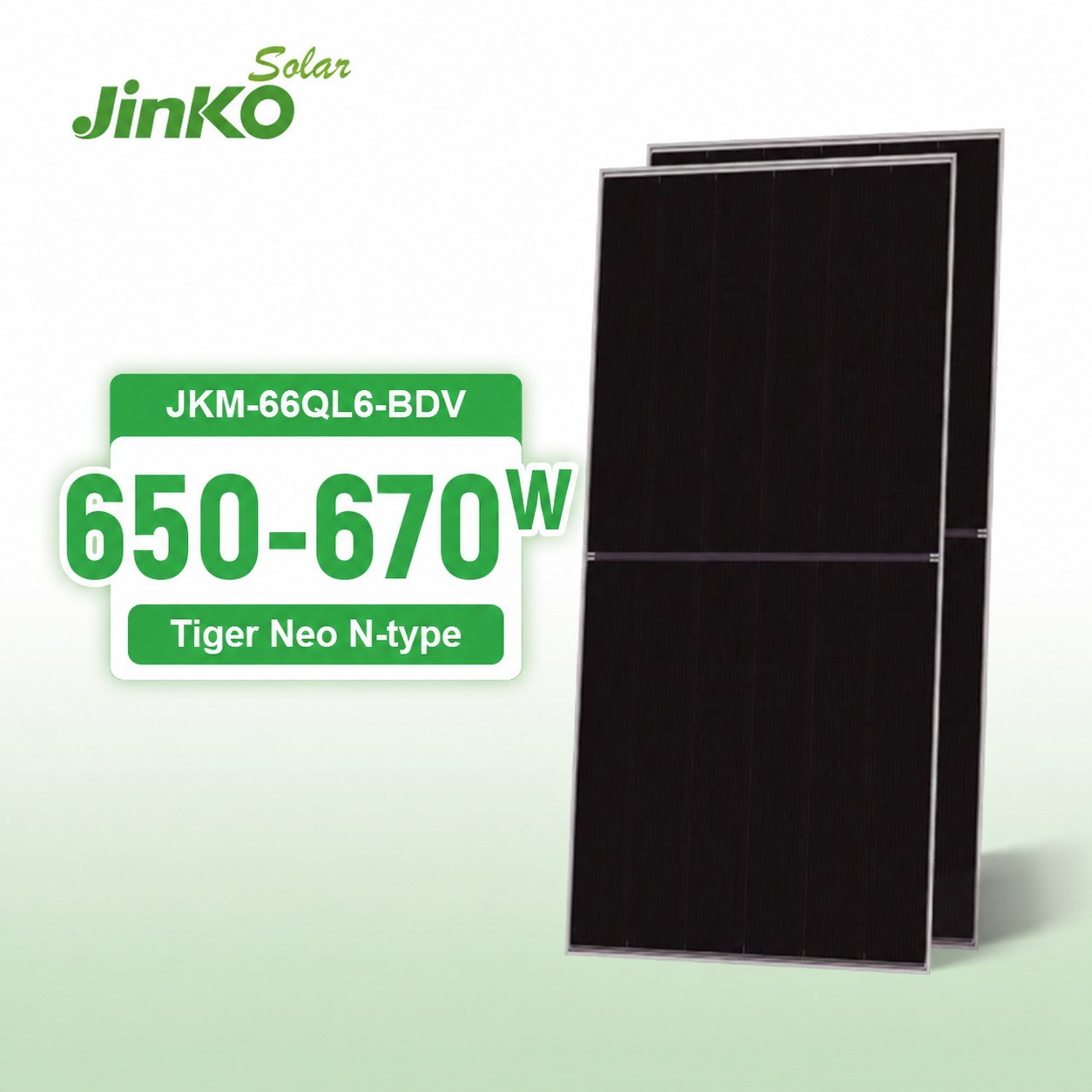
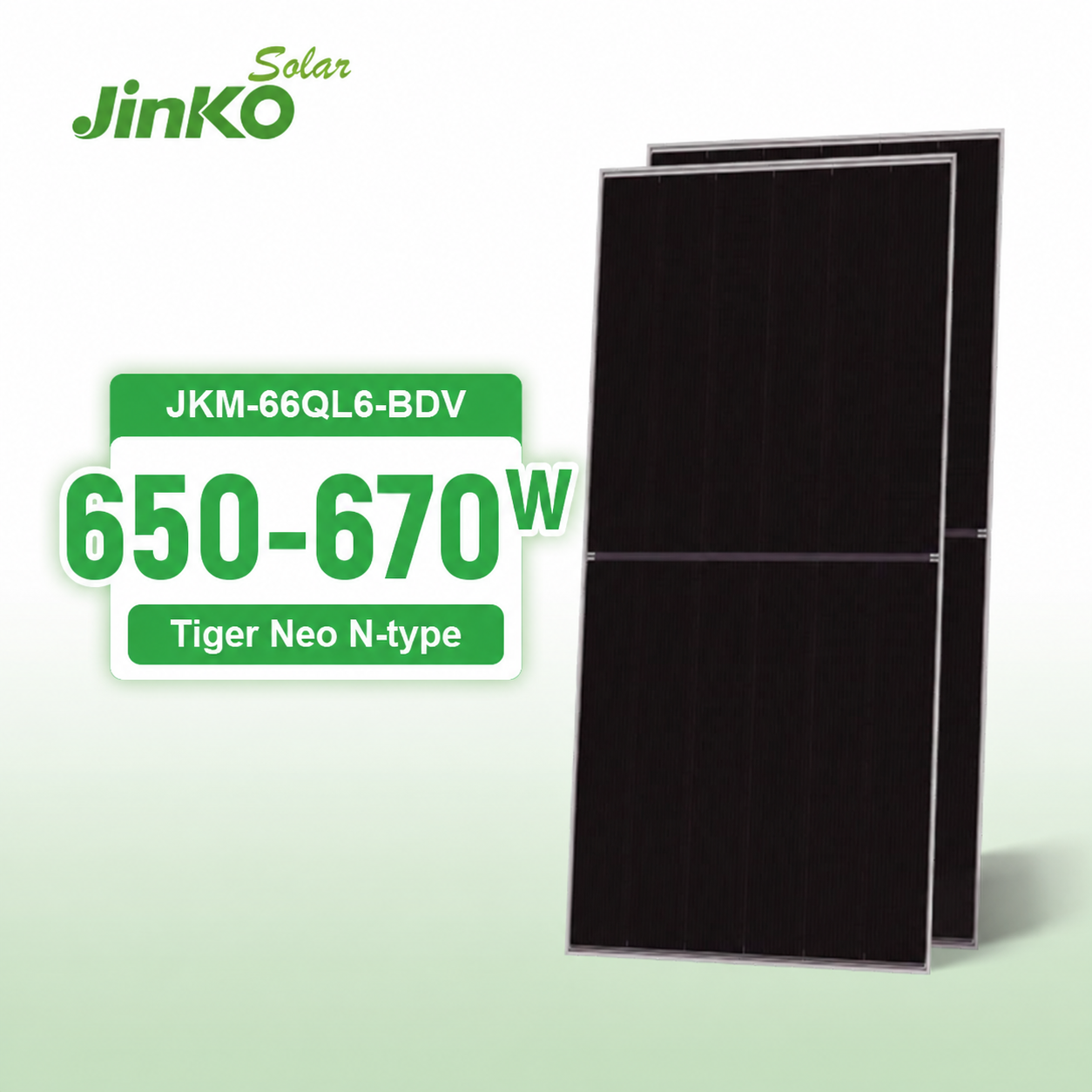
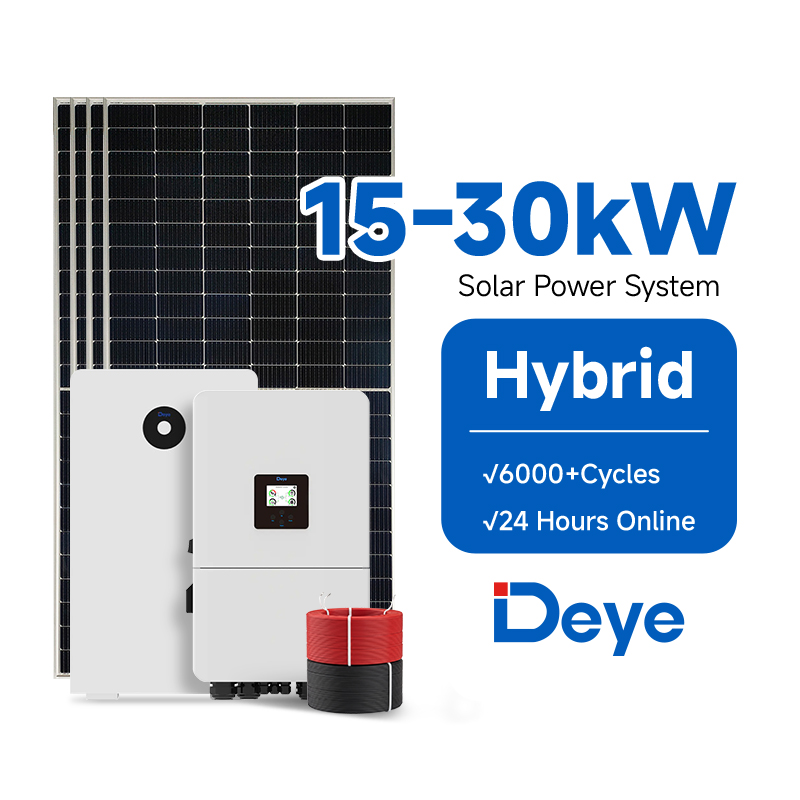
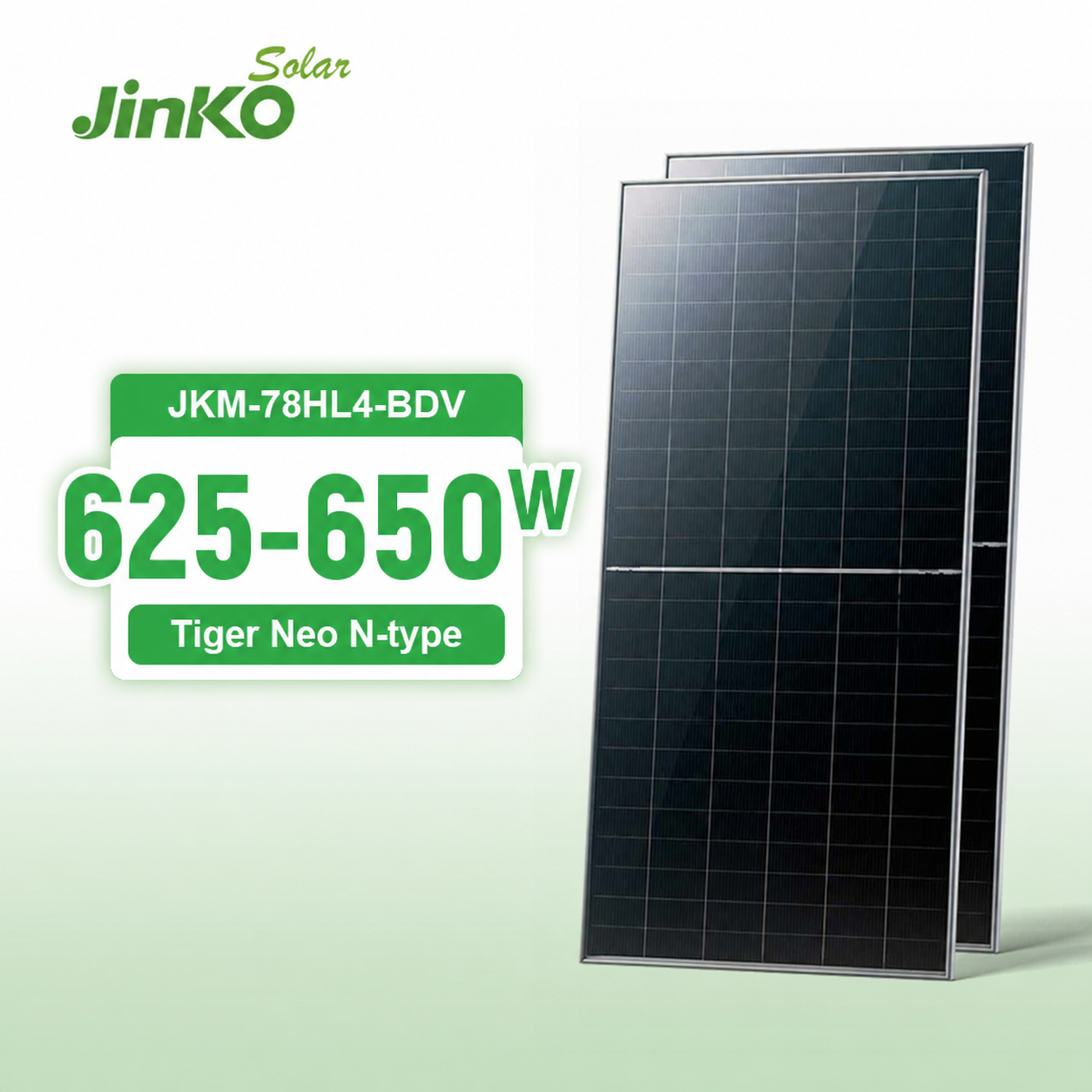
Engineered for Microinverter Pairing: Modules & Integrated Storage
US installations demand high-amperage input tolerance for oversized modules. Our factory-tested combinations ensure full compatibility with N-Type TOPCon and low-voltage hybrid ESS architectures.
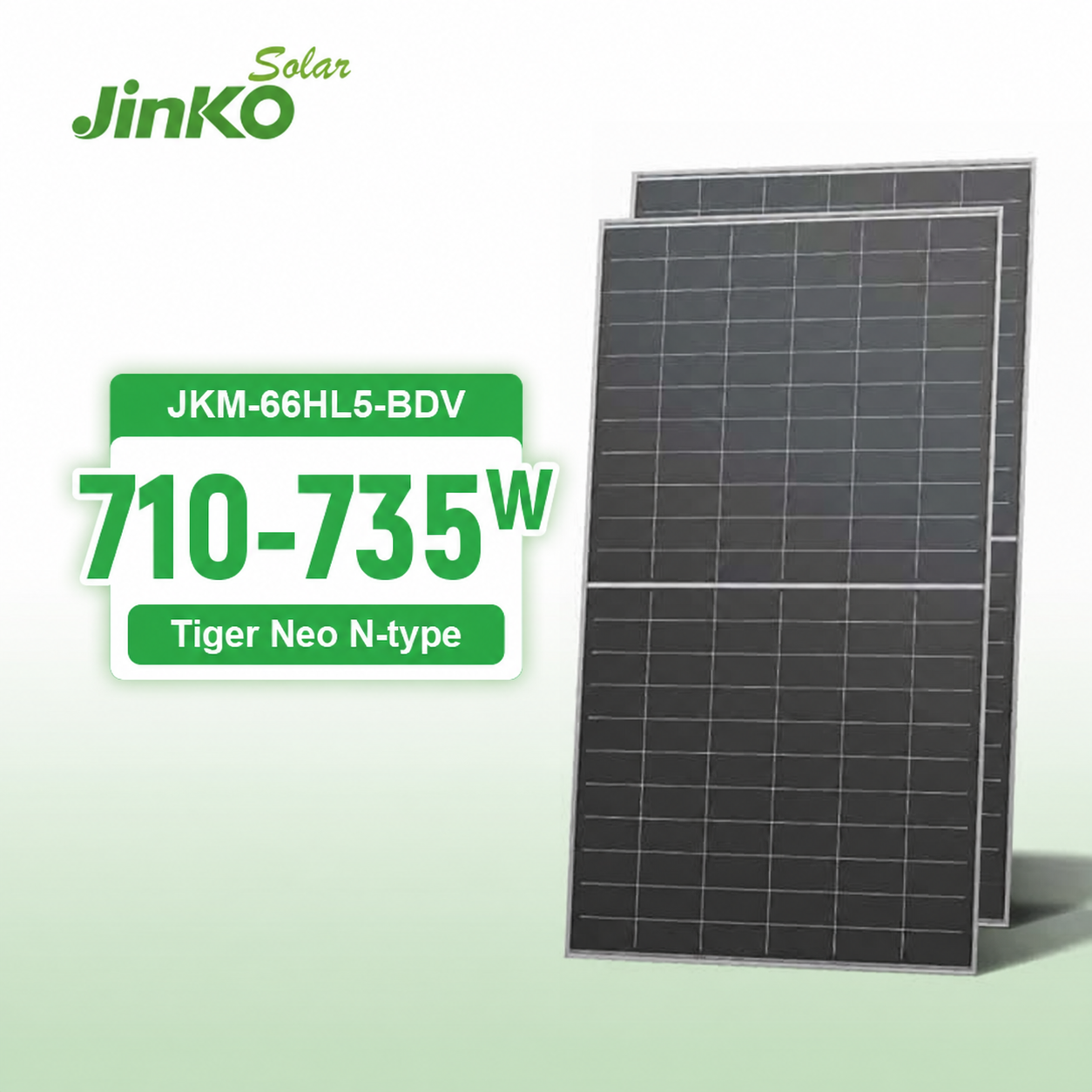
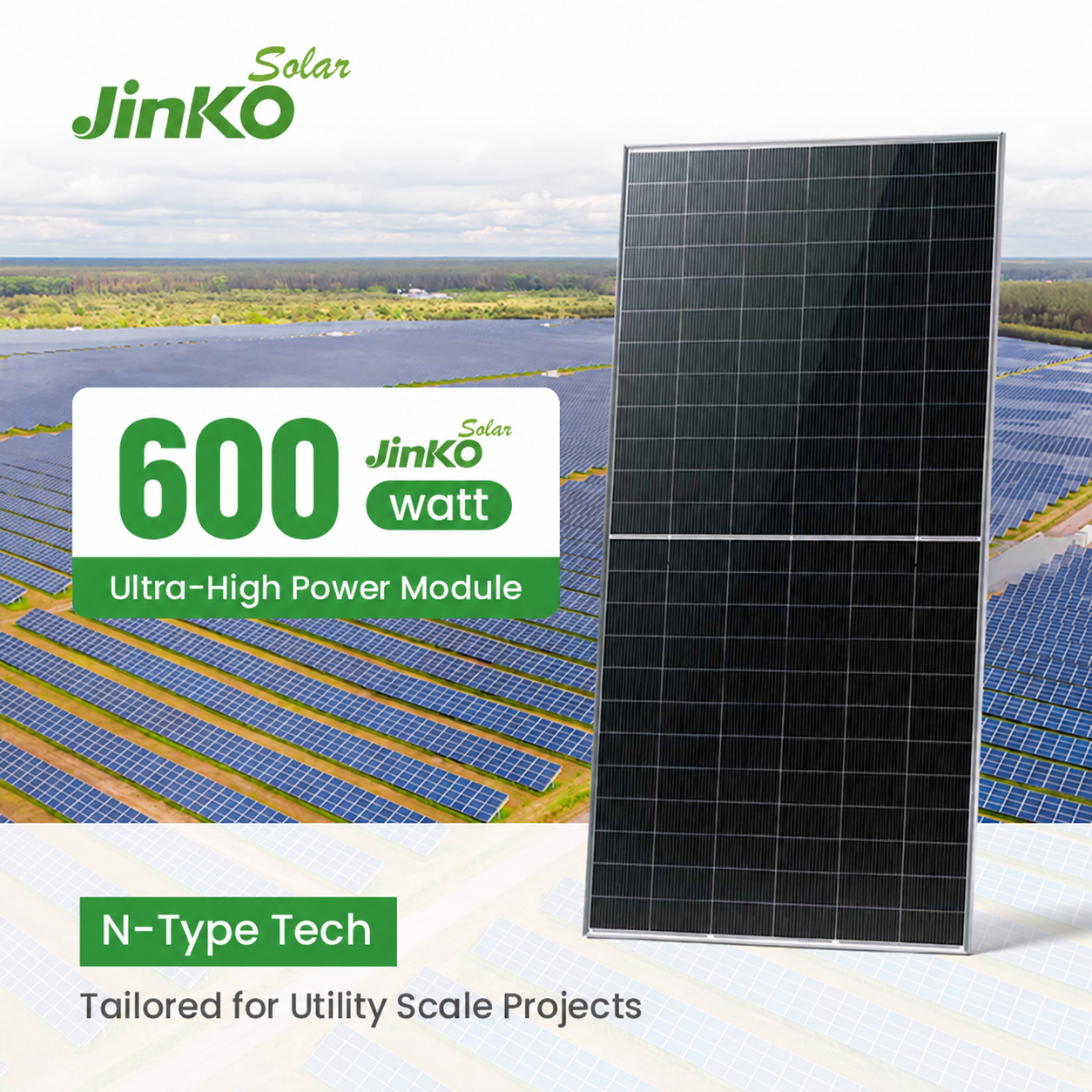
Industrial Grade
580W - 600W
Jinko N Type Bifacial 600W 580W 590W Dual Glass Photovoltaic Solar Panel for Industrial
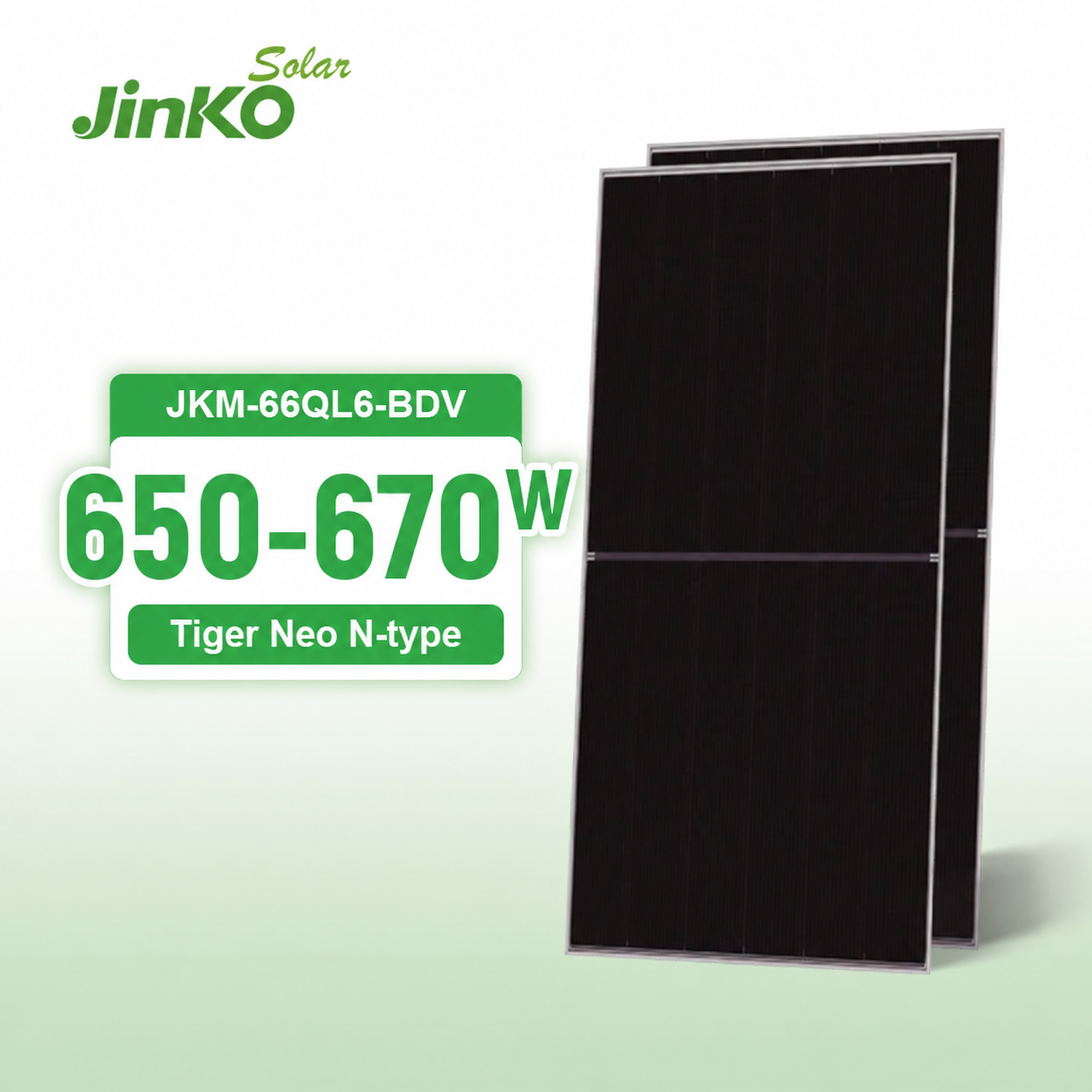
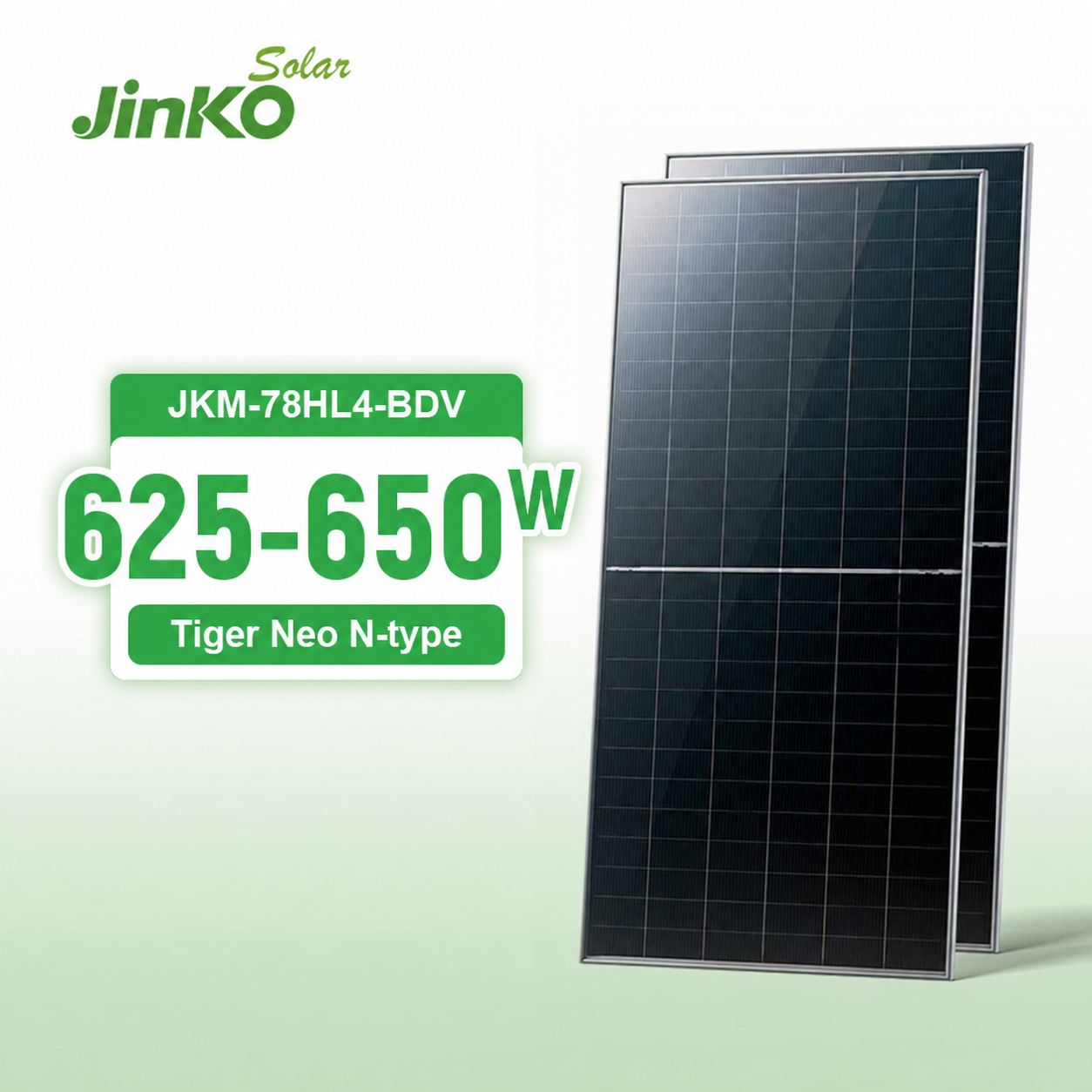
Engineering Solar Microinverter Systems for the United States Market: Grid Interconnection, Safety Directives, and Architecture Shifts
The photovoltaic landscape across the United States has undergone a transformative transition from centralized string inverters to Module-Level Power Electronics (MLPE). Driven by stringent municipal electrical codes, complex residential roof azimuths, and modern net energy metering regimes such as California's Net Billing Tariff (NEM 3.0), microinverters have shifted from an alternative topology to an industry standard. Sourcing certified microinverters requires US distributors, solar developers, and Engineering, Procurement, and Construction (EPC) contractors to navigate deep technical criteria across National Electrical Code (NEC) compliance, smart grid interconnection, thermal dissipation, and module current compatibility.
Critical Engineering Insight for US Importers: Under NEC 2017, NEC 2020, and NEC 2023 Section 690.12, rapid shutdown compliance within the array boundary (1 foot from the array) is mandatory. Microinverters naturally satisfy the requirement that roof-level conductors drop below 80 volts within 30 seconds of system initiation, bypassing the external PLC transmitters and DC module-level shutoff boxes required by legacy string architectures.
Architectural Superiority: Microinverters vs. String Systems with DC Optimizers
While traditional string inverters operate at lethal DC voltages ranging between 400V and 1000V DC on American timber-framed residential roofs, microinverters convert electricity directly at the module boundary from low-voltage direct current (typically 16V to 60V DC) into utility-grade alternating current (120V / 240V split-phase or 208V 3-phase). This architecture introduces decisive technical benefits:
- Elimination of Single Points of Failure: An unexpected diode short or inverter bridge failure in a centralized string system shuts down 100% of power production for that MPPT circuit. Microinverter systems decentralize power conversion; if a single unit faults, the remainder of the residential or commercial array continues exporting uninterrupted power.
- Sub-String Maximum Power Point Tracking (MPPT): Roof obstacles such as chimneys, HVAC units, skylights, plumbing vents, and tree shading severely degrade standard string curves due to mismatch losses. Independent MPPT tracking across 1-in-1, 2-in-1, or 4-in-1 microinverters captures up to 15% to 25% higher annual kilowatt-hour yields under partial irradiance.
- Elimination of High-Voltage DC Arc Faults (UL 1699B): DC arc-fault risks are fundamentally removed from the attic and roof space because no high-voltage DC runs through conduit across building perimeters, substantially accelerating permitting through Authorities Having Jurisdiction (AHJs).
| Evaluation Parameter | Decentralized Micro Inverter System | String Inverter + DC Optimizers | Traditional Central String Inverter |
|---|---|---|---|
| Rooftop DC Voltage Range | Safe Low Voltage (< 60V DC) | High Voltage (350V - 500V DC) | Hazardous High Voltage (Up to 600V/1000V DC) |
| NEC 690.12 Rapid Shutdown | Inherent / Factory Integrated | Requires Auxiliary MLPE Communication | Requires Discrete Add-on Receivers & Relays |
| Levelized Cost of Energy (25-Yr) | Lowest (Minimal O&M, 25-Year Life) | Medium (Mid-life Inverter Replacement) | Higher due to clipping & replacement cycles |
| Grid Support (IEEE 1547-2018) | Firmware Updated via Gateway | Requires Central Inverter Updates | Requires Central Inverter Updates |
| Thermal Resilience (Ambient) | -40°C to +65°C (IP67 Die-Cast Aluminum) | Inverter derates heavily above 45°C | String unit requires shaded wall installation |
United States Localized Application Scenarios
Deployment conditions across North America vary drastically, from freeze-thaw cycles in the Northeast to extreme desert heat in the Southwest. Microinverters supplied by VOLT New Energy are engineered to operate reliably across these distinctive regional deployment profiles:
Complex Residential Rooftops
Common across California, Florida, and the Mid-Atlantic. Multi-plane hips, gables, and tree shade profiles make string layouts unfeasible. Independent microinverter MPPTs maximize harvest on each roof facet regardless of variable tilt angles.
NEM 3.0 Storage Retrofits
Under California's Avoided Cost Calculator, exporting mid-day power yields minimal credit. Microinverters pair seamlessly via AC-coupling with low-voltage and high-voltage battery storage (e.g. Deye Hybrid ESS), charging batteries locally during peak generation windows.
Commercial & Industrial Carports
C&I solar carports and flat institutional roofs frequently suffer from varying parking canopy angles and vehicle reflection variations. 4-in-1 quad microinverters drastically lower balance of system (BOS) wiring costs while ensuring fire safety clearance.
U.S. Regulatory Vectors & Emerging Technology Trends
Supplying the American solar market requires strict adherence to fast-evolving testing protocols and grid interconnection standards enforced by regional Independent System Operators (ISOs) and Regional Transmission Organizations (RTOs):
UL 1741 SB & IEEE 1547-2018 Interconnection
Standard UL 1741 SA is superseded by UL 1741 SB with Source Requirement Documents (SRDs). Inverters must provide autonomous reactive power control, low/high-voltage ride-through (L/HVRT), frequency ride-through, and ramp rate controls to protect grid stability.
Wide Bandgap Semiconductors (GaN & SiC)
The transition toward Gallium Nitride (GaN) and Silicon Carbide (SiC) MOSFETs drastically reduces switching losses, allowing higher frequency conversion, smaller magnetic components, and operating efficiencies exceeding 97.2% in compact form factors.
Compatibility with 182mm & 210mm High-Power PV
Modern TOPCon panels exceed 600W with short-circuit currents ($I_{sc}$) exceeding 15A to 18A. Next-gen microinverters support maximum continuous DC input currents of 20A per channel, preventing thermal power clipping on bifacial modules.
Why Tier-1 Importers Partner With Us
Engineering Supply Chain Reliability: Hangzhou VOLT New Energy
We eliminate technical discrepancies, logistical delays, and customs roadblocks for US distributors, electrical wholesalers, and EPC contractors.

BMS & Inverter Communication Matching
Every hybrid ESS pairing undergoes rigorous bench testing for CAN/RS485 handshake communication, parameter verification, and firmware validation before dispatch.

Strict Pre-Shipment Quality Control
Comprehensive thermal imaging, burn-in validation under 100% full load, and ground-fault insulation resistance tests with recorded factory inspection certificates.
Turnkey Consolidation & Hazmat Logistics
Mixed-container loading combining Jinko TOPCon modules, microinverters, and UN38.3/Class 9 DG-compliant LFP storage batteries with complete ISF filing readiness.

Dedicated Engineering & Sizing Support
24-hour technical turnaround providing string sizing calculations, single-line diagrams (SLDs), and AHJ plan-set support tailored to local US utility interconnection rules.
Procurement Knowledge Base
Frequently Asked Questions: Sourcing Micro Inverters for U.S. Projects
Crucial commercial, regulatory, and electrical considerations for professional B2B solar buyers.
What certifications are mandatory for microinverters to pass AHJ inspection in the US?
To clear electrical permitting across all 50 states, microinverters must be certified to UL 1741 SB (the third edition standard incorporating smart inverter profiles) and comply with IEEE 1547-2018 for grid interconnection. In California, units must be listed on the California Energy Commission (CEC) eligible equipment list and comply with CA Rule 21. In Hawaii, Hawaiian Electric Company (HECO) Qualified Equipment status is required. Additionally, compliance with FCC Part 15 Class B ensures power-line or wireless communications do not introduce electromagnetic interference.
How do microinverters comply with National Electrical Code (NEC) Rapid Shutdown?
NEC 690.12 mandates that controlled conductors within the rapid shutdown boundary (within 1 foot of the array) must be reduced to 80 volts or less within 30 seconds of shutdown initiation. Because a microinverter mounts directly behind the solar panel, the DC circuit length is typically under 1 meter and operates below 60V DC under all operating and open-circuit conditions ($V_{oc}$). When AC grid power drops or the emergency service disconnect is flipped, microinverters cease power export within milliseconds via internal anti-islanding relays, fulfilling rapid shutdown without auxiliary fire-fighter switches or receiver boxes.
Can microinverters be retrofitted or coupled with battery storage systems under NEM 3.0?
Yes. The industry standard approach is AC-coupling. In an AC-coupled topology, the microinverters backfeed an AC sub-panel (load center). A bidirectional hybrid inverter/charger (such as our Deye low-voltage hybrid ESS or wall-mounted LFP battery stations) monitors consumption via external CT meters. During daylight, microinverter AC output powers household loads first; surplus AC power is rectified by the hybrid inverter to charge 48V/51.2V LFP battery banks for discharge during expensive on-peak tariff hours (typically 4 PM to 9 PM).
How do high-power N-Type TOPCon panels affect microinverter DC input limits?
New generation solar panels (like the Jinko 600W–670W N-Type TOPCon modules) feature higher short-circuit currents ($I_{sc}$) reaching 14A–17A and maximum power currents ($I_{mp}$) above 13.5A. If paired with legacy microinverters rated for 10.5A–12A, the system experiences current clipping during peak solar irradiance. When designing utility or commercial systems, we verify that the inverter’s maximum continuous DC input current ($I_{dc,max}$) and maximum input short-circuit current meet or exceed the bifacial module's 1.25x irradiance boost rating.
What are the freight considerations and customs classifications when importing to the US?
Solar microinverters enter the United States under HTS Code 8504.40.95 (Static Inverters). Importers must verify Section 301 tariff exclusions or rates applicable to Chinese manufactured electronics. When consolidating complete turnkey systems that include LFP storage batteries, the lithium batteries ship as Class 9 Dangerous Goods (UN3480) requiring UN38.3 test summaries, MSDS documentation, and DG packaging certification. VOLT New Energy coordinates full export documentation, ISF filings, and palletized crating tailored for US port clearance.