High-Efficiency Solar Modules & ESS Infrastructure
Pre-engineered hardware portfolios certified for coastal durability, salt-spray immunity, high-wind mechanical stress, and seamless BMS-inverter synchronization across Saint Kitts and Nevis.

Engineering Renewable Microgrids for the Gingerland Market
A rigorous examination of electrical stability, marine climate resilience, and hybrid energy storage system topology in the southern parishes of Nevis.
1. Geographical & Climatic Realities: The Gingerland Island Setting
Gingerland, situated on the windward southeastern slopes of Nevis within the Federation of Saint Kitts and Nevis, occupies a distinct microclimatic zone. Ranging from coastal elevations up to the lush foothills of Nevis Peak, this district experiences intense Atlantic trade winds, tropical atmospheric temperatures averaging 28°C to 34°C, and severe coastal salt aerosol deposition. For photovoltaic project developers and electrical contractors operating in Gingerland, specifying solar systems cannot rely on generic, mainland engineering assumptions. Instead, equipment deployed across Saint George Gingerland Parish must be engineered to endure Class C5-M extreme marine corrosion profiles, Category 5 hurricane wind dynamics (gust velocities exceeding 160 mph / 71 m/s), and severe tropical humidity.
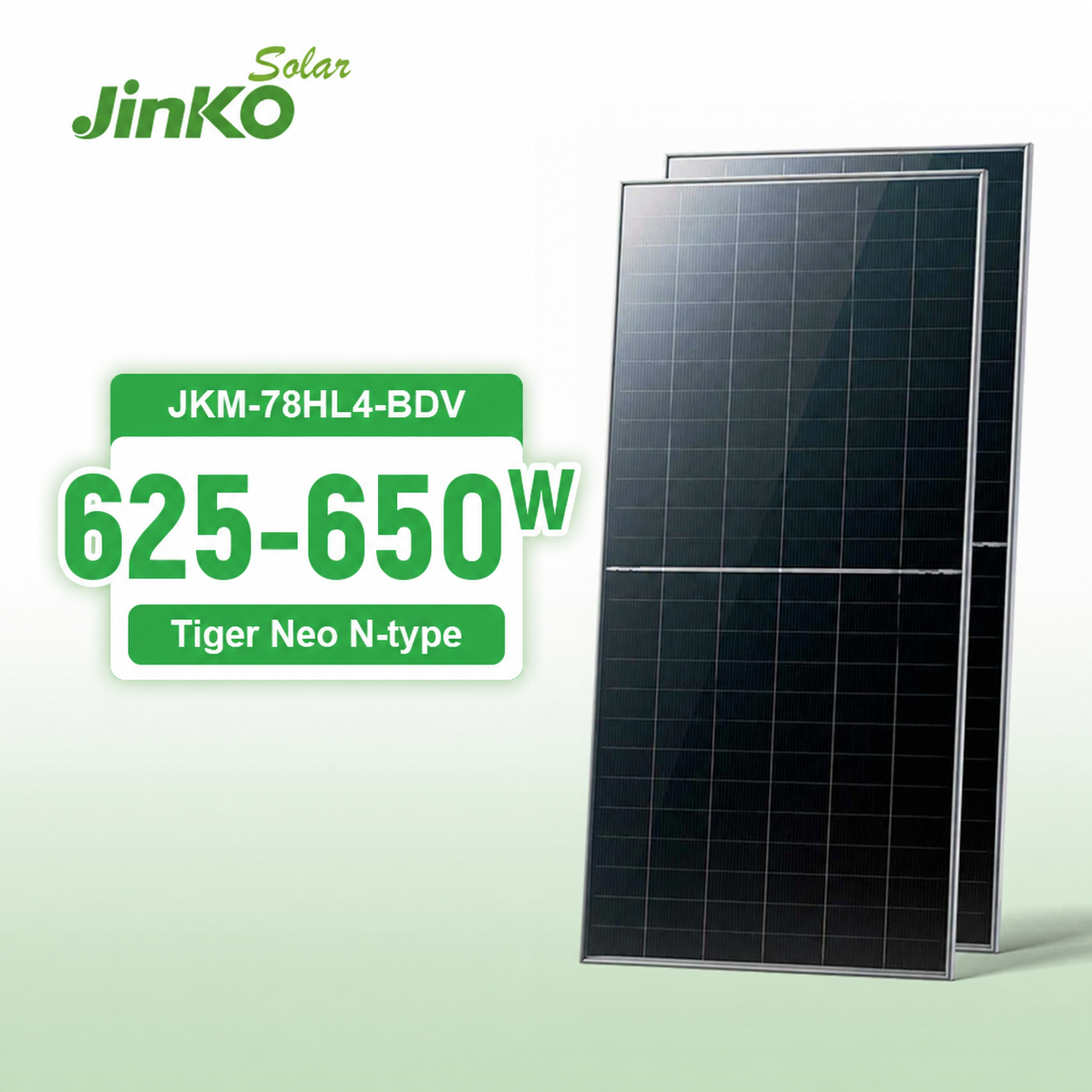
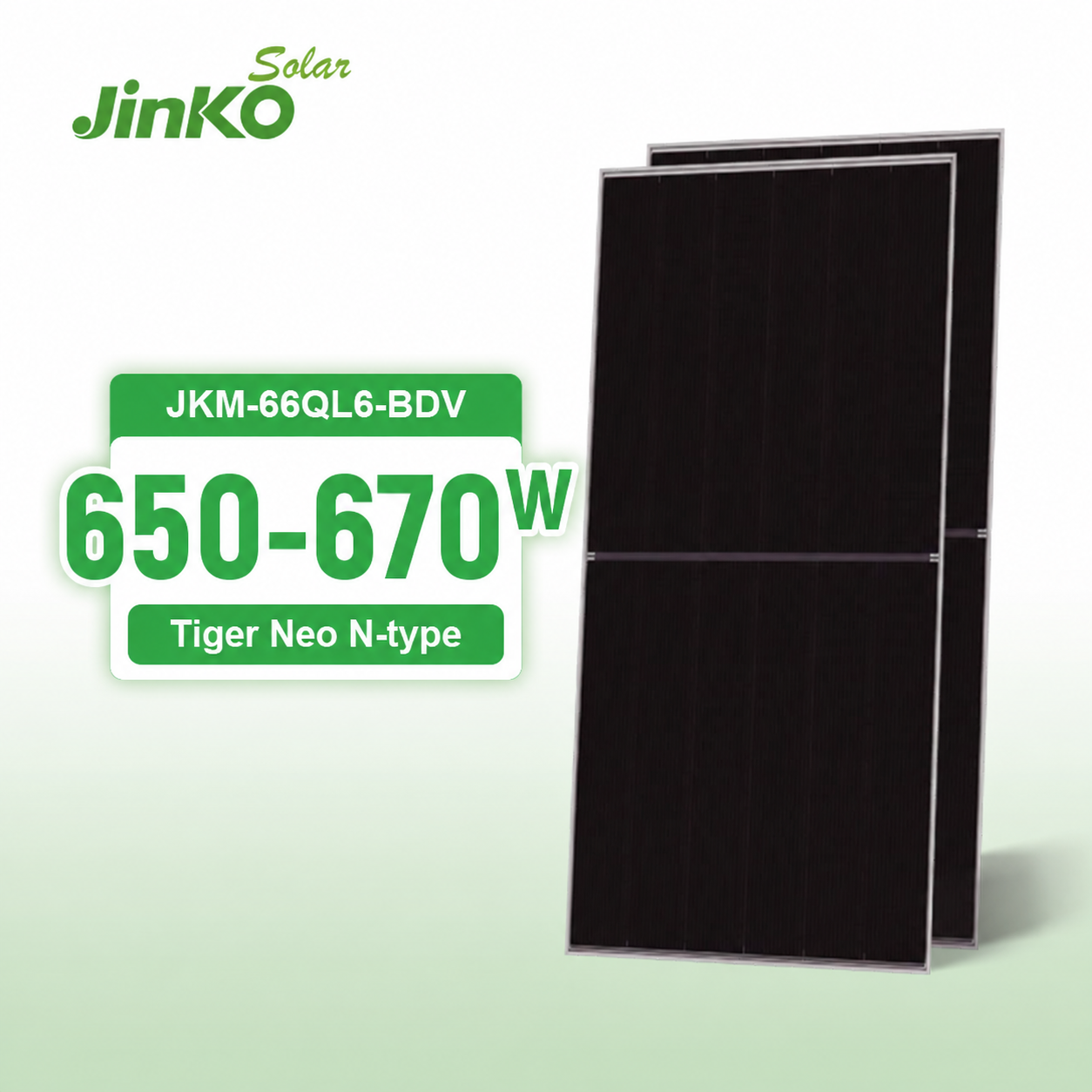
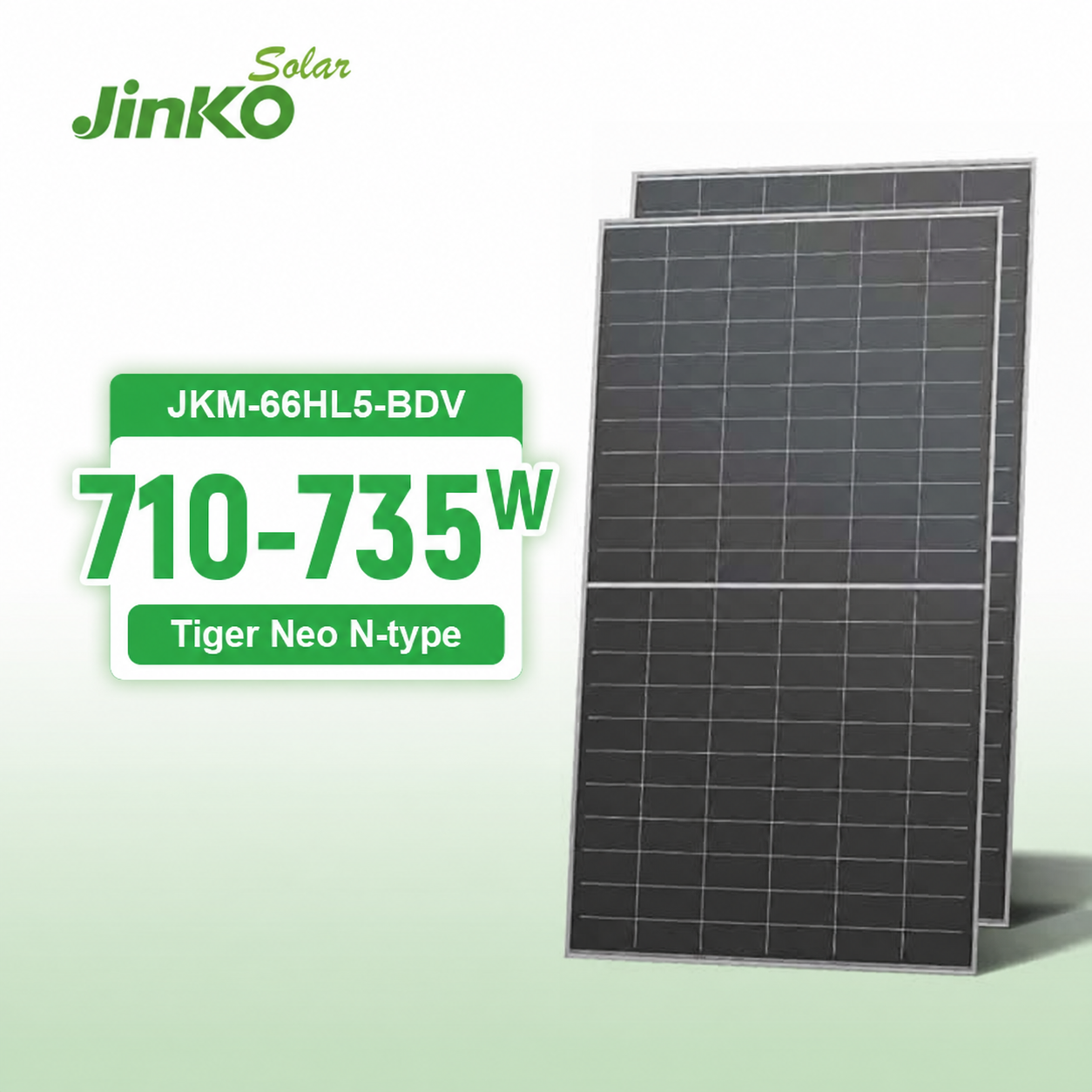
Under conventional installation metrics, standard mono-facial PV panels with polymeric backsheets degrade rapidly when exposed to the high ultraviolet index (UV Index 11+) and saline precipitation typical of Gingerland's windward orientation. The moisture-vapor transmission rate (MVTR) across standard backsheets accelerates internal EVA yellowing, busbar corrosion, and potential-induced degradation (PID). Consequently, VOLT New Energy supplies exclusively dual-glass, bifacial N-type TOPCon modules for our Gingerland distribution partners. The double 2.0mm heat-strengthened glass structure provides an impermeable hermetic barrier against moisture ingress and airborne sodium chloride particles, preserving internal silicon cell integrity across a 30-year operational life cycle.
2. Grid Dynamics: Overcoming NEVLEC Interconnection Constraints
The electrical network of Nevis, operated by the Nevis Electricity Company Limited (NEVLEC), relies heavily on imported fossil fuel generation at the Prospect Power Station. Consequently, commercial entities, estates, and private residences in Gingerland face some of the highest levelized electricity tariffs in the Eastern Caribbean. The historical volatility of global diesel crude pricing creates an urgent imperative for solar self-generation. However, the island's isolated grid infrastructure exhibits inherent operational limitations, including strict limits on reverse power flow to prevent grid instability, frequency fluctuations during sudden cloud-cover irradiance drops, and periodic utility downtime during maintenance or storm events.
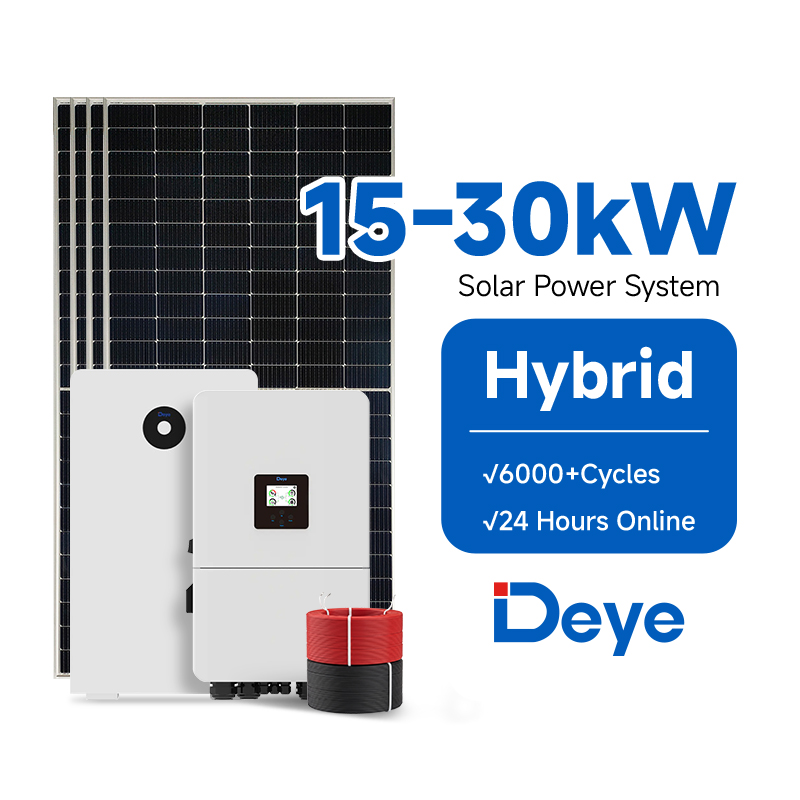
To address these local grid parameters, Hangzhou VOLT New Energy supplies integrated Deye low-voltage hybrid inverters (5kW to 30kW capacities) with built-in zero-export capability, intelligent peak shaving, and sub-10ms automatic transfer switching (ATS). When the NEVLEC feeder experiences under-frequency or grid disconnect, the Deye hybrid inverter isolates instantly from the grid without interrupting sensitive household electronics, commercial refrigeration, or water filtration pumps. Furthermore, Deye's multi-port architecture features dedicated auxiliary AC inputs engineered specifically to synchronize with existing residential diesel generators, enabling a tri-hybrid generation topology (Solar PV + LFP Battery Storage + Backup Diesel Genset) that minimizes fuel burn while providing 100% power reliability.
System Architecture Comparison: Marine Island Performance
Evaluating photovoltaic and energy storage chemistries under Saint George Gingerland operational realities:
| Evaluation Parameter | Jinko N-Type TOPCon Dual-Glass | Standard P-Type Mono PERC | Hangzhou VOLT LiFePO4 (LFP) | Deep-Cycle Flooded/GEL |
|---|---|---|---|---|
| Operating Temperature Coeff. | -0.29% / °C (High output in 35°C heat) | -0.35% / °C (High thermal yield loss) | Internal BMS Thermal Derating >55°C | Severe capacity decay above 30°C |
| Corrosion Resistance (IEC 61701) | Severity Level 6 (Salt Mist Certified) | Level 1-3 (Prone to backsheet puncture) | IP65 Enclosed Steel Casing | Exposed terminals prone to acid-salt rust |
| Usable Depth of Discharge (DoD) | N/A (Generation Unit) | N/A (Generation Unit) | 90% - 95% Daily Cycling | 50% DoD (Over-discharging destroys cells) |
| Expected Lifecycle / Warranty | 30-Year Linear Output Guarantee | 15-20 Years (Severe PID risk) | 6,000+ Cycles @ 80% EOL | 800 - 1,200 Cycles in Caribbean heat |
| Mechanical Wind Load Rating | Front 5400 Pa / Rear 2400-3600 Pa | Front 2400 Pa / Rear 2400 Pa | Seismic / Marine Vibration Rated | Heavy footprint, acid leak hazard |
3. Real-World Application Profiles across Gingerland & Nevis
Deployment topologies across Gingerland vary widely depending on elevation, distance from coastal spray, and utility connection access. As a trusted manufacturer and wholesale supply partner, VOLT New Energy supports three distinct operational segments within this local territory:
Historic Estates & Eco-Lodges
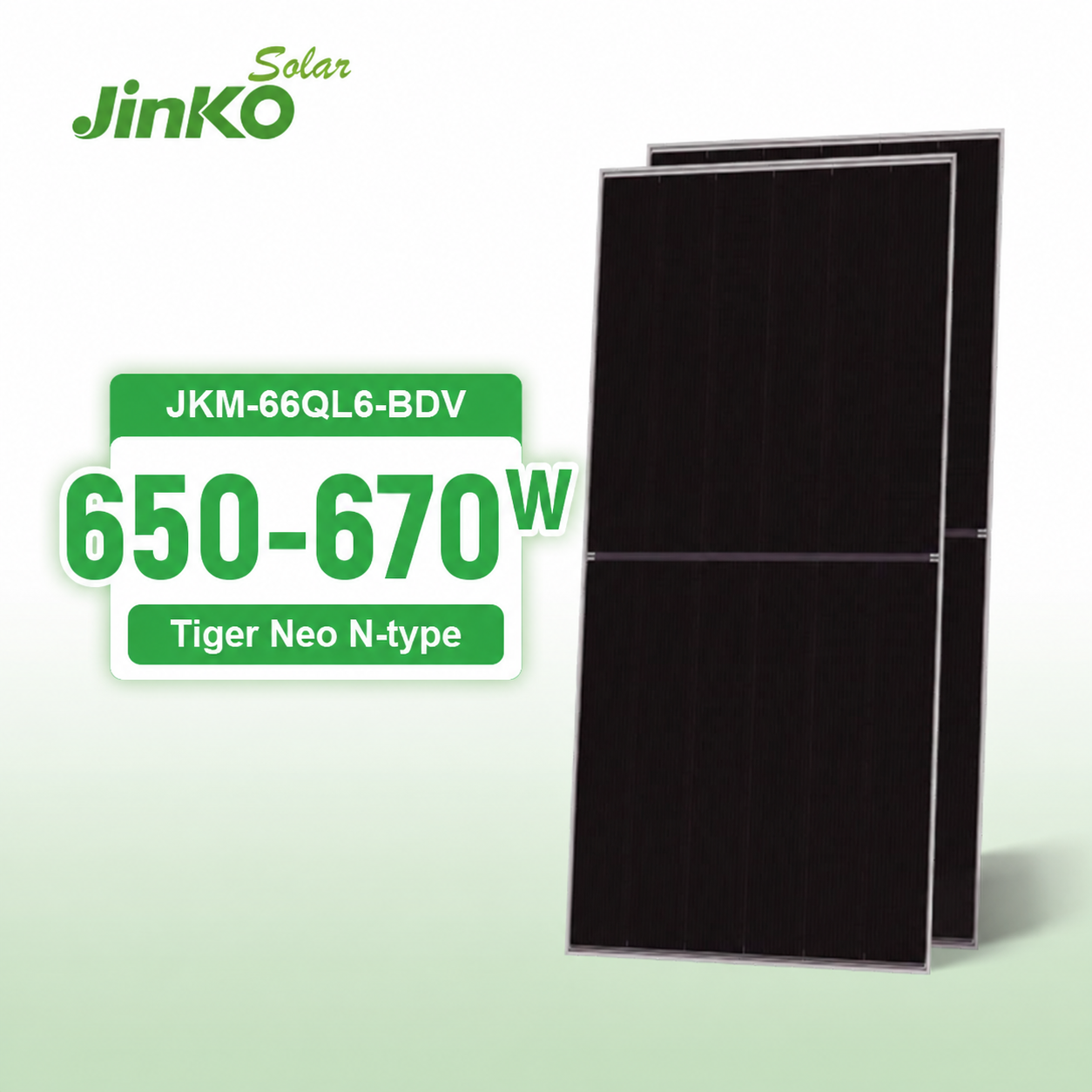
Restored heritage estates, plantation inns, and luxury villa rentals in the Gingerland foothills require silent, uninterrupted electricity for luxury hospitality guests. Pairing 650W TOPCon dual-glass arrays with 15kW Deye 3-phase hybrid inverters and 30kWh modular LFP battery banks eliminates noisy nighttime diesel generators while cutting monthly electric bills by upwards of 85%.
Agricultural Pumping & Cold Chain
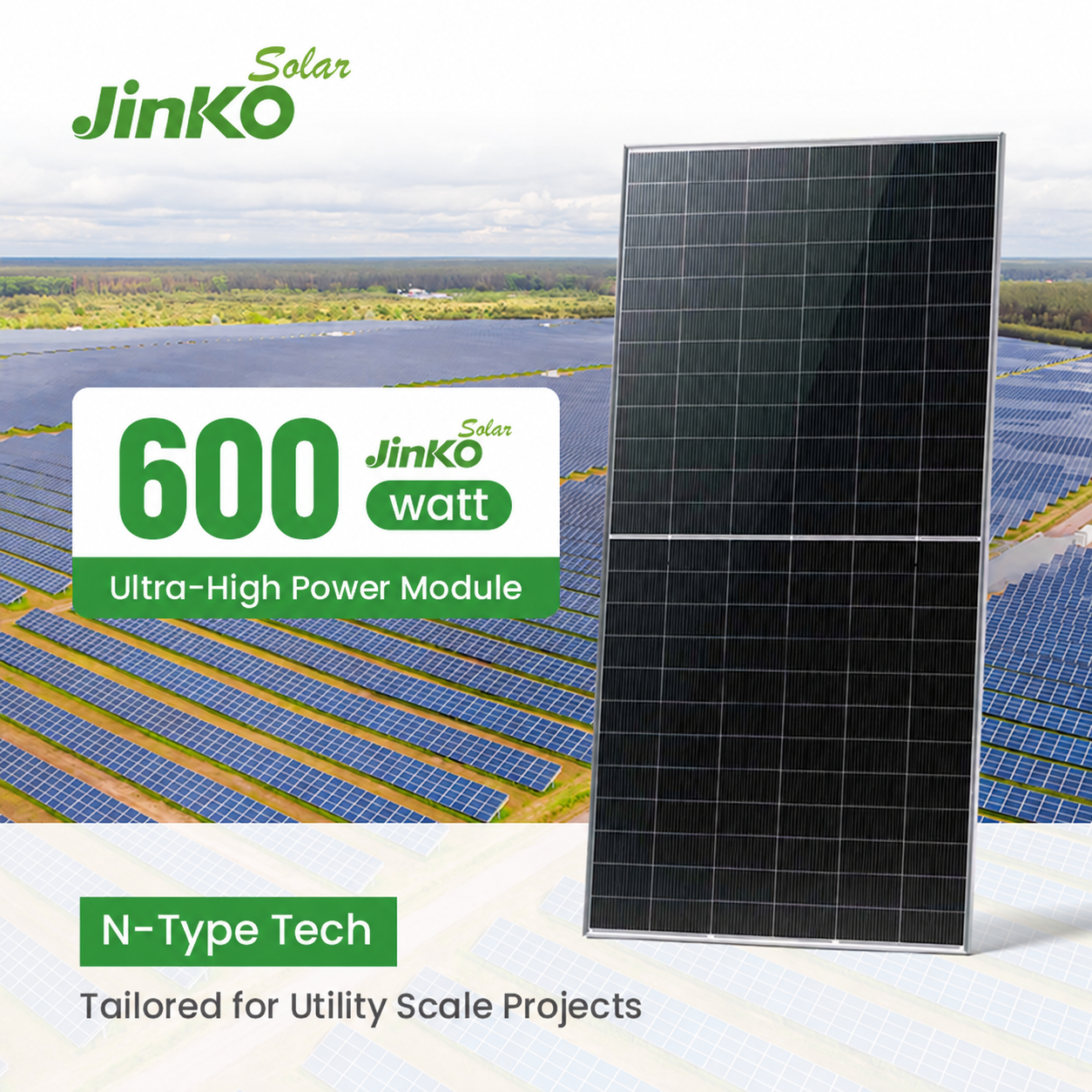
Gingerland is historically renowned as an agricultural heartland in Nevis, cultivating root crops, fruit orchards, and livestock. Off-grid solar pumping installations utilizing 600W Jinko modules and Deye off-grid solar controllers drive deep-well submersible pumps directly during peak daylight hours, storing water in elevated header tanks to bypass expensive utility energy requirements completely.
Coastal Residential Resilience
Private homes along the coastal roads of Gingerland require rooftop PV systems engineered to withstand intense hurricane-season depressurization. Compact 5kW to 10kW wall-mounted LFP battery systems coupled with split-phase hybrid inverters ensure critical water pumps, air conditioning, refrigeration, and security lighting remain operational during extended tropical storm outages.
4. Local Energy Transition & Policy Alignment
The Federation of Saint Kitts and Nevis has enacted ambitious targets under the National Energy Policy (NEP) and the Caribbean Community (CARICOM) Sustainable Energy Roadmap, seeking 100% renewable energy penetration. On Nevis, exploratory geothermal initiatives represent a significant baseload opportunity, but distributed rooftop and ground-mount solar PV combined with Battery Energy Storage Systems (BESS) remain the quickest, most dependable deployment path for immediate cost reduction.
As the Nevis Island Administration (NIA) and NEVLEC refine regulations around distributed generation and net-billing frameworks, system integrators in Gingerland must install smart, grid-interactive equipment. Deye hybrid inverters supplied by VOLT New Energy incorporate intelligent frequency-watt response curves and programmable export limits. This ensures that when local grid regulations allow feeding excess power back to NEVLEC, systems can do so seamlessly—or operate in 100% self-consumption zero-feed mode if local net-metering approvals are pending.

Why Gingerland EPCs & Contractors Source from VOLT
Overcoming logistics barriers to the Leeward Islands with pre-tested compatibility, export-grade packaging, and comprehensive engineering documentation.
Factory Pre-Commissioning
Every Deye inverter and lithium battery bank undergoes complete closed-loop CAN/RS485 protocol matching in our Hangzhou test laboratory prior to dispatch, eliminating communication failure on site.
DG Class 9 Logistics Mastery
We manage complete UN38.3, MSDS, and Class 9 maritime Dangerous Goods packing protocols, ensuring smooth customs processing at Port Zante (Basseterre) and Charlestown Port, Nevis.
Full Mixed-Load Consolidation
Save shipping freight by consolidating Tier-1 Jinko solar panels, Deye hybrid inverters, LFP battery storage, DC surge arresters, and corrosion-resistant mounting structures in a single 20ft/40ft container.
Traceable Warranty Protection
We provide full manufacturer warranty administration. Serial numbers are tracked through our cloud ledger, expediting replacement parts, firmware updates, and remote diagnostic assistance.

Complete Pre-Shipment Quality Inspections
International shipping to Caribbean island destinations involves lengthy transit legs, inter-island feeder transshipment, and variable port handling conditions. Sourcing defective or mismatched components can halt an EPC project in Gingerland for months while waiting for replacements. At Hangzhou VOLT New Energy, we mitigate this risk entirely through our comprehensive quality control procedure.
Before any container is sealed for Saint Kitts and Nevis, our inspection engineers conduct electroluminescence (EL) crack detection on PV modules, cell internal resistance and open-circuit voltage tests on lithium racks, and 100% load test validation on hybrid inverters. Detailed photo and video inspection dossiers are provided to the buyer prior to final bill of lading release.
Frequently Asked Questions for Gingerland Solar Buyers
In-depth technical answers addressing local grid interconnection, salt spray survivability, hurricane mounting, and Caribbean maritime freight.
How do VOLT solar systems survive Category 5 hurricane wind loads in Gingerland?
Will airborne salt spray from the windward Gingerland coast corrode the electrical components?
Can Deye hybrid inverters be configured to meet NEVLEC zero-export regulations?
Should Gingerland project developers choose LiFePO4 (LFP) or Deep-Cycle GEL batteries?
How are containerized solar orders shipped to Charlestown or Basseterre?
Can the Deye hybrid inverter automatically control an existing backup diesel generator?
Power Your Gingerland Project with VOLT New Energy
Whether you are designing a high-end estate microgrid, an agricultural solar water pumping system, or an EPC commercial installation in Nevis, our engineering specialists will configure a factory-matched, salt-corrosion certified equipment package tailored to your exact load profile.