Solis Solar Inverter Manufacturers & Supplier for the Muscat Market

High-efficiency on-grid string, commercial three-phase, and hybrid energy storage solutions engineered for Oman's extreme desert heat, saline coastal atmosphere, and Nama Distribution grid codes.

55°C
Max Ambient Tolerance
99.1%
Peak MPPT Efficiency
IP66
Muscat Sand & Salt Seal
100+
Global Export Markets
Procurement Catalog

Top-Performing Inverters & Modules for Muscat Projects

A rigorous pairing of smart hybrid inverters and ultra-efficient N-Type TOPCon bifacial photovoltaic modules, verified for high-ambient Sultanate deployment, low degradation, and long operating lifespans.

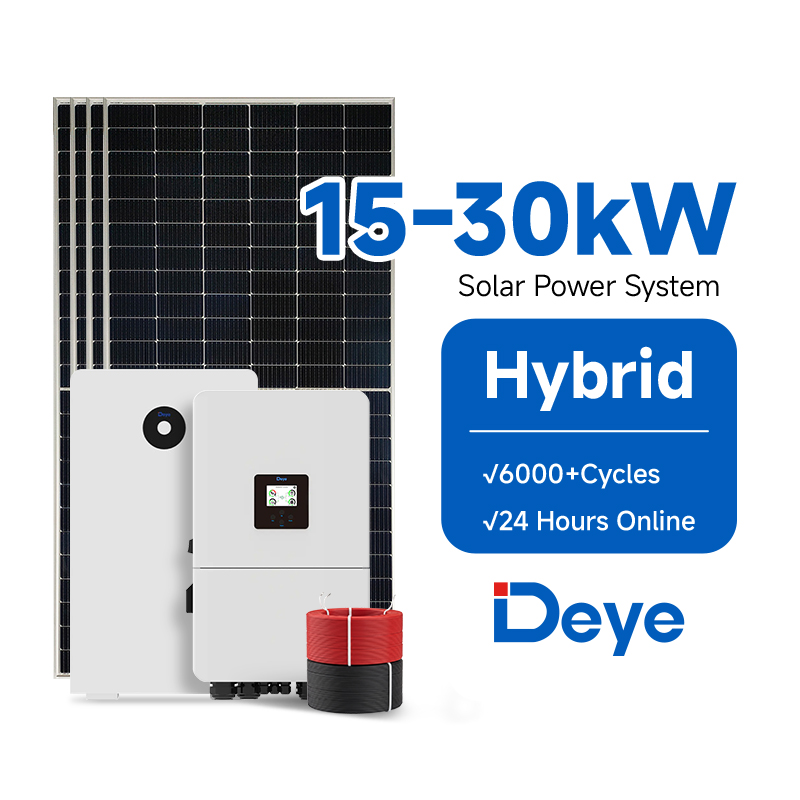
Hybrid Storage Low DC Voltage Battery Support Deye Hybrid Inverter ESS 5kw 10kw 15kw 20kw 30kw Mounting System

Low DC Voltage Battery Support Deye Hybrid Inverter ESS 5kw 10kw 15kw 20kw 30kw

Flexible 48V low-voltage battery architecture engineered with multi-MPPT tracking, generator input support, and smart grid peak-shaving for Muscat residential and commercial users.

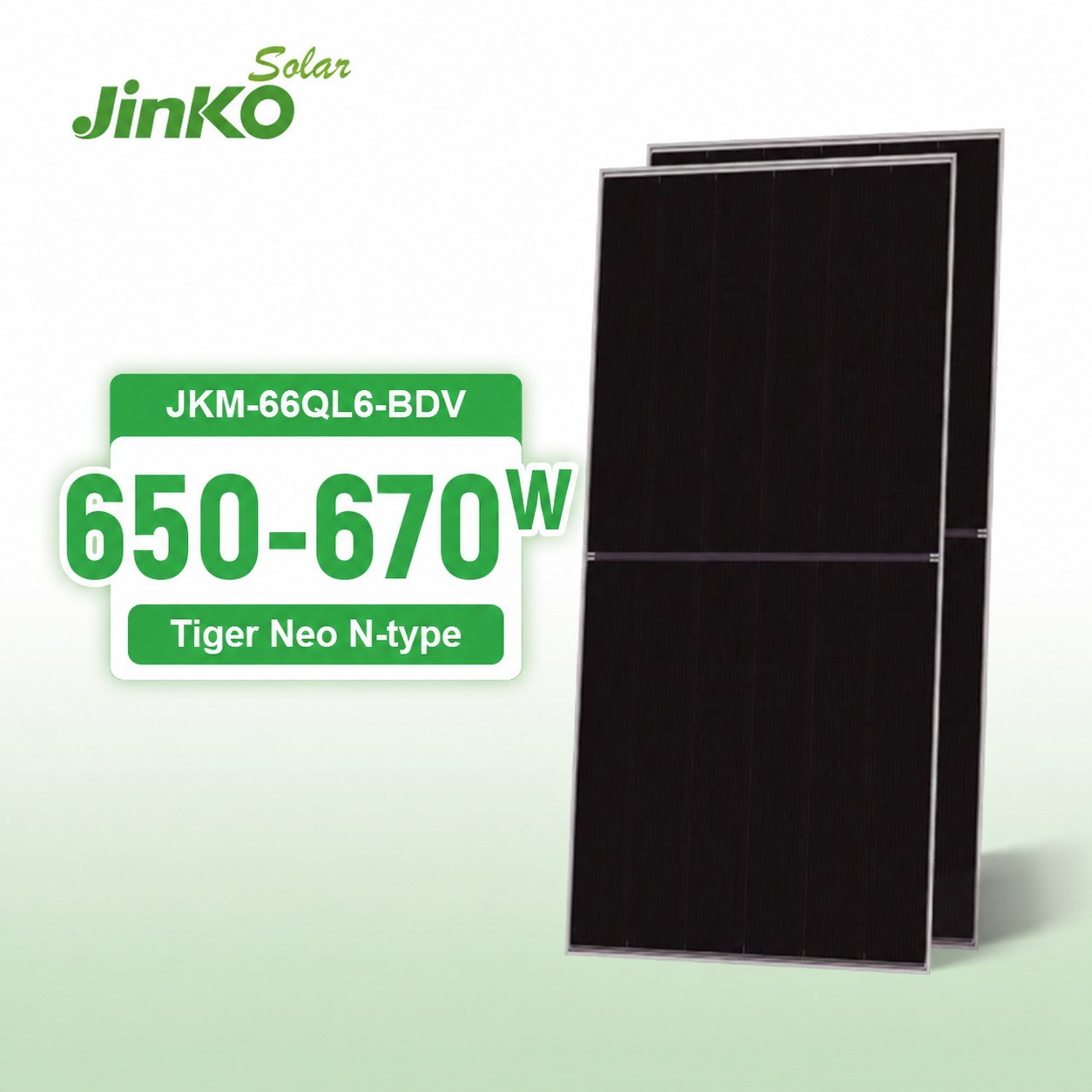
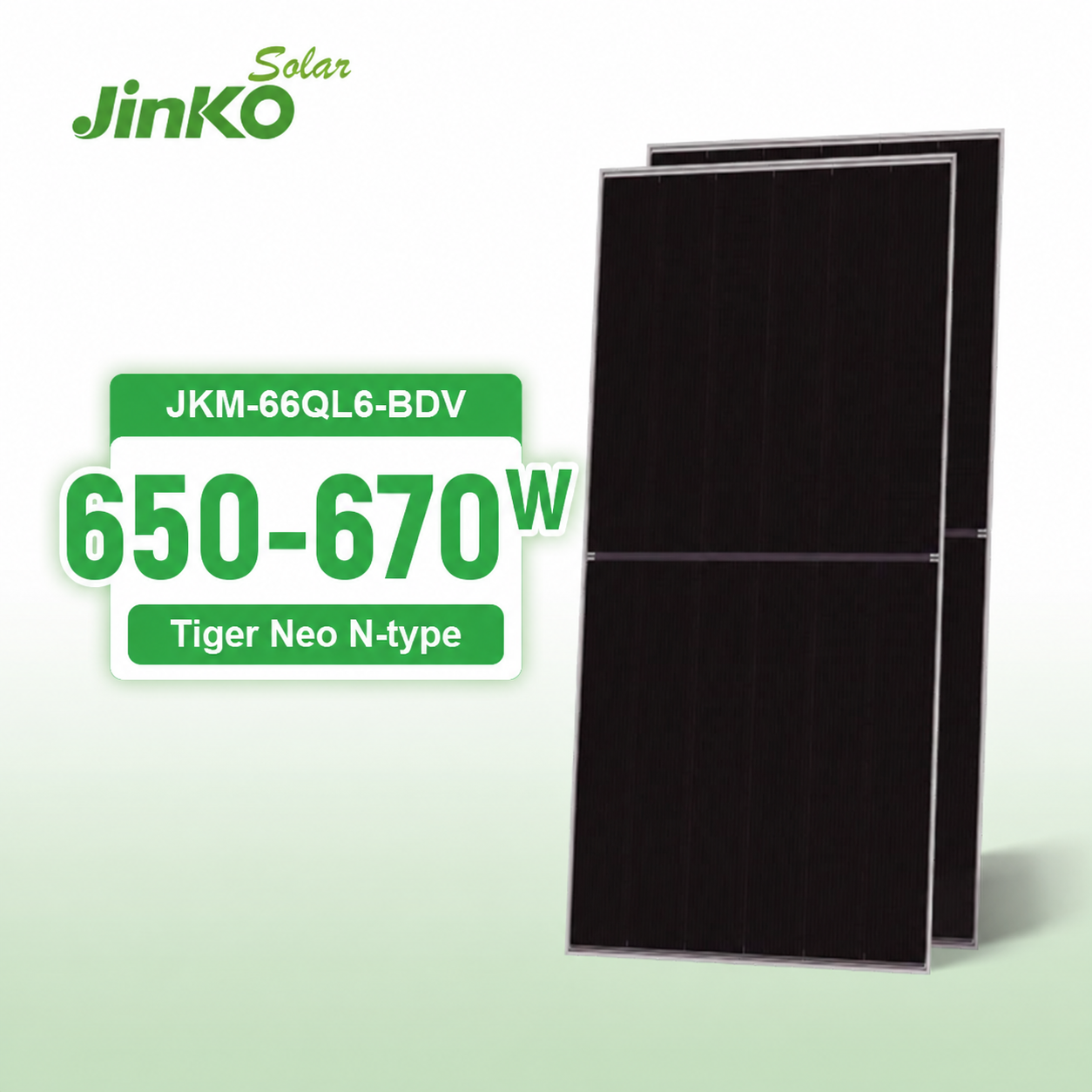
TOPCon Bifacial Jinko N Type 650W 660W 670W Wholesale TOPCon Bifacial Photovoltaic Module for Commercial

Jinko N Type 650W 660W 670W Wholesale TOPCon Bifacial Photovoltaic Module

High-power commercial bifacial module delivering high rear-side power yield on Muscat gravel and sand surfaces, with an industry-low thermal coefficient (-0.30%/°C).

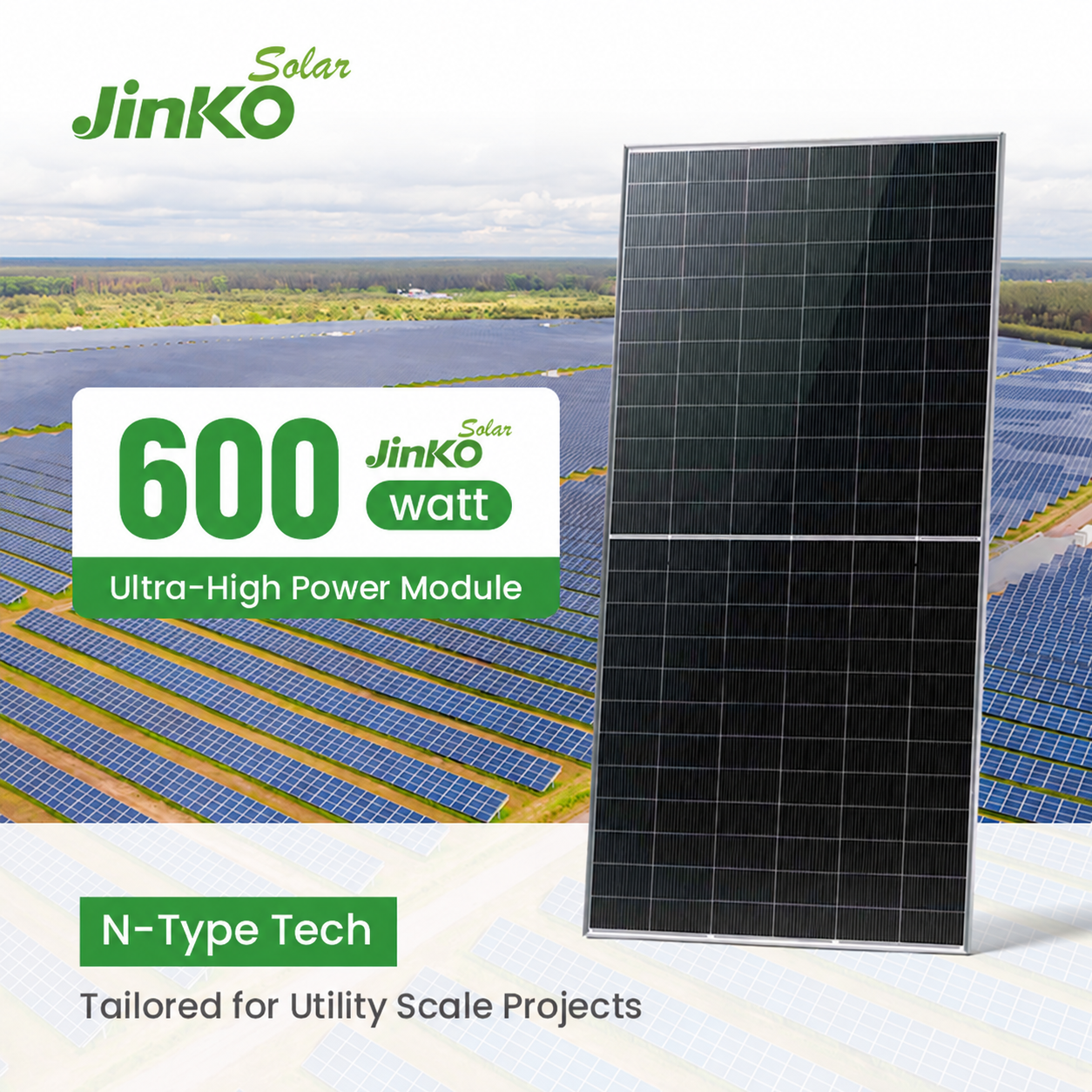
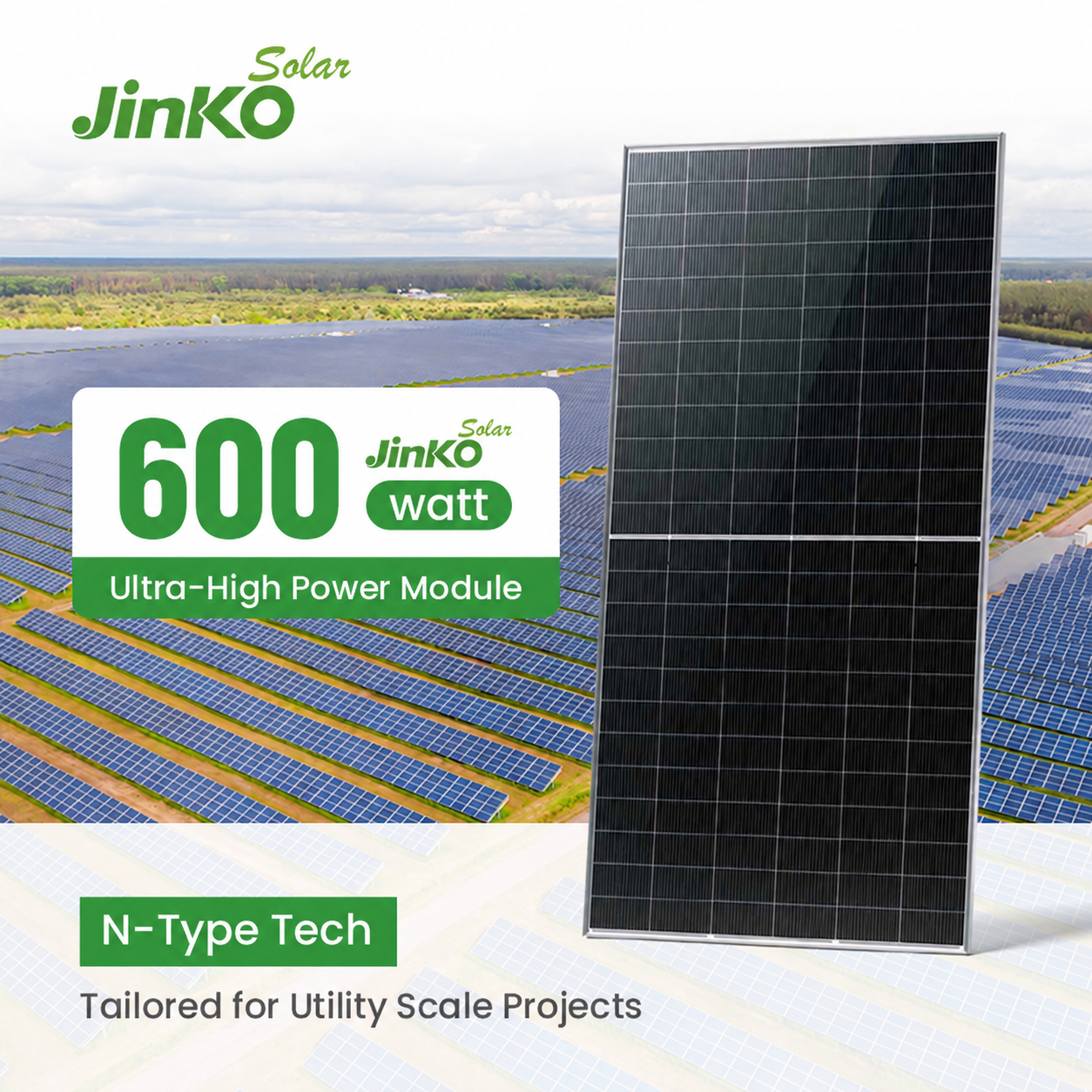
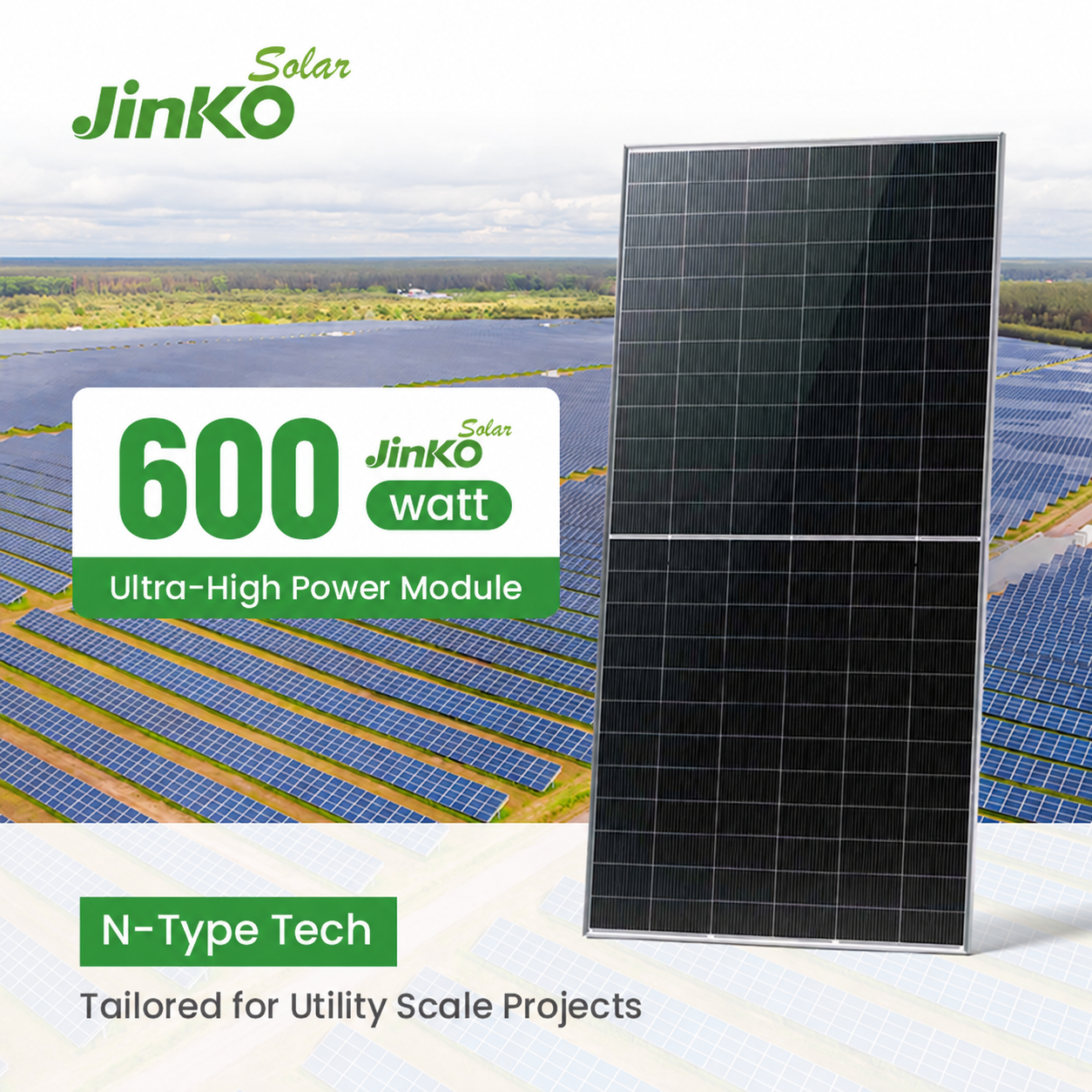
Double Glass Jinko Solar Panels 580W 590W 600W N Type Double Glass High Efficiency Solar Panel

Jinko Solar Panels 580W 590W 600W N Type Double Glass High Efficiency Solar Panel

Dual-glass construction ensuring absolute resistance against salt-spray corrosion along Muscat’s coastal belts (Muttrah to Seeb) and preventing sandstorm-induced microcracks.

Industrial PV Jinko Panneau Solaire 660w 650W 660W 670W N Type Bifacial Dual Glass Photovoltaic Panel

Jinko Panneau Solaire 660W 650W 670W N Type Bifacial Dual Glass Panel

Optimized for industrial rooftop arrays in Rusayl Industrial City and warehouse canopies, maximizing watt-density and lowering overall balance of system (BOS) capital expenditure.

High Irradiance Jinko N Type Bifacial 600W 580W 590W Dual Glass Photovoltaic Solar Panel

Jinko N Type Bifacial 600W 580W 590W Dual Glass Photovoltaic Solar Panel

SMBB (Super Multi-Busbar) cell technology engineered to reduce hot-spot risk under intense Omani sun, matching seamlessly with Solis multi-string MPPT inverters.

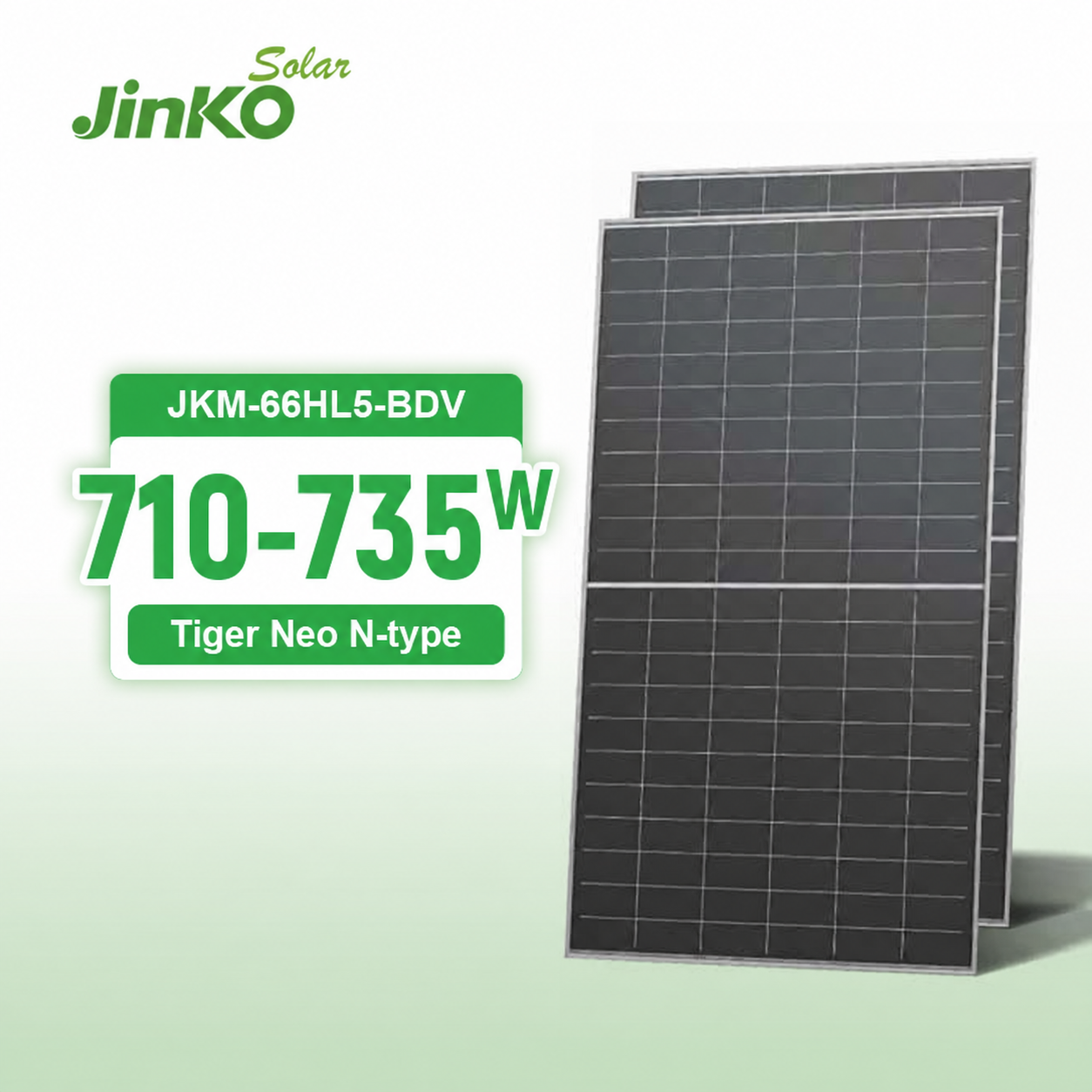
Ultra Capacity Jinko Wholesale Price 700 W 720W 730W 725W Bifacial TOPCon Double Glass Module

Jinko Wholesale Price 700W 720W 730W 725W Bifacial TOPCon Double Glass Module

Utility-grade high-voltage modules featuring up to 23.3% conversion efficiency, tailored for ground-mount generation plants, solar farming, and centralized inverter blocks.

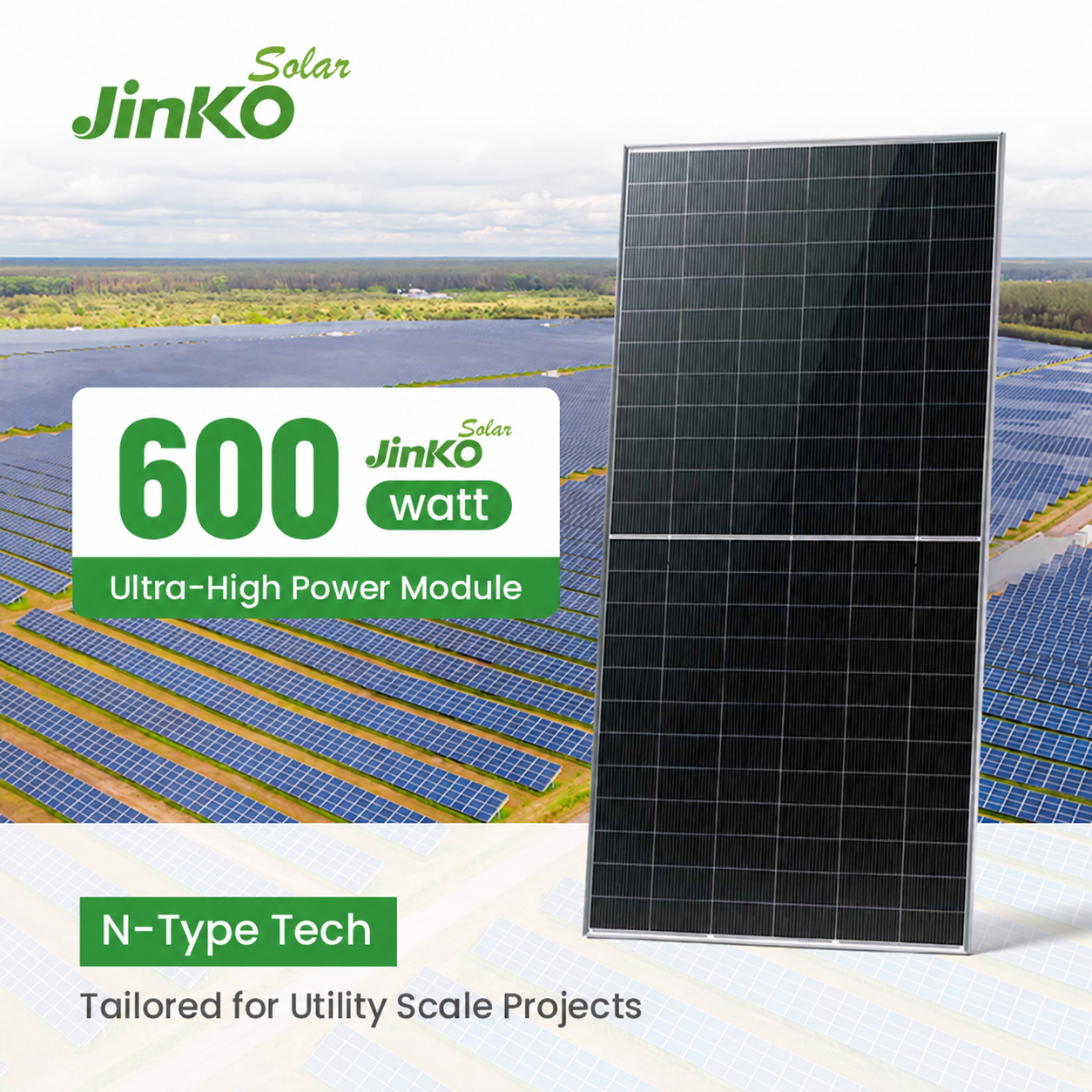
In-Stock Supply Jinko High Efficiency Bifacial 600W 585W 575W 595W Double Glass N Type Solar Panel

Jinko High Efficiency Bifacial 600W 585W 575W 595W Double Glass Solar Panel

Standardized form-factor modules available for expedited containerized sea-freight to Port Sultan Qaboos, backed by rigorous anti-PID and micro-crack QA inspections.

Utility Solar Farm Jinko N Type Solar Modules 600W 580W 585W 590W Bifacial Monocrystalline High Efficiency PV Panel

Jinko N Type Solar Modules 600W 580W 585W 590W Bifacial Monocrystalline Panel

Optimized for tracking systems and fixed-tilt arrays across the interior desert terrain of Oman, maintaining high output during extreme summer ambient peak hours.

Engineering Insights

Engineering Solar Inverters for Muscat's Extreme Thermal Profile

Muscat presents one of the most demanding operational environments in the world for power electronics. Summer ambient temperatures routinely exceed 48°C in industrial hubs like Rusayl, Mabella, and Ghala, while direct rooftop metal canopies frequently reach 65°C. Conventional solar inverters suffer early severe thermal derating, losing up to 40% of their power conversion capacity right during peak generation hours.

Our Solis and Deye inverter configurations supplied to the Muscat market integrate oversized heatsinks, redundant forced-air cooling systems with IP68 intelligent cooling fans, and advanced wide bandgap components. This robust hardware architecture guarantees uncompromised output up to 45°C ambient temperatures, with a gentler, controlled derating curve between 45°C and 55°C.

Nama Grid Compliance Note: All supplied Solis three-phase string and hybrid systems feature integrated fast grid disconnect, active power factor correction (0.8 leading to 0.8 lagging), and automatic anti-islanding compliance verified under IEC 62116 and IEC 61727 to streamline approvals with Muscat Electricity Distribution Company (MEDC / Nama Supply).
Climatic Engineering Checklist for Oman

  • Wide Thermal Envelope: Full operational capacity from -25°C up to +60°C with gradual derating above +45°C.
  • C5-M Coastal Anti-Corrosion: Anodized marine-grade aluminum housing with anti-salt powder coatings suited for Muscat's coastline.
  • IP66 Ingress Protection: Total barrier protection against fine airborne silica dust and pressurized water washdowns.
  • High DC String Currents: Up to 16A/20A MPPT current ratings, fully accommodating 600W–720W bifacial high-power modules.

BMS-to-Inverter Synchronization Protocols

  • Pre-Configured CAN Bus / RS485: Zero handshake delays between Deye/Solis inverters and VOLT LFP lithium battery storage racks.
  • Dynamic SOC & Temperature Control: Continuous charge rate adjustment to prevent thermal battery runaway in unconditioned Muscat rooms.
  • Automatic Diesel Generator Start: Dry-contact ATS synchronization for industrial and telecom backup when grid supply fails.
Energy Storage Architecture

Lithium LFP & Hybrid Storage Integration for Grid Independence

Muscat’s electrical demand peaks sharply during midday and late afternoons driven by aggressive building air conditioning loads. Under Oman's evolving tariff structures (Cost-Reflective Tariffs for commercial consumers and progressive tier pricing for domestic properties), raw export to the grid is often less lucrative than direct on-site storage utilization.

By coupling Solis and Deye hybrid inverters with high-cycle Lithium Iron Phosphate (LiFePO4) storage batteries, Muscat facility operators can shave extreme peak power tariffs, guarantee uninterrupted critical cooling loads during distribution grid trip events, and achieve 24/7 solar consumption without expensive diesel consumption.

Field Engineering

Localized PV Applications Across the Sultanate of Oman

From prime residential estates in Muscat to expansive industrial manufacturing clusters along the Batinah expressway, our solar inverter and storage systems are customized to match local structural, environmental, and electrical requirements.

Sahim Residential Net-Metering (Muscat)

Tailored for residential villas across Al Mouj, Madinat Sultan Qaboos, and Qurum under the APSR Sahim rooftop scheme. Single-phase and three-phase Solis residential inverters provide ultra-quiet operation (<30dB), compact wall-hung aesthetics, and full cloud WiFi/4G telemetry for direct net-metering synchronization with MEDC billing meters.

C&I Facilities & Warehousing (Rusayl & Sohar)

Engineered for high-tonnage cold storage, manufacturing plants, and logistics warehouses across Rusayl Industrial City and the Port of Sohar Freezone. Three-phase Solis 50kW–110kW inverters feature 6 to 10 MPPT trackers to counteract partial roof shading and multi-directional rooftop slopes, yielding an estimated 8% higher annual energy harvest.

Off-Grid Agriculture & Interior Water Pumping

Deployed in the agricultural expanses of Barka, Al Suwaiq, and interior desert stations (Ad Dakhiliyah & Al Wusta). These rugged off-grid hybrid setups operate autonomously with deep-cycle GEL or LiFePO4 batteries to run submersible irrigation pumps, livestock climate control, and remote monitoring without utility grid extension costs.

System Selection Guide

Engineering Matrix: Solis & Storage Sizing for Oman Projects

Review standard B2B configurations for grid-connected, commercial rooftop, and hybrid off-grid systems commonly requested by EPC contractors and solar distributors in Muscat.

System Scale Recommended Inverter Model Recommended PV Array ESS Battery Capacity Grid / Site Compliance
Residential Villa (5–10 kW) Solis S6-GR1P / Deye 5kW-8kW Hybrid Jinko N-Type 580W–600W (10–18 modules) 10 kWh – 15 kWh LFP 48V Rack/Wall APSR Sahim Phase II, MEDC Net-Meter
Commercial Villa / Office (15–30 kW) Solis S5-GC3P (15-30K) Three Phase Jinko 600W Bifacial Dual Glass (28–52 modules) 20 kWh – 40 kWh High-Voltage LFP Nama Supply Three-Phase Interconnection
Industrial Rooftop (50–110 kW) Solis 80K–110K Multi-MPPT Industrial Jinko 660W–670W TOPCon (80–170 modules) Optional 100kWh Industrial ESS Container Nama Distribution C&I Relay & SCADA
Utility Ground Mount (500 kW+) Solis 255K Ultra-High Power Inverter Jinko 700W–730W Utility Dual Glass Centralized BESS Container Systems OETC High-Voltage Transmission Code
Market Trends

Oman Vision 2040 and the Decarbonization Wave in Muscat

Under Oman Vision 2040, the Sultanate has legally committed to achieving 30% of its electricity generation from renewable sources by 2030, rising to 39% by 2040. In Muscat Governorate, the commercial, logistics, and governmental sectors face accelerating corporate decarbonization mandates, ESG reporting requirements, and industrial energy efficiency targets.

Key economic drivers impacting Muscat buyers include:

  • Rationalization of Utility Subsidies: Gradual removal of power subsidies has elevated commercial electricity bills, making distributed solar PV payback periods shrink to under 3.5 to 4.2 years across Muscat.
  • The Sahim Renewable Initiative: The Authority for Public Services Regulation (APSR) regulatory framework allows frictionless bidirectional net-metering credits, encouraging EPCs to specify Tier-1 inverters with certified grid-reconnection timing.
  • Bifacial Solar Adoption: Muscat's ground terrain features light-colored limestone, sandy topsoil, and concrete gravel with high albedo (surface reflectivity). Utilizing bifacial Jinko modules alongside Solis inverters unlocks up to 15–20% additional free energy from rear irradiance.

Required Import & Grid Certifications

  • IEC 62109-1 / IEC 62109-2: Mandatory product safety standard for all grid-connected power conversion equipment.
  • IEC 61727 & IEC 62116: Utility interconnection characteristics, power quality, harmonics, and anti-islanding protection verification.
  • Bayan Customs Documentation: Certified Chamber of Commerce Certificate of Origin, packing lists, and commercial invoices for clearance at Port Sultan Qaboos.
VOLT Supply Chain Assurance

Why Leading Muscat Solar Contractors Partner With Us

We eliminate technical discrepancies, customs bottlenecks, and communication delays before equipment ever arrives at your Muscat warehouse or job site.

Battery and Inverter Protocol Testing Laboratory

Verified Protocol Matching

Every hybrid inverter and lithium battery bank undergoes laboratory communication handshake verification (CAN/RS485) prior to dispatch, eliminating "BMS Fault" warnings on site.

Solar Warehouse Export Packing for Muscat Sea Freight

Pre-Shipment Multi-Stage QC

Strict factory acceptance testing: EL flash testing for solar modules, full-load capacity cycles for battery cells, and high-voltage insulation tests for inverters, complete with video reports.

Container Loading for International Maritime Freight

Direct Oman Freight Logistics

Full Dangerous Goods (Class 9 UN38.3 & MSDS) handling for lithium storage, offering consolidated 20GP/40HQ mixed containers directly into Port Sultan Qaboos and Sohar Port.

Engineering Support and Remote Solar Troubleshooting

Engineering Sizing & After-Sales

Dedicated B2B project support providing string layout calculations, single-line diagrams (SLD), remote commissioning assistance, and warranty coordination directly in English.

Procurement FAQ

Frequently Asked Questions by Omani Solar Buyers

Direct technical and logistical answers addressing the real-world concerns of EPCs, electrical contractors, and importers operating in Muscat.

Are Solis and Deye inverters fully compliant with Oman's Nama Group / MEDC grid requirements?
Yes. Our supplied Solis on-grid string inverters and Deye hybrid inverters comply with the technical regulations established by the Authority for Public Services Regulation (APSR) and distribution grid operators (Nama Supply / MEDC, Mazoon, Majan). They feature compliant active and reactive power control, frequency response curves, and certified anti-islanding safety in accordance with IEC 62116, IEC 61727, and IEC 62109-1/-2 standards. Certified test reports are supplied alongside your proforma invoice for local utility project submission.
How does the extreme summer heat in Muscat affect inverter sizing and PV array ratios?
Muscat's summer ambient temperatures frequently hit 48°C to 50°C, and rooftop microclimates can easily reach 60°C. Under these conditions, standard inverters experience thermal de-rating. We recommend engineering your systems with a DC:AC oversizing ratio between 1.25:1 and 1.35:1 when pairing with Solis multi-MPPT inverters. Furthermore, we mandate installing inverters under protective solar sunshades on exterior walls or within well-ventilated plant rooms to sustain peak conversion efficiency and protect capacitor longevity.
Can you consolidate inverters, solar panels, and batteries in one container to Port Sultan Qaboos?
Yes. We specialize in consolidated mixed-load container shipments (20GP, 40GP, 40HQ) containing Solis/Deye inverters, Tier-1 Jinko solar panels, LFP battery storage banks, and certified solar DC cables. We prepare all international maritime documentation, including UN38.3 battery transport certificates, Material Safety Data Sheets (MSDS), Class 9 Dangerous Goods declarations, and legalized commercial invoices to ensure swift customs clearance through Oman's Bayan digital customs portal.
Why is Jinko N-Type TOPCon bifacial recommended over traditional mono PERC in Oman?
Jinko N-Type TOPCon modules possess a significantly superior temperature coefficient (-0.30%/°C) compared to older P-type PERC panels (-0.35%/°C). In Muscat's sweltering summer climate, this difference translates directly into 3%–5% more kilowatt-hours generated every single day. Furthermore, N-Type TOPCon modules exhibit virtually zero Light-Induced Degradation (LID) and higher bifaciality (up to 80-85%), maximizing the reflected energy harvest from Oman's bright limestone surfaces and gravel flat roofs.
How are warranty claims, spare parts, and replacements handled for Muscat installations?
All Solis inverters come with a standard 5-year factory warranty (extendable up to 10 or 15 years upon request), and Deye products feature standard manufacturer warranties clearly recorded by product serial numbers. In the rare event of a component failure, our technical support engineers review the inverter diagnostic logs remotely. Replacement control boards, cooling fans, or replacement replacement units are expedited directly to Muscat, avoiding disruptive downtime for your clients.
Direct Factory Procurement

Ready to Power Your Muscat Solar Projects with Proven Engineering?

Send our senior engineering team your target system capacities, one-line diagrams, or electrical load profiles. We return an integrated bill of materials (BOM), verified communication protocols, and a firm CIF Muscat shipping schedule within 24 hours.

Contact Us

Wholesale Supply Guarantees

  • 100% Pre-Shipment Inverter/Battery Handshake QC
  • Complete Bayan Customs Documentation Package
  • Dedicated English Technical Support Desk
  • Containerized Mixed-Load Port Clearance