Featured Photovoltaic Modules & Integrated Solis Matching Arrays
High-efficiency double-glass and bifacial N-Type TOPCon panels ready for consolidated container shipment into JAXPORT. Fully impedance-matched and voltage-window tested for Solis S5, S6, and utility-scale string topologies.
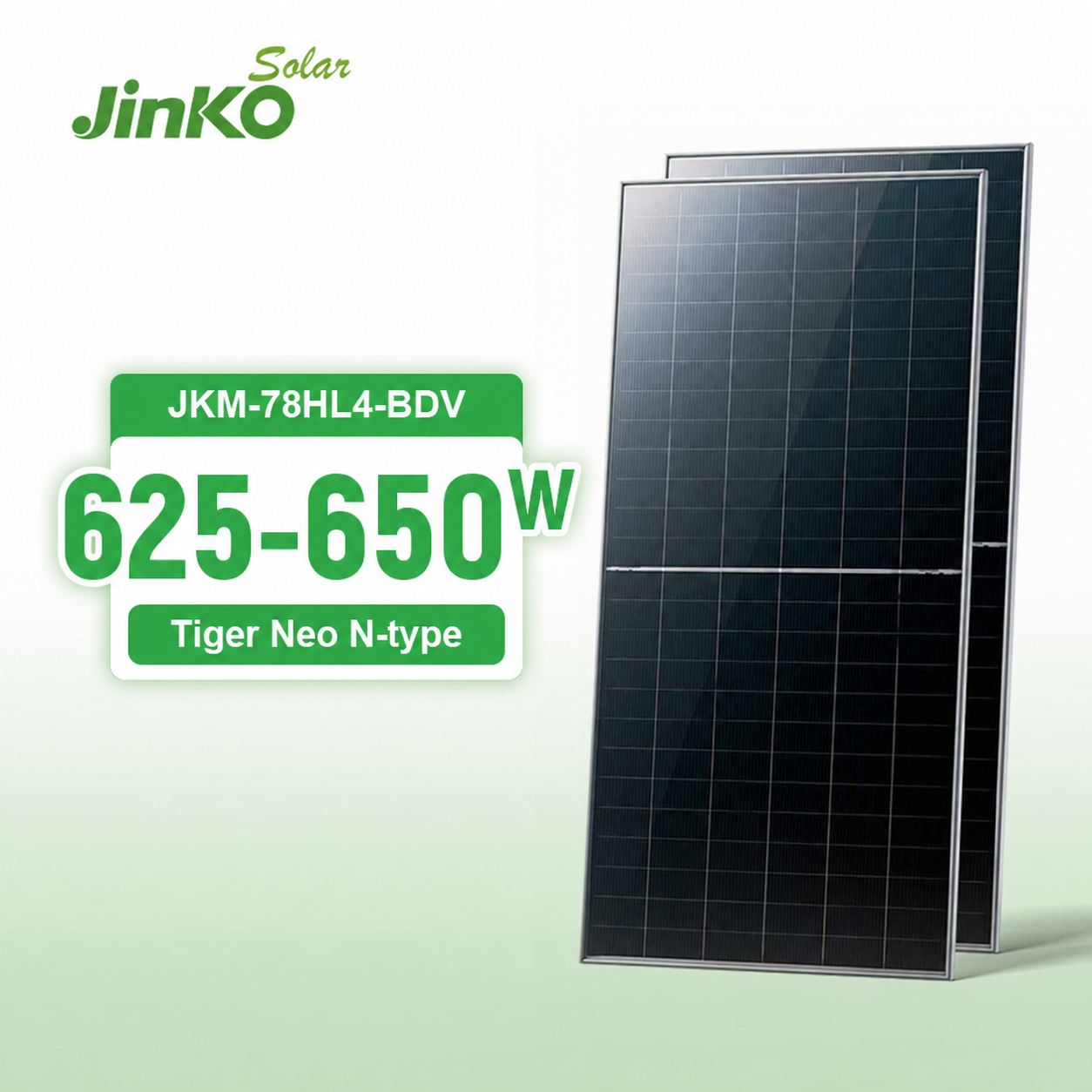
Jinko N-Type Bifacial PV Modules 630W (625W-635W) Double Glass Stock
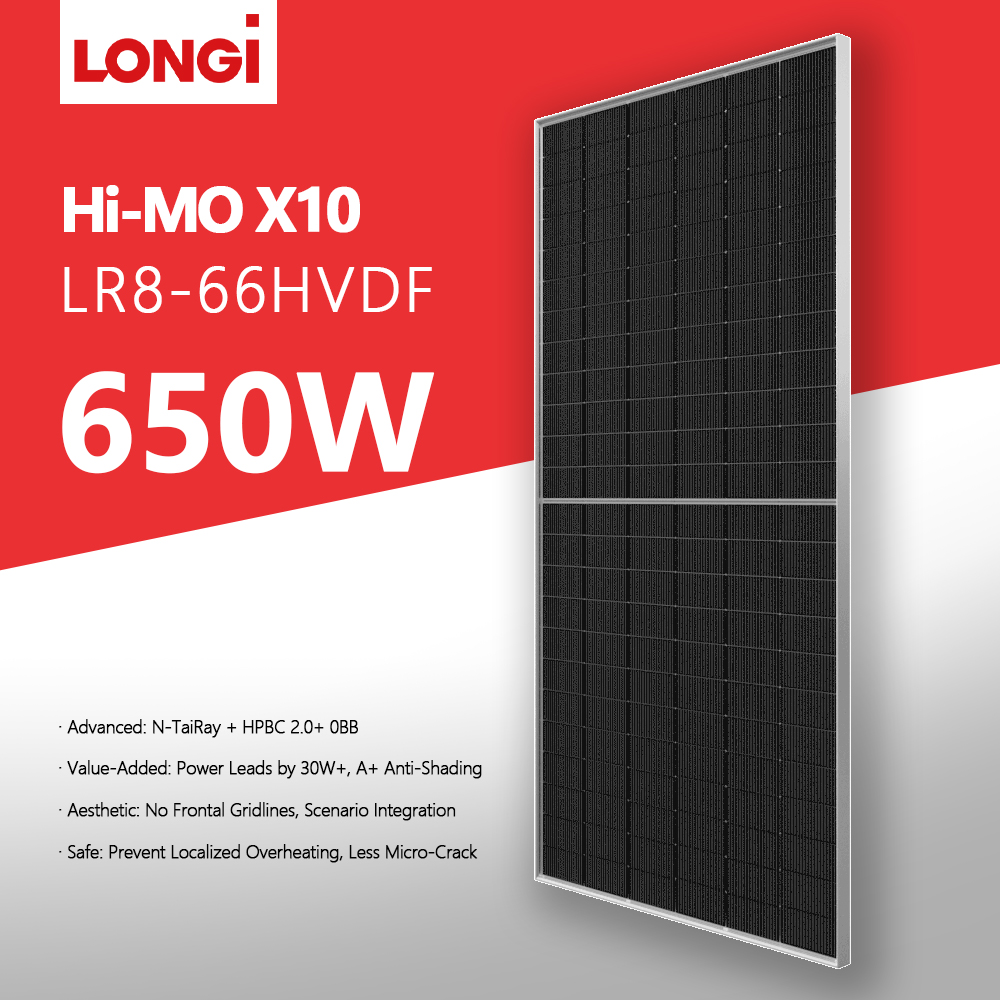
Commercial Grade LONGI Solar Panel 650W N-Type Rooftop Solution
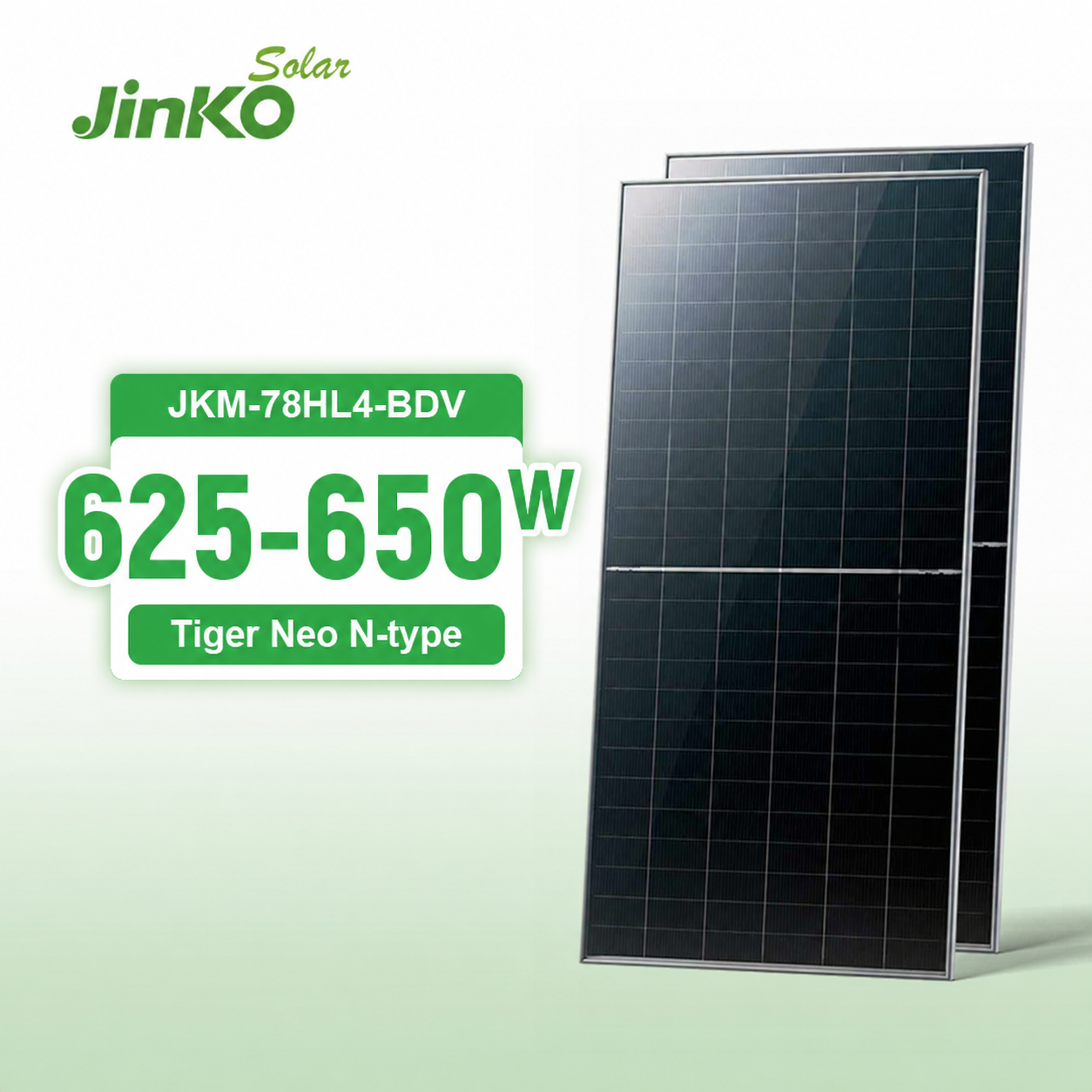
Jinko Bifacial PV Panels 630W-640W Dual Glass Rooftop Module
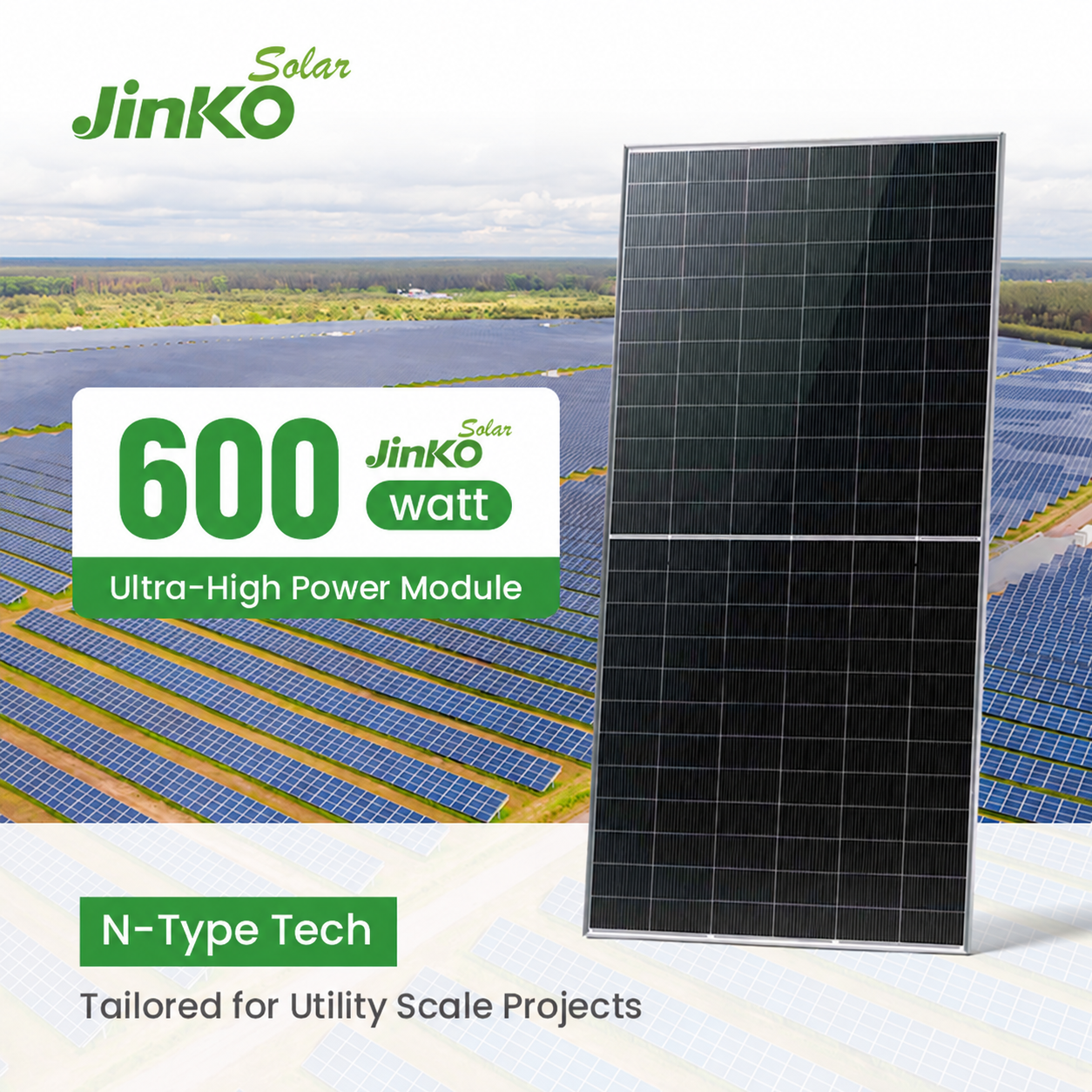
Jinko Solar Panels 580W-600W N-Type Double Glass Commercial Series
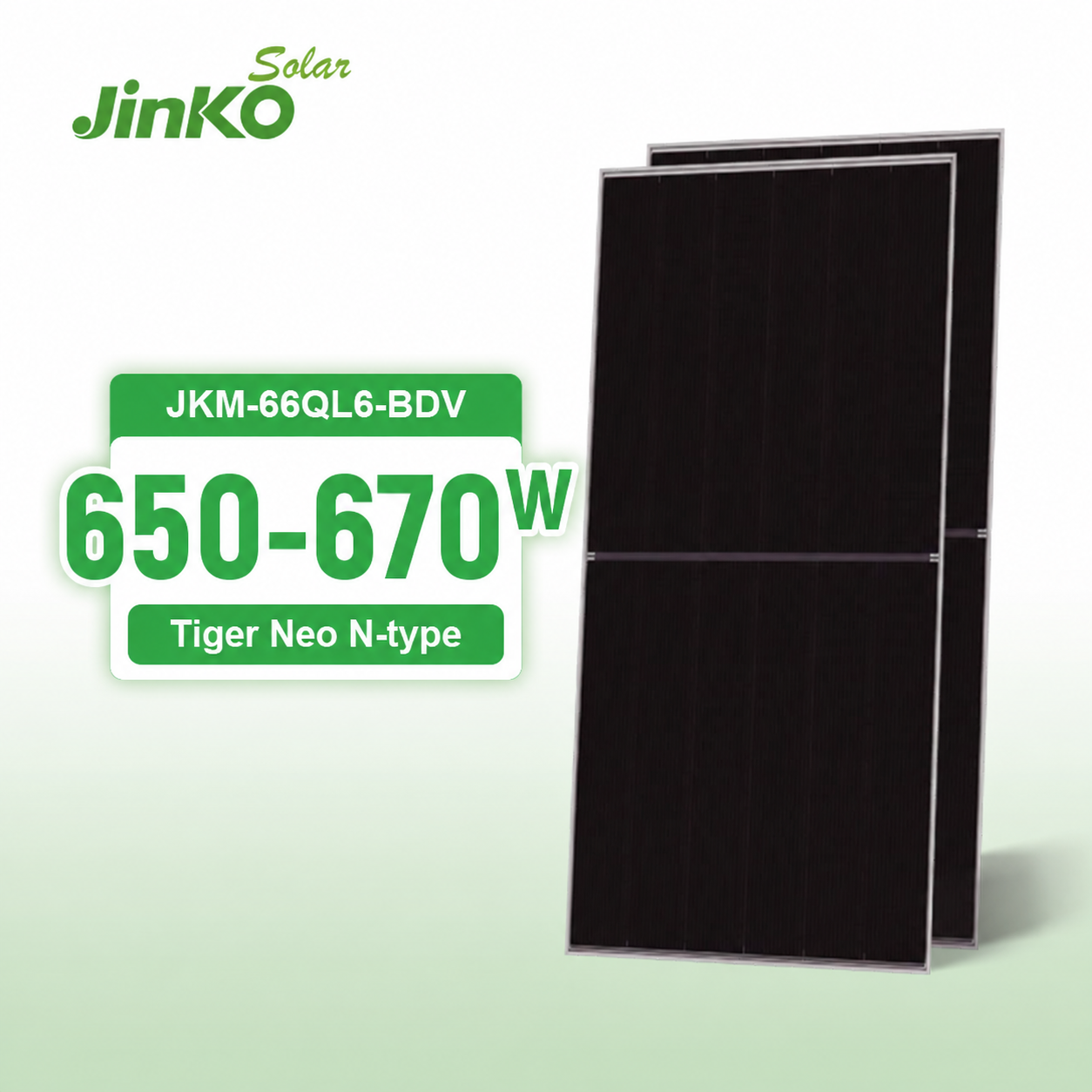
Jinko N-Type Bifacial 650W-670W TOPCon High Efficiency Module
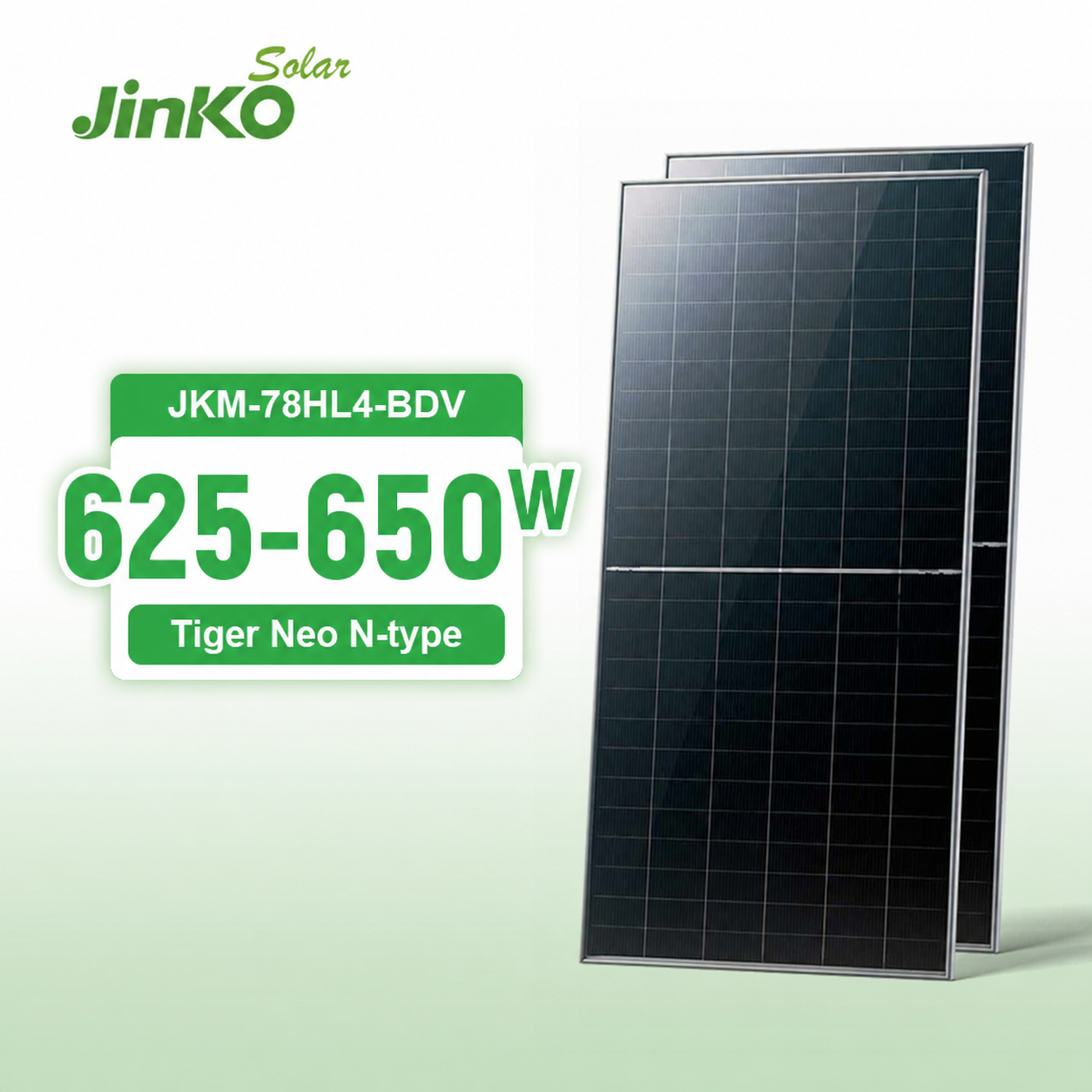
Jinko N-Type Bifacial PV 630W-650W Double Glass Roof-Mount Array
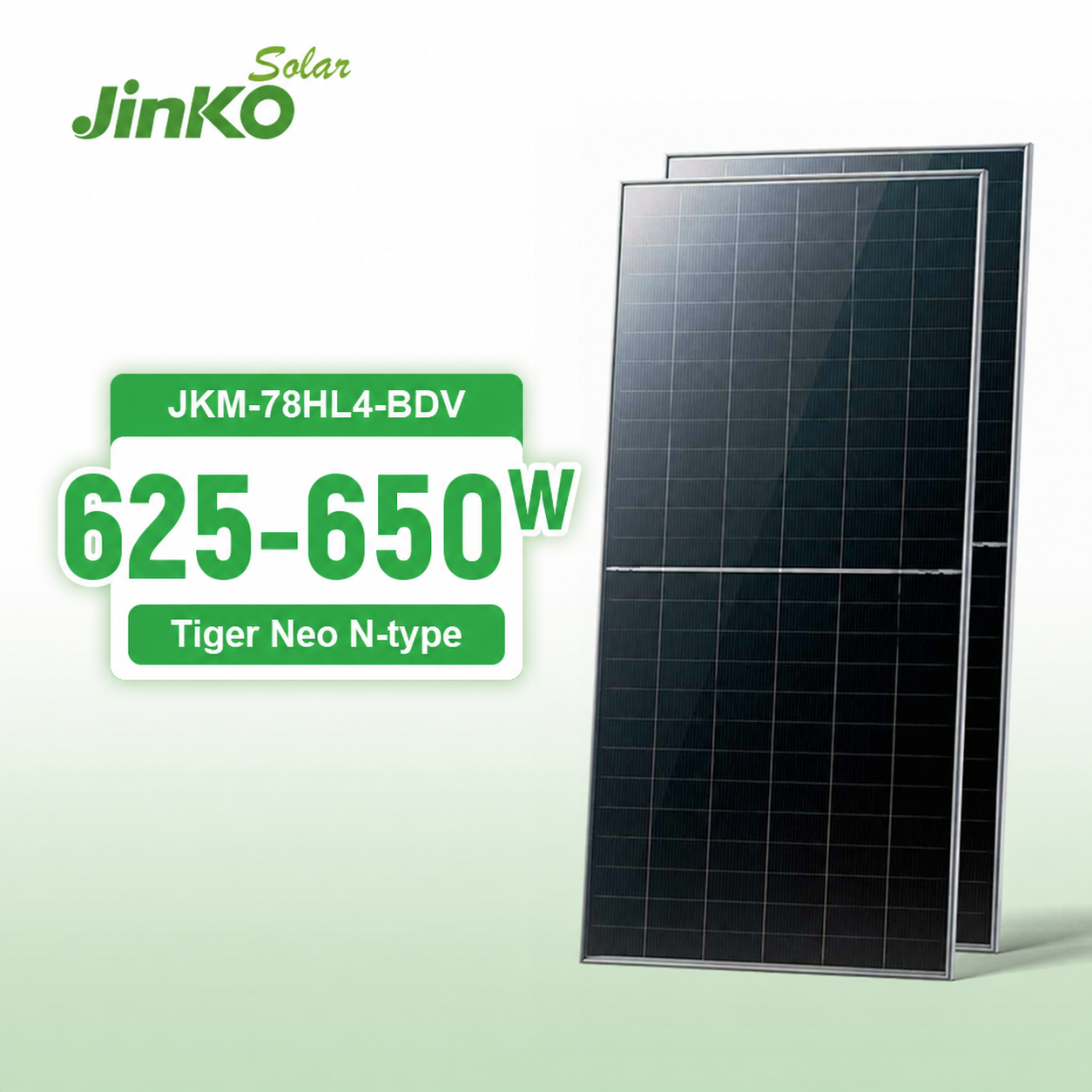
Jinko High-Efficiency Bifacial 625W-645W Agricultural Solar Panel
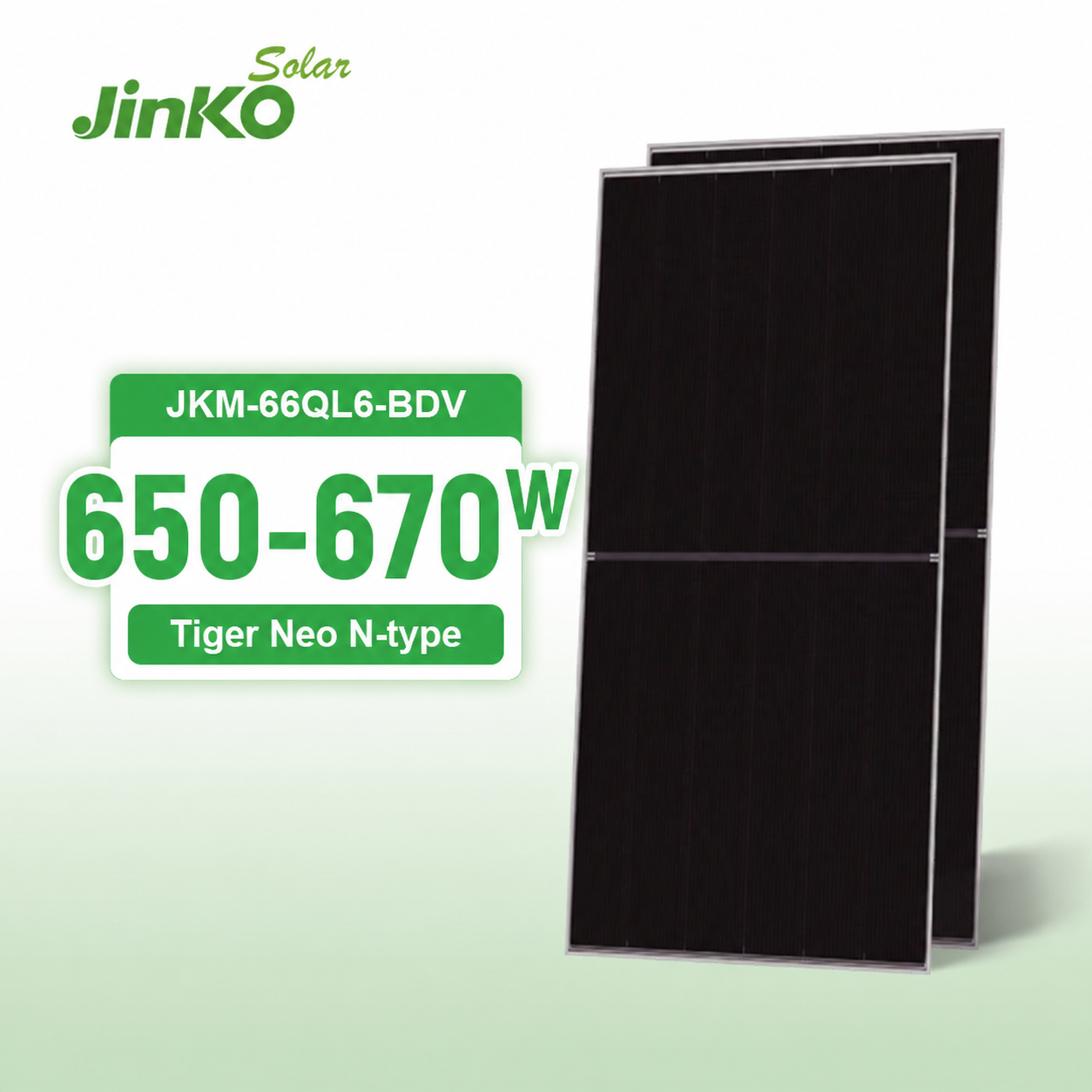
Jinko N-Type Bifacial PV 650W-670W Double Glass Commercial Heavy-Duty
Engineering Solis Inverter Deployments for Jacksonville's Subtropical Marine Climate
Jacksonville, Florida sits within a demanding microclimate defined by extreme relative humidity (often exceeding 85%), ambient summer roof surface temperatures surpassing 140°F (60°C), persistent salt-fog atmospheric salinity along the Atlantic littoral, and hurricane-force convective storms.
Specifying string and hybrid inverters for residential, commercial, and utility installations across Duval County requires far more than matching standard nameplate wattage. As dedicated global suppliers and exporters of Solis (Ginlong Technologies) inverter architectures, Hangzhou VOLT New Energy Technology Co., Ltd. supplies hardware configurations calibrated to eliminate thermal derating, protect against electrolyte migration, and ensure unyielding compliance with Florida's stringent electrical and structural regulations.
Modern Solis inverters—such as the Solis S6-EH1P(3.8-11.4)K-H-US split-phase hybrid series and the Solis S5-GC / S6-GR3P commercial series—utilize advanced die-cast aluminum chassis engineered to NEMA 4X (IP66) environmental standards. This physical encapsulation isolates sensitive internal insulated-gate bipolar transistors (IGBTs) and microprocessor circuitry from the ambient corrosive salt air that travels inland from St. Johns River estuaries, Fernandina Beach, and Jacksonville Beach.
Thermal Management & Derating Curves
Jacksonville experiences sustained periods where rooftop ambient temperatures reach 45°C to 50°C. Standard inverters drop output by 20% to 40% under these thermal ceilings. Solis platforms engineered with wide-fin passive convection cooling and intelligent redundant fan arrays maintain full-rated active power output up to 45°C, ensuring uninterrupted peak generation during intense peak irradiation hours.
AFCI 2.0 & Rapid Shutdown (NEC 690.12)
Florida Building Code and the City of Jacksonville Development Services Division strictly enforce NEC 2020/2023 Rapid Shutdown mandates. Solis inverters incorporate integrated SunSpec-certified power-line communication (PLC) transmitters and high-precision Arc Fault Circuit Interruption (AFCI 2.0), detecting and extinguishing electrical arcs within 200 milliseconds to safeguard structure integrity.
Hurricane Resilience & Microgrid Black Start
When Atlantic hurricanes trigger grid outages across Jacksonville Electric Authority's (JEA) distribution network, Solis hybrid inverters execute a sub-10ms automatic transfer switch (ATS) handover. With integrated 48V low-voltage or 400V high-voltage LiFePO4 battery black-start capability, your facility maintains continuous critical emergency backup power without grid excitation.
| Solis Series Platform | Target Jacksonville Application | Nominal AC Output | MPPT Trackers / Max PV Input | JEA & FBC Compliance Architecture |
|---|---|---|---|---|
| Solis S6-EH1P-US Hybrid | Residential Rooftops & Estate Microgrids | 3.8 kW – 11.4 kW | 3 to 4 MPPTs (Up to 16A/string) | UL 1741 SB, IEEE 1547-2018, SunSpec Rapid Shutdown |
| Solis-(25-50)K-US String | Commercial Warehouses & Retail Strip Plazas | 25 kW – 50 kW | Up to 4 MPPTs / 8 String Inputs | CA Rule 21, HECO Compliant, Integrated AFCI Type 1 |
| Solis-(75-100)K-5G-US | Industrial Cold Storage & Port Logistics | 75 kW – 100 kW | 6 to 10 MPPTs (150% DC Over-dimensioning) | Dynamic Grid Support, Modbus RTU/TCP, NEMA 4X Aluminum |
| Solis-125K-EHV-US Utility | Commercial Multi-MW & Substation PV Arrays | 125 kW @ 600VAC | 1 MPPT (Centralized String Design) | Active/Reactive Power Control, Anti-PID, SVG Night Function |
Localized Application Scenarios Across Duval, St. Johns & Clay Counties
Every submarket in Northeast Florida presents unique electrical interconnection, structural engineering, and operational challenges. Here is how our supplied Solis and matched PV architectures solve localized pain points.
1. JAXPORT Logistics & Distribution Warehousing
The industrial corridor around the Port of Jacksonville (JAXPORT) and Interstate 295 hosts millions of square feet of temperature-controlled distribution centers. These facilities face immense afternoon peak-demand electricity tariffs under JEA commercial rate schedules (General Service Demand - GSD). By coupling Solis commercial string inverters (50kW to 100kW) with high-efficiency bifacial double-glass modules over reflective white TPO roofing membranes, operators shave commercial peak load spikes by up to 45%, converting vast unutilized flat roofs into localized power-generating assets.
2. Coastal Residential Resilience (Ponte Vedra & Jax Beach)
Coastal homeowners in Duval and northern St. Johns County experience salt air erosion and vulnerable overhead power distribution lines prone to hurricane knockouts. We export specialized Solis S6 split-phase hybrid packages paired with rack-mounted or wall-mounted 51.2V LFP lithium energy storage banks. The integrated Solis smart generator management port allows automatic, seamless synchronization between rooftop PV, battery discharge, and auxiliary diesel/propane standby generators, ensuring true off-grid independence during extended grid collapse.
3. Agribusiness & Irrigation Pumping (Clay & Baker Counties)
West of Jacksonville, agricultural farming facilities along the St. Johns River basin depend heavily on irrigation well pumping. Voltage instability and rural utility feeder blackouts jeopardize crop hydration. Solis high-voltage solar systems operate with broad DC input operating windows (starting at 160V), empowering direct-drive solar pumping systems and cold-storage operations with minimal transmission loss, independent of rural utility grid line extensions.
Navigating Jacksonville’s Energy Transition: JEA Interconnection & Smart Inverters
The solar market in Northeast Florida is undergoing rapid regulatory evolution. Understanding local utility mandates is essential for avoiding project rejection and costly site redesigns.
Unlike territories governed by investor-owned utilities like Florida Power & Light (FPL), Jacksonville’s electric grid is managed predominantly by JEA (Jacksonville Electric Authority), the largest municipal utility in Florida and eighth-largest in the United States. Under JEA’s Distributed Generation Policy, residential and commercial interconnections operate under an avoided-cost compensation structure rather than traditional 1:1 net metering.
This economic reality makes high-export, solar-only systems significantly less lucrative than intelligent self-consumption systems. For solar contractors and EPC developers, pairing Solis hybrid architectures with energy storage has transformed from a premium upsell into an absolute economic necessity. Solis inverters feature dynamic zero-export limitation profiles and programmable time-of-use (TOU) dispatch algorithms, enabling building managers to consume 100% of generated solar kilowatt-hours locally during peak rates, discharging stored battery reserves during JEA on-peak demand windows, and virtually eliminating low-value export feeding into the grid.
Additionally, JEA requires strict adherence to IEEE 1547-2018 and UL 1741-SB interconnection guidelines for Phase II Smart Inverter functionalities. These include autonomous voltage-reactive power control (Volt-VAr), voltage-active power adjustment (Volt-Watt), and frequency ride-through protection. The factory-flashed US firmware inside our Solis inverters includes pre-configured utility grid codes matching JEA’s Distributed Generation Interconnection Manual, allowing contractors to fast-track municipal permitting and final PTO (Permission to Operate) certification without delay.
Why EPCs & Distributors Partner With Hangzhou VOLT New Energy
International procurement fails when hardware arrives with misconfigured firmware, missing dangerous-goods export paperwork, or unverified communication between battery BMS and inverter microprocessors. We eliminate supply chain friction at the source.
Pre-Shipment Protocol Handshake
We run full CAN-bus and RS485 communication bench-testing between Solis hybrid inverters and our LFP (LiFePO4) battery packs before loading. DIP switch configurations and cable pinouts are pre-commissioned, guaranteeing immediate plug-and-play sync on site in Jacksonville.
Class 9 DG Logistics Compliance
Lithium battery cargo and integrated energy storage cabinets require exact international shipping execution. We manage all UN38.3 test summaries, Material Safety Data Sheets (MSDS), and sea-worthy certified dangerous goods export packaging for direct vessel arrival at JAXPORT terminals.
Turnkey Matched System Bundles
Eliminate fragmented sourcing. We consolidate Tier-1 Jinko/LONGi double-glass PV panels, Solis string/hybrid inverters, LFP or GEL battery racks, PV cabling, and DC isolators into single, fully balanced container shipments with full electrical engineering schematics.
Direct Factory Warranty Escort
As direct export liaisons for premier manufacturers, our orders are tracked by verifiable serial numbers. If field anomalies occur, our bilingual engineering team coordinates factory warranty replacements, firmware updates, and component parts expedited straight to your Duval warehouse.
 Inverter QC & In-Circuit Testing
 DG-Compliant Staging & Packing
 JAXPORT Consolidated Shipping
 Bilingual Engineering Verification
Jacksonville Contractor & Buyer Frequently Asked Questions
Detailed, technical, and regulatory answers for solar installers, electrical engineers, and commercial developers operating throughout Northeast Florida.
Are Solis inverters fully compliant with JEA's Distributed Generation interconnection standards?
How do Solis inverters withstand Jacksonville's coastal salt-fog and hurricane seasons?
What battery chemistries and BMS protocols communicate seamlessly with Solis hybrid inverters?
How are shipments handled into Florida? Can you consolidate inverters, panels, and batteries in one container?
How does NEC 690.12 Module-Level Rapid Shutdown work on these systems?
Plan Your Jacksonville Commercial or Residential Solar Container Order
Consult with our system engineers today. Send us your project load profiles, target inverter capacity, or module volume, and we will formulate a certified, impedance-matched hardware bundle complete with JAXPORT sea-freight logistics planning.