Compatible N-Type TOPCon Photovoltaic Modules for Stackable Energy Systems
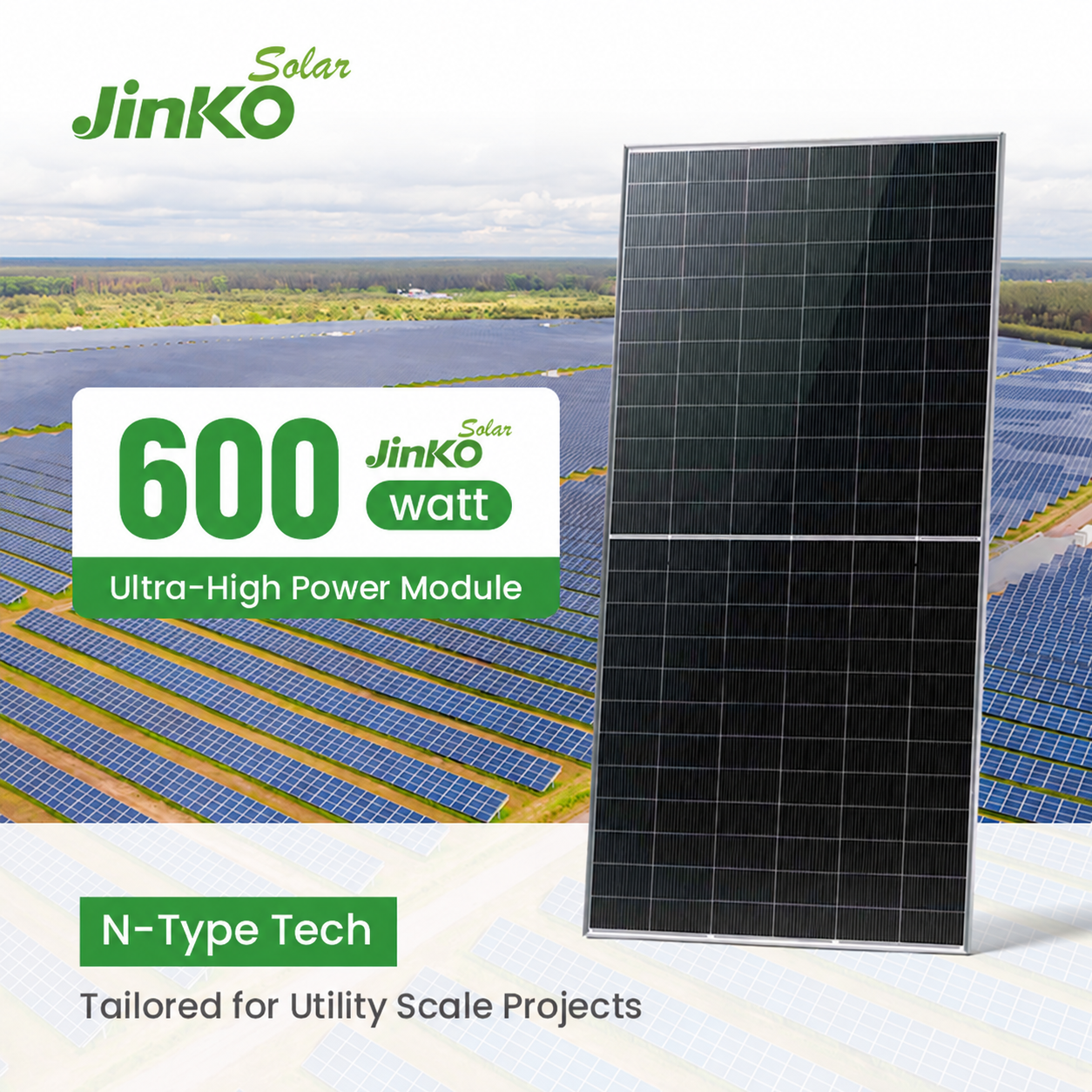
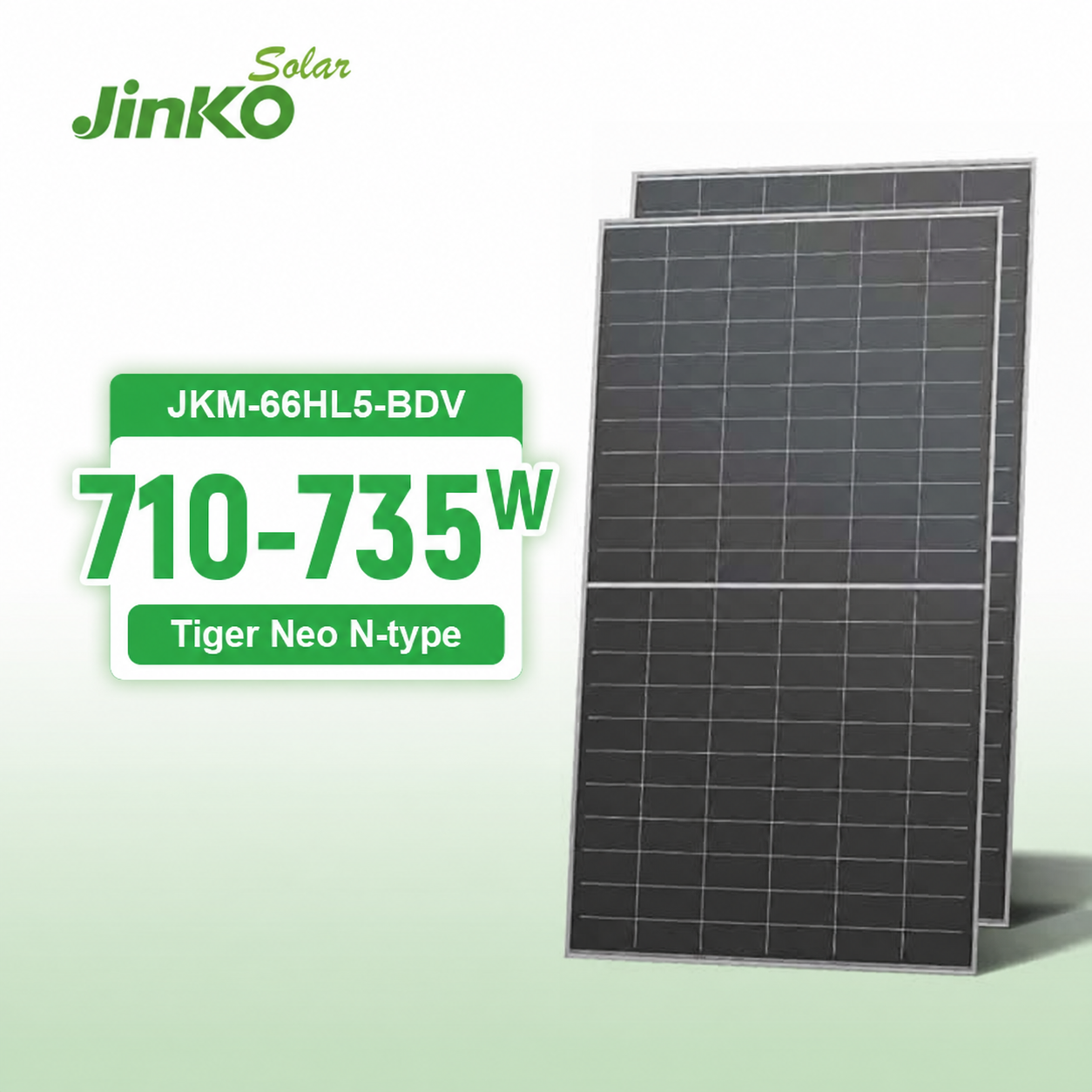
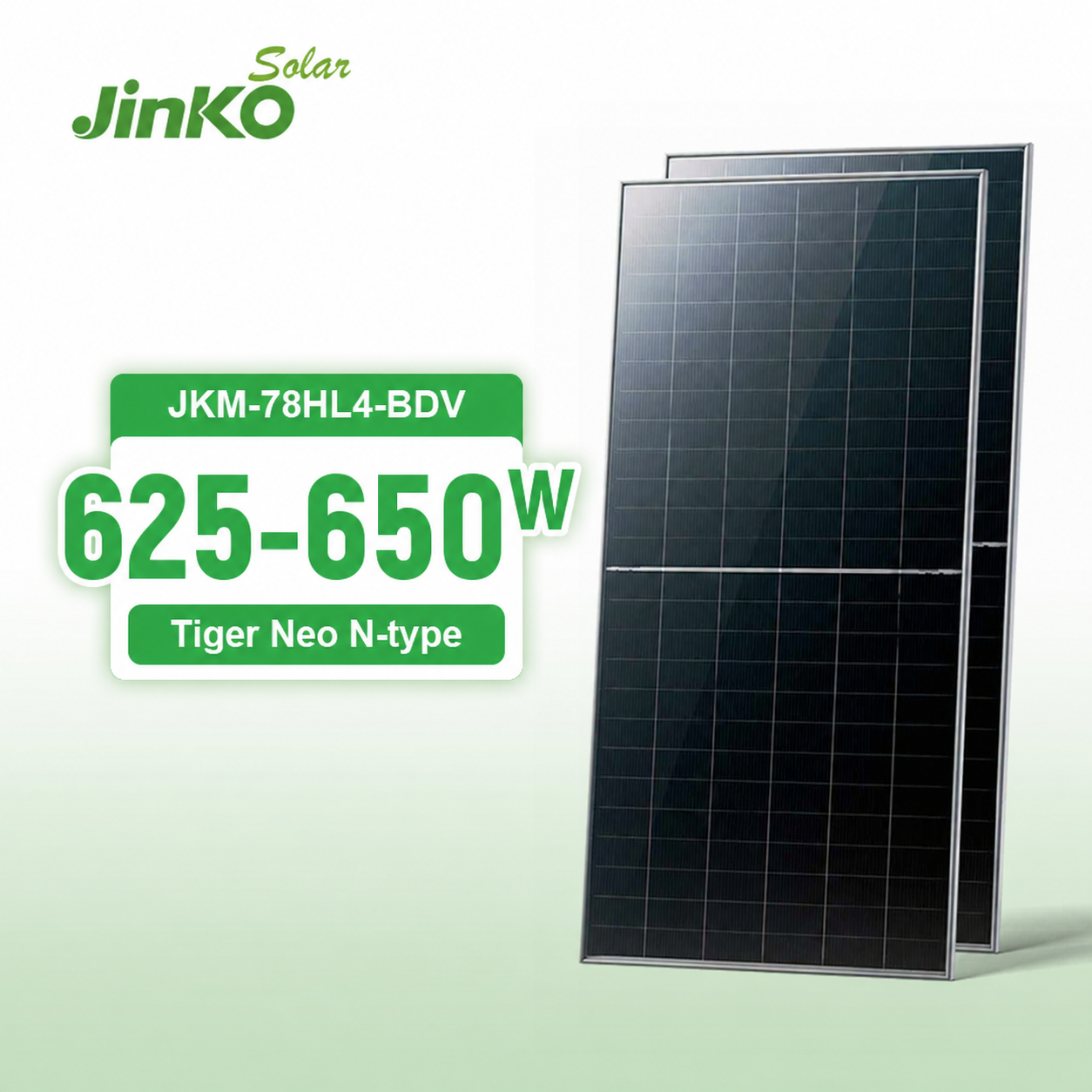
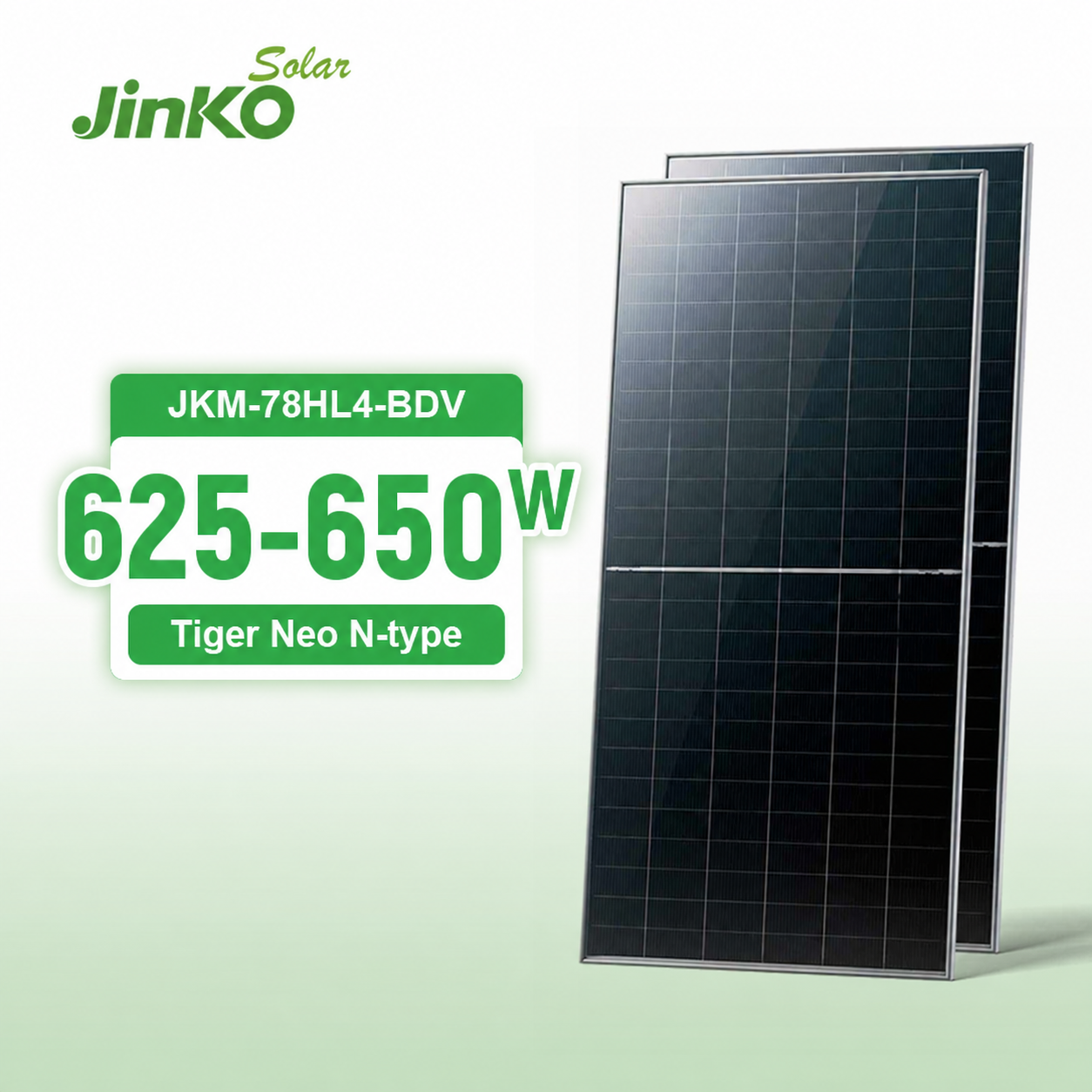
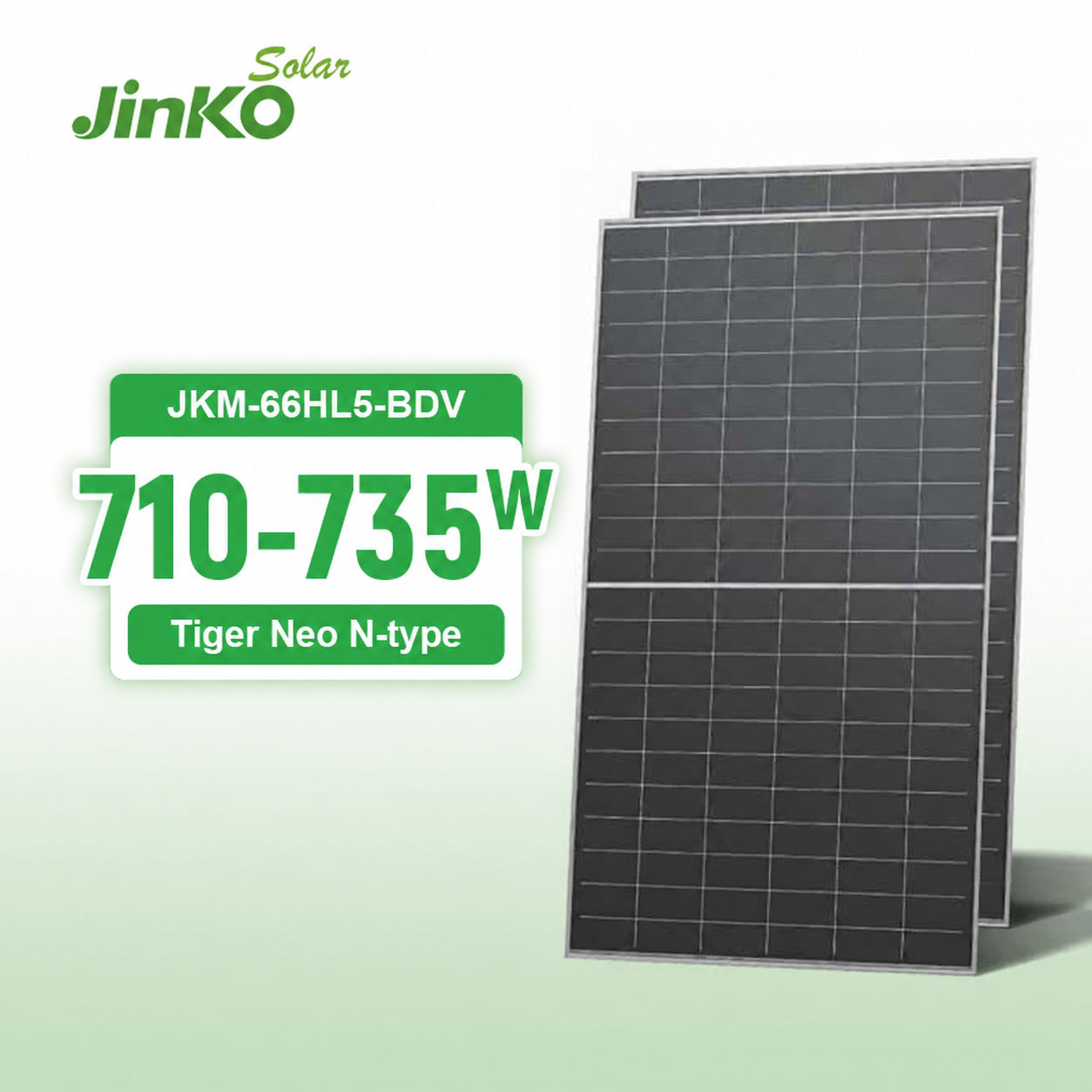
Maximizing the throughput and cycle longevity of stackable LiFePO4 battery banks in the Marmara climate requires seamless impedance matching and dual-glass bifacial solar arrays. Below are our Tier-1 Jinko TOPCon modules engineered to pair with our high-discharge modular storage architectures.


Technical Taxonomy of Stackable Energy Storage Systems (BESS)
Understanding why stackable modular topologies are replacing monolithic cabinets in Bursa's demanding industrial and premium commercial installations.
In modern industrial and commercial microgrid deployments across the Bursa province—ranging from high-power automotive pressing lines in Nilüfer OSB to textile dyehouses in Demirtaş Organized Industrial Zone (DOSAB)—energy resilience is inextricably linked with electrical scalability. Traditional, non-modular battery banks suffer from inflexible capacity ceilings, severe balance-of-system bottlenecks, and disproportionate downtime during cell maintenance. Stackable battery storage systems solve these core architectural challenges through modular mechanical integration, plug-and-play high-current internal busbars, and distributed master-slave Battery Management Systems (BMS).
By leveraging certified Lithium Iron Phosphate (LiFePO4 / LFP) cell chemistries, stackable systems deliver extraordinary thermal stability (runaway thresholds exceeding 270°C), cycle lives spanning 6,000 to 8,000 deep discharge cycles at 90% Depth of Discharge (DoD), and seamless field expansion from compact residential footprints (10 kWh – 30 kWh) up to medium-voltage industrial container blocks (100 kWh – 2 MWh+).
HV vs. LV Stackable Configurations
Stackable architectures bifurcate into Low-Voltage (48V / 51.2V nominal in parallel) and High-Voltage (204V to 600V+ nominal in series). For Bursa’s mid-scale commercial rooftops, High-Voltage series stacks drastically diminish I²R resistive distribution losses across balance-of-plant wiring, enabling inverter DC-to-AC conversion efficiencies to reliably exceed 97.6%.
Active BMS & Protocol Harmonization
Every stack incorporates a dual-tier BMS structure. Slave BMS boards monitor individual cell voltages down to ±2mV and internal thermal sensors on every prism, while the Master BMS orchestrates pack-level balancing and communicates natively with PCS/hybrid inverters via verified CANbus 2.0B and isolated RS485 protocols (including Deye, Megarevo, and Sungrow standards).
Integrated Thermal & Fire Safeguards
Designed in compliance with international UL 9540A and NFPA 855 standards, modern stackable systems incorporate module-level pyrotechnic disconnects, pressure relief valves, and built-in aerosol or Novec fire extinguishing modules. This ensures total localized thermal event suppression within a single module before propagating to adjacent battery tiers.
Localized Application Scenarios in Bursa & the Marmara Basin
How Bursa's diversified industrial fabric, agricultural processing centers, and mountainous residential terrains leverage stackable battery storage systems for cost mitigation and operational continuity.
Peak Shaving for Automotive & Metal Stamping
Bursa is the epicenter of Turkey’s automotive manufacturing. Heavy stamping presses, CNC arrays, and automated robotic welding cells introduce steep inductive load surges, precipitating severe penalty fees under EPDK demand charge tariffs.
- High-discharge stackable C-rate buffers instantaneous motor start surges.
- Discharges during Puant (peak tariff: 17:00–22:00) to cut electricity expenses.
- Sub-10ms switching prevents automated assembly line resets during grid flickers.
Continuous Critical UPS for Continuous Dye Lines
Textile mills in Demirtaş Organized Industrial Zone (DOSAB) operate continuous hot dyeing and chemical finishing lines where an unannounced 30-second grid interruption causes chemical solidification, ruining hundreds of meters of fabric.
- Eliminates high operating fuel costs of diesel generators running in warm standby.
- Coupled with rooftop N-type bifacial panels to maximize self-consumption.
- Stackable design allows modular expansion as dyeing capacity scales.
Cold Storage & Food Processing Microgrids
In Karacabey and İnegöl, agricultural refrigeration facilities require unyielding cold-chain stability during scorching summer months when regional electrical distribution networks experience frequent low-voltage sags.
- Maintains high-inertia ammonia refrigeration compressors through voltage drops.
- Stores midday solar surpluses to power chiller units through peak evening hours.
- Modular stacks fit existing technical utility rooms without civil modifications.
Alpine & Coastal Resilient Residential Energy
Luxury residential properties in the foothills of Mount Uludağ face severe winter snowstorms and severed transmission lines, while coastal villas in Mudanya experience salt-laden humidity and summer grid overload.
- Silent, zero-emission home backup replacing loud, polluting diesel gensets.
- Floor-stackable modular aesthetics matching residential garage architectures.
- Integrated heating film modules withstand sub-zero Uludağ winters (-20°C).
High-Power Commercial EV Charging Buffers
As Gemlik emerges as a strategic hub for Turkish electric vehicle manufacturing and freight logistics, multi-gun DC fast chargers risk overloading local medium-voltage substation transformers.
- Buffers high-power 120kW–240kW EV charging spikes from the grid.
- Reduces expensive transformer capacity upgrade investments with TEİAŞ.
- Enables commercial dynamic multi-tariff arbitrage round-the-clock.
Earthquake Readiness & Emergency Command Infrastructure
Situated within the high-risk Marmara seismic fault corridor, municipal buildings, clinics, and communications towers in Bursa necessitate independent, mechanically braced backup power systems.
- Interlocking mechanical stacking brackets resist lateral seismic forces (Zone 4).
- Solid-state LiFePO4 cells eliminate caustic acid leaks typical of old lead batteries.
- Instant black-start capability to spin up essential microgrids off-grid.
Macro Regulatory & Market Dynamics Shaping Energy Storage in Turkey
Procurement directors and engineering leads in Bursa must navigate specific Turkish legal frameworks and macro-economic factors accelerating stackable battery integration:
EPDK Storage Storage Framework (Depolamalı GES)
Turkey's Energy Market Regulatory Authority (EPDK) legislation guarantees pre-license priority and capacity allocation for solar PV and wind power plants that incorporate co-located electrochemical storage systems, making battery capacity mandatory for utility-scale developments.
EU Carbon Border Adjustment (CBAM / SKDM)
Bursa's heavy export profile to European automotive and textile markets means local factories face severe carbon border taxes unless Scope 1 & 2 emissions are eliminated. Stackable solar storage guarantees verifiable 24/7 green power operation.
Three-Tariff Structure & Puant Arbitrage
With peak evening energy tariffs (Puant: 17:00–22:00) costing significantly more than daytime or night tariffs, automatic scheduled discharge from stackable storage banks generates a verifiable Return on Investment (ROI) within 3.5 to 5.2 years.
Industrial Manufacturing Rigor & Global Supply Chain Authority
Hangzhou VOLT New Energy Technology Co., Ltd. bridges high-precision Chinese lithium energy storage engineering with the stringent technical and logistical demands of Bursa’s solar EPC contractors.

Verified CAN/RS485 Protocol Matching
Before any stack departs our facility, our laboratory verifies BMS-to-inverter communication against target hybrid platforms—including Deye, Megarevo, and Growatt—eliminating communication alarms on Turkish job sites.

100% Pre-Shipment Cycle & Insulation QC
Each stackable battery module undergoes strict Automated Testing Equipment (ATE) verification: internal AC resistance (ESR), cell balance tolerances, high-pot insulation checks, and end-of-line full-capacity charging cycles.

Class 9 Dangerous Goods Sea Freight
We manage complete Class 9 maritime export logistics with UN38.3 test summaries, MSDS documentation, and certified dangerous goods crating, ensuring friction-free clearance through Turkish customs at Gemlik or Ambarlı ports.

Turnkey Solar + Storage System Kits
Beyond modular batteries, we provide fully consolidated solutions bundling Tier-1 Jinko TOPCon modules, hybrid inverters, DC combiners, and seismic mounting kits into single container orders with comprehensive single-line diagrams (SLD).
Frequently Asked Questions by Bursa Buyers & EPCs
Direct technical answers addressing Turkish grid compliance, customs procedures, seismic safety, and inverter interoperability.
► How do stackable batteries handle seismic vibrations in Bursa (Marmara Fault Zone)?
Our stackable systems are engineered specifically for high-seismic zones. Modules feature heavy-gauge cold-rolled steel enclosures with multi-point interlocking locating pins and rear wall-mount brackets. For commercial and industrial facilities in Bursa, we supply seismic floor-anchoring baseplates rated to withstand Peak Ground Acceleration (PGA) metrics specified by Turkey's Disaster and Emergency Management Authority (AFAD) without module displacement or busbar separation.
► What customs documentation is required for importing lithium batteries into Turkey?
Importing LiFePO4 batteries into Turkey requires rigorous compliance documentation. VOLT New Energy furnishes complete UN38.3 test summaries, Material Safety Data Sheets (MSDS), CE declarations under the Low Voltage Directive (LVD) and EMC Directive, along with IEC 62619 safety certification. We prepare ATR-1 or Certificate of Origin documents and coordinate seamlessly with your customs broker at Gemlik Port to ensure swift customs clearance under Turkish import tariffs.
► Can your stackable batteries communicate directly with Deye hybrid inverters?
Yes. Our master BMS firmware integrates native CANbus and RS485 communication protocols for Deye low-voltage (48V/51.2V) and high-voltage three-phase hybrid inverters. During production in our Hangzhou plant, we pre-configure the exact DIP switch configurations, baud rates (typically 500kbps for CAN), and RJ45 cable pinouts. Upon installation on-site in Bursa, the Deye inverter instantly detects battery state of charge (SoC), cell voltages, temperatures, and maximum charging/discharging limits without manual parameter programming.
► Why choose LiFePO4 stackable systems over traditional deep-cycle GEL batteries for Bursa factories?
While deep-cycle GEL batteries feature a lower initial acquisition cost, their usable depth of discharge is restricted to 50% to prevent rapid plate sulfation, yielding only 1,200 to 1,500 cycles. Stackable LiFePO4 delivers 6,000+ cycles at 90% DoD, meaning a 100kWh LFP stack delivers nearly double the usable energy of a 100kWh GEL bank. In high-demand three-tariff cycling in Bursa, LiFePO4 achieves a levelized cost of storage (LCOS) less than half that of GEL over a 10-year operational horizon.
► What is the expansion limit for stackable battery storage towers?
For low-voltage modular series, up to 15 to 32 battery packs can be paralleled into a unified master controller, reaching capacities exceeding 160 kWh. For high-voltage commercial series, module stacks range from 4 modules (approx. 200V / 20kWh) up to 12 modules in series per tower (approx. 600V / 60kWh). Multiple high-voltage towers can then be paralleled via external battery combiner boxes to configure multi-megawatt-hour storage systems for large-scale industrial facilities in Nilüfer or DOSAB.
► How does the system perform during sub-zero temperatures in mountain areas like Uludağ?
Lithium iron phosphate cells cannot be charged below 0°C without risk of lithium plating and irreversible capacity degradation. For installations in elevated or unconditioned locations across Bursa, our cold-climate stackable modules feature built-in multi-zone PTC thermal heating mats. Powered by incoming solar PV or grid power, the system automatically warms internal cell packs to +10°C before opening charge contactors, ensuring uninhibited all-weather operation.
Plan Your Commercial or Residential Storage Project in Bursa
Provide our application engineers with your facility load profile, peak kW demand, or solar PV layout. We will deliver a comprehensive proposal with matched stackable batteries, inverter single-line diagrams, and estimated freight timelines directly to Bursa.